


Short haircuts have become the go-to solution for women juggling demanding schedules. The beauty of these styles lies in their ability to look effortlessly chic without requiring hours of styling time. Modern cuts offer versatility and movement while keeping maintenance to a minimum, making them perfect for anyone who values both style and practicality.
The messy texture trend has transformed how we approach short hair. Rather than fighting natural hair patterns or spending time achieving perfection, these cuts work with your hair’s natural tendencies. This approach creates looks that appear relaxed and contemporary while actually requiring minimal effort to maintain throughout busy days.
Professional women, mothers, students, and anyone with packed schedules find these haircuts particularly appealing. The right cut can simplify morning routines while still providing a polished appearance for work meetings or social events. In the following sections, we’ll share practical insights about choosing and maintaining the perfect low-maintenance messy short haircut that suits your lifestyle and personal style preferences.
- What Makes a Short Haircut Low-Maintenance?
- Popular Messy Short Cuts for Different Face Shapes
- Styling Tips for Effortless Messy Texture
- How to Choose the Right Cut for Your Lifestyle
- Maintaining Your Messy Short Style Between Salon Visits
- Messy Cuts That Work for Every Hair Type
- Confidence Is Your Best Accessory
- Frequently Asked Questions
What Makes a Short Haircut Low-Maintenance?

The foundation of any truly low-maintenance haircut starts with understanding what creates ease in daily styling. Several key factors determine whether a short cut will actually save you time or become another source of morning frustration.
The role of natural texture
Your hair’s natural texture plays the starring role in determining maintenance levels. Cuts that work with your existing wave pattern or lack thereof require significantly less daily manipulation. A skilled stylist will assess how your hair naturally falls and moves, creating a shape that enhances these characteristics rather than fighting against them.
Straight hair benefits from cuts with built-in movement through layering techniques. These layers create dimension and prevent the flat, lifeless appearance that can plague naturally straight textures. The strategic placement of shorter pieces throughout adds visual interest without requiring curling irons or extensive product use.
Wavy and curly textures often shine in shorter lengths where the natural pattern isn’t weighed down. The key lies in finding the sweet spot where curls spring to life without becoming unmanageable. Many women discover their natural texture looks better than ever once freed from excessive length.
Strategic layering techniques
Professional layering transforms a basic short cut into something special. The right layers create movement, reduce bulk where needed, and add fullness to areas that benefit from extra volume. This technical approach means your hair naturally falls into an attractive shape, even when air-dried.
Point cutting and texturizing techniques remove weight selectively, allowing pieces to move independently. This creates the coveted messy appearance without requiring extensive styling products or tools. The beauty of well-executed layers appears in how they grow out gracefully, extending the time between necessary salon visits.
Different layering approaches suit various hair types and desired outcomes. Graduated layers work wonderfully for adding volume to fine hair, while disconnected layers create edgier looks with more dramatic movement. Your stylist should explain which technique best suits your specific needs.
Length considerations for busy schedules
The perfect length balances style with practicality. Too short might require frequent trims to maintain the shape, while certain medium-short lengths offer more flexibility in growing out periods. Most low-maintenance cuts fall somewhere between ear and chin length, providing enough hair to style differently when desired but not so much that daily washing and drying becomes time-consuming.
Pixie cuts offer ultimate wash-and-go convenience but typically need trimming every 4-6 weeks. Bob variations provide more growth flexibility, often looking intentionally tousled even as they grow. The French-girl bob, hitting just below the ears, has gained popularity precisely because it looks chic at various stages of growth.
Consider your comfort level with different lengths throughout the growing process. Some cuts maintain their appeal for months, while others have a smaller window of perfection. Honest conversation with your stylist about maintenance expectations helps set realistic goals.
Hair density and its impact
Thick hair and thin hair require entirely different approaches to achieve that effortless messy look. Dense hair often benefits from strategic thinning and removal of bulk, particularly around the crown and sides. This prevents the triangular shape that can develop in poorly executed short cuts on thick hair.
Fine or thin hair needs careful consideration to maintain body and movement. Blunt cutting techniques combined with minimal layering often work best, as over-texturizing can make thin hair appear even sparser. The goal is creating an illusion of fullness while maintaining the easy-care nature of the style.
Medium-density hair offers the most flexibility in cutting options. These hair types can handle various texturizing techniques without losing body or becoming too voluminous. This versatility allows for more creative freedom in achieving different messy textures.
Popular Messy Short Cuts for Different Face Shapes
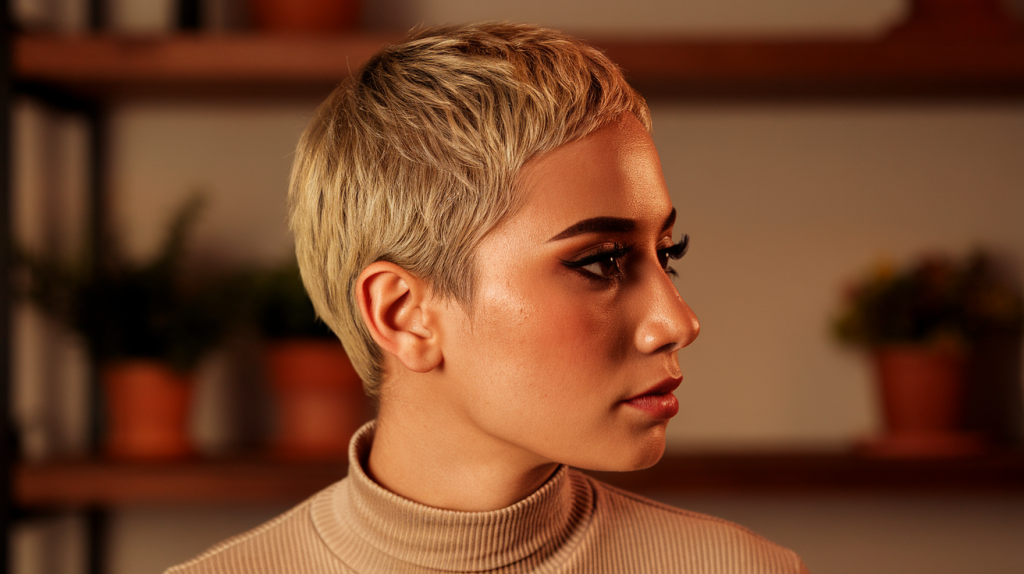
Finding the right messy short cut involves more than following trends – it requires understanding how different styles complement your unique features. The most flattering cuts enhance your best features while creating overall balance.
Cuts that flatter round faces
Round faces benefit from cuts that add height and create the illusion of length. Asymmetrical pixie cuts work beautifully, with longer pieces on top that can be styled upward or swept to the side. This vertical emphasis naturally elongates facial proportions.
The textured shag has become increasingly popular for round faces. Its layers create movement around the face without adding width, while the messy styling draws the eye upward. Keeping the sides slightly shorter than the top enhances this lengthening effect.
Side-swept bangs paired with a tousled bob create diagonal lines that visually slim round faces. The key lies in avoiding styles that add volume at the cheeks, instead focusing on height at the crown and textured pieces that fall past the widest part of the face.
Options for oval face shapes
Oval faces enjoy the luxury of suiting almost any short haircut style. This balanced face shape allows for experimentation with various lengths and textures without worrying about creating disproportion. The focus shifts to personal preference and lifestyle requirements rather than corrective styling.
A choppy bob with lots of texture showcases the versatility available to oval faces. Whether worn sleek or messy, pushed behind the ears or falling forward, this cut adapts to different occasions effortlessly. The addition of subtle layers throughout prevents the style from appearing too heavy or helmet-like.
Pixie cuts with textured tops and slightly longer bangs create particularly striking looks on oval faces. The ability to style these cuts in multiple directions – swept back, pushed forward, or tousled for volume – provides variety without requiring different cuts. This adaptability makes them perfect for busy women who want options without complexity.
Many oval-faced women find that slightly asymmetrical cuts add interest without disrupting their natural balance. A bob that’s marginally longer on one side or bangs cut at a slight angle introduce modern elements while maintaining the ease of styling that makes these cuts so appealing.
Styles perfect for square faces
Square faces shine when paired with cuts that soften angular features. Layered pixies with wispy edges around the face create gentleness without sacrificing the bold appeal of super-short styles. The key lies in avoiding blunt lines that might emphasize the jaw’s natural angles.
The shaggy bob works particularly well, with its piece-y layers and textured ends providing movement that contrasts beautifully with strong facial features. Keeping length around the jawline with plenty of layered texture helps balance proportions while maintaining that effortlessly undone appearance.
Side parts tend to flatter square faces more than center parts, creating asymmetry that softens the overall look:
Angled Cuts: Longer pieces in front gradually shortening toward the back create flattering lines
Textured Fringe: Wispy, piece-y bangs soften the forehead without creating harsh horizontal lines
Layered Crown: Extra height and texture on top elongates the face slightly
Soft Edges: Avoiding blunt cuts around the perimeter maintains gentleness
Heart-shaped face solutions
Heart-shaped faces look stunning with cuts that balance a wider forehead with a narrower chin. Chin-length bobs with plenty of texture and movement around the lower portion of the face create this equilibrium beautifully. The added fullness at the bottom prevents the style from emphasizing the face’s natural taper.
Pixie cuts work wonderfully when styled with volume at the sides rather than the top. This approach minimizes forehead width while adding dimension where needed. Swept bangs that partially cover the forehead also help create balance without requiring complicated styling routines.
The modern shag particularly suits heart-shaped faces, with its layers starting around cheekbone level and continuing downward. This creates width exactly where needed while the overall messiness of the style keeps everything looking natural and unstudied. Growing out these cuts typically maintains attractiveness longer than more structured styles.
Styling Tips for Effortless Messy Texture

Creating that perfectly imperfect messy texture doesn’t require professional skills or expensive tools. The right techniques and products make achieving this look surprisingly simple, even during rushed mornings.
Essential products for messy styles
The product selection for messy short styles focuses on enhancing natural texture rather than controlling every strand. Texturizing sprays rank among the most versatile options, providing grip and piece-y separation without heaviness. These work particularly well on damp hair, creating foundation for air-dried styles.
Lightweight styling creams offer another excellent option, particularly for those with drier hair types. Unlike heavy pomades or gels, these formulations add definition and reduce frizz while maintaining movement. A small amount worked through towel-dried hair often provides enough hold for all-day wear.
Sea salt sprays have gained popularity for good reason – they create beachy texture without stiffness. However, frequent use can dry out hair, so alternating with moisturizing products prevents damage. Many women find that mixing their own spray with warm water and a pinch of salt provides similar results at a fraction of the cost.
For those needing slightly more control, texture powders offer invisible hold while adding volume at the roots. These products work particularly well for fine hair that tends to fall flat throughout the day. A light dusting at the crown provides lift that lasts without the sticky feeling some volumizing products leave behind.
Quick morning routines
The ideal morning routine for messy short styles takes five minutes or less. Start with hair that’s either freshly washed or refreshed with a spray bottle of water. Dampness helps reactivate any product from the previous day while allowing you to reshape pieces that might have gotten compressed during sleep.
Apply your chosen product by scrunching it through your hair rather than smoothing it down. This technique encourages natural texture and prevents the style from looking too perfect or controlled. Focus product application on the mid-lengths and ends rather than roots to avoid greasiness.
The magic happens in the drying process. Rather than using a traditional blow dryer with a brush, try scrunching your hair while diffusing on low heat, or simply let it air dry while you complete other morning tasks. Tousling with your fingers every few minutes prevents pieces from drying in unflattering positions.
Once dry, a final scrunch with dry hands breaks up any sections that might have clumped together. This finishing touch creates the separated, piece-y look that defines great messy texture. Some women find that flipping their head upside down and shaking gently adds extra volume and movement.
Air drying versus heat styling
Air drying often produces the best results for messy textured cuts, allowing natural patterns to develop without heat interference. This method also saves significant time and prevents damage from daily heat exposure. The key lies in using the right products and techniques to encourage attractive texture as hair dries naturally.
Setting your style while damp proves crucial for air drying success. Twist small sections in the direction you want them to dry, scrunch areas where you want more texture, and clip pieces that tend to fall flat. These simple actions guide your hair into an attractive shape without requiring constant manipulation.
When time constraints demand faster drying, a diffuser attachment provides the best compromise. The dispersed airflow prevents frizz while encouraging natural texture. Keep the heat on low or medium settings and avoid over-drying, which can make hair appear crispy rather than touchably soft.
Some occasions call for more polished styling, and messy cuts can accommodate this too. Using a small round brush on select pieces – perhaps face-framing layers or bangs – while leaving the rest textured creates an intentional contrast. This technique offers versatility without sacrificing the overall easy-care nature of the cut.
Refreshing between washes
Strategic refreshing extends the life of your style between wash days, saving both time and preventing over-shampooing. Dry shampoo serves as the foundation for most refresh routines, absorbing oils while adding texture and grip. Apply it before bed rather than in the morning for better oil absorption and no visible residue.
Water remains your best friend for reshaping messy styles. A spray bottle filled with water (perhaps mixed with a tiny amount of leave-in conditioner) helps reactivate curls and waves without complete rewetting. Focus on pieces that have lost their shape rather than soaking the entire head.
For particularly stubborn sections, rewetting and applying a small amount of styling product helps restore the intended texture. This targeted approach takes just moments but can transform bed head into an intentionally tousled style. Working with small sections prevents the rest of your style from being disturbed.
Second and third-day hair often displays better texture than freshly washed locks. The natural oils provide grip and separation that products try to replicate. Many women find their messy cuts look best on day two, requiring only minimal touching up to look professionally styled.
Creating volume without effort
Volume in short messy cuts comes from strategic cutting and simple styling tricks rather than extensive teasing or products. Root-lifting sprays applied to damp hair and scrunched upward while drying create natural lift without stiffness. Focus application on the crown area where most women want extra height.
Changing your part represents one of the easiest ways to add instant volume. If you typically part on the left, flip to the right occasionally. This simple switch causes hair to stand away from the scalp in areas where it usually lies flat. Even a zigzag part creates interesting texture and lift.
The way you sleep affects morning volume significantly. Loosely gathering hair on top of your head with a soft scrunchie (the “pineapple” method) prevents flattening while you sleep. Some women prefer silk pillowcases that allow hair to move freely rather than creating friction that leads to flatness and frizz.
Velcro rollers offer another low-effort volume solution. Place two or three at the crown while you apply makeup or have breakfast. The gentle lift they provide lasts throughout the day without the damaged feeling that aggressive teasing can cause. No heat required – just time and strategic placement.
How to Choose the Right Cut for Your Lifestyle

Your daily routine should drive haircut decisions as much as face shape or hair texture. The perfect cut aligns with your actual life rather than an idealized version of how you think you should style your hair.
Considering your morning schedule
Realistic assessment of your morning availability prevents frustration with cuts that demand more time than you have. If you consistently hit snooze until the last possible moment, ultra-low-maintenance cuts make more sense than styles requiring even minimal manipulation.
Consider whether you prefer washing hair daily or extending time between shampoos. Some short cuts look best freshly washed, while others improve with a day or two of natural oils. Pixie cuts often fall into the daily wash category, while textured bobs can go several days between washing.
Think about your workplace requirements too. Creative environments might welcome edgier, messier styles, while conservative offices could require more polished versions. The beauty of well-cut messy styles lies in their adaptability – a bit of smoothing product transforms bedhead into boardroom-appropriate texture.
Weekend routines matter as much as weekday schedules. If you enjoy sleeping late on Saturdays, choose cuts that look intentionally tousled rather than genuinely unkempt when unstyled. This ensures you look put-together for impromptu brunch plans without bathroom intervention.
Activity level and hair behavior
Active lifestyles demand special consideration when choosing short cuts. Regular exercise means dealing with sweat and frequent washing, which can affect how certain styles behave. Cuts with built-in texture often handle post-workout washing better than those requiring specific styling to look good.
Consider how your hair responds to humidity, wind, and weather changes. Some cuts that look amazing in controlled environments fall apart in real-world conditions. The best messy styles actually improve with a bit of weather-induced disorder, turning potential frustration into enhanced style.
Swimming, whether for exercise or recreation, presents unique challenges. Chlorine and salt water affect hair texture, sometimes in beneficial ways for messy styles. Cuts that dry naturally into attractive shapes prove particularly valuable for swimmers who don’t want post-pool styling sessions.
Your natural hair behavior throughout the day influences cut selection significantly. If your hair tends to get oilier quickly, shorter cuts might require more frequent washing. Conversely, if your hair stays fresh-looking for days, you can choose cuts that improve with time between washes.
Travel frequency also impacts the ideal cut choice. Low-maintenance messy styles prove invaluable for frequent travelers who can’t pack extensive styling tools. The ability to look good with just hands and maybe one product makes these cuts perfect for women constantly on the move.
Salon visit frequency
Honest evaluation of how often you’re willing to visit the salon helps determine the best cut choice. Some short styles require trimming every four weeks to maintain their shape, while others grow out gracefully over several months.
Pixie cuts typically demand the most frequent maintenance, needing professional shaping every 4-6 weeks. However, growing them out intentionally can create equally attractive longer pixie or shaggy styles. Understanding this progression helps you plan salon visits strategically.
Bob-length cuts offer more flexibility in maintenance schedules. Many textured bobs look intentionally messy even with an inch or two of growth. This extended timeline between cuts makes them popular among busy women who can’t commit to monthly salon appointments.
Budget considerations tie directly to maintenance frequency. If regular salon visits strain your finances, choosing cuts with longer grow-out periods makes economic sense. Discuss this openly with your stylist to find options that won’t require constant professional attention.
Some stylists offer bang trims between full cuts, extending the life of your style affordably. Learning to trim your own bangs (with proper scissors and technique) provides another option for maintaining your look between professional appointments.
Professional versus casual needs
Your career demands significant consideration when selecting a short messy cut. Client-facing roles might require more polished styling options, while behind-the-scenes positions allow for edgier choices. The key lies in finding cuts that can transition between professional and casual with minimal effort.
Many messy cuts offer surprising versatility. A textured bob can appear professionally sleek with smoothing serum or casually disheveled with texturizing spray. This adaptability means you’re not locked into one look based on your workday requirements.
Consider your industry’s overall culture too. Creative fields often celebrate individuality in appearance, making bold short cuts assets rather than liabilities. Traditional corporate environments might prefer subtler texture that reads as “styled” rather than “messy.”
Video call considerations have become increasingly important. How your hair appears on camera might differ from in-person presentation. Cuts with volume at the crown and movement around the face typically translate well to video, avoiding the flat appearance that some styles create on screen.
Maintaining Your Messy Short Style Between Salon Visits

The weeks between professional cuts determine whether your style remains effortlessly chic or devolves into genuinely unkempt. Proper home maintenance extends the life of your cut while keeping styling time minimal.
Trimming techniques at home
While professional cuts provide the foundation, small maintenance trims between appointments can keep your style fresh. Investing in quality hair scissors (never use regular scissors) prevents the damage that creates frizzy, unhealthy-looking ends.
Point cutting works best for maintaining messy texture at home. Hold small sections vertically and snip upward into the ends at an angle. This technique maintains the piece-y texture your stylist created while removing any damaged ends that might appear between visits.
Face-framing pieces often need attention first, as they’re most visible and tend to grow faster than other areas. Tiny adjustments every few weeks prevent these pieces from overwhelming your face or losing their shape. Work in good lighting and trim less than you think necessary – you can always cut more.
The back presents obvious challenges for home maintenance. Some women use two mirrors or phone cameras to check their progress, while others limit home trimming to areas they can see clearly. When in doubt, wait for your professional appointment rather than risk creating problems that need fixing.
Product rotation strategies
Rotating between different products prevents buildup while addressing your hair’s changing needs. What works perfectly one week might feel heavy the next, particularly as natural oils accumulate or weather conditions change.
Clarifying treatments once weekly or biweekly remove product residue that can weigh down short styles. This might involve clarifying shampoo, apple cider vinegar rinses, or baking soda treatments. Clean hair responds better to styling products and maintains volume more effectively.
Your hair’s moisture needs fluctuate based on various factors:
Seasonal Changes: Winter heating dries hair, requiring richer products
Hormonal Fluctuations: Monthly cycles affect oil production and texture
Weather Patterns: Humidity might necessitate stronger hold products
Activity Levels: Increased exercise means more washing and potential dryness
Keep several product options available to address these changing needs. A lightweight cream for normal days, a stronger hold product for humid weather, and a moisturizing option for dry spells provides flexibility without overwhelming your bathroom cabinet.
Dealing with awkward growth phases
Every short cut experiences awkward phases during grow-out periods. Rather than fighting these stages, work with them to create intentionally messy looks that disguise uneven growth.
Accessories become valuable allies during transition periods. Decorative clips, tiny braids, or twisted sections add interest while controlling pieces that won’t cooperate. These additions look intentional rather than desperate, maintaining style credibility during challenging phases.
Changing your styling approach helps navigate growth periods. If your pixie starts looking shaggy, lean into that aesthetic with extra texturizing product. When bob layers lose their shape, create messier texture to disguise the lack of definition. This adaptability transforms potential problems into style evolution.
Sometimes embracing a completely different look during growth phases works better than trying to maintain the original style. A growing pixie might become a short shag, while an overgrown bob transforms into a lob. Discussing these transitions with your stylist helps plan attractive progression rather than suffering through awkward stages.
Color maintenance for textured cuts
Color-treated hair requires special consideration in messy short styles. The texture-enhancing techniques that create great messy cuts can also affect how color appears and fades. Understanding this relationship helps maintain both cut and color attractiveness.
Root touch-ups become more visible in short cuts where hair stands away from the scalp. Temporary root sprays or powders provide coverage between color appointments. These products wash out easily, preventing buildup that could affect texture.
Toning treatments at home help maintain color vibrancy while adding shine to textured cuts. Purple shampoos for blondes, color-depositing conditioners for brunettes, and gloss treatments for all shades keep color fresh without salon visits. Use these products strategically rather than daily to prevent over-toning.
The messy texture of these cuts can actually disguise minor color imperfections. Intentionally undone styles make precise root lines less noticeable than sleek styles would. This forgiving nature extends the time between necessary color appointments, saving both time and money.
Nighttime protection methods
How you treat your hair at night significantly impacts morning styling time. Proper nighttime protection maintains texture and volume while preventing tangles and flatness that require extensive morning correction.
Silk or satin pillowcases reduce friction that causes frizz and disrupts carefully created texture. This simple switch makes a noticeable difference in how your messy style looks upon waking. The investment pays for itself in reduced styling time and product use.
The pineapple method mentioned earlier works well for longer messy cuts, but ultra-short styles need different approaches. Some women find success with silk bonnets or buffs that protect hair without creating indentations. Others prefer sleeping with completely dry hair styled with a bit of extra product for hold.
Experimenting with different nighttime techniques helps you find what works for your specific cut and sleeping style. Side sleepers might need different protection than back sleepers. The goal remains consistent: wake up with hair that needs minimal adjustment to look intentionally messy rather than accidentally disheveled.
Messy Cuts That Work for Every Hair Type

Hair type shouldn’t limit your options when considering a low-maintenance messy cut. Understanding how different textures behave in shorter lengths helps you choose cuts that enhance rather than fight your natural hair characteristics.
Fine hair often surprises women by looking fuller and more voluminous in shorter lengths. Without excess weight pulling strands down, natural body emerges. Blunt-cut bobs with minimal layering create density illusions, while strategic texturizing adds movement without sacrificing precious volume. The key lies in avoiding over-layering that can make thin hair appear stringy.
Thick hair benefits from weight removal through careful layering and texturizing. Short cuts eliminate the pyramid effect that plagues many thick-haired women attempting longer styles. Undercuts hidden beneath longer top layers provide secret weight removal that maintains fullness where desired while eliminating bulk where it overwhelms.
Curly and wavy textures discover new spring and definition in shorter lengths. The removal of weight allows natural patterns to form more readily, often revealing texture women didn’t know they possessed. Dry cutting techniques ensure curls fall naturally, preventing the shrinkage surprises that wet cutting can create.
Straight hair gains movement and interest through strategic cutting techniques. Razor cutting, point cutting, and careful layering introduce texture that prevents poker-straight hair from appearing helmet-like in shorter lengths. These techniques create the foundation for easy messy styling that doesn’t require heat tools or extensive product use.
Confidence Is Your Best Accessory
The most successful short messy cuts share one common element: the wearer’s confidence. When you feel good about your choice, that energy radiates outward, making any style appear more polished and intentional. This internal assurance transforms a simple haircut into a statement of personal style.
Transitioning to a short cut requires mental adjustment along with the physical change. Some women experience momentary shock when seeing themselves with dramatically less hair. This reaction typically passes quickly as the convenience and style benefits become apparent. Giving yourself time to adjust prevents hasty decisions about growing it back out before experiencing the cut’s full potential. Remember that the perfect messy short cut isn’t just about following trends or rules – it’s about finding what makes you feel authentically yourself while fitting seamlessly into your daily routine.
Frequently Asked Questions
Q: How often should I wash my messy short haircut?
A: Most messy short cuts look best washed every 2-3 days. This schedule allows natural oils to enhance texture while preventing greasiness. Fine hair might need more frequent washing, while thick or dry hair can often go longer between shampoos.
Q: Can I achieve a messy look if my hair is naturally very straight?
A: Yes, straight hair can absolutely rock messy styles. Use texturizing products like sea salt spray or texture powder, and consider asking your stylist for extra layers and point cutting to create movement and piece-y texture in your naturally straight hair.
Q: What’s the difference between a textured cut and a layered cut?
A: Layering removes length at different points to create shape and movement, while texturizing removes bulk and creates piece-y ends without necessarily changing length. Most messy cuts combine both techniques for optimal results.
Q: How do I know if a pixie cut or bob would suit me better?
A: Consider your lifestyle, face shape, and maintenance preferences. Pixies require more frequent trims but offer ultimate wash-and-go convenience. Bobs provide more styling versatility and grow out more gracefully but take longer to dry and style.
Q: Will a messy cut make me look unprofessional at work?
A: Not at all. Modern messy cuts can appear very polished with the right styling. Use smoothing products for important meetings, or add accessories like sleek clips to create a more refined appearance while maintaining the cut’s easy-care nature.
Q: How can I add volume to my messy short cut without using heat tools?
A: Try root-lifting sprays on damp hair, change your part regularly, use velcro rollers while getting ready, or flip your hair upside down while it air dries. Dry shampoo at the roots also adds instant volume and texture.
Q: What should I tell my stylist to get the perfect messy cut?
A: Bring photos of styles you like, discuss your daily routine and styling abilities honestly, and mention how often you’re willing to return for trims. Ask specifically for a cut that looks good air-dried and grows out well.
Q: Can I transition from long hair to a short messy cut gradually?
A: Absolutely. Start with a long bob, then gradually go shorter as you adjust. This approach helps you discover your comfort level with length while allowing your stylist to understand how your hair behaves at different lengths.

