


Finding the perfect haircut when you’re juggling school drop-offs, work meetings, and endless laundry can feel impossible. Most mornings, you barely have time to brush your teeth, let alone style your hair into something presentable. Yet looking put-together remains important for your confidence and professional life, creating a daily challenge that many mothers know all too well.
The good news is that certain haircuts can dramatically reduce your morning routine while still looking polished and stylish. These cuts work with your natural hair texture rather than against it, eliminating the need for extensive heat styling or complicated techniques. They grow out gracefully too, meaning fewer urgent salon appointments when your schedule is already packed.
In the following sections, we’ll share practical haircut options that busy mothers swear by for their simplicity and versatility. From short styles that air-dry beautifully to longer cuts that look great in a quick ponytail, you’ll discover options that fit your lifestyle without sacrificing style. Ready to reclaim those precious morning minutes? Let’s find the perfect low-maintenance cut for you.
What Makes a Haircut Truly Low Maintenance?

Understanding what separates a genuinely easy haircut from one that promises simplicity but delivers frustration helps you make smarter choices at the salon. Not every “effortless” style lives up to its promise, especially when you’re working with limited time and energy each morning.
Time required for daily styling
The best low-maintenance cuts require minimal morning effort. You should be able to go from wet hair to presentable in under 10 minutes, including drying time. Cuts that air-dry well or need just a quick blow-dry pass save precious minutes. Look for styles that don’t require sectioning, multiple styling tools, or precise techniques to look good.
Your daily routine might involve nothing more than scrunching in some product and letting your hair do its thing. Or perhaps a quick tousle with your fingers and a blast of cool air from the dryer. The key is finding cuts that look intentionally styled even when you’ve done almost nothing.
Frequency of salon visits needed
True low-maintenance cuts grow out gracefully, extending the time between salon appointments. While pixie cuts might need trimming every 4-6 weeks, longer styles can often go 10-12 weeks between visits. Consider your realistic salon availability when choosing a cut.
Budget factors into maintenance too. Cuts requiring frequent touch-ups or color maintenance to look their best might not suit your lifestyle. Natural colors and cuts that maintain their shape as they grow prove more practical for busy schedules.
Products and tools required
How many bottles crowd your bathroom counter? Low-maintenance styles work with minimal product arsenals. Perhaps just a leave-in conditioner and texturizing spray, or a simple mousse and light-hold hairspray. Cuts requiring multiple products for different sections or specialized tools quickly become high-maintenance.
The same applies to tools. If a style needs a diffuser, round brush, flat iron, and curling wand to look decent, it’s not truly low-maintenance. The best cuts look great with just your hands or a basic blow dryer.
Versatility for different occasions
Your haircut should transition seamlessly from playground to boardroom. Can you dress it up for date night with minimal effort? Does it look appropriate for both casual weekend errands and important meetings? Versatile cuts eliminate the stress of special occasion styling.
Think about your lifestyle requirements:
- Work presentations: Professional yet unfussy appearance
- School events: Polished but approachable style
- Exercise classes: Secure enough for movement
- Evening plans: Easy to refresh or dress up
- Weekend activities: Casual and comfortable
Growth pattern considerations
Your hair’s natural growth patterns significantly impact maintenance levels. Cowlicks, strong parts, or directional growth can work for or against certain cuts. A skilled stylist will work with these patterns rather than trying to force your hair into submission.
Consider how your hair behaves at different lengths. Some women find their hair easier to manage when kept shorter, while others discover that a bit of length weighs down unruly textures. Pay attention to past experiences – at what length did your hair feel most cooperative?
Understanding these maintenance factors helps you communicate effectively with your stylist. Be honest about your styling abilities and time constraints. A good stylist will recommend cuts that align with your real life, not an idealized version where you have 30 minutes for hair every morning.
The Top Low Maintenance Cuts That Save You Time
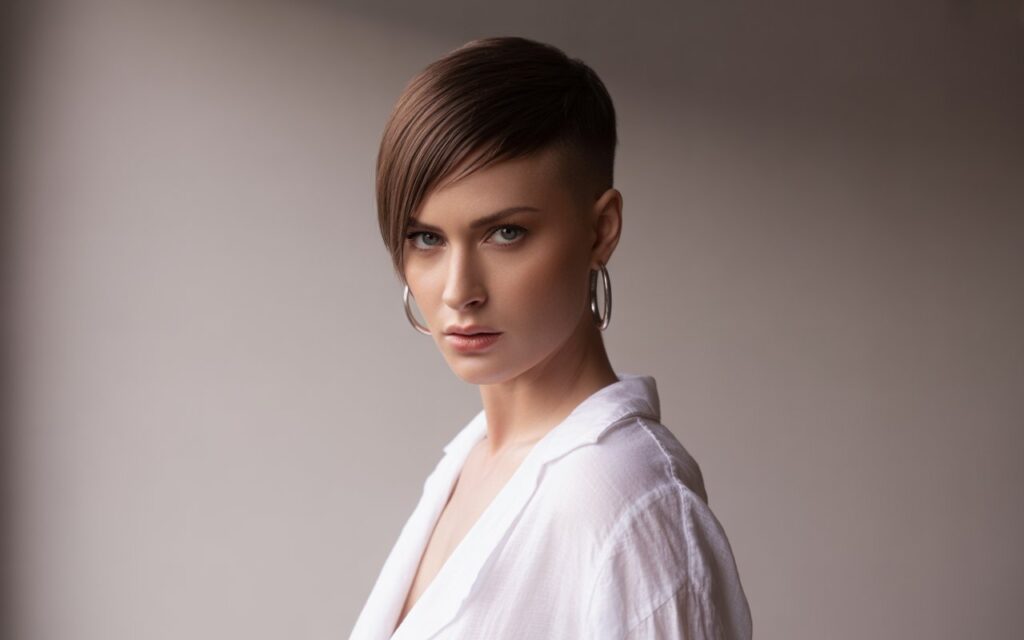
After years of wrestling with complicated styles, many mothers discover that simpler cuts actually look more polished. These five options consistently rank as favorites among busy women who refuse to sacrifice style for convenience.
The modern pixie cut
Gone are the rigid, severe pixies of decades past. Today’s versions feature soft, textured layers that move naturally and require minimal styling. The beauty lies in the cut itself – when done well, you literally wake up with styled hair.
Modern pixies work particularly well for women with natural texture or waves. The short length prevents heaviness while allowing natural movement to shine. Fine-haired women love how pixies create an illusion of fullness without requiring volumizing products or techniques.
Styling typically involves working a small amount of texture cream through damp hair and either air-drying or using a blow dryer for just 2-3 minutes. No round brushing, no sectioning, no careful smoothing required. The intentionally piece-y texture means bedhead often looks purposeful rather than sloppy.
One unexpected benefit? The confidence boost that comes from such a dramatic change. Many women report feeling more put-together with a pixie than they ever did with longer styles, simply because it always looks “done.”
Long layers with natural texture
For those not ready to go short, long layers offer the perfect compromise between length and ease. The key is working with your hair’s natural texture rather than fighting it daily. Strategic layering removes bulk while encouraging natural movement.
This cut shines when air-dried with just a leave-in conditioner or curl cream. Women with waves find their texture enhanced and defined, while those with straighter hair discover subtle movement they didn’t know existed. The layers prevent that heavy, shapeless look that makes long hair feel high-maintenance.
Styling options remain plentiful despite the simplicity. Throw it in a high ponytail for the gym, create a low bun for meetings, or wear it down with natural texture for everyday activities. The layers add interest to every style without requiring special techniques.
The wash-and-go bob
Bobs have earned their reputation as the ultimate mom haircut for good reason – they’re incredibly practical. But forget the severe, blunt versions. Today’s low-maintenance bobs feature soft edges and subtle layers that move naturally.
The ideal length hits somewhere between chin and shoulders, allowing for tucking behind ears or quick ponytails when needed. Slight graduation or stacking at the back creates shape without requiring precise blow-drying. Many women find their natural texture – whether straight, wavy, or curly – looks fantastic at this length.
What makes certain bobs truly wash-and-go? The cut technique. Razored or point-cut ends create lived-in texture that looks intentional even when air-dried. Internal layers remove weight without creating steps that need careful styling. The result is a shape that falls into place naturally.
Shoulder-length with soft waves
This versatile length offers the best of both worlds – long enough for updos but short enough to dry quickly. The soft waves can be natural or enhanced with minimal effort, creating an effortlessly polished look.
The secret lies in the cutting technique. Long layers throughout create movement, while face-framing pieces add softness. This cut works whether your natural texture is straight (waves can be added with braids or twists while damp) or wavy (enhanced with scrunching).
On busy mornings, simply apply a wave-enhancing spray to damp hair and scrunch. Let it air dry while getting ready, or diffuse for just a few minutes. The waves hide any imperfections and create a finished look without precision styling. Second-day hair often looks even better with this cut.
The practical lob
The lob (long bob) has become a modern classic for good reason. Hitting just above or at the shoulders, it’s long enough to pull back but short enough to dry quickly. This length flatters almost everyone and grows out beautifully.
What makes a lob particularly practical? The length removes the weight that makes longer hair time-consuming to style, while maintaining enough versatility for different looks. You can wear it straight, wavy, or pulled back, and each option requires minimal effort.
The best lobs feature subtle layering that enhances natural texture. Whether your hair is thick or thin, straight or wavy, the right lob cut works with your hair’s tendencies rather than against them. Many women find this length brings out wave patterns they didn’t know they had, simply because the weight is removed.
Maintenance is refreshingly simple. Most lobs can go 10-12 weeks between cuts while still looking intentional. The grow-out phase transitions naturally into longer styles if you decide to switch things up, making this a low-commitment option for those unsure about going shorter.
How to Choose the Right Cut for Your Hair Type?
Your hair’s natural characteristics should drive your haircut choice, not fight against it. Working with your texture, density, and growth patterns makes the difference between a truly effortless style and one that demands constant attention.
Fine and straight hair considerations
Fine, straight hair often lacks natural volume and can appear limp with the wrong cut. However, the right style can create an illusion of thickness while remaining easy to maintain. Shorter cuts generally work better than long styles, as length tends to weigh down fine hair further.
Blunt cuts at one length can make fine hair appear fuller and healthier. Think chin-length bobs or collar-bone cuts with minimal layering. Too many layers can make already-fine hair look stringy and require more styling to look polished. When you do incorporate layers, keep them long and subtle.
Adding texture through the cut itself saves styling time. Razored ends or point cutting creates movement without thinning the hair. These techniques allow fine hair to have life and body without requiring root-lifting products or extensive blow-drying. A good cut should make your hair look fuller even when air-dried.
Color can also enhance fine hair’s appearance. Subtle highlights create dimension and the illusion of thickness. Single-process color often makes fine hair look denser too. Just remember that frequent coloring requires more maintenance, so factor that into your decision.
Thick and wavy hair options
Thick, wavy hair brings its own challenges – namely, bulk and frizz. The right cut removes weight strategically while maintaining the wave pattern. Long layers throughout the hair prevent the triangular shape that shorter cuts can create on thick hair.
Length often works in your favor with thick, wavy hair. The weight helps elongate waves and prevent excessive volume. Shoulder-length or longer cuts typically prove most manageable. However, if you prefer shorter styles, ensure your stylist is experienced with thick textures and uses thinning techniques appropriately.
Internal layers make the biggest difference for thick hair. These hidden layers remove bulk without creating visible steps that need styling. Combined with the right products, this cutting technique allows waves to form naturally without overwhelming volume:
- Thinning shears: Used sparingly for bulk removal
- Slide cutting: Creates seamless layers
- Point cutting: Softens edges without thinning
- Razor work: Adds movement to heavy sections
- Graduated layers: Prevents bottom-heavy shapes
Curly hair solutions
Curly hair requires specialized cutting techniques for truly low-maintenance results. Traditional cutting methods often disrupt curl patterns, leading to frizz and requiring extensive styling. Look for stylists trained in curl-specific techniques who understand how curls spring up when dry.
The shape matters more than the length with curly hair. Round, graduated shapes prevent the pyramid effect while allowing curls to form naturally. Many curly-haired women find medium lengths most manageable – long enough to weigh down curls slightly but short enough to dry in reasonable time.
Layers in curly hair should enhance the curl pattern, not fight it. Each curl family behaves differently, so your stylist should assess your specific pattern before cutting. Some curls need length for definition, while others spring up beautifully when shortened. The goal is enhancing what you have naturally.
Product selection becomes especially important with curly hair. However, the right cut minimizes product dependency. You might need just a leave-in conditioner and curl cream rather than multiple styling products. The cut should do most of the work in creating shape and controlling frizz.
Color-treated hair factors
Color treatment affects hair texture and maintenance requirements significantly. If you color regularly, choose cuts that grow out gracefully and don’t require precise lines. Softer shapes and lived-in colors reduce salon frequency while maintaining a polished appearance.
Highlighted hair often gains texture and body, making previously limp hair easier to style. Take advantage of this added texture by choosing cuts that showcase movement. Layers and textured ends look particularly good on highlighted hair, as the dimension shows off the color variation.
Consider your color maintenance schedule when selecting a cut. Root touch-ups every 4-6 weeks might align well with a pixie trim schedule. Alternatively, choose techniques like balayage or subtle highlights that grow out naturally if you prefer longer cut cycles.
Face shape compatibility
While hair texture drives maintenance levels, face shape influences which low-maintenance cuts look most flattering. Round faces benefit from height and angles, making textured pixies or long layers ideal. Square faces soften with curved lines and side-swept elements.
Oval faces can wear virtually any style successfully, so focus purely on maintenance and lifestyle factors. Heart-shaped faces look great with chin-length or longer cuts that add fullness at the bottom. Long faces benefit from width-adding styles like bobs with volume or waves.
Remember that these are guidelines, not rules. Personal style and confidence matter more than perfect proportions. The most important factor remains choosing a cut you can maintain easily within your actual daily routine.
Styling Tips That Take Less Than 5 Minutes
Even the best low-maintenance cut needs occasional styling help. These quick techniques work with your cut rather than against it, taking advantage of shortcuts that still deliver polished results.
The power of dry shampoo
Dry shampoo might be the single most important product in a busy mother’s arsenal. Beyond absorbing oil, it adds texture and volume that makes styling easier. Apply it before bed on clean hair to prevent oil buildup, or use it in the morning to refresh yesterday’s style.
The application technique matters as much as the product itself. Spray in sections at the roots, lifting hair to ensure even coverage. Let it sit for a minute before massaging in – this absorption time makes the difference between white residue and invisible freshness. Focus on the crown and hairline where oil appears first.
Different hair colors and textures benefit from different formulas. Dark hair shows white residue more easily, so tinted versions work better. Fine hair needs lightweight formulas that won’t weigh it down. Thick hair can handle heavier, more absorbent formulas. Experiment to find your perfect match.
Quick texturizing techniques
Texture spray transforms flat hair in seconds. Unlike hairspray, which can create stiffness, texture products add grip and movement while maintaining softness. Spray throughout damp or dry hair and scrunch to activate natural wave patterns.
The scrunch method works wonders for encouraging texture. Spray product into palms, then cup sections of hair and squeeze upward. This technique works on all hair types – straight hair gains wave, wavy hair becomes more defined, and curly hair springs to life. No heat tools needed.
For straight hair craving texture, try the twist method. Spray product on damp hair, then twist small sections and release. Let hair air dry in these twists, or speed the process with a diffuser. The result is natural-looking waves that last all day without any hot tools.
Salt sprays create beachy texture instantly. Unlike traditional products, they work by slightly dehydrating the hair shaft, creating natural grip and wave. Use sparingly – too much can dry out your hair. Focus on mid-lengths and ends rather than roots.
Simple updos for second-day hair
Second-day hair often styles better than freshly washed locks. The natural oils provide grip and texture that makes updos stay put without excessive pinning or products. Master a few quick options for those mornings when washing isn’t an option.
The messy bun works on almost any hair length past the shoulders. Gather hair loosely at the crown or nape, twist, and wrap around the base. Secure with an elastic and pull out face-framing pieces. The imperfection is intentional – spending time making it “perfect” defeats the purpose.
A low ponytail looks surprisingly sophisticated with minimal effort. Position it at the nape of your neck and wrap a small section of hair around the elastic to hide it. This polished touch takes seconds but elevates the entire look. Smooth the front with a bit of water or light serum if needed.
Braids offer endless quick possibilities:
- Side braid: Pulls hair away from face elegantly
- Top knot: Combines a braid into a bun for security
- Half-up twist: Controls front sections while showing length
- Loose plait: Softens the look with pulled-out pieces
- Rope braid: Faster than traditional plaiting
Hair accessories speed up styling significantly. A pretty clip can gather hair in seconds while looking intentional. Headbands control shorter layers or bangs without any styling skill required. Bobby pins in metallic finishes or decorative styles become part of the look rather than hidden tools.
Overnight styling methods
Styling while you sleep maximizes morning efficiency. These techniques work with your natural texture to create heat-free styles that last. The key is finding methods that stay comfortable enough for actual sleep.
Loose braids create waves without heat damage. Braid damp hair before bed – one for subtle waves, multiple for more defined texture. Use a silk scrunchie to prevent creasing at the ends. In the morning, release the braids and finger-comb for natural-looking waves.
The sock bun method creates smooth curls on longer hair. Roll damp hair around a sock donut and secure. Sleep comfortably while hair dries in a rounded shape. Morning reveals bouncy curls that need only light finger-styling to look polished.
Silk scarves or pillowcases preserve any style while preventing frizz. The smooth surface reduces friction that causes tangles and static. This simple switch can extend any style by a day or two, reducing overall styling frequency.
Emergency fixes for rushed mornings
Some mornings allow zero styling time. Keep these emergency fixes in mind for those moments when you’re running late but still need to look presentable.
A sleek low bun works on any hair texture and hides multiple sins. Smooth hair back with damp hands, secure tightly at the nape, and twist into a bun. A bit of hand lotion smoothed over flyaways acts as emergency anti-frizz serum. The severe style looks intentionally minimalist rather than rushed.
Strategic accessories save the day when nothing else works. A wide headband covers roots and controls volume while looking purposeful. A pretty scarf tied as a headband adds style while hiding chaos. Even a baseball cap works for school drop-off emergencies.
The half-up trick works on almost any hair disaster. Pull just the top section back and secure with an elastic or clip. This instantly makes hair look more controlled while requiring no skill or time. Add a quick twist to the pulled-back section for extra polish.
When all else fails, remember that confidence sells any look. Stand tall, smile, and own whatever state your hair happens to be in. Most people pay far less attention to your hair than you imagine. Your genuine smile and engaged presence matter more than perfect styling any day.
How Often Should You Visit the Salon?
The dream of any low-maintenance haircut is stretching those salon appointments as far as possible without looking unkempt. Your specific cut, hair growth rate, and personal standards all factor into finding your ideal schedule.
Pixie cut maintenance schedule
Pixies require the most frequent maintenance of any style, but the payoff comes in daily simplicity. Most pixie cuts need professional attention every 4-6 weeks to maintain their shape. The shorter the cut, the more frequently you’ll need trims.
The neckline and ears show growth first with pixie cuts. Even an extra week can mean the difference between sleek and shaggy in these areas. However, some modern pixie variations grow out more gracefully. Longer, textured pixies can sometimes stretch to 6-8 weeks between appointments.
Building a relationship with your stylist helps maintain consistency. They’ll learn your growth patterns and preferences, making each appointment faster. Some salons offer quick “clean-up” services between full cuts – just neckline and ear trimming to extend the time between complete restyles.
Budget-conscious tip: Learn to trim your own neckline between appointments. With proper scissors and a hand mirror, you can add an extra week or two between professional cuts. Just stick to the existing line rather than attempting to reshape anything.
Bob and lob timing
Bobs and lobs offer more flexibility in maintenance schedules. Most can go 8-10 weeks between cuts while still looking intentional. The key is starting with a cut that grows out well rather than one requiring precise lines.
Graduated or stacked bobs need more frequent attention than one-length cuts. The angle shows growth more obviously, requiring maintenance every 6-8 weeks. One-length bobs can stretch to 12 weeks if you don’t mind a slightly longer look.
Your hair’s growth rate plays a significant role. Average growth is about half an inch per month, but some women experience faster or slower rates. Pay attention to when your style starts feeling shapeless rather than following a rigid schedule.
Lobs prove especially forgiving during grow-out. The length allows for ponytails when the shape gets questionable, buying you extra time between appointments. Many women alternate between full cuts and simple trims, extending their salon budget.
Long hair trimming frequency
Long hair requires the least frequent salon visits, but regular trims prevent damage from traveling up the hair shaft. Every 10-12 weeks works for most women with healthy hair. Those with damage or split ends might need trims every 8 weeks.
The “search and destroy” method helps between trims. When you notice split ends, trim just those individual hairs rather than taking length off everything. This targeted approach maintains hair health without sacrificing length you’re trying to grow.
Your hair’s condition matters more than arbitrary timelines:
- Healthy hair: 12-16 weeks between trims
- Color-treated: 8-10 weeks to prevent damage
- Heat-styled daily: 6-8 weeks for damage control
- Natural/no heat: Can stretch to 16+ weeks
- Growing out: Small trims every 12 weeks
Signs you need a trim
Sometimes your hair tells you it needs attention regardless of the calendar. Learning to recognize these signs helps you maintain your style without unnecessary appointments.
Tangles that weren’t there before signal the need for a trim. When hair becomes difficult to brush through despite using conditioner, the ends have likely become too damaged to smooth down. This creates more knots and breakage if left unaddressed.
Style changes indicate growth has affected your cut’s shape. Your blow-dry takes longer, products don’t work the same way, or you find yourself constantly tucking pieces that won’t cooperate. These frustrations mean the cut no longer works with your hair’s natural patterns.
Split ends traveling upward require immediate attention. Once you see splits above the very ends, damage will continue climbing if not removed. Regular small trims prevent this issue, but once it starts, you need professional intervention.
The style no longer feels “you” anymore. Sometimes growth changes the entire vibe of a cut. What started as edgy becomes frumpy, or sleek turns shapeless. Trust your instincts when something feels off about your hair.
Stretching appointments safely
Financial realities sometimes require stretching appointments beyond ideal timing. These strategies help maintain your look without risking hair health or professional appearance.
Invest in good styling products when extending appointment gaps. Quality dry shampoo, texture spray, and smoothing serums compensate for shape loss. The money saved on one appointment can fund products that help through multiple stretch periods.
Change your styling approach as the cut grows. A bob growing out might work better with waves than straight. A growing pixie might need product for definition rather than volume. Adapt rather than fighting the new length.
Book appointments in advance but build in flexibility. Having a standing appointment every 8 weeks ensures you get your preferred time slot. You can always push it back a week or two if needed, but getting in last-minute proves difficult with quality stylists.
Communication with your stylist helps tremendously. Tell them you need to stretch appointments and ask for a cut that grows out well. Most stylists can adjust their technique to create styles that last longer. They’d rather see you less frequently than lose you as a client entirely.
Consider partial services to extend full appointments. A bang trim or neck clean-up costs less than a full cut but refreshes your look significantly. Some salons offer these services as walk-ins between regular appointments.
Elevate Your Everyday: The Final Word on Effortless Style
Low-maintenance doesn’t mean low-impact. The right haircut can transform your mornings from chaotic styling sessions into simple, confident routines. Whether you choose a textured pixie that air-dries perfectly or long layers that fall into place naturally, the goal remains the same: looking polished without the time investment.
Your perfect cut exists at the intersection of your hair’s natural tendencies, your lifestyle demands, and your personal style. Take time to honestly assess your daily routine, your hair’s behavior, and your realistic maintenance capacity. Armed with this self-knowledge, you can work with a skilled stylist to create a look that serves your real life, not an idealized version of it. The best haircut is one that makes you feel confident walking out the door, even on your busiest mornings.
Frequently Asked Questions
Q: Can I really look polished with only 5 minutes for hair styling?
A: Absolutely. The secret lies in choosing the right cut for your hair texture and learning 2-3 quick techniques that work with your specific style. Most low-maintenance cuts are designed to look good air-dried or with minimal heat styling.
Q: Which haircut requires the least maintenance overall?
A: Long layers typically require the least frequent salon visits (every 10-12 weeks) and offer the most styling versatility. However, pixie cuts, despite needing more frequent trims, often require the least daily styling time.
Q: Will a low-maintenance cut work with my naturally curly hair?
A: Curly hair can be incredibly low-maintenance with the right cut. Look for stylists trained in curl-specific cutting techniques who understand how to enhance your natural pattern rather than fight it.
Q: How do I explain to my stylist that I need a truly low-maintenance cut?
A: Be specific about your routine: how much time you have, what tools you own, and your styling skill level. Bring photos of styles you like, but emphasize that ease of styling is your top priority over achieving an exact look.
Q: What’s the best haircut for thick, unruly hair?
A: Medium to longer lengths with internal layers work best for thick hair. The weight helps control volume while strategic layering removes bulk. Avoid short cuts unless your stylist is experienced with thick textures.
Q: Can I have a low-maintenance haircut if I color my hair regularly?
A: Yes, but choose colors and cuts that grow out gracefully. Balayage, subtle highlights, or colors close to your natural shade require less frequent touch-ups. Pair these with cuts that don’t show roots as obviously.
Q: How much should I budget for maintaining a “low-maintenance” cut?
A: Budget varies by cut type: pixies need trimming every 4-6 weeks ($30-60 per visit), while longer cuts can go 10-12 weeks ($40-80 per visit). Factor in occasional products, but remember that the right cut minimizes product needs.
Q: What if I regret cutting my hair short for easier maintenance?
A: Start with a longer low-maintenance option like a lob, which offers easy styling while preserving length. You can always go shorter later, but growing out a too-short cut requires patience and potentially awkward phases.

