

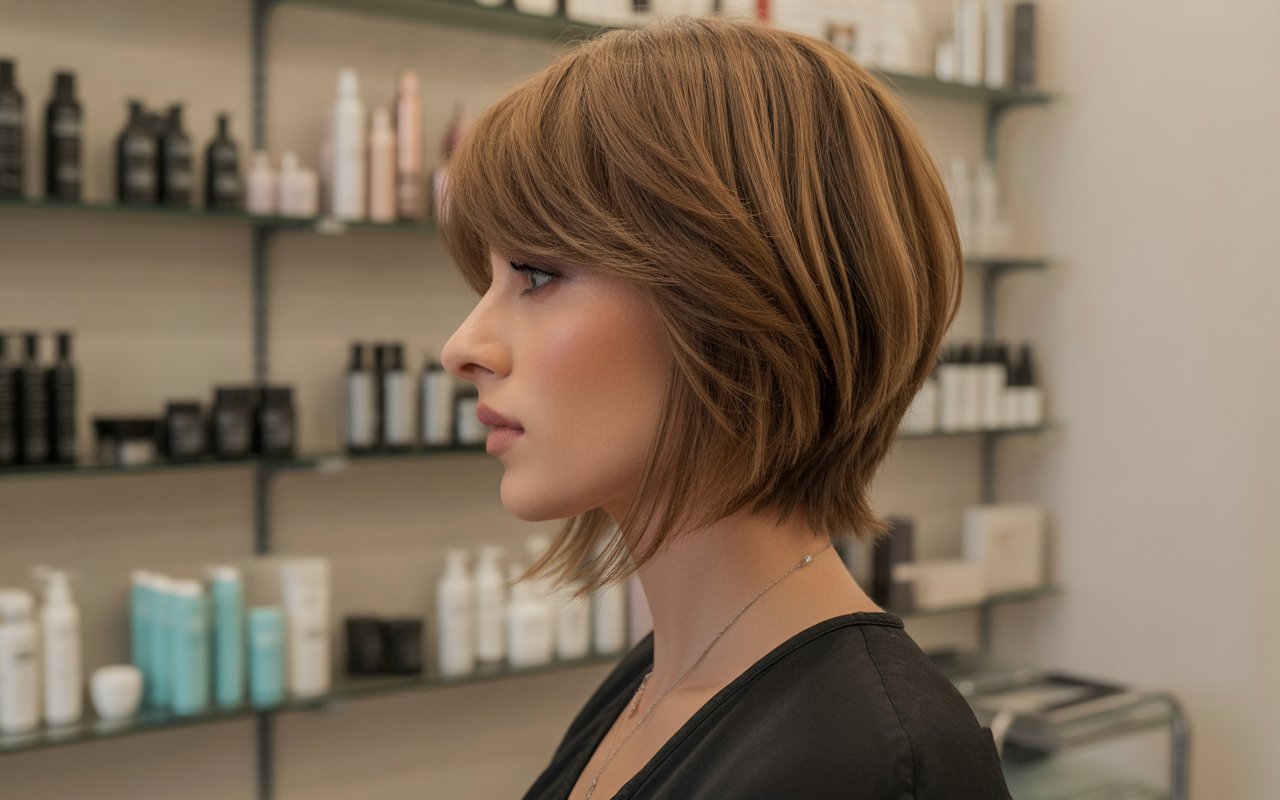
Layered haircuts have become the go-to choice for women seeking movement, texture, and versatility in their hairstyles. These cuts work by creating different lengths throughout the hair, which adds dimension and helps eliminate that flat, one-dimensional look that many women struggle with. Whether you have fine hair that needs volume or thick hair that requires weight removal, layers offer a customizable solution that works with your natural texture rather than against it.
The beauty of layered cuts lies in their adaptability. You can opt for subtle, barely-there layers that simply add a touch of movement, or go for dramatic, choppy layers that create an edgier look. This versatility means there’s a layered style perfect for every woman, regardless of age, hair type, or personal style preference. Modern layering techniques have evolved significantly, with stylists now using advanced cutting methods that preserve length while adding incredible shape and movement.
Finding the right layered cut involves considering several factors including your hair texture, face shape, lifestyle, and styling preferences. Throughout the following sections, we’ll explore the various types of layered haircuts available, discuss which styles work best for different hair types and face shapes, share styling tips to maximize your layers, and reveal the hottest layered trends dominating salons this year. Let’s discover how the right layered cut can transform your look and simplify your daily styling routine.
- What Are Layered Haircuts and Why They're Popular This Year
- The Best Layered Haircut Styles for Different Hair Types
- How to Choose the Right Layered Cut for Your Face Shape
- Styling Tips and Maintenance for Layered Hair
- Current Layered Hair Trends Making Waves This Year
- Choosing the Perfect Layered Haircut
- Frequently Asked Questions
What Are Layered Haircuts and Why They’re Popular This Year
Layered haircuts involve cutting hair at different lengths to create dimension, movement, and texture throughout your style. Unlike blunt cuts where all hair falls at the same length, layers strategically remove weight and bulk while maintaining overall length. This technique allows stylists to customize cuts based on individual hair characteristics and desired outcomes.
Understanding Different Layer Types
The world of layering includes various techniques, each serving specific purposes. Long layers start higher up and create gentle movement throughout the hair, perfect for women who want to maintain length while adding life to their locks. Short layers, on the other hand, begin closer to the crown and create more dramatic movement and volume.
Face-framing layers deserve special attention as they shape and highlight facial features beautifully. These strategic cuts around the face can soften angular features or add definition to rounder face shapes. Many women find that well-placed face-framing layers eliminate the need for extensive contouring makeup.
Invisible layers represent a newer technique gaining popularity among those seeking subtle enhancement. These barely-there cuts add movement without creating obvious steps or disconnection in the hair. The result looks natural and effortless, making this option ideal for professional women or those preferring understated styles.
Why Layers Dominate Current Hair Trends
Several factors contribute to the ongoing popularity of layered cuts this year. First, they offer solutions to common hair concerns without requiring drastic changes. Women with fine hair gain volume and body, while those with thick hair experience relief from excess weight and bulk.
The versatility of layers appeals to our increasingly busy lifestyles. A well-executed layered cut can look polished with minimal styling effort, yet also allows for various styling options when you want to switch things up. Air-drying becomes more attractive when layers help hair fall into place naturally.
Social media has also influenced the rise of textured, lived-in styles that layers create effortlessly. The “I woke up like this” aesthetic aligns perfectly with what layers deliver – hair that looks effortlessly cool without appearing overly styled or stiff.
Benefits Beyond Aesthetics
Layers offer practical advantages that extend beyond appearance. They can significantly reduce styling time by allowing hair to dry faster and fall into place more easily. This time-saving aspect particularly appeals to busy professionals and mothers juggling multiple responsibilities.
Hair health improves with strategic layering too. By removing damaged ends and reducing weight, layers can help hair appear healthier and more vibrant. The added movement also prevents hair from looking limp or lifeless between salon visits.
Consider these additional benefits of choosing a layered cut:
Customization Options: Layers can be tailored to work with your natural texture, whether straight, wavy, or curly
Growth-Friendly: Unlike some precision cuts, layers grow out gracefully, extending time between salon visits
Styling Versatility: The same cut can be worn sleek and polished or tousled and casual
Age-Appropriate: Layers can be adapted to suit any age, adding youthfulness without looking inappropriate
Damage Disguise: Strategic layering can minimize the appearance of damage or thinning areas
Professional Considerations for Layers
Before committing to layers, consider your lifestyle and maintenance preferences. While layers can reduce daily styling time, they do require regular trims to maintain their shape and prevent the style from looking grown out or shapeless. Most stylists recommend trimming every 6-8 weeks to keep layers looking fresh.
Your hair’s natural texture plays a crucial role in how layers will behave. Straight hair showcases precise layering beautifully, while wavy and curly textures benefit from layers that work with natural movement patterns. Discussing these factors with your stylist ensures realistic expectations and optimal results.
The Best Layered Haircut Styles for Different Hair Types
Hair texture determines how layers will look and behave once cut. Understanding which layering techniques work best for your specific hair type helps achieve optimal results while avoiding common pitfalls that can leave you frustrated with your new style.
Layered Cuts for Fine Hair
Fine hair benefits tremendously from strategic layering, but the approach requires careful consideration. The goal is adding volume and movement without removing too much hair, which could result in stringy, thin-looking ends. Stylists often recommend longer layers that start below the chin for fine-haired women.
One particularly effective technique for fine hair involves creating graduated layers that build volume at the crown while maintaining density at the ends. This approach gives the illusion of thicker, fuller hair without sacrificing precious length. Internal layers, cut underneath the top sections, provide lift without creating visible steps.
The shag haircut has made a major comeback for fine-haired women this year. Modern shag interpretations feature softer layers than their 1970s predecessors, creating texture and volume without the extreme disconnection of traditional shags. These cuts work especially well for women with fine hair because the layers create an instantly fuller appearance.
Avoiding over-layering is crucial for fine hair. Too many layers or layers cut too short can leave hair looking wispy and insubstantial. Your stylist should focus on creating movement while preserving as much density as possible, particularly through the ends where fine hair tends to look thinnest.
Layered Options for Thick Hair
Thick hair presents different challenges, primarily excess weight and bulk that can create pyramid-like shapes or difficulty in styling. Layers become essential tools for managing thick hair, removing strategic weight while maintaining beautiful shape and movement. The key lies in placement and technique.
Long layers work wonderfully for thick hair, starting around the collarbones and continuing through the length. This approach removes weight gradually, preventing the dreaded triangle shape that can occur when thick hair is cut in a blunt line. Your stylist might also incorporate thinning techniques between layers to further reduce bulk.
For thick-haired women seeking dramatic change, choppy layers offer an edgy alternative to traditional cuts. These more aggressive layers create significant texture and movement, transforming heavy hair into a piece-y, modern style. The technique works particularly well for women who prefer air-drying their hair.
Short layered cuts like pixies and bobs can beautifully showcase thick hair’s natural volume when executed properly. The layers prevent these shorter styles from appearing too heavy or helmet-like, instead creating soft, flattering shapes that move naturally.
Working with Wavy Hair
Wavy hair occupies a unique position between straight and curly, requiring specialized layering approaches. The natural S-pattern of waves means layers must work with this movement rather than against it. Successful layering enhances wave formation while preventing frizz and maintaining shape.
Medium to long layers typically work best for wavy hair, allowing waves to form and stack naturally. Shorter layers can disrupt wave patterns, causing sections to spring up awkwardly or create unwanted volume in the wrong places. Many stylists recommend cutting wavy hair dry to see exactly how each wave will fall.
The wolf cut has gained tremendous popularity among wavy-haired women this year. This style combines elements of shags and mullets with heavy layering throughout, creating an effortlessly cool look that showcases natural texture. The key to a successful wolf cut on wavy hair involves ensuring layers enhance rather than fight natural wave patterns.
Curly Hair Layering Techniques
Curly hair requires perhaps the most specialized approach to layering. Each curl has its own spring pattern and weight, meaning traditional layering techniques often fail to deliver desired results. Curly hair specialists use unique cutting methods that respect curl integrity while creating shape and removing bulk.
The DevaCut method, designed specifically for curly hair, involves cutting each curl individually while dry. This technique allows stylists to see exactly how each curl will fall and interact with surrounding curls. Layers are created by strategically shortening specific curls rather than cutting straight across sections.
For tighter curl patterns, layers focus primarily on shaping rather than thinning. The goal becomes creating a flattering silhouette that allows curls to spring and move freely without creating unwanted width or pyramid shapes. This often means longer layers with subtle graduation rather than dramatic differences in length.
Round layering techniques work exceptionally well for curly hair, creating soft, curved shapes that complement natural curl patterns. This approach avoids the harsh lines that can occur with traditional layering, instead producing organic shapes that move beautifully as curls shift and change throughout the day.
Combination Textures and Special Considerations
Many women have combination hair textures, perhaps straight roots with wavy ends or different curl patterns throughout their hair. These situations require customized layering approaches that address each texture appropriately. Your stylist might use different techniques in different sections to achieve cohesive results.
Chemical treatments also impact how layers behave. If you regularly straighten, perm, or chemically relax your hair, discuss this with your stylist before cutting. Layers cut for natural texture might not translate well to chemically altered hair, and vice versa. Planning ahead ensures your layers work for your actual daily style, not just your natural texture.
How to Choose the Right Layered Cut for Your Face Shape
Face shape plays a crucial role in determining which layered cuts will flatter you most. While personal preference always matters, understanding how different layer placements interact with facial features helps you make informed decisions that enhance your natural beauty.
Layered Cuts for Round Faces
Round faces benefit from layers that create length and vertical lines. The goal is adding height at the crown while keeping sides relatively close to the face. This approach creates an elongating effect that balances round face proportions beautifully.
Long layers starting below the chin work particularly well for round faces. These layers draw the eye downward, creating the illusion of length. Avoid short layers around the cheeks, as these can emphasize roundness rather than minimize it. Instead, focus on creating movement below the widest part of your face.
Side-swept bangs paired with face-framing layers offer another flattering option for round faces. The diagonal line created by swept bangs adds asymmetry that breaks up roundness, while longer layers around the face create slimming shadows. Many women find this combination particularly flattering and easy to style.
Adding volume at the crown through shorter layers on top can also benefit round faces. This technique creates height that elongates the overall appearance. Your stylist might use point cutting or texturizing techniques in the crown area to encourage natural lift without creating obvious short pieces.
Square Face Flattering Layers
Square faces feature strong jawlines and balanced proportions that benefit from softening layers. The angular features of square faces look best with layers that create movement and curves, counteracting the natural straight lines of this face shape.
Soft, wispy layers around the face work wonderfully for square faces. These pieces help soften the jawline and create a more oval appearance. Starting layers around the cheekbones and continuing through the length creates beautiful movement that complements rather than competes with strong facial features.
Rounded layers that curve inward slightly near the jawline can minimize the appearance of a square jaw. This technique involves cutting layers that naturally turn under slightly, creating soft curves that balance angular features. The effect is subtle but significantly impacts the overall appearance.
For square faces, avoiding blunt cuts and severe lines is generally recommended. Even when incorporating layers, maintaining some softness and movement throughout prevents the style from appearing too harsh against angular features. Texturizing ends and incorporating subtle graduation helps achieve this softer effect.
Oval Face Layering Options
Oval faces enjoy the most flexibility with layered cuts, as this face shape works well with virtually any style. The balanced proportions of oval faces mean you can focus on enhancing your best features rather than correcting proportions. This freedom allows for more creative and personalized layering choices.
Since oval faces don’t require specific corrective layering, you can choose based on hair texture and personal style preferences. Short layers, long layers, face-framing pieces, or dramatic differences in length all remain viable options. This versatility means oval-faced women can experiment with trends more freely.
One particularly striking option for oval faces involves creating dramatic contrast between layer lengths. The balanced proportions of oval faces can handle bold choices like very short layers combined with much longer pieces, creating editorial-worthy styles that might overwhelm other face shapes.
Heart-Shaped Face Considerations
Heart-shaped faces feature wider foreheads and narrower chins, requiring layers that balance these proportions. The goal becomes adding width at the jawline while minimizing volume at the crown. This approach creates more balanced overall proportions.
Layers that begin around the jawline and continue through the length work beautifully for heart-shaped faces. These layers add fullness where needed most, creating the illusion of a wider lower face. Avoiding short layers at the crown prevents adding unnecessary width to the already-wider forehead area.
Side-swept bangs or curtain bangs paired with chin-length layers offer excellent options for heart-shaped faces. The bangs help minimize forehead width while the lower layers add necessary fullness. Here are key considerations for heart-shaped faces:
Chin-Length Layers: Add fullness to the narrower lower face
Avoid Crown Volume: Skip short layers that add width up top
Side Parts: Create asymmetry that balances proportions
Textured Ends: Add visual weight to the lower portion of hair
Face-Framing: Start below cheekbones to avoid emphasizing width
Oblong Face Layering Strategies
Oblong faces require layers that add width rather than length. The elongated proportions of oblong faces benefit from horizontal lines and volume at the sides. Strategic layering can create the illusion of a shorter, more balanced face shape.
Medium-length layers that create fullness at the sides work exceptionally well for oblong faces. These layers should focus on adding volume from the ears to the shoulders, creating width that balances facial length. Avoiding very long, straight layers prevents further elongation of the face.
Bangs become particularly important for oblong faces, as they break up facial length by creating a horizontal line across the forehead. When combined with voluminous side layers, bangs can dramatically improve facial proportions. Whether choosing straight-across bangs or side-swept options, the key is creating that horizontal break.
Layered bobs and lobs offer ideal solutions for oblong faces. These lengths naturally create fullness at the sides while the layers add movement and prevent the style from appearing too heavy. The shorter length also helps balance longer face proportions.
Styling Tips and Maintenance for Layered Hair
Successfully styling layered hair requires understanding how to work with your cut rather than against it. The right techniques and products can transform a good layered cut into a great everyday style that looks polished with minimal effort.
Essential Styling Products for Layers
Product selection makes a significant difference in how layers behave and look throughout the day. Lightweight products that add texture without weighing hair down work best for showcasing layers. Heavy creams or oils can cause carefully cut layers to clump together, defeating the purpose of the cut.
Texturizing sprays have become essential for anyone with layered hair. These products enhance the piece-y separation that makes layers visible while adding grip that helps styles last longer. Apply to damp hair before blow-drying or scrunch into dry hair for instant texture enhancement.
For those preferring air-dried styles, curl-enhancing creams or mousses help layers fall into place naturally. Even straight-haired women can benefit from these products, as they encourage natural movement and prevent layers from appearing flat or lifeless. The key is using just enough product to enhance without creating stiffness.
Heat protectants become non-negotiable when styling layers with hot tools. Since layers often require more manipulation to style properly, protecting hair from heat damage ensures your cut maintains its health and shape between salon visits. Modern heat protectants often include smoothing or texturizing benefits, serving double duty.
Blow-Drying Techniques for Layered Hair
Proper blow-drying techniques can make layers appear more defined and polished. The direction you dry each section impacts how layers fall and interact with each other. Understanding these principles helps achieve salon-quality results at home.
Start by rough-drying hair until it’s about 80% dry, focusing on the roots for volume. This initial drying phase sets the foundation for your style. Use your fingers to lift sections at the roots, creating natural volume that showcases your layers beautifully.
For the finishing phase, use a round brush to smooth and direct each layer. Roll the brush under for layers you want to curve inward, or flip it outward for pieces you want to kick out. This control allows you to customize how each layer behaves, creating your desired silhouette.
The cool shot button on your blow dryer serves an important purpose beyond just cooling you down. Blast each section with cool air after heating to set the style and add shine. This technique helps layers maintain their shape throughout the day.
Air-Drying Methods That Enhance Layers
Not everyone has time for elaborate blow-drying routines, making air-drying techniques valuable for showcasing layers naturally. The key lies in setting hair properly while wet to encourage layers to dry in flattering positions.
After applying appropriate products, use your fingers to separate and position layers while hair is still wet. Twisting small sections can enhance natural texture, while scrunching encourages wave formation in layers. The goal is giving hair direction before it dries in place.
The plopping method works wonderfully for wavy or curly layered hair. This technique involves wrapping wet hair in a microfiber towel or t-shirt to encourage curl formation while preventing frizz. Layers dry in their natural pattern without interference, creating effortless texture.
For straight hair, try the twist and clip method. Section hair according to your layers, twist each section loosely, and secure with a clip at the scalp. Once hair is completely dry, release the clips for soft waves that enhance layer visibility.
Maintaining Layer Shape Between Cuts
Regular maintenance keeps layers looking fresh and properly shaped. While you can’t replicate a professional cut at home, certain practices help extend the time between salon visits while keeping your style looking intentional rather than grown-out.
Trimming split ends prevents damage from traveling up the hair shaft and making layers appear fuzzy or undefined. Use sharp scissors and only remove the very ends of obvious split hairs. Avoid attempting to reshape layers yourself, as this often results in uneven, unflattering results.
Deep conditioning treatments help layers maintain their bounce and movement. Well-hydrated hair showcases layers better than dry, damaged strands. Focus treatments on mid-lengths and ends where layers typically show the most wear.
Regular styling also helps maintain layer shape. Even if you prefer low-maintenance looks, taking time once or twice weekly to properly style your layers helps them fall correctly. This “training” encourages hair to maintain its cut shape naturally.
Refreshing Layers for Special Occasions
Sometimes layers need extra enhancement for special events or when you want to look particularly polished. These techniques add drama and definition without requiring a salon visit.
Flat iron techniques can create super-defined layers with lots of movement. Run the iron through each layer, adding a slight bend at the end. This creates separation between layers while adding polish. The key is working with small sections to ensure each layer gets attention.
For added volume, try backcombing at the roots of upper layers only. This creates lift that showcases the layered structure while maintaining smoothness through the lengths. Focus on the crown area for maximum impact with minimal effort.
Setting layers in hot rollers or pin curls creates vintage-inspired volume that makes layering particularly noticeable. The structured curls emphasize each layer’s length difference, creating a dramatic effect perfect for special occasions.
Current Layered Hair Trends Making Waves This Year
This year’s layered hair trends reflect a desire for effortless-looking styles that still make a statement. From revived retro cuts to entirely new techniques, these trends showcase the versatility and enduring appeal of layered hair.
The Modern Shag Revolution
The shag haircut has experienced a remarkable renaissance, but today’s versions differ significantly from their 1970s predecessors. Modern shags feature softer layering with less extreme disconnection between lengths. The overall effect remains textured and cool but appears more wearable for everyday life.
What distinguishes current shag trends is the customization factor. Stylists adapt the basic shag structure to suit individual face shapes and hair textures rather than following a one-size-fits-all approach. This personalization makes the style accessible to more women than ever before.
Curtain bangs have become almost synonymous with modern shags. These face-framing pieces that part in the center and sweep to the sides complement the layered structure beautifully. The combination creates an effortlessly chic look that works for various occasions and styling preferences.
The “lived-in” shag represents another popular variation this year. This approach involves cutting layers that look like they’ve grown out slightly, creating an instantly broken-in appearance. The technique appeals to women who want an edgy style without high maintenance requirements.
Wolf Cuts and Hybrid Styles
The wolf cut emerged as social media’s favorite layered style, combining elements of shags and mullets into something entirely new. This heavily layered cut features shorter pieces throughout the top and sides with maintained length in the back. The result is wild, textured, and undeniably cool.
What makes wolf cuts particularly interesting is their adaptability across different hair lengths. While initially popularized as a medium-length style, variations now exist for short and long hair. Each interpretation maintains the essential heavily layered structure while adjusting proportions for different lengths.
Young women particularly gravitate toward wolf cuts for their gender-neutral appeal and styling versatility. The cut can appear edgy and alternative when styled with texture spray and fingers, or surprisingly polished when blown out smooth. This dual personality makes it perfect for those who like changing their look frequently.
Professional adaptations of the wolf cut have also emerged, proving that even bold layered styles can work in conservative environments. These versions tone down the extreme layering while maintaining the essential textured, piece-y effect that defines the cut.
Invisible and Interior Layers
A contrasting trend to dramatic cuts involves nearly invisible layering that adds movement without obvious steps. This technique appeals to women who want the benefits of layers – movement, body, and styling ease – without committing to a visibly layered look.
Interior layers, cut underneath the top sections of hair, create volume and reduce bulk without changing the overall silhouette. This approach works particularly well for professional women or those growing out previous layered cuts. The layers exist but remain hidden unless hair is styled to reveal them.
The ghost layer technique takes this concept even further, creating layers so subtle they’re almost imperceptible. Yet these minimal cuts make a significant difference in how hair moves and styles. The technique requires exceptional skill from stylists, as the margin for error is minimal.
Butterfly Cuts and Maximum Movement
The butterfly cut burst onto the scene as this year’s most requested layered style in many salons. Named for the wing-like appearance of its shortest layers, this cut features dramatic layering that creates exceptional movement and volume. Think of it as a modern interpretation of the classic 1990s layered cuts but with contemporary styling sensibility.
Characterized by shorter layers throughout the crown that gradually lengthen toward the perimeter, butterfly cuts create an instantly voluminous appearance. The shortest layers typically hit around the cheekbones, creating face-framing movement that flatters most face shapes. This structure allows for incredible versatility in styling.
Social media influencers have popularized styling butterfly cuts with bouncy blowouts reminiscent of the 1990s supermodel era. However, the cut also looks stunning when air-dried with texture products for a more casual, contemporary finish. This styling flexibility contributes to its widespread appeal across age groups.
Textured Bobs and Lobs
Layered bobs and lobs continue dominating salon requests, but this year’s versions emphasize texture over precision. Rather than sharp, geometric lines, current bob trends incorporate subtle layering that creates movement and prevents the helmet-like appearance that can plague one-length bobs.
The textured bob works particularly well for women transitioning from long to short hair. The layers provide a safety net of sorts, creating movement that prevents the drastic change from feeling too severe. Stylists often incorporate longer layers around the face to maintain some length for nervous clients.
Recent months have seen an increase in asymmetrical layered bobs. These cuts feature different lengths on each side, with layers adding additional visual interest. The style makes a statement while remaining surprisingly wearable for daily life.
Choosing the Perfect Layered Haircut
Choosing the perfect layered haircut transforms more than just your appearance – it can simplify your daily routine, boost confidence, and provide a fresh way to express your personal style. The key lies in understanding which type of layers best suit your unique combination of hair texture, face shape, and lifestyle requirements. Armed with this knowledge, you can confidently discuss options with your stylist and achieve results that exceed expectations.
Remember that great layers result from collaboration between you and a skilled stylist who understands both current techniques and classic principles. Don’t hesitate to bring reference photos, ask questions about maintenance, and discuss your daily styling routine honestly. The more information you provide, the better your stylist can customize a layered cut that works specifically for you. Your perfect layered haircut awaits – one that makes you feel confident, stylish, and authentically yourself every single day.
Frequently Asked Questions
Q: How often should I trim my layered haircut to maintain its shape?
A: Most layered cuts require trimming every 6-8 weeks to maintain their shape and prevent layers from growing out unevenly. However, some modern techniques like ghost layers or lived-in styles can go 10-12 weeks between trims.
Q: Can I add layers to very short hair like a pixie cut?
A: Yes, pixie cuts benefit greatly from strategic layering. Short layers add texture, movement, and can prevent pixie cuts from looking too heavy or helmet-like. The key is working with an experienced stylist who understands short hair dynamics.
Q: Will layers make my thin hair look even thinner?
A: When done correctly, layers actually make thin hair appear fuller by creating movement and preventing hair from lying flat against the scalp. The key is avoiding over-layering and keeping layers longer to maintain density through the ends.
Q: What’s the difference between a butterfly cut and a shag?
A: While both feature heavy layering, butterfly cuts have more uniform layers that create a rounded, voluminous shape, while shags typically include more disconnected, choppy layers with an intentionally messy appearance. Butterfly cuts tend to look more polished when styled.
Q: Can I get layers if I have naturally curly hair?
A: Absolutely! Layers can enhance curly hair beautifully when cut properly. Look for stylists experienced with curly hair who understand how to cut layers that work with your curl pattern rather than disrupting it. Dry cutting techniques often work best for curly hair.
Q: How do I style layers without using heat tools?
A: Air-drying with the right products can showcase layers beautifully. Use lightweight texture sprays or mousses, scrunch or twist sections while wet, and allow hair to dry naturally. The plopping method works well for wavy or curly hair, while straight hair benefits from twist-and-clip techniques.
Q: What face shape works best with heavily layered cuts like wolf cuts?
A: Wolf cuts are surprisingly versatile and can be adapted for most face shapes. The key is adjusting where the shortest layers fall – higher for round faces to add height, lower for long faces to add width, and balanced throughout for oval faces.
Q: Do layers work with chemically straightened or relaxed hair?
A: Yes, but communication with your stylist is crucial. Layers cut for chemically treated hair may need different placement than those cut for natural texture. Ensure your stylist understands your hair’s treated state and maintenance routine.

