

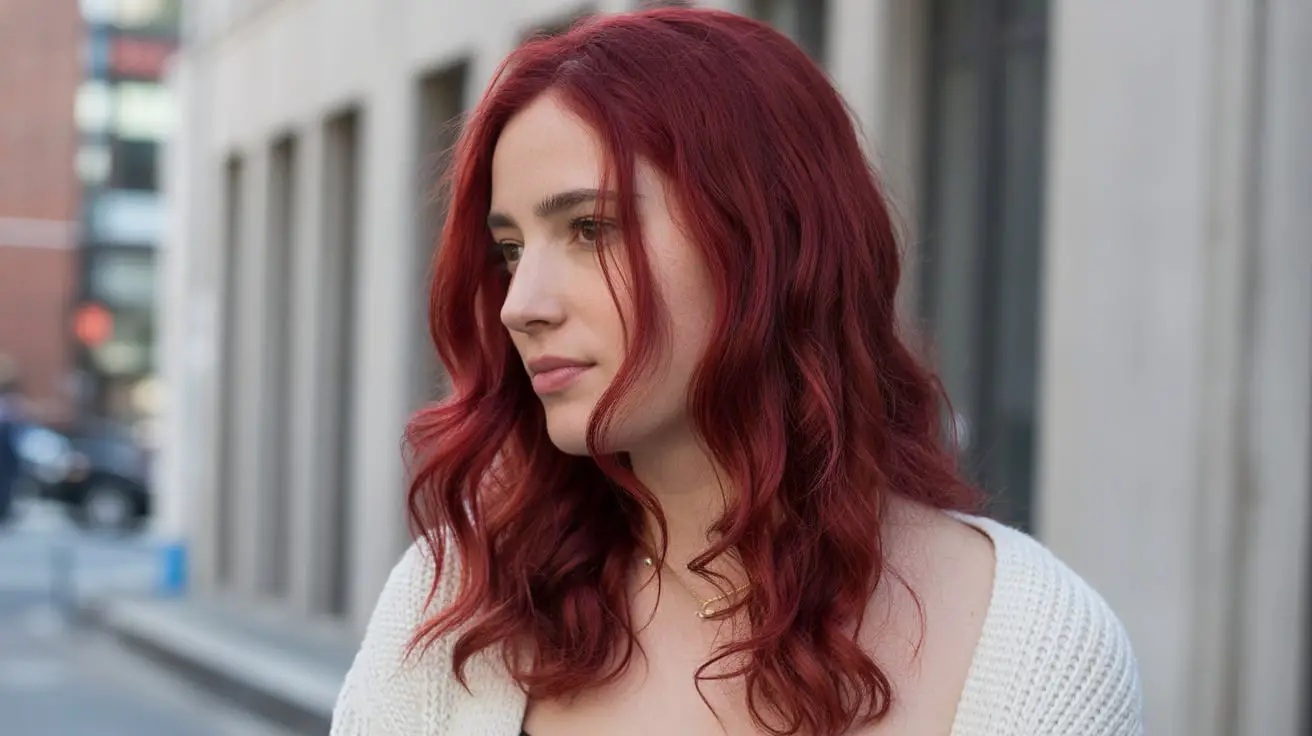
Brown hair often gets labeled as boring or plain, but what if you could transform it into something that catches light and turns heads without completely abandoning your natural base? Cherry cola hair color offers exactly that opportunity – a rich, multidimensional shade that combines deep brown foundations with hints of burgundy and subtle red undertones. This color trend has gained momentum among women looking for a change that feels both bold and wearable.
The beauty of cherry cola hair lies in its versatility and the way it works specifically with brown hair as a starting point. Unlike dramatic bleach-and-tone transformations that require hours of processing and potential damage, this shade builds upon your existing color to create something entirely new. The result reads as sophisticated rather than shocking, with the red tones catching sunlight in a way that makes your hair look expensive and carefully maintained.
Finding the perfect hair color transformation doesn’t have to mean starting from scratch or committing to high-maintenance upkeep. In the following sections, we’ll walk through everything from determining if this shade suits your skin tone to achieving professional-looking results whether you choose the salon or DIY route. Ready to discover how this trending color could completely transform your look?
What Cherry Cola Hair Color Actually Looks Like
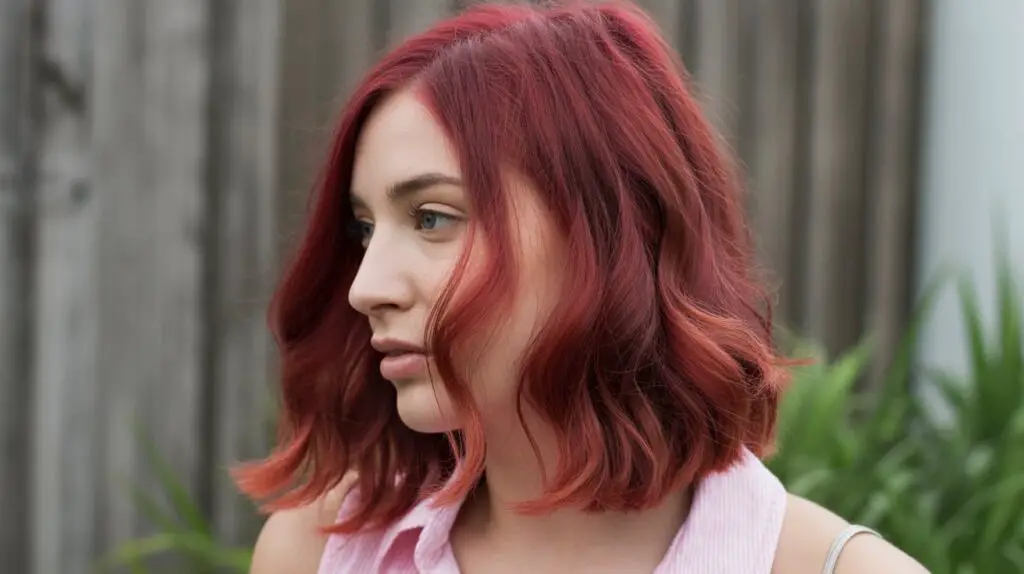
Cherry cola hair color sits somewhere between burgundy and mahogany, creating a shade that’s neither fully red nor completely brown. The color mimics the deep, fizzy darkness of its namesake beverage, with multifaceted tones that shift depending on lighting conditions. In bright sunlight, you’ll notice warm copper highlights dancing through the strands, while indoor lighting reveals deeper plum and wine undertones that add mysterious depth to your overall look.
The color breakdown and undertones
Understanding the complex mix of shades within this color helps explain why it works so well on brown hair. The base typically consists of a level 3-5 brown, which provides the foundation depth. Layered on top are varying concentrations of red and violet pigments that create the signature cola effect. Some formulations lean more toward the red spectrum with noticeable copper elements, while others emphasize the purple undertones for a cooler finish.
The specific ratio of warm to cool tones can be adjusted based on your preferences and starting hair color. Women with naturally warm brown hair might find that formulas with stronger red pigments complement their base beautifully. Those starting with ashy or neutral brown hair often discover that adding both red and violet creates the most flattering balance.
How it differs from regular red or burgundy
While burgundy hair tends to read as distinctly wine-colored with obvious purple tones, cherry cola maintains more connection to its brown roots. Traditional red hair colors often appear vibrant and attention-grabbing from first glance. This particular shade, however, reveals itself more gradually – appearing as rich brown from a distance but showing its complex personality up close.
The key difference lies in the subtlety and sophistication of the color blend. Where burgundy might scream “I dyed my hair,” cherry cola whispers it. The shade works particularly well in professional settings where you want personality without pushing boundaries too far. Regular auburn or copper reds can sometimes wash out certain skin tones or require specific makeup adjustments, but this color tends to be more universally flattering.
Which skin tones work best with this shade
Cherry cola hair color tends to be remarkably forgiving across different skin tones, though certain combinations create particularly stunning results. Women with warm undertones – those who look best in gold jewelry and peachy blush tones – often find this shade enhances their natural glow. The red elements in the hair color echo the warmth in their skin without creating an overwhelming monochromatic effect.
Cool-toned skin also pairs beautifully with this color, especially when the formula leans toward the violet end of the spectrum. The contrast between cool skin and the warm-cool balance of the hair creates visual interest without harsh clashing. Women with olive skin tones discover that cherry cola brings out golden highlights in their complexion that might otherwise go unnoticed.
Deeper skin tones can absolutely rock this color, though the formula might need adjustment to ensure proper visibility. Adding extra red pigment or choosing a lighter brown base helps the cherry tones show up against darker complexions. The dimension this creates can be absolutely stunning, particularly when natural sunlight hits the hair.
The depth and dimension it creates
One of the most appealing aspects of cherry cola hair involves the natural-looking dimension it provides. Unlike flat, single-process colors that can leave hair looking one-dimensional, this shade naturally creates variation throughout your strands. The way different pieces of hair absorb the dye at slightly different rates results in organic-looking highlights and lowlights.
Hair texture plays a role in how the color displays its dimension. Wavy and curly hair showcases the multitonal aspects particularly well, as each bend and curve catches light differently. Straight hair benefits from the depth too, with the color preventing that flat, lifeless look that sometimes plagues one-tone dye jobs. Movement becomes more noticeable, and even simple hairstyles appear more interesting.
The dimensional quality also means the color ages gracefully as it fades. Rather than developing an obvious line of demarcation at the roots or fading to an unflattering shade, cherry cola tends to mellow into a pretty auburn-brown that still looks intentional. This built-in forgiveness extends the time between touch-ups, making it a practical choice for busy women.
Is Cherry Cola Hair Color Right for Your Brown Hair?
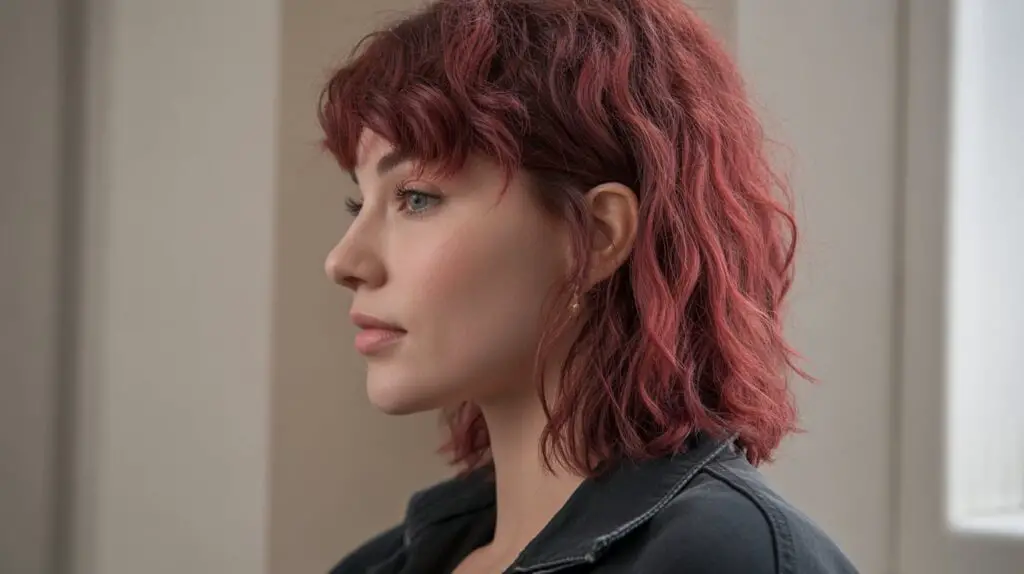
Determining whether cherry cola will work with your specific brown hair requires honest assessment of your starting point and maintenance expectations. Not every shade of brown transforms equally well, and understanding these nuances helps avoid disappointment or unexpected results.
Different brown hair starting points
Your current brown shade significantly impacts how cherry cola color will develop. Light brown hair, typically falling between levels 5-7 on the color chart, provides an ideal canvas for this transformation. The existing warmth in lighter brown shades means less work for the dye molecules, resulting in vibrant cherry tones that really pop. Women starting from this point often achieve the most dramatic transformation with minimal processing time.
Medium brown hair at levels 3-4 requires slightly different consideration. While you can definitely achieve beautiful cherry cola results, the final color might appear deeper and more subtle than on lighter bases. This isn’t necessarily negative – many women prefer the sophisticated, barely-there hint of red that develops on medium brown hair. The color appears more mysterious, revealing itself fully only in certain lighting.
Dark brown to black hair presents unique challenges and opportunities. Achieving visible cherry cola tones on level 1-2 hair typically requires pre-lightening or choosing formulas with particularly strong red pigments. Some women with very dark hair opt for a two-step process: first lifting their color a few levels, then applying the cherry cola shade. Others prefer to work with their natural depth, accepting that the red tones will be subtle highlights rather than an all-over transformation.
The condition of your brown hair matters as much as its color level. Healthy, virgin hair typically takes color more predictably and evenly than previously processed strands. Damaged or porous sections might grab onto red pigments more aggressively, creating uneven results if not properly managed during application.
How light or dark your hair needs to be
There’s no absolute rule about hair lightness for cherry cola success, but understanding the relationship between your starting level and final results helps set realistic expectations. Here’s what typically happens at different starting points:
- Level 6-7 (light brown): Expect vibrant cherry tones visible in all lighting
- Level 4-5 (medium brown): Achieves balanced cola effect with subtle red gleam
- Level 2-3 (dark brown): Creates deep dimension with red undertones in sunlight
- Level 1 (black): Produces subtle warmth, most visible in bright direct light
Some women choose to strategically lighten certain sections before applying cherry cola color, creating a customized effect. Face-framing pieces lifted one or two levels before coloring can result in brighter cherry highlights around your face while maintaining deeper cola tones throughout the rest of your hair.
Natural vs previously colored hair considerations
Virgin brown hair responds predictably to cherry cola formulas, making it easier to achieve consistent results. The natural pigments in unprocessed hair interact well with red and violet dyes, creating the multidimensional effect that makes this color so appealing. Application tends to be straightforward, and the color develops evenly from root to tip.
Previously colored hair requires more careful planning. If your brown comes from a box rather than nature, consider what underlaying pigments might be present. Hair that’s been dyed darker might have buildup that prevents cherry tones from showing through clearly. Conversely, hair that’s been lightened and then colored brown might be more porous and grab red pigments aggressively.
Box dye history particularly complicates cherry cola transformation. Metallic salts in some drugstore formulas can react unpredictably with new color. If you’ve been using box dye regularly, consider doing a strand test first or consulting with a colorist who can assess your hair’s condition and history. Sometimes a color remover or clarifying treatment helps create a cleaner canvas for your new shade.
Maintenance level and commitment required
Cherry cola hair color falls into the medium-maintenance category – more demanding than your natural brown but less intensive than platinum blonde or fashion colors. The red pigments that create the cherry effect are notoriously quick to fade, requiring some lifestyle adjustments to maintain vibrancy.
Washing frequency becomes important once you’ve achieved your desired shade. While you might be used to daily shampooing, preserving cherry cola color often means stretching washes to every 3-4 days. Dry shampoo becomes your best friend, helping maintain fresh-looking roots between washes. When you do shampoo, using cool or lukewarm water rather than hot helps prevent premature fading.
Your product arsenal needs updating too. Color-protecting shampoos and conditioners specifically formulated for red tones help maintain the cherry aspects of your color. Weekly glossing treatments or color-depositing masks can refresh the tone between salon visits. Some women keep a color-depositing conditioner on hand for quick refreshers when they notice fading.
Touch-up timing varies based on how perfectly you want to maintain the color:
- Root touch-ups: Every 4-6 weeks for consistent coverage
- All-over refresh: Every 8-12 weeks to revive faded tones
- Gloss treatments: Every 3-4 weeks for maximum vibrancy
- Complete recolor: Every 3-4 months if allowing gradual fading
Budget considerations go beyond the initial coloring cost. Factor in specialized products, more frequent salon visits if you’re maintaining professionally, and potentially higher water bills if you’re extending wash days with longer styling sessions. While not prohibitively expensive, keeping cherry cola hair looking its best requires ongoing investment.
How to Achieve Cherry Cola Hair Color at Home
Taking the DIY route for cherry cola hair can yield beautiful results when you approach it with proper preparation and technique. Home coloring saves money and offers convenience, though it requires patience and attention to detail for professional-looking outcomes.
Choosing the right dye formula
Selecting your cherry cola formula starts with understanding the difference between permanent, demi-permanent, and semi-permanent options. Permanent color provides the longest-lasting results and best gray coverage, making it ideal if you’re committed to this shade long-term. The ammonia in permanent formulas opens the hair cuticle fully, allowing deep penetration of color molecules.
Demi-permanent formulas offer a gentler approach with no ammonia and lower peroxide levels. These deposit color without lifting your natural pigment, resulting in a more translucent cherry cola effect that gradually fades over 6-8 weeks. This option works particularly well for hair that’s already been processed or for women wanting to test the shade before committing fully.
Brand selection matters more than you might think. Professional-grade formulas available at beauty supply stores typically contain higher-quality pigments than drugstore boxes. Look for brands that specifically mention multi-tonal or dimensional results. Some reliable options include ion Color Brilliance, Wella Color Charm, and L’Oreal Excellence HiColor specifically designed for dark hair.
Reading reviews from women with similar starting hair colors helps predict your results. Pay attention to processing times mentioned and whether reviewers needed to adjust the formula. Many successful DIYers mix two shades – a medium brown base with a burgundy or red-violet – to create custom cherry cola. This approach gives you more control over the final tone.
Pre-color preparation steps
Preparing your hair properly makes the difference between patchy, uneven color and salon-worthy results. Start your prep 48 hours before coloring by clarifying your hair to remove product buildup, minerals, and oils that might interfere with dye absorption. Use a clarifying shampoo or make a baking soda paste, focusing on areas with heavy styling product use.
The night before coloring, apply a deep conditioning treatment or coconut oil mask, concentrating on your ends and any damaged areas. This creates a protective barrier that prevents over-processing while ensuring even porosity throughout your hair. Don’t condition the day of coloring though – you want slightly dirty hair for best results.
Gather all your supplies before starting:
- Old towels and clothing you don’t mind staining
- Petroleum jelly for hairline protection
- Plastic clips for sectioning
- Timer for accurate processing
- Plastic processing cap
- Color-safe gloves (not just the flimsy ones in the box)
Perform a strand test 24-48 hours before full application, even if you’re confident about the color. Choose a section from underneath your hair, apply the mixed formula, and process for the recommended time. This reveals how your specific hair responds to the formula and whether you need to adjust processing time or color mixture.
Application techniques for even coverage
Professional-looking results depend heavily on methodical application. Section your dry hair into four quadrants – part down the middle from forehead to nape, then from ear to ear across the crown. Clip three sections up, leaving one down to start. Working with smaller sections ensures thorough saturation and prevents missing spots.
Begin application at your roots if you’re covering gray or want uniform color. For a more natural, lived-in look, start mid-shaft and work down, then go back for roots during the last 15 minutes of processing. This technique prevents hot roots – that unnaturally bright band at your scalp from body heat accelerating processing.
Apply color using a tinting brush for precision or bottle applicator for speed, depending on your comfort level. Work in thin horizontal sections about 1/4 inch thick, ensuring complete saturation from root to tip. Cherry cola’s multi-tonal nature means thorough application is crucial – missed spots will be obvious against the rich color.
Pay special attention to resistant areas like temples and hairline, which often need extra product and processing time. The hair at your nape tends to be finer and more porous, so apply color there last to prevent it from going darker than the rest. If your hair is longer than shoulder-length, have a friend help with back sections to ensure even coverage.
Processing time and development
Standard processing time ranges from 30-45 minutes, but your specific needs might vary based on hair texture, porosity, and desired intensity. Set your timer as soon as you finish applying color to your last section. Avoid the temptation to leave color on longer than recommended – this won’t make it more permanent and can damage your hair or shift the tone unpredictably.
During processing, color develops through oxidation with air. Covering your hair with a plastic cap traps heat and moisture, accelerating this process slightly. Some women add gentle heat from a blow dryer for 5-10 minutes midway through processing to enhance color penetration, particularly on resistant gray hairs.
Check your color development by gently wiping a small section clean with a damp paper towel. If the color looks too light at the 30-minute mark, continue processing but check every 5 minutes. Remember that wet hair appears darker than dry, so don’t panic if it seems intense during checking.
The final 5 minutes offer an opportunity for adjustment. If certain sections seem lighter, apply additional product. For areas developing too dark, gently wipe with a damp cloth to remove some surface color. This fine-tuning helps achieve more uniform results across your entire head.
Aftercare immediately following coloring
Rinsing technique impacts how well your color sets and how long it lasts. Use lukewarm to cool water, never hot, and rinse until water runs clear. This might take longer than expected – be patient. Thorough rinsing prevents color bleeding onto clothes and pillowcases later.
Skip shampooing immediately after coloring unless your kit specifically includes a post-color shampoo. The color needs time to fully oxidize and seal into your hair shaft. If you must shampoo, wait at least 24-48 hours and use a sulfate-free, color-safe formula designed for red tones.
Apply the conditioner included in your kit or a deep conditioning mask formulated for color-treated hair. Leave it on for at least 5 minutes to help seal the cuticle and lock in color. This initial conditioning session sets the stage for how well your hair maintains its new cherry cola shade.
Your hair might feel different immediately after coloring – slightly drier or more textured. This is normal and typically improves after a few washes as your hair adjusts to its new state. Style gently for the first few days, using heat protection and avoiding excessive heat that might accelerate fading.
Consider waiting 72 hours before your first full wash to allow maximum color development and longevity. During this time, avoid activities that cause excessive sweating, swimming, or exposure to rain. These first few days determine how well your color sets and influence how long it maintains its initial vibrancy.
Professional Salon Techniques for Cherry Cola Hair
Professional colorists approach cherry cola hair with techniques and knowledge that go beyond basic home coloring. Understanding their methods helps you appreciate the value of salon services and might inspire you to invest in professional application for optimal results.
Color formulation secrets stylists use
Salon professionals rarely use single-bottle solutions when creating cherry cola hair. Instead, they custom-mix formulas using their understanding of color theory and your hair’s specific needs. A typical professional formula might combine three or four different shades – a brown base, burgundy or mahogany for depth, copper for warmth, and sometimes violet for richness.
The developer strength chosen makes a significant difference in how color performs. While most box dyes come with standard 20-volume developer, stylists select between 10, 20, 30, or even 40-volume based on your hair’s condition and desired lift. Lower volumes deposit without lifting for darker results, while higher volumes create more dramatic color change but require careful monitoring.
Colorists also consider undertone correction during formulation. If your brown hair pulls brassy, they might add extra violet to neutralize unwanted yellow. For hair that tends toward ashiness, additional copper ensures the cherry tones show through vibrantly. This customization level explains why salon results often look more sophisticated than home attempts.
Professional formulas frequently incorporate bond-building additives that protect hair during processing. Products like Olaplex or similar technologies maintain hair integrity while allowing for better color penetration. These additives can make the difference between healthy-looking colored hair and damaged, dull results.
Balayage vs all-over color options
Not every cherry cola transformation requires all-over color. Balayage techniques create stunning dimensional results by hand-painting cherry tones onto select sections. This approach works particularly well for women wanting to maintain some natural brown while adding pops of reddish warmth.
The balayage method for cherry cola typically focuses on mid-lengths and ends, creating a graduated effect that mimics natural sun-lightening but with red tones instead of blonde. Stylists might paint broader sections around your face for maximum impact, then use finer, more scattered pieces throughout for movement. This technique requires significant skill to blend seamlessly.
All-over color provides more uniform results but doesn’t mean flat or one-dimensional. Skilled colorists vary their application techniques throughout different sections – using more product at roots for gray coverage, lighter application through lengths for dimension, and careful attention to ends to prevent over-saturation. They might even use different formulas for different sections.
Some stylists combine both techniques in what’s called a “hybrid” approach. They apply all-over base color first, then go back with balayage highlights in slightly lighter cherry tones. This creates incredible depth while maintaining the overall cohesion of the color story. The result reads as natural despite being entirely manufactured.
Consider your lifestyle when choosing between techniques. Balayage grows out more gracefully, requiring less frequent touch-ups. All-over color provides more dramatic transformation but needs maintenance every 4-6 weeks. Your stylist can help determine which approach aligns with your maintenance tolerance and budget.
How professionals create dimension
Master colorists think about cherry cola hair in layers rather than as a single shade. They might apply one formula at roots, another through mid-lengths, and a third on ends, all carefully calculated to blend seamlessly while creating visual interest. This strategic placement ensures your hair never looks flat or wiglike.
Timing plays a crucial role in professional dimension-building. Stylists might stagger application, starting with certain sections and moving to others after partial processing. This creates subtle variations in depth that mimic how natural hair varies in color. They also adjust processing time based on individual strand thickness and porosity.
The use of foils versus open-air processing affects how dimension develops. Foils trap heat and accelerate processing for more intense results in specific sections. Open-air processing allows for softer, more diffused color. Many stylists alternate between techniques throughout one service, using foils for maximum impact areas and open-air for seamless blending zones.
Professional tools make a difference too. Salon-grade brushes allow for precise application, while professional bowls and mixing tools ensure proper formula consistency. The ability to see color development under salon lighting – specifically designed to show true tones – helps colorists make real-time adjustments that improve final results.
Correcting common mistakes
Even experienced colorists occasionally encounter cherry cola challenges that require correction. Understanding how they fix problems provides insight into the complexity of achieving this color perfectly. Over-processed ends that grabbed too much red can be toned down with demi-permanent glosses in cooler browns, neutralizing excess warmth without further damage.
When roots develop too bright or “hot,” professionals apply toner or shadow root techniques. They might use a slightly darker formula at the base, blending it into the cherry cola for a more natural grow-out line. This correction also sets up better maintenance patterns for future appointments.
Patchiness or uneven color development gets addressed through strategic re-application. Rather than processing the entire head again, colorists identify specific areas needing adjustment and treat them individually. They might use different formulas or processing times for various sections to achieve uniformity.
Color that’s pulled too purple or too orange can be shifted using complementary color theory. Here’s how professionals approach common issues:
- Too purple: Add warmth with copper or gold tones
- Too orange: Cool down with violet or blue-based browns
- Too dark: Carefully lift with gentle lightener, then reapply
- Too light: Layer deeper brown tones to add richness
- Lacking dimension: Add lowlights or highlights strategically
The biggest advantage of professional correction? Colorists can see problems developing during processing and adjust before they become permanent. Their trained eye catches issues you might not notice until days later, when fixing becomes more complicated.
How Long Does Cherry Cola Hair Color Last?
The longevity of cherry cola hair varies significantly based on multiple factors, from your hair’s natural porosity to your daily styling habits. Understanding the typical timeline helps you plan maintenance and manage expectations about your color investment.
Fading timeline and what to expect
During the first week after coloring, your cherry cola shade appears most vibrant and dimensional. The red tones catch light dramatically, and the overall color looks rich and saturated. This initial intensity is partly due to color molecules sitting on the hair’s surface, which will naturally wash away over the first few shampoos.
Weeks 2-4 mark the “settled” phase where your true cherry cola color emerges. Surface residue has washed away, leaving the permanent color that’s penetrated your hair shaft. Many women actually prefer this slightly softened version to the initial intensity. The multi-tonal aspects become more apparent as different sections fade at varying rates.
By weeks 5-8, you’ll notice gradual fading, particularly in the red tones. The cherry aspects might shift toward auburn or copper, while the cola base remains relatively stable. This fading pattern actually creates beautiful lived-in color that many women find appealing. Your roots also become more noticeable during this period, especially if you have significant gray or your natural color contrasts sharply with the dyed sections.
The 3-month mark typically requires decision-making about maintenance. Some women refresh with a semi-permanent gloss to revive the cherry tones without committing to full recoloring. Others appreciate the faded, vintage-inspired color that’s developed. Without any maintenance, most cherry cola colors fade to a warm brown with subtle red undertones by month 4.
Factors that affect longevity
Your hair’s natural porosity plays the biggest role in color retention. Highly porous hair – whether from chemical processing, heat damage, or genetics – absorbs color quickly but also releases it readily. These hair types might see significant fading within 3-4 weeks. Less porous hair holds onto color molecules more effectively, potentially maintaining vibrancy for 8-10 weeks.
Water quality in your area impacts color longevity more than most people realize. Hard water with high mineral content can strip color and leave deposits that dull your cherry cola shade. Chlorinated water is particularly harsh on red tones. Installing a shower filter designed to remove minerals and chlorine can extend your color’s life by weeks.
Sun exposure accelerates fading through UV damage to color molecules. Direct sunlight for extended periods can shift cherry cola toward brassy orange tones. Hair products with UV protection help, but physical barriers like hats provide the best defense during peak sun hours.
Heat styling affects both the speed and pattern of fading. High temperatures from flat irons, curling tools, and blow dryers can literally evaporate color molecules from your hair shaft. The damage is cumulative – daily heat styling might cut your color’s lifespan in half compared to air-drying and heat-free styling methods.
Your overall hair health influences how well color adheres and lasts. Damaged cuticles can’t properly seal in color molecules, leading to rapid fading. Regular protein treatments and deep conditioning help maintain the hair structure necessary for good color retention.
Color-safe washing techniques
The way you wash your hair impacts color longevity as much as how often you wash it. Start by adjusting your water temperature – lukewarm to cool water prevents cuticle swelling that releases color molecules. That final cold rinse everyone talks about? It really does help seal the cuticle and lock in color.
Shampoo application technique matters too. Focus product only on your scalp and roots where oil and buildup accumulate. Let the suds run through your lengths during rinsing rather than scrubbing color-treated sections. This targeted approach cleans effectively while minimizing color stripping.
The “shampoo twice” rule doesn’t apply to colored hair. One thorough cleansing is sufficient unless you have excessive product buildup. If you feel the need for a second shampoo, use significantly less product and work even more gently.
Pre-shampoo treatments can protect color during washing. Applying coconut oil or a specialized pre-wash treatment to mid-lengths and ends 30 minutes before shampooing creates a barrier that reduces color loss. Some women swear by this method for extending their cherry cola vibrancy.
Products that preserve vibrancy
Color-protecting shampoo and conditioner form your first line of defense against fading. Look for sulfate-free formulas specifically designed for red tones – these contain pigments that deposit subtle color with each wash. Brands like Joico Color Infuse Red, Matrix Total Results Keep Me Vivid, and Davines Alchemic Red work particularly well for cherry cola shades.
Weekly treatments make a noticeable difference in color longevity. Consider rotating between different treatment types:
- Protein Masks: Strengthen hair structure for better color retention
- Glossing Treatments: Refresh tone and add shine
- Bond-Building Treatments: Repair damage that accelerates fading
- Color-Depositing Masks: Replace lost red pigments
Leave-in products with color protection deserve space in your routine. UV-protecting sprays shield against sun damage during outdoor exposure. Heat protectants become non-negotiable if you use hot tools. Some leave-in conditioners contain color-locking technology that forms a protective film around each strand.
Dry shampoo extends time between washes while absorbing oils that can dull your color. Choose formulas specifically for dark hair to avoid white residue that masks your cherry cola tones. Some brands now offer tinted versions that actually enhance your color between washes.
Touch-up scheduling
Strategic touch-up timing keeps your cherry cola looking fresh without over-processing. Root touch-ups every 4-6 weeks address new growth without affecting previously colored hair. This focused approach maintains color continuity while minimizing damage to your lengths.
Gloss treatments between full colorings refresh faded tones without the commitment of permanent color. Schedule these every 3-4 weeks if you want to maintain peak vibrancy, or every 6-8 weeks for a more relaxed approach. Many salons offer express gloss services that take under an hour.
All-over color refreshing typically happens every 10-12 weeks, depending on your fading rate and maintenance tolerance. This service addresses both roots and lengths, restoring uniform color throughout. Some women alternate between root touch-ups and all-over color to balance maintenance with hair health.
Planning your color schedule around major events or seasons helps maximize your investment. Many women refresh their cherry cola before summer to account for increased sun exposure and swimming. Others time touch-ups around important events, knowing their color looks best 1-2 weeks after application.
Your Cherry Cola Transformation
The journey from boring brown to brilliant cherry cola represents more than just a color change – it’s a transformation that can shift how you feel about your entire appearance. This sophisticated shade offers the perfect balance between dramatic change and wearable color, giving brown-haired women an option that feels both exciting and appropriate for various lifestyles.
Whether you choose the DIY route with careful preparation and quality products, or invest in professional salon services for custom formulation and expert application, achieving cherry cola hair is absolutely within reach. The key lies in understanding your starting point, setting realistic expectations, and committing to the maintenance routine that keeps this multidimensional color looking its absolute best. With the right approach and products, your new cherry cola hair will turn heads and boost your confidence every single day.
Frequently Asked Questions
Q: Will cherry cola hair color work on naturally black hair without bleaching?
A: Yes, cherry cola can work on black hair without bleaching, though the results will be subtle. You’ll see reddish undertones primarily in bright sunlight rather than an obvious color change. For more visible results, consider pre-lightening select sections or using a high-lift color formula specifically designed for dark hair.
Q: How much does professional cherry cola coloring typically cost?
A: Salon prices vary by location and technique, but expect to pay $100-$250 for single-process cherry cola color. Balayage or dimensional techniques cost more, ranging from $150-$400. Factor in $30-$60 for gloss treatments between full colorings.
Q: Can I achieve cherry cola color if my hair is previously highlighted?
A: Previously highlighted hair can actually create beautiful dimension with cherry cola color. The lighter pieces will show more vibrant red tones while darker sections provide depth. Your colorist might need to fill the lightest pieces first to ensure even results.
Q: What happens if I don’t like my cherry cola hair color?
A: Red tones can be neutralized with green-based toners or covered with darker brown shades. Semi-permanent formulas fade naturally within 6-8 weeks. For immediate changes, consult a professional colorist who can safely shift the tone or remove excess color without damaging your hair.
Q: How do I prevent cherry cola color from turning orange?
A: Orange tones develop when red pigments fade unevenly or when hair is exposed to hard water and heat. Use color-safe products with blue or violet tones, install a shower filter, minimize heat styling, and maintain regular glossing treatments to keep orange at bay.
Q: Is cherry cola hair high-maintenance compared to regular brown?
A: Cherry cola requires more maintenance than natural brown but less than fashion colors or blonde. Expect to adjust your washing routine, invest in color-safe products, and schedule touch-ups every 4-8 weeks depending on your desired vibrancy level.
Q: Can I swim with cherry cola colored hair?
A: Swimming challenges color retention, especially in chlorinated pools. Wet your hair with clean water and apply leave-in conditioner before swimming to create a barrier. Wear a swim cap when possible, and rinse immediately after swimming with fresh water followed by a clarifying treatment.
Q: Which brands make the best at-home cherry cola hair dye?
A: L’Oreal Excellence HiColor in Magenta or Red Fire, Ion Color Brilliance in Burgundy Brown, and Garnier Olia in Deep Cherry work well for achieving cherry cola at home. Many successful DIYers mix medium brown with burgundy shades for custom results.

