

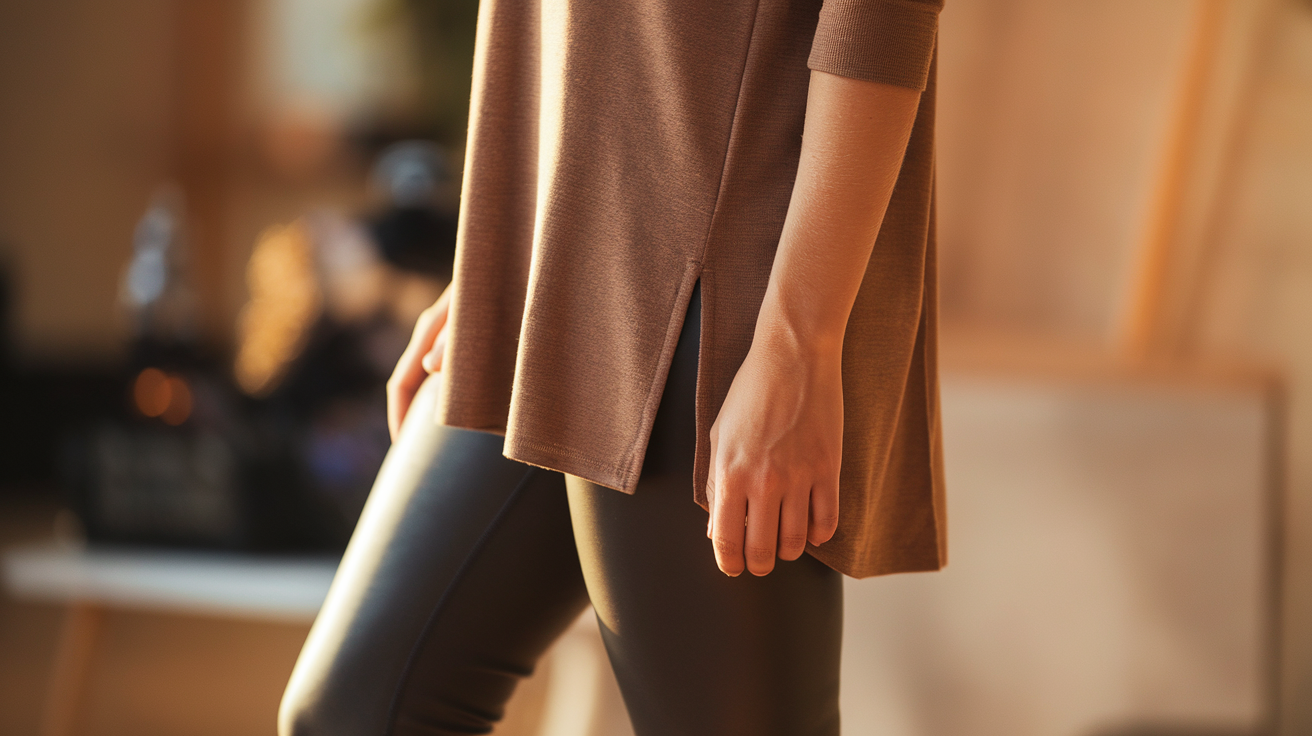
Leggings have transformed from gym-exclusive wear to a cornerstone of casual fashion, offering women the perfect blend of comfort and versatility. These stretchy pants have earned their place in wardrobes worldwide, providing an alternative to traditional pants that feels like wearing nothing at all. The beauty lies in their simplicity – a basic piece that adapts to countless styling possibilities while maintaining that relaxed, effortless vibe that defines casual dressing.
Creating stylish casual outfits with this wardrobe staple requires understanding a few fundamental principles about proportions, fabric choices, and complementary pieces. The right combinations can take you from running errands to meeting friends for coffee, all while looking put-together rather than like you just left the gym. Women everywhere have discovered that mastering these simple styling techniques opens up a world of comfortable yet fashionable outfit options.
The following sections will guide you through everything from selecting the perfect tops to choosing footwear that elevates your look, plus the accessories and layering pieces that add that final touch of polish. You’ll also learn about common pitfalls to avoid, ensuring your casual outfits always strike the right balance between comfort and style. Let’s explore how to make this versatile piece work for your everyday wardrobe.
What Makes Leggings Perfect for Casual Outfits
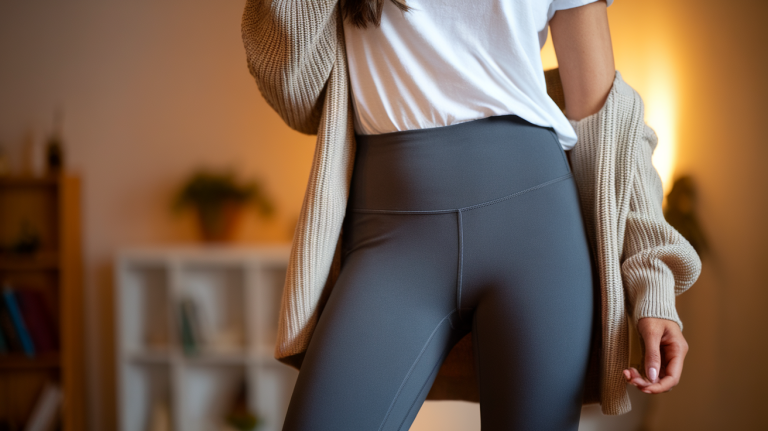
The foundation of any great casual outfit starts with choosing the right pair. Cotton blends offer breathability for all-day wear, while ponte fabric provides more structure and a polished appearance. Athletic varieties work wonderfully for errands and active days, but thicker materials with minimal shine translate better to casual social settings. The key lies in matching your fabric choice to your planned activities and the overall aesthetic you want to achieve.
Fabric Choices That Work Best
Material selection dramatically impacts how your outfit reads to others. Matte finishes in substantial weights look intentionally chosen rather than grabbed from the workout drawer. Cotton-spandex blends offer comfort without excessive cling, while ponte and thick knit options provide coverage that eliminates transparency concerns. These fabrics hold their shape throughout the day, preventing the saggy knees and stretched-out look that cheaper alternatives develop after a few hours of wear.
Your choice should also consider temperature and season. Fleece-lined options keep you warm during colder months without adding bulk, while lightweight bamboo blends work beautifully in summer heat. The texture of your chosen fabric affects what you can successfully pair with it – smooth finishes work with delicate tops, while textured varieties complement chunkier knits and casual pieces.
When to Wear Them Casually
Weekend activities provide endless opportunities for comfortable yet stylish outfits. Shopping trips, casual lunches, library visits, and farmers market strolls all welcome this relaxed approach to dressing. The versatility extends to travel days, where comfort becomes paramount without sacrificing appearance at your destination.
Creating the Right Foundation
Building your outfit starts with selecting a pair in a neutral shade that coordinates with multiple pieces in your wardrobe. Black remains the most versatile choice, but navy, gray, and brown expand your options significantly. These colors serve as blank canvases for experimenting with different tops, shoes, and accessories.
Consider the rise and waistband style as well. High-waisted options smooth your silhouette and stay in place during movement, while wide waistbands prevent rolling and provide gentle support. These details might seem minor, but they significantly impact both comfort and appearance throughout your day. A well-fitted pair should feel secure without restriction, allowing natural movement while maintaining their shape.
Quality construction shows in details like flat-locked seams that prevent chafing and reinforced areas that resist wear. Investing in well-made basics pays off through countless wears and washes, maintaining their appearance far longer than budget alternatives. This foundation piece deserves the same consideration you’d give to selecting jeans or trousers.
The opacity test remains crucial – a quick stretch check reveals whether additional coverage might be necessary. Thicker materials or those with compression panels often eliminate this concern entirely, allowing you to focus on styling rather than worrying about transparency.
Essential Tops That Transform Your Look
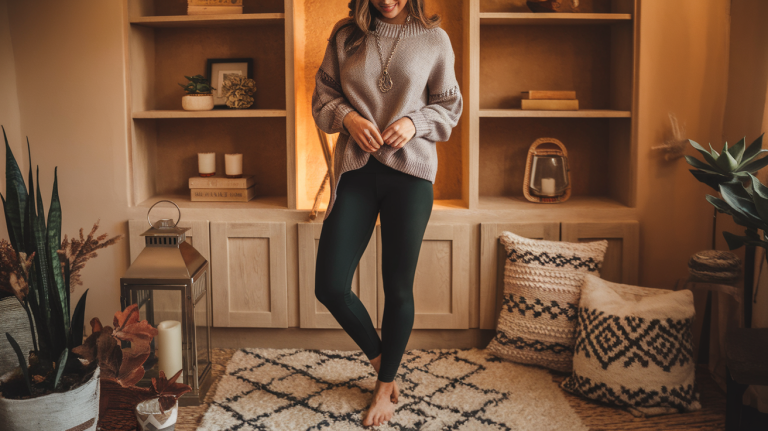
Finding the right top creates the foundation for successful casual styling. The golden rule revolves around coverage – your top should extend past your hips, ideally reaching mid-thigh for the most flattering silhouette. This length provides the coverage and proportion that distinguishes a thoughtfully assembled outfit from thrown-together athleisure.
Oversized Sweaters and Tunics
Sweaters in relaxed fits create an effortlessly chic combination that works year-round. Chunky knits add textural interest while lightweight options transition beautifully between seasons. The key lies in selecting pieces that skim your body rather than cling, creating movement and visual interest. Tunic-style tops specifically designed with extra length offer built-in coverage that eliminates guesswork about appropriate proportions.
Long Shirts and Button-Downs
A crisp button-down shirt, worn untucked and perhaps with sleeves rolled, brings structure to an otherwise relaxed outfit. Chambray and soft cotton versions feel particularly appropriate for casual settings, while flannel adds a cozy element during cooler months. These shirts can be worn alone or layered over fitted tanks for additional coverage and styling options. The structured nature of woven shirts creates an interesting contrast with the stretch of your bottom half, preventing your outfit from looking too uniform in texture.
Boyfriend-style shirts borrowed from menswear offer another excellent option. Their generous cut provides ample coverage while the traditional styling details add visual interest. Tying the shirt at the waist or leaving several buttons undone over a camisole creates different looks from the same basic piece. This versatility makes button-downs particularly valuable additions to your casual wardrobe.
Layering Techniques with Jackets
Denim jackets, blazers, and cardigans serve dual purposes – adding style while providing coverage. A well-fitted blazer instantly elevates your look, transforming workout-adjacent pieces into something suitable for casual meetings or lunch dates. The structured shoulders and defined shape create a polished contrast. Bomber jackets offer a sporty-chic alternative that feels current and fresh.
Long cardigans deserve special mention for their ability to add vertical lines that lengthen your silhouette. Waterfall styles and duster lengths work particularly well, creating elegant draping that moves beautifully as you walk. These pieces also transition seamlessly between indoor and outdoor settings, making them practical choices for variable temperatures.
Proportions and Lengths That Work
Understanding proportion prevents common styling errors. When wearing fitted bottoms, your top should provide contrast through volume or length. This balance creates visual interest while ensuring appropriate coverage. Hip-length tops generally prove too short, often riding up during movement and creating unflattering proportions.
The most successful combinations typically involve tops that hit anywhere from upper thigh to just above the knee. This range provides options for different body types and personal preferences while maintaining that crucial coverage element. Curved hems, side slits, and asymmetrical cuts add modern touches without sacrificing functionality.
Here are some tried-and-true proportion guidelines:
Classic Coverage: Tops ending at mid-thigh create universally flattering proportions
Layered Lengths: Combine a shorter top with a longer cardigan or jacket for dimensional interest
Asymmetrical Hems: High-low designs provide coverage in back while showing more leg in front
Side Slits: Allow for movement while maintaining appropriate length
Graduated Layers: Each layer should be visible, creating depth without bulk
Footwear Choices That Complete Your Casual Style
The shoe selection process significantly impacts whether your outfit reads as intentionally casual or accidentally sloppy. Classic white sneakers remain undefeated for their ability to complement virtually any casual combination. Canvas options like Converse bring a relaxed vibe, while leather versions feel slightly more refined. Platform sneakers add height without sacrificing comfort, creating longer lines that many women find flattering.
Athletic-inspired shoes work when styled thoughtfully. Retro runners and fashion sneakers bridge the gap between gym and street, offering comfort with intentional design details. The trick lies in choosing styles with interesting textures, colors, or design elements rather than purely functional running shoes. These details signal that you’ve made a deliberate style choice rather than defaulting to whatever was convenient.
Ankle Boots and Booties
Transitional seasons call for ankle boots that ground your outfit with their visual weight. Chelsea boots provide sleek lines that don’t compete with the fitted silhouette, while Western-inspired booties add personality. The shaft height matters – anything hitting at or just above the ankle creates the most flattering line. Wedge versions offer height and stability, perfect for days requiring lots of walking.
Combat boots bring an edge that prevents outfits from feeling too predictable. Their chunky soles and structured design create an interesting juxtaposition with stretchy fabrics. This unexpected pairing has become a modern classic, equally at home with oversized sweaters or structured blazers. Weather-resistant materials make these particularly practical for unpredictable conditions.
Flats and Slip-Ons
Ballet flats experience periodic revivals, and for good reason – their feminine shape offers a welcome alternative to sneakers without sacrificing comfort. Pointed-toe versions feel particularly current, elongating legs while maintaining walkability. Loafers and moccasins provide a preppy twist that works beautifully with button-down shirts and structured jackets. The key lies in choosing quality materials and construction that won’t look worn after a few wears.
Seasonal Footwear Options
Summer calls for sandals that maintain the casual vibe without looking too beach-ready. Slide sandals in leather or suede elevate beyond basic flip-flops, while espadrilles add textural interest through their rope soles. Minimalist sandals with thin straps create elegant lines that don’t overwhelm. The goal remains finding options that feel intentional rather than grabbed in haste.
Winter footwear presents unique challenges, requiring warmth without sacrificing style. Tall boots can work when worn over rather than under, creating a continuous line. Short boots with warm socks peeking out add a cozy element that feels seasonally appropriate. Weather-resistant materials become essential, but plenty of stylish options exist beyond basic snow boots.
Color coordination between shoes and your outfit pulls everything together. Matching your footwear to your top or bag creates cohesion, while contrasting colors add visual interest. Neutral shoes offer maximum versatility, but don’t overlook the impact of an unexpected pop of color or interesting texture.
Accessories and Layering Pieces for Polish
The right accessories transform basic combinations into thoughtfully styled outfits. Small additions make significant impacts, signaling that you’ve put thought into your appearance even when prioritizing comfort. Strategic choices in bags, scarves, and jewelry elevate without overwhelming the relaxed foundation you’ve created.
Scarves and Wraps
A lightweight scarf adds movement and visual interest near your face, drawing attention upward. Infinity scarves require no styling expertise – simply loop and go. Traditional rectangular scarves offer more styling versatility, working as neck accessories, belt alternatives, or even makeshift wraps. The fabric weight should complement your outfit’s overall feel – chunky knits with cozy outfits, silk or cotton with lighter ensembles.
Blanket scarves and ponchos provide another layering option that adds coverage while maintaining easy movement. These oversized accessories work particularly well with fitted bottoms, creating that crucial proportion balance. Neutral colors maximize versatility, but a bold pattern or color can become your outfit’s focal point.
Bags That Work with Casual Outfits
Your bag choice should align with your outfit’s overall aesthetic. Crossbody styles keep hands free while maintaining a put-together appearance. The strap length matters – adjust it so the bag hits at hip level rather than cutting across your midsection. Structured bags add polish, while slouchy hobo styles reinforce the relaxed vibe.
Backpacks have evolved beyond purely functional items into legitimate style choices. Leather or faux leather versions feel sophisticated, while canvas options with interesting details avoid looking too utilitarian. The size should be proportional to your frame – oversized bags can overwhelm, while tiny bags might look out of place with casual outfits.
Jewelry Choices
Jewelry provides finishing touches without requiring major investment or closet space. Long necklaces create vertical lines that elongate, while statement earrings draw attention to your face. The metal tone should complement your other accessories – mixing metals works when done deliberately, but accidental clashing looks unfinished.
Watches deserve consideration as both functional and decorative elements. Oversized faces feel modern and casual, while vintage-inspired styles add personality. Fitness trackers and smart watches can work within casual outfits when chosen in neutral colors or with interchangeable bands that coordinate with your look. Stack bracelets for added interest, mixing materials like leather, metal, and beads for textural variety.
Outerwear Options
Coats and jackets serve as the final layer that pulls everything together. Trench coats add instant sophistication, their structured design contrasting beautifully with relaxed pieces underneath. Utility jackets provide a casual alternative with plenty of pockets for practical needs. The length should work with your top’s hemline – avoid situations where your coat is shorter than what’s underneath.
Vests offer a unique layering option for transitional weather. Puffer styles add sporty elements, while sweater vests bring preppy touches. These pieces add visual interest without the commitment of full sleeves, perfect for temperature regulation during unpredictable weather. The key lies in choosing styles that complement rather than compete with your base outfit.
Common Styling Mistakes and How to Fix Them
Short tops remain the most frequent error, creating unflattering proportions and coverage concerns. Many women default to regular-length shirts from their existing wardrobes, not realizing these pieces weren’t designed for this type of styling. The solution involves actively seeking longer options or sizing up in regular tops for extra length. Some brands specifically design tops for wearing with fitted bottoms, eliminating guesswork about appropriate proportions.
Tucking presents another common mistake. While French tucks and half-tucks work beautifully with rigid pants, they often create bunching and strange proportions with stretchy materials. Instead, allow tops to hang naturally, using belts or tied details if you want to define your waist. This approach maintains smooth lines while still showing your shape.
Wrong Fabric Combinations
Mixing athletic materials with dressy pieces rarely works as intended. Shiny, technical fabrics signal workout wear, making it difficult to transition into casual territory regardless of what you pair with them. The solution involves choosing pieces specifically designed for everyday wear, even if they share similar comfort features with athletic options.
Thin materials on both top and bottom create an insubstantial look that reads as underdressed rather than casually stylish. At least one element should have structure or weight to ground the outfit. This might mean choosing thicker bottoms, adding a structured jacket, or selecting tops with more substantial fabric.
Color Coordination Problems
All-black everything might seem like a safe choice, but without textural variation or strategic color breaks, monochrome outfits can look flat. Adding different textures – smooth combined with chunky knits, matte paired with subtle sheen – creates visual interest. Alternatively, introduce neutral accessories in brown, tan, or gray to break up solid expanses of color.
Pattern mixing requires careful consideration with fitted bottoms. Since these pieces typically come in solid colors, your pattern opportunities exist primarily in tops and accessories. One bold pattern usually works better than multiple competing prints. If you do mix patterns, vary their scales significantly – small prints with large ones, stripes with florals – to avoid visual chaos.
Proportion Imbalances
Wearing everything fitted creates an unbalanced silhouette that emphasizes every line. The most flattering combinations involve contrast – fitted bottoms with relaxed tops, or structured pieces mixed with soft ones. This interplay creates visual interest while flattering various body types.
Overwhelming your frame with excessive volume on top while wearing fitted bottoms can make you appear larger than you are. The solution involves finding that sweet spot where your top provides coverage and movement without drowning your shape. Defined shoulders, strategic draping, or belted details help maintain structure within looser silhouettes.
Your Guide to Effortless Casual Style
Mastering casual styling opens up countless possibilities for comfortable, practical outfits that still look intentionally assembled. The principles covered here – from choosing the right base pieces to adding finishing touches through accessories – provide a framework for creating looks that work for your lifestyle. Whether you’re running weekend errands, meeting friends for coffee, or working from home, these guidelines help you look polished without sacrificing the comfort that makes this style so appealing.
The beauty of this approach to dressing lies in its adaptability. Start with quality basics in neutral colors, then experiment with different combinations until you find what feels authentically you. Small changes like swapping sneakers for ankle boots or adding a structured blazer can completely transform the same base outfit, giving you variety without requiring an extensive wardrobe. As you become more comfortable with these styling principles, you’ll develop an intuitive sense for what works, making getting dressed an effortless part of your morning routine rather than a daily challenge.
Frequently Asked Questions
Q: Can I wear leggings to work in a business casual environment?
A: While traditional business casual typically excludes them, some modern offices accept them when styled appropriately. Pair thick, structured ponte versions with blazers, button-down shirts, and professional footwear. Always check your workplace dress code first.
Q: What’s the difference between leggings and tights?
A: Tights are sheer or semi-sheer and meant to be worn under other garments, while the former are opaque and can be worn as pants with appropriate styling. Thickness and opacity are the main distinguishing factors.
Q: How do I know if mine are see-through?
A: Do a stretch test in good lighting – bend over in front of a mirror or have a trusted friend check. If the fabric becomes transparent when stretched, layer with longer tops or choose a thicker pair.
Q: What length top should I wear with leggings?
A: Aim for tops that hit at mid-thigh or longer. This length provides appropriate coverage while creating flattering proportions. Tunic-length tops and dresses worn as tops work particularly well.
Q: Can women over 50 wear leggings casually?
A: Absolutely! Age doesn’t determine what you can wear. Focus on quality fabrics, appropriate coverage with longer tops, and polished accessories to create sophisticated casual looks.
Q: What’s the best underwear to wear underneath?
A: Seamless underwear or thongs prevent visible lines. Choose nude colors that match your skin tone rather than the garment color for the least visibility.
Q: How should I care for them to make them last longer?
A: Wash in cold water, turn inside out, avoid fabric softener (which breaks down elastic), and air dry when possible. Heat from dryers can damage the elastic fibers and cause premature wear.
Q: Can I wear ankle boots if I’m short?
A: Yes! Choose ankle boots that hit right at your ankle bone rather than higher on your leg, and match your footwear color to your bottoms to create an unbroken line that elongates your legs.

