

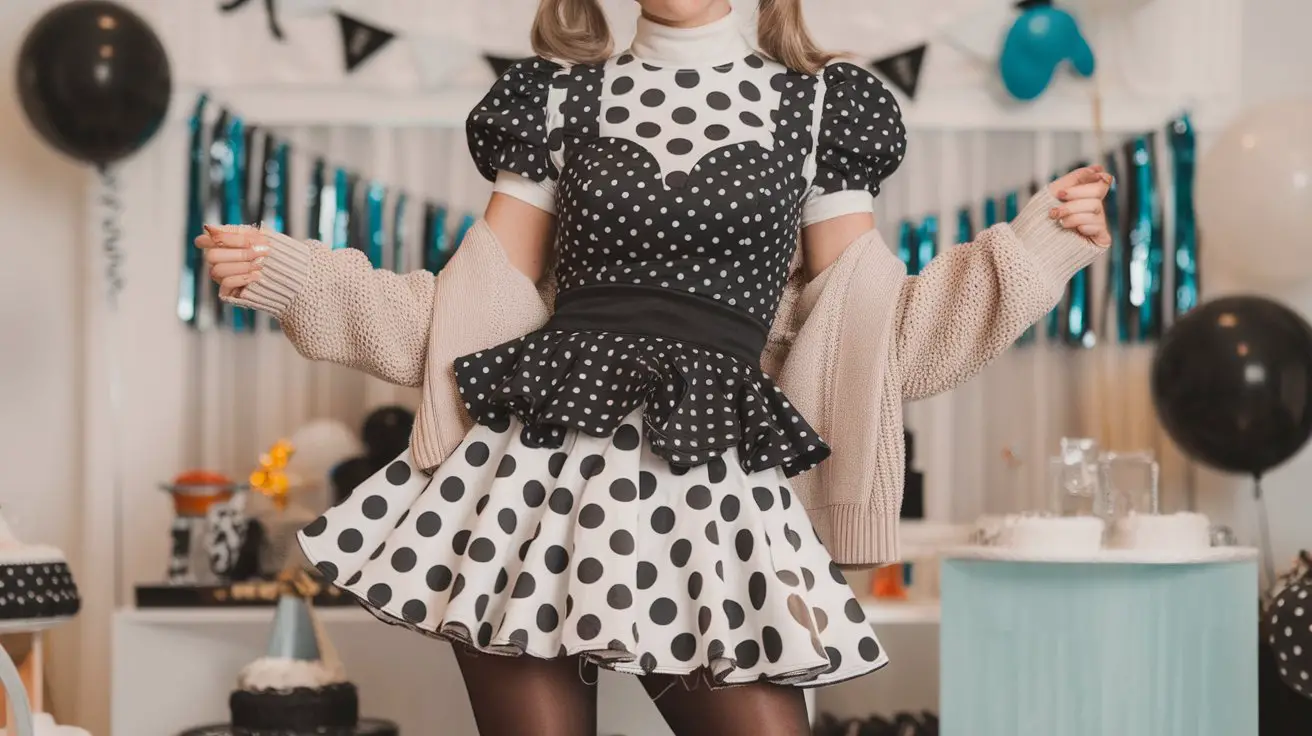
The 90s brought us a fashion revolution that refused to follow rules, mixing grunge with glamour and streetwear with sophistication in ways that still influence party fashion today. That decade gave us slip dresses over t-shirts, platform sneakers with mini skirts, and chokers paired with everything from baggy jeans to bodycon dresses. These bold combinations created a style legacy that continues to inspire party outfits decades later.
Modern fashion has circled back to this era with renewed enthusiasm, but recreating authentic 90s party looks requires understanding what made the original styles so memorable. The magic wasn’t just in individual pieces but in how people combined contrasting elements – pairing feminine with tough, casual with dressy, minimalist with maximalist. This fearless approach to mixing created looks that felt fresh, rebellious, and undeniably fun.
We’ll walk through everything from essential wardrobe pieces to styling techniques that capture that distinctive 90s party spirit. You’ll discover how to build complete outfits that honor the era while feeling relevant for today’s celebrations, learn which pieces deserve investment, and understand how to avoid common styling mistakes. Continue reading to master the art of 90s party fashion and create looks that turn heads for all the right reasons.
Essential 90s Party Outfit Elements
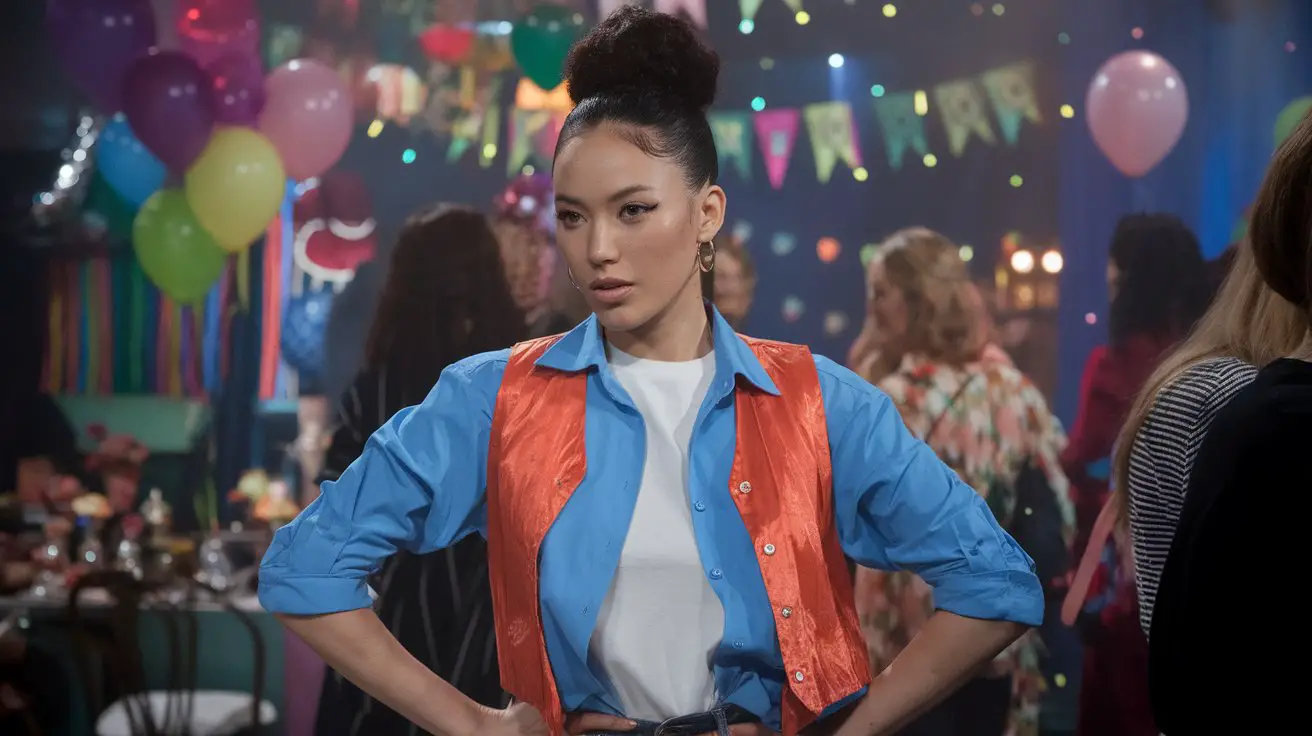
Party fashion in the 90s had its own distinct language, speaking through specific pieces and combinations that instantly telegraphed the era’s attitude. Understanding these foundational elements gives you the building blocks for creating authentic looks that capture the decade’s spirit without looking like you’re wearing a costume.
Platform shoes and chunky footwear
Your shoe choice sets the entire tone for a 90s party outfit, and nothing says this era quite like platforms and chunky soles. The Spice Girls didn’t just wear platform sneakers – they made them a cultural phenomenon that transformed how women thought about height and comfort. These shoes came in every variation imaginable: platform sandals with thick rubber soles, chunky mary janes with multiple straps, and those unforgettable foam platform flip-flops that somehow worked with both casual and dressy outfits.
The beauty of 90s footwear lies in its unapologetic boldness. You weren’t trying to create an elegant silhouette with delicate heels. Instead, you were making a statement with shoes that added inches while maintaining stability. Combat boots became party-appropriate when paired with slip dresses or mini skirts. Thick-soled loafers worked with both pants and dresses. Even athletic shoes got the platform treatment, creating hybrid styles that blurred the lines between sportswear and party wear.
Today’s versions of these styles often feature updated comfort technology while maintaining that distinctive chunky aesthetic. Look for platforms between two and four inches for the most authentic feel – anything higher tends to read more 70s than 90s.
Iconic denim styles for party looks
Denim in the 90s transcended its workwear origins to become party-worthy in completely new ways. Low-rise jeans paired with crop tops became the uniform for casual parties, while denim mini skirts worked for everything from house parties to club nights. The decade introduced us to unusual denim colors – stark white, deep black, and various shades of blue that had nothing to do with traditional indigo.
Wide-leg jeans, particularly styles that pooled around platform shoes, created distinctive silhouettes that felt both relaxed and intentional. Carpenter jeans with their multiple pockets and loops added utilitarian details that somehow felt appropriate for going out. Denim jackets became layering pieces over party dresses, creating that high-low mix the decade perfected. Some women even wore matching denim sets – what we’d now call the “Canadian tuxedo” – to parties without irony.
Statement accessories that define the era
Accessories in the 90s operated on the principle that more was more, and subtlety was optional. Chokers ruled supreme, from simple black plastic versions to elaborate velvet styles with dangling charms. These necklaces appeared at every type of party, paired with everything from grunge flannel to minimalist slip dresses. Butterfly clips scattered through hair created whimsical touches that worked surprisingly well with edgier outfits.
Bucket hats appeared at outdoor parties and raves, often in metallic fabrics or bold prints. Tiny backpacks replaced traditional purses, worn with straps fully extended for a deliberately casual effect. Body chains draped over or under clothing added unexpected glamour. Wallet chains originally associated with skate culture found their way onto party outfits, attached to everything from cargo pants to mini skirts.
Color palettes and patterns that scream 90s
The decade’s color story swung between extremes – from the muted grays and blacks of grunge to the electric neons of rave culture. Metallics appeared everywhere, particularly silver and holographic finishes that caught light on dance floors. Baby blue and pink combinations created a specific kind of sweetness that felt deliberately artificial. Earth tones like rust, olive, and burgundy grounded brighter pieces.
Pattern mixing reached new heights of creativity during this period. Plaid didn’t just appear on flannel shirts – it showed up on mini skirts, pants, and even party dresses. Tie-dye experienced a resurgence but in new iterations featuring spirals and unconventional color combinations. Animal prints, particularly leopard and zebra, appeared on everything from faux fur coats to stretchy pants. These patterns often appeared together in single outfits, creating visual chaos that somehow worked.
Building Your Perfect 90s Party Look
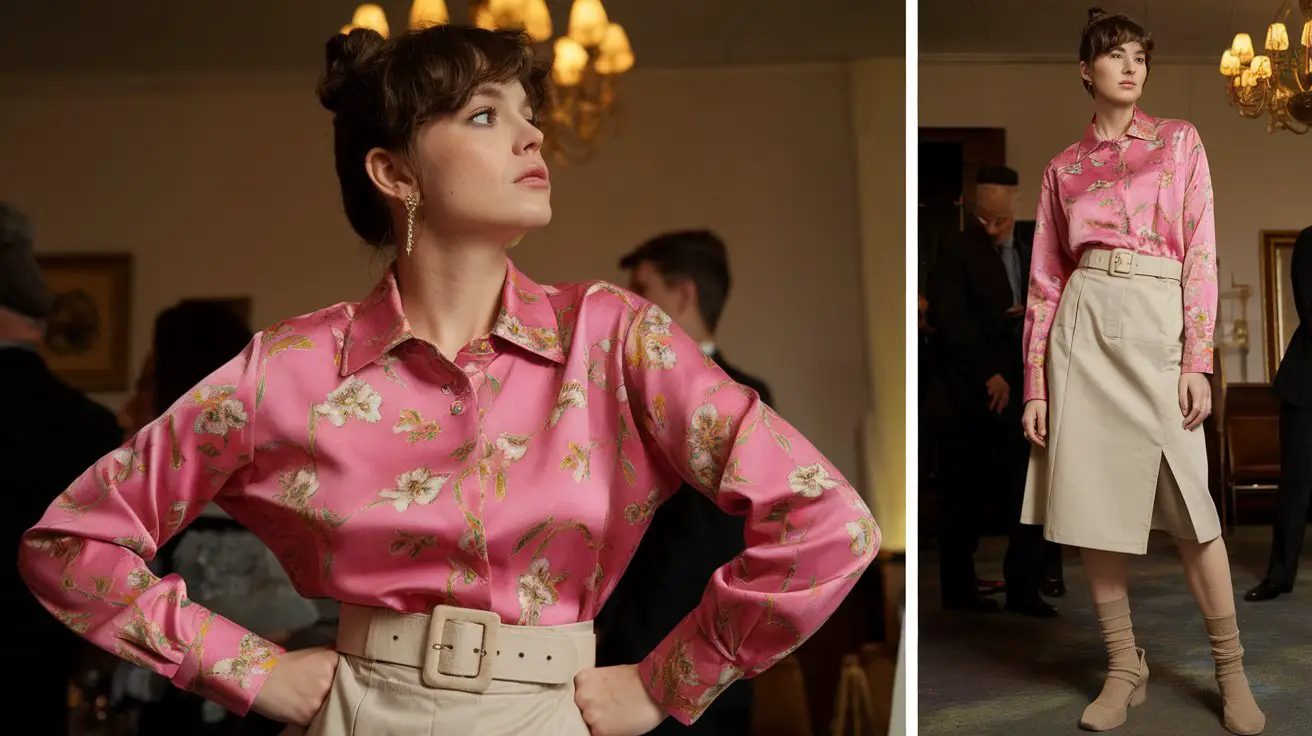
Creating an authentic 90s party outfit requires more than throwing together random pieces from the era. The magic happens when you understand the underlying philosophy that guided style choices during this decade – a deliberate rejection of traditional fashion rules combined with an experimental approach to personal expression.
Choosing your style vibe (grunge vs preppy vs hip-hop)
The 90s offered distinct style tribes, each with its own party aesthetic that communicated different attitudes and affiliations. Grunge party looks centered on deliberate dishevelment – slip dresses layered over band tees, paired with flannel shirts tied around the waist and finished with combat boots. This aesthetic suggested you’d stumbled into the party after a day of thrift shopping and didn’t care about conventional glamour.
Preppy 90s party style took inspiration from movies like “Clueless,” featuring coordinated sets, knee-high socks, and mary janes. These outfits incorporated traditional preppy elements but subverted them through unexpected combinations. You might wear a plaid mini skirt with a fitted cardigan, but add platform sandals and a plastic choker to signal your awareness of current trends. The key was maintaining a polished appearance while incorporating deliberately youthful or ironic elements.
Hip-hop influenced party fashion brought oversized silhouettes, bold logos, and athletic wear into nightlife settings. Baggy jeans sat low on hips, paired with fitted baby tees or sports bras as tops. Track suits became acceptable party wear, especially versions in velour or satin. Gold jewelry appeared in abundance – chunky chains, large hoop earrings, and multiple rings created a luxurious contrast to casual clothing.
Mixing textures and fabrics authentically
Texture played a crucial role in 90s party fashion, with unexpected combinations becoming signatures of the era. Slip dresses in satin or silk represented peak 90s minimalism, but they rarely appeared alone. Women layered these delicate pieces over cotton t-shirts, creating textural tension that defined the decade’s approach to dressing. Mesh and fishnet appeared as both primary garments and layering pieces, adding transparency and edge to otherwise simple outfits.
The combination of hard and soft textures created visual interest that photographs from the era still showcase. Leather jackets over floral dresses. Denim paired with velvet. Faux fur coats thrown over athletic wear. These combinations weren’t accidents – they represented deliberate choices to mix opposing elements. Crushed velvet had its moment, appearing in everything from mini dresses to pants, often in jewel tones that caught light beautifully in party settings.
Synthetic fabrics gained acceptance in ways previous decades would have rejected. Vinyl and PVC appeared in pants, skirts, and jackets, creating futuristic looks that felt appropriate for the approaching millennium. Holographic and iridescent materials showed up on everything from bags to entire outfits. Even practical fabrics like cargo cotton got party-appropriate treatments through unusual cuts or unexpected styling. The key principle: if two fabrics seemed like they shouldn’t work together, that probably meant they’d create exactly the kind of rule-breaking combination the decade celebrated.
Layering techniques for dimensional outfits
Layering in the 90s went beyond practical considerations to become an art form that added complexity and personality to party outfits. The slip dress over t-shirt combination became so iconic because it represented this layering philosophy perfectly – taking a piece traditionally considered underwear or evening wear and making it daytime appropriate through strategic additions. But this was just the beginning of 90s layering creativity.
Sheer tops over bandeaus or bra tops created a specific kind of revelation that felt both modest and daring. Long-sleeved mesh tops over colorful bras became standard party wear. Baby tees layered over long-sleeved shirts created interesting proportional plays. Some women wore multiple tank tops in contrasting colors, allowing each layer to peek through. Open flannel shirts or oversized button-downs served as light jackets over fitted party outfits, easy to tie around the waist when dancing got serious.
Consider these proven layering combinations that capture authentic 90s party style:
Dress Over Pants: Slip dresses or mini dresses worn over flared jeans or cargo pants created unexpected silhouettes
Cropped Over Fitted: Cropped sweaters or jackets over fitted full-length tops allowed both pieces to shine
Sheer Over Solid: Transparent or semi-transparent pieces over opaque foundations added mystery
Multiple Accessories: Layering several necklaces, stacking numerous rings, or wearing multiple belts at different heights
Proportions and silhouettes that work
The 90s revolutionized proportion play in ways that still influence fashion today. The decade rejected the power shoulders and structured silhouettes of the 80s in favor of more experimental shapes. Oversized tops with fitted bottoms became a formula that worked across all style tribes. Baggy jeans paired with tiny tops created dramatic contrast. Mini skirts and dresses got even shorter, often barely reaching mid-thigh, balanced by chunky shoes that grounded the look.
Low-rise bottoms fundamentally changed how outfits came together, creating a longer torso line that worked particularly well with crop tops. The amount of midriff showing became a carefully calibrated decision – from just a hint of skin to several inches of exposed stomach. This shift in proportions meant traditional rules about hemlines and waistlines no longer applied.
Signature 90s Party Pieces to Own
Building a 90s party wardrobe means investing in specific pieces that instantly communicate the era’s aesthetic while offering versatility across different outfit combinations. Some items work so perfectly as foundations for this style that they deserve priority in your shopping or thrifting expeditions.
Must-have tops for authentic looks
The baby tee revolutionized casual party dressing by shrinking traditional t-shirts to barely-there proportions. These fitted tees with cap sleeves and shorter lengths came printed with everything from cartoon characters to ironic slogans. They worked equally well with low-rise jeans, slip skirts, or layered under slip dresses. The key was finding versions that hit just above the navel when arms were raised – any shorter read more early 2000s than authentic 90s.
Halter tops dominated warm-weather parties and indoor venues throughout the decade. These came in every possible variation: bandana prints tied at the neck, chain-mail inspired metallics, and simple ribbed cotton versions that looked like elongated sports bras. The halter neckline created interesting back details that made these tops feel special enough for parties while remaining comfortable for dancing. Tube tops offered similar versatility, particularly versions with built-in support that eliminated worries about wardrobe malfunctions during enthusiastic dancing.
Mesh and sheer tops provided layering options that felt both practical and provocative. Long-sleeved mesh tops in black or bright colors worn over contrasting bras or bandeaus created depth while showing just enough skin. These pieces worked across different party contexts – a mesh top over a sports bra for raves, over a lacy bralette for house parties, or over a fitted tank for more conservative venues. Some versions featured partial opacity, with solid panels strategically placed while maintaining sheer sections for visual interest.
Bottom pieces that capture the era
Nothing captures 90s party style quite like a slip skirt – bias-cut silk or satin that skimmed the body without clinging. These pieces originally designed as underwear became outerwear through sheer force of fashion will. Mid-length versions that hit just below the knee offered sophistication, while mini versions barely covering the essentials pushed boundaries. The beauty lay in their versatility: dress them down with combat boots and a denim jacket or elevate them with strappy sandals and minimal jewelry.
Cargo pants and shorts brought utility-inspired fashion to party settings in unprecedented ways. Multiple pockets that once served practical purposes became design details. Wide-leg cargo pants in unexpected materials like satin or colors like hot pink transformed workwear into party wear. The shorts versions, often worn with tights or over-the-knee socks, created playful proportions that worked particularly well with platform shoes.
Low-rise flares created distinctive silhouettes that defined late-90s party fashion. These pants sat several inches below the natural waist, often revealing hip bones and requiring specific underwear choices. The flare started at the knee and extended dramatically by the hem, creating bell shapes that swished satisfyingly while dancing. Dark denim versions worked for casual parties, while versions in velvet, corduroy, or even leather elevated the look for more formal venues.
Outerwear that completes the vibe
Outerwear in the 90s served as more than temperature control – it completed outfits and often became the statement piece. Bomber jackets, particularly versions in satin or with embroidered details, added sporty touches to feminine dresses. The oversized fit that characterized many 90s bombers meant they worked as unisex pieces, often borrowed from boyfriends or bought deliberately large.
Faux fur coats in unrealistic colors – electric blue, hot pink, pure white – announced your arrival at any party. These pieces weren’t about looking expensive or realistic; they celebrated artificiality and excess. Short cropped versions worked with low-rise pants, while longer versions created drama over mini dresses. The texture added luxury to even the simplest outfits underneath.
Bags and accessories worth investing in
The mini backpack phenomenon transformed how women carried essentials to parties. These scaled-down versions of school backpacks came in every material imaginable – patent leather, clear plastic, faux fur, and holographic fabrics. Worn with both straps or slung over one shoulder, they freed up hands for dancing while keeping necessities close.
Belts in the 90s moved beyond functional to become statement accessories. Chain belts draped low on hips, often serving no purpose beyond decoration. Western-inspired belts with large buckles appeared on everything from jeans to slip dresses. Multiple belts worn at different heights created interesting waist details. Even simple web belts in bright colors or with plastic buckles added authentic touches to outfits.
Body jewelry expanded beyond traditional placements to include belly chains, toe rings, and upper arm cuffs. These pieces added sparkle and interest to exposed skin created by crop tops and low-rise bottoms. Temporary tattoos and body stickers offered commitment-free decoration that could match specific outfits or party themes. Hair accessories went beyond basic – zigzag headbands, bandana headwraps, and space buns held with metallic scrunchies all contributed to complete looks.
Styling Tips for Modern 90s Party Outfits
Recreating 90s party fashion for today’s celebrations requires thoughtful adaptation rather than direct replication. The goal is capturing the spirit and attitude of the era while ensuring your outfit feels current and personally authentic rather than like you’re wearing a Halloween costume.
Balancing retro with contemporary touches
Successfully wearing 90s-inspired party outfits today means understanding which elements translate directly and which need updating. Silhouettes from the era generally work well unchanged – the oversized blazer over a slip dress, the crop top with high-waisted bottoms, the baby tee with low-rise jeans. These proportions feel fresh again after years of different trends. What often needs adjustment are the specific details: swap the butterfly clips for modern hair accessories, update the plastic choker for a delicate chain version, or choose contemporary footwear over period-accurate platforms if they feel too costume-like.
Modern technology offers improvements that make 90s styles more wearable. Today’s version of the slip dress might include built-in support that eliminates visible bra straps. Contemporary cargo pants use technical fabrics that drape better than original versions. Platform shoes now incorporate comfort technology the 90s could only dream about. Taking advantage of these improvements doesn’t diminish authenticity – it makes the styles more enjoyable to wear for extended periods.
Color palettes benefit from subtle updates too. While the 90s loved stark contrasts and bold color blocking, modern interpretations might incorporate more nuanced shades. That electric blue might become a rich cobalt, the hot pink might soften to millennial pink, or you might ground neon accents with contemporary neutrals. These adjustments make outfits photograph better under current lighting conditions and coordinate with modern venue aesthetics while maintaining that 90s energy.
Hair and makeup to complete your look
Hair and makeup choices can make or break the authenticity of your 90s party outfit. The decade favored specific beauty looks that ranged from deliberately minimal to obviously artificial. Brown-toned makeup dominated, with lips outlined in darker liner than the lipstick itself – a technique that’s made a surprising comeback. Eyeshadow in silvery blues and purples appeared on lids without much blending, creating distinct blocks of color. Body glitter wasn’t just acceptable; it was essential, appearing on cheekbones, collarbones, and shoulders.
Hair styling embraced texture and accessories in equal measure. Crimped hair created volume and visual interest, while stick-straight styles achieved with flat irons offered sleek contrast to busy outfits. Face-framing layers, often called “Rachel” cuts after the Friends character, provided movement. Space buns, zigzag parts, and tiny braids scattered through loose hair all served as party-appropriate styles. The key was choosing hairstyles that felt intentional rather than effortless – this wasn’t a decade that celebrated undone beauty.
Modern interpretations might tone down some extremes while maintaining the essence. Instead of fully crimped hair, add texture to just the under layers. Rather than harsh lip liner, use a slightly deeper shade for subtle definition. Replace chunky highlights with more dimensional color. These modifications keep the 90s reference clear while avoiding aspects that photograph poorly or feel too dated for current contexts.
Common mistakes to avoid
The biggest pitfall when creating 90s party outfits is wearing too many iconic elements simultaneously. Combining platform Spice Girl shoes with a slip dress over a t-shirt, plus butterfly clips and a choker, while carrying a mini backpack creates overload. Choose two or three defining elements and let them shine rather than creating a 90s checklist outfit.
Another frequent error involves proportion confusion. Low-rise bottoms require specific positioning – too low reads early 2000s, while wearing them at the natural waist defeats the purpose. Crop tops should show the right amount of skin for the context – what worked at a 90s rave might feel inappropriate at today’s house party. Platform shoes need the right pants length to create proper proportions. Getting these details wrong can make outfits look sloppy rather than intentionally styled.
Fabric quality matters more than you might expect. The 90s celebrated synthetic materials, but choosing obviously cheap versions today undermines your entire look. Invest in better quality versions of key pieces – a well-cut slip dress in decent fabric elevates everything worn with it, while a cheap version makes even authentic vintage accessories look questionable. This doesn’t mean spending fortunes, but it does mean being selective about where you save and where you splurge.
Adapting looks for different party settings
Different party contexts call for adjusted interpretations of 90s style. A house party allows for more casual interpretations – baggy jeans with a baby tee, platform sneakers, and a bucket hat create an authentic look that feels appropriate. Add a flannel tied around the waist and multiple necklaces to complete the outfit without overdoing it. This environment welcomes the more relaxed side of 90s fashion, where comfort mattered as much as style.
Club settings or more formal parties benefit from the decade’s dressier interpretations. A slip dress becomes party-appropriate when styled with strappy sandals (platform or not), minimal jewelry, and a small shoulder bag. Add a faux fur jacket for arrival impact that can be checked once inside. Or channel the era’s minimalism with a simple bias-cut skirt, fitted black top, and statement accessories. These looks reference the 90s without screaming it, appropriate for venues where full costumey outfits might feel out of place.
Outdoor parties and festivals provide opportunities for the decade’s most playful elements. This is where holographic fabrics, bold prints, and maximum accessories feel right. Layer a mesh top over a bright bandeau, add cargo shorts or a tennis skirt, finish with combat boots and a bucket hat. These settings welcome the experimental side of 90s fashion, where mixing seemingly incompatible elements created the most memorable outfits.
Shopping and Creating Your 90s Wardrobe
Building an authentic 90s party wardrobe doesn’t require spending thousands on vintage pieces or desperately searching for original items from the decade. Smart shopping strategies combined with creative DIY approaches can yield an impressive collection that captures the era’s essence without breaking your budget or requiring extensive hunting.
Where to find authentic pieces today
Thrift stores remain goldmines for 90s pieces, particularly in smaller cities where fashion cycles move slower. Look beyond the obvious vintage sections – many 90s items get mixed into regular inventory because they’re not yet considered truly vintage by some standards. Focus your search on basics that transcend specific years: slip dresses, denim jackets, cargo pants, and simple baby tees often hide among contemporary donations. Check the men’s section for oversized flannels, baggy jeans, and graphic tees that work across genders.
Online resale platforms have revolutionized vintage shopping, but success requires specific search strategies. Rather than searching “90s clothing,” use precise terms: “bias cut slip skirt,” “wallet chain,” “platform sandals,” or “baby tee.” Set up alerts for specific brands that dominated the decade – JNCO, Delia’s, Wet Seal, or Contempo Casuals. These targeted searches yield better results than broad category browsing.
Contemporary retailers have recognized the 90s resurgence and now offer modern interpretations of classic pieces. These new versions often incorporate updated fits and fabrics while maintaining authentic silhouettes. Fast fashion retailers provide affordable options for trend pieces you might wear only occasionally, while higher-end brands offer investment versions of staples like slip dresses or leather jackets that you’ll wear repeatedly.
DIY options for custom looks
Creating custom 90s pieces allows for personalization while keeping costs manageable. Transforming existing clothing requires minimal sewing skills but yields maximum impact. Cut regular jeans into flares by opening the outside seam from knee to hem and inserting triangular fabric panels. Transform regular t-shirts into baby tees by cropping length and taking in side seams. Add grommets and chains to plain bags or belts for instant edge.
Fabric paint and bleach offer endless customization possibilities that defined DIY fashion in the actual 90s:
Tie-Dye Revival: Use unconventional color combinations like black and neon green or purple and silver
Bleach Patterns: Create splatter effects, stripes, or spiral patterns on dark denim or black cotton
Fabric Paint Details: Add logos, slogans, or designs to plain pieces for personalized statements
Iron-On Transfers: Apply vintage-inspired graphics or band logos to basic tees or jackets
Rhinestone Application: Add sparkle to denim, bags, or even shoes using fabric glue
Temporary modifications let you experiment without commitment. Safety pins can gather fabric to create different silhouettes or attach patches and badges. Hair ties or rubber bands can create temporary crop tops from regular tees. Scarves tied as tops, belts, or headbands add 90s flair to basic outfits. These reversible changes let you test different looks before committing to permanent alterations.
Budget-friendly alternatives
Building a 90s party wardrobe doesn’t require authentic vintage pieces for every element. Focus investment on one or two statement items – perhaps a perfect slip dress or genuine platform boots – then fill gaps with affordable alternatives. A basic black slip dress from a contemporary retailer works nearly as well as vintage when styled correctly. The authentic platforms matter less than the overall silhouette they create.
Accessories offer the best value for creating 90s looks since small additions dramatically change outfit perception. One genuine vintage chain belt or period-appropriate bag can authenticate an entire outfit built from modern basics. Plastic jewelry, temporary tattoos, and body glitter cost almost nothing but add substantial era-appropriate detail. These small investments yield multiple outfit possibilities when mixed with different base pieces.
Strategic shopping timing maximizes budgets. Shop for summer 90s pieces like slip dresses and crop tops during fall clearance sales. Look for platform shoes and boots during spring sales when retailers clear winter inventory. Halloween season brings temporary availability of 90s-adjacent accessories that work year-round when styled thoughtfully. Post-holiday sales often include party-appropriate pieces in metallics and velvets that capture 90s excess.
Clothing swaps with friends expand wardrobes without spending money. Host 90s-themed swap parties where everyone brings pieces they no longer wear. Someone’s discarded cargo pants might become your new favorite party bottom. That slip dress hanging unworn in a friend’s closet could complete your perfect outfit. These swaps also provide styling inspiration as you see how others interpret the decade’s fashion.
Building a versatile 90s party capsule
Creating a capsule wardrobe of 90s party pieces ensures you’re always ready for themed celebrations while avoiding outfit redundancy. Start with versatile foundations that work across different styling approaches. A slip dress in a neutral color like black, champagne, or deep jewel tones provides endless styling possibilities. A pair of well-fitting low-rise jeans and a cargo pant or skirt offer bottom variety. Three to four tops spanning different styles – baby tee, mesh long-sleeve, halter top, and oversized band tee – create mixing options.
Second-tier pieces add personality and occasion-appropriateness. A denim jacket provides layering for casual parties, while a cropped cardigan offers a preppier option. One pair of platform shoes or boots anchors multiple outfits. A statement outerwear piece – whether faux fur, metallic bomber, or leather jacket – elevates simple combinations. These additions expand outfit possibilities exponentially without requiring massive wardrobe investment.
Accessories complete the capsule and provide outfit variation without taking much storage space. Multiple chokers in different styles, a collection of hair accessories, several belts including at least one chain version, and a selection of bags from mini backpack to small shoulder bag round out options. Body jewelry, temporary tattoos, and glitter can be stored together and pulled out as needed. These finishing touches transform basic combinations into distinctly different party looks.
The key to a successful 90s party capsule lies in choosing pieces that work together in multiple combinations. Every item should coordinate with at least three other pieces. This approach ensures that even a small collection yields numerous distinct outfits appropriate for different party contexts. Focus on quality for foundation pieces while allowing more flexibility for trend-driven accessories that might have shorter lifespans in your wardrobe.
Your 90s Party Fashion Journey
The beauty of channeling 90s party fashion lies not in perfect replication but in capturing the decade’s fearless approach to personal style. This era taught us that fashion rules exist to be broken, that contrasts create interest, and that confidence makes any outfit work. Whether you gravitate toward grunge’s deliberate dishevelment, hip-hop’s oversized silhouettes, or minimalism’s slip dress simplicity, the 90s offers a style blueprint that feels surprisingly relevant for today’s party scene.
Modern interpretations of these looks prove that great style transcends decades. By understanding the principles behind 90s party fashion – the proportion play, the texture mixing, the accessory abundance – you can create outfits that reference the past while feeling completely current. The key lies in choosing elements that resonate with your personal style rather than forcing yourself into looks that feel like costumes. Your perfect 90s party outfit exists at the intersection of historical inspiration and individual expression.
Frequently Asked Questions
Q: What shoes work best with 90s party outfits if I can’t wear platforms?
A: While platforms are iconic, chunky-soled sneakers, combat boots, simple strappy sandals, or even classic Converse capture the 90s aesthetic. Focus on styles with visible weight or interesting details rather than delicate, minimal footwear.
Q: Can I wear 90s party outfits if I’m over 40?
A: Absolutely. Choose sophisticated interpretations like a slip dress with a blazer, straight-leg jeans with a fitted tee, or minimalist pieces in quality fabrics. Skip juvenile elements like butterfly clips or cartoon graphics in favor of refined 90s silhouettes.
Q: How do I style 90s outfits for cold weather parties?
A: Layer strategically with period-appropriate pieces. Wear tights or leggings under slip dresses, add long-sleeved shirts under baby tees, throw oversized blazers or denim jackets over party outfits, or embrace the decade’s love of layering with multiple visible pieces.
Q: What’s the difference between 90s and early 2000s party fashion?
A: The 90s favored grunge influences, minimalist slip dresses, and authentic vintage mixing. Early 2000s went lower with rises, smaller with tops, and more coordinated with velour tracksuits and matching denim. Think rawer and more experimental for 90s versus polished and coordinated for 2000s.
Q: Which 90s trends should I definitely avoid today?
A: Skip anything that reads as culturally insensitive, overly revealing for your comfort level, or items that photograph poorly like certain brown lipstick shades or excessive body glitter. Focus on elements that translate well to modern contexts.
Q: How do I make regular jeans look more 90s?
A: DIY modifications work wonders. Fray hems, add patches or pins, wear them super low with a visible belt, or cuff them over combat boots. Pair with distinctly 90s tops and accessories to complete the transformation.
Q: Can men wear 90s party outfits too?
A: Definitely. Men’s 90s party fashion included baggy jeans, oversized graphic tees, bucket hats, wallet chains, and bold pattern shirts. The same principles of proportion play and accessory importance apply across all gender expressions.
Q: What hairstyles work if I have short hair?
A: Short hair works brilliantly with 90s fashion. Try slicked-back styles with gel, add temporary color streaks, use bobby pins to create geometric patterns, wear bandanas as headbands, or add small braids or twists for texture.

