

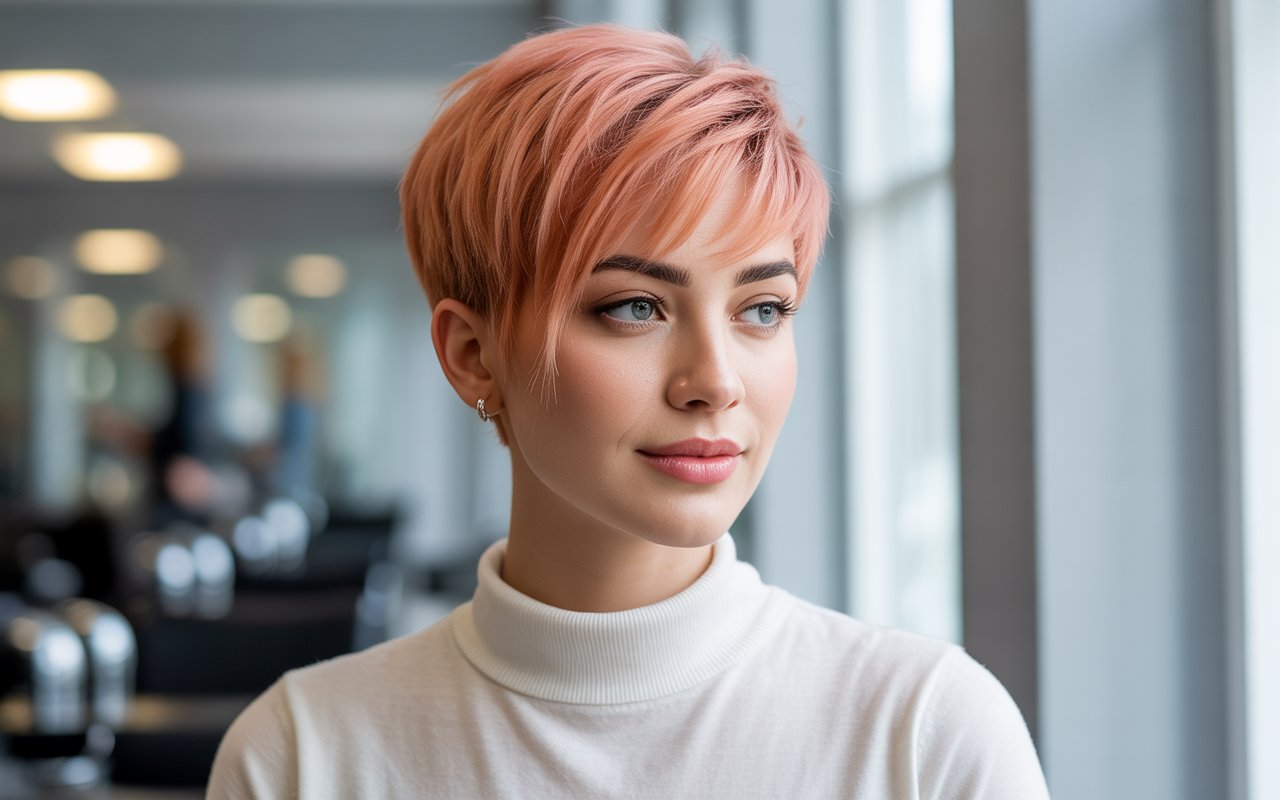
A pixie haircut represents one of the boldest choices a woman can make with her hair. This dramatically short style strips away excess length to reveal facial features in their truest form, creating a look that’s both striking and refreshingly low-maintenance. Women who choose pixie cuts often discover a newfound confidence that comes from sporting such a distinctive and daring style.
The beauty of pixie cuts lies in their surprising adaptability. Despite common misconceptions about short hair limiting options, these cuts actually offer remarkable versatility through various textures, lengths, and styling approaches. From sleek and polished versions perfect for professional settings to tousled, edgy interpretations that showcase personality, pixie cuts can be tailored to suit virtually any woman’s lifestyle and aesthetic preferences.
Let’s uncover here everything you need to know about rocking a pixie cut with confidence. You’ll discover how to identify the right variation for your features, master essential styling techniques, and maintain your cut’s shape between salon visits. Let’s transform your perspective on short hair and help you determine if this liberating style might be your next great hair adventure.
What Makes a Pixie Cut So Special
The pixie cut stands apart from other short hairstyles through its distinctive combination of closely cropped sides and back with slightly longer length on top. This unique structure creates endless possibilities for customization while maintaining the style’s signature neat, sculpted appearance.
The defining features of pixie cuts
A true pixie cut typically features hair that’s cut between half an inch to three inches in length, with strategic variations throughout. The sides and nape area usually showcase the shortest lengths, gradually transitioning to more substantial length through the crown and front sections. This graduated approach creates natural volume and movement without requiring extensive daily styling efforts.
What separates pixie cuts from other short styles? The answer lies in the precision of the cut itself. Unlike buzz cuts or crew cuts that maintain uniform length, pixies incorporate careful layering and texturing techniques. These elements work together to create dimension and prevent the flat, helmet-like appearance that many women fear when considering shorter lengths.
Why pixie cuts suit different face shapes
Contrary to popular belief, pixie cuts can flatter every face shape when properly customized. The key lies in adjusting proportions and styling details to complement individual features.
Round faces benefit from pixie cuts with added height at the crown and asymmetrical elements that create vertical lines. Square faces look stunning with soft, wispy bangs and rounded edges that counterbalance angular jawlines. Oval faces enjoy the most flexibility, as nearly any pixie variation tends to flatter these balanced proportions.
Heart-shaped faces shine with pixie cuts featuring side-swept bangs and fullness around the ears to balance a narrower chin. Long faces look best with horizontal elements like side parts and fuller sides that add width. The secret? Working with an experienced stylist who understands how to adapt the cut’s proportions to highlight your best features.
The versatility of modern pixie styles
Today’s pixie cuts have evolved far beyond the traditional ultra-short crop. Contemporary variations range from barely-there buzz cuts to longer, shaggier interpretations that blur the line between pixie and bob.
The undercut pixie incorporates shaved or closely clipped sections for an edgy, modern appeal. Textured pixies use choppy layers and piece-y styling to create a lived-in, effortless look. Asymmetrical pixies play with length differences between sides for artistic flair. Even curly-haired women can rock pixie cuts designed to showcase natural texture rather than fight against it.
How pixie cuts can enhance your features
Strategic styling and cut placement can dramatically highlight your best features. A well-executed pixie cut draws attention upward toward the eyes and cheekbones, creating an instant face-lift effect. The exposed neckline appears longer and more elegant, while the overall silhouette emphasizes bone structure in flattering ways.
Women with beautiful eyes find that pixie cuts create the perfect frame to showcase them. Those blessed with high cheekbones discover how short hair accentuates this coveted feature. Even concerns about prominent ears or foreheads can be addressed through careful bang placement and strategic length variations. The result? A custom-tailored style that celebrates your unique beauty rather than hiding behind excessive length.
Finding Your Perfect Pixie Style
Selecting the ideal pixie variation requires careful consideration of multiple factors beyond simple personal preference. Your hair’s natural characteristics, daily routine, and maintenance commitment all play crucial roles in determining which style will work best for your life. Taking time to assess these elements before your salon appointment ensures you’ll love your new cut long after leaving the stylist’s chair.
Classic pixie vs modern variations
The traditional pixie cut, popularized in the mid-20th century, features uniform short length with minimal layering and a neat, polished finish. This timeless approach works beautifully for women seeking a sophisticated, low-maintenance option that transitions seamlessly from boardroom to evening events. Clean lines and subtle shaping create an elegant silhouette that never goes out of style.
Modern interpretations push boundaries with creative techniques and unconventional elements. These contemporary versions might incorporate:
- Disconnected layers: Creating dramatic contrast between lengths
- Shaved designs: Adding artistic patterns to undercut sections
- Bold color placement: Using strategic highlights or vivid hues
- Extreme asymmetry: Playing with drastically different lengths
- Mixed textures: Combining smooth and choppy sections
The choice between classic and modern depends largely on your personal style and professional requirements. Conservative workplaces might necessitate traditional approaches, while creative fields often welcome experimental variations.
Matching pixie cuts to your hair texture
Your hair’s natural texture significantly impacts how a pixie cut will look and behave daily. Fine hair benefits from shorter overall lengths that prevent limp, flat appearances. Graduated layers add essential volume, while texturizing techniques create the illusion of fuller hair. Avoid excessive thinning or razoring, which can make fine hair appear even sparser.
Thick hair requires different handling to prevent bulky, unmanageable results. Strategic thinning removes excess weight while maintaining essential structure. Longer pixie variations often work better for thick hair, providing more styling options and preventing mushroom-like shapes. Your stylist might use special cutting techniques to create internal layers that reduce bulk without sacrificing style.
Curly and wavy textures bring unique considerations to pixie cuts. Working with natural patterns rather than against them produces the best results. Dry cutting techniques allow stylists to see exactly how curls will fall, ensuring balanced proportions. Length must be carefully calibrated – too short and curls might spring up uncontrollably, too long and the style loses its pixie character.
Working with your natural hair growth patterns
Everyone’s hair grows in unique patterns that affect how a pixie cut will lay and style. Identifying these patterns before cutting helps predict potential challenges and plan accordingly. Common growth pattern considerations include cowlicks at the crown, directional growth at the nape, and hairline irregularities around the face.
Strong cowlicks require strategic length decisions. Cutting too short might cause hair to stick straight up, while leaving appropriate length allows weight to control unruly sections. Sometimes working with a cowlick’s natural direction creates interesting styling opportunities rather than problems.
Nape area growth patterns particularly impact pixie cuts since this region is so exposed. Hair that grows upward or sideways needs special attention during cutting to ensure it lays properly. Your stylist might adjust cutting angles or leave strategic length to manage these areas effectively.
Customizing length and layers for your lifestyle
Your daily routine should heavily influence pixie cut decisions. Busy mothers might prefer wash-and-go styles requiring minimal morning effort. Professional women may need versatile cuts that style differently for various occasions. Athletes often appreciate ultra-short variations that stay put during workouts.
Consider your styling commitment honestly. Some pixie variations demand daily attention with products and tools, while others look great with simple towel drying. Longer pixies offer more styling flexibility but require more maintenance time. Shorter versions need less daily styling but demand more frequent salon visits to maintain their shape.
Seasonal activities also matter. If you spend summers at the beach or winters under hats, factor these elements into length decisions. The perfect pixie cut aligns with your actual life rather than an idealized version, ensuring satisfaction with your choice year-round.
Essential Styling Techniques for Pixie Cuts
Daily styling routine basics
Creating a polished pixie look doesn’t require hours of effort, but establishing the right routine makes all the difference. Start with freshly washed hair using a volumizing shampoo that won’t weigh down short strands. After towel drying, apply a lightweight styling product while hair remains damp – this crucial step provides hold and texture throughout the day.
The direction you dry your hair sets the foundation for your entire style. Use your fingers to lift roots while blow-drying, creating natural volume at the crown. For sleeker looks, direct air flow smoothly from roots to ends. Tousled styles benefit from scrunching sections while drying, encouraging natural texture and movement. Most pixie cuts dry within minutes, making this process surprisingly quick.
Products that work best for short hair
Product selection can make or break a pixie cut’s appearance. Unlike longer styles that can hide product mistakes, short hair immediately shows whether you’ve chosen correctly.
Texturizing products rank among the most essential for pixie cuts. Lightweight waxes, pomades, and texture sprays add definition without heaviness. Apply sparingly – a pea-sized amount typically suffices for an entire head. Warm products between palms before distributing through hair for even coverage.
For hold without stiffness, consider these options:
- Flexible hold hairsprays that allow movement
- Salt sprays for beachy, lived-in texture
- Volumizing mousses applied at roots only
- Dry shampoos for extending time between washes
Heat protectants become especially important with short hair since you’re styling closer to the scalp. Choose formulas that won’t leave residue or weigh hair down. Many modern versions combine protection with styling benefits, streamlining your routine.
Creating texture and movement
Flat, lifeless pixie cuts defeat the style’s entire purpose. Fortunately, numerous techniques exist for adding dynamic texture and movement to even the finest hair.
Finger styling remains the simplest approach. After applying product, use fingertips to piece out sections, creating separation and definition. Twist small sections while drying for natural-looking texture. Pinch and pull pieces upward at the crown for added height.
Tools expand your texture options significantly. A small flat iron creates bends and flicks that add interest. Simply twist the iron slightly as you pull through sections rather than maintaining perfectly straight passes. Tiny curling irons or wands produce soft waves in longer pixie sections, particularly effective around the face.
Don’t overlook the power of strategic messiness. Perfect pixie cuts often look less appealing than slightly undone versions. After initial styling, rough up sections with your fingers. This deliberate imperfection creates that coveted “I woke up like this” appearance that makes pixies so appealing.
Quick fixes for busy mornings
Reality means some mornings leave mere minutes for hair styling. Pixie cuts excel during these rushed moments, requiring only basic techniques for presentable results.
Dry shampoo serves as the ultimate time-saver, instantly refreshing hair while adding texture and volume. Spray at roots the night before for even better results – the product absorbs oils while you sleep. In the morning, simply massage through and style as usual.
When truly pressed for time, focus on the front sections that frame your face. These pieces have the most visual impact, so perfecting them creates an overall polished appearance. Smooth or texturize these areas while leaving the rest naturally tousled.
Water remains your secret weapon for quick refreshing. Lightly mist uncooperative sections and restyle rather than starting from scratch. This technique works particularly well for fixing sleep-flattened areas or stubborn pieces that won’t cooperate.
Transitioning from day to night looks
One pixie cut can create multiple distinct looks with minor adjustments. Master these transformation techniques to maximize your style’s versatility.
Daytime professional styles typically feature neater, more controlled finishes. Achieve this by blow-drying hair smoothly and using minimal product for a polished appearance. Keep edges neat and volume moderate for workplace appropriateness.
Evening transformations require just minutes:
- Add texturizing spray for increased drama and volume
- Use fingers to tousle and separate sections
- Create height at the crown with backcombing
- Define individual pieces with wax for edgier appeal
- Sweep bangs differently for instant style change
Accessories offer another transformation tool. Decorative clips, headbands, or even temporary color sprays can shift your look from office-appropriate to party-ready. The key lies in having these items ready and knowing exactly how to use them for maximum impact.
Maintaining Your Pixie Cut
The pristine shape of a fresh pixie cut requires regular attention to maintain its sculptural beauty. Unlike longer styles that can stretch appointments, pixies demand consistent upkeep to prevent shapeless, overgrown appearances. Understanding maintenance requirements before committing helps ensure long-term satisfaction with your choice.
How often to trim for the perfect shape
Most pixie cuts need professional trimming every 3-4 weeks to maintain their intended silhouette. This frequency might surprise those accustomed to quarterly salon visits, but short hair shows growth more dramatically. Even half an inch of new length can completely alter a pixie’s proportions and style.
Certain variations require even more frequent attention. Ultra-short pixies with clippered sides might need touch-ups every 2-3 weeks. Asymmetrical styles lose their impact quickly as growth evens out length differences. Heavily textured cuts can stretch slightly longer between visits, as their intentionally choppy nature disguises growth better.
Budget considerations matter when choosing a pixie cut. Factor in these regular salon visits when deciding whether this style fits your lifestyle. Some salons offer maintenance packages or reduced rates for frequent trim appointments. Building a relationship with one stylist ensures consistency and often leads to scheduling flexibility.
Between professional visits, minor maintenance keeps your cut looking fresh. Trim obvious problem areas like sideburns or nape fuzz with small scissors. Clean up around ears where growth becomes particularly noticeable. These small efforts extend time between full appointments while maintaining a groomed appearance.
Dealing with awkward growth phases
The dreaded growing-out phase haunts many pixie cut wearers. Hair seems to grow sideways rather than down, creating unflattering shapes and frustrating styling challenges. Strategic approaches minimize these awkward stages.
Planning ahead makes significant difference. Discuss growth goals with your stylist from the beginning. They can cut with future growth in mind, leaving strategic length in areas that typically become problematic. This foresight prevents some common growing-out issues before they start.
Regular shaping appointments remain crucial during growth phases. Rather than abandoning salon visits, adjust cutting strategies to guide growth in flattering directions. Your stylist might:
- Maintain shorter sides while growing out the top
- Create deliberate asymmetry to disguise uneven growth
- Add layers that blend different lengths
- Use texturizing to manage bulk in expanding areas
Styling techniques adapt during transition periods. Products that previously worked might need adjustment as length increases. Stronger hold formulas control rebellious sections that no longer lay properly. New tools like bobby pins or small clips become temporary necessities for managing in-between lengths.
Color considerations for short hair
Color takes on new importance with pixie cuts since there’s less hair to create impact. Bold choices that might overwhelm longer styles can look stunning on pixies. Single-process colors appear more saturated and vibrant against the clean lines of short cuts.
However, short hair also reveals color grow-out more quickly. Root touch-ups become necessary every 3-4 weeks for those covering gray or maintaining fashion colors. This frequency matches trim appointments, making coordination convenient. Consider this maintenance commitment when selecting color options.
Highlighting techniques require special consideration on pixies:
- Traditional foils may prove challenging on very short sections
- Balayage creates natural-looking dimension
- Color placement must account for how hair lays and moves
- Fewer highlights often create more impact than heavy coverage
Low-maintenance color options exist for those wanting enhancement without constant upkeep. Shadow roots intentionally darken the base while keeping ends lighter. Lived-in color techniques blur harsh lines as hair grows. Natural-looking tones close to your base color minimize obvious regrowth.
Protecting your scalp and hair health
Short hair exposes more scalp to environmental elements, requiring adjusted care routines. Sun protection becomes essential since UV rays directly reach skin typically shielded by longer hair. Use leave-in products with SPF or wear stylish hats during extended outdoor exposure.
Scalp health directly impacts how your pixie looks and feels. Regular gentle exfoliation removes product buildup and dead skin cells. Scalp massages during washing stimulate circulation and promote healthy growth. Pay attention to any irritation or dryness that might develop with increased exposure.
Winter weather poses particular challenges for pixie cuts. Cold air and indoor heating create static and dryness. Deep conditioning treatments once weekly restore moisture balance. Leave-in conditioners provide ongoing protection between washes. Silk pillowcases reduce friction and static while sleeping.
Chemical processing requires extra caution on short hair. There’s less length to distribute potential damage, making strand health crucial. Wait appropriate time between color services. Use bond-building treatments to maintain hair integrity. Consider your hair’s condition honestly before pursuing dramatic chemical changes.
Common Pixie Cut Concerns and Solutions
Women considering pixie cuts often hesitate due to specific worries about manageability, styling limitations, or growth challenges. These concerns deserve honest acknowledgment and practical solutions. Understanding common issues and their remedies helps make informed decisions about whether a pixie cut aligns with your lifestyle and preferences.
Managing cowlicks and difficult areas
Stubborn cowlicks become more prominent with shorter hair, no longer weighted down by length. These swirling growth patterns can create frustrating styling challenges, particularly at the crown or hairline.
The solution begins during the cutting process. Experienced stylists identify cowlicks and adjust their cutting technique accordingly. They might leave extra length in problem areas or cut with the growth pattern rather than against it. Sometimes incorporating a cowlick into the overall style creates interesting texture rather than fighting nature.
Product application makes a substantial difference in controlling unruly sections. Apply styling products to damp hair in the opposite direction of the cowlick, training hair to lay differently. Strong-hold gels or pomades work best for particularly stubborn areas. Set the style with cool air from your blow dryer to lock in the new direction.
For persistent problems, consider these approaches:
- Wet setting: Clip or pin problem areas while damp, removing once fully dry
- Strategic parting: Adjust your part line to work with natural growth
- Texture disguise: Create intentional messiness that camouflages cowlicks
- Length adjustment: Ask your stylist to modify length in problematic zones
Morning refreshing helps reset overnight disturbances. Keep a spray bottle handy for targeted rewetting of misbehaving sections. This targeted approach saves time compared to full restyling.
Styling for different occasions
Professional settings often require polished presentations. Achieve this by smoothing hair with lightweight serum and creating subtle side parts. Keep volume controlled and edges neat. A touch of hairspray maintains the professional look throughout long workdays.
Special events call for elevated styling. Transform your everyday pixie with strategic product use and accessories:
Formal occasions benefit from sleek, sculpted looks. Use smoothing cream and flat iron small sections for glass-like shine. Add decorative pins or a delicate headband for elegant detail. Finish with shine spray for photography-ready glamour.
Casual weekends allow for relaxed, tousled styles. Scrunch in sea salt spray and let hair air dry for effortless texture. This undone approach feels appropriate for errands, brunch, or outdoor activities. The beauty lies in looking naturally beautiful without obvious effort.
Athletic activities require secure styling that won’t distract during movement. Use strong-hold gel to slick hair back completely. Headbands or athletic wraps provide extra security for intense workouts. Choose products that won’t run or flake with perspiration.
Growing out gracefully
The decision to grow out a pixie cut requires patience and strategy. Without proper planning, the process becomes frustrating enough that many women give up and cut their hair short again.
Communication with your stylist proves essential during growth phases. Explain your long-term goals clearly, whether aiming for a bob, shoulder length, or beyond. This information guides their cutting decisions to facilitate smoother transitions.
Growth stages typically progress through several distinct phases. First comes the awkward mullet stage where back sections outpace the top. Address this by maintaining shorter nape areas while growing the crown. Next arrives the shaggy phase requiring creative layering to prevent helmet-like shapes. Finally, you’ll reach a short bob length where normal growing patterns resume.
Styling tools become temporary allies during transition:
- Bobby pins discretely control rebellious pieces
- Headbands disguise uneven lengths
- Texture products create intentional messiness
- Small braids or twists add interest while managing awkward sections
Mental preparation matters as much as physical styling. Accept that some days will frustrate you. Document progress with photos to remind yourself how far you’ve come. Set milestone rewards for reaching certain lengths. Most importantly, resist impulsive cutting during temporary frustration.
Seasonal adjustments for your pixie
Weather changes significantly impact how pixie cuts behave and require adjusted care routines throughout the year.
Summer brings humidity challenges that cause frizz and loss of style. Combat moisture with anti-humidity products applied before leaving home. Lightweight serums seal the hair cuticle against moisture infiltration. Consider slightly shorter summer cuts to minimize styling struggles during humid months.
Autumn’s dry air creates static and flyaways. Incorporate moisturizing treatments into your routine. Leave-in conditioners provide ongoing hydration between washes. Avoid over-washing, which strips natural oils your hair needs for protection. Wooden combs reduce static buildup compared to plastic alternatives.
Winter weather demands serious protection strategies. Cold air combined with indoor heating creates the perfect storm for damage. Deep conditioning masks become weekly necessities. Protective styling products shield hair from extreme temperatures. Consider using overnight treatments for intensive moisture restoration.
Spring often triggers desires for change after long winters. This season works well for color updates or slight style modifications. Allergies might increase scalp sensitivity, requiring gentler products temporarily. Take advantage of milder weather to experiment with air-drying techniques you avoided during temperature extremes.
Your Perfect Pixie Cut
Standing at the threshold of a major hair transformation brings both excitement and natural apprehension. The decision to cut your hair into a pixie style represents more than just changing your appearance – it’s a declaration of confidence and a celebration of your facial features in their purest form. Every woman who has taken this leap understands the mixture of nervousness and anticipation you might be feeling right now.
The journey toward your perfect pixie cut starts with embracing change and trusting the process. Armed with knowledge about styles, maintenance, and styling techniques, you’re prepared to make an informed decision that aligns with your lifestyle and personal aesthetic. Your unique features, hair texture, and daily routine will guide you toward the specific variation that makes you feel most authentically yourself. Take that first step by scheduling a consultation with a skilled stylist who specializes in short cuts – this conversation will transform abstract ideas into concrete possibilities tailored specifically for you.
Frequently Asked Questions
Q: Will a pixie cut make my face look rounder or fuller?
A: A well-designed pixie cut actually creates the opposite effect by adding height at the crown and incorporating angular elements that elongate facial features. The key lies in customization – your stylist can adjust proportions, add asymmetry, or create strategic volume to complement your face shape rather than emphasize roundness.
Q: How much time does styling a pixie cut really take each morning?
A: Most pixie cuts require just 5-10 minutes of morning styling, significantly less than longer hairstyles. The quick-drying nature of short hair combined with minimal product application makes pixies ideal for busy lifestyles. Some variations even look great with simple towel-drying and finger-styling.
Q: Can women over 50 successfully wear pixie cuts?
A: Absolutely! Pixie cuts often become more flattering with age, as they create a youthful, lifted appearance around the face. The style showcases bone structure beautifully and requires less physical effort to maintain than longer styles, making it particularly appealing for mature women.
Q: What if I have very thick or coarse hair – will a pixie cut work?
A: Thick and coarse hair can look stunning in pixie cuts when properly executed. Your stylist will use specialized thinning techniques and strategic layering to remove bulk while maintaining structure. Longer pixie variations often work particularly well for managing thicker textures.
Q: How do I know if my workplace will accept such a dramatic change?
A: Most professional environments today accept well-groomed pixie cuts without issue. If you’re concerned, observe other women in leadership positions at your company or review any official appearance guidelines. Classic, polished pixie styles typically fit even conservative workplace standards.
Q: Will I need to buy all new hair products for a pixie cut?
A: You’ll likely need just 2-3 key products specifically suited for short hair: a lightweight styling cream or wax, a texturizing spray, and possibly a different shampoo if you’re washing more frequently. Many products you currently own may still work, just in smaller quantities.
Q: What happens if I hate my pixie cut immediately after getting it?
A: Initial shock is normal with such a dramatic change. Give yourself at least two weeks to adjust before making judgments. During this time, experiment with different styling techniques and products. Most women who initially feel uncertain grow to love their pixies once they master personal styling methods.
Q: How long does growing out a pixie cut to shoulder length typically take?
A: Growing from a pixie cut to shoulder length generally takes 12-18 months, depending on your hair’s growth rate and how short you start. Regular trims to maintain shape during growth, proper nutrition, and patience are key factors in successfully completing this transition.

