

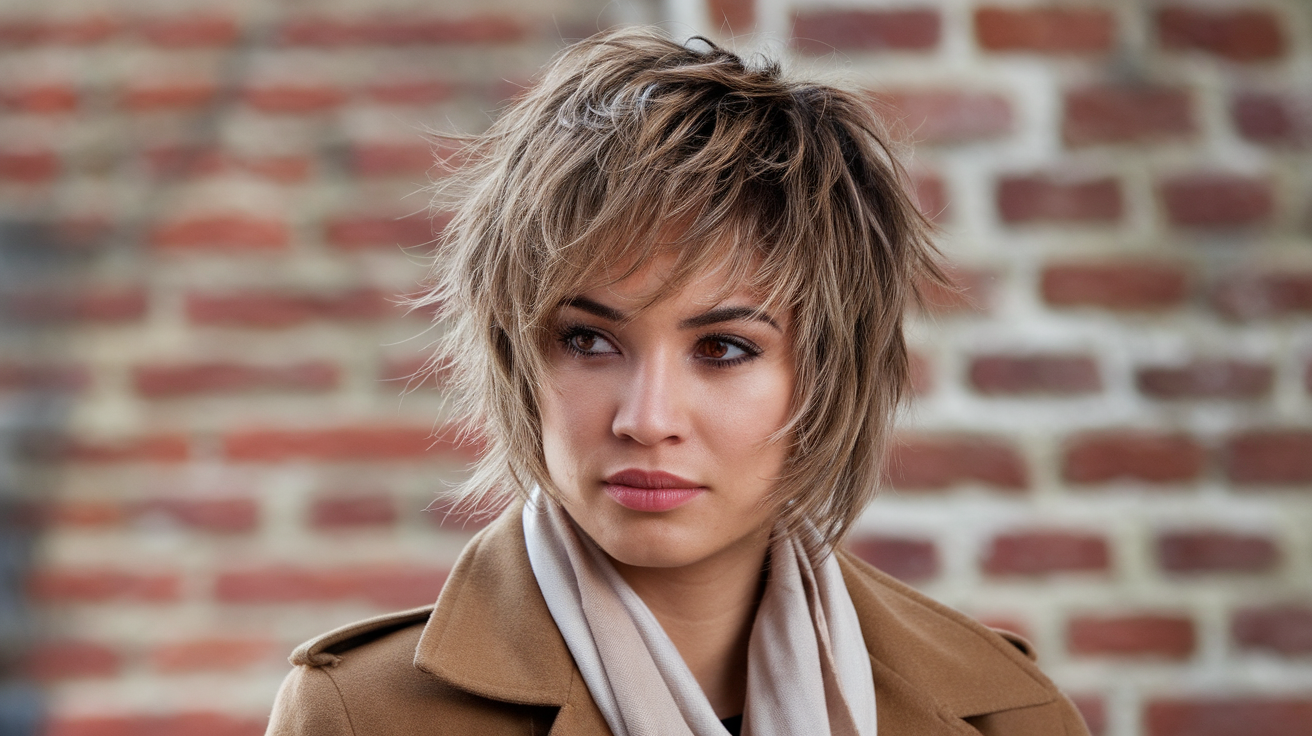
Choppy layered haircuts have become one of those versatile styles that refuse to be confined by age brackets or fashion rules. These textured cuts create movement and dimension through strategically placed, disconnected layers that add life to hair without the uniform look of traditional layering. Whether you’re twenty-five or sixty-five, this adaptable cut offers something special – the ability to look effortlessly put-together while requiring surprisingly little daily maintenance.
The beauty of this particular style lies in its flexibility. Unlike many trendy cuts that favor specific age groups or hair types, choppy layers work with your natural texture rather than against it. They can add volume to fine hair, reduce bulk in thick hair, and create interesting shapes that flatter various face structures. The key is understanding how to adapt the technique to your individual features and lifestyle needs.
We’ll explore everything from choosing the perfect length for your face shape to mastering styling techniques that work with your hair type. You’ll discover maintenance strategies that keep your cut looking fresh between salon visits, and learn how to adjust this versatile style as you move through different life stages. Let’s uncover the secrets to making this dynamic haircut work beautifully at any age.
- What Makes Choppy Layers Different from Regular Layers?
- How to Choose the Right Choppy Layer Length for Your Face Shape?
- Which Styling Techniques Work Best for Different Hair Types?
- How to Maintain Your Choppy Layers Between Salon Visits?
- What Age-Appropriate Adaptations Keep This Style Fresh?
- Your Choppy Layer Journey
- Frequently Asked Questions
What Makes Choppy Layers Different from Regular Layers?
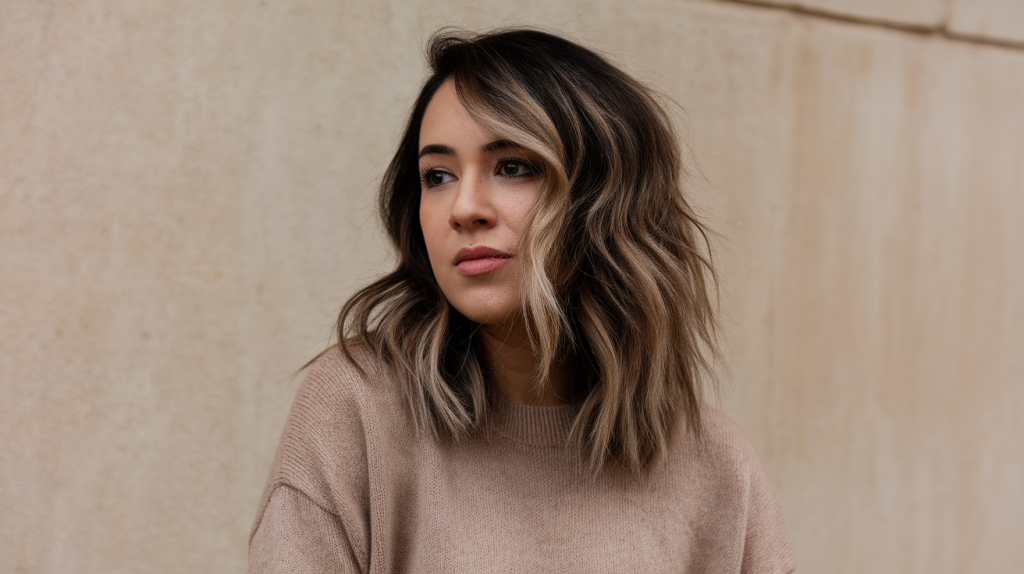
The distinction between choppy and traditional layers goes beyond simple cutting techniques. Traditional layering creates smooth, blended transitions that flow seamlessly from one length to another. Choppy layers, on the other hand, intentionally break these rules by creating deliberate disconnection between sections. This technique produces texture that moves independently, giving hair a lived-in, effortless appearance that many women find liberating from overly polished styles.
Texture Creation Techniques
Your stylist achieves this distinctive texture through several methods. Point cutting, where scissors cut into the hair at an angle rather than straight across, creates soft, feathered ends. Razor cutting might be used on certain hair types to produce even more dramatic texture variations. Some stylists prefer using thinning shears strategically to remove weight while maintaining length in specific areas.
The placement of these textured sections matters significantly. Rather than following a uniform pattern around your head, choppy layers are positioned to enhance your best features. Your stylist might concentrate shorter pieces around your face to create movement, while keeping longer sections in the back for versatility. This customized approach means no two cuts look exactly alike.
Movement and Volume Benefits
One of the most appealing aspects of this cutting style is how it creates natural movement. The varying lengths catch light differently and move independently when you walk or turn your head. This dynamic quality makes hair appear fuller and more vibrant, even on days when you haven’t had time for elaborate styling.
Volume distribution becomes more manageable with this technique. Instead of hair lying flat against your head or poofing out uniformly, the strategic placement of shorter pieces creates lift exactly where you want it. Women with fine hair particularly appreciate how these layers can make their hair appear thicker without requiring extensive teasing or heavy products.
Comparison with Traditional Layering
While smooth layers focus on creating a cohesive silhouette, choppy variations prioritize texture and individuality. Traditional cuts often require more frequent maintenance to keep their precise shape, whereas the intentionally imperfect nature of textured layers actually improves as they grow out slightly. This makes them ideal for women who prefer lower-maintenance styles or longer stretches between salon appointments.
Visual Weight Distribution
The way choppy layers distribute visual weight throughout your hairstyle offers unique advantages. By removing bulk in strategic areas while maintaining density in others, this technique can balance facial features remarkably well. Heavy hair becomes more manageable without sacrificing length, while thin hair gains the illusion of fullness through clever cutting angles.
Understanding these differences helps you communicate more effectively with your stylist. Instead of simply asking for layers, you can discuss specific texture goals, movement preferences, and maintenance expectations. This detailed conversation ensures you leave the salon with exactly the look you envisioned, tailored to your unique hair characteristics and lifestyle needs.
How to Choose the Right Choppy Layer Length for Your Face Shape?

Selecting the ideal length for your textured layers requires considering both your facial structure and personal style preferences. The right placement can highlight your best features while softening areas you’d prefer to minimize. Understanding how different lengths interact with various face shapes helps you make informed decisions about your cut.
Round Face Considerations
Women with round faces benefit from choppy layers that create vertical lines and add height to their overall silhouette. Longer layers that start below the chin help elongate the face, while shorter pieces around the crown add valuable height. Avoid having the shortest layers fall directly at cheek level, as this can emphasize roundness rather than creating the desired lengthening effect.
The angle of your layers matters too. Diagonal cutting that moves from shorter in the back to longer in the front creates a slimming effect. This technique draws the eye downward, creating the illusion of a more oval face shape. Adding some asymmetry to your cut, perhaps with a deep side part or uneven fringe, further enhances this lengthening effect.
Oval Face Options
If you have an oval face shape, consider yourself fortunate – almost any layer length works beautifully with your balanced proportions. This versatility means you can choose lengths based purely on personal preference and hair texture rather than corrective needs. Short, medium, or long choppy layers all complement oval faces wonderfully.
Your main consideration should be highlighting your favorite features. Love your cheekbones? Position some shorter pieces to frame them perfectly. Proud of your jawline? Ensure some layers hit just at or below jaw level to draw attention there. The freedom to experiment makes oval faces ideal candidates for trying bold, creative layering techniques.
Square Jaw Balancing
Square face shapes benefit from softer, more graduated layers that counteract angular features. The key is creating curves and movement around the jawline to soften its appearance. Layers that begin at or slightly below the jaw work particularly well, as they add feminine curves to balance stronger bone structure.
Consider incorporating some face-framing pieces that curve inward slightly. This technique creates a gentle rounded shape that contrasts beautifully with angular features. Avoiding blunt, straight-across cuts helps maintain this softening effect throughout your style.
Heart-Shaped Face Strategies
Heart-shaped faces typically feature a wider forehead and narrower chin, making layer placement crucial for creating balance. Focus on adding width and volume from the jawline down, while keeping things lighter and closer to the head at the top. This approach creates a more proportioned overall appearance.
Here’s how to achieve optimal balance for heart-shaped faces:
- Chin-Length Layers: Add fullness around the jaw area to balance a narrow chin
- Graduated Lengths: Start longer at the top and gradually decrease toward the bottom
- Side-Swept Elements: Create diagonal lines that minimize forehead width
- Textured Ends: Focus texture at the bottom third of your hair for added width
Length Placement Techniques
The specific placement of your shortest and longest layers dramatically impacts your overall look. Your stylist should map out a cutting strategy based on your growth patterns, hair density, and styling preferences. Some women prefer dramatic differences between their shortest and longest pieces, while others want subtle variations that blend more naturally.
Remember that choppy layers don’t have to be extreme to be effective. Even subtle texture variations can transform your hairstyle while maintaining a professional appearance suitable for conservative work environments. The key is finding the right balance between edgy texture and everyday wearability for your lifestyle.
Which Styling Techniques Work Best for Different Hair Types?
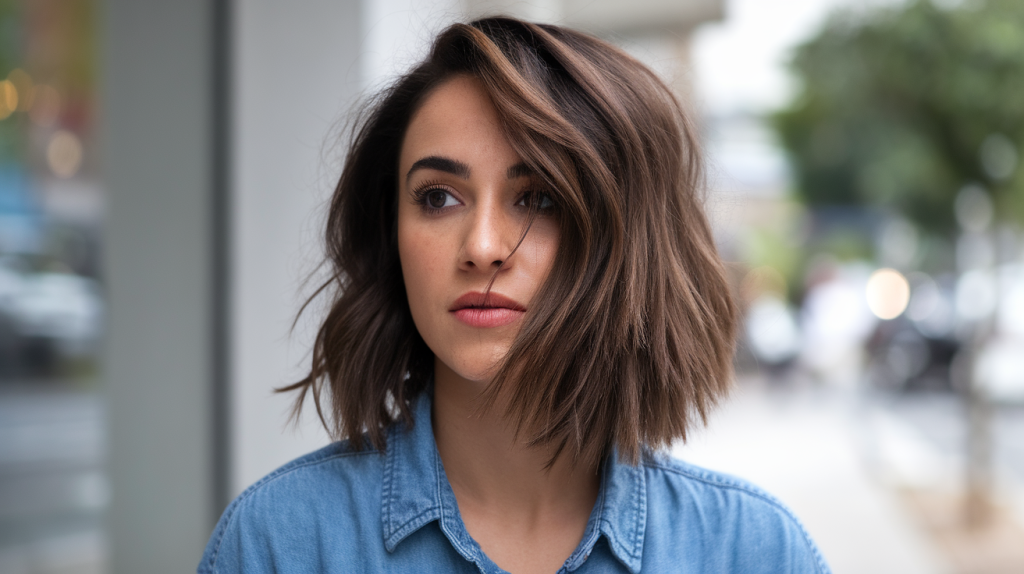
Your natural hair texture plays a crucial role in determining which styling methods will give you the best results with choppy layers. What works beautifully for someone with thick, straight hair might not suit someone with fine, wavy locks. Understanding your hair’s unique characteristics helps you develop a styling routine that enhances your cut rather than fighting against it.
Fine Hair Volumizing Methods
Fine hair responds wonderfully to choppy layers when styled correctly. The key is building volume without weighing down your delicate strands. Start with a volumizing mousse applied to damp roots, working it through with your fingers rather than a comb to maintain lift. This foundation creates the structure your style needs to last throughout the day.
Blow-drying technique makes a significant difference for fine hair. Flip your head upside down during the initial drying phase to encourage root lift. Once hair is about 80% dry, flip back up and use a round brush to direct pieces where you want them. Focus on lifting at the roots while smoothing the mid-lengths and ends for a polished finish.
Product selection remains critical for maintaining volume. Lightweight texturizing sprays add grip and definition without the heaviness of creams or oils. Apply these products sparingly, concentrating on the mid-lengths where you want to enhance the choppy texture. A light-hold hairspray applied to just the roots helps maintain lift without creating stiffness throughout your style.
Thick Hair Management
Thick hair benefits from choppy layers because they remove bulk while maintaining shape. Your styling approach should focus on controlling volume while enhancing the textured elements of your cut. Start with a smoothing serum or lightweight oil applied to damp hair, concentrating on the ends where frizz typically appears first.
The way you dry thick hair impacts its final appearance significantly. Using a concentrator nozzle on your blow dryer helps direct airflow down the hair shaft, smoothing the cuticle and reducing frizz. Work in sections, ensuring each piece is completely dry before moving on. This methodical approach prevents the puffiness that can occur when thick hair is only partially dried.
For daily styling, consider using a flat iron to enhance certain pieces while leaving others natural. This selective straightening creates interesting texture contrasts that highlight your cut’s choppy nature. Run the iron quickly through random sections rather than methodically straightening everything – the goal is enhancing texture, not eliminating it.
Wavy Hair Enhancement
Natural waves pair beautifully with textured layers, creating an effortlessly beachy look. Your styling routine should enhance these waves while defining the choppy elements of your cut. Start with a curl-enhancing cream applied to damp hair, scrunching gently to encourage your natural pattern.
Diffusing works better than traditional blow-drying for wavy hair with choppy layers. The dispersed airflow maintains your wave pattern while preventing frizz. Tilt your head to various angles while diffusing to create volume and ensure even drying. Stop when hair is about 90% dry – over-drying can create frizz and disrupt your natural texture.
Some sections might need extra definition. Wrap random pieces around a curling iron for just a few seconds to enhance their shape. This technique works particularly well for face-framing layers that might not wave as readily as the rest of your hair. The combination of natural and enhanced waves creates beautiful dimension.
Straight Hair Texturizing
Straight hair sometimes needs help showing off the texture in choppy layers. Without natural movement, these cuts can appear flat despite their varied lengths. Your styling strategy should focus on creating texture where none naturally exists.
Begin with a texturizing primer that adds grip to your smooth strands. These products create the foundation for texture that straight hair often lacks. Apply throughout damp hair, paying special attention to the areas where your layers are most dramatic.
Heat styling tools become your texture-creating allies. A flat iron used at angles can create bends and flips that highlight layer variations. Alternatively, use a large barrel curling iron to create loose bends rather than defined curls. The goal is adding movement that showcases your cut’s dimension without looking overly styled.
Curly Hair Definition
Curly hair with choppy layers requires a delicate balance between definition and volume. Your natural texture already provides plenty of movement, so styling focuses on controlling and defining rather than creating texture from scratch.
Moisture is essential for curly hair, especially with layers that can become dry at the ends. Apply a leave-in conditioner followed by a curl-defining cream, working products through with your fingers to ensure even distribution. This combination provides the hydration and hold necessary for defined, bouncy curls.
The drying process determines how your layers will sit. Air drying works well if you have time, allowing curls to form naturally without disruption. If you need faster results, use a diffuser on low heat, cupping sections gently to encourage curl formation. Avoid touching your hair too much while it dries – this can create frizz and disrupt the curl pattern you’re trying to define.
How to Maintain Your Choppy Layers Between Salon Visits?
Keeping your textured cut looking fresh between professional appointments requires understanding both your hair’s growth patterns and the specific maintenance needs of choppy layers. Unlike traditional cuts that might look obviously overgrown, textured styles can actually improve slightly as they grow, but only with proper care and attention.
Trimming Schedule Recommendations
Most women find that choppy layers maintain their shape well for 8-12 weeks between professional cuts. This extended timeline compared to traditional layers stems from the intentionally imperfect nature of the style. As your hair grows, the varied lengths continue to create interesting texture rather than looking unkempt.
Your individual growth rate and hair texture influence optimal appointment scheduling. Those with faster-growing hair might need touch-ups every 6-8 weeks, while others can stretch to 14 weeks without losing their style’s integrity. Pay attention to how your specific cut evolves over time to determine your ideal maintenance schedule.
Product Selection Guidelines
The right products make the difference between a choppy layer cut that looks professionally styled and one that appears messy. Your product arsenal should include items for cleansing, conditioning, and styling that work together to maintain texture without building up residue.
Clarifying shampoo used weekly removes product buildup that can weigh down layers and diminish texture. On other wash days, use a gentle, sulfate-free formula that cleanses without stripping natural oils. This balance keeps hair healthy while maintaining the movement essential to your style.
Conditioning requires a strategic approach with textured cuts. Apply conditioner primarily to mid-lengths and ends, avoiding roots where product can create flatness. Once weekly, use a deep conditioning treatment to maintain hair health, but rinse thoroughly to prevent heaviness that obscures your layers.
Leave-in products should be lightweight yet effective. A texturizing spray or light cream applied to damp hair provides the foundation for easy styling. These products should enhance your hair’s natural tendencies rather than forcing it into submission. Look for formulas that provide flexible hold – you want movement, not stiffness.
Daily Styling Routines
Your morning routine doesn’t need to be complicated to keep choppy layers looking great. The beauty of this cut lies in its ability to look intentionally undone with minimal effort. Develop a simple system that works with your schedule and hair’s natural tendencies.
On wash days, apply your chosen styling product to damp hair and either air dry or blow dry using the techniques suited to your hair type. The initial styling sets the foundation for several days of good hair. Focus on creating the right amount of volume and texture from the start rather than trying to fix flat or frizzy hair later.
Between washes, refresh your style with dry shampoo at the roots and a small amount of texturizing product through the lengths. Sometimes simply shaking out your layers with your fingers and redirecting a few pieces is enough to revive your look. This low-maintenance approach is one reason many women love their choppy layers.
Common Mistakes to Avoid
Several common errors can diminish the impact of your textured cut between salon visits. Over-washing strips natural oils that help define texture, while under-washing can leave hair limp and lifeless. Find your personal sweet spot – usually every 2-4 days for most hair types.
Using too much product is another frequent mistake. Heavy application weighs down layers and obscures the cut’s texture. Start with less than you think you need and add more only if necessary. This approach maintains the light, airy quality that makes choppy layers so appealing.
Avoid these additional pitfalls to keep your cut looking its best:
- Aggressive Brushing: Disrupts texture and creates frizz – use fingers or a wide-tooth comb instead
- Ignoring Heat Protection: Always use heat protectant before styling to prevent damage
- Sleeping on Wet Hair: Creates unwanted bends and frizz – dry hair before bed
- Skipping Regular Trims: Even low-maintenance cuts need professional attention
- Using Wrong Tools: Invest in quality styling tools appropriate for your hair type
Professional Touch-Up Timing
Recognizing when your choppy layers need professional attention helps maintain your style’s integrity. Watch for signs like loss of shape around your face, excessive bulk in certain areas, or difficulty achieving your usual styling results. These indicators suggest it’s time for a salon visit.
Some women benefit from mini touch-ups between full cuts. A quick fringe trim or face-framing refresh can extend the time between major appointments while keeping you looking polished. Discuss this option with your stylist to determine if it suits your hair’s growth pattern and lifestyle.
What Age-Appropriate Adaptations Keep This Style Fresh?
Choppy layers transcend generational boundaries, but subtle adjustments ensure the style complements your life stage perfectly. The versatility of this cut means you can maintain its edgy texture while adapting elements to suit changing preferences, professional requirements, and hair characteristics that evolve with age.
Twenties and Thirties Styling
During your twenties and thirties, you have the freedom to experiment with bolder interpretations of choppy layers. This is the time to try dramatic length variations, perhaps combining very short pieces with much longer sections for maximum impact. Your hair typically has its fullest density during these decades, allowing for more aggressive texturing without sacrificing volume.
Color plays wonderfully with textured cuts at this age. Consider adding highlights or lowlights that accentuate the movement in your layers. Bright fashion colors or bold blonde pieces can create stunning dimension when combined with choppy cutting techniques. The contrast between different colored sections emphasizes the texture even more dramatically.
Styling can be more adventurous too. Experiment with different textures – perhaps sleek and straight one day, then tousled and wavy the next. Your hair’s resilience during these years means it can handle more frequent heat styling and product use without showing significant damage. This flexibility lets you adapt your look for various occasions, from professional meetings to weekend festivals.
Forties and Fifties Adjustments
As you enter your forties and fifties, choppy layers can be adapted to maintain edginess while projecting sophistication. The key is finding the right balance between texture and polish. Consider slightly less dramatic length variations that still create movement but appear more refined.
Hair texture often changes during these decades, potentially becoming drier or slightly thinner. Your layering strategy should account for these changes. Rather than removing too much bulk, focus on strategic texturing that maintains volume while creating movement. Your stylist might use different cutting techniques than they would have in your younger years.
Product choices become increasingly important. Hydrating formulas that don’t weigh hair down help maintain the youthful movement of your layers while addressing any dryness. Look for products with ingredients that support hair health, such as proteins and natural oils, while still providing the hold needed for texture definition.
Professional settings might require a more polished approach to styling your layers. Master techniques that create controlled texture – pieces that move beautifully but don’t appear messy or unkempt. A good flat iron or curling wand becomes invaluable for refining your look when needed.
Sixty-Plus Modifications
Women over sixty can absolutely rock choppy layers with the right modifications. The texture this cutting technique provides actually helps disguise any thinning that might occur with age, making hair appear fuller and more vibrant. The key is working with your hair’s current characteristics rather than trying to recreate styles from decades past.
Length considerations become more important at this stage. While you can certainly maintain longer hair if it’s healthy, many women find that shorter choppy layers are more flattering and easier to maintain. A choppy bob or pixie cut with textured layers can be incredibly chic and age-appropriate while still feeling modern and fresh.
The way you style these layers might shift toward softer techniques. Instead of creating sharp, defined pieces, aim for gentle texture that moves naturally. This approach looks sophisticated while being kinder to hair that might be more fragile than in previous years.
Professional Versus Casual Looks
Regardless of age, knowing how to adapt your choppy layers for different settings ensures versatility. Professional environments might call for smoother styling that tames the wildest pieces while maintaining subtle texture. A light smoothing serum and strategic blow-drying can transform edgy layers into a boardroom-appropriate style.
For casual settings, let your layers live their best life. Enhance natural texture with sea salt spray or texturizing powder. The beauty of a well-cut choppy style is its ability to look intentionally undone without appearing messy. This relaxed approach works whether you’re running errands or meeting friends for lunch.
Special occasions offer opportunities to showcase your layers differently. Consider sleek, polished styling for formal events, using a flat iron to create smooth pieces with subtle flips at the ends. Alternatively, enhance texture for a more romantic look, creating soft waves throughout your layers for added dimension.
Color Considerations by Age
The interplay between color and choppy layers evolves throughout life. In younger years, high contrast between highlights and lowlights can create dramatic dimension. As you age, softer color variations might be more flattering while still enhancing texture.
Gray hair actually looks fantastic with choppy layers. The texture helps silver strands catch light beautifully, creating natural dimension without requiring color enhancement. If you choose to cover gray, consider techniques like balayage or subtle highlights that work with your textured cut to create depth without harsh lines.
For those maintaining their natural color or transitioning to gray, choppy layers provide excellent camouflage during the growing-out phase. The varied lengths and texture help blend different colors more naturally than a blunt cut would. This makes the transition period less awkward and more stylish.
Your Choppy Layer Journey
The adaptability of choppy layered haircuts makes them an intelligent choice for women seeking a style that evolves gracefully through different life phases. This cutting technique offers the rare combination of being both low-maintenance and high-impact, providing texture and movement that flatters virtually every face shape and hair type. The key to success lies in understanding how to customize the cut and styling approach to your individual needs.
Working with a skilled stylist who understands your hair’s unique characteristics, lifestyle requirements, and personal preferences ensures you get a cut that truly works for you. Regular maintenance, appropriate product selection, and age-appropriate adaptations keep this versatile style looking fresh and modern regardless of where you are in life. The confidence that comes from a great haircut that moves beautifully and requires minimal daily effort is truly ageless.
Frequently Asked Questions
Q: How often should I wash my hair when I have choppy layers?
A: Most women with choppy layers find washing every 2-4 days optimal. This frequency maintains natural oils that enhance texture while preventing buildup that can weigh down layers. Your specific schedule depends on your hair type, activity level, and styling product use.
Q: Can choppy layers work on very fine, thin hair?
A: Yes, choppy layers can actually make fine hair appear fuller and thicker. The key is using subtle texturing techniques that create movement without removing too much density. Your stylist should focus on creating lift at the roots while maintaining as much hair weight as possible.
Q: Will choppy layers make my thick hair even bigger?
A: Properly executed choppy layers actually help manage thick hair by removing bulk strategically. Your stylist can thin out heavy sections while maintaining length, creating movement without excessive volume. The result is hair that feels lighter and moves more freely.
Q: How do I know if my stylist understands choppy layering techniques?
A: A knowledgeable stylist will discuss your hair texture, growth patterns, and styling routine before cutting. They should explain their approach to creating texture and be able to show you examples of their work. Don’t hesitate to ask questions about their technique and experience with textured cuts.
Q: Can I still wear my hair in a ponytail with choppy layers?
A: Absolutely! Choppy layers can actually make ponytails more interesting by creating texture and movement. Some shorter pieces might escape, creating a soft, face-framing effect. If you frequently wear ponytails, discuss this with your stylist so they can adjust the layering accordingly.
Q: What’s the difference between razored and scissor-cut choppy layers?
A: Razor cutting creates softer, wispier ends that work well for fine to medium hair, while scissor cutting provides more control and works better for thick or coarse hair. Some stylists combine both techniques depending on your hair’s needs in different areas.
Q: How long does it take to grow out choppy layers if I change my mind?
A: Growing out choppy layers typically takes 6-12 months to reach a more uniform length, depending on your starting point and growth rate. The good news is that choppy layers tend to grow out more gracefully than traditional layers, maintaining an intentional look during the transition.
Q: Should I use different products in summer versus winter for my choppy layers?
A: Seasonal adjustments help maintain your style year-round. Summer might require lighter products and anti-humidity formulas, while winter calls for more moisturizing products to combat dryness. The texture in your layers can be enhanced differently each season to work with weather conditions.

