

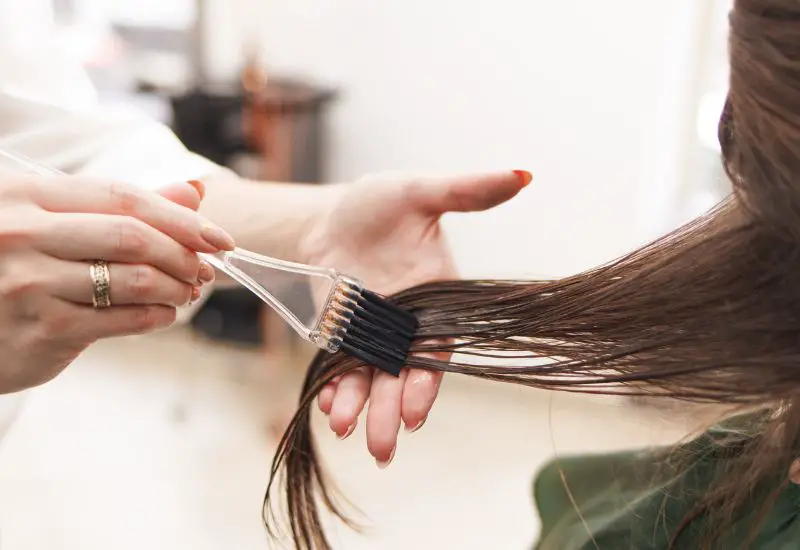
Achieving salon-worthy smooth, frizz-free hair from the comfort of your own bathroom has become increasingly accessible with at-home keratin treatments. These professional-grade formulas transform unruly strands into silky, manageable hair that cuts styling time dramatically. The appeal goes beyond convenience – women save hundreds of dollars while gaining control over their hair care routine on their own schedule.
The science behind these treatments involves coating each hair strand with proteins that fill in microscopic gaps in damaged cuticles. This process creates a protective barrier that repels humidity, reduces frizz, and adds incredible shine. Modern formulations have evolved significantly, offering safer ingredients and more customizable results than earlier versions that dominated salons a decade ago.
Ready to transform your hair without leaving home? The following sections will guide you through selecting the right product, mastering application techniques, and maintaining your results for months. From understanding which formulas work best for different hair types to troubleshooting common issues, you’ll discover everything needed for professional-quality results.
What You Need to Know Before Starting Your Keratin Treatment
Starting your journey toward smoother hair requires understanding the fundamentals of keratin treatments and how they interact with different hair types. The market offers various formulations, from traditional Brazilian treatments to formaldehyde-free options and express versions. Each type delivers different results and requires specific application methods.
Understanding different types of keratin treatments
Traditional Brazilian keratin treatments remain popular for their dramatic smoothing effects, though they typically contain formaldehyde or formaldehyde-releasing ingredients. These formulas straighten hair significantly while eliminating frizz for three to five months. Express treatments offer gentler results, lasting six to twelve weeks with minimal straightening effect. Formaldehyde-free options provide moderate smoothing without harsh chemicals, making them suitable for health-conscious users or those with sensitivities.
The newest generation includes customizable treatments that allow you to control the level of smoothing. Some brands offer separate formulas for curly hair that want frizz reduction without losing their natural texture. Others focus on color-treated hair with ingredients that seal in pigments while smoothing. Understanding these distinctions helps you select a product aligned with your hair goals.
Who should and shouldn’t use keratin treatments
Most women with frizzy, damaged, or unmanageable hair benefit from these treatments. Those who spend excessive time blow-drying or flat ironing daily often see the most dramatic improvements in their routines. Color-treated hair generally responds well, with many users reporting enhanced color vibrancy after treatment. However, certain situations require caution or complete avoidance.
Pregnant or nursing women should skip treatments containing formaldehyde or similar chemicals. Those with severely damaged or breaking hair need to strengthen their strands first, as the high heat required during application could cause further damage. Scalp conditions like psoriasis or open wounds make treatment inadvisable until healed. Fine, straight hair might become too flat or greasy-looking with full-strength formulas.
How to choose the right product for your hair type
Thick, coarse hair typically requires stronger formulas with longer processing times. These hair types can handle traditional treatments well and often need the extra smoothing power they provide. Medium-textured hair works well with most formulations, giving you flexibility in choosing based on your desired results and chemical preferences. Fine or thin hair needs gentler, lighter formulas to avoid weighing down strands.
Consider your hair’s current condition too. Virgin hair absorbs treatments differently than chemically processed strands. Bleached or highlighted sections might process faster and need careful monitoring. Previously relaxed or permed hair requires extra caution, as combining chemical treatments can lead to severe damage. When in doubt, performing a strand test 48 hours before full application reveals how your hair will react.
Safety considerations and proper ventilation
Working with chemical treatments demands serious attention to safety protocols. Proper ventilation ranks as the most critical factor – open windows, use fans, and consider wearing a respirator mask if working with formaldehyde-containing products. The fumes can irritate eyes, throat, and lungs, particularly in enclosed spaces. Some women set up temporary workstations in garages or covered outdoor areas for maximum airflow.
Protective gear includes gloves to prevent skin irritation and old clothing you won’t mind staining. Keep the product away from your scalp as much as possible, focusing application on hair strands starting about half an inch from roots. Having someone assist you ensures better coverage while minimizing skin contact. Set up your workspace with all necessary items within reach before starting.
Realistic expectations for results
Professional keratin treatments don’t permanently alter hair structure like relaxers do. Instead, they coat strands with proteins that gradually wash away over months. Your natural texture will return as the treatment fades, though many women report their hair feels healthier even after the smoothing effects disappear. Results vary significantly based on your starting texture, chosen product, and application technique.
Weather plays a major role in longevity. High humidity areas might see results fade faster, while dry climates can extend treatment life. Your washing frequency, styling habits, and product choices all impact duration. Most users find they need reapplication every three to six months, though some stretch treatments longer by using maintenance products. Setting realistic expectations prevents disappointment and helps you plan your hair care budget accordingly.
Essential Tools and Products for Professional Results
Creating salon-quality results at home starts with assembling the right tools and products before you begin. Having everything prepared prevents rushed decisions or compromised results from using inadequate substitutes. Professional stylists rely on specific equipment for good reason – these tools make the difference between mediocre and exceptional outcomes.
Must-have styling tools for application
A high-quality flat iron capable of reaching 450°F stands as your most important tool investment. Ceramic or titanium plates distribute heat evenly, preventing hot spots that could damage hair. Look for models with adjustable temperature settings and plates at least one inch wide for efficient processing. Narrower plates work better for short hair or detailed work around the hairline.
Your blow dryer needs sufficient power to remove moisture thoroughly before flat ironing. Professional-grade dryers with at least 1800 watts and multiple heat settings work best. The cool shot button helps seal cuticles after each section. A concentrator nozzle attachment directs airflow precisely where needed, speeding up drying time while preventing frizz. Some stylists recommend ionic dryers for extra smoothing power.
Application brushes designed for chemical treatments ensure even product distribution. Wide-tooth combs help spread product through sections without pulling or breaking hair. Fine-tooth combs work well for creating precise sections. Avoid metal tools that might react with treatment chemicals. Having multiple combs and brushes prevents cross-contamination between treated and untreated sections.
Choosing quality keratin treatment products
Product selection can feel overwhelming with dozens of brands promising miraculous results. Focus on reputable companies with consistent reviews and clear ingredient lists. Professional brands sold to salons often offer superior formulations compared to mass-market options. Price doesn’t always indicate quality, but extremely cheap treatments often disappoint.
Reading reviews from women with similar hair types provides valuable insights. Look for detailed feedback about application ease, smell, and longevity rather than simple star ratings. Many brands offer different formulas within their line – don’t assume their strongest option suits your needs. Some companies provide consultation services to help match products to your specific hair characteristics.
Additional supplies you’ll need
Beyond major tools, numerous smaller items contribute to successful application. Sectioning clips in various sizes help divide hair systematically. You’ll need at least 6-8 clips for medium-length hair, more for longer or thicker textures. Plastic or ceramic clips work best, as metal might leave marks during heat processing.
A cape or old towel protects clothing from drips. Petroleum jelly creates a barrier along your hairline, preventing skin irritation. Cotton strips or paper towels catch drips around ears and neck. A timer ensures accurate processing, while a spray bottle filled with water helps reactivate any sections that dry too quickly. Some women find a hand mirror useful for checking back sections.
Here’s what else you might need:
- Clarifying shampoo: Removes buildup for better treatment absorption
- Sulfate-free shampoo: Essential for post-treatment care
- Microfiber towels: Gentler than regular towels on treated hair
- Wide paddle brush: Ideal for post-treatment styling
- Silk pillowcase: Reduces friction while sleeping
Setting up your workspace properly
Organization prevents accidents and ensures smooth application flow. Choose a well-lit area with easy access to electrical outlets for your tools. Bathroom counters work well if you have adequate space, though some women prefer kitchen tables covered with protective plastic. Natural light from windows helps you see your progress clearly.
Arrange tools in order of use, keeping hot tools on heat-resistant mats away from treatment products. Position mirrors to see all angles of your head without straining. Having a comfortable stool at the right height reduces fatigue during the lengthy process. Keep paper towels within reach for quick cleanups. Some women set up portable fans pointed away from their workspace to improve ventilation without disturbing hair sections.
Temperature control in your workspace matters too. Air conditioning or heating can affect how quickly products dry and how your hair responds to heat styling. Moderate temperatures work best, avoiding extremes that might cause sweating or shivering during application. Consider the time needed – most treatments require 2-4 hours from start to finish, so comfort becomes essential.
Step-by-Step Application Process
The success of your at-home treatment hinges on methodical application techniques that mirror professional standards. Taking shortcuts or rushing through steps often leads to uneven results, wasted product, or hair damage. This systematic approach ensures every strand receives proper treatment while maintaining safety throughout the process.
Preparing your hair correctly
Begin with a thorough clarifying shampoo session to remove all product buildup, oils, and residue. This step might require two or three washes, especially if you use heavy styling products regularly. Skip conditioner entirely – your hair should feel slightly stripped and squeaky clean. This state allows maximum treatment penetration into the hair shaft.
Towel dry gently without roughing up the cuticle. Your hair should remain damp but not dripping wet for most formulas, though some require completely dry application. Check your specific product instructions for moisture requirements. Detangle carefully with a wide-tooth comb, working from ends to roots to minimize breakage. Any knots or tangles will create uneven treatment distribution.
The final preparation involves dividing hair into four main sections using clips. Part hair down the middle from forehead to nape, then create a horizontal part from ear to ear. This creates manageable quadrants for systematic application. Some women with extremely thick hair prefer six or eight sections for better control.
Sectioning techniques for even coverage
Working with subsections within each quadrant ensures thorough saturation without missing spots. Take horizontal sections about half an inch thick, starting from the nape area. Thinner sections work better than thick ones – you can always add more product, but removing excess becomes impossible. Clip away completed sections to prevent recontamination.
The systematic approach matters more than speed. Many women make the mistake of random application, leading to patches of over-treated and under-treated hair. Following a consistent pattern from bottom to top, back to front creates predictable results. Use the pointy end of a rat-tail comb for precise parting lines.
Proper application methods
Pour treatment into a non-metallic bowl rather than working directly from the bottle. This prevents contamination and allows better portion control. Using an application brush, paint the product onto each section from roots to ends, ensuring complete coverage. Some prefer wearing gloves and using their hands for better control and feel.
Avoid oversaturating hair with product. Each section should appear coated but not dripping. Comb through each treated section immediately to distribute product evenly and remove excess. The amount needed varies by hair length and thickness, but most shoulder-length hair requires 2-3 ounces total. Keep treated sections separate from untreated areas using clips or foil.
Work quickly but carefully once you start application. Most treatments shouldn’t sit on hair longer than specified times, as over-processing can damage hair structure. If working alone, consider treating your hair in two sessions – back sections one day, front sections the next. This approach ensures thorough application without rushing.
Heat sealing the treatment
After application, blow dry hair completely using medium heat and tension. This step removes moisture and begins the sealing process. Section hair again for blow drying, using a round brush to create smooth tension. Direct airflow down the hair shaft to encourage cuticle closure. This process typically takes 20-45 minutes depending on hair length and thickness.
Once fully dry, the flat ironing phase begins. Set your iron to the temperature specified by your product – usually between 380-450°F. Take thin sections no wider than your iron plates and pass through 3-7 times per section. The goal involves sealing the treatment into the cuticle through heat activation. Move slowly and steadily without pausing in one spot.
Watch for smoke or sizzling sounds, which indicate either too-high heat or product buildup. Properly sealed hair should appear glossy and smooth immediately after ironing. Some treatments require multiple passes on each section, while others need just a few. Your hair’s response guides the process – once a section looks smooth and shiny, move on rather than over-processing.
Timing guidelines for different hair types
Fine or damaged hair typically requires shorter processing times and lower heat settings. These textures might need only 3-4 passes with the flat iron at 380°F. Over-processing leads to limp, greasy-looking results that won’t wash out until the treatment fades naturally. Start conservatively and add more passes if needed.
Coarse, resistant hair often needs maximum processing times and temperatures. These textures might require 7-10 passes at 450°F for complete smoothing. The hair should feel different after proper processing – silkier and more pliable than before. However, pushing beyond manufacturer recommendations risks severe damage.
Virgin hair generally processes faster than previously colored or chemically treated hair. Highlighted or bleached sections need extra attention as they’re more porous and fragile. Gray hair can be particularly resistant, sometimes requiring longer processing than the rest of your hair. Creating a treatment map based on your hair’s various textures and conditions helps achieve uniform results.
How to Maintain Your Keratin Treatment?
Your freshly treated hair requires specific care protocols to maximize longevity and maintain that glossy smoothness. The days immediately following application prove most critical for setting your results. Understanding and following maintenance guidelines can extend your treatment’s life by months while keeping hair healthier overall.
The crucial 48-72 hour waiting period
The first two to three days after treatment determine your long-term results. During this curing period, the keratin bonds fully with your hair structure. Any moisture, including sweat, humidity, or washing, can create permanent dents or waves in your newly smoothed hair. This means no washing, no sweating through exercise, and avoiding steam from cooking or hot showers.
Sleep positions matter during this period. Use a silk or satin pillowcase to minimize friction, and try sleeping with hair loosely spread above your head rather than pressed against the pillow. Some women secure their hair in a very loose, high topknot using a soft scrunchie. Avoid ponytails, clips, or anything that might leave marks. Even tucking hair behind your ears can create unwanted bends.
If you accidentally get hair wet, immediately blow dry and flat iron the affected sections. Quick action can prevent permanent marks, though complete saturation usually means starting the treatment over. Many women plan treatments before long weekends or vacations to minimize disruption to their routines. Consider the weather forecast too – unexpected rain during the waiting period ruins results.
Washing and styling routines
Your first wash after the waiting period sets the tone for your new maintenance routine. Use lukewarm water rather than hot, which can strip the treatment faster. Sulfate-free shampoos designed for keratin-treated hair clean gently without breaking down the protein bonds. Focus shampoo on the scalp only, allowing suds to cleanse lengths without aggressive scrubbing.
Washing frequency significantly impacts treatment longevity. Stretching washes to every 3-4 days, or longer if possible, extends results dramatically. Dry shampoo becomes your best friend for managing oily roots between washes. When you do wash, keep shower time brief to minimize hot water exposure. Some women wash hair separately from body showering to control water temperature and duration precisely.
Heat styling requires less time and lower temperatures after treatment. Many find they can air dry with beautiful results, eliminating daily heat damage. When using hot tools, always apply heat protectant first. Your flat iron might only need 300-350°F compared to pre-treatment temperatures. This reduction in heat exposure contributes to overall hair health improvement.
Products that protect your treatment
Investing in the right maintenance products pays dividends in extended treatment life. Beyond sulfate-free shampoo, you’ll need a corresponding conditioner that won’t strip proteins. Leave-in treatments specifically formulated for keratin-treated hair add an extra protection layer. These products often contain ingredients that refresh the smoothing effect between treatments.
Swimming requires special consideration. Chlorine and salt water can quickly degrade your treatment. Before swimming, wet hair with clean water and apply a protective leave-in conditioner or oil. Wearing a swim cap provides the best protection, though many women find this impractical. After swimming, rinse immediately and follow with a deep conditioning treatment.
Product ingredients to avoid include:
- Sodium chloride: Strips keratin rapidly
- Sulfates: Break down protein bonds
- Heavy oils: Can make hair appear greasy
- Clarifying ingredients: Too harsh for treated hair
- Alcohol-based products: Cause dryness and frizz
Common mistakes that reduce longevity
Over-washing ranks as the primary mistake women make with treated hair. Daily washing can reduce a six-month treatment to three months or less. Similarly, using regular shampoo “just once” because you ran out of sulfate-free options causes significant damage. Keep travel sizes of appropriate products for emergencies.
Excessive heat styling, despite requiring less heat than before, still damages the treatment layer. Many women fall into the trap of over-styling because their hair responds so well to heat. Remember that the treatment already provides smoothness – additional heat styling should enhance rather than create your look. Embrace your new low-maintenance routine rather than maintaining old habits.
Environmental factors often go unconsidered. Prolonged sun exposure can fade treatments faster, especially in combination with chlorine or salt water. Wearing hats during extended outdoor activities protects both your treatment and hair color. Similarly, hard water gradually deposits minerals that interfere with smoothness. Installing a shower filter can significantly extend treatment life in areas with poor water quality.
Troubleshooting Common Issues
Even with careful application, problems can arise during or after keratin treatments. Knowing how to identify and address these issues prevents panic and often salvages seemingly ruined results. Most problems have solutions, though some require professional intervention.
Fixing uneven results
Discovering patchy or uneven smoothness after your treatment can be disappointing, but several remedies exist. First, assess whether the issue stems from application inconsistencies or processing variations. Missed spots usually appear as frizzy sections surrounded by smooth hair. These areas often respond well to spot treatment if caught within the first week.
For minor unevenness, try reprocessing affected sections only. Apply a small amount of treatment to dry hair in problem areas, then flat iron as before. This targeted approach works best for small sections rather than large portions of hair. Some women keep leftover product specifically for touch-ups. However, this method only works with the same product used initially.
Severe unevenness might require starting over with a clarifying treatment to remove all product, then reapplying evenly. This nuclear option should be a last resort, as it stresses hair significantly. Sometimes living with minor imperfections for a few weeks allows the treatment to settle and self-correct through washing and styling.
Dealing with over-processed sections
Hair that appears too flat, greasy, or lifeless after treatment indicates over-processing. This commonly affects fine hair or previously damaged sections that absorbed too much product. Unfortunately, you cannot remove excess keratin without stripping the entire treatment. However, several styling techniques can minimize the appearance while you wait for natural fading.
Adding volume through strategic styling helps combat flatness. Use volumizing mousse at roots before blow drying with a round brush. Dry shampoo between washes absorbs excess oils while adding texture. Some women find that clarifying shampoo used sparingly on over-processed sections helps balance results without completely removing the treatment. Test this approach on a small section first.
When treatments don’t take properly
Sometimes treatments fail to deliver expected results despite proper application. Common culprits include product expiration, incorrect storage leading to formula separation, or hair that’s too damaged to hold treatment. Resistant gray hair or hair with heavy metal buildup from well water might also reject treatments.
Before assuming complete failure, wait the full 72-hour curing period. Some hair types show delayed results that improve after the first wash. If hair remains unchanged after a week, the product likely didn’t bond properly with your hair structure. This might indicate need for a stronger formula or different product line entirely.
Signs you need professional help
Certain situations warrant immediate professional consultation. Hair that feels gummy, stretches excessively when wet, or breaks easily indicates severe protein overload or chemical damage. These symptoms require professional assessment and likely deep conditioning treatments to restore moisture balance. Attempting to fix severe damage at home often worsens the situation.
Scalp irritation, including burning, severe itching, or blistering, demands immediate attention. Rinse thoroughly with cool water and seek professional help if symptoms persist. Allergic reactions can develop even if you’ve used similar products before. Document symptoms and product information for your stylist or dermatologist.
Mastering At-home Keratin Treatments
Mastering at-home keratin treatments transforms your daily hair routine while saving significant money over salon visits. The key lies in careful preparation, methodical application, and dedicated maintenance. By selecting appropriate products for your hair type and following proper techniques, you’ll achieve professional-quality results that last for months.
Your new smooth, manageable hair opens up styling possibilities you might have thought impossible. From quick morning routines to humidity-proof styles, the benefits extend far beyond mere appearance. Many women report increased confidence and freed-up time they can dedicate to other activities. With proper care and regular treatments, you’ll maintain gorgeous, healthy-looking hair year-round.
Frequently Asked Questions
Q: Can I apply keratin treatment on colored hair?
A: Yes, keratin treatments work well on colored hair and often help seal in color, making it appear more vibrant. Wait at least two weeks after coloring before applying the treatment for best results.
Q: What happens if I wash my hair during the 48-72 hour waiting period?
A: Washing during this crucial period can cause the treatment to fail, creating waves, frizz, or completely reversing the smoothing effect. If accidental exposure occurs, immediately dry and flat iron affected areas.
Q: How often should I reapply keratin treatments?
A: Most treatments last 3-6 months depending on your hair type, washing frequency, and maintenance routine. Reapply when you notice significant frizz returning or styling becomes difficult again.
Q: Will keratin treatment damage my hair?
A: When applied correctly, keratin treatments actually improve hair condition by filling in damaged cuticles. Damage occurs from over-processing, excessive heat, or using products on already compromised hair.
Q: Can I color my hair after a keratin treatment?
A: Wait at least two weeks after your treatment before coloring. The treatment needs time to fully cure, and immediate chemical processing can cause unpredictable results or damage.
Q: Why does my hair still have some waves after treatment?
A: Keratin treatments reduce frizz and smooth hair but don’t always create pin-straight results. Your natural texture influences final results, with some wave patterns persisting especially in stronger curl types.
Q: Is formaldehyde-free treatment as effective as traditional formulas?
A: Formaldehyde-free options typically provide shorter-lasting, less dramatic results but offer safer application. They work well for those wanting frizz reduction without complete straightening.
Q: Can I use regular hair products after treatment?
A: Avoid products containing sulfates or sodium chloride, which strip the treatment quickly. Stick to products specifically designed for chemically treated or keratin-treated hair.

