

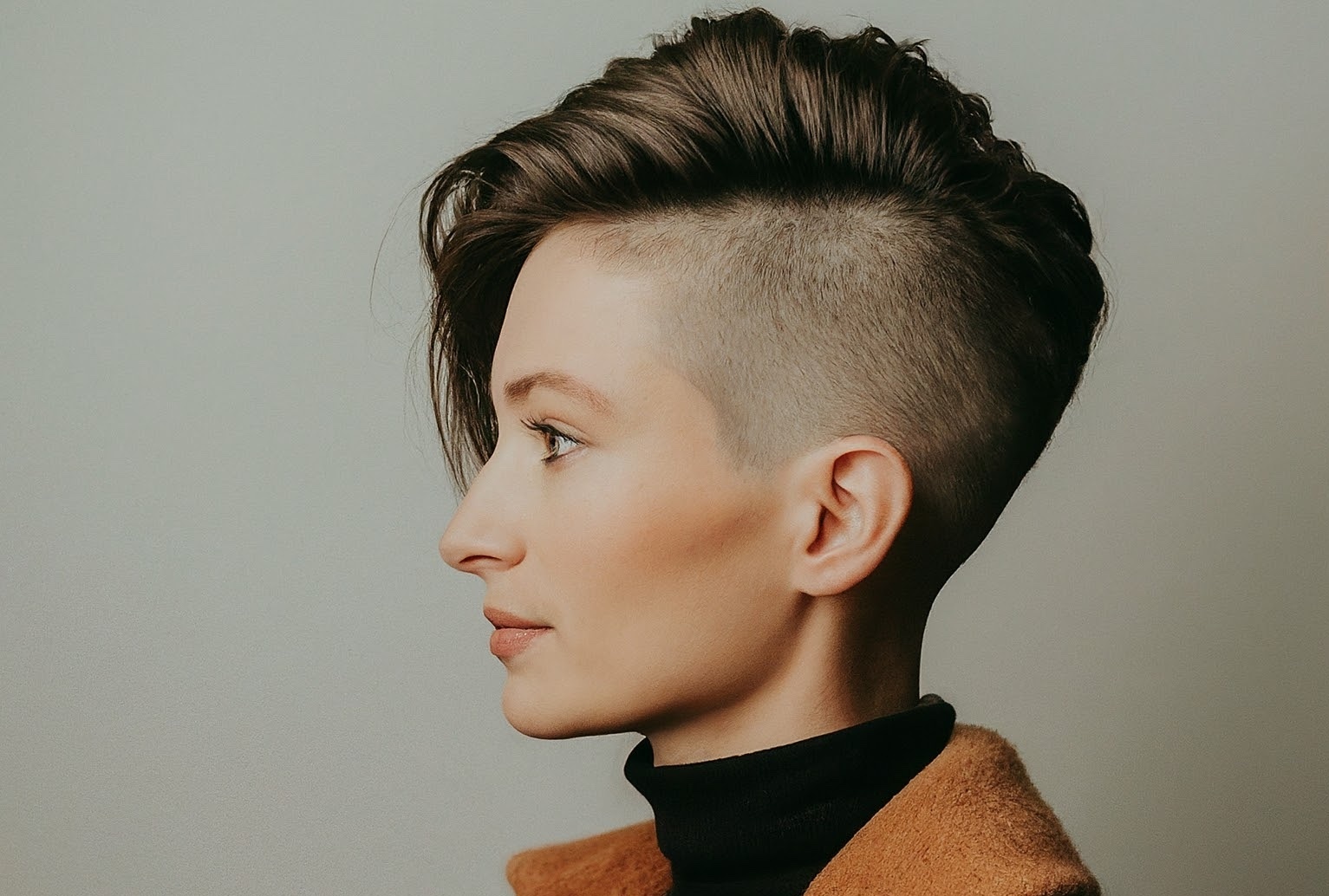
The female undercut has transformed from an edgy statement into a mainstream hairstyle that offers both practicality and style. This bold cut features closely shaved or trimmed sections alongside longer hair, creating a striking contrast that can be as subtle or dramatic as you prefer. Women across all ages and professions have discovered that this versatile haircut provides endless possibilities for personal expression while solving common hair frustrations.
Many women find that traditional haircuts leave them battling thick, unmanageable hair or struggling with styles that require constant maintenance. The undercut addresses these concerns by reducing bulk, improving airflow to the scalp, and offering multiple styling options from a single cut. Whether you prefer hiding the shaved sections for professional settings or showcasing intricate designs for special occasions, this adaptable style works with your lifestyle rather than against it.
In the following sections, we’ll guide you through everything you need to know about achieving your perfect undercut. From understanding different variations to mastering maintenance techniques, you’ll discover how this contemporary cut can transform your daily hair routine while expressing your individual style. Let’s uncover the secrets to making this bold choice work beautifully for you.
What Makes the Female Undercut Special?
The female undercut stands apart from conventional haircuts through its distinctive combination of shaved and longer sections. Unlike traditional styles that maintain uniform length throughout, this cut creates deliberate contrast by removing hair from specific areas while preserving length elsewhere. The shaved portions typically sit beneath longer layers, allowing you to reveal or conceal them based on your mood and occasion.
The Art of Strategic Hair Removal
Strategic placement defines the success of any undercut. Your stylist carefully selects areas for shaving based on your hair’s natural growth patterns, density, and your personal preferences. Common placement options include behind the ears, along the nape, or creating bold side panels. The beauty lies in customization – no two undercuts need to look identical.
The technique involves using clippers to achieve various lengths, from skin-close shaves to longer buzz cuts. Some women prefer gradual fading that blends seamlessly into longer sections, while others choose stark lines for maximum impact. Your hair texture plays a crucial role in determining which approach will look best and grow out most gracefully.
Versatility Beyond Expectations
This haircut’s adaptability surprises many first-timers. You can wear your hair down for complete coverage during board meetings, then sweep it up into a ponytail to reveal artistic patterns at evening events. The dual nature of this style means you essentially get multiple looks from one haircut.
Styling flexibility extends beyond simple up-or-down choices. You can create side parts that completely hide shaved sections, experiment with braids that incorporate both textures, or use accessories to highlight the contrast. Each styling choice transforms the overall appearance, making this one of the most versatile cuts available.
Temperature Control and Comfort Benefits
Beyond aesthetics, practical advantages make this cut particularly appealing. Women with thick hair often struggle with heat retention and scalp irritation, especially during warmer months. Removing excess hair from strategic areas improves air circulation and reduces the weight pulling on your scalp.
The relief from constant heaviness can actually improve posture and reduce headaches for some women. Additionally, washing and drying times decrease significantly when you have less hair to manage. These everyday benefits often prove just as valuable as the style’s visual impact.
Creative Expression Through Design
Modern undercuts have evolved far beyond simple shaved sections. Talented stylists now create intricate patterns, from geometric shapes to naturalistic designs. These artistic elements turn your haircut into wearable art that can be hidden or displayed at will.
Popular design choices include:
Geometric Patterns: Clean lines, triangles, and diamond shapes offer modern sophistication
Nature-Inspired Motifs: Leaves, stars, or wave patterns bring organic beauty
Abstract Designs: Freeform artistic expressions showcase individual creativity
Text or Symbols: Meaningful words or personal symbols add deeper significance
Professional Acceptance and Social Perception
The growing acceptance of undercuts in professional environments has contributed to their popularity. Many women successfully maintain corporate careers while sporting this style, simply by choosing placements that remain hidden when hair is worn down. This balance between self-expression and professional presentation makes the cut accessible to a broader audience.
Social media has played a significant role in normalizing and celebrating these styles. Seeing successful professionals, mothers, and women of all backgrounds confidently wearing undercuts has shifted perceptions. What once seemed rebellious now appears confident and fashion-forward.
The female undercut represents more than just a haircut – it’s a statement about personal choice and modern femininity. By combining practical benefits with artistic potential, this style offers something unique for women ready to step beyond conventional beauty standards.
Is the Female Undercut Right for Your Face Shape?
Understanding how an undercut will complement your facial features helps ensure you’ll love your new style. While this versatile cut can work for virtually anyone, certain variations and placements suit different face shapes better than others. The key lies in identifying your face shape and selecting an undercut style that enhances your best features while creating visual balance.
Round Face Considerations
Women with round faces benefit from undercuts that add height and create vertical lines. Side undercuts work particularly well, especially when paired with longer hair on top that can be styled upward or swept dramatically to one side. This asymmetry breaks up the circular shape and creates the illusion of length.
The placement of your undercut matters significantly. Keeping the shaved section higher on the sides, rather than extending it too low, prevents widening the face’s appearance. You might also consider incorporating diagonal or vertical design elements rather than horizontal patterns, which could emphasize width.
Volume at the crown becomes your best friend with this face shape. Styling products that add lift and texture to the longer sections help elongate your face. Many women with round faces find that maintaining slightly longer hair on top provides more styling options for creating height.
Working with Oval Faces
Oval faces enjoy the most flexibility with undercut styles since their naturally balanced proportions work with virtually any variation. You can experiment freely with placement, from subtle nape undercuts to bold side shaves. This face shape handles symmetrical and asymmetrical styles equally well.
Since proportion isn’t a concern, you can focus purely on personal preference and lifestyle needs. Want maximum impact? Try a wide side undercut with intricate designs. Prefer subtlety? A hidden nape undercut offers edge without overwhelming your features. The freedom to choose based on personality rather than necessity makes styling decisions more enjoyable.
Square Face Strategies
Angular faces benefit from undercuts that soften strong jawlines while maintaining the face’s natural structure. Curved or rounded undercut edges work better than harsh, straight lines that might emphasize angularity. Consider placement that draws attention upward, such as designs that start narrow at the bottom and widen toward the top.
Keeping some length in the hair that covers the undercut helps create movement and softness around the face. Textured, piece-y styling rather than sleek, straight looks tends to flatter square faces more. The contrast between the edginess of the cut and softer styling techniques creates an appealing balance.
Women with square faces often find that undercuts behind the ears or at the nape work particularly well. These placements maintain fullness around the face while still providing the practical benefits and style impact of an undercut. Adding subtle design elements rather than bold geometric patterns usually complements angular features better.
Heart-Shaped Face Harmony
Heart-shaped faces, characterized by wider foreheads and narrower chins, look fantastic with undercuts that balance these proportions. Lower placement of the shaved sections helps avoid adding visual weight to the already wider upper portion of the face. Nape undercuts or cuts that begin below the ears work exceptionally well.
The goal involves creating fullness around the jawline while minimizing volume at the temples. Side undercuts can work if they start lower and don’t extend too high. Keeping longer layers that can be styled to add width near the chin helps achieve optimal balance.
Design elements for heart-shaped faces should follow the natural narrowing of the face. V-shaped patterns or designs that point downward complement the face’s natural geometry. Avoid heavy, blocky designs at the top of the undercut, which might make the forehead appear even wider.
Long Face Solutions
Longer faces benefit from undercuts that add horizontal visual interest without extending the face’s length. Wide side undercuts or undercuts on both sides create width that balances facial proportions. The key involves avoiding styles that add too much height on top.
Instead of focusing on crown volume, concentrate on creating fullness at the sides. This might mean keeping more length in the hair that falls over the undercut or choosing asymmetrical styles that add horizontal movement. Patterns and designs can run horizontally rather than vertically to enhance this widening effect.
Some specific approaches work particularly well:
Double Side Undercuts: Shaving both sides creates symmetrical width
Low Placement: Starting the undercut lower prevents elongating the face
Horizontal Patterns: Lines or designs that run side-to-side add width
Minimal Crown Height: Avoiding excessive volume on top maintains proportion
Remember that these guidelines serve as starting points rather than rigid rules. Your personal style, hair texture, and lifestyle needs should ultimately guide your decision. The best undercut is one that makes you feel confident and authentic.
How Do You Prepare for Getting an Undercut?
Making the decision to get an undercut requires more thought than booking a regular trim. Preparation involves research, planning, and honest self-assessment about your readiness for this commitment. Taking time to prepare properly ensures you’ll walk out of the salon thrilled with your new look rather than experiencing buyer’s remorse.
Finding Your Ideal Stylist
Not every hairstylist has experience creating undercuts, particularly those with intricate designs. Start your search by looking at portfolios, either on salon websites or stylists’ social media pages. Pay attention to precision in their line work and how well they execute designs similar to what you want.
Word-of-mouth recommendations from women with great undercuts can lead you to skilled professionals. Don’t hesitate to ask strangers where they got their cut if you admire their style – most people take it as a compliment. Online reviews can help, but photos of actual work matter more than written testimonials.
Schedule a consultation before committing to the actual cut. This meeting allows you to discuss your vision, ask questions, and gauge whether the stylist understands your goals. A professional should honestly tell you if your hair type or growth patterns might present challenges for your desired style. They should also explain the maintenance requirements and growing-out process.
During the consultation, important questions to ask include:
Technical Skills: How often do you create undercuts? Can I see photos of your work?
Maintenance Insights: How often will I need touch-ups? What’s the typical grow-out timeline?
Styling Education: Will you show me how to style this at home?
Problem Solving: What happens if I don’t like it? How difficult is growing it out?
Choosing Your Perfect Style
Before sitting in the stylist’s chair, you need a clear vision of your desired outcome. Collect reference photos showing different angles of styles you like. Note what specifically appeals to you – is it the placement, the length of the shaved section, or the overall silhouette?
Consider your daily routine when selecting a style. If you rarely style your hair, choose an undercut that looks good with minimal effort. If you enjoy experimenting with different looks, pick a placement that offers maximum versatility. Think about your professional requirements too – some workplaces might have appearance guidelines that affect your options.
Your hair’s natural characteristics influence which styles will work best. Thick hair might need more extensive undercuts to achieve desired weight reduction. Fine hair might require strategic placement to maintain enough coverage. Curly hair grows out differently than straight hair, affecting both initial appearance and maintenance needs.
Understanding the Commitment
An undercut isn’t just a haircut – it’s an ongoing commitment that requires regular maintenance. The shaved sections typically need refreshing every 2-4 weeks to maintain clean lines. Even if you decide to grow it out immediately, you’re looking at several months before the shortest sections blend with the rest of your hair.
Budget considerations extend beyond the initial cut. Factor in the cost of regular touch-ups, potentially specialized styling products, and possibly more frequent salon visits than you’re accustomed to. Some women learn to maintain their undercuts at home between professional appointments, but this requires purchasing quality clippers and developing skill.
The growing-out phase deserves special consideration. Unlike growing out layers or bangs, growing out an undercut involves an awkward phase where the previously shaved sections stick out before they gain enough length to lie flat. Many women wear headbands, use bobby pins, or get creative with styling during this transition period.
Setting Realistic Expectations
Social media and magazines showcase flawless undercuts, but reality includes daily styling, weather effects, and growth patterns. Your undercut might not look exactly like your inspiration photos due to differences in hair texture, head shape, or styling skills. Accepting this prevents disappointment and helps you appreciate your unique version of the style.
The first few days after getting an undercut often feel strange. The sensation of air on previously covered skin, the weight difference, and the new silhouette take adjustment time. Some women experience minor scalp sensitivity initially, especially if they’ve never had such short sections before.
Prepare yourself mentally for various reactions from others. While undercuts have become increasingly mainstream, some people might express surprise or opinions about your new style. Having confidence in your choice helps you handle both compliments and criticism gracefully.
Practical Pre-Cut Preparations
Several practical steps in the days before your appointment will improve your experience. Wash your hair the night before rather than the morning of your appointment – slightly dirty hair is easier for stylists to work with. Avoid heavy conditioning treatments that might make hair slippery and difficult to cut precisely.
Wear appropriate clothing to your appointment. A shirt with a lower neckline prevents hair from getting caught in collars and allows the stylist better access to your neckline. Dark colors hide any stray hairs better than light colors. Consider bringing a change of clothes if you’re heading somewhere important afterward.
Take “before” photos from multiple angles. These serve both as memories and as reference points if you ever want to return to your previous style. Document your hair’s current length, texture, and any unique characteristics. These photos also help future stylists understand your hair’s history.
Your mindset matters as much as physical preparation. Approach your appointment with excitement rather than anxiety. Remember that hair grows back, and even dramatic changes are temporary if you decide they’re not for you. This perspective frees you to fully enjoy the transformation experience.
What Are the Best Undercut Variations This Year?
Current undercut trends reflect a shift toward personalization and artistic expression. Women are moving beyond basic shaved sections to incorporate unique elements that reflect their personalities. This year’s most popular variations balance boldness with wearability, offering options for every comfort level.
The Classic Side Undercut Evolution
The traditional side undercut has evolved into something far more sophisticated. Rather than simple straight lines, stylists now create flowing curves that follow the natural shape of the head. This organic approach looks less harsh and grows out more gracefully than rigid geometric cuts.
Placement has become more strategic, with many women opting for undercuts that start behind the ear rather than directly above it. This positioning provides more coverage options while still delivering visual impact when revealed. The width varies from subtle strips to bold panels covering nearly half the head, depending on personal preference and hair density.
The length of the shaved section offers another customization point. While some women prefer the drama of skin-close shaves, others choose longer buzz cuts that provide texture and faster grow-out times. Gradual fading between lengths creates depth and dimension that flat, uniform cuts can’t achieve.
Hidden Nape Undercuts
Nape undercuts have gained tremendous popularity among women wanting a secret rebellious element. These cuts remain completely hidden when hair is worn down, making them perfect for conservative workplaces or those testing the waters with their first undercut.
The design possibilities at the nape are endless. V-shapes that follow the natural hairline create an elegant, elongating effect. Horizontal sections that span from ear to ear provide maximum cooling benefits during summer months. Some women choose curved designs that mirror the shape of their neck, creating a harmonious flow between hair and skin.
This placement works particularly well for women with thick hair who struggle with neck sweating or discomfort from heavy hair. The relief provided by removing hair from this area often surprises first-timers who didn’t realize how much weight they were carrying. Styling becomes easier too, with updos and ponytails sitting more comfortably without bulk at the nape.
Geometric Pattern Integration
Mathematical precision meets artistic expression in geometric undercuts. These designs range from simple triangular sections to complex tessellations that look like architectural blueprints. The key lies in finding patterns that complement your head shape and personal aesthetic.
Popular geometric options gaining traction this year include:
Diamond Lattices: Interconnected diamond shapes create texture and visual interest
Chevron Patterns: V-shaped repetitions add movement and direction
Hexagonal Designs: Honeycomb-inspired patterns offer organic geometry
Linear Progressions: Parallel lines with varying spacing create rhythm
Circular Motifs: Dots and circles of different sizes provide playful contrast
The precision required for geometric patterns means finding a stylist with steady hands and attention to detail. These designs typically require more frequent touch-ups to maintain their crisp lines, but the striking visual impact justifies the extra maintenance for many women.
The Fade Undercut Technique
Fade undercuts have moved from barbershops into mainstream salons as women discover the sophistication of gradual length transitions. Unlike traditional undercuts with distinct borders, fades create seamless blending between shaved and longer sections. This technique works exceptionally well for professional women who want an edgy style without harsh lines.
The fade can start at various points – a low fade begins near the ears and neckline, while a high fade starts at the temples. Mid fades split the difference, offering balance between subtlety and statement. The gradual transition means growing out a fade is less awkward than growing out a traditional undercut.
Stylists use different clipper guards to achieve the gradient effect, requiring significant skill to execute properly. The result looks polished and intentional, avoiding the DIY appearance that can plague poorly executed undercuts. Many women find fades easier to style since there’s no harsh line to hide or highlight.
Asymmetrical Undercut Approaches
Asymmetry adds an unexpected twist to the traditional undercut. Instead of matching sides or centered nape designs, these cuts deliberately create imbalance for artistic effect. One side might feature an extensive undercut while the other remains full-length, or the design might wrap asymmetrically around the head.
This approach works particularly well for women with asymmetrical features or those who consistently part their hair on one side. The undercut can enhance natural asymmetry rather than fighting against it. Styling becomes more interesting too, with different looks achievable depending on which side you emphasize.
The asymmetrical approach also allows for gradual commitment. You might start with a small undercut on one side, then expand or add to the opposite side later. This progressive approach helps nervous newcomers build confidence before committing to more dramatic variations.
Some women combine multiple variations within their asymmetrical design. One side might feature geometric patterns while the other showcases organic curves. This combination of styles creates a unique signature look that can’t be replicated easily.
Growing trends show women incorporating color into their undercut designs. Bleaching the shaved sections before the longer hair creates stunning contrast. Some add temporary hair chalk or semi-permanent dyes to create rainbow effects in their patterns. These color additions transform undercuts from simple haircuts into genuine art pieces.
How to Style and Maintain Your Undercut
Daily styling and long-term maintenance determine whether your undercut remains a source of pride or becomes a high-maintenance burden. Understanding proper care techniques and having the right tools makes the difference between effortlessly cool and frustratingly unkempt. With the correct approach, maintaining your undercut becomes a simple part of your routine rather than a time-consuming chore.
Essential Styling Techniques for Different Occasions
Your undercut’s versatility shines through various styling options that suit different situations. For professional settings, keeping the longer sections styled smoothly over the shaved areas creates a polished appearance. A lightweight smoothing serum helps hair lie flat without looking greasy or weighed down.
Creating texture in the longer sections adds visual interest and prevents your style from looking too severe. Salt sprays or texturizing products work well for achieving that effortless, tousled look. Apply these products to damp hair, then either air dry for natural texture or use a diffuser for more defined pieces.
Revealing your undercut for maximum impact requires strategic styling. Pulling hair into a high ponytail or bun showcases nape undercuts beautifully. Side undercuts look striking with deep side parts that sweep all longer hair to the opposite side. Bobby pins become your best friend for securing sections and creating clean lines between shaved and longer areas.
For special events, consider these styling approaches:
Braided Accents: Incorporate small braids along the edge where long hair meets the undercut
Slicked Styles: Use strong-hold gel to create sleek, wet-look styles that emphasize the contrast
Textured Updos: Messy buns and loosely pinned styles soften the edginess while showing the design
Accessory Integration: Decorative bobby pins or temporary hair jewelry can highlight pattern work
Product Selection for Undercut Maintenance
The right products make styling easier and help maintain the health of both shaved and longer sections. Shaved areas need different care than longer hair, so your product collection might expand beyond your previous routine.
For the shaved sections, a lightweight moisturizer prevents dry, flaky skin. Many women use facial moisturizer on these areas since the skin is more exposed than usual. During summer, don’t forget sunscreen on exposed scalp areas – sunburn on a freshly shaved head is particularly uncomfortable.
The longer sections might need different products than before your undercut. With less weight pulling hair down, you might find previously flat hair has more natural volume. Lighter products often work better than heavy creams or oils that might make hair look limp against the contrast of the shaved sections.
Styling product recommendations based on hair type include:
Fine Hair: Volumizing mousse, dry shampoo, lightweight holding spray
Thick Hair: Smoothing cream, anti-humidity serum, medium-hold paste
Curly Hair: Curl-defining cream, leave-in conditioner, edge control for baby hairs
Straight Hair: Texturizing spray, light wax for piece-y definition, flexible hold gel
Understanding the Growing Out Process
Eventually, whether by choice or curiosity, you might decide to grow out your undercut. This process requires patience and strategic styling during awkward phases. The shortest sections typically need 6-12 months to reach a length that blends with the rest of your hair, depending on your growth rate and desired final length.
The first month brings stubble that can feel scratchy and look fuzzy. This phase challenges many women’s resolve, but remember it’s temporary. Using a soft-hold gel or pomade helps tame sticking-up hairs during this stage. Some women maintain the designs during early grow-out, gradually letting them fade as hair lengthens.
Months two through four often prove most frustrating. Hair is too long to lie flat but too short to style effectively. Headbands, scarves, and strategic braiding help manage this phase. Many women get creative with bobby pins, creating patterns that incorporate the growing sections into intentional-looking styles.
Touch-Up Frequency and Home Maintenance
Professional touch-ups every 2-4 weeks keep your undercut looking fresh, but the exact timing depends on your hair growth rate and personal preferences. Faster-growing hair might need attention every two weeks, while slower growth could stretch to monthly visits. Design complexity also affects frequency – intricate patterns lose definition faster than simple shaved sections.
Some women learn to maintain their undercuts between salon visits. This requires investing in quality clippers and developing steady hands. Start with simple clean-up work before attempting design touch-ups. Watch tutorial videos and practice on less visible areas first.
If you choose home maintenance, essential tools include:
Quality Clippers: Invest in professional-grade tools for better results
Multiple Guards: Different lengths for fading and texture variation
Hand Mirror: Essential for checking back and side angles
Sharp Scissors: For cleaning up edges and stray hairs
Spray Bottle: Damp hair is easier to cut evenly
Preventing Common Undercut Problems
Several issues commonly arise with undercuts, but most are preventable with proper care. Ingrown hairs can develop in shaved areas, especially for women with curly hair. Regular exfoliation with a gentle scrub helps prevent these painful bumps. If they occur, avoid picking and apply a warm compress to encourage the hair to surface naturally.
Scalp irritation might occur, particularly after fresh cuts. Using a soothing, alcohol-free aftershave balm or aloe vera gel calms inflammation. Some women experience increased oiliness in shaved sections – this usually normalizes as your scalp adjusts to increased exposure.
Uneven growth patterns become more noticeable with undercuts. Your hair might grow faster in some areas or in different directions. Regular touch-ups help manage this, but accepting some natural variation prevents frustration. Work with your growth patterns rather than fighting against them.
Design distortion happens as hair grows. What started as perfect circles might become ovals, and straight lines can appear curved. This is normal and part of the undercut experience. Decide whether maintaining perfect precision matters to you or if you can appreciate the evolving nature of your design.
Weather affects undercuts differently than full hair coverage. Winter cold might make shaved areas uncomfortable, while summer sun poses burn risks. Adjust your care routine seasonally – perhaps growing slightly longer in winter and keeping shorter in summer. Small adaptations prevent discomfort while maintaining your chosen style.
Your Undercut Journey Awaits
The perfect female undercut combines personal style with practical benefits, offering a unique solution for women ready to redefine their relationship with their hair. Through careful consideration of face shape, lifestyle needs, and maintenance requirements, you can create a customized look that feels authentically you. This haircut represents more than just a trend – it’s a form of self-expression that adapts to your life while providing daily styling freedom.
Whether you choose a subtle nape design or a bold side statement, your undercut journey starts with finding the right stylist and committing to the adventure. The initial nervousness gives way to confidence as you discover new styling possibilities and experience the liberating feeling of less weight and more options. Most women who take this step wonder why they waited so long to try something that brings such satisfaction and versatility to their daily routine.
Frequently Asked Questions
Q: Will an undercut damage my hair or affect how it grows back?
A: No, undercuts don’t damage hair follicles or change growth patterns. Your hair will grow back exactly as it did before, though the growing-out phase requires patience and creative styling for several months.
Q: How much does getting and maintaining an undercut typically cost?
A: Initial undercut services range from $40-150 depending on complexity and location. Maintenance touch-ups every 2-4 weeks cost $20-60. Some women reduce costs by learning basic maintenance at home between professional appointments.
Q: Can I hide my undercut for job interviews or formal events?
A: Yes, most undercut placements allow complete coverage when hair is worn down. Nape undercuts are easiest to conceal, while side undercuts might require strategic styling or hair accessories for full coverage.
Q: What’s the most challenging part of having an undercut?
A: Most women cite the frequent maintenance as the biggest challenge. Unlike traditional cuts that can go months between appointments, undercuts need regular touch-ups to look their best. The commitment to ongoing upkeep surprises some first-timers.
Q: Do undercuts work with naturally curly or textured hair?
A: Absolutely! Curly and textured hair often benefits most from undercuts since removing bulk helps define curl patterns in the remaining hair. The contrast between textures creates stunning visual interest.
Q: How do I know if my workplace will accept an undercut?
A: Review your company’s dress code policy and observe what styles other employees wear. When in doubt, start with a hidden nape undercut or consult HR about appearance guidelines before committing to a more visible style.
Q: What tools do I need to style an undercut at home?
A: Basic requirements include a good brush or comb, bobby pins, hair ties, and appropriate styling products for your hair type. A hand mirror helps check all angles, and some women add clippers for home maintenance.
Q: Can pregnant women get undercuts safely?
A: Yes, undercuts are completely safe during pregnancy. Some pregnant women actually prefer them since they reduce styling time and help manage pregnancy-related hair changes. The cooling effect also provides relief from pregnancy heat sensitivity.

