


Getting that perfect mocha brown hair color doesn’t have to drain your bank account or require expensive salon visits. This rich, sophisticated shade combines the warmth of coffee tones with subtle hints of chocolate, creating a dimensional color that flatters almost every skin tone. Whether you’re looking to cover grays, refresh your current color, or completely transform your look, achieving this sought-after hue can be surprisingly affordable when you know the right approaches.
The beauty of this particular shade lies in its versatility and low-maintenance nature. Unlike lighter colors that require frequent touch-ups or darker shades that can look harsh and flat, mocha brown offers a forgiving middle ground that grows out gracefully. It works equally well on naturally dark or light hair, and the multi-tonal quality means you won’t need constant salon visits to maintain its gorgeous appearance.
From DIY techniques using drugstore products to insider tricks for getting professional results without professional prices, you’ll discover multiple pathways to achieving your dream hair color. We’ll walk through everything from understanding what makes this shade so special to finding the best budget products and maintaining your new color for months to come. Ready to transform your hair without transforming your savings account? Let’s get started.
What Makes Mocha Brown Hair So Special
The unique color blend
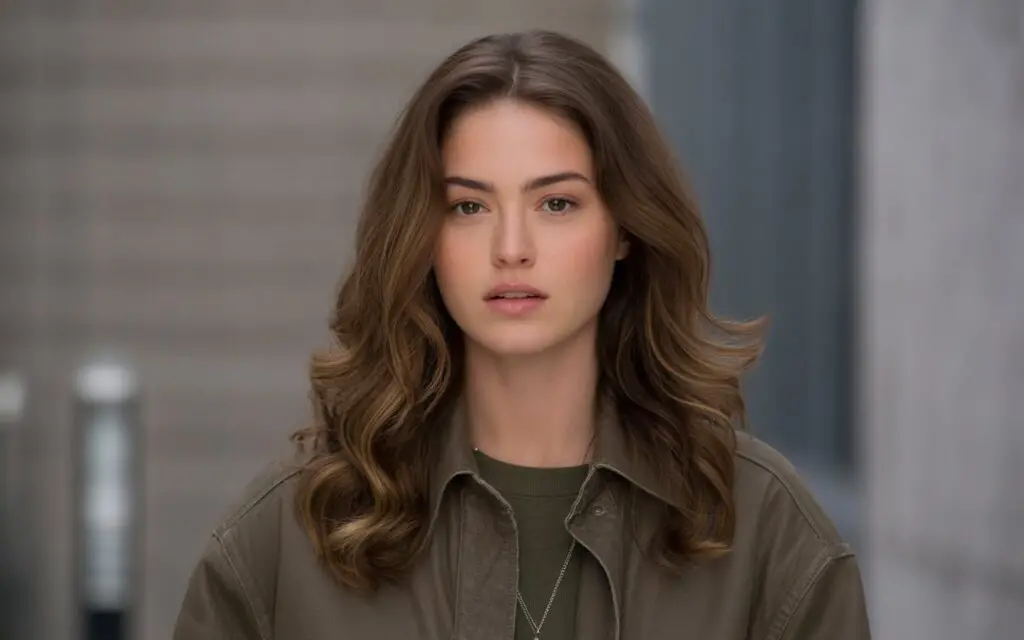
Mocha brown sits perfectly between warm chocolate and cool coffee tones, creating a multi-dimensional color that catches light beautifully. This isn’t just another shade of brown – it’s a carefully balanced mix that incorporates subtle golden undertones with deeper espresso notes. The result? Hair that looks naturally rich and expensive, even when achieved with budget-friendly methods.
Unlike flat, single-process browns that can appear lifeless, this color naturally creates depth and movement. The various tones within the shade mean your hair will look different in various lighting conditions – sometimes warmer, sometimes cooler, but always interesting. This dynamic quality is what professional colorists typically charge hundreds of dollars to achieve, yet you can replicate it at home with the right knowledge.
How it differs from chocolate brown
While chocolate brown tends to be a solid, uniform color with red undertones, mocha incorporates ashier elements that prevent brassiness. Think of chocolate brown as rich and warm throughout, while its mocha counterpart adds complexity with cooler notes mixed in. This difference matters significantly when selecting products and determining which shade will best complement your natural coloring.
The distinction becomes especially important when choosing between box dyes. Chocolate browns often pull too warm on certain hair types, resulting in an orange or reddish cast that screams “home dye job.” Mocha formulations, on the other hand, contain green and blue pigments that neutralize unwanted warmth, giving you a more sophisticated, salon-like finish.
Which skin tones it complements
This versatile shade works magic on nearly every skin tone, though it particularly shines on certain complexions. Women with warm or neutral undertones find it especially flattering, as the color’s balanced nature doesn’t compete with their natural coloring. If you have olive skin, the subtle ash tones prevent the muddiness that can occur with warmer browns.
Cool-toned complexions benefit from the coffee notes within the color, which add warmth without overwhelming fair skin. The shade also works wonderfully for women with deeper skin tones, as the richness complements without washing out natural warmth.
Why it’s so versatile
The adaptability of this color extends beyond just skin tone compatibility. It transitions seamlessly from casual to professional settings, never looking too edgy or too boring. You can style it sleek and polished for work, then tousle it for a more relaxed weekend vibe. The color itself adds enough interest that you don’t need complicated styling to look put-together.
Current popularity trends
This year has seen a massive surge in requests for this particular hair color, with social media driving much of the trend. Women are moving away from high-maintenance highlights and platinum shades toward more natural-looking colors that still offer sophistication. The “expensive brunette” trend perfectly describes what mocha brown delivers – hair that looks like you spend a fortune on it, even when you don’t. Colorists report that requests for this shade have increased by nearly 40% compared to last year, making it one of the most sought-after colors in salons nationwide.
Budget-Friendly DIY Methods at Home

Successfully coloring your hair at home requires more than just picking up any box from the drugstore shelf. The key to achieving professional-looking results lies in preparation, technique, and choosing the right products for your specific hair type. Many women assume salon-quality color is out of reach without professional help, but with careful planning and the right approach, you can achieve stunning results in your own bathroom.
Box dye options that work
Not all drugstore dyes are created equal, and knowing which brands consistently deliver salon-worthy results can save you both money and disappointment. L’Oréal Excellence Crème offers exceptional gray coverage with their mocha-toned browns, typically priced under $10. Garnier Nutrisse provides similar quality with added oils that leave hair feeling conditioned rather than damaged. For those with stubborn grays or previously colored hair, Clairol Nice ‘n Easy provides reliable, even coverage with minimal brassiness.
The secret to success with box dyes often lies in choosing a shade slightly lighter than your target color. Hair tends to grab color more intensely at home due to porosity differences and lack of professional tools, so going one level lighter helps prevent that dreaded too-dark result. Always perform a strand test first – it takes just 20 minutes and can save you from a color disaster.
Mixing techniques for the perfect shade
Professional colorists rarely use just one shade to achieve dimensional color, and neither should you. Creating your perfect mocha tone might require mixing two complementary shades.
Start with a base color closest to your desired result, then add a secondary shade to fine-tune the tone. For instance, if your chosen brown seems too warm, mixing in 25% of an ash brown will cool it down. Conversely, if the shade appears too flat, adding a touch of golden brown creates warmth and dimension.
Application tips for even coverage
The difference between patchy, obvious home color and smooth, professional-looking results often comes down to application technique. Begin by dividing your hair into four sections – two in front, two in back. This ensures you won’t miss any spots and helps you work methodically through each area. Apply color to your roots first if covering gray, or to mid-lengths and ends first if your roots are darker.
Using a tinting brush rather than the bottle applicator gives you more control and helps distribute color evenly. Work in thin sections no wider than half an inch, and be generous with product – skimping on dye to save money often results in uneven color that looks worse than before you started.
Temperature matters too. A slightly warm bathroom helps the color process more effectively. Some women even use a shower cap after application to trap heat and improve results. Just avoid using direct heat from hair dryers, as this can cause uneven processing.
Tools you’ll need
Having the right tools makes an enormous difference in your final results. Here’s what you should have ready before starting:
Tinting brush and bowl: Allows for precise application and easy mixing
Sectioning clips: Keeps hair organized and prevents color transfer
Old towel and clothes: Protects surfaces and clothing from stains
Timer: Ensures accurate processing time
Barrier cream: Petroleum jelly around hairline prevents skin staining
Plastic gloves: Better quality than box-included ones for easier application
Common mistakes to avoid
The most frequent error women make is leaving color on too long, thinking it will make the shade more intense or last longer. In reality, over-processing leads to damage and can actually make color fade faster. Stick to the recommended time, checking every five minutes after the minimum processing time.
Another pitfall is applying color to dirty hair thinking natural oils will protect it. While some oil is beneficial, too much prevents proper color penetration. Wash your hair 24-48 hours before coloring for optimal results.
Never attempt to lighten previously colored hair with box dye – this requires bleach or professional color removal. Box dyes can only darken or maintain your current level, not lighten it. Trying to force lighter results leads to brassy, damaged hair that’s expensive to fix.
Professional Tricks Without the Salon Price
Getting salon-quality results doesn’t always mean paying salon prices. Smart women have discovered numerous ways to access professional techniques and services without the hefty price tag. The key lies in knowing where to look, when to book, and how to maximize every appointment.
Finding affordable colorists
Your dream colorist might be closer and more affordable than you think. Independent stylists who work from home studios often charge 30-50% less than salon rates while providing the same expertise. Search social media platforms for colorists in your area who showcase their work online. Many talented professionals choose to work independently specifically to offer clients better prices.
Beauty schools represent another goldmine for affordable professional color. Students in their final months of training perform services under instructor supervision at dramatically reduced prices – often 70% less than standard salon rates. The trade-off? Appointments take longer since instructors check each step, but the results rival any high-end salon.
Don’t overlook newly licensed stylists at established salons either. These professionals have completed their training but are building clientele, so they often offer introductory rates. You get fresh talent eager to impress at prices that won’t make you wince.
Timing your appointments strategically
Salons operate like any other business, with slower periods when they’re more willing to negotiate prices. Tuesday through Thursday afternoons typically see the least traffic, and many salons offer discounts during these times. Some establishments run “happy hour” pricing for services booked during traditionally slow periods.
January and February are goldmine months for hair color deals. After the holiday rush, salons often struggle to fill appointments, leading to promotional pricing. Back-to-school season in late August and early September offers similar opportunities, as many regular clients postpone appointments until routines settle.
Getting the most from your salon visit
When you do invest in professional color, maximize that investment through strategic choices. Instead of full head color every visit, alternate with partial applications. Root touch-ups cost significantly less than all-over color and maintain your look effectively. Many women find they can stretch to 10-12 weeks between full color services this way.
Communicate clearly about your budget constraints upfront. A good colorist will work with you to create a maintenance plan that fits your finances. This might mean using a slightly different shade that grows out more gracefully or incorporating techniques that require less frequent touch-ups.
Ask about gloss treatments between color services. These semi-permanent treatments refresh your color’s vibrancy and add incredible shine for a fraction of full color cost. Some salons offer express gloss services that take just 20 minutes.
Partial coloring techniques
Strategic partial coloring creates maximum impact for minimum cost. Face-framing highlights or lowlights around your hairline and part refresh your entire look without coloring all your hair. This technique costs about one-third of full highlights while providing comparable visual impact.
Root smudging or shadow roots represent another budget-friendly option. Your colorist intentionally creates a gradual transition from darker roots to lighter ends, meaning you can go months between appointments. This technique has become so popular that women who could afford frequent touch-ups choose it for the low-maintenance appeal.
Color melting blends multiple shades seamlessly, creating dimension that grows out beautifully. While the initial service might cost more, you’ll save money long-term through extended time between appointments.
Student salon options
Cosmetology schools offer more than just basic services. Advanced students often specialize in color techniques, providing everything from balayage to color correction at student prices. Research schools in your area to find those with strong color programs.
Many beauty schools also host “model calls” where they need volunteers for student exams or demonstrations. These services are often free or cost only the price of products used. Follow local beauty schools on social media to catch these opportunities when they arise.
Some high-end salons operate training programs for established stylists learning new techniques. These programs need models for workshops, offering free or deeply discounted services performed by experienced professionals learning cutting-edge methods. The combination of expertise and innovation often yields exceptional results.
Best Affordable Products for Mocha Brown Hair
The right products make all the difference between hair color that looks stunning for weeks versus shade that fades after a few washes. Fortunately, achieving and maintaining gorgeous color doesn’t require expensive salon products. Drugstore shelves stock everything you need to keep your hair looking professionally colored.
Top drugstore dyes under $15
Several standout options consistently deliver beautiful mocha tones without breaking your budget. Revlon ColorSilk in Light Ash Brown (#50) provides excellent gray coverage with a true mocha finish for under $4. The formula includes keratin and silk proteins that leave hair surprisingly soft considering the low price point.
Schwarzkopf Keratin Color in Silky Brown creates rich, dimensional color that rivals salon formulas. The pre-treatment included in the kit helps even out porosity for more uniform results. At around $10, it’s pricier than basic boxes but still far below salon costs.
For those with resistant gray hair, Clairol Age Defy in Medium Ash Brown delivers impressive coverage with built-in anti-aging technology. The formula includes ingredients that restore hair’s youthful appearance while depositing color.
Color-depositing treatments
Between full color applications, color-depositing treatments maintain vibrancy while conditioning hair. These products add subtle pigment with each use, extending the time between dye sessions.
John Frieda Brilliant Brunette Visibly Deeper treatment deposits color while you shower. Used once or twice weekly, it prevents fading and enhances richness. The formula works on natural and color-treated hair, making it versatile for various hair situations.
Overtone’s Brown for Brown Hair conditioning treatments offer more dramatic color refresh. While pricier than some drugstore options at around $30, one jar lasts months when used weekly. The deep conditioning formula actually improves hair texture while maintaining color.
Matrix Total Results Brass Off depositing mask neutralizes unwanted warm tones that develop as color fades. Though marketed for blondes, brunettes find it invaluable for maintaining cool-toned browns.
Maintenance products that won’t break the bank
Your choice of daily products significantly impacts color longevity. Sulfate-free shampoos are non-negotiable for color-treated hair, and affordable options abound:
L’Oréal EverPure: Sulfate-free formulas under $8 that preserve color while cleansing gently
Pantene Nutrient Blends: Color-safe options with antioxidants for around $6
Tresemmé Botanique: Natural ingredients that protect color for less than $5
Dove Nutritive Solutions: Color Care line that conditions while preserving shade
Aussie Miracle Moist: Budget-friendly option that prevents color-related dryness
Natural alternatives
Kitchen ingredients can supplement your color maintenance routine without additional cost. Apple cider vinegar rinses remove buildup that dulls color, while coffee rinses enhance brown tones naturally. Mix cooled black coffee with conditioner for a DIY gloss treatment that adds shine and subtle color.
Coconut oil pre-treatments protect hair during coloring and help color penetrate more evenly. Apply it the night before coloring for best results. Just remember to shampoo it out before applying dye.
Where to find deals
Timing your purchases strategically can slash your hair care budget significantly. CVS, Walgreens, and Rite Aid regularly run buy-one-get-one sales on hair color. Stock up during these promotions for half-price color year-round. These pharmacies also offer loyalty programs with exclusive coupons and cash back on beauty purchases.
Grocery stores often have unexpected deals on hair color. Kroger, Target, and Walmart frequently clear out inventory with deep discounts. Check end caps and clearance sections for hidden gems.
Online shopping opens even more opportunities. Amazon Subscribe & Save offers 15% off regular prices when you set up recurring deliveries. Manufacturer websites often provide printable coupons or mail high-value coupons when you sign up for newsletters. Some brands even offer virtual try-on tools to help you select the perfect shade before purchasing.
Dollar stores increasingly stock name-brand hair products at rock-bottom prices. While selection varies, you might find color-safe shampoos, conditioning treatments, and even hair dye for a fraction of retail price.
Maintaining Your Color on a Budget
The real secret to gorgeous hair color isn’t just achieving the perfect shade – it’s making that color last as long as possible. With strategic care and clever techniques, you can extend the life of your color for months, saving hundreds of dollars annually on touch-ups and treatments.
Extending time between touch-ups
Water temperature might seem like a small detail, but it dramatically impacts color longevity. Hot water opens hair cuticles, allowing color molecules to escape with each wash. Rinsing with cool water seals cuticles, locking in color and adding shine. This simple switch can add weeks to your color’s lifespan.
Washing frequency matters just as much as water temperature. Every shampoo strips some color, so reducing washes to twice or three times weekly significantly extends color life. Dry shampoo becomes your best friend, absorbing oil and refreshing hair between washes. Baby powder works as an ultra-cheap alternative for brunettes – just work it through roots before bed to avoid any visible residue.
Sun exposure fades color faster than almost anything else. Wearing hats or using hair products with SPF protection preserves your shade while protecting hair from UV damage. Even using an old scarf when running errands makes a noticeable difference in color retention.
DIY root coverage solutions
Visible roots don’t always require full color treatment. Temporary solutions can buy you weeks between proper touch-ups. Root coverage sprays like L’Oréal Magic Root Cover provide instant camouflage that lasts until your next shampoo. At around $10 per can, one container provides dozens of applications.
For a more budget-conscious approach, try the eyeshadow trick. Matte brown eyeshadow that matches your hair color can disguise roots when applied with a small brush along your part. Set it with hairspray for all-day coverage. This technique works especially well for special occasions when you need to look polished quickly.
Coffee makes an excellent natural root tint for brunettes. Brew extra-strong espresso, let it cool, then apply to roots with a cotton ball. The staining effect is temporary but effective for extending time between touch-ups.
Color-safe washing techniques
How you wash matters almost as much as what you use. Pre-treating hair with conditioner before shampooing creates a barrier that prevents color stripping. Apply conditioner to lengths and ends before wetting hair, then shampoo just the scalp area. This technique, called “reverse washing,” maintains color while still getting hair clean.
Diluting shampoo extends its cleaning power while reducing its color-stripping effects. Mix one part shampoo with one part water in a squeeze bottle. The diluted formula cleans effectively while being gentler on color-treated hair. This method also makes your shampoo last twice as long.
When you do shampoo, focus on the scalp rather than the lengths. Your scalp produces oils that need removal, but the rest of your hair doesn’t get as dirty. Let shampoo run through lengths while rinsing rather than working it through manually.
Natural remedies for color preservation
Your kitchen holds several color-preserving treasures. A monthly gelatin treatment strengthens hair and helps seal in color. Mix one tablespoon unflavored gelatin with warm water, apply to damp hair, leave for 10 minutes, then rinse. The protein fills in damaged areas where color tends to escape first.
Chamomile tea isn’t just for blondes. When cooled and used as a final rinse, it adds subtle golden tones to brown hair while smoothing cuticles for better color retention. Green tea works similarly, with added antioxidants that protect hair from environmental damage.
Creating custom hair masks from kitchen ingredients saves money while maintaining color. Here are some effective combinations:
Avocado and honey: Moisturizes while sealing cuticles
Yogurt and egg: Adds protein to strengthen color-treated hair
Olive oil and banana: Deep conditions without stripping color
Mayonnaise treatment: Sounds strange but adds incredible shine and moisture
Beer rinse: The proteins and B vitamins enhance shine and color depth
Creating your own color masks
Professional color masks cost upwards of $30, but you can create equally effective treatments for pennies. Mix cocoa powder with conditioner for a color-depositing mask that enhances brown tones. Add a tablespoon of instant coffee for extra color boost. This treatment smells amazing and leaves hair incredibly soft.
For a more intensive treatment, combine henna powder (make sure it’s pure cassia, not red henna) with coffee and conditioner. This creates a semi-permanent tint that gradually builds color while conditioning. Apply monthly to maintain richness between proper color applications.
Semi-permanent color from the drugstore can be mixed with deep conditioner to create custom color masks. Use a ratio of one part color to three parts conditioner for a gentle tint, or increase the color proportion for more dramatic results. This technique lets you refresh your shade for a fraction of salon gloss treatment prices.
Your Beautiful Budget-Friendly Transformation
Making the switch to gorgeous mocha brown hair proves that stunning color doesn’t require a luxury budget. Whether you choose the DIY route with carefully selected box dyes or strategically time professional services for maximum savings, this versatile shade offers endless possibilities for achieving salon-worthy results affordably. The combination of smart shopping, proper maintenance techniques, and creative solutions means you can enjoy rich, dimensional color that looks expensive regardless of what you actually spend.
The journey to beautiful hair color is just as much about the care you provide afterward as the initial coloring process. By incorporating budget-friendly maintenance strategies – from cool water rinses to DIY coffee treatments – you’ll extend the life of your color while keeping your hair healthy and vibrant. Your new mocha brown shade will continue to turn heads for months, proving that the best things in beauty don’t always come with premium price tags.
Frequently Asked Questions
Q: Can I achieve mocha brown hair if I’m starting with black hair?
A: Yes, but you’ll need to approach it differently than someone with lighter hair. Black hair can be colored to a mocha brown, though it might require a color remover or lightening treatment first if you want a noticeably lighter result. Many women with black hair find that mocha-toned highlights or balayage create the desired effect without requiring all-over lightening.
Q: How long does drugstore mocha brown hair dye typically last?
A: With proper care, drugstore permanent dyes can last 6-8 weeks before noticeable fading or root growth requires touch-up. Semi-permanent options fade gradually over 4-6 weeks. Using color-safe products and following maintenance tips can extend these timeframes significantly.
Q: Will mocha brown cover my gray hair completely?
A: Most permanent mocha brown dyes provide excellent gray coverage, especially formulas specifically designed for gray hair. If you have resistant grays, leave the dye on for the maximum recommended time and consider using a formula labeled for “100% gray coverage” for best results.
Q: What’s the difference between ash brown and mocha brown at the drugstore?
A: Ash brown contains more blue and green tones, creating a cooler, sometimes grayish finish. Mocha brown balances cool and warm tones, incorporating subtle golden notes with the ash base for a more complex, multi-dimensional color that tends to be more flattering on most skin tones.
Q: Can I mix different brands of hair dye to create my perfect mocha shade?
A: While it’s generally safer to mix shades within the same brand and formula type, many colorists successfully mix different brands. Always combine permanent with permanent or semi with semi – never mix different formula types. Perform a strand test first to ensure chemical compatibility and desired results.
Q: How soon can I recolor if I don’t like my first attempt at mocha brown?
A: Wait at least two weeks before recoloring to prevent excessive damage. If the color is too dark, use a clarifying shampoo several times to fade it naturally first. If too light, you can apply a darker shade sooner, but still wait at least a week and use deep conditioning treatments in between.
Q: Should I use purple shampoo on mocha brown hair?
A: Purple shampoo is typically too strong for mocha brown and might create an ashy or grayish cast. Blue-toned shampoos work better for neutralizing orange tones in brown hair. Use them once weekly at most to prevent over-toning.
Q: What’s the cheapest way to maintain mocha brown hair color long-term?
A: Root touch-up kits or powder products for covering growth between full colorings offer the most economical maintenance. Combined with DIY coffee rinses and color-depositing treatments, you can maintain beautiful color for under $10 monthly.

