

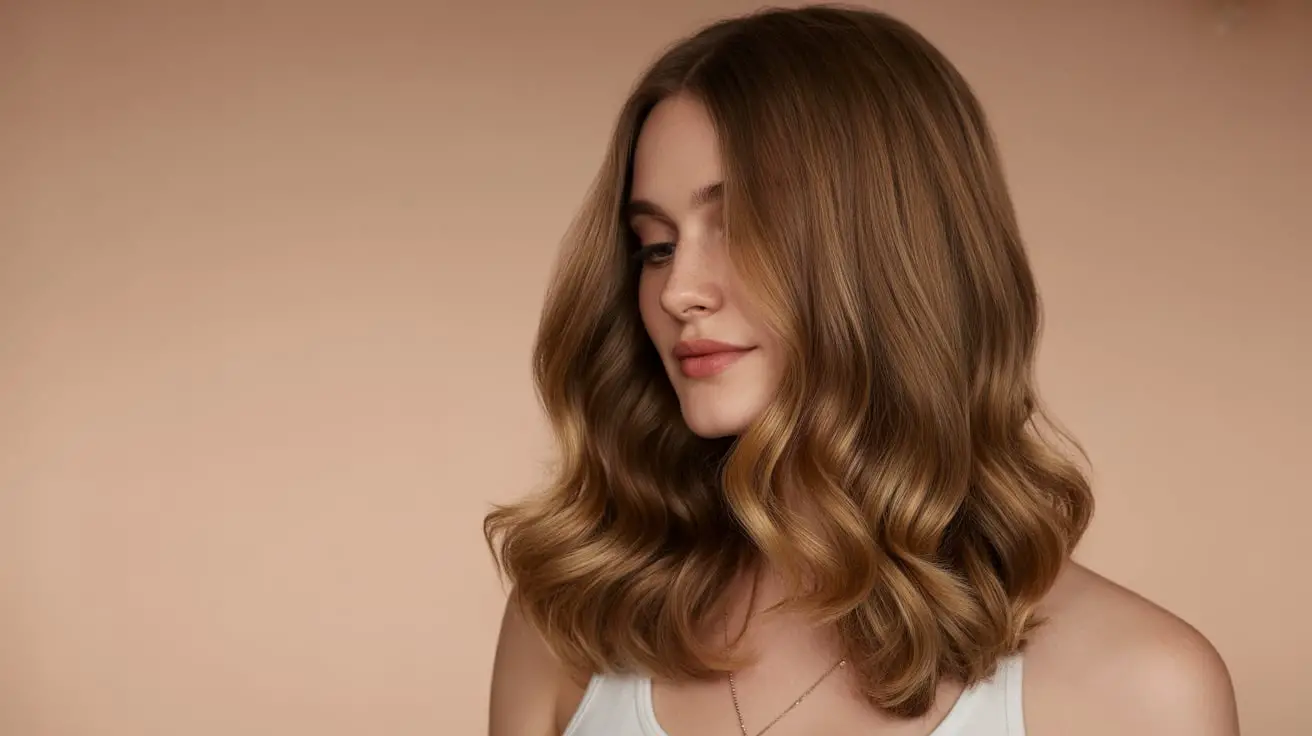
Mocha mousse hair color has become the most requested shade in salons across the country, blending rich chocolate browns with creamy coffee undertones and subtle caramel highlights. This sophisticated color creates depth and dimension that catches light beautifully, making hair look thick, glossy, and undeniably expensive. The multidimensional nature of this shade means it flatters virtually every skin tone, from fair complexions to deeper skin colors, while adding warmth without appearing brassy or artificial.
Professional colorists typically charge $200 to $400 for this complex color service, pricing out many women who dream of sporting this gorgeous shade. The high cost comes from the intricate balayage techniques, multiple toning sessions, and premium products stylists use to achieve the perfect balance of warm and cool tones. Yet achieving this luxurious look doesn’t require emptying your bank account or settling for a flat, one-dimensional brown from a box.
You can create this coveted hair color at home for a fraction of salon prices using strategic techniques and affordable products that deliver professional-looking results. From choosing the right drugstore dyes to mastering simple application methods that add dimension, the following sections reveal exactly how to get that expensive mocha mousse shade while spending under $50. Keep reading to discover the secrets that will transform your hair into the rich, dimensional masterpiece you’ve been dreaming about.
- What Makes Mocha Mousse Hair Color So Coveted?
- DIY Techniques for Achieving the Perfect Mocha Shade
- Budget-Friendly Products That Deliver Salon Results
- How to Maintain Your Mocha Mousse Color Between Touch-Ups
- Professional Secrets for Getting the Look for Less
- Achieving Your Dream Shade Without the Premium Price Tag
- Frequently Asked Questions
What Makes Mocha Mousse Hair Color So Coveted?
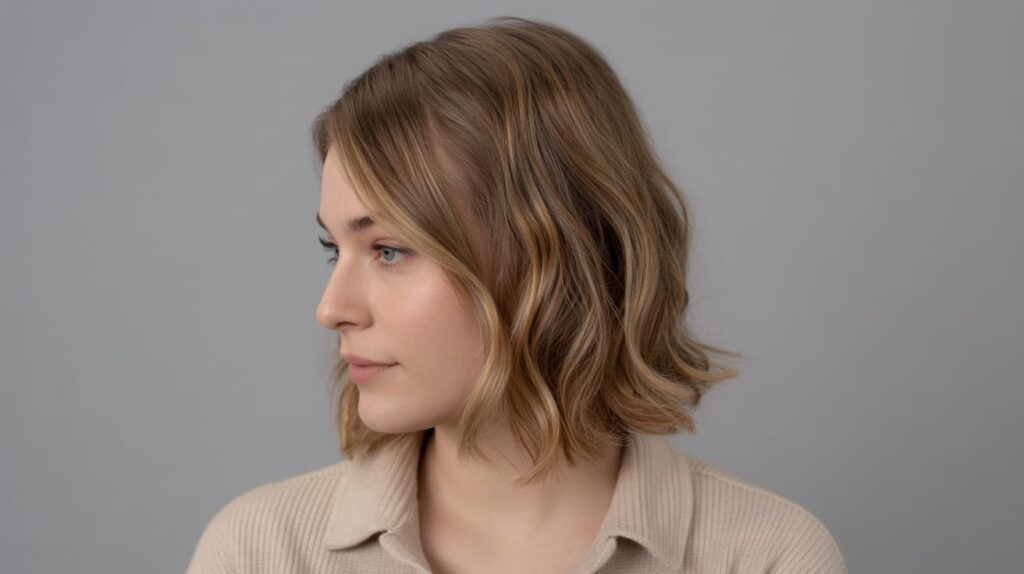
The magic of mocha mousse lies in its complex blend of warm and cool tones that create an almost edible-looking shade reminiscent of your favorite coffee shop beverage. This color combines deep espresso browns at the roots with lighter cappuccino tones through the mid-lengths, finished with subtle hints of caramel or toffee at the ends. The result mimics the natural color variations that occur when sunlight hits virgin hair, creating movement and life that single-process color can’t achieve.
The Color Composition and Undertones
Understanding the specific color components helps you recreate this shade accurately at home. The base typically sits between a level 5 and 7 on the hair color chart, meaning it ranges from light to medium brown. What sets it apart from standard brown shades is the careful balance of undertones – primarily neutral to warm, with hints of gold and red that prevent the color from looking flat or ashy. The “mousse” aspect refers to the creamy, soft appearance created by blending multiple tones seamlessly together, avoiding harsh lines or obvious color transitions.
Different Variations for Skin Tones
Women with cool undertones in their skin look stunning in mocha mousse versions that lean slightly ashier, incorporating more taupe and mushroom brown notes. These cooler variations prevent the warmth in the hair from clashing with pink or blue undertones in the complexion. For warmer skin tones, versions with more caramel and golden highlights complement olive or golden undertones beautifully.
Those with neutral undertones have the most flexibility, pulling off both warmer and cooler variations of this shade. The key lies in adjusting the ratio of warm to cool tones based on your specific coloring. Darker skin tones often benefit from richer, deeper mocha bases with more pronounced caramel ribbons, while lighter complexions can handle subtler variations with delicate highlighting.
Why Salons Charge Premium Prices
Professional colorists justify their high prices through the time-intensive process required to achieve this multi-tonal effect. A typical salon appointment involves:
- Base Application: Carefully applying the primary brown shade while leaving strategic sections for highlighting
- Balayage Technique: Hand-painting lighter pieces to create natural-looking dimension
- Multiple Processing Times: Different sections process for varying durations to achieve depth
- Toning Session: Applying glosses or toners to perfect the final shade
- Finishing Treatments: Adding shine-enhancing products for that expensive-looking gloss
The entire process often takes three to four hours in the salon chair, requiring extensive product use and technical expertise. Stylists also factor in their years of training and color theory knowledge when pricing these services.
The Professional Techniques Involved
Colorists use several advanced techniques to create the seamless blend that defines mocha mousse. They often start with a technique called color melting, where they blend multiple shades at the roots to avoid harsh demarcation lines as hair grows. Then they incorporate babylights – super fine highlights that mimic the subtle variations in children’s hair – throughout the mid-lengths for added dimension.
The placement of these lighter pieces follows the natural fall of hair, concentrating brightness around the face and through the ends where sun would naturally lighten hair. This strategic placement creates the illusion of movement and makes hair appear fuller and more voluminous. Professional stylists also custom-mix their colors, adjusting formulas based on each client’s starting shade and desired result, something that seems impossible to replicate at home but actually isn’t once you understand the basics.
DIY Techniques for Achieving the Perfect Mocha Shade
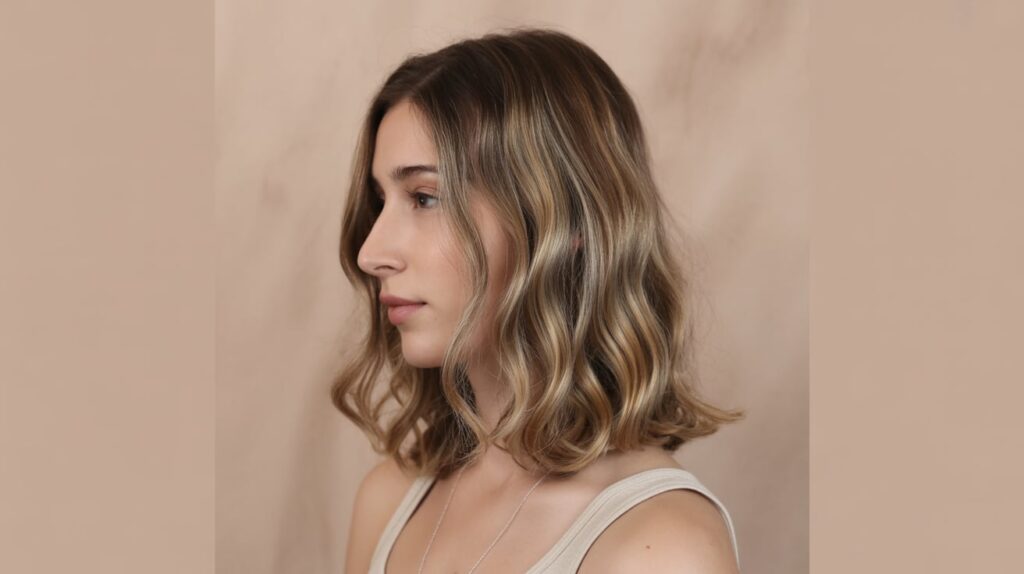
Creating salon-worthy mocha mousse color at home requires strategic planning and the right approach, but it’s entirely achievable with patience and the proper technique. The secret lies not in expensive products but in understanding how to layer color and create dimension using affordable drugstore options. By breaking down the process into manageable steps and using simple tools you probably already own, you can achieve results that rival professional colorists’ work.
Box Dye Selection and Mixing
The foundation of your at-home mocha mousse starts with selecting the right base color. Rather than choosing one box dye and hoping for the best, you’ll want to purchase two complementary shades to create depth. Start with a medium golden brown (usually labeled as level 6 or 7) as your primary color, then add a lighter caramel brown or dark blonde (level 7 or 8) for highlighting.
Many women find success mixing portions of two different dyes to create a custom shade. For instance, combining three-quarters of a medium chocolate brown with one-quarter of a golden blonde creates a beautiful mocha base with built-in warmth. This mixing technique allows you to customize the warmth level based on your preferences and starting hair color.
Popular drugstore brands offer “multi-tonal” or “multi-faceted” color lines specifically designed to create dimensional results. These formulas contain varying sizes of color molecules that penetrate hair differently, automatically creating subtle variations in tone. While not quite as customizable as mixing your own, these options simplify the process for beginners.
Application Methods for Dimension
The application technique makes the difference between flat, single-process color and expensive-looking dimension. Instead of applying color all over from roots to ends, you’ll use a strategic approach that mimics professional highlighting.
Start by sectioning hair into four quadrants, then work with smaller subsections about an inch wide. Apply your darker base color to the roots and about two inches down, leaving the last third of each section untouched initially. This creates natural-looking depth at the roots while preserving the ability to add lighter tones through the lengths.
For the mid-sections and ends, use a technique called “money piece highlighting” where you paint lighter color on select face-framing pieces. Take random small sections throughout your hair and apply the lighter shade starting about three inches from the roots, concentrating more product toward the ends. Use an old toothbrush or clean mascara wand to feather the color where dark meets light, preventing obvious lines.
Creating Depth with Lowlights
While highlights get most of the attention, lowlights actually create the rich depth that makes this color so special. After applying your base and highlights, go back through and add strategic darker pieces, particularly underneath sections and around the crown where hair naturally appears darker.
You can create lowlights by:
- Selective Timing: Leave color on certain sections longer for deeper deposit
- Layering Technique: Apply base color twice to specific areas
- Shadow Rooting: Concentrate darker color at the very roots for lived-in appeal
- Strategic Placement: Focus deeper tones underneath and leave top layers lighter
This approach to lowlighting prevents the flat, uniform appearance that screams “box dye” and instead creates the complex interplay of tones that characterize expensive color jobs. The key is restraint – you want just enough variation to create interest without making hair look striped or patchy.
Blending Techniques for Natural Results
The final step in your DIY color process involves blending everything together for that seamless, professional finish. This is where many at-home color jobs fail, leaving obvious lines between different tones. However, with simple techniques borrowed from professional colorists, you can achieve beautiful blending.
During the last five minutes of processing time, use a wide-tooth comb to gently comb through your hair from mid-lengths to ends. This distributes the color slightly, softening any harsh transitions between shades. You can also use your fingers to massage and squeeze sections together, allowing the different tones to meld.
After rinsing and before conditioning, apply a color-depositing gloss or toner if needed to unify the overall tone. Many drugstore brands now offer glossing treatments for under $10 that add shine while slightly adjusting the color. Choose a neutral brown or caramel shade to enhance the mocha undertones and create that expensive-looking luminosity. The gloss also seals the cuticle, making your DIY color job look more polished and professional.
Budget-Friendly Products That Deliver Salon Results
Finding the right products makes all the difference between a successful at-home color transformation and disappointment. The beauty industry has evolved significantly, with drugstore brands now offering formulations that rival high-end alternatives. Smart shopping combined with knowing which products actually matter for achieving mocha mousse perfection can keep your total investment under $50 while delivering results that look far more expensive.
Best Drugstore Hair Dyes
Several affordable brands consistently deliver rich, dimensional brown shades perfect for creating your mocha mousse base. L’Oréal Paris Excellence Crème in Medium Golden Brown provides exceptional gray coverage with beautiful warm undertones for around $8. The formula includes protective serum and conditioning treatments that leave hair shinier than many salon colors.
Garnier Nutrisse offers incredible value with their Ultra Color line, particularly shade B3 (Café Con Leche), which captures the exact creamy coffee tones of professional mocha mousse. At approximately $7 per box, the formula contains avocado, olive, and shea oils that nourish hair during processing.
For those seeking more customization options, Revlon ColorSilk’s Luminista range features colors specifically designed to create light-reflecting dimension. Their Medium Golden Brown delivers subtle variations in tone throughout each strand. The ammonia-free formula costs under $5, making it perfect for frequent touch-ups.
Clairol Nice’n Easy has revolutionized at-home color with their Perfect 10 line, which processes in just 10 minutes while creating multi-tonal results. Shade 6.5G (Lightest Golden Brown) works beautifully as a highlighting shade when paired with a darker base. The collection includes ColorSeal Gloss that extends vibrancy for weeks.
Color-Depositing Treatments
Between full coloring sessions, color-depositing treatments maintain richness and correct any unwanted tones that develop. These products cost significantly less than salon glazes while providing similar results.
Kristin Ess Signature Gloss in Winter Wheat adds gorgeous golden reflects to brown hair for about $14. The temporary treatment washes out gradually over 10 shampoos, allowing you to experiment with warmth levels. The formula also contains violet pigments that neutralize any brassiness that might develop.
John Frieda Luminous Glaze Clear Shine delivers mirror-like gloss while subtly enhancing your color’s undertones. This $10 treatment works especially well for making DIY color look more expensive, as the shine factor alone creates the impression of professional work. Use it weekly for best results, applying after shampooing and leaving on for three minutes.
Toning Products for Maintenance
Maintaining the perfect balance of warm and cool tones in your mocha mousse requires regular toning, but salon toning treatments can cost $40 or more per session. Instead, invest in at-home toning products that keep your color looking fresh for a fraction of the price.
Purple shampoos might seem counterintuitive for brown hair, but using them once weekly prevents any unwanted orange or brassy tones from developing. Fanola No Yellow Shampoo, though technically professional, costs about $15 online and lasts months. Dilute it with regular shampoo for a gentler approach perfect for maintaining mocha tones.
Matrix Total Results Brass Off Custom Neutralization Hair Mask offers targeted toning for brunettes at around $20. This weekly treatment deposits blue-violet pigments that keep brown hair looking cool and expensive rather than warm and brassy. The conditioning formula also repairs damage from coloring.
For quick fixes between washes, Color Wow Root Cover Up provides instant camouflage for roots while depositing actual color pigments. Available in multiple brown shades for about $35, this powder compact might seem pricey initially but lasts months and eliminates the need for frequent root touch-ups. The mineral-based formula also adds volume and texture at roots.
Tools and Accessories Needed
Professional results depend as much on application tools as on the products themselves. Fortunately, you don’t need expensive equipment to achieve salon-quality results at home.
Invest in a quality tint brush (around $5) rather than using the applicator bottles included with box dyes. The brush gives you precise control for techniques like balayage and root shadowing. Purchase several clips for sectioning hair – dollar store butterfly clips work perfectly. A pair of reusable gloves provides better dexterity than the flimsy ones included with dyes.
Here’s your complete tool kit for under $20:
- Tint Bowl: Plastic or glass for mixing custom shades
- Wide-Tooth Comb: For blending and distributing color
- Old Towels: Designate specific towels for hair coloring
- Timer: Your phone works, but a dedicated timer prevents accidents
- Barrier Cream: Apply petroleum jelly around hairline to prevent staining
How to Maintain Your Mocha Mousse Color Between Touch-Ups
The longevity of your gorgeous new shade depends entirely on your maintenance routine. Professional colorists often neglect to mention that expensive salon color fades just as quickly as drugstore dye without proper care. By implementing the right preservation strategies, you can extend the life of your color for eight to ten weeks instead of the typical four to six, saving hundreds of dollars annually while keeping your mocha mousse looking fresh and dimensional.
Color-Safe Washing Routines
Your washing routine has the biggest impact on color longevity. Hot water opens the hair cuticle, allowing color molecules to escape with each shampoo. Switching to lukewarm or cool water for washing and cold water for final rinsing can extend your color’s life by weeks. This temperature adjustment might feel uncomfortable initially, but the payoff in color preservation makes it worthwhile.
Reduce washing frequency to twice or three times weekly maximum. On non-wash days, dry shampoo becomes your best friend for maintaining fresh-looking roots. Batiste Hint of Color in Beautiful Brunette not only absorbs oil but deposits temporary brown pigments that camouflage any fading at the roots. Apply it before bed, allowing the product to work overnight for better oil absorption and more natural-looking results.
When you do shampoo, the technique matters as much as frequency. Concentrate shampoo only on the scalp and roots, allowing the suds to cleanse lengths and ends as you rinse. This method prevents unnecessary stripping of color from the most vulnerable parts of your hair. Follow with conditioner from mid-lengths to ends, avoiding roots to prevent greasiness.
The “reverse washing” method works wonders for color-treated hair. Apply conditioner first, then shampoo, followed by another light conditioning. This technique protects hair during cleansing while ensuring thorough product removal. Many women find this approach extends their color by an additional two weeks.
Home Glossing Treatments
Regular glossing treatments keep your color looking expensive between touch-ups. These treatments deposit microscopic amounts of pigment while smoothing the cuticle for incredible shine. Unlike permanent color, glosses gradually fade without obvious regrowth lines.
Create your own glossing treatment by mixing a tablespoon of your leftover hair dye with three tablespoons of white conditioner. Apply this mixture once weekly in the shower, leaving it on for five minutes before rinsing. This DIY gloss costs pennies per treatment while maintaining color vibrancy and adding luxurious shine.
Semi-permanent colors work beautifully as glossing treatments when diluted. Adore Creative Image in Mocha provides rich brown tones for under $6. Mix one part color with four parts conditioner for a gentle gloss that won’t darken your base shade. Apply every two weeks, adjusting the ratio based on how much color deposit you want.
Protecting Color from Fading
Environmental factors significantly impact color longevity, but simple protective measures can minimize damage. UV rays break down color molecules just as they damage skin, making hair protection essential during sunny months.
Spray leave-in conditioners with UV filters throughout your hair before sun exposure. Supergoop! Play Antioxidant Body Mist with SPF 50 works beautifully on hair despite being marketed for skin. The lightweight formula won’t weigh down hair while providing serious UV protection. For a budget option, mix regular sunscreen with water in a spray bottle for similar protection.
Chlorine and minerals in water wreak havoc on hair color, particularly the delicate balance of tones in mocha mousse. Before swimming, saturate hair with clean water and apply a leave-in conditioner to create a barrier. For regular swimmers, invest in a shower filter (around $25) that removes chlorine and minerals from your water. This simple addition can extend color life by weeks while improving overall hair health.
Heat styling accelerates color fading by opening the cuticle and allowing pigments to escape. When heat styling is necessary, always use thermal protection products. Apply them to damp hair before blow-drying and again before using hot tools. Set tools to the lowest effective temperature – most hair types don’t need settings above 300°F for successful styling.
Extending Time Between Colorings
Strategic touch-up techniques allow you to stretch full coloring sessions to every three months rather than monthly. Focus on roots and face-framing pieces that show fading first, leaving the rest of your hair untouched.
Root touch-up kits cost significantly less than full boxes of color while providing enough product for multiple applications. L’Oréal Magic Root Cover Up (around $11) perfectly matches your base color and lasts through multiple shampoos. Apply it only where needed, blending carefully into existing color.
The “root smudging” technique popular in salons translates perfectly to home maintenance:
- Apply your darkest shade only to the first inch of regrowth
- Use your fingers to pull small amounts of color slightly past the line
- Process for half the recommended time
- This creates a gradual transition that looks intentional
Consider partial processing for subtle refreshing without full commitment. Apply diluted color (mixed with conditioner) to just the top layer of hair or face-framing sections. This technique revives color where it’s most visible while avoiding unnecessary processing of hidden sections. The result looks like expensive highlighting rather than all-over color, adding dimension while extending the time between full applications.
Professional Secrets for Getting the Look for Less
Achieving expensive-looking hair color doesn’t always mean avoiding salons entirely. Sometimes the smartest approach involves strategic professional services combined with at-home maintenance. Learning how stylists think about color and understanding salon economics can help you get premium results while spending a fraction of typical prices. These insider strategies come directly from colorists who understand that not everyone can afford regular $300 appointments but still deserve beautiful hair.
Timing Salon Visits Strategically
Salons operate on predictable cycles that savvy clients can leverage for significant savings. January and February represent the slowest months for most salons, as clients recover financially from the holidays. During these periods, many salons offer promotions or are more willing to negotiate prices. Book your initial mocha mousse transformation during these slower times for potential savings of 20-30%.
New colorists building their clientele often offer reduced rates to attract clients and build their portfolios. These aren’t inexperienced stylists but rather professionals who’ve recently joined a salon or started their own business. They possess the same training and skills but charge less while establishing themselves. Ask salon receptionists about recently hired stylists or check salon Instagram pages for introduction posts about new team members.
The “model call” represents another opportunity for professional color at reduced prices. Salons regularly need models for training sessions, photo shoots, or color company education classes. These services are performed by experienced stylists or educators while being observed or photographed. You might spend more time in the chair, but you’ll receive meticulous attention to detail for significantly reduced cost or even free.
Partial Coloring Techniques
Instead of paying for all-over color, request specific partial services that create maximum impact for minimum cost. The “money piece” technique involves coloring only the face-framing sections that most affect your overall appearance. This service typically costs one-third of full highlights while dramatically brightening your look.
Root melting or root shadowing services cost less than full color but create the lived-in effect characteristic of expensive color. Ask your stylist to apply permanent color only to roots, then pull it through slightly for seamless blending. This technique means you can wait longer between appointments since regrowth appears intentional rather than neglected.
Consider alternating between full and partial services to maintain your look affordably. Get the complete mocha mousse treatment once, then maintain with partial highlights or lowlights every other appointment. This approach keeps your color looking fresh while reducing annual coloring costs by nearly half.
Working with Beauty Schools
Cosmetology schools offer services at dramatically reduced prices, typically 50-70% less than standard salons. Advanced students in their final months of training perform these services under instructor supervision. These students have completed hundreds of hours of training and are preparing for state board examinations.
Research schools carefully, looking for institutions affiliated with major beauty brands or those with strong reputations. Aveda Institutes, Paul Mitchell Schools, and Redken Exchange programs maintain high standards while offering exceptional value. Book appointments with students in their final quarter of training for the best combination of skill and savings.
Beauty school appointments require more time but include incredible attention to detail. Instructors check each step of the process, ensuring proper technique and results. This oversight actually provides better quality control than many regular salon experiences. Bring photos and communicate clearly about your desired outcome, understanding that students might work more slowly but often with greater care than rushed salon professionals.
Some beauty schools offer “clinic floor” services performed by recent graduates completing additional training. These services cost slightly more than student services but still significantly less than regular salons. The stylists have passed their licensing exams and work under minimal supervision, providing an excellent middle ground between student and full-price services.
Negotiating with Stylists
Many stylists work as independent contractors renting salon chairs, giving them flexibility in their pricing. Building relationships with these stylists can lead to better prices, especially if you’re willing to be flexible with scheduling. Approach negotiation professionally and respectfully, understanding that stylists deserve fair compensation for their expertise.
Offer to book during slow periods in exchange for reduced rates. Tuesday and Wednesday afternoons typically have the most availability. Stylists would rather fill these slots at a lower rate than have empty chairs.
Package deals provide another negotiation opportunity. Propose paying upfront for multiple services at a reduced rate:
- Quarterly Packages: Commit to four root touch-ups annually
- Referral Discounts: Bring new clients in exchange for reduced rates
- Social Media Exchange: Offer to post photos and reviews for discounts
- Off-Peak Scheduling: Always book during slowest times
Some stylists offer sliding scale pricing based on the time services require. If you have easily manageable hair that processes quickly, mention this during consultation. Stylists appreciate clients who understand that pricing often reflects time investment more than product cost.
Be prepared to compromise on certain aspects for better pricing. Perhaps you can skip the blow-dry service or bring your own styling products. Some stylists reduce prices if you’re willing to let them try new techniques or use you as a teaching model for assistants. These compromises still result in beautiful color while reducing overall cost.
Achieving Your Dream Shade Without the Premium Price Tag
Successfully creating expensive-looking mocha mousse hair color at home comes down to understanding the technique rather than spending hundreds at salons. By combining the right drugstore products with professional application methods, you can achieve the same multi-dimensional richness that makes this shade so coveted. The key lies in layering different tones strategically, using tools you already own, and maintaining your color with smart preservation techniques that extend the life of your gorgeous new shade.
Your journey to beautiful mocha mousse hair starts with a small investment in quality drugstore products and ends with hair that looks like you’ve spent a fortune at an upscale salon. Whether you choose to go completely DIY or combine strategic salon visits with at-home maintenance, these techniques put luxurious hair color within reach of any budget. The confidence that comes from sporting this sophisticated shade makes the effort worthwhile, proving that expensive-looking hair has nothing to do with how much money you actually spend.
Frequently Asked Questions
Q: Can I achieve mocha mousse hair color if I have naturally black or very dark hair?
A: Yes, but you’ll need to lighten your hair first to a medium brown level before applying the mocha tones. Use a color remover or lightener to lift your base to level 5 or 6, then proceed with the mocha mousse coloring process. This might require two separate sessions to avoid excessive damage.
Q: How long does DIY mocha mousse color typically last before needing a touch-up?
A: With proper maintenance and color-safe products, your DIY mocha mousse can last 6-8 weeks before requiring root touch-ups. The dimensional nature of this color means regrowth is less obvious than with single-process color, allowing you to stretch time between full applications.
Q: What’s the best way to fix orange or brassy tones if my DIY attempt goes wrong?
A: Use a blue-based toner or purple shampoo to neutralize unwanted warm tones. For severe brassiness, apply a demi-permanent ash brown color over the orange areas. Always strand test first and remember that blue cancels orange while purple cancels yellow.
Q: Can I create mocha mousse highlights on previously colored hair?
A: Absolutely, but be cautious about overlapping different color formulas. If your hair has been previously colored darker, you might need to use a color remover on sections you want to highlight. For hair that’s already light, you can apply mocha tones directly.
Q: Should I use permanent or semi-permanent dye for the mocha mousse effect?
A: Use permanent color for your base and roots to ensure longevity and gray coverage, then semi-permanent or demi-permanent formulas for highlights and toning. This combination provides the best balance of lasting color and gentle processing for dimensional effects.
Q: What’s the minimum wait time between coloring sessions if I’m not happy with my first result?
A: Wait at least two weeks between coloring sessions to prevent severe damage. During this time, use deep conditioning treatments and protein masks to restore hair health. If you’re only toning or glossing, you can do this weekly without significant damage.
Q: Is mocha mousse hair color high-maintenance compared to other brown shades?
A: This shade actually requires less maintenance than many other colors because the multi-tonal effect disguises regrowth and fading better than flat colors. The variety of tones means small changes are less noticeable, making it ideal for those wanting beautiful color without constant upkeep.
Q: Can I achieve this color using only natural or henna-based dyes?
A: While natural dyes can create beautiful brown shades, achieving the specific multi-dimensional effect of mocha mousse is challenging with purely natural products. Henna tends to deposit color uniformly, lacking the tonal variation that defines this particular style. You could combine henna with other natural ingredients for depth, but results won’t match traditional dye methods.

