

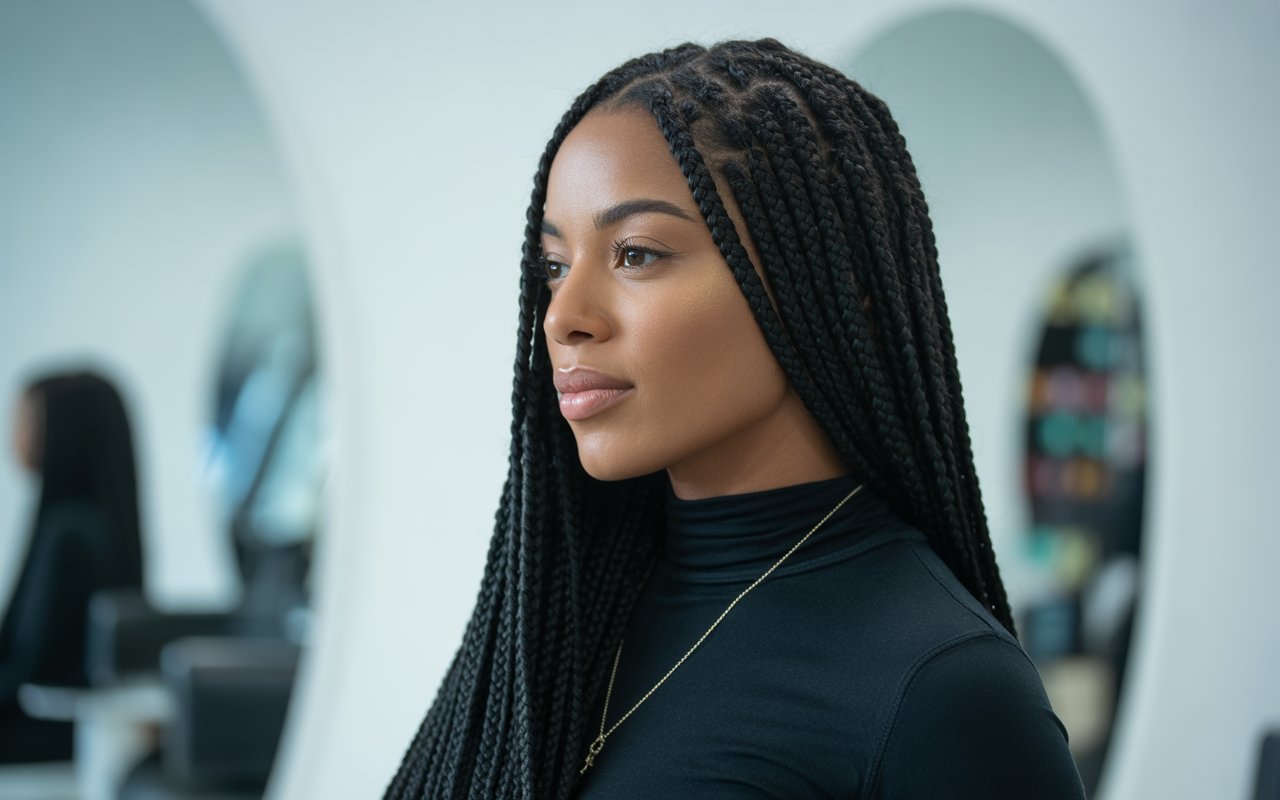
Box braids have become one of the most versatile and protective hairstyles that women across the globe love. These individual plaits, typically created with synthetic hair extensions, offer both style and protection for natural hair while allowing for countless creative possibilities. Whether you’re looking for a low-maintenance style that lasts for weeks or wanting to protect your natural hair during harsh weather seasons, this timeless technique provides the perfect solution.
Many women feel intimidated by the thought of creating their own box braids, assuming it requires professional skills or years of experience. The truth is, with the right guidance and patience, anyone can master this protective style at home. The key lies in understanding the fundamental techniques, having the proper tools, and knowing the insider tips that make the process smoother and more manageable.
We’ll walk through everything you need to know to create salon-quality results in your own space. From selecting the right hair extensions and mastering the braiding technique to avoiding common pitfalls and maintaining your style for maximum longevity, each section provides practical advice that transforms beginners into confident braiders. Let’s start this journey toward mastering one of the most beloved protective styles in hair care.
What You Need to Know Before Starting Box Braids
Creating box braids requires more than just braiding skills – it demands preparation, patience, and realistic expectations. Before you begin sectioning your hair or purchasing supplies, understanding these fundamental aspects will set you up for success and prevent frustration along the way.
Understanding your hair type and texture
Your natural hair texture plays a significant role in how your braids will look and last. Coarser textures typically hold braids better and require less product for grip, while finer textures might need additional holding products or smaller sections to prevent slippage. Knowing your hair’s porosity also matters – high porosity hair absorbs moisture quickly but loses it just as fast, requiring extra conditioning before braiding.
The length of your natural hair affects your braiding options too. While you can create this style with hair as short as two inches, having at least three to four inches provides better grip and more styling versatility. If your hair is shorter, don’t worry – there are techniques to work with what you have, though you might need to adjust your expectations for braid length and fullness.
Time commitment and preparation
First-time braiders often underestimate the time investment required. A full head typically takes anywhere from four to eight hours, depending on the size of your braids and your skill level. Smaller braids mean more sections and longer installation time, while jumbo braids can cut your time in half but may not last as long.
Planning your braiding session matters as much as the technique itself. Choose a day when you won’t feel rushed, and consider breaking the process into two sessions if needed. Many beginners find success by braiding the back sections one day and completing the front and sides the next. This approach prevents fatigue and maintains consistent quality throughout your style.
Cost considerations
While doing your own braids saves money compared to salon visits, the initial investment in quality supplies adds up. Synthetic braiding hair ranges from $3 to $15 per pack, and you’ll need anywhere from 5 to 10 packs depending on your desired fullness and length. Beyond hair, factor in costs for:
- Quality products: Edge control, leave-in conditioner, and oil
- Tools: Rat-tail comb, hair clips, and rubber bands
- Comfort items: A comfortable chair and good lighting
- Time value: Consider what your time is worth
Remember that these supplies last for multiple installations, making each subsequent braiding session more affordable. Quality products might cost more upfront but often provide better results and longer-lasting styles.
Maintenance expectations
Box braids aren’t a “do it and forget it” hairstyle. They require consistent care to look fresh and protect your natural hair underneath. Daily maintenance includes applying light oil to your scalp, wrapping your hair at night, and keeping your edges moisturized. Weekly care involves gentle cleansing and deeper moisture treatments.
The typical lifespan ranges from six to eight weeks, though some women stretch this to ten weeks with excellent care. However, leaving them in too long can cause matting, breakage, and difficulty during removal. Understanding these maintenance requirements helps you decide if this protective style fits your lifestyle and schedule.
Your scalp might feel tender for the first few days after installation – this is normal as your scalp adjusts to the weight and tension. If pain persists beyond three days or you notice bumps along your hairline, your braids might be too tight and could cause traction alopecia if not addressed.
Essential Tools and Hair Products for Box Braiding
Having the right supplies makes the difference between a frustrating experience and a smooth braiding session. Professional braiders succeed partly because they use quality tools and products designed specifically for protective styling. Gathering these essentials before you start prevents interruptions and ensures better results.
Must-have braiding tools
Your toolkit forms the foundation of successful box braiding. A rat-tail comb becomes your best friend for creating clean, precise parts. Look for one with a metal tail rather than plastic – the metal glides through hair more smoothly and creates sharper parts. You’ll also need several duck bill clips to section off hair as you work, keeping unbraided sections neat and out of your way.
Small rubber bands help secure the ends of your braids, though some braiders prefer the dipping method instead. If you choose rubber bands, select ones that match your hair color for a seamless look. A spray bottle filled with water keeps hair manageable throughout the process, as slightly damp hair is easier to grip and braid than completely dry strands.
Good lighting cannot be overstated in importance. Natural daylight works best, but if that’s not possible, position multiple lamps around your workspace. A hand mirror helps you check the back sections, while a standing mirror lets you see your overall progress. Some braiders invest in a ring light, which provides even illumination and reduces eye strain during long sessions.
Choosing the right hair extensions
The braiding hair you select impacts everything from installation ease to style longevity. Kanekalon hair remains the most popular choice due to its affordability and availability in numerous colors. This synthetic fiber mimics natural hair texture well and comes pre-stretched in many brands, saving preparation time.
For a more natural look and feel, consider X-pression or Africana braiding hair. These brands offer softer textures that cause less irritation to sensitive scalps. The amount you’ll need depends on your desired style: jumbo braids might require 5-6 packs, medium braids need 6-8 packs, and small braids can use up to 10 packs.
Color selection offers creative opportunities. While many women choose shades matching their natural color, others experiment with highlights, ombre effects, or bold colors. If you’re trying a new color, buy one pack first to test how it looks against your skin tone before purchasing the full amount needed.
Protective products for your natural hair
Proper preparation prevents damage and promotes healthy hair growth while your braids are installed. Start with a clarifying shampoo to remove product buildup, followed by a deep conditioning treatment. This clean slate helps products penetrate better and reduces itching during wear.
A leave-in conditioner provides ongoing moisture throughout the installation process. Choose one that’s not too heavy – you want protection without buildup that might cause slippage. Many braiders swear by using a small amount of oil or butter on each section before braiding. Coconut oil, argan oil, or shea butter work well, but avoid over-application which can make hair too slippery to grip properly:
- Scalp treatment: Tea tree or peppermint oil mixed with a carrier oil
- Edge protection: Specialized edge control that won’t flake
- Moisture seal: Light holding spray that doesn’t leave residue
- Anti-itch formula: Products containing menthol or witch hazel
Setting up your braiding station
Organization streamlines your braiding process significantly. Set up your station near a power outlet if you plan to use hot water for sealing, with all supplies within arm’s reach. Pre-cut your braiding hair to desired lengths and separate them into bundles – this saves time during installation and ensures consistent braid lengths.
Keep a towel nearby for wiping excess product from your hands, as slippery fingers make braiding difficult. Some braiders prepare small bowls with different products (water, oil, gel) for easy access. A comfortable chair with good back support prevents fatigue, especially important when you’re spending hours in one position.
Consider your entertainment too. Queue up podcasts, audiobooks, or shows you can listen to without needing to watch constantly. This makes time pass quickly while keeping your eyes focused on your braiding. Having snacks and water nearby prevents unnecessary breaks that can disrupt your rhythm.
Step-by-Step Box Braiding Technique
The actual braiding process becomes manageable when broken down into clear steps. Many beginners struggle because they try to rush through without establishing proper fundamentals. Taking time to master each element ensures professional-looking results that last.
Sectioning your hair properly
Clean, precise parts form the foundation of neat box braids. Start by dividing your hair into four main sections using your rat-tail comb – create a part from ear to ear and another from forehead to nape. Secure three sections with clips while working on one quadrant at a time. This systematic approach prevents overwhelming yourself and maintains organization.
Within each quadrant, create your box-shaped sections. The size depends on your desired braid thickness – use a ruler if you want perfectly uniform boxes, though slight variations look natural too. Most beginners find one-inch squares a good starting size. Make your parts as straight as possible, but don’t obsess over perfection – small irregularities won’t show once the braids are complete.
Working from the nape upward often proves easiest for beginners. This area is less visible if you make mistakes early in your learning process, giving you practice before reaching more prominent sections. As you create each box, immediately clip away surrounding hair to maintain clean parts.
Creating the foundation
The attachment point determines how natural and long-lasting your braids will be. Take your pre-cut braiding hair and fold it at the midpoint, creating a loop. Some braiders prefer an uneven fold, with one side slightly longer, claiming this creates a more secure attachment.
Place the loop at the base of your sectioned natural hair, dividing your hair into three parts – two sides of the synthetic hair and your natural hair as the middle section. This creates your three strands for braiding. The key is maintaining firm but gentle tension at the root without pulling too tightly.
Your first few crosses establish the braid’s security. Cross the synthetic strands under your natural hair first, then begin your regular braiding pattern. This technique, called the underhand method, creates a raised effect at the root that many find aesthetically pleasing. Keep your hands close to the scalp for the first few crosses to ensure a tight, neat attachment.
The braiding method explained
Once your foundation is secure, the repetitive braiding motion begins. Maintain consistent tension throughout – too loose and your braids unravel, too tight and you risk breakage and discomfort. The sweet spot feels secure without causing immediate scalp pain.
Your hands should move in a smooth, continuous motion. The traditional three-strand braid involves crossing the right strand over the middle, then the left strand over the new middle, repeating until you reach your desired length. Keep your sections separated and avoid grabbing hair from neighboring strands, which creates a messy appearance.
As you braid downward, gradually incorporate all of your natural hair within the first few inches. This protects your ends and creates a seamless blend between natural and synthetic hair. If you notice your natural hair poking out, gently tuck it back into the braid and continue.
Speed comes with practice, so focus on consistency rather than racing through. Most beginners take 10-15 minutes per braid initially, but this time decreases dramatically as muscle memory develops. Regular breaks prevent hand cramping and maintain quality throughout your style.
Tips for consistent braid size
Achieving uniform braids requires attention to detail throughout the process. Keep your sections consistent by using the same amount of braiding hair for each braid. Pre-cutting and bundling your hair helps maintain this consistency without constant measuring.
The tension you apply affects braid thickness too. Looser tension creates thicker-looking braids while tighter tension produces thinner results. Find your preferred tension and stick with it throughout the installation. If you notice variations, it’s better to maintain your current approach and adjust on future braids rather than trying to correct mid-process.
Pay attention to how you position your hands. Keeping them at the same distance from the braid throughout creates even thickness from root to tip. Some braiders use their pinky fingers as guides, maintaining the same finger position relative to the braid as they work downward.
For absolute beginners, practicing on mannequin heads or willing friends helps develop technique without the arm fatigue of braiding your own hair. This practice allows you to see your work clearly and identify areas for improvement before attempting your own installation.
Common Mistakes Beginners Make and How to Avoid Them
Every expert braider started as a beginner who made mistakes. Learning from common errors saves time, prevents damage, and accelerates your journey to braiding proficiency. Understanding these pitfalls before you start helps you avoid frustration and achieve better results from your first attempt.
Tension issues and scalp care
The most frequent mistake involves applying too much tension at the roots. Beginners often braid tightly, thinking this ensures longevity, but excessive tension causes immediate discomfort and long-term damage. Your scalp shouldn’t feel painful during or after installation – mild tightness that subsides within 24 hours is normal, but persistent pain signals a problem.
Proper tension feels secure without pulling your skin. You should be able to move your eyebrows freely and touch your scalp without wincing. If you notice small bumps forming along your hairline or parts, you’re braiding too tightly. These bumps can develop into traction alopecia if the tension isn’t released.
Learning to maintain consistent tension throughout each braid takes practice. Many beginners start with appropriate tension but gradually tighten as they work down the braid. Stay conscious of your grip and periodically check that you can still slide your fingers under the braid at various points.
Between braids, massage your scalp gently to promote blood flow. This prevents the cumulative effect of sustained tension and helps you recognize if you’re applying too much force. Taking breaks every few braids also helps reset your tension awareness.
Uneven parting problems
Crooked or inconsistent parts create a messy appearance that’s difficult to fix once braiding begins. Beginners often rush through parting, eager to start braiding, but time invested in clean sections pays off in the final look. Using proper lighting helps you see your parts clearly and maintain straight lines.
The angle of your comb matters more than you might think. Hold your rat-tail comb perpendicular to your scalp for the straightest parts. Many beginners hold the comb at an angle, creating diagonal parts that throw off the entire pattern. Practice your parting technique on the less visible back sections first.
Trying to create all your parts at once often leads to mistakes. Instead, part as you go, creating each new section immediately before braiding. This approach keeps surrounding hair from disturbing your clean parts and allows you to adjust spacing based on how previous braids turned out.
If you notice uneven spacing after completing several braids, resist the urge to redo everything. Minor variations in part size actually create a more natural look. Only consider redoing braids if the unevenness is dramatic enough to affect the overall style appearance.
Extension attachment errors
Improper attachment of braiding hair causes premature unraveling and an unprofessional appearance. The most common error involves not securing the synthetic hair properly at the base, leading to slippage within days of installation. The fold-and-loop method described earlier provides the most secure attachment when done correctly.
Another frequent mistake is using too much or too little braiding hair. Too much creates unnaturally thick braids that feel heavy and look disproportionate. Too little results in thin, fragile braids that break easily. Finding the right amount takes experimentation, but generally, your synthetic hair bundle should be about 1.5 times the thickness of your natural hair section.
Some beginners struggle with the transition point where natural hair ends and only synthetic hair remains. This area often looks lumpy or shows a clear demarcation line:
- Gradual blending: Feather your natural hair ends rather than allowing them to end abruptly
- Consistent tension: Maintain the same grip pressure through the transition zone
- Proper coverage: Ensure synthetic hair fully encases natural hair before it ends
- Smooth technique: Avoid tugging or jerking motions that create bumps
Starting your braid too far from the scalp creates a gap that worsens over time as your hair grows. Position the synthetic hair as close to your scalp as possible without causing discomfort. This close placement also helps your braids last longer and move more naturally.
Time management mistakes
Underestimating the time commitment leads to rushed work and poor results. First-time braiders often plan for three hours and find themselves still working eight hours later. This miscalculation causes fatigue, frustration, and increasingly sloppy work as exhaustion sets in.
Realistic planning prevents these issues. If you’re new to braiding, expect to spend 6-8 hours on a full head of medium-sized braids. Rather than pushing through when tired, plan for breaks or split the process across two days. Your arms, hands, and eyes need rest to maintain quality work.
Starting too late in the day creates unnecessary pressure. Begin early when you’re fresh and have good natural light. This timing also allows for unexpected delays without forcing you to finish in poor lighting or while exhausted. Many successful beginners start on Saturday morning, take a long lunch break, and finish by evening.
Trying to multitask significantly slows the process. While listening to audio entertainment works well, attempting to watch shows, help children, or handle other tasks between braids disrupts your rhythm. Dedicate your braiding time solely to braiding for the best results and fastest completion.
Maintaining Your Box Braids for Maximum Longevity
Proper maintenance extends the life of your braids while keeping your natural hair healthy underneath. Many women invest hours in installation only to neglect care routines that preserve their style. Understanding and implementing these maintenance practices ensures your braids look fresh for their entire lifespan.
Daily care routine
Your daily regimen doesn’t need to be complicated, but consistency matters. Each morning, lightly mist your scalp with a water-based moisturizer or diluted leave-in conditioner. Focus on your scalp rather than saturating the braids themselves, as excess moisture can cause synthetic hair to slip or develop odor.
Edge care requires special attention. These delicate areas experience the most tension and movement throughout the day. Apply a small amount of edge control or light oil each morning, gently smoothing your baby hairs without pulling. If you notice any loosening around your edges, address it immediately rather than waiting for further damage.
Throughout the day, avoid excessive touching or playing with your braids. The oils from your hands can build up on the hair, creating a dull appearance. When styling, use minimal product – a light hold spray or small amount of mousse provides control without buildup. Heavy products weigh down your braids and attract dirt.
Before bed, protect your investment with proper covering. A satin or silk scarf prevents friction that causes frizz and loosening. For longer braids, loosely gather them at the crown before covering, preventing tangling and maintaining your style’s shape.
Nighttime protection methods
How you protect your braids at night significantly impacts their longevity. The friction from cotton pillowcases causes frizz, dryness, and premature loosening. Investing in quality protection saves money by extending the time between installations.
Satin bonnets offer convenient protection but must fit properly. Too tight and they leave marks on your forehead; too loose and they slip off during sleep. Look for bonnets with adjustable bands or ties that customize the fit. Some women prefer satin scarves, which allow more styling options and pressure distribution.
For those who find bonnets uncomfortable, satin pillowcases provide an alternative. While not as protective as direct covering, they reduce friction significantly compared to cotton. Combining a satin pillowcase with a loosely tied satin scarf offers comprehensive protection without discomfort.
The way you position your braids matters too. Pineappling – loosely gathering braids at the very top of your head – prevents them from being crushed while you sleep. Use a soft scrunchie or loose hair tie to avoid creating dents. Some women prefer dividing their braids into two loose sections on either side, especially if they’re side sleepers.
Washing and conditioning techniques
Clean braids last longer and maintain scalp health. Aim to cleanse every 7-10 days, or more frequently if you exercise regularly or have an oily scalp. The key is cleaning without causing frizz or loosening your carefully installed braids.
Dilute your shampoo with water in a spray bottle or applicator bottle. This allows you to target your scalp directly without oversaturating your braids. Focus on gently massaging your scalp with your fingertips, allowing the diluted shampoo to cleanse your parts. Rinse thoroughly with cool water to minimize frizz.
Conditioning requires a different approach than with loose hair. Apply a light, water-based conditioner to your scalp and natural hair at the roots. Avoid heavy conditioners that can cause buildup or make synthetic hair slip. Some braiders prefer using a leave-in conditioning spray after washing for easier application and lighter coverage.
Drying properly prevents mildew and extends style life. Gently squeeze excess water from your braids without rubbing. Allow them to air dry completely before covering or styling – this might take several hours for dense installations. Using a hooded dryer on cool setting speeds the process without causing frizz.
When to take them down
Knowing when to remove your braids protects your natural hair from damage. While the style might still look acceptable on the surface, keeping braids too long causes matting, breakage, and difficulty during removal. Most professionals recommend a maximum of eight weeks, though this varies based on your hair type and maintenance routine.
Signs it’s time for removal include:
- Significant new growth: When you see more than an inch of new growth at the roots
- Loosening: Multiple braids slipping or requiring constant retightening
- Matting: Feeling lumps or tangles at the base of braids
- Thinning edges: Noticing hair loss or breakage around your hairline
- Scalp irritation: Persistent itching, flaking, or tenderness
Some women push their installations to 10-12 weeks, but this increases risk of damage. The longer you wait, the more difficult removal becomes. Severe matting might require cutting out sections of hair, defeating the protective purpose of the style. When in doubt, err on the side of earlier removal to preserve your hair health.
Mastering the Art of Box Braids
Creating professional-looking box braids at home transforms from an intimidating challenge into an achievable skill with proper knowledge and practice. Through understanding the fundamentals, gathering quality supplies, mastering the technique, avoiding common mistakes, and maintaining your style properly, you’ve equipped yourself with everything needed for success.
Your first attempt might not yield salon-perfect results, and that’s completely normal. Each time you braid, your speed increases, your parts get neater, and your tension becomes more consistent. The investment in learning this skill pays dividends through saved salon costs, scheduling flexibility, and the satisfaction of creating beautiful protective styles yourself. Whether you’re braiding for convenience, hair health, or creative expression, the techniques you’ve learned here provide the foundation for years of successful styling.
Frequently Asked Questions
Q: Can I do box braids on relaxed or chemically treated hair?
A: Yes, you can install box braids on relaxed hair. However, chemically treated hair tends to be more fragile, so use extra care with tension and ensure your hair is well-conditioned before braiding. Some women prefer to wait at least two weeks after chemical treatment before installing braids.
Q: How do I prevent my braids from looking frizzy after the first week?
A: Frizz prevention starts with proper installation using quality hair and appropriate tension. Maintain your braids by wrapping them nightly, using minimal product, and avoiding excessive manipulation. A light mousse or braid spray can help tame flyaways without causing buildup.
Q: What’s the difference between kanekalon and synthetic hair for braiding?
A: Kanekalon is actually a type of synthetic fiber, but it’s higher quality than generic synthetic hair. Kanekalon has a more natural texture, less shine, and typically lasts longer. Generic synthetic hair may be cheaper but often tangles more easily and has an artificial appearance.
Q: Should I braid my hair wet or dry?
A: Slightly damp hair often works best for box braids. Completely wet hair can slip and won’t hold the style well, while very dry hair might be difficult to grip. Lightly mist dry hair with water for optimal braiding conditions.
Q: How many packs of hair do I need for waist-length box braids?
A: For medium-sized waist-length braids, plan on 8-10 packs of braiding hair. Jumbo braids might only need 6-7 packs, while small braids could require 10-12 packs. Buy an extra pack to ensure you don’t run short mid-installation.
Q: Can I swim with box braids?
A: Yes, but take precautions to protect your braids and natural hair. Before swimming, saturate your braids with clean water and apply a leave-in conditioner. After swimming, rinse thoroughly with fresh water and allow braids to dry completely. Chlorine and salt water can dry out both natural and synthetic hair.
Q: Why do my braids feel heavy on my scalp?
A: New braids often feel heavy as your scalp adjusts to the added weight. This sensation usually decreases within a few days. If heaviness persists or causes headaches, you may have used too much braiding hair or created braids that are too long for comfortable wear.
Q: How can I make my braids last longer than six weeks?
A: Extend your style’s life through diligent maintenance: keep your scalp clean and moisturized, protect braids every night, avoid excessive styling products, and address any loosening immediately. However, never exceed 8-10 weeks regardless of appearance to prevent matting and breakage.

