


Short natural hair presents its own set of opportunities and challenges that differ from longer lengths. The LOC method, which stands for Liquid/Leave-in, Oil, and Cream, has become a cornerstone technique for maintaining moisture and definition in textured hair. While many focus on how this method works for longer styles, short hair actually responds particularly well to this layering approach, creating defined patterns and lasting moisture that can transform your daily styling routine.
The beauty of short LOC styles lies in their versatility and manageability. Shorter lengths mean products distribute more evenly, dry faster, and hold their shape better throughout the day. Professional stylists have discovered that the key isn’t just using the LOC method, but adapting it specifically for the proportions and needs of shorter cuts. This means adjusting product amounts, application techniques, and even the order of products based on your specific hair length and texture.
Natural hair professionals have refined these techniques over years of working with clients, discovering what truly makes the difference between a good style and a great one. From understanding how different oils interact with various hair porosities to mastering the perfect cream-to-water ratio for your texture, there’s a wealth of knowledge that can elevate your styling game. Let’s uncover these professional secrets that will help you achieve the perfect short LOC style for your hair.
Understanding the LOC Method for Short Hair
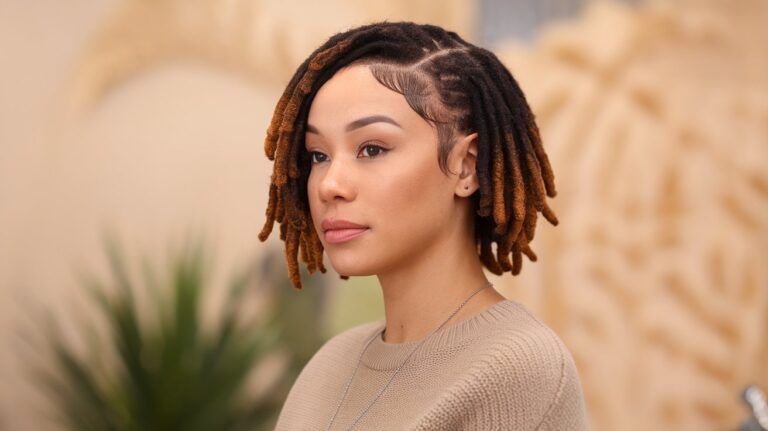
The LOC method creates a moisture sandwich that locks hydration into each strand, but short hair requires a different approach than the traditional techniques you might see online. Since shorter strands have less surface area, they absorb products differently and can become weighed down more easily if you use standard amounts meant for longer hair.
What Makes Short Hair Different
Short natural hair typically ranges from a TWA (teeny weeny afro) to about neck length, and within this range, the LOC method needs constant adjustment. Your hair’s ability to hold moisture changes as it grows, and what works at one inch might feel heavy at three inches. Professional stylists note that shorter hair often shows product buildup faster because there’s less length to distribute products across.
The liquid or leave-in conditioner step becomes particularly crucial with shorter lengths. Your hair needs enough moisture to penetrate the cuticle, but not so much that it takes hours to dry. Water-based leave-ins work best for most short styles, providing hydration without the weight that cream-based products might add at this initial stage.
Why Oil Selection Matters More
With shorter hair, the oil you choose can make or break your style. Lighter oils like grapeseed, argan, or jojoba work wonderfully for fine to medium textures, while thicker strands might benefit from slightly heavier options like avocado or olive oil. The key lies in understanding that short hair shows the effects of oil more immediately – too much creates a greasy appearance, while too little leaves hair feeling dry within hours.
The Science Behind Product Layering
Hair porosity plays a massive role in how your short style responds to the LOC method. Low porosity hair, which resists moisture absorption, needs lighter products and sometimes benefits from reversing the order to LCO instead. High porosity hair drinks up products quickly, so you might need to apply slightly more cream in the final step to seal everything in properly.
Temperature also affects how products penetrate short hair. Many professionals recommend slightly warming your oil between your palms before application, as this helps it spread more evenly across shorter strands. Some stylists even suggest using warm water for the liquid step if your hair tends to resist moisture absorption.
Common Application Mistakes
One frequent error people make involves applying products to soaking wet hair. While longer hair can handle excess water, short styles often become limp and undefined when oversaturated. Instead, hair should be damp but not dripping – think of the moisture level of a wrung-out washcloth.
Another mistake involves using the same amount of product on every section. The hair around your edges and nape often has a different texture and may need adjusted amounts. Your crown might be drier and need extra attention, while your sides might require a lighter touch. Professional stylists always customize their approach based on these variations.
Essential Products and Tools for Short LOC Success
Selecting the right products for short LOC styles requires understanding how formulations interact with your specific hair characteristics. Unlike longer styles where you might get away with heavier products, short hair demands precision in product selection to maintain bounce and definition without sacrificing moisture retention.
Leave-In Conditioner Guidelines
The foundation of any successful LOC application starts with your leave-in choice. For short styles, consistency matters tremendously. Spray leave-ins offer the most control for even distribution, especially on hair under two inches. These formulations penetrate quickly without creating heavy spots that can weigh down your style.
Cream leave-ins work better for slightly longer short styles or thicker textures that need more substantial moisture. Look for products that contain humectants like glycerin or aloe vera, but be mindful of humidity levels in your area. In high humidity, these ingredients might cause frizz, while in dry climates, they help maintain moisture balance throughout the day.
Choosing Your Perfect Oil
Professional stylists often blend oils rather than using a single type, creating custom mixtures that address multiple hair needs. A popular combination for short styles includes:
Base Oil (60%): Provides primary moisture sealing without excess weight
Penetrating Oil (30%): Enters the hair shaft for deep conditioning
Essential Oil (10%): Adds fragrance and specific benefits like stimulating growth
Carrier Addition: Vitamin E or rosehip for extra nourishment
The viscosity of your oil blend should match your hair density. Fine short hair thrives with lighter, quickly absorbing oils that won’t leave residue. Medium to thick density hair can handle slightly heavier oils that provide longer-lasting moisture protection. Many professionals recommend starting with less oil than you think you need – you can always add more, but removing excess requires rewashing.
Cream Selection Strategies
The final cream layer serves as your style definer and moisture sealant. For short natural styles, creams with medium hold work best because they provide definition without the crunch that gels might create. Look for creams that list water as the first ingredient, followed by natural butters like shea or mango.
Texture also plays a role in cream selection. Whipped creams distribute easily through short hair without requiring excessive manipulation. Thicker, more substantial creams work well for twist-outs and braid-outs on short hair, providing the hold needed for these styles to last multiple days. Your cream should complement your oil choice – if you used a heavy oil, opt for a lighter cream to prevent product overload.
Application Tools That Make a Difference
While fingers remain the most popular application method, certain tools can improve product distribution in short styles. A wide-tooth comb helps spread leave-in conditioner evenly, particularly important when dealing with varying textures across your head. Small spray bottles allow you to mist sections that dry too quickly during styling.
Denman brushes or similar styling brushes help define curl patterns in short hair, especially when used during the cream application stage. The bristles help smooth the product along the hair shaft while encouraging natural curl formation. For those with tighter textures, finger detangling during product application prevents unnecessary manipulation that might cause frizz.
Professional Techniques for Applying LOC on Short Styles
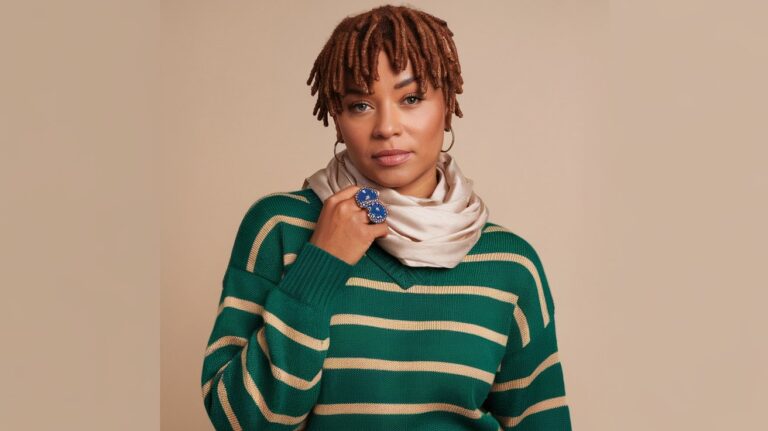
The application technique often determines whether your LOC style looks professional or amateur. Stylists spend years perfecting their methods, learning how hand movements, pressure, and timing affect the final result. These refined techniques can transform your at-home styling routine.
Strategic Sectioning Methods
Professional stylists rarely work through short hair randomly. Instead, they create systematic sections that account for growth patterns and texture variations. Start by dividing your hair into four main quadrants, then work with subsections about the width of your pinky finger. This size allows thorough product coverage without oversaturating any area.
Working from back to front prevents you from disturbing already-styled sections. Many professionals also suggest starting with your most challenging areas first – typically the crown or any spots where your texture differs significantly. This approach gives these areas the most attention when your hands aren’t tired from styling.
The way you hold each section matters too. Gentle tension helps products adhere to the hair shaft, but pulling too tightly can disrupt your natural curl pattern. Think of it as smoothing rather than stretching – you want to encourage your hair’s natural texture while adding definition.
Layering Like a Pro
Timing between product layers significantly impacts your final result. After applying your leave-in conditioner, wait about 30 seconds to one minute before adding oil. This brief pause allows the leave-in to begin penetrating the hair shaft without the oil creating a barrier too quickly.
Some stylists use the “prayer hands” method for oil application on short styles. Place a small amount of oil between your palms, rub them together, then smooth over each section with your hands pressed together like you’re praying. This technique provides even coverage without disrupting the curl pattern you’re trying to establish.
The Smoothing and Sealing Process
After oil application, the cream step requires the most finesse. Rather than rubbing cream through your hair, professional stylists often use a smoothing motion that follows the direction of hair growth. For the sides and back, this means smoothing downward. For the top, smooth in the direction you want your style to lay.
The amount of cream varies by section. Areas exposed to more environmental stress (like your edges and crown) might need slightly more product. However, the hair at your nape, which often stays more moisturized naturally, typically needs less. This graduated approach prevents product buildup while addressing each area’s specific needs.
Setting and Drying Strategies
How you dry your LOC style affects its longevity and appearance. Air drying preserves moisture best but takes longer with the multiple product layers. If you must use heat, a hooded dryer on low to medium heat works better than a blow dryer, which can disrupt your carefully crafted style.
Some professionals recommend “setting” your style for 10-15 minutes before touching it again. This means applying all products, shaping your style how you want it, then leaving it completely alone. This setting time allows products to begin bonding with your hair structure, creating longer-lasting definition. During this time, you might notice your hair beginning to cast or form a slight film – this is normal and will soften as your style fully dries.
Pattern Enhancement Techniques
Short styles often benefit from pattern enhancement techniques that longer hair doesn’t need. Finger coiling individual curls or small sections helps create uniform definition across your entire head. This technique works particularly well for areas where your natural pattern might be less defined or disrupted from sleeping.
The “shake and shape” method works wonderfully for very short styles under an inch. After product application, gently shake your head to allow curls to fall naturally, then use your fingertips to nudge any unruly pieces into place. This creates an organic-looking style that maintains definition without appearing overly manipulated.
Customizing Your LOC Routine by Hair Type
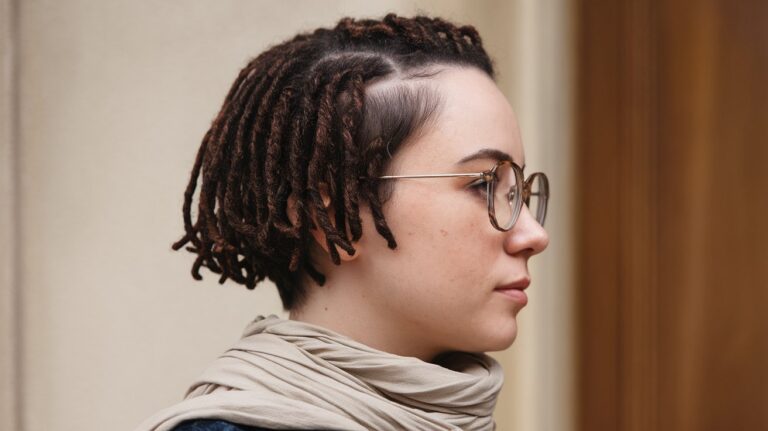
Your hair’s individual characteristics should drive every decision in your LOC routine. What works for someone else with short hair might not suit your specific texture, porosity, and density combination. Understanding these variables helps you create a truly personalized approach.
Fine Hair Modifications
Fine short hair requires the lightest possible approach while still achieving moisture retention. Start with diluted products – mix your leave-in conditioner with equal parts water in a spray bottle for more control over application. This prevents the heavy, limp appearance that fine hair develops when oversaturated with product.
For the oil step, consider using only three to four drops for your entire head. Warm the oil between your palms until it’s barely visible, then lightly pat over your hair rather than rubbing it in. Fine hair shows oil more readily, so less truly is more. Some people with fine hair find success using oil only on their ends and more dry-prone areas.
The cream application needs special attention for fine textures. Instead of applying cream directly to hair, try emulsifying it with a small amount of water in your palm first. This creates a lighter consistency that spreads more easily without weighing down your strands. Focus cream application on your ends and gradually work toward your roots, stopping about half an inch from your scalp.
Coarse Texture Adjustments
Coarse short hair can handle and often requires more substantial product application. Your leave-in can be a thicker consistency, possibly even a light cream rather than a liquid. This provides the foundational moisture that coarse strands need to remain supple throughout the styling process.
Double oil application sometimes works well for coarse textures – a light layer after the leave-in, then another light layer mixed into your cream. This technique provides moisture at multiple levels without creating the heavy buildup that might occur from using one thick oil application.
Porosity Considerations
High porosity hair absorbs products quickly but also loses moisture rapidly. For short high porosity styles, consider using a protein-containing leave-in conditioner once weekly to help fill gaps in the hair cuticle. On other days, focus on heavier creams and butters that create a stronger moisture barrier.
Low porosity hair needs help accepting moisture. Try applying your leave-in conditioner to warm, freshly washed hair when the cuticle is slightly raised. Some people find that using a steamer or warm towel over their hair after product application helps with absorption. The LCO method (switching oil and cream) often works better for low porosity short styles.
Combination Texture Strategies
Many people have multiple textures on their head, requiring a sectioned approach to the LOC method. Your edges might be finer than your crown, or your nape might be coarser than your sides. Map out these differences and adjust your product application accordingly.
Create a mental or even written map of your hair’s needs. The front might need lighter products to prevent an oily appearance, while the crown needs extra moisture to combat dryness. Some find success using different oils for different sections – perhaps jojoba for finer front sections and avocado oil for coarser back sections. This customization level might seem excessive, but it makes the difference between good and great results.
Maintaining Your LOC Style Throughout the Week
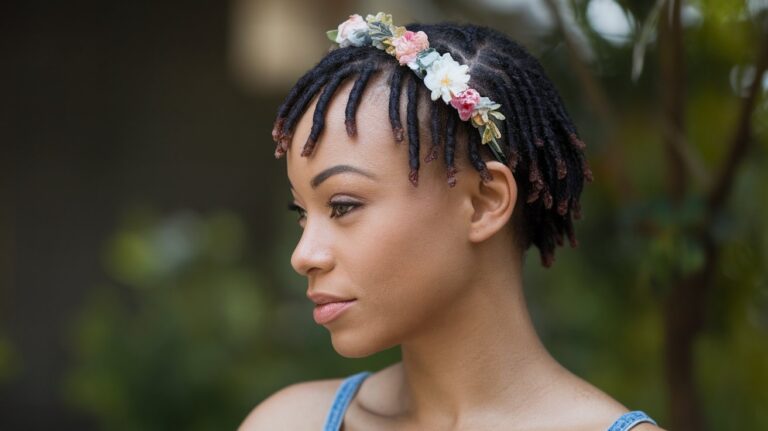
A successful LOC routine extends beyond initial application. How you maintain your style between wash days determines whether you get three days or a full week from your efforts. Professional maintenance strategies keep your short style looking fresh without complete restyling.
Daily Refresh Techniques
Morning refresh routines for short LOC styles should be quick and efficient. Keep a small spray bottle filled with water and a drop of your leave-in conditioner by your bathroom sink. A light mist followed by gentle scrunching or patting usually revives your style without adding heavy product buildup.
For areas that need more attention, try the “spot LOC” method. Apply a tiny amount of each product only to sections that look particularly dry or undefined. This targeted approach maintains moisture balance without overwhelming your entire style with daily product addition.
Night Protection Strategies
Short styles need different protection than longer hair. While satin bonnets work well, they sometimes flatten very short styles. Consider using a satin or silk pillowcase instead, which provides protection without compression. If you prefer head coverage, try a loose satin scarf tied at the front rather than the back to avoid nape friction.
Some professionals recommend the “pineapple modification” for short hair – loosely gathering just the top section with a soft scrunchie while leaving the sides and back free. This preserves volume at the crown without creating tension or weird indentations in your shorter sections. On nights before important events, you might even sleep with bobby pins strategically placed to maintain your preferred shape.
Mid-Week Moisture Boosts
By day three or four, short LOC styles often need a moisture boost. Rather than adding more cream, which can cause buildup, try a light oil mist. Mix your favorite oil with water and a tiny bit of leave-in conditioner in a spray bottle. The water reactivates existing products while the oil provides a fresh moisture seal.
Weather Adaptations
Environmental changes require routine adjustments. On humid days, your short LOC style might expand more than desired. Combat this by using slightly less cream initially and avoiding glycerin-heavy products. You might also benefit from a light holding spray that controls frizz without adding weight.
Cold, dry weather pulls moisture from short styles quickly. During winter months, consider adding a weekly deep conditioning treatment to your routine. On particularly harsh days, apply a tiny amount of oil to your fingertips and gently smooth over your style’s surface for extra protection. This creates a barrier against moisture-stripping elements without disturbing your established style.
Your Short Hair Journey
Finding your perfect LOC routine takes experimentation and patience, but the payoff in healthy, defined, moisturized hair makes the effort worthwhile. Short natural styles offer endless possibilities, from defined TWAs to textured pixie cuts, all enhanced by proper moisture retention techniques.
The professional techniques shared here provide a foundation, but your hair will teach you its specific needs over time. Pay attention to how it responds to different products, weather conditions, and application methods. Document what works in a hair journal or phone notes, creating your personal reference guide for achieving consistent results. With practice and the right approach, your short LOC style will become a signature look that showcases your natural texture’s beauty.
Frequently Asked Questions
Q: How often should I reapply the LOC method on short natural hair?
A: Most people with short styles reapply every 3-5 days, though this varies based on your hair’s moisture retention. Fine hair might need refreshing every 2-3 days, while thicker textures can often go a full week.
Q: Can I use the LOC method on relaxed or heat-damaged short hair?
A: Yes, the LOC method works on chemically treated and heat-styled hair, though you might need lighter products to avoid weighing down already fragile strands. Focus on protein-containing leave-ins to strengthen damaged areas.
Q: What’s the difference between LOC and LCO for short styles?
A: LOC applies oil before cream, while LCO reverses this order. LCO often works better for low porosity short hair, as the cream helps the oil penetrate rather than sitting on the surface.
Q: Should I use different products in summer versus winter?
A: Seasonal adjustments help maintain optimal moisture. Summer might require lighter oils and less cream due to humidity, while winter calls for heavier creams and more frequent oil application to combat dryness.
Q: How do I know if I’m using too much product on my short hair?
A: Signs of product overload include hair that feels sticky or tacky when dry, visible white residue, difficulty achieving volume, or styles that look wet even when fully dry. Start with less product and gradually increase.
Q: Can I do the LOC method on dry hair or does it have to be wet?
A: While traditionally done on damp hair, you can modify the method for dry hair by using lighter products and adding a water mist first. This works well for mid-week refreshing.
Q: What if my short hair gets frizzy after using the LOC method?
A: Frizz usually indicates either too much humectant in humid weather, not enough cream to seal, or excessive manipulation during application. Adjust your products and try smoother application techniques.
Q: Is it necessary to use all three steps or can I skip one?
A: While all three steps provide optimal results, you can modify based on your needs. Very fine hair might skip oil occasionally, while coarse hair should never skip any step.

