

Key Takeaways
- Nine distinct variations available: Dark chocolate brown ranges from classic solid color to dimensional looks with caramel, copper, cherry, and praline tones, plus modern finishes like glass hair.
- Skin tone compatibility varies by variation: Warm undertones work best with caramel and copper highlights, while cool skin tones shine with ashy dark chocolate. Neutral tones can pull off most variations.
- Maintenance requirements differ significantly: Solid dark chocolate needs touch-ups every six to eight weeks, while highlighted variations require eight to twelve weeks. Glass hair demands the most upkeep with weekly treatments.
- Dimension adds expensive-looking depth: Variations with highlights, lowlights, or multi-tonal application create thickness and movement that elevate your overall appearance beyond flat, single-process color.
- Professional coloring ensures best results: Complex techniques like balayage, cherry velvet tones, and glass hair treatments require salon expertise. Simple solid applications can work at home for darker starting points.
- Color-safe products are non-negotiable: Sulfate-free shampoo, cool water washing, weekly deep conditioning, and heat protection extend color life and maintain the rich, glossy finish across all variations.
Dark chocolate brown hair dye has become one of the most sought-after colors for women wanting to look polished and refined. This rich, decadent shade offers a glossy finish that catches light beautifully. The color works across different skin tones and hair textures, making it accessible for everyone.
The beauty of this shade lies in its versatility. You can go for a solid, one-dimensional look or add dimension with highlights and lowlights. The color ranges from deep espresso tones to softer milk chocolate variations with warm undertones. Each version brings its own character and sophistication to your overall appearance.
We’ve gathered nine stunning variations of this color that can transform your look completely. From classic solid shades to modern twists with caramel ribbons and copper hints, there’s something here for every preference. Each variation has been chosen based on current trends and what actually works in real life. Ready to find your perfect match? Let’s get started.
- Key Takeaways
- Classic Dark Chocolate Brown
- Dark Chocolate with Caramel Highlights
- Espresso Dark Chocolate
- Cherry Velvet Chocolate Brown
- Ashy Dark Chocolate Brown
- Dark Chocolate with Copper Undertones
- Hazelnut Praline Chocolate
- Cappuccino Dark Chocolate
- Dark Chocolate Glass Hair
- Your Dark Chocolate Brown Transformation Awaits
- Frequently Asked Questions
Classic Dark Chocolate Brown
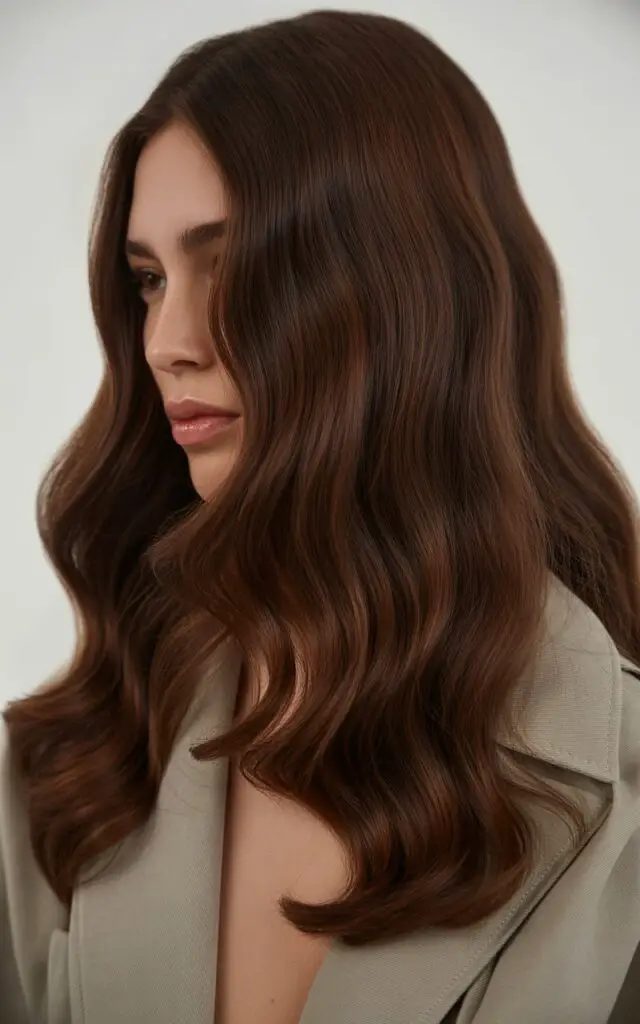
This timeless shade serves as the foundation for all other variations. The color sits between black and medium brown, offering depth without appearing too harsh. You’ll notice how this shade brings out your natural features while giving you a polished appearance.
The Perfect Base Color
Think of this variation as your reliable go-to option. The pigment is rich and consistent throughout your hair. Many women choose this as their first step into darker territory because it’s easy to maintain and doesn’t require frequent touch-ups. Your roots blend seamlessly as they grow out, which means fewer salon visits.
The application process is straightforward. Your colorist will typically use a single-process color that covers your entire head evenly. The result looks natural yet refined. Does it work for all hair types? Absolutely. Whether you have fine, thick, straight, or curly hair, this shade adapts beautifully.
Maintenance Requirements
Keeping this color vibrant requires minimal effort. You’ll need a color-safe shampoo and conditioner to prevent fading. Washing your hair two to three times per week helps preserve the richness. The color typically lasts six to eight weeks before needing a refresh.
Heat styling won’t damage the color as much as lighter shades. However, using a heat protectant spray is still recommended. Your hair will maintain its shine better with regular deep conditioning treatments every two weeks.
Best Suited For
This shade complements women with warm and neutral skin tones particularly well. If you have brown or hazel eyes, the color will make them pop. Cool skin tones can pull it off too, but may need to add ashy undertones to balance the warmth.
Professional settings appreciate this color’s sophistication. You’ll look put-together without appearing overdone. The shade transitions seamlessly from office meetings to evening events.
Consider this option if you want a low-maintenance change. The color doesn’t scream for attention but definitely gets noticed. Women who prefer understated elegance find this variation perfect for their lifestyle.
Dark Chocolate with Caramel Highlights
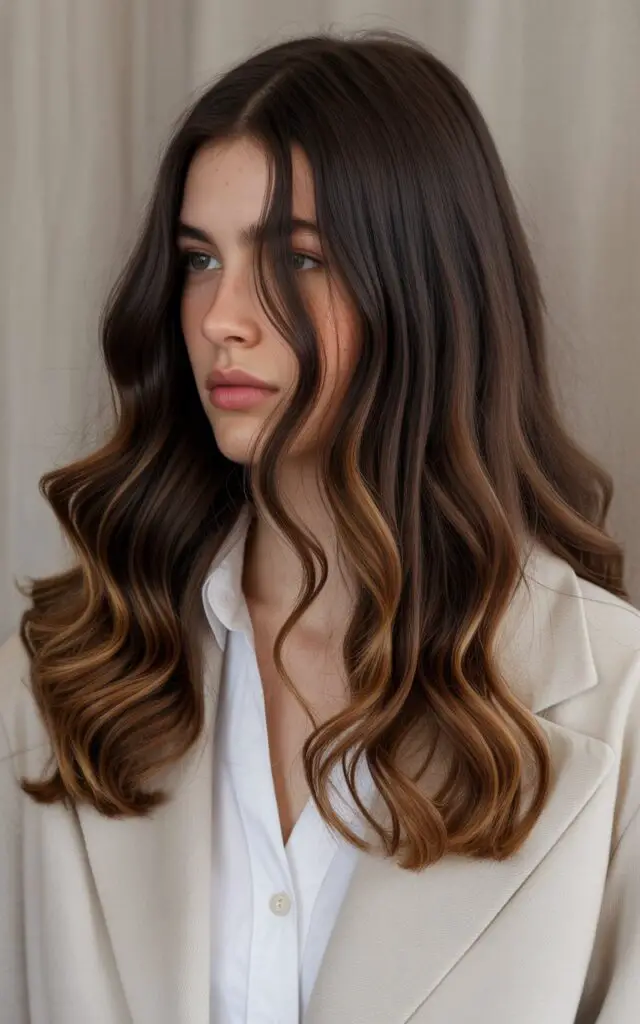
Adding caramel ribbons to your dark base creates stunning dimension. This combination has dominated salons for good reason. The contrast between dark and light tones makes your hair look thicker and more textured.
Creating Depth and Dimension
Your stylist will paint caramel highlights strategically throughout your hair. The placement matters more than you might think. Face-framing highlights brighten your complexion instantly. Mid-length and end highlights create movement when you turn your head.
How much caramel should you add? That depends on your desired contrast level. Some women prefer just a few ribbons for a natural sun-kissed effect. Others go bolder with more pronounced highlights. Both approaches work beautifully with the dark chocolate base.
Color Placement Strategy
Balayage technique works best for this variation. Your colorist hand-paints the highlights for a more organic look. The color graduates from dark at the roots to lighter at the ends. This method looks natural and grows out gracefully.
Maintenance Schedule
Highlights require more upkeep than solid color. You’ll need touch-ups every eight to twelve weeks. Purple-toned shampoo helps prevent the caramel from turning brassy. Weekly hair masks keep both the dark and light sections healthy.
The investment is worth it. Your hair gains incredible dimension that catches light from every angle. Moving your head shows off different tones throughout the day.
Styling Benefits
This variation looks amazing with both straight and wavy styles. Curls and waves showcase the highlights beautifully. Even a simple ponytail appears more interesting with this color combination. Here’s what makes it special:
Versatility: Works for casual and formal occasions equally well.
Face-Framing: Brightens your features naturally.
Texture Enhancement: Makes fine hair appear fuller.
Low Commitment: Grows out naturally without harsh lines.
Women with medium to long hair show off this color best. The length allows the highlights to be distributed effectively. Short hair can work too, but requires more strategic placement around the face.
Espresso Dark Chocolate
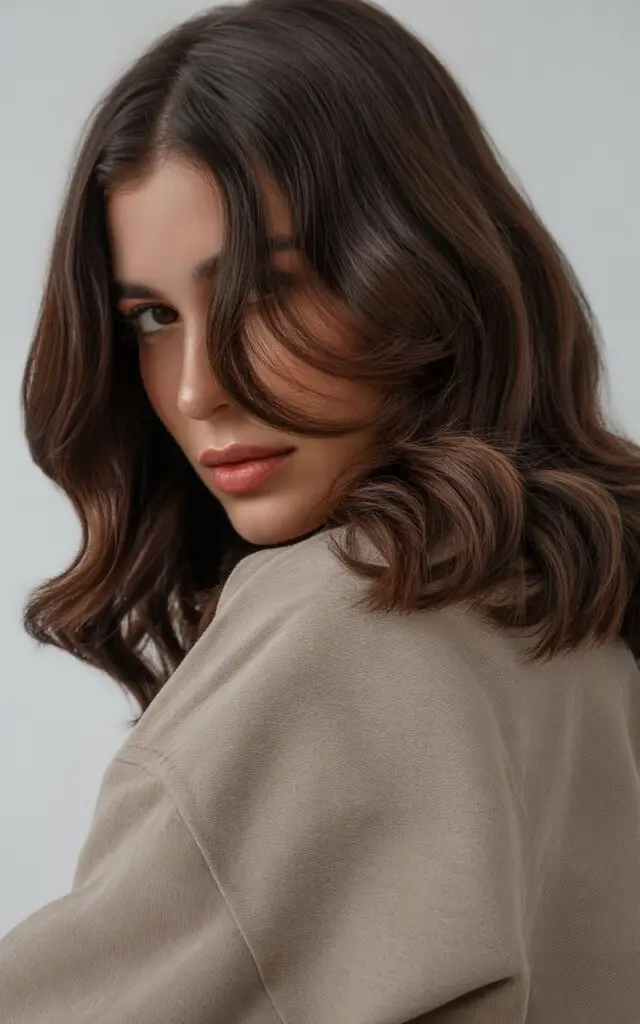
This variation takes the darkness up several notches. The color sits closer to black but maintains brown undertones. It’s perfect for women who want drama without going completely black.
The Richest Brown Shade
Espresso offers incredible depth and intensity. Your hair will look almost black indoors but shows its brown tones in sunlight. This creates a fascinating color shift throughout the day. People will notice the richness immediately.
The pigment in this shade is highly concentrated. One application gives you full coverage that lasts. Gray hair disappears completely under this color. Your hair appears thicker due to the dark, uniform tone.
Application Process
Achieving this color requires skill. Your colorist needs to ensure even saturation from roots to ends. Processing time runs longer than lighter browns. The result is worth the wait – a luxurious, velvety finish that photographs beautifully.
Does pre-lightening ever happen with this shade? Rarely. Most hair types can go straight to espresso without bleaching. This protects your hair from unnecessary damage.
Who Should Try This
Women with dark eyes look particularly striking with this color. Brown, black, and deep green eyes gain intensity. Your features become more defined against the dark frame.
Fair to medium skin tones need to consider their undertones. Cool-toned skin pairs beautifully with espresso. Warm-toned skin might want to add subtle caramel lowlights for balance.
Style Pairings
This color demands attention with minimal styling. A sleek straight look appears sophisticated and modern. Loose waves add softness while maintaining elegance. Even messy buns look intentional with this rich shade.
Your makeup routine might need adjusting. Darker hair typically requires slightly bolder makeup to balance your features. This doesn’t mean going overboard – just defining your features more clearly.
Professional women love this variation for its commanding presence. You’ll appear confident and polished in any setting. The color pairs perfectly with both neutral and bold clothing choices.
Cherry Velvet Chocolate Brown
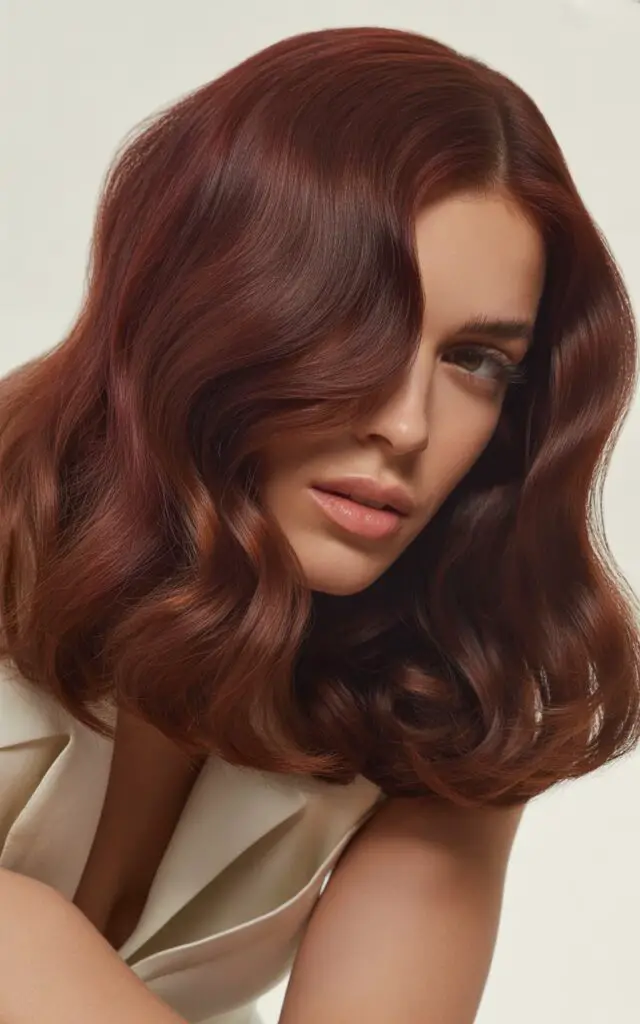
This variation adds a surprising twist with red undertones. The base remains dark chocolate, but hints of cherry peek through in certain lighting. It’s an excellent choice for women wanting something different without going too bold.
Understanding the Red Undertones
The cherry tones are very contained in this variation. You won’t look like you have red hair. Instead, the color shifts between brown and burgundy depending on the light. Natural sunlight brings out the red most prominently.
Your colorist achieves this by mixing brown with subtle red pigments. The ratio is carefully calculated to maintain the chocolate base. Too much red and you lose the sophistication. The right balance creates magic.
Seasonal Appeal
This color shines particularly bright during fall and winter months. The warmth complements cozy sweaters and darker clothing. However, it works year-round for women who love rich, warm tones. Spring and summer sun intensifies the cherry undertones beautifully.
Maintenance Considerations
Red pigments fade faster than other colors. You’ll need color-depositing shampoo to maintain vibrancy between salon visits. These products refresh the cherry tones without requiring full color application. Using them once or twice weekly keeps the color fresh.
Cold water rinses help seal the color molecules. Hot water opens the hair cuticle and lets pigment escape. This simple switch in your routine makes a noticeable difference in color longevity.
Ideal Candidates
Women with warm skin tones look phenomenal with this variation. The cherry undertones complement golden and peachy complexions naturally. Fair skin gains a healthy glow from the warmth. Olive skin tones also work well with this color.
Your natural hair color influences the final result. Starting with naturally dark hair gives you the best outcome. Lighter hair requires more pigment deposit, which can affect how the cherry tones develop. Here’s what to consider:
Skin Warmth: Works best with warm or neutral undertones.
Eye Color: Enhances green, hazel, and brown eyes beautifully.
Natural Base: Darker starting points yield richer results.
Personality: Perfect for women who want refined boldness.
This variation suits women who appreciate nuance in their appearance. You get complexity without sacrificing professionalism. The color reads as sophisticated brown in most settings but reveals its depth to those who look closely.
Ashy Dark Chocolate Brown
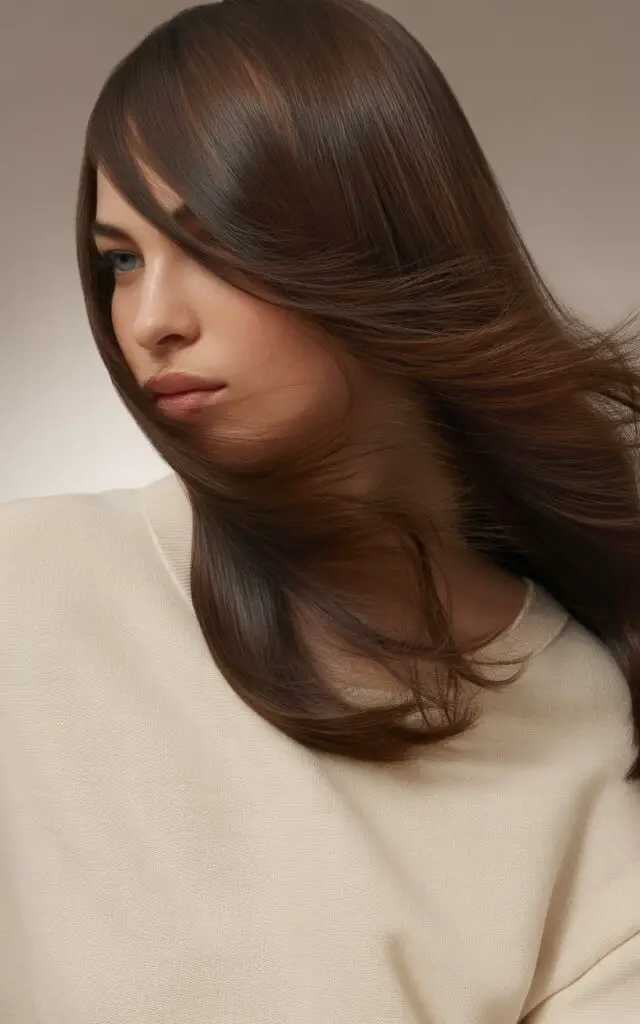
Cool-toned women have found their perfect match. This variation strips away warmth and adds ash to create a modern, edgy look. The result is sophisticated without being cold or harsh.
The Cool-Toned Alternative
Most chocolate browns lean warm naturally. This version flips that script completely. Your colorist neutralizes red and orange tones, then adds cool ash pigments. The final color appears silvery-brown in certain lights.
Why choose ash over warmth? Some skin tones simply look better with cool colors. If gold jewelry doesn’t flatter you but silver does, this variation is calling your name. The color creates a striking contrast against pink or blue undertones in your skin.
Technical Considerations
Achieving true ash requires removing existing warm tones first. Your hair might need toning before applying the ashy chocolate. This process takes longer but delivers results that basic box dyes can’t match.
The color doesn’t have that brassy quality that plagues other browns. You’ll maintain a clean, modern look without golden reflections. Indoor and outdoor lighting show consistent tones.
Styling for Maximum Impact
This shade looks incredible with sleek, straight styles. The cool tones read as very polished and intentional. Glossy finishes enhance the ashy quality beautifully. Consider using shine serums after styling to amplify the effect.
Curly and wavy styles work too. The texture adds interest while the color keeps things sophisticated. Beach waves appear more refined with this variation than with warm browns.
Wardrobe Compatibility
Your clothing choices gain new flexibility with this color. Cool-toned hair pairs perfectly with black, navy, gray, and jewel tones. Pastels look fresh rather than washed out. Even neutrals appear more elevated.
Silver jewelry becomes your best accessory friend. The metals complement each other perfectly. Rose gold works too if you want slight warmth in your accessories.
Best Matches
Women with cool or neutral skin tones thrive with this variation. Pink, red, or blue undertones in your skin harmonize with the ash. Very warm skin tones might find the color too stark, though strategic makeup can bridge that gap.
Blue, gray, and green eyes look particularly striking. The cool hair color makes eye color appear more vibrant by comparison. Brown eyes gain interesting depth against this backdrop.
This variation suits modern, fashion-forward women. You’ll stand out without trying too hard. The color is conversation-worthy while remaining professionally appropriate.
Dark Chocolate with Copper Undertones
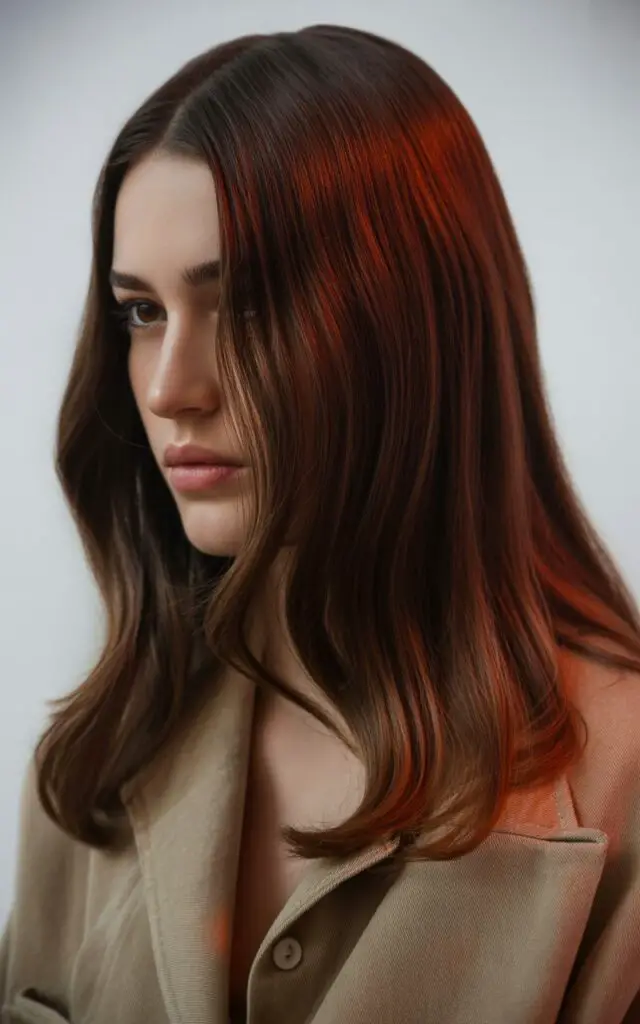
Copper adds unexpected warmth and vibrancy to the dark chocolate base. This variation catches light beautifully, creating a luminous effect. The color appears to glow from within rather than sitting flat on your hair.
Warm Metallic Dimension
The copper tones aren’t obvious at first glance. They reveal themselves as light hits your hair from different angles. This creates a living color that changes throughout the day. Indoor lighting brings out the chocolate, while sunlight highlights the copper.
Your stylist achieves this by layering copper-toned pigments into the chocolate base. The technique requires precision to avoid looking too red. The goal is warmth, not fire engine tones.
Skin Tone Harmony
This variation flatters a wide range of complexions. Warm skin tones find their perfect match here. The copper enhances golden undertones naturally present in your skin. Fair skin gains warmth without appearing washed out. Medium to olive skin tones look sun-kissed and healthy.
Does it work for cool skin tones? Sometimes. If you have neutral-leaning-cool skin, the warmth can actually balance your complexion nicely. Very cool skin might find it too warm, though personal preference always matters most.
Application Method
Your colorist will likely use a multi-tonal approach. The darkest chocolate serves as the base throughout. Copper tones get concentrated in certain areas for dimension. Face-framing sections receive more copper to brighten your features.
The copper can be applied as highlights or mixed throughout the color. Highlights create more dramatic contrast. Mixed application gives an overall glow. Both methods deliver beautiful results.
Longevity and Care
Copper tones maintain their vibrancy longer than some expect. The dark chocolate base protects the lighter copper pigments. You’ll need color-safe products, but the upkeep isn’t excessive. Touch-ups every six to eight weeks keep things fresh. Consider these care tips:
Sun Protection: Wear hats or use UV-protectant sprays to prevent fading.
Temperature Control: Cool water rinses help seal color molecules.
Conditioning: Weekly deep treatments maintain shine and color vibrancy.
Product Selection: Sulfate-free formulas extend color life significantly.
Women with naturally brown or auburn hair transition into this shade easily. The copper feels like a natural progression rather than a jarring change. Those starting from blonde need more careful application to achieve the right depth.
Hazelnut Praline Chocolate
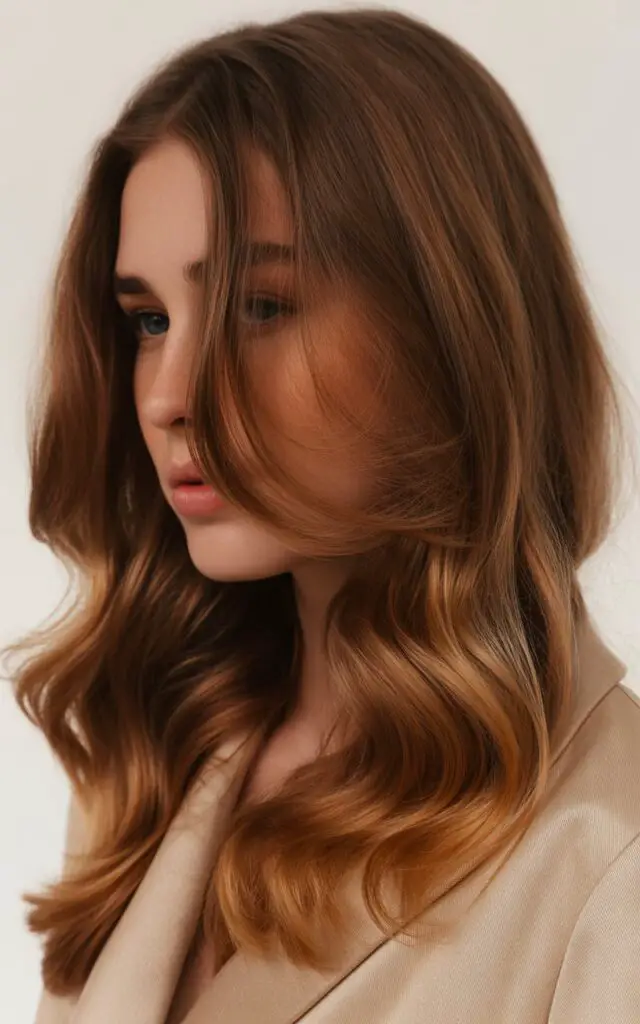
This delicious variation combines dark chocolate with nutty, caramel-like tones. The result is softer than pure dark chocolate but still maintains richness. It’s an excellent middle ground for women wanting warmth without going too light.
Nutty Warmth
The hazelnut tones bring a toasted quality to your hair. This isn’t golden or blonde – it’s distinctly brown with a warm, roasted character. The praline aspect adds slight reddish-caramel notes that peek through in bright light.
Think of this color as sophisticated warmth. You get the depth of dark chocolate with the approachability of lighter tones. The combination feels expensive and intentional.
Multi-Dimensional Application
Your colorist creates this look through strategic color placement. The darkest tones sit at your roots and underneath layers. Hazelnut praline tones weave through mid-lengths and ends. This creates natural-looking dimension that mimics how sun naturally lightens hair.
How much contrast should you aim for? That depends on your preference. Some women want just a hint of praline. Others prefer more pronounced nutty tones. Both versions look polished and well-executed.
Texture Enhancement
This variation makes your hair texture more visible. The color shifts show off waves, curls, and layers beautifully. Straight hair gains visual interest from the tonal changes. The nutty highlights catch light and create movement.
Women with fine hair particularly benefit from this technique. The dimension makes hair appear thicker and fuller. Each strand seems to have more body and presence.
Maintenance Reality
The praline tones need protection from fading. Color-depositing masks once weekly help maintain vibrancy. These treatments refresh the nutty tones without requiring salon visits. Regular deep conditioning keeps both the dark and light sections healthy.
You’ll want touch-ups every eight to ten weeks. The color grows out gracefully because of the dimensional placement. Roots don’t create harsh lines, which buys you extra time between appointments.
Perfect For
This variation suits women wanting a change without going too bold. The color is noticeable but not shocking. You can ease into darker hair without committing to solid espresso tones. Office environments appreciate the professional yet stylish appearance.
Warm to neutral skin tones look particularly good with this option. The nutty warmth complements golden undertones beautifully. Fair skin gains healthy color. Medium to tan skin tones appear radiant against this backdrop.
Brown and hazel eyes get enhanced by the warm tones. Green eyes gain interesting depth from the contrast. Even blue eyes can work if your skin tone supports the warmth.
Cappuccino Dark Chocolate
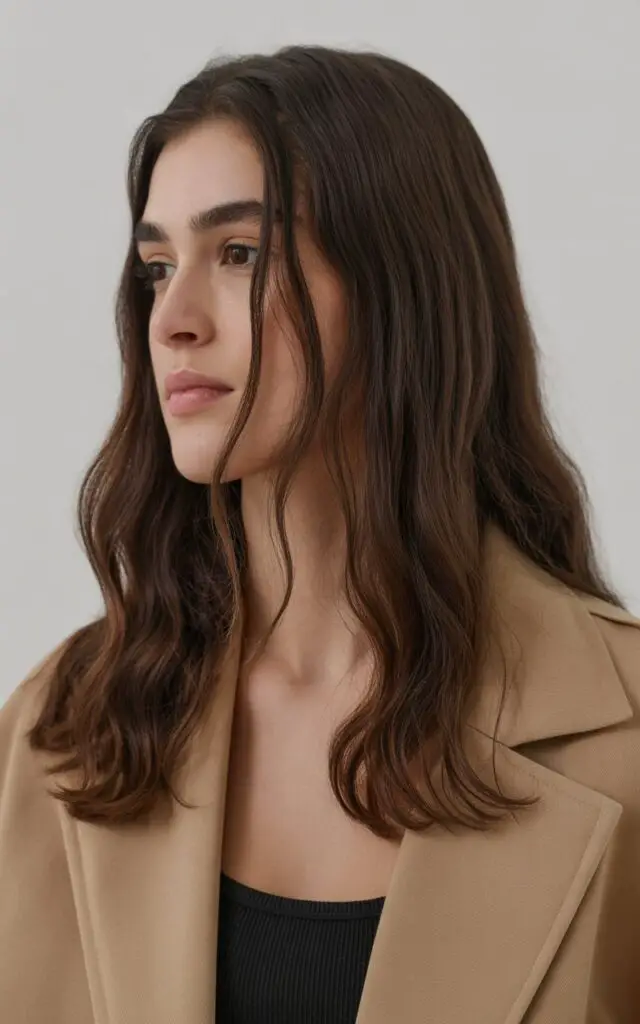
This variation blends dark chocolate with creamy beige tones reminiscent of your morning coffee drink. The color is softer than pure dark chocolate while maintaining sophistication. It’s perfect for women wanting a gentler approach to darker hair.
Creamy Coffee Tones
The cappuccino effect comes from mixing cool and warm browns together. Your base remains dark chocolate, but lighter beige-brown tones get painted throughout. The result is a balanced color that isn’t too warm or too cool. The creaminess softens the overall appearance.
This color photographs beautifully. The dimension shows up clearly in pictures without looking striped or chunky. Natural light makes the beige tones glow.
Balayage Application
Your stylist will use balayage technique to create this look. The hand-painted highlights blend seamlessly with your base. The color transitions smoothly from dark roots to lighter ends. No harsh lines interrupt the flow.
The beauty of this method is its flexibility. You can go subtle with just a few painted sections. Or you can request more coverage for dramatic results. Both approaches yield the cappuccino effect.
Versatility Factor
This variation works across different hair lengths and textures. Short hair shows off the face-framing highlights beautifully. Medium length allows for nice color distribution. Long hair gives the color room to fully develop from root to tip.
Straight hair displays the color transitions clearly. Wavy and curly hair creates interesting interplay between dark and light sections. The texture enhances the dimensional effect naturally.
Care Requirements
Maintaining this color requires commitment to quality products. Color-safe shampoo prevents the beige tones from turning brassy. Purple shampoo once weekly neutralizes any unwanted warmth. Deep conditioning treatments keep all sections healthy and shiny.
Heat styling needs protection. The lighter sections are more vulnerable to damage than the dark base. Always use heat protectant spray before blow-drying or using hot tools. These products help maintain color integrity while protecting hair structure. Here’s your care routine:
Washing: Twice weekly maximum to preserve color.
Conditioning: Deep treatment every seven to ten days.
Styling Protection: Heat protectant on all lighter sections.
Color Maintenance: Purple shampoo to control warmth in beige tones.
Women with all skin tones can pull off this variation. The balanced nature of the color makes it universally flattering. Fair skin looks healthy rather than washed out. Darker skin tones gain beautiful contrast.
This color suits professional environments perfectly. You look put-together without appearing overly trendy. The sophistication level is high, making it ideal for women in corporate settings or creative fields alike.
Dark Chocolate Glass Hair
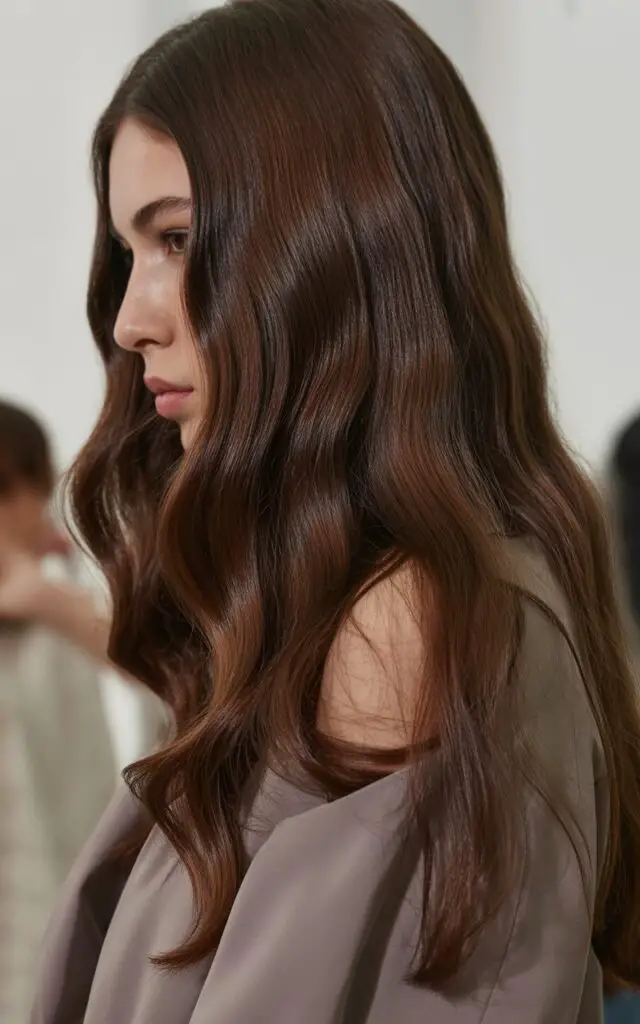
This cutting-edge variation focuses on creating mirror-like shine alongside color. The dark chocolate serves as your base, but the real star is the glossy, reflective finish. Your hair will literally look like glass – smooth, sleek, and incredibly shiny.
The Glass Effect
Glass hair isn’t just about color – it’s about texture and shine too. Your colorist uses special glossing treatments that seal the hair cuticle completely. The result is a reflective surface that bounces light dramatically. The dark chocolate color appears deeper and richer because of the extreme shine.
This technique originated from Korean beauty trends. The focus on achieving flawless, glassy surfaces in skincare translated beautifully to hair. Now it’s available in salons worldwide.
Treatment Process
Creating glass hair requires multiple steps. First comes the color application. Then your stylist applies glossing treatments that seal everything in place. These treatments fill in any rough spots on the hair shaft. The cuticle lies flat, creating that glass-like surface.
The process takes longer than regular coloring. Budget extra time for your appointment. The results last longer too, making the time investment worthwhile.
Maintenance Demands
This variation requires the most maintenance of all options listed. You’ll need weekly hair masks to maintain the glassy finish. Sulfate-free products are mandatory – harsh ingredients destroy the smooth surface. Silk pillowcases help prevent friction that roughens the cuticle overnight.
Heat styling requires extra caution. Use the lowest effective temperature on your tools. Too much heat breaks down the glossing treatments. When possible, air-dry your hair to preserve the glass effect longer.
Touch-ups every four to six weeks keep the shine at its peak. The color lasts longer, but the gloss diminishes over time. Regular treatments maintain that jaw-dropping reflectivity.
Best Candidates
Women with naturally straight or slightly wavy hair achieve the best glass effect. Very curly or coily hair can get the treatment too, but requires straightening to show the full glass finish. The smoothness is key to the reflective quality.
If you’re willing to invest time and money into maintenance, this variation delivers show-stopping results. Your hair becomes a statement piece. People will ask about your hair constantly.
This color works across all skin tones because the shine is universally flattering. The light-reflecting quality brightens your entire appearance. Your face looks more radiant by association.
Women in creative fields or those who love fashion-forward looks will appreciate this variation. It’s bold without being colorful. The sophistication level is extremely high.
Your Dark Chocolate Brown Transformation Awaits
Finding the right shade transforms more than just your hair. The confidence boost from a color that truly suits you affects how you carry yourself daily. Dark chocolate brown offers endless possibilities for customization. Each variation brings its own character and appeal to your personal style.
The investment in professional coloring pays off in compliments and personal satisfaction. Your hair becomes one of your best features when the color is right. Whether you choose classic solid color or dimension with highlights, the richness of dark chocolate brown elevates your entire appearance. Take these ideas to your colorist and start your transformation today.
Frequently Asked Questions
Q: How long does dark chocolate brown hair dye typically last?
A: The longevity depends on your variation and maintenance routine. Solid dark chocolate color lasts six to eight weeks before needing a full touch-up. Variations with highlights or dimension can stretch to eight to twelve weeks. Using color-safe shampoo, washing less frequently, and avoiding excessive heat styling all extend your color life. Color-depositing treatments between salon visits help maintain vibrancy.
Q: Can I achieve dark chocolate brown hair at home or should I visit a salon?
A: Simple solid color applications can work at home if you’re starting from medium to dark brown hair. However, variations with highlights, dimension, or multiple tones require professional application. Box dyes can’t replicate the customization a colorist provides. For the glass hair or any technique involving multiple steps, salon visits are necessary. The investment in professional coloring prevents expensive color corrections later.
Q: Will dark chocolate brown work with my gray hair?
A: Yes, dark chocolate brown covers gray hair excellently. The rich pigment provides full coverage in one application. Gray hair often takes color beautifully because it’s more porous. You may need touch-ups slightly more frequently as grays grow in, typically every four to six weeks. The darkness of the shade ensures grays don’t show through as quickly as lighter colors would.
Q: How do I prevent my dark chocolate brown from fading to brassy tones?
A: Use sulfate-free, color-safe shampoo and conditioner exclusively. Wash your hair in cool water rather than hot, as heat opens the cuticle and releases color molecules. Apply purple-toned shampoo once weekly if you have highlights to neutralize warmth. Limit sun exposure or use UV-protectant sprays. Avoid chlorine in pools, which strips color rapidly. Weekly deep conditioning treatments seal the cuticle and lock in color.
Q: What skin tones look best with dark chocolate brown hair?
A: Dark chocolate brown is remarkably versatile across skin tones. Warm and neutral skin tones naturally complement the color’s richness. Cool skin tones work well with ashy variations of dark chocolate. Fair skin gains definition from the contrast. Medium to tan skin tones appear radiant against the deep color. Olive skin looks particularly stunning with this shade. The key is choosing the right undertone variation for your specific coloring.
Q: Can I swim with dark chocolate brown hair color?
A: You can swim, but precautions are necessary. Chlorine and salt water both strip color and cause fading. Wet your hair with clean water before swimming to reduce absorption of pool or ocean water. Wear a swim cap when possible. After swimming, rinse immediately with fresh water and use a clarifying shampoo followed by deep conditioner. Limit swimming frequency if possible, especially in the first two weeks after coloring when color molecules are still settling.
Q: How often should I trim my hair with this color?
A: Regular trims every six to eight weeks maintain healthy-looking colored hair. Dark colors make split ends more visible, so keeping ends fresh is important. Trims remove damaged sections that don’t hold color as well. If you have highlights or dimension, regular trims prevent the color from looking choppy or uneven. Healthy hair also reflects light better, enhancing the richness of your dark chocolate brown.
Q: What’s the difference between dark chocolate brown and espresso brown?
A: Dark chocolate brown sits firmly in the brown family with noticeable brown tones in all lighting. Espresso brown is darker, appearing almost black indoors but revealing brown undertones only in bright light. Espresso has more depth and intensity. Dark chocolate offers slightly more versatility and appears less severe. Both are beautiful options depending on how dramatic you want to go.
Q: Can I add highlights to my dark chocolate brown later if I want more dimension?
A: Absolutely. Starting with solid dark chocolate brown gives you an excellent base for adding highlights later. Your colorist can paint in caramel, copper, or praline tones whenever you’re ready. This is actually a smart approach if you’re unsure about dimension initially. You can ease into more complex coloring gradually. The solid base makes highlight placement easier and results more predictable.
Q: Will dark chocolate brown damage my hair?
A: The damage level depends on your starting color and hair condition. Going darker typically causes less damage than lightening. If you’re starting from blonde or require lifting first, some damage is inevitable. Professional products and proper application minimize harm. Maintaining healthy hair through regular conditioning treatments, limiting heat styling, and using quality products keeps colored hair in good condition. The darker pigment actually provides some protection against environmental damage.

