

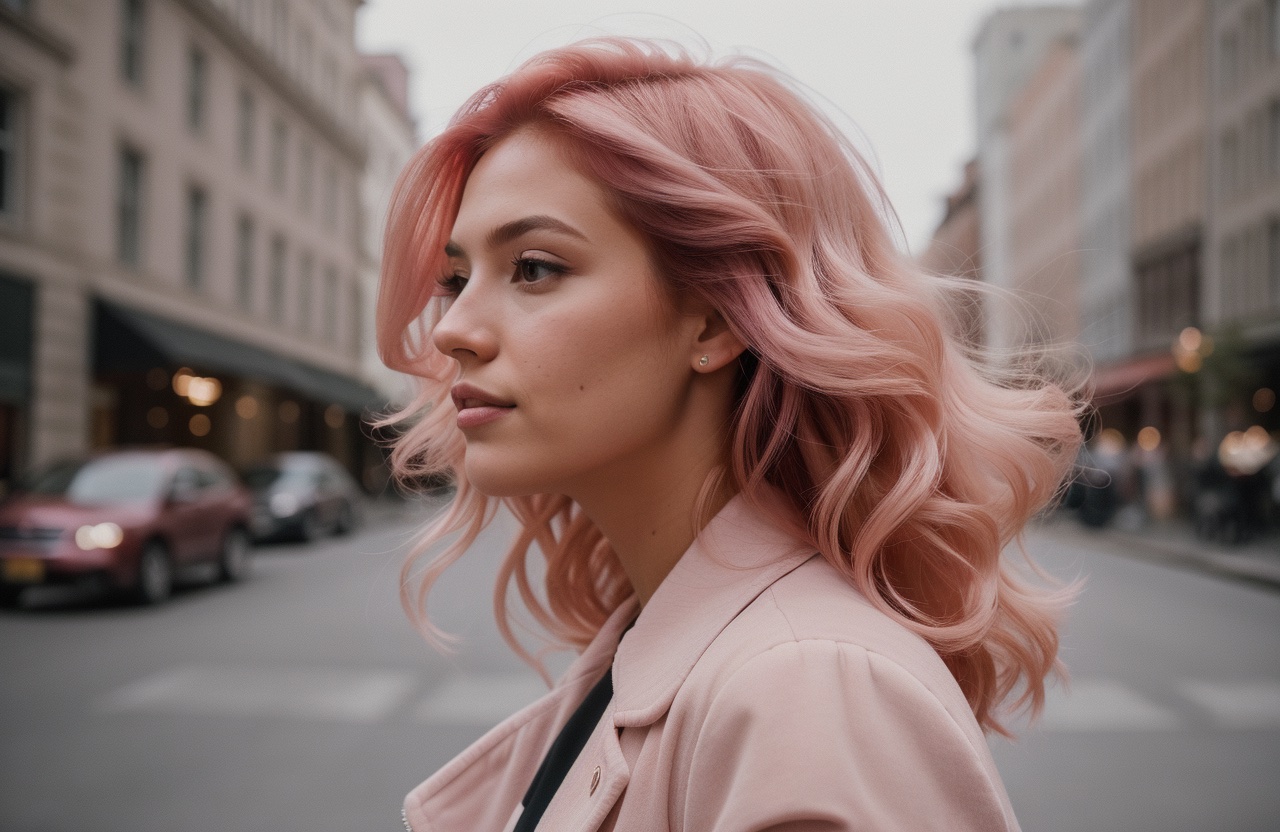
Height perception involves more than just physical stature – your hairstyle plays a surprisingly significant role in how tall you appear to others. The right hair techniques can add several visual inches to your frame, creating an elongating effect that makes you stand taller and more confident. These simple adjustments to your hair routine require no special skills or expensive treatments, just strategic choices about volume, placement, and styling direction.
Your hair acts as a natural frame for your face and body, influencing proportions in ways you might not realize. Just as certain clothing styles can lengthen your silhouette, specific hair techniques direct the eye upward and create vertical lines that stretch your overall appearance. The relationship between hair and height perception relies on basic visual principles that anyone can master with the right guidance.
Understanding these seven hair tricks will transform how you approach your daily styling routine. We’ll explore everything from strategic volume placement to color techniques that add vertical dimension, plus the best cuts and accessories for maximizing height. Each method works independently or combines with others for even more dramatic results, giving you multiple options to suit your personal style and hair type.
What Makes Hair Add Height to Your Appearance
The science behind height-enhancing hairstyles centers on how our eyes process visual information. When vertical lines dominate your overall appearance, the brain naturally perceives greater height. Your hair creates these crucial vertical lines through strategic styling, directing attention upward rather than outward. This optical illusion works similarly to how vertical stripes on clothing create a lengthening effect.
The visual impact of vertical lines
Vertical movement in your hairstyle immediately draws the eye upward, creating an elongating effect that adds perceived inches to your frame. Straight, sleek styles that fall downward work better than horizontal waves or curls that expand outward. The key lies in maintaining continuous lines from your crown to your shoulders without interruption.
Think about how a waterfall flows – that downward motion creates length and elegance. Your hair can mimic this same principle through careful styling choices. Avoid horizontal elements like blunt bangs cut straight across or side-swept styles that create width rather than height.
How proportions affect perceived height
The relationship between your head size and body creates crucial proportions that influence height perception. A hairstyle that’s too voluminous makes your head appear larger, which can actually make you look shorter overall. Conversely, sleek styles that minimize width while adding subtle height at the crown create ideal proportions for a taller appearance.
Your facial features also play into these proportions. Hairstyles that elongate your face naturally extend into creating a taller overall impression. This means choosing styles that add height at the top while keeping sides relatively close to your head.
Color and dimension tricks
Strategic color placement can create incredible vertical effects in your hair. Lighter tones placed at your crown draw the eye upward, while darker shades at the sides minimize width. This technique, often called vertical highlighting, creates dimension that adds visual height without requiring dramatic style changes.
Consider how artists use light and shadow to create depth in paintings – your hair colorist can apply these same principles. Subtle gradients running from roots to ends create continuous vertical movement that elongates your entire silhouette. Avoid horizontal color blocks or stark contrasts that break up the vertical flow.
The placement of highlights matters just as much as their color. Concentrating lighter pieces around your face and crown while keeping underneath sections darker creates an uplifting effect. This strategic approach to color makes your hair appear to reach skyward rather than spreading horizontally.
The role of volume placement
Where you place volume in your hairstyle dramatically affects height perception. Volume concentrated at your crown adds literal inches to your height, while volume at the sides creates width that can make you appear shorter. Understanding this principle transforms how you approach blow-drying, teasing, and product application.
Root lift becomes your best friend when aiming for added height. Focus your efforts on the top sections of your hair, using round brushes and lifting techniques to create elevation exactly where it counts. Meanwhile, keep the sides smooth and close to your head to maintain those crucial vertical lines.
How to Style Your Hair for Maximum Height
Creating height through styling requires specific techniques that anyone can master with practice. The tools you use, products you choose, and methods you employ all contribute to achieving that coveted vertical lift. These approaches work for various hair types and lengths, though you might need to adjust based on your hair’s natural texture and density.
Top knot and high ponytail techniques
Positioning your ponytail or bun at the very crown of your head instantly adds 3-4 inches to your apparent height. The higher the placement, the more dramatic the effect. Start by flipping your head upside down and gathering all your hair at the highest point of your crown – not toward the back, but directly on top.
A sleek high ponytail creates uninterrupted vertical lines from your jawline upward. Use a fine-tooth comb to smooth any bumps, ensuring the sleekest possible finish. Wrapping a small section of hair around the elastic hides it while adding a polished touch that emphasizes the upward movement.
Top knots work similarly but add even more height through their rounded shape. The key lies in keeping the bun compact rather than loose and messy. A tight, high bun acts like a crown, literally elevating your profile. Secure it firmly with bobby pins inserted vertically to maintain that upward direction.
For extra impact, leave a few face-framing pieces out of your updo. These vertical wisps create additional lines that guide the eye upward while softening the overall look. Just ensure these pieces fall straight down rather than curling outward.
Creating lift at the roots
Root lifting techniques form the foundation of any height-adding hairstyle. Start with wet hair and apply a volumizing mousse or root lift spray directly to your roots, focusing on the crown area. Use your fingers to massage the product in, lifting sections of hair perpendicular to your scalp.
Blow-drying technique matters enormously for achieving lasting lift. Use a round brush to pull sections of hair straight up from your crown while directing heat at the roots. Hold each section vertical for a few seconds as it cools – this sets the lift in place. The combination of tension, heat, and cooling creates structure that lasts throughout the day.
Consider these specific root-lifting approaches:
Velcro Rollers: Place large rollers at your crown while hair is still warm from blow-drying
Teasing Method: Backcomb gently at the roots for instant lift without visible texture
Root Clips: Position them at the base while hair dries for natural elevation
Upside-Down Drying: Flip your head forward while blow-drying to encourage upward growth
Using hair tools effectively
The right tools make all the difference in creating height that lasts. A round brush with natural bristles grips hair better than synthetic options, allowing you to create more tension and lift during styling. Choose a medium to large barrel size – smaller brushes create too much curl, which adds width rather than height.
Your blow dryer’s concentrator nozzle directs airflow precisely where you need it. Point it upward at your roots while lifting with your brush, never downward which flattens hair against your scalp. The concentrated airflow helps set each section in an elevated position.
Hot rollers provide another excellent option for adding height, particularly if you struggle with blow-drying techniques. Place the largest rollers at your crown, rolling them slightly forward rather than backward. This forward placement creates lift right at your hairline where it’s most visible.
Flat irons might seem counterintuitive for adding height, but used correctly, they enhance the effect. Run the iron from roots to ends in an upward motion, creating sleek vertical lines. Use it to smooth the sides while maintaining volume at the top for maximum contrast.
Product selection for volume
Choosing products specifically designed for lift and hold ensures your height-enhancing style lasts all day. Volumizing shampoos and conditioners start the process by preventing hair from lying flat against your scalp. Look for lightweight formulas that won’t weigh down your strands.
Mousse remains one of the most effective products for creating lasting volume. Apply it to damp hair from roots to mid-lengths, using slightly more at your crown. The foam structure adds body without heaviness, perfect for maintaining that crucial upward lift.
Texturizing sprays add grip between hair strands, helping them stack on top of each other rather than falling flat. Spray these products at your roots before blow-drying, then again after styling for extra hold. The added texture also makes it easier to maintain volume throughout the day without constant touch-ups.
Avoid heavy oils, creams, or serums near your roots – save these for your ends only. Weight at the roots immediately counteracts any lifting efforts, pulling hair down and flat. If you need moisture or shine, apply products from mid-length down, keeping the crown area as light as possible.
Which Haircuts Create the Illusion of Height
The foundation of a height-enhancing hairstyle starts with the right cut. Your haircut determines how your hair naturally falls, where volume sits, and how easily you can create vertical lines. A skilled stylist can shape your hair to naturally encourage upward movement rather than outward expansion.
Short vs long hair considerations
The eternal debate between short and long hair takes on new meaning when height is your goal. Long hair can add height through its sheer length, creating those valuable vertical lines from crown to shoulders or beyond. The weight of longer hair also helps it hang straight down rather than poufing outward, maintaining a sleek silhouette.
Short hair offers different advantages for height enhancement. Pixie cuts and short bobs eliminate weight that might drag hair down, making it easier to achieve lift at the roots. The lighter weight allows for more dramatic volume at the crown without the style falling flat by midday.
Medium-length cuts often prove most challenging for adding height. This length tends to hit at the widest part of many people’s shoulders, creating a horizontal line that can make you appear shorter. If you prefer medium length, ensure your cut includes layers that create movement and prevent that blunt, width-adding line.
The texture of your hair also influences which length works best. Fine hair might benefit from shorter cuts that maximize volume potential, while thick hair can maintain height even at longer lengths. Consider your lifestyle too – longer hair offers more updo options for instant height, while shorter cuts might require less daily styling effort.
Layering for vertical effect
Strategic layering transforms any haircut into a height-enhancing style. Layers create movement and dimension that draw the eye upward, especially when styled correctly. The key lies in how these layers are cut and where they’re positioned.
Long layers that start below your chin maintain vertical flow while adding subtle movement. These layers should be cut at an angle that encourages hair to fall downward rather than flipping outward. Avoid short, choppy layers around your face that create width and break up those important vertical lines.
For maximum height effect, ask your stylist for internal layers that add volume at the crown while keeping the perimeter length intact. These hidden layers provide lift exactly where you need it without sacrificing the elongating effect of longer hair. The technique involves cutting shorter pieces underneath that push the top layers upward.
Graduated layers work particularly well for creating an upward sweep. Starting longer at the nape and gradually shortening toward the crown, this cutting technique naturally encourages hair to lift rather than lie flat. The graduation should be subtle – dramatic differences between layer lengths can create horizontal breaks that diminish the height effect.
Avoiding width-adding cuts
Certain cutting techniques and styles immediately add width rather than height, working against your elongating goals. Blunt bobs that end at your jawline create a strong horizontal line that can make you appear shorter and wider. If you love bob styles, opt for angled or asymmetrical versions that maintain some vertical movement.
One-length cuts without any layering tend to fall flat against your head, eliminating opportunities for height-enhancing volume. Even if you prefer a sleeker look, minimal layering around the crown provides lift without sacrificing the overall smooth appearance. These subtle layers won’t be visible in the finished style but make a significant difference in achieving elevation.
Heavy, thick bangs cut straight across your forehead create another horizontal line that shortens your appearance. If you want bangs, choose side-swept or curtain styles that maintain some vertical space on your forehead. Wispy, textured bangs work better than thick, blunt ones for preserving height.
The importance of face-framing
How your haircut frames your face directly impacts the vertical lines that create height illusion. Face-framing layers should enhance rather than widen your facial proportions. The goal is creating a narrow, elongated frame that extends the eye’s upward journey.
Layers that start too high on your face can create a rounded, width-adding effect. Instead, face-framing pieces should begin no higher than your cheekbones, preferably closer to your chin. This placement maintains the vertical flow while still providing flattering movement around your face.
The angle of face-framing layers matters significantly. Pieces cut at a steep angle that point downward enhance vertical lines, while layers that flip outward at the ends create unwanted width. Your stylist should cut these layers while hair is pulled straight down, not at an angle that encourages flipping.
Consider how your hair naturally falls when determining face-framing options. If your hair tends to wave or curl outward, longer face-framing layers help weight it down into a straighter, more vertical position. Shorter layers might spring outward, creating that width you’re trying to avoid.
Why Hair Color Can Make You Look Taller
Color creates dimension in your hair that can significantly impact perceived height. The strategic use of highlights, lowlights, and color placement tricks the eye into seeing vertical movement and depth. These techniques work regardless of your base color, from platinum blonde to jet black.
Vertical highlights and lowlights
The direction and placement of highlights make the difference between adding height or width to your appearance. Vertical highlighting techniques involve painting or weaving color in up-and-down sections rather than horizontal patterns. This creates ribbons of light that draw the eye upward along each strand.
Traditional foil highlights often create horizontal bands, especially when not properly blended. Instead, ask for balayage or hand-painted highlights that follow the natural fall of your hair. The colorist should apply lighter tones in vertical sweeps from mid-length to ends, avoiding horizontal demarcation lines.
Lowlights work equally well for adding dimension without the maintenance of highlights. Placing darker tones strategically throughout your hair creates depth that prevents the flat, one-dimensional look that can make you appear shorter. These darker pieces should also follow vertical patterns, typically placed underneath to create shadow and the illusion of depth.
The contrast between highlights and your base color affects the height illusion too. Subtle variation creates a more natural vertical flow, while stark contrasts can create choppy, horizontal breaks. Aim for no more than 2-3 shades difference between your lightest and darkest tones.
Strategic color placement
Where you position lighter and darker tones throughout your hair dramatically impacts the vertical effect. Concentrating lighter pieces around your crown and face creates an uplifting effect, literally brightening the highest points of your hairstyle. This technique naturally draws attention upward.
Keep the hair around your ears and nape slightly darker to minimize width at these points. This shadow effect makes these areas recede visually while the lighter crown appears to rise. The contrast doesn’t need to be dramatic – even half a shade darker creates the desired effect.
Money piece highlights – those face-framing streaks of lighter color – can enhance height when placed correctly. Rather than starting these highlights at your part, begin them slightly below to create longer vertical lines. They should run straight down rather than sweeping across your face.
Consider this approach to color placement for maximum height:
Crown Area: Lightest tones concentrated here for upward draw
Mid-sections: Gradual blend between light and dark
Underneath Layers: Darker tones for depth and shadow
Face Frame: Strategic lighter pieces that run vertically
Nape Area: Darkest tones to ground the style
Avoiding horizontal color blocks
Certain coloring techniques create distinct horizontal bands that break up the vertical flow of your hair. Obvious root lines, whether from grow-out or intentional shadow roots, create a horizontal division that can make you appear shorter. If you choose shadow roots, ensure they blend seamlessly rather than creating a harsh line.
Ombré styles with stark transitions between colors create another horizontal break. While this technique can look striking, it divides your hair into distinct sections that work against height enhancement. If you love the ombré look, opt for a very gradual blend that maintains vertical flow rather than an obvious color change.
Chunky highlights popular in past decades created distinct horizontal stripes that added width rather than height. Modern coloring techniques focus on seamless blending that maintains continuous vertical movement. Even if you prefer bolder color choices, ensure they follow vertical rather than horizontal patterns.
Dip-dyed ends create a strong horizontal line at the point where colors meet. This technique immediately draws the eye across rather than up and down. For a similar but more height-friendly effect, try a gradual color melt that transitions smoothly from roots to ends without any harsh lines.
Using contrast to your advantage
The right amount of contrast in your hair color creates dimension that adds to the height illusion. Monochromatic hair, regardless of shade, can appear flat and lifeless, making your overall silhouette seem compressed. Adding dimension through carefully placed color creates the visual interest necessary for perceived height.
Natural-looking dimension works best for height enhancement. Think about how the sun naturally lightens hair – the pieces on top and around your face get lighter while underneath stays darker. Mimicking this natural pattern creates authentic-looking height and movement.
Your skin tone influences how much contrast works best. Fair skin benefits from softer contrasts that don’t overwhelm, while deeper skin tones can handle more dramatic variations. The key lies in creating enough difference to add dimension without creating harsh divisions.
Reverse highlighting offers another approach to adding contrast. This technique involves adding darker pieces to light hair rather than the traditional lighter pieces in dark hair. When done vertically, these darker ribbons create depth and the illusion of thicker, more voluminous hair that naturally appears to have more height.
Where to Place Hair Accessories for Height
Hair accessories offer instant height enhancement when positioned strategically. The right placement can add actual inches to your stature while the wrong position might create width or draw the eye downward. Understanding how to use these tools transforms them from simple decorations into height-maximizing assets.
Strategic accessory positioning
The crown of your head serves as prime real estate for height-adding accessories. Positioning clips, combs, or pins at this highest point immediately adds elevation. Even small accessories placed here create a focal point that draws the eye upward, starting the vertical journey that makes you appear taller.
Headbands work wonderfully for height when positioned correctly. Rather than wearing them flat across your forehead, push them back slightly to create volume at your hairline. This positioning naturally lifts the hair at your crown while maintaining sleek sides. Choose headbands that sit higher on your head rather than those that rest low on your forehead.
Hair pins and clips should follow vertical lines rather than horizontal placement. Instead of securing hair across the back of your head, pin sections upward toward your crown. This upward securing method naturally creates lift while maintaining the vertical flow essential for height enhancement.
Bobby pins become nearly invisible height tools when used correctly. Insert them vertically rather than horizontally, especially when securing volume at your crown. This vertical insertion provides better hold for lifted styles while maintaining the upward visual lines.
Vertical vs horizontal elements
The shape and orientation of your hair accessories significantly impact their height-enhancing potential. Long, vertical elements like stick pins or elongated clips create lines that draw the eye upward. These pieces should be positioned to run parallel with the natural fall of your hair.
Avoid wide, horizontal accessories like broad headbands or clips that span across your head. These create visual barriers that break up the vertical flow and can actually make you appear shorter. If you love wider accessories, position them at an angle rather than straight across.
Hair scarves offer versatility in creating height when tied correctly. Rather than wrapping them horizontally around your head, tie them at your crown with the ends flowing downward. This creates both actual height from the knot and vertical lines from the hanging fabric.
Decorative combs should be inserted at an upward angle rather than straight back. This positioning naturally lifts the hair while the teeth of the comb create subtle vertical lines. Choose combs with longer teeth that can grip more hair and create more dramatic lift.
Size and scale considerations
The size of your accessories relative to your features affects height perception significantly. Oversized accessories can overwhelm and make you appear smaller by comparison, while tiny pieces might get lost and fail to create the desired vertical impact.
Medium-sized accessories typically work best for height enhancement. They’re substantial enough to create visual interest and lift without overwhelming your proportions. A clip that covers roughly the width of three fingers provides good scale for most people.
The height of accessories matters as much as their width. Pieces that add physical height to your crown, like small decorative combs or raised clips, provide literal inches to your stature. Choose accessories with some dimensional element rather than completely flat options.
Consider your hair’s thickness when selecting accessory sizes. Thick hair requires larger, sturdier pieces to maintain hold and create visible impact. Fine hair benefits from lighter, smaller accessories that won’t weigh down your carefully created volume.
Creating upward visual flow
The way accessories guide the eye determines their effectiveness in adding height. Pieces that point upward or have ascending elements naturally create the vertical movement you’re seeking. Avoid accessories with downward-pointing elements or dangling pieces that draw the eye down.
Tiered accessories like stacked bobby pins or graduated clips create a climbing effect that enhances height perception. Start with the largest piece lower and decrease size as you move upward, creating a natural progression that lifts the eye.
Color choice in accessories also affects visual flow. Accessories that match your hair color blend seamlessly while maintaining lift and structure. Contrasting colors can work if they’re positioned to create vertical rather than horizontal emphasis.
For special occasions, consider hair vines or chains that can be woven vertically through an updo. These create delicate vertical lines while adding elegance. Position them to run from your crown downward rather than wrapping horizontally around your head. The subtle sparkle draws the eye along the vertical path, enhancing the height illusion while adding glamour to your style.
Your Height-Enhancing Hair Journey
Mastering these seven hair tricks opens up a world of possibilities for creating the illusion of added height through strategic styling choices. The combination of proper cut, color, styling techniques, and accessory placement works together to create vertical lines and proportions that naturally elongate your silhouette. Whether you choose to focus on one technique or combine several, each method offers measurable results that can transform how tall you appear to others.
The beauty of these height-enhancing hair strategies lies in their adaptability to different hair types, lengths, and personal styles. You don’t need to completely overhaul your look – small adjustments like changing where you place volume or how you position a ponytail can make a noticeable difference. Start with the techniques that feel most natural to you, then gradually incorporate others as you become comfortable with the results.
Frequently Asked Questions
Q: Will these hair tricks work if I have very fine or thin hair?
A: Yes, fine hair actually responds well to height-enhancing techniques because it’s lighter and easier to lift at the roots. Focus on volumizing products, strategic layering, and avoid heavy styling products that might weigh down your hair.
Q: Can I still wear my hair curly and add height?
A: Absolutely! The key with curly hair is directing the curls upward rather than outward. Use diffusing techniques that encourage upward curl formation, and consider getting layers that create vertical movement rather than horizontal volume.
Q: How much actual height can these hairstyling tricks add?
A: Depending on the techniques used, you can add anywhere from 2-5 inches of perceived height. High updos and dramatic crown volume provide the most significant boost, while subtle techniques like strategic highlighting might add 1-2 visual inches.
Q: Do these techniques work for all face shapes?
A: These height-adding techniques work for every face shape, though you might need to adjust certain elements. For round faces, focus on creating height at the crown while keeping sides sleek. Square faces benefit from softer vertical lines that don’t emphasize angular features.
Q: How often should I get my hair cut to maintain the height-enhancing effect?
A: Regular trims every 6-8 weeks help maintain the shape and layers that create vertical lines. As layers grow out, they can start to create width rather than height, so consistent maintenance keeps your cut working in your favor.
Q: Will wearing my hair up every day damage it?
A: Wearing your hair up occasionally won’t cause damage, but daily tight updos might create tension and breakage. Alternate between different height-enhancing styles, use soft hair ties, and vary the position of your ponytails or buns to prevent stress on the same spots.
Q: Can hair color alone really make that much difference in perceived height?
A: Strategic color placement can add 1-2 inches of perceived height by creating vertical dimension and drawing the eye upward. While color alone won’t dramatically change your height, combined with other techniques, it significantly enhances the overall effect.
Q: What’s the biggest mistake people make when trying to add height with their hair?
A: The most common mistake is adding volume in the wrong places – specifically at the sides rather than the crown. This creates width that actually makes you appear shorter. Always focus volume at the top of your head while keeping sides relatively sleek.

