

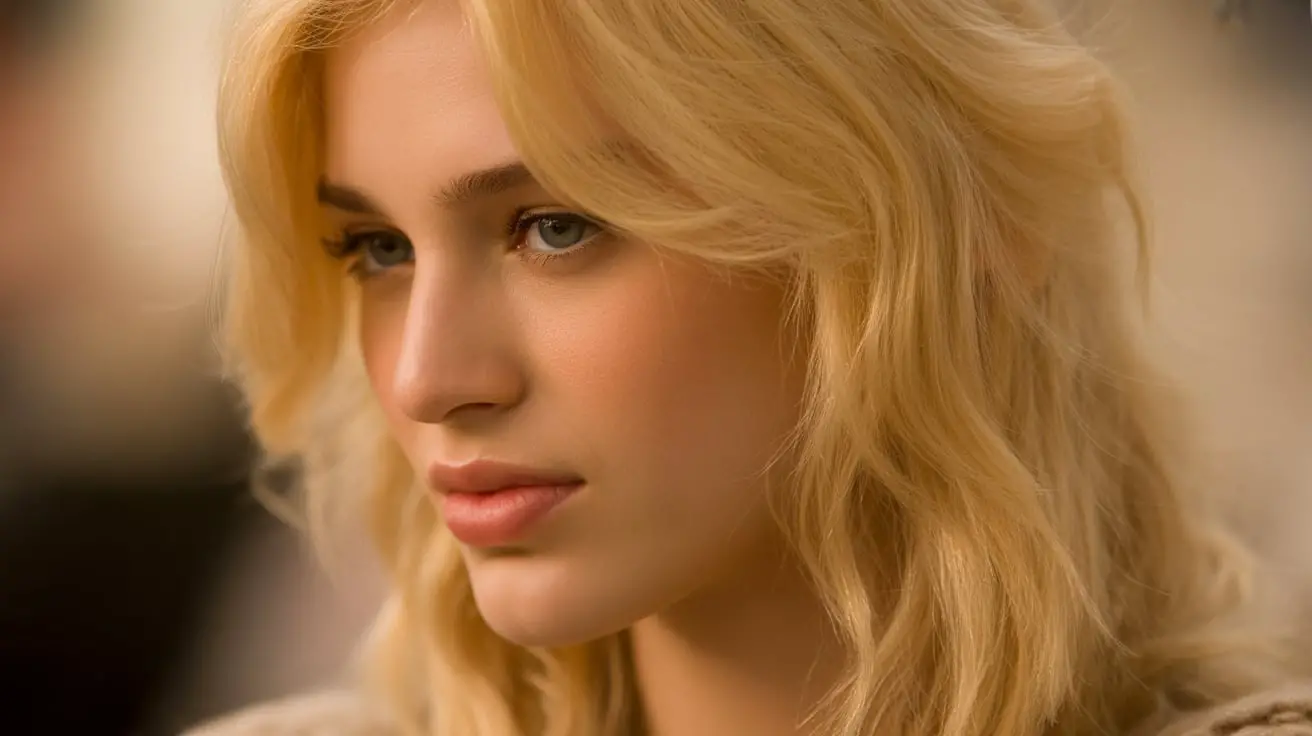
Golden blonde has become one of the most requested hair colors in salons across the country. This warm, sun-kissed shade offers a perfect middle ground between platinum and honey tones. The color works beautifully on many different women, making it accessible regardless of your natural hair color or texture.
The appeal lies in its natural-looking warmth and dimensional quality. Unlike flat, single-process blonde shades, this hair color catches light in multiple ways throughout the day. It creates a soft, radiant appearance that looks both polished and effortless at the same time.
Let’s talk about what makes this particular shade so popular right now, how to choose the right version for you, and the best ways to maintain your color once you make the change.
- What Makes Golden Blonde Hair Different from Other Blonde Shades?
- Popular Golden Blonde Hair Techniques and Styles
- How to Choose the Right Golden Blonde Shade for Your Skin Tone?
- Maintaining Your Golden Blonde Hair Color
- Styling Golden Blonde Hair for Maximum Impact
- Your Golden Blonde Hair
- Frequently Asked Questions
What Makes Golden Blonde Hair Different from Other Blonde Shades?
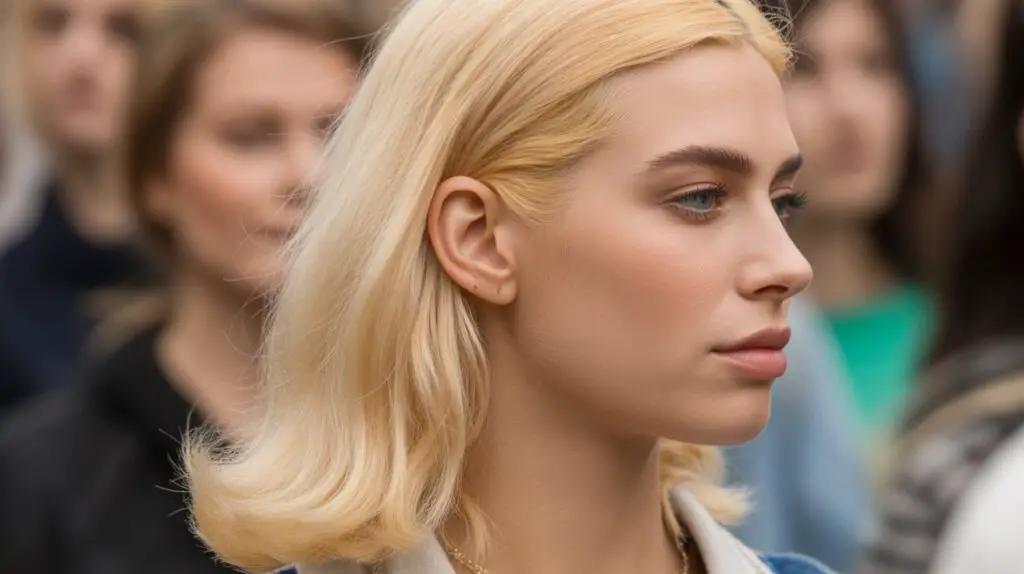
Understanding this specific shade starts with knowing its unique characteristics. The color sits firmly in the warm spectrum, with yellow and amber undertones that distinguish it from cooler blonde variations. Think of honey drizzled in sunlight or wheat fields at golden hour.
Understanding the Undertones and Warmth
The warmth in this hair color comes from its yellow and gold base pigments. These tones create a buttery, luminous quality that differs significantly from ashy or platinum shades. The color temperature affects how the shade appears against your skin and in different lighting conditions.
Your natural hair color influences how this shade develops on your strands. Women with naturally darker hair may need more lifting to achieve the desired warmth. Those starting with lighter bases often find the transition smoother and less damaging to their hair structure.
How Golden Blonde Complements Various Skin Tones
Warm and neutral skin tones find this color particularly flattering. The yellow undertones harmonize with golden or olive complexions, creating a cohesive, sun-kissed appearance. Women with warm undertones in their skin see the most seamless integration between hair color and complexion.
Cool skin tones can still rock this shade with slight modifications. A colorist might adjust the formula to include subtle neutral tones, preventing the color from appearing too brassy or orange. The right balance makes the difference between a shade that clashes and one that complements.
The Versatility of This Hair Color
This shade works across multiple hair lengths and styles. Short pixie cuts gain warmth and dimension. Long layers showcase the color’s movement and light-reflecting properties. Mid-length bobs benefit from the way this tone adds visual interest without additional styling.
The color also adapts well to various application techniques. You can go for a full head of this color or incorporate it through highlights and lowlights. The shade blends easily with other tones, allowing for customized results that suit your personal preferences.
Maintenance Requirements for Golden Blonde
Keeping this color vibrant requires specific care routines. The warm tones can shift toward brassiness without proper maintenance. Color-depositing products help preserve the intended shade between salon visits.
Heat styling impacts how long your color stays fresh. Thermal tools can cause fading and dryness, both of which dull the golden tones. Protection products become non-negotiable for women who regularly use hot tools.
Why This Shade Is Trending This Year
Current hair trends favor natural-looking, low-maintenance colors. This particular blonde fits perfectly into that category. The warmth feels more lived-in and less high-maintenance than stark platinum or icy tones.
Social media influences have amplified the popularity of warm, dimensional blonde shades. Hair inspiration accounts showcase how this color photographs beautifully in various settings. The trend shows no signs of slowing down as more women discover its flattering qualities.
Popular Golden Blonde Hair Techniques and Styles
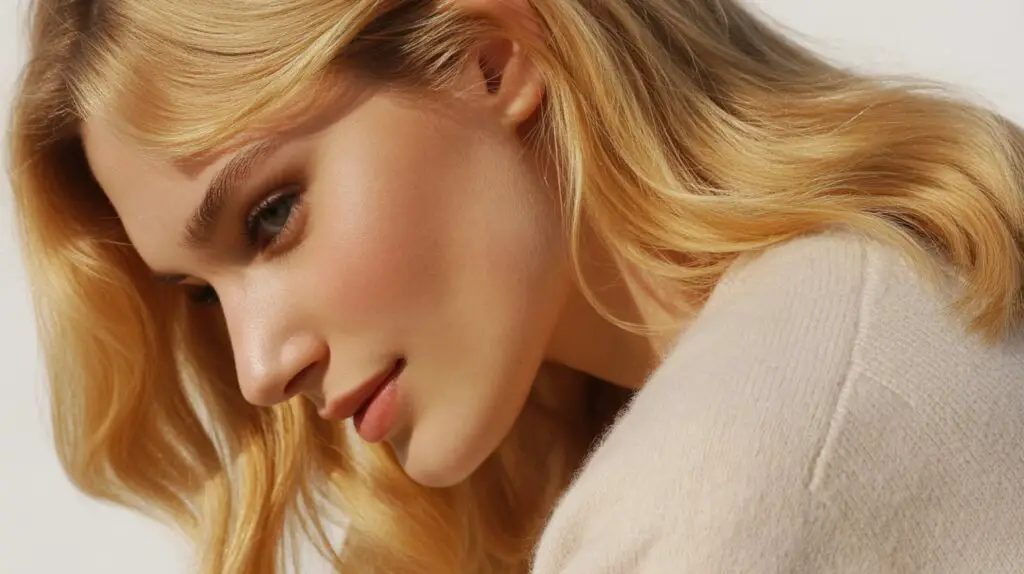
Different application methods create varied results with this color family. Your chosen technique affects maintenance needs, cost, and how often you’ll need touch-ups. Each approach offers distinct advantages depending on your goals and lifestyle.
Balayage vs. Highlights for Golden Blonde
Balayage creates a hand-painted, natural gradient effect. The colorist sweeps the product onto your hair in a sweeping motion, concentrating color where the sun would naturally lighten your strands. This technique produces soft, blended results without harsh lines of demarcation.
Traditional highlights use foils to isolate sections of hair for precise color placement. This method allows for more controlled, uniform lightening throughout your hair. Foil highlights tend to look more structured and can create bolder contrast than balayage.
The maintenance schedules differ between these techniques. Balayage grows out more gracefully, with appointments needed every 3-4 months. Foil highlights may require touch-ups every 6-8 weeks to maintain their appearance as your roots grow.
Ombre and Sombre Golden Blonde Looks
Ombre features a dramatic transition from darker roots to lighter ends. The contrast creates a bold, eye-catching effect. This style works particularly well for women who want significant lightness at their ends while keeping their roots closer to their natural color.
Sombre offers a softer, more gradual transition. The name comes from “subtle ombre,” and the technique lives up to that description. Color shifts happen gradually across the hair length, creating dimension without stark contrast.
Both techniques minimize root maintenance since the darker base blends with natural hair growth. You can extend time between salon visits significantly, making these options budget-friendly for long-term wear.
All-Over Golden Blonde Color
A single-process application covers your entire head with one shade. This technique creates uniform color from roots to ends. The result feels polished and intentional, perfect for women who prefer consistency over dimension.
Root touch-ups become necessary every 4-6 weeks as your natural color grows. The commitment level runs higher than dimensional techniques, but the payoff is a clean, cohesive look. Glossing treatments between color appointments help maintain vibrancy.
Golden Blonde with Lowlights for Dimension
Adding darker pieces throughout prevents the color from looking flat or one-dimensional. Lowlights create depth and movement, making the lighter pieces appear even brighter by contrast. The technique mimics how natural hair catches light and shadow.
Strategic placement of these darker tones can also frame your face or add body to fine hair. The contrast creates visual texture that makes hair appear fuller and more dynamic. This approach works especially well for women transitioning from darker hair colors.
Face-Framing Golden Pieces
Concentrating lighter tones around your face brightens your complexion and draws attention to your features. This technique, sometimes called “money pieces,” creates impact without committing to full-head color. The strategic placement catches light near your face, creating a flattering glow.
This style requires less maintenance than all-over color. You can touch up just the front sections between full color appointments. The focused application also costs less than complete highlighting while still providing noticeable transformation.
How to Choose the Right Golden Blonde Shade for Your Skin Tone?
Selecting the perfect version of this color requires understanding your skin’s undertones. The wrong shade can wash you out or clash with your natural coloring. Getting this decision right makes the difference between a color that enhances your features and one that fights against them.
Warm Skin Tones and Golden Blonde
Women with warm undertones find this color naturally harmonious with their complexion. Your skin likely has yellow, peachy, or golden undertones if gold jewelry flatters you more than silver. The veins on your wrist appear greenish rather than blue.
Rich, honey-toned versions of this shade work beautifully on warm skin. These deeper golden shades create a cohesive look that appears sun-kissed and natural. The warmth in your skin amplifies the warmth in your hair for a unified appearance.
Testing the shade in natural lighting helps confirm compatibility. Salon lighting can distort how colors appear. Ask your colorist to show you swatches near a window before committing to the formula.
Cool Skin Tones and Adjusted Golden Tones
If your skin has pink or blue undertones, pure golden blonde might appear too brassy. Silver jewelry typically looks better on you than gold. The veins on your wrist show blue rather than green.
A modified formula with neutral or slightly cool undertones prevents clashing. Your colorist can add small amounts of ash toner to balance the warmth. This creates a buttery blonde that leans slightly neutral rather than overtly warm.
The adjustment maintains the essence of golden blonde while working with your natural coloring. You still get the luminous, light-catching properties without the risk of looking orange or overly yellow.
Neutral Skin Tones and Flexibility
Neutral undertones offer the most versatility in shade selection. Both gold and silver jewelry look good on you. Your veins appear blue-green, making your undertone difficult to categorize as strictly warm or cool.
You can wear most versions of this color successfully. Whether you prefer deeper honey tones or lighter champagne shades, your neutral base accommodates the range. This flexibility allows you to experiment with different intensities and formulations.
Consider your eye color and natural hair color when choosing specific shades. These factors influence which version looks most harmonious with your overall appearance.
Testing Shades Before Commitment
Many salons offer color consultations before your actual appointment. Bring photos of shades you like, but understand that your hair’s starting point affects achievable results. Your colorist can show you what’s realistically possible given your current color and hair condition.
Temporary color sprays or wigs let you test similar shades at home. While not perfect matches for salon color, they give you a sense of how the tone looks against your skin. This low-risk experimentation can build confidence before making a permanent change.
Some color lines offer virtual try-on tools through apps or websites. Upload your photo and preview different blonde shades digitally. While lighting and technology limitations affect accuracy, these tools provide helpful starting points for discussions with your colorist.
Working with a Colorist for Customization
Professional colorists blend multiple tones to create customized formulas. Your ideal shade might combine different ratios of gold, honey, and neutral tones. This customization ensures the color complements your specific features and preferences.
Communication proves essential during consultations. Describe what you want to avoid as clearly as what you want to achieve. Mention if you’ve had negative experiences with certain shades or if particular tones wash you out.
Bring multiple reference photos showing the shade from different angles and lighting. A single image rarely captures the full dimension of a hair color. Multiple perspectives help your colorist understand your vision more completely.
Maintaining Your Golden Blonde Hair Color
Preserving this shade requires dedicated hair care routines. The color can shift, fade, or develop unwanted tones without proper maintenance. Investing in appropriate products and treatments protects your color investment and keeps your hair healthy.
Purple and Blue Shampoos for Brassiness
Color-correcting shampoos counteract unwanted warm tones that can develop over time. Purple shampoo neutralizes yellow tones, while blue shampoo targets orange undertones. The pigments in these products deposit subtle color that rebalances your shade.
Use these products once or twice weekly rather than with every wash. Overuse can leave your hair looking dull or even tinted purple. Apply the product to wet hair, let it sit for 2-3 minutes, then rinse thoroughly.
The intensity of these shampoos varies by brand. Start with less frequent use and increase if needed. Some formulas work better on lighter blondes, while others suit deeper golden shades. Your colorist can recommend specific products for your color level.
Deep Conditioning Treatments
Blonde hair, especially chemically lightened hair, needs extra moisture and protein. The lightening process opens the hair cuticle and can compromise strand strength. Weekly deep conditioning treatments restore moisture and improve hair texture.
Look for treatments specifically formulated for color-treated hair. These products contain ingredients that help seal the cuticle and lock in color molecules. They also provide the hydration needed to combat the drying effects of chemical processing.
Leave-in conditioners add another layer of protection between wash days. Apply these products to damp hair after showering to maintain moisture levels throughout the day. They also help with detangling and reduce breakage during styling.
Heat Protection Essentials
Thermal styling breaks down color molecules and dries out hair strands. Heat protectant sprays or creams create a barrier between your hair and hot tools. Apply these products to damp or dry hair before using blow dryers, flat irons, or curling wands.
Lower heat settings preserve color better than maximum temperatures. Most styling can be accomplished at medium heat levels with slightly longer styling time. The trade-off in time saves significant damage and color fading.
Air-drying when possible extends the life of your color. Let your hair dry naturally a few times per week to reduce heat exposure. Braid damp hair for waves or use foam rollers for volume without heat damage.
Touch-Up Schedules
Root regrowth timelines depend on your natural hair color and chosen technique. Solid color applications show roots more quickly than dimensional techniques. Women with darker natural hair may need more frequent touch-ups than those starting with lighter bases.
Plan appointments every 4-8 weeks based on your specific needs and technique:
All-Over Color: Touch-ups needed every 4-6 weeks to maintain consistent color from roots to ends.
Balayage or Ombre: Appointments every 3-4 months work well due to the intentional root shadow.
Highlights: Full highlight refresh every 8-12 weeks, with possible root touch-ups in between.
Glossing Treatments: Every 4-6 weeks to maintain shine and tone, even without touching roots.
At-Home vs. Salon Maintenance
Professional treatments provide results that home care cannot replicate. The products available to colorists contain higher-quality ingredients and more effective formulations. Salon treatments also come with expert application and customization for your specific needs.
Home maintenance products support professional color between appointments. Invest in quality shampoos, conditioners, and styling products designed for color-treated hair. These purchases protect your salon investment and extend the life of your color.
Root touch-up kits exist for home use but carry risks. Matching your salon color perfectly proves difficult, and application mistakes can create uneven results. If attempting home touch-ups, keep them for emergencies only and return to your colorist as soon as possible.
Styling Golden Blonde Hair for Maximum Impact
Making the most of this color involves more than just maintaining the shade itself. How you style your hair, apply makeup, and accessorize all affect how the color appears and how it enhances your overall look.
Hairstyles That Showcase the Dimension
Textured styles reveal the multi-dimensional nature of this color better than sleek looks. Beach waves, loose curls, or tousled layers catch light at different angles, highlighting the various tones in your hair. The movement creates visual interest that showcases your color investment.
Half-up styles pull lighter pieces forward around your face while showing off the depth in the back sections. This versatile styling option works for both casual and formal occasions. The contrast between the front and back sections demonstrates the color’s dimension.
Braided styles interweave the different tones throughout the pattern. Three-strand braids, fishtails, or Dutch braids all create visual texture that displays color variation beautifully. The interwoven strands catch light differently than loose hair, adding another dimension to your look.
Makeup That Complements Golden Tones
Warm eyeshadow shades harmonize with the warmth in your hair. Bronze, copper, peach, and golden brown shadows create cohesive looks. These colors enhance the hair color rather than competing with it. Avoid overly cool-toned shadows that might clash with the warmth in your hair.
Peach or coral blushes work beautifully with this hair color. These shades echo the warm undertones in your hair while adding natural-looking color to your cheeks. Skip cool-toned pink blushes that might create discord between your hair and makeup.
Lip colors in nude, peachy, or warm pink families complement the overall warmth. These shades create balance without overwhelming the look. You can also wear bold lips in terracotta or brick red for evening looks that still harmonize with your hair color.
Seasonal Styling Variations
Summer styling can go lighter and more textured. The season’s natural humidity creates effortless waves that showcase your color dimension. Salt sprays enhance texture without heat styling, letting the color shine through natural movement.
Fall calls for slightly deeper tones and richer styling. Add temporary lowlights or glosses that deepen the shade slightly for the cooler months. Styles with more polish and structure suit the season while still displaying the color’s warmth.
Winter maintenance focuses on combating dryness from indoor heating and cold weather. Extra conditioning treatments prevent dullness that can make the color appear flat. Protective styles like loose buns or braids shield hair from harsh weather while looking polished.
Spring refreshes often involve brightening the overall color. Lighter pieces around the face or throughout the hair capture the season’s energy. This timing works well for color appointments since you’ll want brightness heading into summer.
Texture and Movement Tips
Adding volume at the roots makes the color more visible and impactful. Volumizing powders, mousses, or root-lifting sprays create lift that showcases the hair color. Flat roots hide the dimension that makes this shade special.
Finishing sprays with light-reflecting particles amplify the color’s luminosity. These products catch light and create additional shine without weighing down your hair. A light mist over finished styles adds polish and brightness.
Avoid over-styling products that create buildup and dull the hair’s appearance. Product accumulation masks the color and makes hair look greasy or heavy. Use products sparingly and clarify your hair weekly to remove residue.
Accessories and Finishing Touches
Gold-tone accessories complement the warmth in your hair naturally. Earrings, headbands, clips, and other accessories in yellow gold or rose gold harmonize with the color. Silver accessories create contrast but can sometimes feel discordant with the overall warmth.
Silk or satin scrunchies and hair ties prevent breakage while coordinating with your color. Choose accessories in warm neutrals, creams, or colors that complement rather than clash with your hair tone. These gentle options protect your color investment while looking stylish.
Scarves and headbands in warm patterns add interest without competing with your hair color. Opt for accessories that incorporate golden, caramel, or warm neutral tones. These pieces enhance your overall look while letting your hair color remain the focal point.
Your Golden Blonde Hair
This hair color offers a perfect balance of warmth, dimension, and versatility for today’s woman. The shade flatters multiple skin tones with the right adjustments and works across various hair lengths and textures. Your consultation with a skilled colorist ensures you get a customized formula that enhances your natural features.
The maintenance commitment keeps your color looking fresh and vibrant between appointments. Quality products, proper heat protection, and regular conditioning preserve both the color and the health of your strands. With the right care routine, your hair stays beautiful and dimensional for weeks after each salon visit.
Frequently Asked Questions
Q: How long does golden blonde hair color typically last?
A: The color lasts 4-8 weeks depending on your application technique and maintenance routine. Balayage and ombre styles last longer because they have intentional darker roots. All-over color requires more frequent touch-ups as roots grow.
Q: Can I achieve golden blonde hair at home?
A: Home coloring carries significant risks, especially when lightening hair. Box dyes cannot replicate the customized formulas and techniques professionals use. For best results and hair health, visit a salon for initial coloring and major changes.
Q: Will golden blonde hair damage my hair?
A: Lightening hair does cause some damage by opening the hair cuticle. The extent depends on your starting color, hair condition, and the lightening level needed. Proper maintenance with conditioning treatments and heat protection minimizes damage.
Q: How do I prevent my golden blonde from turning brassy?
A: Use purple or blue toning shampoos once or twice weekly to neutralize unwanted warm tones. Protect your hair from sun exposure, chlorine, and excessive heat styling. Regular glossing treatments at the salon also maintain proper tone.
Q: What skin tones look best with golden blonde hair?
A: Warm and neutral skin tones find this color most naturally flattering. Cool skin tones can wear modified versions with slightly neutral undertones added to prevent clashing. A professional consultation helps determine the best variation for your specific coloring.
Q: How much does golden blonde hair color cost?
A: Salon costs vary widely based on your location, salon reputation, technique, and hair length. Full highlights or balayage typically range from $150-$400. Single-process color costs less, usually $80-$200. Maintenance appointments cost slightly less than initial coloring.
Q: Can I go golden blonde if I have dark hair?
A: Yes, but the process takes longer and requires more sessions to protect hair health. Very dark hair may need multiple lightening appointments spaced several weeks apart. Your colorist will assess your hair and recommend a safe timeline for achieving your desired shade.
Q: How often should I wash golden blonde hair?
A: Wash your hair 2-3 times per week to preserve color and natural oils. Frequent washing strips color faster and dries out your hair. Use dry shampoo between washes to absorb oil and refresh your style without water.
Q: What happens if I want to change from golden blonde to another color?
A: Transitioning to darker shades is straightforward and less damaging than further lightening. Moving to other blonde shades depends on the tones involved. Consult your colorist before making changes to ensure smooth transitions and minimize damage.
Q: Does golden blonde hair require special styling tools?
A: You don’t need special tools, but quality heat protectant products become essential. Consider lower heat settings on your existing tools rather than purchasing new ones. Ionic hair dryers and ceramic tools cause less damage than standard versions.

