

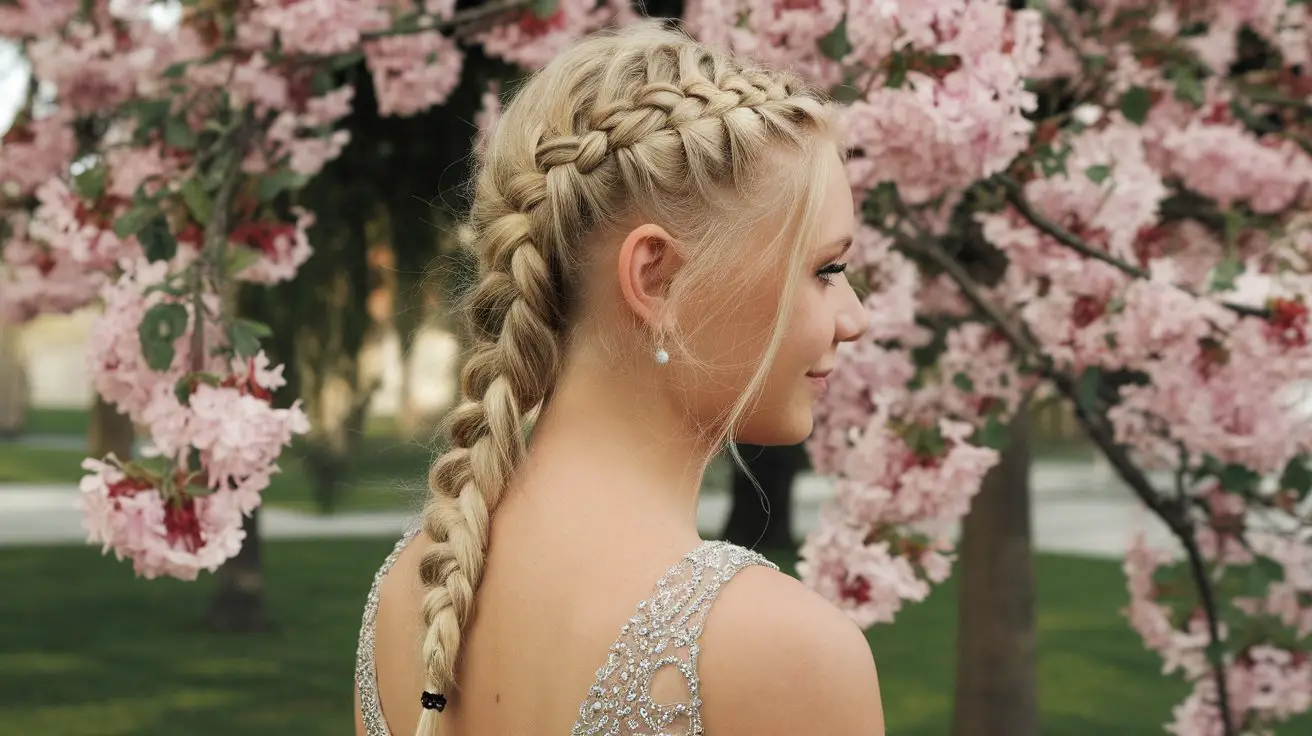
Prom night calls for hairstyles that photograph beautifully, stay secure through hours of dancing, and perfectly complement your chosen gown. French braids offer all these benefits while adding an element of sophistication that elevates your entire look. The intricate weaving pattern creates visual interest without overwhelming your dress or makeup, making it an ideal choice for this special evening.
The beauty of French braids lies in their adaptability to different hair types, lengths, and dress styles. Whether your gown features intricate beading, dramatic ruffles, or sleek minimalist lines, there’s a French braid variation that will enhance rather than compete with your outfit. From classic single plaits to elaborate crown designs, these styles work with straight, wavy, or curly hair textures while maintaining their structure throughout the night’s festivities.
In the following sections, we’ll walk through various French braid options perfect for prom, showing you how to select styles that complement specific dress designs, techniques for ensuring your braids last all night, and trendy variations making waves this year. Let’s discover the perfect French braid style that will make you feel confident and beautiful at your prom.
- Why French Braids Work Perfectly for Prom Night
- Classic French Braid Styles That Complement Every Dress
- How to Match Your French Braid with Your Dress Style
- Essential Styling Tips for Long-Lasting Prom Braids
- Trendy French Braid Variations for This Year's Prom
- Your French Braid Journey to Prom Perfection
- Frequently Asked Questions
Why French Braids Work Perfectly for Prom Night
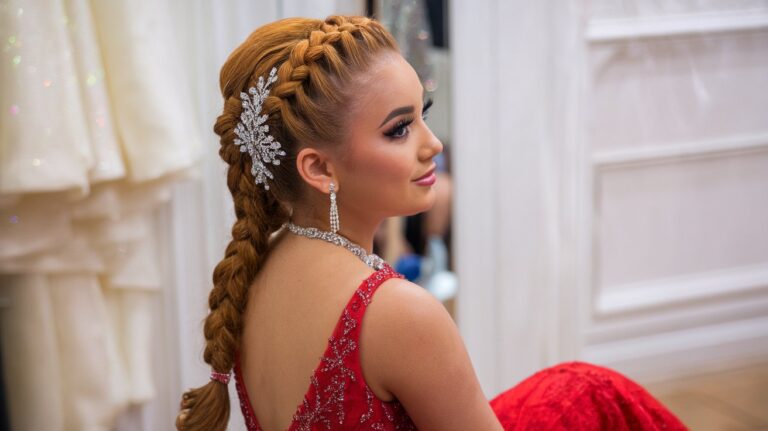
French braids have graced formal events for generations, and their staying power speaks to their versatility and reliability. Unlike loose curls that might fall flat or updos that require constant adjustments, a well-executed French braid maintains its shape from the first photo to the last dance. The technique distributes weight evenly across your scalp, preventing the headaches sometimes caused by heavy pins or tight ponytails.
Timeless elegance meets modern style
The structured nature of French braiding creates a polished appearance that photographs exceptionally well under various lighting conditions. Your prom photos will capture the intricate pattern clearly, whether taken under bright gymnasium lights or soft outdoor evening illumination. This hairstyle bridges the gap between traditional formality and contemporary fashion, allowing you to honor prom tradition while expressing your personal style.
Professional photographers often recommend French braids because they frame the face beautifully without casting shadows or requiring constant touch-ups between shots. The consistent texture and pattern create visual interest in both close-up portraits and full-length dress photos.
Lasting hold throughout the evening
Nothing ruins prom excitement faster than constantly worrying about your hairstyle falling apart. French braids eliminate this concern entirely. The interwoven structure locks each section securely, resisting humidity, wind, and vigorous dancing.
The key to longevity lies in the braiding technique itself. As each section crosses over and incorporates new hair, it creates multiple anchor points that distribute tension evenly. This prevents any single area from bearing too much weight or stress, which typically causes other styles to loosen or collapse.
Versatility with different dress necklines
Your dress neckline plays a crucial role in determining which French braid style will look most harmonious. High necklines pair beautifully with crown braids or styles that sweep hair completely away from the neck and shoulders. These combinations prevent visual competition between your hairstyle and dress details.
For strapless or sweetheart necklines, consider these pairing options:
- Side French Braid: Drapes elegantly over one shoulder, creating asymmetrical interest
- Double Braids: Frame your face while keeping your décolletage clear
- Low Braid: Sits at the nape, allowing your neckline to take center stage
- Crown Braid: Adds height and drama without interfering with dress details
Photogenic qualities for memorable pictures
The dimensional quality of French braids photographs beautifully from every angle. Unlike flat hairstyles that might appear lifeless in photos, the raised texture and interwoven pattern catch light dynamically, creating depth and movement even in still images.
Social media has increased the importance of photogenic hairstyles, and French braids deliver Instagram-worthy results consistently. The pattern provides built-in visual interest that requires no special filters or editing to look impressive. Whether you’re taking selfies with friends or posing for professional portraits, your hair will look intentionally styled rather than accidentally messy, even hours into the celebration.
Classic French Braid Styles That Complement Every Dress
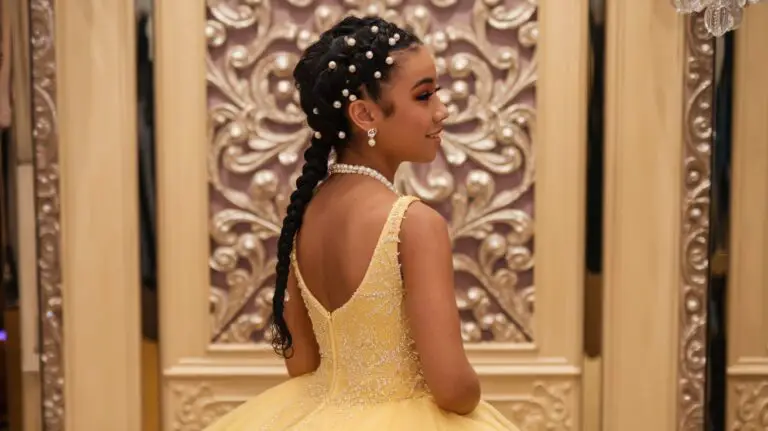
The foundation of any stunning prom hairstyle begins with understanding classic techniques that have proven their worth through decades of formal events. These traditional French braid styles serve as building blocks for more elaborate designs while standing beautifully on their own.
The traditional single French braid
Starting at your crown and incorporating hair as you work downward, the single French braid remains a favorite for its simplicity and elegance. This style works particularly well with dresses featuring intricate back details, as it keeps hair neatly contained while showcasing your gown’s design. The vertical line created by a center braid elongates your silhouette, creating a statuesque appearance in photos.
To add modern touches to this classic style, try incorporating small braiding variations. Pancake the braid gently by tugging at the edges to create fuller, more romantic texture. Leave face-framing pieces loose for softness, or incorporate ribbons that match your dress color for coordinated elegance.
Double French braids for symmetrical beauty
Two French braids offer balanced sophistication that works especially well with A-line and princess-style gowns. Beginning at your temples and working backward, this style creates a crown-like effect that adds regal charm to your prom look. The symmetry appeals to those who prefer organized, structured styles over loose, bohemian looks.
Double braids also provide practical benefits for active dancers. The weight distribution across two braids rather than one reduces pulling sensation and helps maintain comfort throughout extended wear. You can end the braids at your nape for a contained look or continue braiding the loose ends for extra security.
Side-swept French braid variations
Diagonal French braids that sweep from one temple to the opposite shoulder create dramatic visual movement perfect for showcasing statement earrings or dress embellishments. This asymmetrical style adds interest without requiring complex techniques or professional assistance.
The angle of your side braid can dramatically change your overall appearance. A gentle sweep creates romantic softness, while a sharp diagonal adds edgy sophistication. Consider your dress silhouette when choosing the angle – flowing gowns benefit from softer curves, while structured dresses can handle more defined lines.
Position the braid’s starting point based on your best features. Beginning higher on your crown adds height and drama, while starting near your ear creates a more relaxed, approachable look. The finishing point matters too – ending over your shoulder showcases your collarbone, while sweeping to your back maintains front simplicity.
Crown French braids for princess vibes
Circling your head like a natural tiara, crown braids offer fairy-tale charm perfect for prom’s magical atmosphere. This style starts at one ear, follows your hairline, and connects at the starting point, creating an unbroken circle of braided texture. The elevated position draws eyes upward, flattering every face shape while adding inches to your height in photos.
Reverse French braids for added texture
Also called Dutch braids, reverse French braids create raised texture by crossing sections under rather than over. This technique produces a three-dimensional effect that stands out beautifully against sleek fabrics and catches light dramatically. The raised pattern appears more intricate than traditional braiding, though the technique requires similar skill levels.
Multiple reverse braids can create stunning geometric patterns across your scalp. Try incorporating two or three parallel reverse braids for a modern, architectural look that pairs beautifully with minimalist gowns. The pronounced texture also holds accessories like small flowers or pearls more securely than traditional flat braids.
How to Match Your French Braid with Your Dress Style
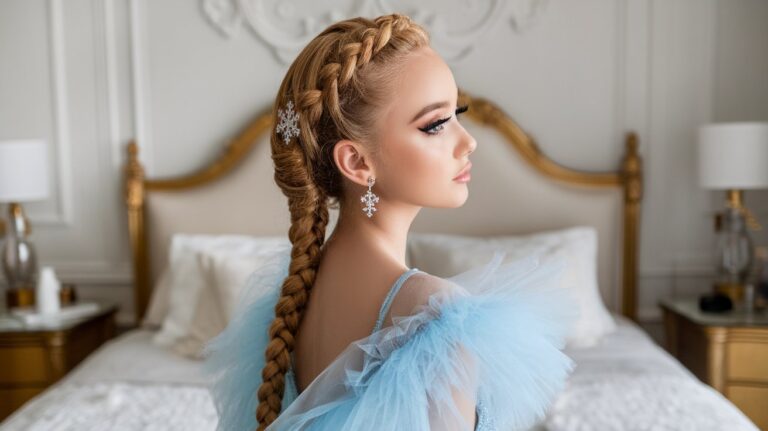
Understanding the relationship between your hairstyle and dress silhouette prevents competing elements and creates cohesive elegance. Your French braid should enhance your gown’s best features while maintaining its own beauty.
Pairing braids with strapless gowns
Strapless dresses provide a blank canvas for creative braiding options. Without straps or sleeves to consider, you have complete freedom in choosing where your braid falls. However, this freedom requires thoughtful decision-making to avoid overwhelming your bare shoulders and neckline.
Low side braids work wonderfully with strapless designs, creating diagonal interest that guides eyes from your face to your dress bodice. The asymmetry prevents your upper body from appearing too bare while maintaining elegance. Alternatively, a high crown braid keeps all hair away from your shoulders, creating a clean line that emphasizes your dress’s sweetheart or straight-across neckline.
Volume matters significantly with strapless gowns. Since you lack upper body fabric details, your hairstyle carries more visual weight. Fuller, pancaked braids balance voluminous skirts, while sleeker styles complement form-fitting silhouettes.
Complementing high-neck dresses
High necklines require careful hair placement to prevent overcrowding your upper body. French braids that sit low or pull hair completely away from your neck work best with these designs. Avoid styles that add bulk around your shoulders or compete with neckline embellishments.
A low French braid beginning at your crown and traveling straight down your back creates vertical lines that elongate your figure. This placement keeps your neck area clean while adding texture interest to your back view – important for ceremony photos and grand entrance moments.
Working with backless designs
Backless and low-back dresses demand hairstyles that showcase rather than hide this dramatic feature. French braids swept entirely to one side or formed into an elegant updo leave your back bare for maximum impact.
Consider these strategic placements:
- High Bun with Braided Base: Incorporates French braiding at your nape before twisting into a bun
- Side-Swept Cascade: Begins with French braiding that transitions to loose curls over one shoulder
- Multiple Mini Braids: Create several thin French braids that gather into a side ponytail
- Halo Braid: Keeps all hair contained while framing your face beautifully
The key lies in keeping hair completely away from your back or committing fully to one side. Half-measures where hair partially covers your back defeat the purpose of choosing a backless design.
Balancing ball gown silhouettes
Ball gowns with their dramatic full skirts require hairstyles with enough presence to maintain proportion. Delicate, minimal braids can appear lost against voluminous tulle and layers. Instead, opt for fuller French braid styles that hold their own against your gown’s grandeur.
Crown braids work exceptionally well with ball gowns, adding height that balances the width of your skirt. The circular shape echoes the rounded silhouette of your dress, creating harmonious repetition. For added drama, leave the remaining hair loose in waves after creating your crown braid, giving you princess-worthy volume.
Coordinating with mermaid styles
Form-fitting mermaid dresses that flare at the knee benefit from hairstyles that maintain the sleek upper silhouette while adding interest. French braids that lie flat against your head transitioning to looser textures mirror your dress’s fitted-to-flared progression.
A French braid that begins tight at your crown and gradually loosens as it travels downward creates beautiful parallel with your dress silhouette. This style maintains sophistication while adding movement that prevents your look from appearing too severe or rigid. The controlled texture at the top keeps focus on your face and neckline, while looser endings add softness that balances the dramatic flare of your skirt.
Essential Styling Tips for Long-Lasting Prom Braids
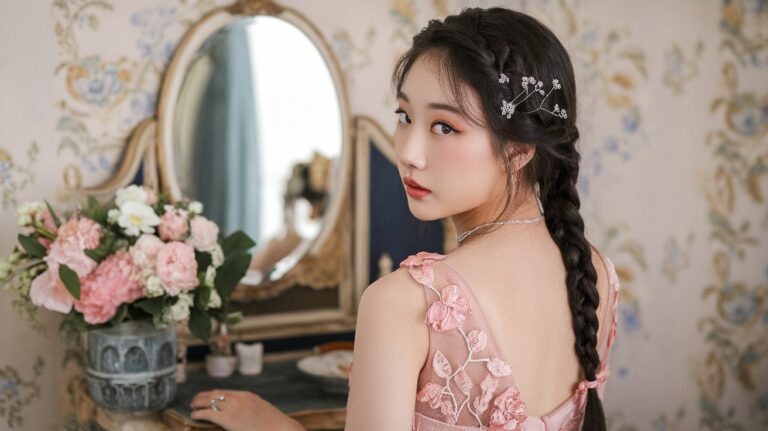
Creating French braids that withstand hours of celebration requires strategic preparation and proper technique. The difference between braids that last and those that loosen lies in these essential preparation and maintenance steps.
Prepping your hair the right way
Hair preparation begins the day before prom, not the morning of. Wash your hair 24 hours in advance, allowing natural oils to return slightly. Freshly washed hair often proves too slippery for secure braiding, causing sections to slide out throughout the night. These natural oils provide grip without appearing greasy, creating ideal braiding conditions.
Second-day hair holds style better, but if you must wash the day of prom, apply texturizing spray or dry shampoo to add grip. Focus application at your roots and mid-lengths where the braiding occurs. Skip conditioner on your scalp area, applying it only to your ends to prevent excessive slipperiness.
Before braiding, ensure your hair is completely dry. Even slight dampness can cause your style to change shape as it dries, potentially loosening your braids or creating unwanted frizz. If you’re adding waves or curls to sections left unbraided, do this before beginning your French braid for consistent texture.
Securing techniques that won’t fail
The security of your French braid depends on consistent tension and strategic product use. Maintain firm but comfortable tension throughout the braiding process – too loose and your style won’t last, too tight and you’ll develop a headache before dinner.
Working with smaller sections creates tighter, longer-lasting braids than grabbing large chunks of hair. As you incorporate new pieces, smooth them completely before crossing over. Any bumps or loose pieces at this stage will only become more pronounced as the night progresses.
Adding accessories without overdoing it
Hair accessories can transform simple French braids into prom-worthy masterpieces, but restraint prevents your hairstyle from appearing cluttered or juvenile. Select accessories that complement rather than compete with your dress embellishments.
Small pearl pins scattered throughout your braid create elegant sparkle without overwhelming your style. Place them strategically where light will catch them – along the outer edges of your braid or clustered at transition points. Fresh or silk flowers woven into braids add romantic charm, but stick to blooms smaller than a quarter to maintain sophistication.
Here’s how to incorporate different accessories effectively:
- Ribbons: Weave through your braid during creation for integrated elegance
- Hair Vine: Wrap delicately around completed braid for ethereal beauty
- Jeweled Pins: Insert at regular intervals for consistent sparkle
- Fresh Flowers: Tuck into braid loops just before leaving for longevity
Quick fixes for emergency situations
Despite careful preparation, prom night activities might require minor touch-ups. Pack an emergency kit with clear elastics, bobby pins matching your hair color, travel-sized hairspray, and a small comb. These tools address most common issues without requiring complete restyling.
If sections begin loosening, don’t panic. Often, strategically placed bobby pins can secure wayward pieces without disturbing your overall style. Slide pins into your braid at the same angle as the weave, hiding them within the texture. A quick spritz of hairspray on your fingertips can smooth flyaways without creating stiff, unnatural texture.
Should a significant portion unravel, transform the mishap into an intentional style change. A partially undone French braid can become a romantic loose braid, or you can gather everything into an elegant low bun secured with pins. Having a backup plan prevents stress and keeps you enjoying your night regardless of hair hiccups.
Trendy French Braid Variations for This Year’s Prom
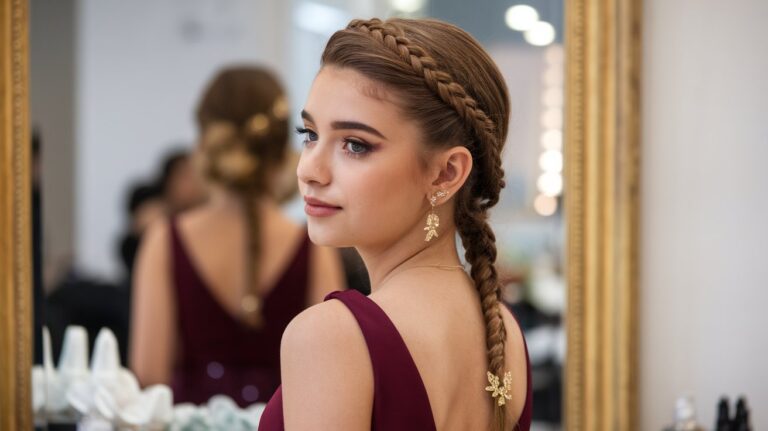
Modern interpretations of French braiding incorporate current fashion trends while maintaining the classic technique’s reliability. This year’s prom hairstyles favor texture mixing, unexpected accessories, and relaxed interpretations that feel fresh yet formal.
Bubble braids meet French technique
The bubble braid trend transforms traditional French braids into playful yet sophisticated styles perfect for prom. After completing your French braid, gently tug sections between elastics to create rounded bubble shapes. This technique adds volume and visual interest while maintaining the security of a braided style.
Creating successful bubble French braids requires strategic elastic placement. Position clear elastics every two to three inches along your completed braid, then carefully pull each section to form rounded shapes. The result combines the structure of French braiding with the modern appeal of bubble texture.
Incorporating flowers and pearls
Fresh and artificial flowers woven directly into French braids create garden party elegance suitable for prom’s romantic atmosphere. Baby’s breath, small roses, or delicate orchids nestle beautifully within braid loops without adding excessive weight or bulk.
Pearl accents continue trending this year, offering timeless elegance with contemporary placement. Instead of traditional pearl pins, try pearl-wrapped wire woven through your braid during creation. This technique creates an integrated look where pearls appear to grow from within your hairstyle rather than sitting on top.
Select pearl sizes that complement your braid width – delicate seed pearls for thin braids, larger freshwater pearls for statement styles. Mixing pearl sizes within one style adds modern irregularity that prevents your look from appearing too uniform or dated.
Mixed texture combinations
Combining French braids with other textures creates dimension and interest that photographs beautifully. Start with French braiding at your crown, then transition to fishtail or regular braiding midway through. This texture change adds visual variety while maintaining the security benefits of French braiding where you need it most.
Another approach involves leaving strategic sections unbraided. French braid along your hairline while allowing the crown area to remain in loose waves. This combination provides the face-framing benefits of braiding while maintaining volume and movement throughout the rest of your style.
Loose romantic interpretations
This year’s romantic French braid styles favor softness over precision. Instead of tight, perfect braids, the trend leans toward deliberately messy textures that suggest effortless beauty. After completing your French braid, gently pull at sections to loosen the overall appearance, creating an lived-in look that feels approachable yet special.
Face-framing wisps play a crucial role in romantic interpretations. Before beginning your braid, separate small sections around your face that will remain loose. After completing your braid, use a curling iron to add soft waves to these pieces, creating movement that softens your overall appearance.
Half-up French braid designs
Half-up styles offer the best of both worlds – the sophistication of French braiding with the movement of loose hair. These designs work particularly well with dresses featuring interesting back details you want to partially showcase.
Create French braids along both sides of your head, meeting at the crown and allowing the rest of your hair to flow freely. This style adds structure to the upper portion while maintaining romantic movement below. The contrast between braided and loose sections creates visual interest without requiring complex techniques or professional assistance. You can leave the loose portion straight, add waves, or create curls depending on your dress style and personal preference.
Your French Braid Journey to Prom Perfection
French braids offer the perfect combination of elegance, security, and versatility for your prom night. From classic single plaits to trendy bubble variations, these styles adapt to every dress silhouette while maintaining their shape through hours of dancing and celebration. The key lies in selecting a style that complements your gown’s specific features, properly preparing your hair for long-lasting hold, and adding just the right accessories to complete your look.
Remember that practice makes perfect when it comes to French braiding. Start experimenting with different styles weeks before prom to find what works best with your hair texture and length. Whether you choose a romantic loose interpretation or a structured crown braid, your French braid will provide the sophisticated finish your prom look deserves while keeping you comfortable and photo-ready throughout this memorable night.
Frequently Asked Questions
Q: How far in advance should I practice my French braid style for prom?
A: Start practicing at least 3-4 weeks before prom. This gives you time to perfect the technique, test different variations, and ensure you’re comfortable creating the style on the actual day.
Q: Can French braids work on shorter hair for prom?
A: Yes, French braids can work on hair that reaches at least shoulder length. For shorter styles, consider incorporating extensions or focusing on partial French braids like crown or side styles that require less length.
Q: Should I get my French braid done professionally or do it myself?
A: This depends on your skill level and the complexity of your chosen style. Simple French braids can be self-styled with practice, while intricate designs might benefit from professional execution to ensure longevity and polish.
Q: What products will keep my French braid from frizzing during prom?
A: Use a lightweight anti-frizz serum before braiding, texturizing spray for grip, and finish with a flexible-hold hairspray. Avoid heavy products that might weigh down your style or make it appear greasy in photos.
Q: How do I prevent my French braid from giving me a headache?
A: Maintain consistent, moderate tension while braiding rather than pulling too tightly. Take breaks if braiding your own hair, and avoid placing bobby pins directly against your scalp. If you feel discomfort beginning, slightly loosen the braid at the tension points.
Q: Can I sleep in my French braid the night before prom?
A: It’s better to style your French braid the day of prom for the freshest appearance. Sleeping in a braid can create unwanted kinks, loose sections, and flatten the style in ways that are difficult to fix.
Q: Which French braid style photographs best for prom?
A: Textured styles with dimension, such as pancaked braids or reverse French braids, photograph beautifully because they catch light effectively. Avoid overly tight, flat braids that might appear severe or one-dimensional in photos.
Q: How do I incorporate my prom theme colors into my French braid?
A: Use ribbons, small flowers, or jeweled accessories in your theme colors. Weave thin ribbons through the braid during creation, or add colored flowers that match your corsage or dress accents for coordinated elegance.

