

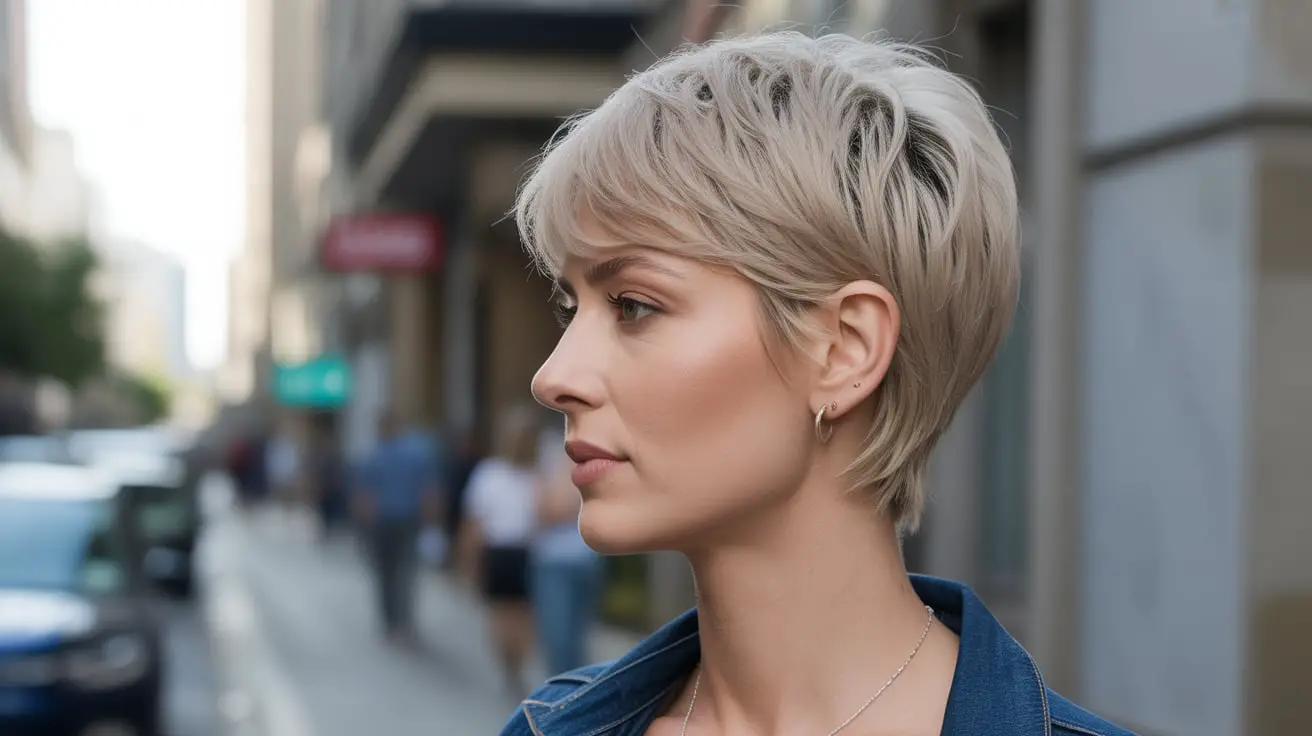
The feathered pixie cut has become a go-to choice for women seeking a hairstyle that combines sophistication with effortless maintenance. This versatile cut features delicate, wispy layers that create movement and texture, making it adaptable to virtually any hair type, from pin-straight strands to tightly coiled curls. Unlike traditional pixie cuts that can sometimes appear severe or one-dimensional, feathered variations offer a softer, more dynamic appearance that flatters a wide range of face shapes and personal styles.
What sets this particular style apart is its ability to work with your natural hair texture rather than against it. Whether you have fine hair that needs volume, thick hair requiring weight removal, or textured hair seeking definition, the strategic placement of feathered layers can address these specific needs. The technique involves cutting hair at various angles to create pieces that gently overlap and move independently, resulting in a lived-in look that appears fresh even as it grows out.
Professional stylists have refined feathering techniques over decades, developing methods that cater to every possible hair scenario. In the following sections, we’ll walk through everything from understanding what makes these cuts so adaptable to choosing the perfect variation for your lifestyle. You’ll discover styling methods, maintenance tips, and expert insights that will help you determine if this trendy yet timeless cut suits your needs. Let’s uncover why this particular style continues to win hearts across all hair textures.
- What Makes Feathered Pixie Cuts So Versatile?
- How Do You Style Feathered Pixies for Different Hair Types?
- Which Feathering Techniques Work Best for Your Hair?
- What Are the Maintenance Requirements?
- How to Choose the Right Feathered Pixie Variation?
- The Versatility of Feathered Pixie Cuts
- Frequently Asked Questions
What Makes Feathered Pixie Cuts So Versatile?
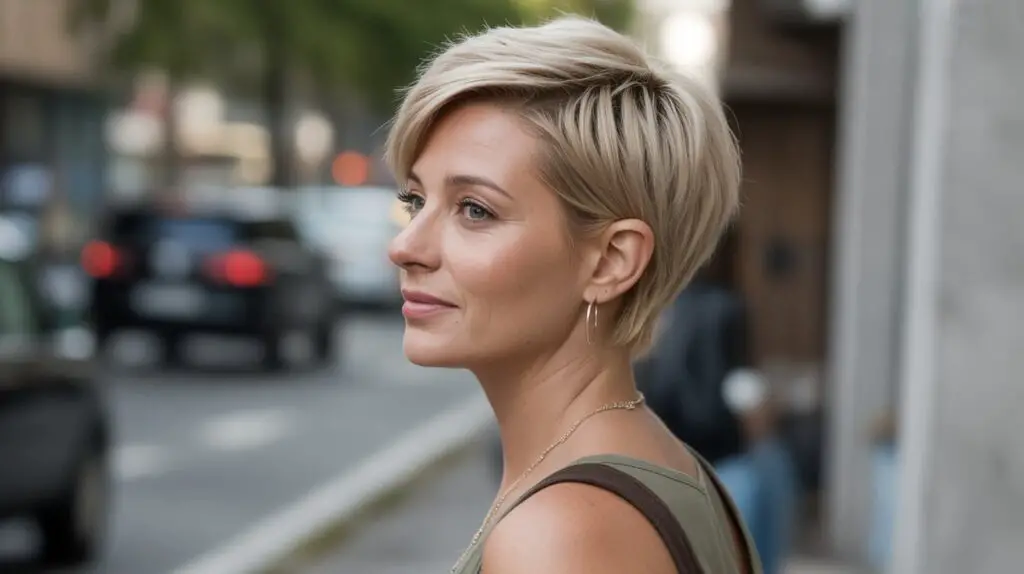
Feathered pixie cuts stand out from other short hairstyles because of their unique cutting technique that creates soft, textured ends throughout the hair. This method involves cutting into the hair at various angles, producing pieces that naturally separate and move, giving the style its characteristic lightness and dimension.
The defining characteristics of feathered layers
The magic lies in how each strand is cut to different lengths within the same section of hair. This creates a cascading effect where pieces naturally layer over one another without appearing bulky or disconnected. The ends taper to fine points rather than blunt edges, allowing hair to move freely and catch light from multiple angles. This technique transforms even the most stubborn hair textures into something manageable and stylish.
When examining a well-executed feathered pixie, you’ll notice how the layers seem to flow seamlessly into one another. There are no harsh lines or obvious transitions between sections. Instead, the hair appears to have natural movement and body, even when styled minimally. This organic flow is what makes the cut so forgiving and easy to maintain day after day.
How feathering techniques adapt to different hair densities
For women with fine hair, feathering creates the illusion of fullness without adding actual weight. The graduated layers lift away from the scalp, allowing air to circulate and creating volume where it might otherwise lie flat. Stylists working with fine textures often concentrate the shortest feathered pieces at the crown, building height and dimension where it matters most.
Thick hair benefits from feathering in an entirely different way. Here, the technique removes bulk strategically while maintaining the hair’s natural body. By creating varied lengths within each section, stylists can thin out dense areas without creating gaps or holes in the overall shape. The result is hair that feels lighter and more manageable while still looking full and healthy.
Medium-density hair perhaps benefits most obviously from feathering, as it enhances the natural texture without requiring significant bulk removal or volume building. The technique simply adds movement and interest to what might otherwise be a predictable cut, creating opportunities for varied styling options.
Why this cut works for various face shapes
Round faces find balance through feathered pixies that add height at the crown while keeping the sides relatively close to the head. The wispy pieces around the face create vertical lines that elongate facial features. Strategic feathering can direct attention upward, creating the illusion of a more oval silhouette.
Square and angular face shapes benefit from the softness that feathered edges provide. Rather than emphasizing strong jawlines with blunt cuts, the gentle graduation of feathered layers creates a harmonious contrast. Stylists often leave slightly longer feathered pieces around the temples and ears to soften these areas.
Heart-shaped and oval faces have the most flexibility with feathered pixies, as these face shapes tend to suit most variations. The key is adjusting the density and placement of feathered sections to highlight your best features while maintaining overall balance.
The difference between traditional and modern feathering
Traditional feathering from past decades often resulted in obvious, separated pieces that required specific styling to look intentional. Think of the dramatic feathered looks from the 1970s and 1980s – bold, statement-making styles that announced themselves from across a room. These cuts relied heavily on styling products and tools to achieve their signature swept-back appearance.
Modern feathering techniques have evolved to create more subtle, versatile results. Contemporary stylists use a combination of cutting methods to achieve a lived-in texture that looks good whether you style it or simply let it air dry. The focus has shifted from creating dramatic sweeping movements to establishing a foundation of texture that can be styled multiple ways.
Today’s approach to feathering also considers how hair naturally falls and moves. Rather than forcing hair into specific directions through aggressive layering, modern techniques work with your hair’s growth patterns and natural tendencies, resulting in styles that feel more effortless and require less daily manipulation.
How Do You Style Feathered Pixies for Different Hair Types?
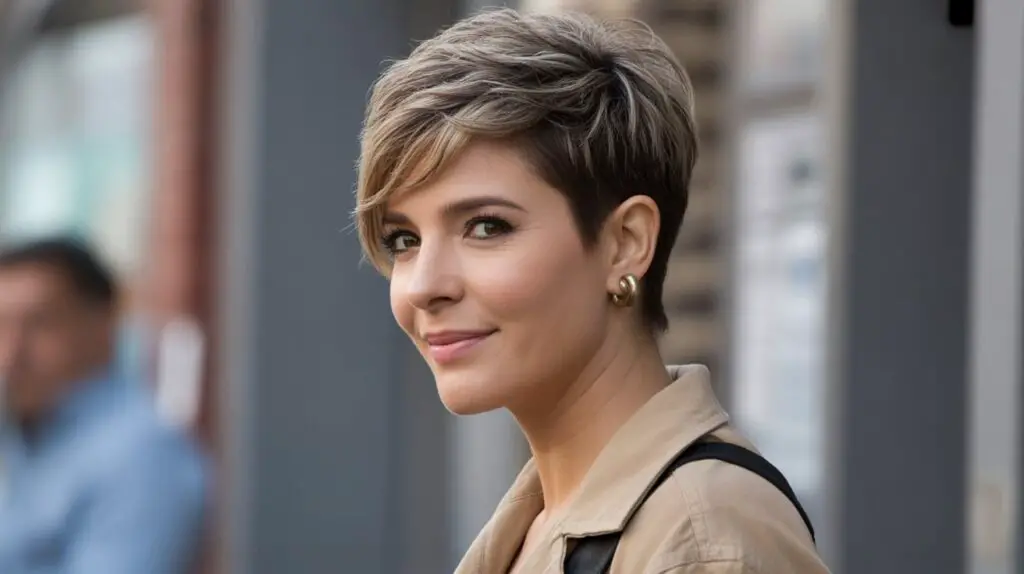
Getting the most from your feathered pixie means understanding how to work with your specific hair type. The beauty of this cut lies in its adaptability, but knowing the right techniques and products for your texture makes all the difference between a good hair day and a great one. Each hair type requires its own approach to bring out the best in those carefully crafted layers.
Styling techniques for straight hair
Straight hair can sometimes resist the movement that makes feathered pixies so appealing. The key is adding texture and encouraging the layers to separate rather than clump together. Start with damp hair and apply a lightweight volumizing mousse from roots to ends, concentrating on areas where you want the most lift.
A round brush becomes your best friend when working with straight, feathered layers. While blow-drying, lift sections at the root and direct the airflow upward to create volume. For the feathered ends, twist small sections around your finger while drying to encourage piece-y separation. This technique helps each layer stand out individually rather than falling flat against your head.
Once dry, you might find that straight hair needs extra help maintaining the feathered texture throughout the day. A texturizing spray or dry shampoo applied at the roots provides grip and prevents the style from falling flat. Work these products in with your fingertips, tousling gently to maintain that effortlessly undone appearance.
Managing feathers with wavy textures
Wavy hair often responds beautifully to feathering because the natural movement enhances the cut’s inherent texture. Your waves already want to separate and move independently – the feathered layers simply give them permission to do so in a controlled, flattering way.
For styling, consider these key points:
Define Without Weighing Down: Use a lightweight curl cream or mousse designed for waves, applying it to damp hair with a scrunching motion.
Air Dry When Possible: Let your natural texture do the work by allowing hair to dry naturally, scrunching periodically to encourage wave formation.
Diffuse for Volume: If you need to speed up drying time, use a diffuser attachment on low heat to maintain wave pattern while adding lift at the roots.
Refresh Between Washes: Spritz with a mixture of water and leave-in conditioner to reactivate waves without starting from scratch.
The goal with wavy feathered pixies is enhancing what nature gave you rather than fighting against it. Your waves provide built-in texture that makes the feathered layers more pronounced and interesting.
Working with curly and coily hair patterns
Curly and coily textures bring their own unique beauty to feathered pixies. The natural volume and texture of these hair types mean the feathered layers create stunning dimension and shape. However, moisture becomes even more critical with shorter lengths, as there’s less weight to pull curls down and define them.
Start your styling routine while hair is soaking wet. Apply a leave-in conditioner followed by a defining gel or cream specifically formulated for your curl pattern. The product application method matters – smooth products downward along the hair shaft to encourage curl formation while preventing frizz.
For curly textures, finger-coiling individual feathered pieces helps define the layers and prevents them from tangling together. Take small sections and wrap them around your finger, holding for a few seconds before releasing. This technique works especially well around the face and crown where you want maximum definition.
Coily hair benefits from the “shingling” method, where you smooth product through small sections in a downward motion, almost like laying shingles on a roof. This ensures even product distribution and helps each feathered layer maintain its shape and definition.
Products that enhance feathered effects
The right styling products can transform a basic feathered pixie into something spectacular. Lightweight formulations are essential – heavy products will weigh down those carefully crafted layers and defeat the purpose of the feathering technique.
Sea salt sprays work wonderfully for adding gritty texture that helps separate individual pieces. Spray onto damp or dry hair and scrunch to activate. These products work across all hair types but prove especially useful for creating that beachy, undone texture that complements feathered cuts.
Texture powders or dust provide incredible lift and grip at the roots while maintaining a matte finish. Sprinkle a small amount directly onto your roots or into your palms, then work through the hair with your fingertips. This type of product excels at creating volume and maintaining the separation between feathered layers.
Quick morning styling routines
Time-pressed mornings don’t have to mean sacrificing style. A well-cut feathered pixie should look good with minimal effort, requiring just a few strategic touches to look polished.
For the fastest refresh, try this approach: dampen your hands slightly and run them through your hair, focusing on areas that have flattened overnight. Apply a small amount of texturizing product to your fingertips and piece out individual sections, twisting and separating as needed. This whole process takes less than two minutes but makes a significant difference.
If you have an extra five minutes, use a flat iron or curling wand on just the top layers to add movement and definition. You don’t need to style every piece – just hitting the most visible sections creates enough interest to carry the entire look. Focus on the crown and any longer pieces around your face for maximum impact with minimal effort.
Which Feathering Techniques Work Best for Your Hair?
Understanding the various cutting techniques used to create feathered effects helps you communicate effectively with your stylist and ensures you get exactly the look you want. Different methods produce distinct results, and the best approach depends on your hair’s natural characteristics and your desired outcome.
Point cutting for fine hair
Point cutting involves holding scissors vertically and making small snips into the ends of the hair, creating a soft, textured edge rather than a blunt line. This technique proves particularly effective for fine hair because it adds visual interest without removing too much length or density. The resulting texture makes fine hair appear fuller and more substantial.
The beauty of point cutting lies in its precision. Your stylist can control exactly how much texture to add to each section, customizing the amount of feathering to suit your specific needs. Areas that tend to lie flat receive more aggressive point cutting to encourage lift and movement, while sections that already have good body might need just a whisper of texture.
Fine hair responds well to point cutting because the technique creates varying lengths within each section without thinning the hair dramatically. This maintains the integrity of your hair’s density while adding the movement and separation that defines a great feathered pixie. The irregular edge created by point cutting also helps fine hair grip styling products better, making it easier to maintain volume throughout the day.
Razor techniques for thick textures
Thick hair often requires more aggressive texturizing to achieve the light, airy feel characteristic of feathered pixies. Razor cutting removes weight while simultaneously creating soft, feathered ends that move beautifully. The razor glides through the hair at an angle, creating a tapered effect that’s impossible to achieve with scissors alone.
However, razor cutting isn’t suitable for all thick hair types. Very curly or coily textures may experience excessive frizz when cut with a razor, as the technique can disrupt the curl pattern. For these hair types, alternative methods usually produce better results. Straight to moderately wavy thick hair, on the other hand, typically responds beautifully to razor work.
When done correctly, razor cutting thick hair creates incredible movement and reduces the triangle effect that can occur with densely packed layers. The technique allows thick hair to fall more naturally, creating that coveted lived-in texture without the bulk that can make short cuts appear helmet-like.
Scissor methods for precision feathering
Sometimes the classic approach works best. Scissor-over-comb and sliding cutting techniques offer maximum control over the feathering process. These methods allow stylists to create very specific shapes and textures while maintaining the hair’s structural integrity.
Sliding cutting involves closing the scissors partially while sliding them down the hair shaft, removing weight gradually along the length of each section. This creates a beautifully blended feathered effect that looks natural and grows out gracefully. The technique works well for all hair types but requires significant skill to execute properly.
The advantage of scissor-based feathering techniques lies in their versatility. Your stylist can adjust the angle, pressure, and position of the scissors to create exactly the right amount of texture for your hair type and desired look. This level of control makes scissor methods ideal for creating customized feathered pixies that suit your individual style.
Texturizing approaches for different densities
Not all texturizing methods work equally well for every hair density. Low-density hair needs careful handling to preserve what volume exists while still creating the movement that makes feathered pixies attractive. Techniques like twist cutting, where sections are twisted before cutting, create gentle texture without removing too much hair.
What about medium-density hair? This goldilocks texture offers the most flexibility in terms of texturizing options:
Channel Cutting: Creating defined sections within the hair that move independently
Slice Cutting: Removing weight from specific areas while maintaining length
Notching: Creating small V-shaped cuts for added texture and movement
Chip Cutting: Adding irregular texture for a more undone, casual appearance
High-density hair often benefits from a combination of techniques. Your stylist might use thinning shears to remove bulk from the interior layers, then follow up with point cutting or razor work on the surface to create the feathered effect. This multi-pronged approach ensures the cut maintains its shape while still feeling light and manageable.
Customizing the feather intensity
The amount of feathering you choose dramatically impacts the overall look and maintenance requirements of your pixie cut. Subtle feathering creates a polished, professional appearance that works well in conservative environments. This approach involves minimal texturizing, focusing on just enough movement to prevent the cut from looking too severe or geometric.
Moderate feathering strikes a balance between polish and edge. This level works well for most lifestyles, offering enough texture to look interesting while remaining relatively easy to style. The layers are more pronounced than with subtle feathering, but not so dramatic that they require extensive daily styling.
Dramatic feathering makes a statement. This approach involves significant texturizing throughout the cut, creating very pronounced layers that move independently. While stunning when styled properly, dramatic feathering requires more maintenance and styling effort. You’ll need to be comfortable with spending time on your hair and potentially using multiple styling products to achieve the desired effect.
Your hair’s natural texture also influences how much feathering it can handle. Fine hair might look stringy with too much texturizing, while thick hair might need aggressive feathering to achieve any movement at all. Trust your stylist’s expertise when determining the right intensity level for your specific situation.
What Are the Maintenance Requirements?
A gorgeous feathered pixie cut requires regular attention to maintain its shape and texture. Unlike longer styles that can go months between cuts, short feathered styles need consistent upkeep to look their best. Understanding what this maintenance involves helps you decide if this style fits your lifestyle and budget.
Trimming schedules for different hair growth rates
Most women find they need a trim every 4-6 weeks to maintain the shape and structure of their feathered pixie. This timeline varies based on how quickly your hair grows and how particular you are about maintaining the exact silhouette. Fast growers might need touch-ups every 3-4 weeks, while those with slower growth rates might stretch appointments to 6-8 weeks.
The feathered sections tend to lose their definition as they grow, eventually appearing more like conventional layers rather than the textured, piece-y effect you want. Regular trims keep these sections crisp and prevent the style from becoming shapeless or overgrown. Pay attention to how your specific cut grows out – some variations maintain their shape better than others.
Consider scheduling your next appointment before leaving the salon. This ensures you stay on track with maintenance and don’t accidentally let the cut grow beyond the point of easy correction. Many salons offer discount packages for clients who maintain regular short haircut appointments, which can help manage the ongoing cost.
Your hair’s texture influences how noticeable growth becomes. Straight hair often shows growth more obviously, with the feathered layers losing their shape relatively quickly. Curly and wavy textures can sometimes camouflage growth better, potentially allowing you to extend the time between trims slightly. However, even textured hair eventually needs reshaping to maintain the cut’s integrity.
At-home care between salon visits
Proper at-home maintenance extends the life of your cut and keeps it looking fresh between appointments. Start with the right shampoo and conditioner for your hair type – lightweight formulas that won’t weigh down the feathered layers work best. Avoid heavy, creamy conditioners that can make short hair appear greasy or flat.
Invest in quality styling tools appropriate for short hair. A small round brush, a good blow dryer with a concentrator nozzle, and possibly a mini flat iron or curling wand give you the tools needed to recreate your salon style at home. Having the right equipment makes daily styling faster and more effective.
Product buildup becomes more noticeable on short hair, making regular clarifying treatments essential. Once a week, use a clarifying shampoo or do an apple cider vinegar rinse to remove accumulated products and restore your hair’s natural texture. This prevents the feathered layers from becoming weighed down or sticky.
Preserving the feathered shape
Between salon visits, you can take steps to maintain the feathered texture and prevent the cut from losing its character. Sleep on a silk or satin pillowcase to reduce friction that can cause the feathered pieces to tangle or become misshapen. This simple switch makes a noticeable difference in how your hair looks when you wake up.
How you dry your hair significantly impacts how well the feathered shape holds:
Never Rub Vigorously: Pat hair dry gently with a microfiber towel to prevent disrupting the layer pattern
Use Heat Protection: Always apply heat protectant before blow drying to prevent damage to those delicate feathered ends
Follow the Natural Growth Pattern: Dry hair in the direction it naturally wants to fall for the most manageable results
Cool Shot to Set: Finish with cool air to set the style and add shine
Strategic product use also helps preserve the cut’s shape. On days when you don’t wash your hair, refresh the feathered texture with a small amount of texture spray or dry shampoo. Work the product through with your fingers, lifting and separating the layers to revive their movement and definition.
Signs you need a touch-up
Recognizing when your feathered pixie needs professional attention prevents you from struggling with an overgrown, shapeless style. The most obvious sign is when the feathered layers start blending together into one uniform length. This indicates the textured ends have grown out enough to lose their distinctive character.
Another clear indicator is when styling becomes noticeably more difficult or time-consuming. If you find yourself using more product than usual or spending extra time trying to achieve the same look, your cut has likely grown beyond its optimal length. The feathered sections no longer have enough variation to create natural movement and separation.
Watch for changes in how the cut frames your face. Feathered pixies are carefully shaped to flatter your features, and as they grow, this balance shifts. You might notice the sides becoming too full, the back growing into an unflattering shape, or the overall silhouette losing its intended proportions.
Weight distribution changes as the cut grows. What started as a light, airy style might begin feeling heavy or helmet-like. This happens when the feathered layers grow out enough to create bulk rather than movement. Once you notice this heaviness, it’s definitely time for a trim.
Cost considerations for upkeep
The financial commitment of maintaining a feathered pixie cut can be significant, especially if you’re transitioning from a style that required less frequent salon visits. Budget for professional cuts every 4-6 weeks, with prices varying considerably based on your location and salon choice. High-end salons in major cities might charge $75-150 per cut, while neighborhood salons could range from $30-60.
Some strategies can help manage these ongoing costs. Look for stylists who offer maintenance pricing for regular clients – a slightly reduced rate for those who book standing appointments. Some salons provide package deals where you prepay for multiple cuts at a discounted rate. These arrangements benefit both you and the salon by ensuring regular business.
Consider learning to do minor touch-ups at home between professional appointments. While you shouldn’t attempt to recreate the entire feathering technique, you can learn to trim obvious problem areas like the neckline or around the ears. Many stylists will teach you basic maintenance techniques if you ask.
Factor in the cost of styling products when budgeting for your new cut. Short feathered styles often require specific products to look their best, and while you use less product per application than with longer hair, you might need a wider variety of products to achieve different looks. Quality products make a difference in how well your style holds up between washes.
How to Choose the Right Feathered Pixie Variation?
Selecting the perfect feathered pixie variation involves considering multiple factors beyond just what looks good in photos. Your lifestyle, personal style, and maintenance preferences all play crucial roles in determining which variation will work best for you. The right choice enhances your features while fitting seamlessly into your daily routine.
Asymmetrical feathered styles
Asymmetrical feathered pixies create visual interest through intentional imbalance. One side might feature longer feathered pieces that sweep across the forehead, while the other remains shorter and closer to the head. This style makes a bold statement while maintaining the soft texture that makes feathered cuts so appealing.
This variation particularly flatters women with symmetrical features, as the asymmetry adds an element of intrigue without overwhelming the face. The longer feathered sections can be styled various ways – swept dramatically to one side, tucked behind the ear, or allowed to fall naturally across the forehead. This versatility means you can adjust the look based on your mood or occasion.
Maintenance for asymmetrical styles requires attention to preserving the intentional imbalance. As the hair grows, the asymmetry can quickly transition from edgy to unkempt if not properly maintained. You might find yourself needing more frequent trims on the shorter side to maintain the contrast between lengths.
The styling demands of asymmetrical feathered pixies vary depending on your hair type. Straight hair might need encouragement to hold the sweeping longer sections in place, requiring styling products with good hold. Wavy or curly hair naturally creates interesting shapes with this cut, though you’ll need to ensure the longer side doesn’t overwhelm the overall balance.
Classic rounded feather cuts
The classic rounded feathered pixie offers timeless appeal with its balanced, harmonious shape. This variation features uniform feathering throughout, creating a soft halo effect around the head. The rounded silhouette works with nearly every face shape and age group, making it one of the most versatile options available.
What sets this style apart is its ability to look polished with minimal effort. The even distribution of feathered layers means the cut naturally falls into place, requiring little manipulation to look good. This makes it ideal for busy women who want a stylish look without extensive daily styling routines.
The rounded shape softens angular features while adding structure to rounder faces – a truly universal flattery factor. The feathering prevents the rounded shape from appearing too severe or bowl-like, instead creating gentle movement that keeps the style modern and fresh. Professional women often gravitate toward this variation for its ability to look appropriate in conservative settings while still feeling current.
Styling flexibility remains high with this classic variation. You can smooth it down for a sleek, professional look, roughen it up with texture products for weekend casual wear, or add volume at the crown for evening elegance. The foundational shape remains flattering regardless of how you choose to style it.
Edgy disconnected variations
Disconnected feathered pixies feature deliberate breaks in the hair’s length, creating distinct sections that don’t blend seamlessly. This might include dramatically short sides with a longer, heavily feathered top section, or an undercut beneath longer feathered layers. These bold variations suit women who want to make a strong style statement.
The contrast between lengths in disconnected cuts allows for creative styling options. The longer feathered sections can be styled in various directions – forward for a modern fringe effect, swept back for a rockabilly vibe, or tousled for an undone finish. Meanwhile, the shorter sections provide a clean backdrop that emphasizes the textured areas.
Consider your professional environment before committing to a disconnected variation. While increasingly accepted in many workplaces, some conservative industries might view these edgier styles as too alternative. However, many disconnected cuts can be styled more conservatively when needed, offering versatility within their boldness.
Maintenance requirements increase with disconnected styles, particularly if you include elements like undercuts or shaved sections. These areas grow out quickly and obviously, potentially requiring touch-ups every 2-3 weeks to maintain the crisp lines that make the style impactful:
Undercut Maintenance: Needs refreshing every 2-3 weeks to maintain clean lines
Color Considerations: Disconnected cuts often look striking with creative color placement
Growing Out Challenges: Transitioning to a different style requires patience and strategic growing
Styling Product Needs: Often requires stronger hold products to maintain the dramatic shapes
Soft feminine feathered options
Not everyone wants an edgy or dramatic look. Soft, feminine feathered pixies offer all the benefits of short hair while maintaining a gentle, romantic appearance. These variations typically feature longer feathered layers throughout, with special attention to creating soft wisps around the face and neckline.
The key to achieving this softer look lies in the feathering technique itself. Rather than creating sharp, defined pieces, the stylist uses methods that produce gossamer-like wisps that move delicately. The overall shape remains rounded and flattering, but with an ethereal quality that feels distinctly feminine.
This variation works beautifully for special occasions when paired with delicate accessories or soft makeup. The feathered texture creates an almost halo-like effect when backlit, photographing beautifully for events or professional headshots. Yet it remains practical enough for everyday wear, requiring minimal styling to look polished.
Women transitioning from longer hairstyles often find this variation less jarring than more dramatic pixie cuts. The longer feathered pieces provide some of the movement and softness associated with longer hair while still offering the convenience and fresh feeling of a short cut. This can serve as a comfortable stepping stone to shorter styles or remain a signature look indefinitely.
Considering your lifestyle and routine
Your daily routine should significantly influence your choice of feathered pixie variation. If you exercise regularly, consider how different variations will look and feel during and after workouts. Shorter, closer-cut variations might feel more comfortable during intense exercise, while longer feathered sections could require pinning back or extra post-workout styling.
Time availability for styling matters tremendously. Some feathered pixie variations look fantastic with just a quick finger-style and go, while others require blow-drying, product application, and possibly heat styling to achieve their best look. Honestly evaluate how much time you can dedicate to hair styling on a typical morning before committing to a high-maintenance variation.
Your social and professional life also factors into the decision. Women who attend frequent formal events might prefer variations that can be easily dressed up with accessories or styling changes. Those in creative fields might enjoy the freedom to experiment with edgier variations, while corporate professionals might need styles that maintain a polished appearance with minimal effort.
Travel frequency influences the practicality of different variations. If you’re constantly on the go, choose a variation that looks good air-dried and doesn’t require numerous styling tools. The classic rounded feather cut or soft feminine variations typically travel better than asymmetrical or disconnected styles that need specific styling to look intentional.
The Versatility of Feathered Pixie Cuts
The versatility of feathered pixie cuts truly shines through their ability to complement every hair texture imaginable. From the finest strands to the thickest coils, this cutting technique adapts and enhances your natural hair characteristics while providing the structure and style you desire. The key lies in finding the right variation and working with a skilled stylist who understands how to customize the feathering technique for your specific needs.
Your perfect feathered pixie exists at the intersection of your hair type, lifestyle, and personal aesthetic. Whether you gravitate toward edgy disconnected styles or prefer soft, feminine variations, the fundamental principles remain the same: proper cutting techniques, regular maintenance, and understanding how to work with your natural texture will ensure your chosen style looks its best. Armed with this knowledge, you’re ready to take the plunge or refine your current cut into something that truly works for your unique situation.
Frequently Asked Questions
Q: Will a feathered pixie cut make my fine hair look thinner?
A: Actually, feathered pixies often make fine hair appear fuller. The varying lengths created by feathering add dimension and movement, creating an illusion of density. The key is working with a stylist who understands how to feather fine hair without over-texturizing.
Q: How often will I really need to visit the salon with a feathered pixie?
A: Most women need professional trims every 4-6 weeks to maintain the shape and feathered texture. Your specific timeline depends on your hair growth rate and how particular you are about maintaining the precise cut shape.
Q: Can I still wear a feathered pixie if I have very curly or kinky hair?
A: Yes, feathered pixies work beautifully with curly and kinky textures. The technique might be adjusted – using scissors instead of razors and focusing on strategic weight removal rather than traditional feathering. The result creates gorgeous shape and movement that celebrates your natural texture.
Q: What’s the difference between a regular pixie cut and a feathered pixie cut?
A: Regular pixie cuts typically have more uniform, blunt edges throughout the style. Feathered pixies incorporate varied lengths within each section, creating softer, more textured ends that move independently and provide a lighter, more dynamic appearance.
Q: Is it possible to grow out a feathered pixie without going through an awkward phase?
A: Growing out any pixie cut requires patience, but feathered variations actually grow out more gracefully than blunt cuts. The textured layers blend better as they lengthen, and regular shaping appointments every 6-8 weeks during the grow-out process help maintain a flattering silhouette.
Q: What styling products are absolutely essential for a feathered pixie?
A: At minimum, you’ll need a lightweight texturizing product (spray, powder, or cream depending on your hair type) and a light-hold finishing product. Most women also benefit from a volumizing product for the roots and heat protectant if you use hot tools.
Q: Can I achieve a professional look with an edgy feathered pixie variation?
A: Absolutely. Many edgy variations can be styled conservatively for professional settings. The key is choosing a cut that offers styling versatility and learning techniques to smooth and polish the look when needed for work environments.
Q: How do I know if my face shape suits a feathered pixie?
A: Feathered pixies can be adapted to flatter any face shape through strategic cutting and styling. The key is working with your stylist to determine where to concentrate volume, where to keep things close to the head, and how to use the feathered layers to enhance your best features.

