

Finding the perfect balance between looking polished and spending minimal time on your hair can feel impossible during busy mornings. Most women want hairstyles that look sophisticated and put-together without requiring salon-level skills or an hour in front of the mirror. The good news is that elegance doesn’t require complexity – some of the most refined looks take just minutes to achieve with the right techniques.
The misconception that elegant hairstyles demand extensive time and expertise keeps many women cycling through the same basic ponytail or messy bun day after day. Yet professional stylists know that simplicity and sophistication often go hand in hand. The most timeless, graceful styles rely on clean lines, proper placement, and understanding your hair’s natural tendencies rather than fighting against them. A few strategic moves can transform basic styles into looks that appear far more intricate than they actually are.
We’ll walk through practical hairstyles that fit seamlessly into your morning routine while delivering that polished appearance you want. From quick professional styles perfect for the office to versatile looks that transition from day to evening, these techniques work with different hair types and lengths. You’ll discover how to create lasting elegance without heat damage, master the foundations that make any style look intentional rather than rushed, and learn which tools and products actually make a difference. Let’s transform your daily hair routine into something both manageable and beautiful.
Quick Morning Styles That Look Professional
Creating professional-looking hairstyles during rushed mornings doesn’t require sacrificing sleep or skipping breakfast. The secret lies in mastering a few versatile techniques that work reliably every time, regardless of whether you washed your hair that morning or you’re working with day-two texture. These styles share common characteristics: they control hair effectively, maintain their shape throughout the day, and project an air of intentional sophistication rather than last-minute panic.
The polished low bun technique
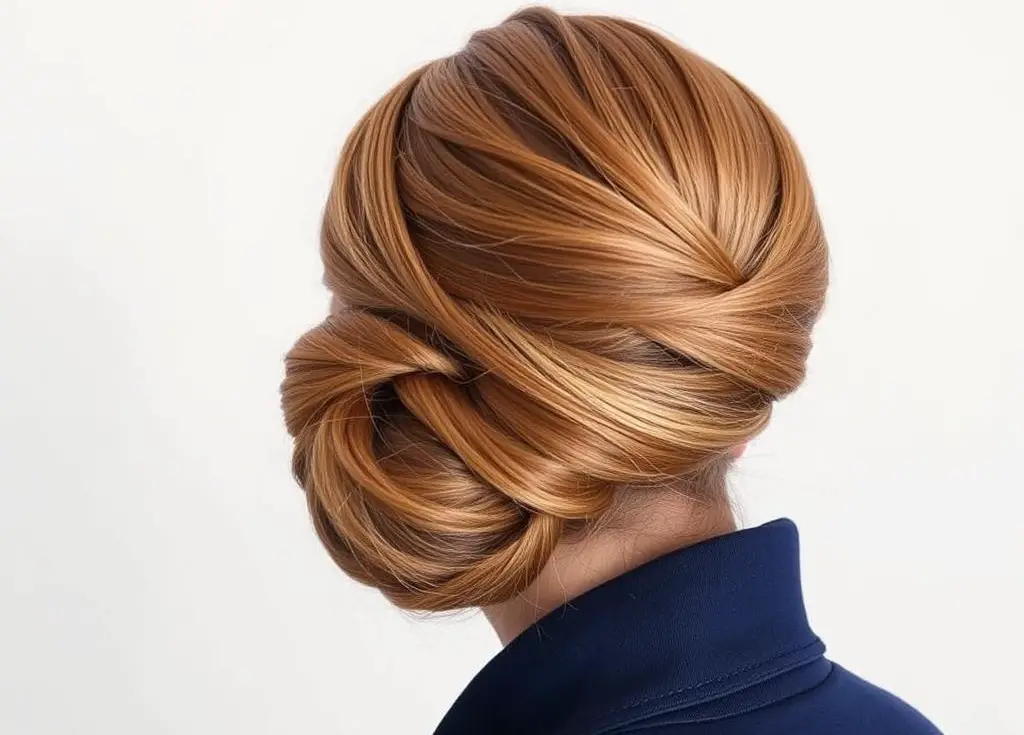
A well-executed low bun reads as timeless elegance, suitable for everything from board meetings to evening events. Start by brushing your hair back into a low ponytail at the nape of your neck, securing it with an elastic that matches your hair color. The placement matters significantly – too high looks casual, while the perfect spot sits just above where your neck meets your head.
Before twisting the ponytail into a bun, lightly tease the length to create some texture and grip. This prevents the bun from becoming too tight and severe-looking. Twist the ponytail loosely, then wrap it around the base, securing with bobby pins inserted at angles for maximum hold. The key is maintaining some softness rather than pulling everything taut.
For a more refined finish, take a small section of hair from underneath the bun, wrap it around the elastic to hide it, and secure with a bobby pin. This small detail elevates the entire look from functional to polished. If you have shorter layers that won’t reach the bun, don’t force them. Instead, let them frame your face naturally or secure them with a small amount of smoothing cream.
Sleek ponytail variations
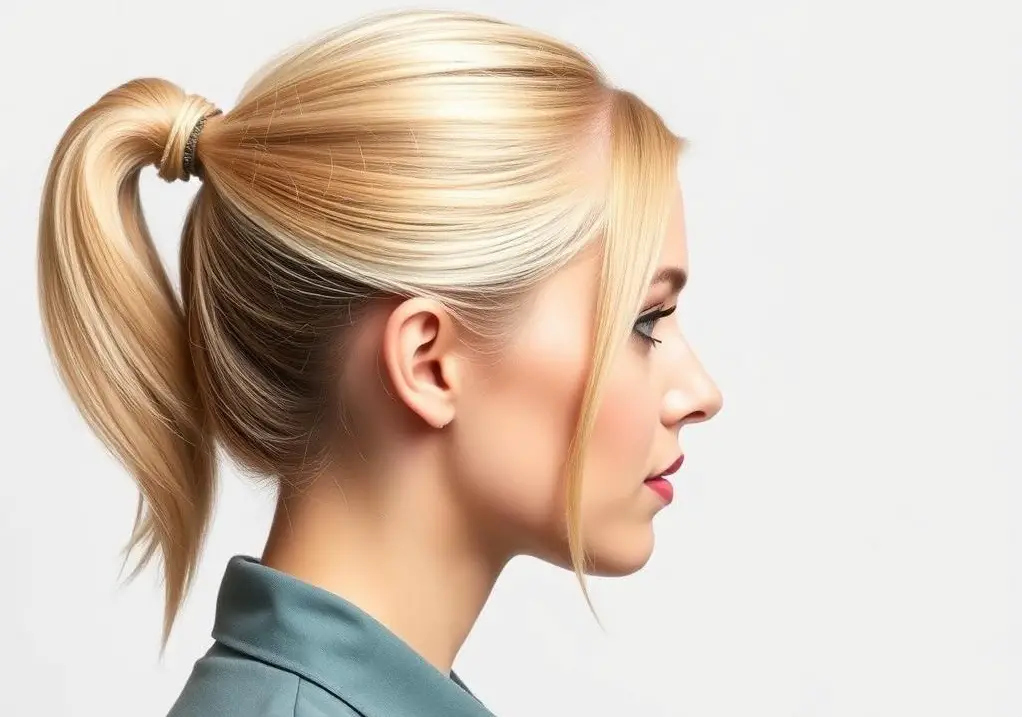
The ponytail transforms from gym-ready to office-appropriate with strategic styling choices. Begin with dry hair, applying a smoothing serum from mid-length to ends. Use a paddle brush to gather hair at your desired height – mid-head level tends to be most flattering and professional. Secure tightly with a snag-free elastic.
What separates an elegant ponytail from a basic one? First, the base should be smooth without bumps or loose pieces sticking up. Run a fine-tooth comb over the sides and top after securing to catch any strays. Second, wrap a one-inch section of hair from the ponytail around the elastic, securing underneath with a bobby pin. This instantly upgrades the look.
Consider these ponytail variations for different occasions:
Low Side Ponytail: Swept to one shoulder for a softer, more romantic look
Bubble Ponytail: Add elastics every few inches and gently tug sections for volume
Wrapped Ponytail: Incorporate a small braid or twist along one side before gathering
Double Ponytail: Create the illusion of length and fullness with two stacked ponytails
Textured Ponytail: Add waves or curls to the tail portion only for contrast
Half-up styles that work for any hair type
Half-up styles offer the best of both worlds – hair stays out of your face while maintaining length and movement. These versatile options work whether your hair is straight, wavy, curly, or somewhere in between. The basic principle remains consistent: section off the top portion of hair from temple to temple, leaving the bottom layers free.
For straight hair, create interest by adding a slight wave to the lower sections with a flat iron twist technique. Gather the top section, secure it with a clear elastic, then pull gently at the crown to create some height. This prevents the style from looking too flat or severe against your head.
Curly and wavy hair benefits from a looser approach. Instead of brushing the top section smooth, use your fingers to gather hair while maintaining your natural texture. Secure with bobby pins rather than an elastic to preserve volume and prevent the dreaded ponytail dent. Leave some face-framing pieces loose for a softer effect.
Time-saving tools and products
The right tools can cut your styling time in half while improving results. A high-quality paddle brush smooths hair quickly without causing static or breakage. Keep it clean – product buildup on bristles transfers to your hair, making it look dull and greasy faster.
Bobby pins deserve more attention than they typically receive. Invest in pins that match your hair color and have a good grip. The wavy side should face down against your scalp for better hold. Store them in a small container near your styling area so you’re not hunting for them with wet hands and half-finished hair.
Dry shampoo serves as perhaps the most valuable time-saver in your arsenal. Apply it before bed on nights before busy mornings, allowing it to absorb oil while you sleep. This creates texture and volume that makes styling easier and faster the next day. Choose a formula that doesn’t leave white residue, especially important for darker hair colors.
Hair elastics matter more than you might think. Silk or satin-wrapped elastics prevent breakage and don’t leave creases, allowing you to transition between styles throughout the day. Keep several in your bag, car, and bathroom to avoid using rubber bands or worn-out elastics that damage hair and look unprofessional.
Common morning styling mistakes
Rushing through your morning routine leads to mistakes that sabotage your hairstyle before you even leave the house. Applying products to soaking wet hair dilutes their effectiveness and extends drying time. Towel-dry first, then apply products to damp, not dripping, hair for better results and faster styling.
Many women make the error of using too much product, thinking more equals better hold or smoothness. This weighs hair down and creates a greasy appearance by midday. Start with a dime-sized amount of any product, adding more only if necessary. You can always add more, but removing excess product means starting over.
Ignoring your hair’s natural patterns wastes time and energy. If your hair naturally parts on the left, working with that tendency creates better results than forcing a right-side part. Similarly, if you have a cowlick at your crown, work with it rather than against it by adjusting your style’s placement.
Not allowing enough cooling time ranks among the most common yet fixable mistakes. After using hot tools or blow-drying, give your hair a moment to cool and set before touching it or adding products. This helps the style last longer and prevents frizz caused by handling hair while it’s still warm and malleable.
Five-Minute Hairstyles for Different Hair Textures
Understanding your hair texture unlocks the ability to create elegant styles quickly and efficiently. Each texture has its advantages and challenges, but knowing how to work with what you have rather than against it transforms your styling routine from frustrating to effortless.
Working with straight hair
Straight hair offers a smooth canvas but can lack volume and movement without proper techniques. The challenge lies in creating interest and preventing styles from falling flat by noon. Start any style on straight hair with a volumizing mousse or root lift spray applied to damp roots, then blow dry with your head upside down for instant lift that provides a foundation for any quick style.
A twisted crown creates an elegant look in minutes. Part your hair deeply on one side, then take a two-inch section from the heavier side. Twist this section away from your face, adding small pieces of hair as you move toward your ear. Secure behind your ear with bobby pins crossed in an X formation for extra hold. This simple twist adds sophistication to otherwise plain straight hair.
The sleek low knot works beautifully on straight hair’s smooth texture. Brush hair back into a low ponytail but don’t pull the hair all the way through the elastic on the last wrap. Leave the ends out and wrap them around the base, creating a modern knot effect. The natural smoothness of straight hair makes this style look intentional and polished rather than messy.
For days when straight hair feels particularly lifeless, try the faux bob technique. Gather hair at the nape and create a loose ponytail. Tuck the tail up and under, pinning it against your head to create the illusion of shorter hair. This adds visual interest and works especially well when wearing collared shirts or turtlenecks.
Styling naturally wavy textures
Wavy hair provides built-in texture that creates effortlessly elegant styles with minimal manipulation. The key lies in enhancing your waves rather than trying to perfect them – controlled chaos often looks more sophisticated than forced precision.
Scrunch and go methods work wonderfully for wavy hair when you’re pressed for time. Apply a curl-enhancing cream to damp hair, then scrunch upward with a microfiber towel. Let hair air dry while you get ready, or use a diffuser on low heat if needed. This maintains your natural wave pattern while preventing frizz.
The side-swept twist takes advantage of wavy texture’s natural volume. Sweep all your hair to one side, then create a loose twist from ear to shoulder. Secure with bobby pins along the nape of your neck, allowing some waves to cascade over your shoulder. This asymmetrical style looks romantic and purposeful.
For second or third-day wavy hair, refresh your texture without rewashing. Spray a mixture of water and leave-in conditioner on mid-lengths to ends, then scrunch gently to reactivate waves. Follow with a light-hold hairspray to maintain definition throughout the day. This technique saves significant time while maintaining elegance.
Solutions for curly hair
Curly hair’s natural volume and texture create stunning styles with minimal effort once you understand how to manage rather than fight your curls. The approach differs completely from other textures – less manipulation often yields better results.
The pineapple updo perfectly suits curly hair’s need for gentle handling. Flip your head forward and gather curls loosely at the very top of your head. Secure with a soft scrunchie or silk elastic, allowing curls to fountain out naturally. Pull a few face-framing pieces loose and you have an elegant style that preserves curl pattern while looking intentionally styled.
A simple side pin-back showcases curls while keeping hair controlled. Take a section from one side, twist it gently (don’t pull too tight or you’ll stretch out the curls), and pin behind your ear. Leave the rest of your curls free. This asymmetrical approach adds interest while requiring virtually no styling time.
Working with day-old curls actually saves time for busy mornings. The night before, gather curls into a very loose, high bun secured with a silk scrunchie. In the morning, release the bun and shake curls loose. They’ll have maintained their shape with added volume at the roots.
Curly hair responds best to products applied to wet hair, so keep a spray bottle handy for quick morning refreshes. A mixture of water, leave-in conditioner, and gel reactivates products already in your hair while taming any frizz that developed overnight.
Managing thick versus thin hair
Hair density dramatically affects how styles hold and which techniques work best. Thick hair needs strategies to manage volume and weight, while thin hair requires methods to create fullness and maintain shape. Here’s how to work efficiently with both:
For thick hair, sectioning is crucial. Don’t try to manage all your hair at once. Work in layers, securing upper sections with clips while styling lower portions. This prevents arm fatigue and creates more polished results. Use stronger-hold elastics and more bobby pins than you think you need – thick hair’s weight can overpower weak accessories.
Thin hair benefits from strategic teasing at the crown. Use a fine-tooth comb to backcomb small sections at the roots, then smooth the top layer over the teased area. This creates lasting volume without the obvious ratted appearance. Apply dry shampoo before styling, even on clean hair, to add grip and texture that helps styles stay put.
Thick hair should avoid heavy products that add unnecessary weight. Opt for lightweight serums or sprays applied sparingly to ends only. Thin hair, conversely, benefits from volumizing products applied at the roots and texturizing sprays throughout for added grip and the illusion of density.
The French twist adapts beautifully to both hair densities. For thick hair, divide hair into two sections horizontally and create two smaller twists stacked on top of each other. For thin hair, incorporate all hair into one twist but tease beforehand and use numerous pins to create the fullness thick hair naturally provides.
Texture-specific product recommendations
Selecting products suited to your hair texture streamlines your routine and improves results significantly. Straight hair performs best with lightweight volumizing mousses and heat protectants that don’t weigh down the hair. Root lift sprays applied before blow-drying create lasting volume without stickiness or residue.
Wavy hair thrives with curl-enhancing creams and sea salt sprays that define texture without creating crunchiness. Look for products containing moisturizing ingredients like glycerin or aloe vera that combat frizz while maintaining natural movement. Avoid heavy oils or butters that can weigh down waves and destroy their natural bounce.
Consider curl-specific gels and custards for curly hair that provide definition and hold without creating that dreaded crunchy cast. Once hair dries completely, scrunch out any hardness to reveal soft, defined curls. Leave-in conditioners are essential for maintaining moisture and preventing frizz throughout the day.
Product application technique matters as much as product selection. Use the praying hands method for even distribution on straight and wavy hair – smooth product between palms and glide over hair from roots to ends. For curly hair, try the rake and shake method – rake product through sections with fingers, then shake gently to encourage curl formation. These targeted approaches maximize product effectiveness while minimizing waste and buildup.
Transitioning Your Look from Day to Evening
Your morning hairstyle doesn’t have to limit your evening plans. With a few strategic adjustments and minimal tools, you can transform professional daytime hair into something special for after-work events without starting from scratch.
Simple additions that elevate your style
Small changes create dramatic differences in how your hairstyle reads. Adding texture where there was smoothness, or smoothing where there was texture, shifts the entire mood of your look. A daytime low ponytail becomes evening-appropriate by wrapping a strand of hair around the elastic and adding loose waves to the tail. These modifications take minutes but change the style’s entire personality.
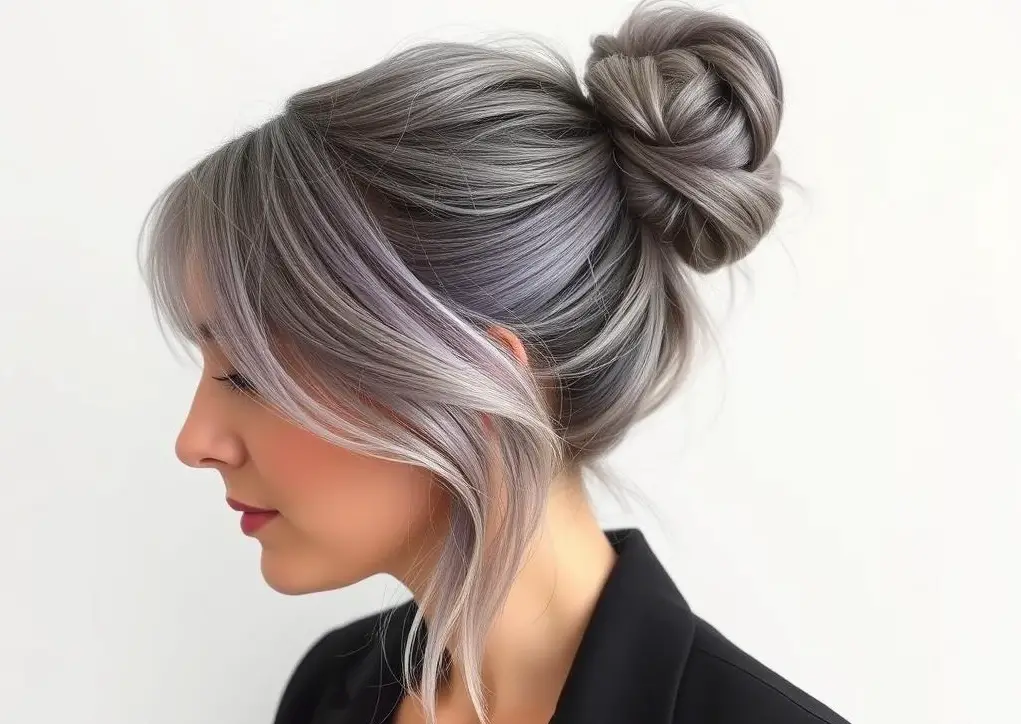
Hair accessories offer the fastest route to evening elegance. A simple low bun transforms with the addition of a decorative hair pin or small sparkly barrette. Position these accessories strategically – at the base of a bun, along the side of an updo, or holding back one side of loose hair. The key is choosing pieces that complement rather than overwhelm your style.
Texture spray applied to specific sections adds instant sophistication. Spray it at the crown for volume, through the lengths for piece-y separation, or at the roots for grip when creating an updo. This one product can rough up a too-perfect daytime style into something more relaxed and evening-appropriate.
Face-framing pieces make any style feel more romantic and less corporate. If you wore your hair completely pulled back during the day, release a few wisps around your face. Use a curling iron or flat iron to add a subtle bend to these pieces. This softening effect immediately shifts your look from boardroom to dinner date.
The art of deconstruction works particularly well for transitioning styles. That tight, low bun from your morning meeting becomes an elegant messy bun by gently pulling at sections to loosen them. Tug at the crown for height, pull a few pieces loose around the face, and allow the bun itself to expand slightly. What was once severe becomes effortlessly sophisticated.
Transforming office hair for dinner plans
The sleek ponytail you wore to work becomes evening-ready with strategic adjustments. Release the ponytail and use your fingers to create a deep side part. Sweep hair over to one side and secure with bobby pins behind the opposite ear, creating an asymmetrical style. The change in proportion and positioning completely alters the look’s feeling.
A professional half-up style transitions beautifully by releasing the top section and creating soft waves throughout. Use a large barrel curling iron or flat iron to add bends to random sections – not uniform curls but varied texture. Re-gather just the very top section, smaller than before, and secure messily with bobby pins. The contrast between the controlled top and textured bottom reads as deliberately undone.
Transform your practical low bun into a chic side chignon. Release the bun but keep the elastic in place. Shift the entire ponytail to one side of your nape, then re-twist and pin in a looser formation. Pull some hair forward over one shoulder. This asymmetrical placement combined with softer execution creates an entirely different mood.
Quick refresh techniques without starting over
Reviving your hairstyle after a full day requires targeted approaches rather than complete restructuring. Focus on the areas that show wear first – typically the roots and around the hairline where oil accumulates and volume deflates. A blast of dry shampoo at the roots, followed by massage and brushing through, can restore freshness in under a minute.
Re-activating texture in the lengths brings life back to tired hair. Spray a texturizing mist through mid-lengths to ends, then scrunch or twist sections depending on your desired finish. This technique works whether you’re enhancing natural waves or adding interest to straight hair. The moisture in the spray also helps combat any dryness from office air conditioning.
Volume restoration at the crown makes the biggest visual impact. Flip your head upside down and spray hairspray at the roots, then flip back and gently tease the crown area. Smooth the top layer over the teased section. This creates height that lasts through evening activities without the helmet-hair effect of all-over hairspray.
Bobby pin placement can completely change a style without starting over. If you wore a simple pulled-back style during the day, add decorative pins in an asymmetrical pattern. Create subtle twists on one side and pin them back. These small architectural changes add interest and elegance without requiring a complete restyle.
Accessories that instantly upgrade any style
The right accessory transforms basic hair into something special without requiring styling skills or extra time. Here’s how to use different accessories effectively:
Decorative Clips: Position at the temple for a retro feel or low at the nape for modern minimalism
Silk Scarves: Weave through a braid, tie around a ponytail base, or use as a headband
Metal Headbands: Place over loose hair or updos for instant polish and structure
Statement Pins: Cluster several small ones for impact or use one large piece as a focal point
Combs: Tuck decorative combs into updos or use to hold back one side of loose hair
Choose accessories that contrast with your hair color for maximum impact – gold tones for dark hair, silver for light hair, or tortoiseshell for red tones. The size should be proportional to your hairstyle; delicate pieces for simple styles, bolder choices for more elaborate looks.
Quality matters more than quantity with hair accessories. One well-made piece that securely holds hair while adding visual interest serves better than multiple cheap options that slip or break. Invest in a few versatile pieces that coordinate with your wardrobe and store them in your desk drawer or bag for spontaneous plan changes.
Metal accessories tend to hold better than plastic in fine or slippery hair. If your hair struggles to hold accessories, spray hairspray on bobby pins before inserting them, or add texture spray to the sections where you’ll place clips. This extra grip prevents accessories from sliding out during your evening activities.
Essential Techniques for Lasting Elegance
Building hairstyles that maintain their elegance throughout the day starts with proper foundation techniques. These fundamental skills determine whether your morning effort pays off or disappears by lunchtime.
The foundation of a good hairstyle
Every lasting hairstyle begins with properly prepped hair. This doesn’t mean elaborate treatments or time-consuming routines. It means understanding what your hair needs to hold a style and providing exactly that – no more, no less. Clean hair might seem ideal, but day-old hair often styles better due to natural oils that provide grip and texture.
The way you dry your hair sets the stage for everything that follows. Rough-drying with your fingers until hair is 80% dry, then switching to purposeful styling, creates better results than blow-drying from soaking wet. This approach prevents over-manipulation when hair is most fragile and reduces heat exposure. Direct the airflow down the hair shaft to smooth cuticles and reduce frizz.
Sectioning hair properly makes the difference between amateur and professional-looking results. Use the point of a tail comb to create clean parts. Work with sections no wider than your styling tool – whether that’s a brush, curling iron, or your hands. This discipline might add a minute to your routine but saves time by preventing the need to rework sections.
Temperature awareness affects both hair health and style longevity. Hot tools should be warm enough to style effectively but not so hot they damage hair or cook product into a sticky mess. Most hair types style beautifully at medium heat. Test your tools on a tissue first – if it browns, the temperature is too high.
Securing styles that stay put all day
The difference between styles that last and those that fall lies in proper securing techniques. Bobby pins should be inserted with the wavy side down against your scalp. This orientation grips better than placing them smooth-side down. Cross pins in an X formation for extra security in heavy sections or at stress points.
Elastic selection impacts both hair health and style longevity. Avoid traditional rubber bands that break hair and create dents. Silk-wrapped elastics or spiral hair ties distribute pressure more evenly, preventing breakage and allowing you to adjust styles throughout the day without permanent creasing.
The placement of securing elements matters as much as what you use. When creating updos, place pins at angles that work with gravity rather than against it. Insert them in the direction hair naturally wants to fall, then use the pin to redirect and hold. This approach creates more natural-looking holds that don’t pull uncomfortably or loosen quickly.
Setting your style properly ensures longevity. After using heat to create a curl or wave, hold that section in position as it cools. This allows the hydrogen bonds in your hair to reset in the new shape. Similarly, after creating an updo, a light mist of hairspray followed by gentle palm pressure helps everything meld together.
Managing flyaways and frizz
Flyaways and frizz can destroy the elegance of otherwise perfect styles, but managing them doesn’t require heavy products or constant touch-ups. Prevention starts with proper moisture balance. Hair that’s too dry becomes staticky and unmanageable, while over-conditioned hair won’t hold styles. Find your balance through trial and error.
The toothbrush technique offers precise flyaway control without disturbing your overall style. Spray a clean toothbrush with hairspray and gently brush over problem areas. This targets specific hairs without adding weight or stiffness to the entire style. Keep a travel-size toothbrush in your bag for touch-ups.
Dryer sheets provide an emergency frizz solution. Gently run one over your hair to eliminate static without adding product. This trick works particularly well in winter when indoor heating creates static-prone conditions. Choose unscented sheets to avoid overwhelming fragrance.
Product application technique prevents frizz formation. Never apply serums or oils directly to your hair. Always warm them between your palms first, then smooth over hair with a downward motion. This method ensures even distribution and prevents product concentration that can make hair look greasy or weighed down.
Building volume without complicated steps
Volume doesn’t require teasing your entire head or using hot rollers. Strategic techniques create lift exactly where you need it without time-consuming processes. Changing your part creates instant volume – if you typically part on the left, flip to the right for immediate root lift. This simple switch can transform flat hair in seconds.
The upside-down blow-dry method builds volume from the start. Flip your head forward and dry roots first, using your fingers to lift and separate. Once roots are dry, flip back and smooth lengths with a brush. This technique creates lasting lift without requiring root clips or velcro rollers.
Dry shampoo serves as both oil absorber and volumizer. Apply it to clean, dry roots before styling to add texture and grip that helps hair stand away from the scalp. Focus on the crown and any areas that tend to fall flat. This preemptive approach works better than trying to add volume to already-flat hair.
The zigzag part technique disguises thin areas while creating volume. Instead of a straight part, use the point of a comb to create a subtle zigzag pattern. This prevents hair from lying flat along the part line and creates natural lift. The irregular line also looks more natural and less severe than a razor-straight part.
Root-lifting techniques don’t always require special products. While blow-drying, use a round brush to lift sections straight up from the scalp, then blast with cool air before releasing. This sets the lift in place. For extra hold, give each section a light mist of hairspray while still elevated.
No-Heat Styling Methods That Save Time
Heat-free styling preserves hair health while simplifying your routine. These methods often work overnight or during your morning routine, multitasking while you handle other preparations. Understanding which techniques suit your hair type transforms the idea of no-heat styling from limitation to liberation.
Overnight techniques for morning-ready hair
Setting your hair before bed means waking up to nearly finished styles. The sock bun method creates smooth waves without any morning effort. Secure slightly damp hair in a high ponytail, slide a sock with the toe cut off to the base, then roll hair around it from ends to roots. Sleep on this comfortable bun and release in the morning for uniform waves.
The loose top knot creates volume and texture for all hair types. Gather dry hair at the crown – not too tight – and twist into a bun, securing with a soft scrunchie. Position the bun so you can sleep comfortably. In the morning, release and shake out for instant volume and gentle waves that just need finger-styling.
Pin curls offer precise control over your morning texture. Section damp hair, wrap each section around two fingers, slide the loop off and pin flat against your head. Cover with a silk scarf to sleep comfortably. The morning reveal shows defined curls or waves depending on section size – smaller sections create tighter curls, larger ones produce loose waves.
Multiple small buns distributed across your head create consistent texture throughout your hair. Divide damp hair into 4-6 sections, twist each into a small bun, and secure with soft elastics. This method works especially well for shorter hair that won’t hold one large bun. Morning styling involves just releasing the buns and arranging with fingers.
Braiding methods for effortless waves
Different braiding techniques produce varying wave patterns, from beachy ripples to defined zigzags. A single loose braid down the back creates gentle, uniform waves perfect for professional settings. Start with slightly damp hair, braid loosely (tight braids create crimped-looking waves), and secure with a silk elastic. The looser the braid, the more natural the resulting wave.
Multiple braids generate more defined texture throughout your hair. Part hair into 2-4 sections and create individual braids. This method works particularly well for thick hair that resists holding waves. Vary the braid tightness for different effects – tighter near the roots for volume, looser through lengths for gentler waves.
The French braid wave method combines sophistication with practicality. French braid damp hair before bed, incorporating all hair from crown to ends. This creates waves that start higher on the head than regular braids, plus you can wear the braid itself as a style if you don’t have time to release it immediately.
Dutch braids create waves with more volume at the roots since the braid sits on top of the hair rather than against the scalp. This technique works beautifully for fine hair needing extra lift. Create one or two Dutch braids on damp hair, sleep on them, then carefully release in the morning for voluminous waves.
The twist and pin approach
Twisting techniques create elegant results without heat or complicated manipulation. The rope twist involves dividing a section of hair into two parts, twisting each individually in the same direction, then wrapping them around each other in the opposite direction. Pin at the ends and leave for several hours or overnight. This creates spiral-like waves different from braided texture.
Flat twists against the scalp offer a no-heat alternative to hot tool curls. Section damp hair horizontally from ear to ear. Starting at one ear, twist hair flat against your head, adding more hair as you go, like a French braid but with twisting instead of braiding. Pin at the opposite ear. This creates waves with lots of root volume.
The twisted crown technique adds interest to straight hair without committing to all-over texture. Take sections from each temple, twist back, and pin at the crown. Leave these twists in while hair air-dries. When released, you’ll have gentle waves framing your face with straight hair elsewhere – perfect for adding movement without full styling.
Bantu knots deliver defined curls without heat damage. Section damp hair into small squares, twist each section tightly from root to end, then wrap into a small knot against the scalp. Secure with bobby pins if needed. These can be worn as a style themselves or released after drying for springy, defined curls. The smaller the sections, the tighter the resulting curls.
Products that enhance natural texture
The right products make heat-free styling more effective and longer-lasting. Here’s what actually makes a difference:
Mousse: Applied to damp hair before any heat-free method for enhanced hold and definition
Sea Salt Spray: Creates grip and enhances natural texture, especially in overnight styles
Leave-in Conditioner: Prevents dryness that can occur with manipulation and maintains smoothness
Light Hold Gel: Defines waves and curls from braids or twists without crunchiness
Setting Lotion: Old-fashioned but effective for making heat-free styles last longer
Water temperature affects how products perform in heat-free styling. Cool water seals cuticles and helps products adhere better, creating smoother results. Warm water opens cuticles, allowing deeper product penetration but potentially creating frizz. Match water temperature to your goal – cool for smoothness, warm for volume.
Application timing matters significantly with heat-free methods. Products applied to soaking wet hair dilute and may not dry completely overnight. Towel-dry first, then apply products to damp hair for optimal performance. This concentration allows products to work effectively without extending drying time.
Protecting hair while achieving style
Heat-free styling naturally protects hair from thermal damage, but mechanical damage from manipulation remains a concern. Use silk or satin accessories whenever possible – scrunchies, pillowcases, and scarves. These materials reduce friction that causes breakage and frizz, especially important when leaving styles in overnight.
Tension balance prevents damage while ensuring styles hold. Too-tight braids, buns, or twists cause breakage and can even lead to hair loss along the hairline. Too loose, and styles won’t hold or create the desired effect. Aim for firm but comfortable – you should be able to sleep without discomfort or feeling pulling.
Proper release technique preserves both your style and hair health. Never yank out elastics or rip apart braids. Work from the bottom up, gently separating sections with fingers coated in a light serum. This prevents frizz and breakage while maintaining the texture you worked to create.
Rotation between different heat-free methods prevents repetitive stress on the same hair sections. If you always create a top knot in the same spot, that area experiences constant tension. Vary your techniques – braids one night, twists another, buns in different positions. This variety also prevents your hair from becoming too accustomed to one method and losing effectiveness.
Your Path to Effortless Elegance
Mastering everyday hairstyles that balance ease with elegance isn’t about perfecting complex techniques or investing in expensive tools. The styles and methods covered here prove that sophistication comes from understanding your hair’s natural characteristics and working with them rather than against them. Whether you’re creating a polished low bun for the office, transforming your look for evening plans, or setting overnight styles that greet you ready-to-go in the morning, the foundation remains the same: smart techniques that respect both your time and your hair’s health.
Your perfect everyday hairstyle exists at the intersection of practicality and polish, where five-minute morning routines yield results that last all day. By selecting techniques suited to your specific hair texture, using the right products strategically, and mastering a few reliable securing methods, you can step out each morning looking deliberately styled rather than rushed. The elegance you seek doesn’t require hours of effort – just the knowledge of which simple adjustments create the most impact and the confidence to execute them consistently.
Frequently Asked Questions
Q: How can I make my hairstyle last all day without using lots of hairspray?
A: Focus on proper foundation techniques like using the right amount of product on damp hair, ensuring hair is completely dry before styling, and securing styles with quality bobby pins or elastics. Day-old hair often holds styles better than freshly washed hair due to natural texture.
Q: What’s the quickest elegant hairstyle for busy mornings?
A: A low ponytail with a wrapped hair elastic takes under two minutes but looks polished. Simply secure hair at the nape, wrap a small section around the elastic, and pin underneath. This works on all hair types and lengths past the shoulders.
Q: Can I achieve elegant styles with shoulder-length hair?
A: Absolutely. Shoulder-length hair is ideal for styles like low buns, half-up twists, and side-swept looks. This length offers versatility without the weight of longer hair, making it easier to maintain volume and shape throughout the day.
Q: How do I prevent my fine hair from looking flat in elegant styles?
A: Start with volumizing products at the roots, use dry shampoo even on clean hair for grip, and incorporate techniques like teasing at the crown or changing your part. Avoid heavy products and over-brushing, which can flatten fine hair.
Q: What’s the best way to refresh yesterday’s hairstyle for another day?
A: Apply dry shampoo at night to absorb oil while you sleep, then revive texture with a texturizing spray in the morning. Focus on refreshing the roots and hairline where oil accumulates most, then reshape your style with minimal manipulation.
Q: Which overnight method works best for creating waves without heat?
A: The single loose braid on slightly damp hair creates the most natural-looking waves for most hair types. For more defined waves, try multiple braids. The sock bun method works well for longer hair and creates uniform waves throughout.
Q: How can I transition my hairstyle from work to evening without starting over?
A: Release any tight elements to create softness, add texture with spray, and incorporate an accessory like a decorative clip or headband. Pulling out face-framing pieces and adding volume at the crown instantly makes any style more evening-appropriate.
Q: What products are absolutely essential for creating elegant everyday styles?
A: A good dry shampoo, lightweight hairspray, and quality bobby pins that match your hair color form the foundation. Add a texturizing spray for versatility and a smoothing serum for polish. These five items can create virtually any elegant style.
Q: How do I know if a hairstyle is too complicated for everyday wear?
A: If a style takes more than 10 minutes or requires more than three different hot tools, it’s probably too complex for daily wear. Elegant everyday styles should feel comfortable, stay put without constant adjustment, and be achievable even on rushed mornings.

