

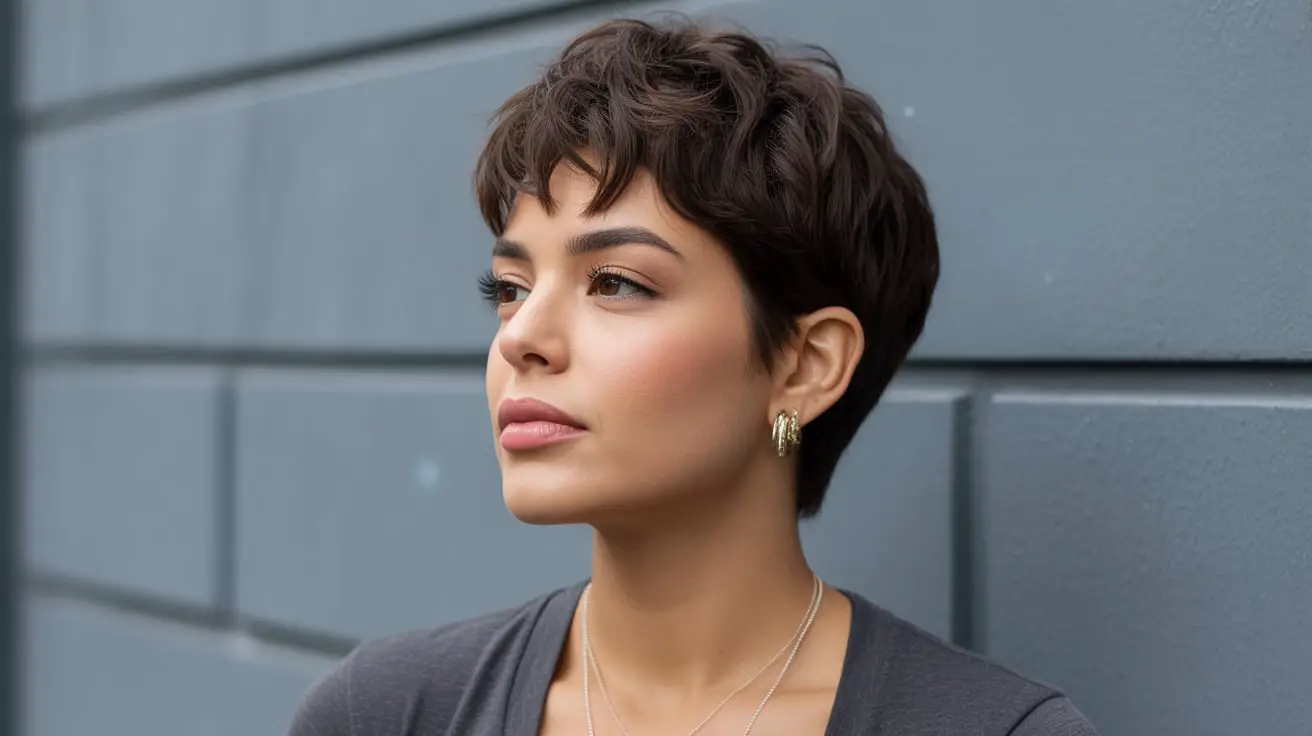
The messy pixie cut has become one of the most versatile short hairstyles for women who want effortless style without spending hours in front of the mirror. This playful cut combines the classic pixie’s short length with intentional texture and movement, creating a look that’s both polished and carefree. Unlike its more structured counterpart, this particular style thrives on imperfection, making it perfect for busy mornings and spontaneous plans.
Short hair doesn’t mean limited styling options. The beauty of this cut lies in its adaptability – you can create dozens of different looks using just your fingers and a few key products. From sleek and professional to wild and textured, the possibilities change based on how you manipulate those short layers. The cut’s forgiving nature means you don’t need perfect technique or professional skills to achieve stunning results.
We’ll guide you through everything you need to know about styling your short, textured cut effectively. You’ll discover which products work best, learn quick morning routines, find solutions for common styling challenges, and master techniques for transforming your look throughout the day. Continue reading to unlock the full potential of your pixie cut.
What Makes a Messy Pixie Different from Other Short Cuts?
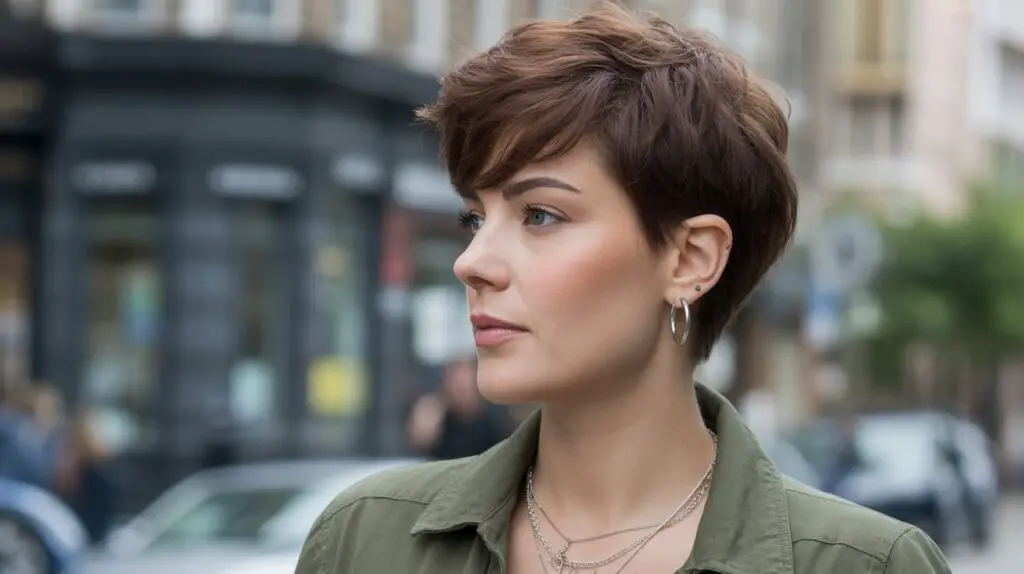
A messy pixie stands apart from traditional short cuts through its deliberately undone texture and movement. While classic pixies often feature precise lines and smooth surfaces, this style celebrates controlled chaos. The cut incorporates varying lengths throughout, with longer pieces on top that can be styled in multiple directions and shorter sections around the ears and nape that add dimension.
Texture and Movement Characteristics
The foundation of this hairstyle begins with strategic layering techniques that create natural movement. Your stylist cuts at different angles to produce pieces that don’t lie flat against your head. These varied lengths allow hair to move independently, creating that signature piece-y look without requiring extensive styling effort.
Texture plays a crucial role in achieving the right aesthetic. Whether your hair is naturally straight, wavy, or curly, the cut works with your existing texture rather than fighting against it. Fine hair gains body through the layering, while thick hair becomes more manageable with weight removed in strategic areas.
Length Variations Around the Head
The magic happens through carefully planned length differences. The crown typically features the longest pieces, measuring anywhere from two to four inches. This extra length provides styling versatility – you can push it forward for a edgy look, sweep it to the side for sophistication, or spike it up for drama.
Around the ears and neckline, shorter sections frame your face and neck beautifully. These areas usually measure less than an inch, creating clean lines that contrast with the fuller top sections. The graduation between these lengths shouldn’t be too harsh; instead, they should blend seamlessly to maintain the cut’s soft, approachable character.
How Layers Create the Messy Effect
Layering techniques transform a basic short cut into something special. Point cutting, a method where scissors cut into the hair at an angle, produces soft, feathered ends that naturally separate. Razor cutting might also be used to create even more texture, particularly for women with thicker hair that needs additional movement.
The placement of these layers determines how your hair will naturally fall and move:
- Top Layers: Cut shorter to create lift and prevent flatness at the crown
- Mid-Section Layers: Graduated to blend the top with the sides smoothly
- Perimeter Layers: Kept slightly longer to maintain a feminine softness
- Face-Framing Pieces: Cut at varying angles to enhance your features
Your stylist might also incorporate disconnected sections – areas where layers don’t blend traditionally. These create more dramatic texture and allow for greater styling flexibility, particularly beneficial for women who like changing their look frequently.
Maintenance Requirements Compared to Other Cuts
Surprisingly, this seemingly effortless style requires less daily maintenance than many other short cuts. The intentionally imperfect nature means you won’t need to worry about every hair being in place. Bed head often works in your favor, requiring just a quick scrunch with some product to look intentional.
However, the cut itself needs more frequent professional maintenance than longer styles. Plan for salon visits every 4-6 weeks to maintain the shape and prevent the layers from growing out awkwardly. Between appointments, you might need occasional neck trimming to keep the perimeter looking fresh.
The washing routine differs from longer hair too. You’ll likely need to shampoo more frequently – every 2-3 days for most hair types – as shorter hair shows oil more readily. But washing takes seconds, and drying time reduces dramatically compared to longer styles.
Growing out this cut proves easier than other pixie variations. The layered structure means you won’t experience as many awkward phases during the growth process. As pieces lengthen, they naturally transition into a longer shaggy style before eventually becoming a bob.
Essential Products for Styling Your Messy Pixie
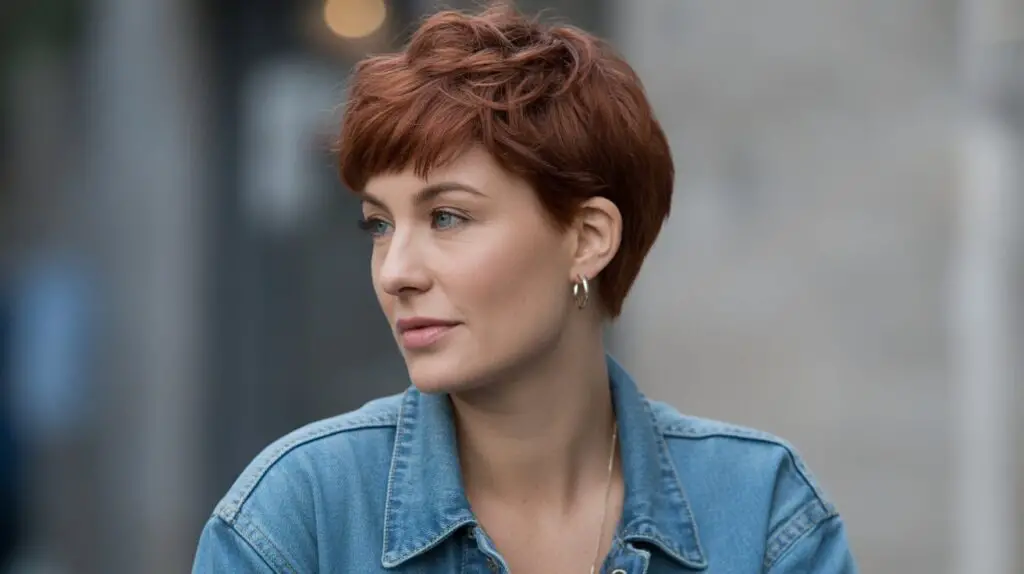
The right products make all the difference between a pixie that looks intentionally styled and one that appears genuinely unkempt. Your arsenal doesn’t need to be extensive – just a few well-chosen items will cover all your styling needs.
Texturizing Products for Definition
Texturizing products form the backbone of your styling routine. These create the piece-y, separated look that defines this particular cut. Sea salt sprays work wonderfully for adding grit and enhancing natural wave patterns. Apply to damp hair, scrunch, and either air dry or diffuse for beachy texture.
Texture powders offer another excellent option, particularly for fine hair that needs extra grip and volume. These nearly invisible products absorb oil while creating friction between hair strands. Sprinkle a small amount at your roots, then work through with your fingers. The result? Instant lift and that perfectly imperfect finish.
Matte clay or paste products provide stronger hold with a natural finish. Unlike gels that can look wet or crunchy, these maintain the soft, touchable quality essential to this style. Warm a pea-sized amount between your palms, then work through dry hair, focusing on the ends and any pieces you want to define.
Holding Products for All-Day Style
While the messy aesthetic suggests effortlessness, maintaining that look throughout the day requires strategic product use. Lightweight mousses applied to damp hair provide flexible hold without weighing down your style. Choose alcohol-free formulas to prevent dryness and maintain hair health.
Hairspray isn’t just for formal styles – the right formula keeps your pixie in place without stiffness. Look for flexible hold versions that allow movement while preventing your style from falling flat. A quick spritz after styling locks in your look, and you can reactivate the product later by scrunching with damp hands.
For women with particularly stubborn hair that refuses to cooperate, a small amount of pomade can work wonders. Modern water-based versions wash out easily while providing enough control for rebellious sections. Use sparingly though – too much creates an overly groomed appearance that contradicts the carefree vibe.
Tools That Work Best with Short Hair
Your tool selection significantly impacts your styling success. A high-quality hair dryer with multiple heat settings and a concentrator nozzle gives you precision control. The concentrator helps direct airflow exactly where needed, preventing other sections from getting disturbed while you work.
Small round brushes, typically one to two inches in diameter, prove invaluable for creating volume and smoothing specific sections. Natural bristle versions grip hair better than synthetic alternatives, making them ideal for short strands that might slip through other brushes.
Consider investing in a mini flat iron designed for short hair. These smaller plates navigate around ears and shorter sections more easily than standard-sized tools. You’ll use it not for straightening but for creating subtle bends and flips that add interest to your style.
Products to Avoid with Pixie Cuts
Some products that work beautifully on longer hair spell disaster for pixies. Heavy oils and serums, while great for long locks, can make short hair look greasy and limp within hours. If you need moisture, opt for lightweight leave-in conditioners specifically formulated for fine or short hair.
Traditional gels often create that wet, slicked appearance that ages your look and defeats the purpose of the messy aesthetic:
- Heavy Waxes: Leave residue and require frequent washing
- Thick Creams: Weigh down the hair and eliminate volume
- Strong-Hold Gels: Create stiffness and unnatural shine
- Oil-Based Serums: Make short hair appear greasy quickly
Avoid products with high alcohol content too. While they might provide immediate hold, they dry out your hair over time, leading to brittleness and breakage. Short hair shows damage more obviously than longer styles, so maintaining hair health remains crucial.
Volumizing products marketed for long hair often contain ingredients that build up on shorter strands. This buildup makes hair feel sticky and prevents the natural movement essential to your style. Instead, choose products specifically designed for short hair or those labeled as lightweight or buildable.
The key lies in starting with less product than you think you need. You can always add more, but removing excess from short hair often means starting over completely. Begin with tiny amounts, gradually increasing until you achieve your desired effect.
Quick Morning Styling Techniques
Mornings don’t have to involve complicated styling routines. With the right approach, you can achieve a perfectly imperfect look in minutes, leaving more time for coffee and actually getting where you need to go.
The Finger-Tousled Method
Your fingers are the most valuable styling tools you own. This technique works best on second or third-day hair when natural oils provide grip and hold. Start by misting your hair lightly with water – not soaking, just enough to reactivate any product from previous styling.
Rub a small amount of texture cream between your palms until it’s evenly distributed. Now, rather than smoothing your hair down, use a scrunching motion. Grab small sections between your fingers and push upward, creating natural separation and lift. Focus on areas that tend to fall flat, like the crown and around your part.
For extra definition, try the twist and release method. Take individual pieces, especially those framing your face, and twist them around your finger. Hold for a few seconds, then release. The hair maintains a soft bend that adds interest without looking overly styled.
Don’t forget about the back sections you can’t see. Reach behind and scrunch these areas too, or better yet, flip your head upside down and shake your fingers through your hair at the roots. This creates volume and ensures the back doesn’t lie flat while the front has all the texture.
Creating Volume at the Crown
Flat crown syndrome affects many women with short cuts, but several quick fixes can add instant height. The blow-dry method works wonders: with your dryer on medium heat, direct air at your roots while lifting sections straight up with your fingers. Hold each section for a few seconds after removing heat to set the lift.
Dry shampoo isn’t just for dirty hair – it’s a volume secret weapon. Spray it at your roots before bed, and you’ll wake up with natural lift and texture. The product absorbs oils overnight while creating friction between strands. In the morning, just massage your scalp to distribute the product and activate the volume.
Velcro rollers might seem old-fashioned, but they’re incredibly effective for pixies. Place one or two small rollers at your crown while you do your makeup or get dressed. The gentle lift they create lasts all day without the damage heat styling can cause. Remove them carefully to maintain the lift without creating weird indentations.
Working with Your Natural Texture
Fighting your hair’s natural tendencies wastes time and usually results in a style that won’t last. If you have naturally wavy hair, enhance those waves rather than trying to create stick-straight pieces. Apply a curl-enhancing mousse to damp hair, then scrunch and let sections air dry or use a diffuser on low heat.
Straight-haired women can add texture without heat tools. Apply a texturizing spray to damp hair, then braid small sections while your hair is still wet. Sleep on these tiny braids, and in the morning, gently separate them with your fingers. You’ll have natural-looking waves that don’t require any morning heat styling.
Curly hair often looks fantastic with minimal intervention:
- Define Curls: Apply curl cream to soaking wet hair, then squeeze out excess water
- Prevent Frizz: Use a microfiber towel or t-shirt to dry, never terry cloth
- Refresh Curls: Spray with water and scrunch to reactivate yesterday’s products
- Add Structure: Pin strategic curls in place while others dry naturally
Your hair’s natural growth patterns also influence styling. Work with cowlicks by styling them in the direction they want to go, using their natural lift to create volume. Fighting against them only results in pieces that pop up later in the day.
Five-Minute Styling Routine
Set yourself up for success with this streamlined morning routine. First, assess your hair’s current state. Does it need washing, or can you work with what you have? If washing is necessary, keep it quick – shampoo only the scalp, and condition just the longest top sections.
After towel drying, apply your base product. This might be mousse for volume, cream for control, or spray for texture. Work it through with your fingers, making sure to reach the back sections. Now comes the strategic blow-drying: focus on problem areas first, like flat spots or cowlicks. Dry these sections in the opposite direction of their natural growth for maximum lift.
Once your hair is 80% dry, switch off the dryer. Apply your finishing product – perhaps a texture powder at the roots or a small amount of paste on the ends. Use your fingers to create the final shape, pulling pieces forward, pushing others back, creating that perfectly undone appearance.
The final thirty seconds involve the details. Check the back using a hand mirror or phone camera. Adjust any pieces that look too perfect – remember, controlled chaos is the goal. A final light mist of flexible hold hairspray sets everything in place without creating helmet hair.
If you’re really pressed for time, this emergency routine takes under two minutes: Spray dry shampoo at roots, wait thirty seconds while you brush your teeth, massage it in, apply a tiny amount of texture paste to your palms, scrunch through your hair focusing on the top layers, and you’re done. Not perfect, but perfectly acceptable for those mornings when every second counts.
How to Switch Your Look Throughout the Day
Your pixie doesn’t have to stay static from morning to night. Small adjustments can completely transform your style, taking you from professional morning meetings to casual afternoon errands to evening events without starting from scratch.
From Office Appropriate to Evening Style
The professional look you wear to work can transform into something more dramatic with minimal effort. During the day, you might have styled your hair sleek and controlled, perhaps with a defined side part and smooth finish. This polished appearance works perfectly for client meetings and presentations.
As evening approaches, that same base becomes your canvas for something edgier. Add texture paste to your fingertips and rough up the smooth sections. Pull pieces forward onto your forehead for a more youthful, playful vibe. What was neat and tidy becomes effortlessly cool with just a few strategic adjustments.
Creating more dramatic height takes seconds. Backcomb the crown lightly with a small brush or even your fingers. This instant volume shifts the entire proportion of your style, making it more striking and evening-appropriate. Spray some texture spray at the roots and scrunch upward to lock in that extra lift.
Consider the direction changes too. If you’ve been wearing a deep side part all day, flip everything to the opposite side. This simple switch creates instant volume and shows a completely different angle of your cut. The hair naturally lifts at the roots when moved against its trained direction.
Adding Accessories for Variety
Accessories offer endless possibilities for transforming your pixie without touching the actual styling. Headbands aren’t just functional – they’re style statements. A thin metallic band adds elegance for evening events, while a fabric version creates a casual, bohemian feel for weekend brunches.
Bobby pins have evolved beyond their utilitarian roots. Decorative versions with pearls, geometric shapes, or colored metals become part of your style rather than hidden helpers. Create patterns with multiple pins – perhaps three gold pins arranged in a row above your ear, or crossed pins at your temple for an edgy accent.
Small clips designed for short hair can completely change your look. Sweep one side back and secure with a vintage barrette for instant sophistication. Or use tiny claw clips to create texture by grabbing and lifting small sections at random. These accessories take seconds to add but make a significant visual impact.
Temporary color products offer another transformation option. Colored dry shampoos add subtle tints while providing texture. Hair chalk or temporary color sprays let you add streaks of color for special events. Apply them to just your longest top sections for a punk-inspired look that washes out immediately.
Changing Your Part for Different Effects
Your part placement dramatically affects your overall appearance. A center part creates symmetry and can make your face appear longer and more oval. This works particularly well when you want a more editorial or fashion-forward appearance. Style both sides equally for balance, or keep one side tucked behind your ear for asymmetrical interest.
The deep side part remains a classic for good reason:
- Professional Polish: Creates a sophisticated, put-together appearance
- Natural Volume: Hair falls with gravity, creating automatic height
- Face Framing: Allows longer pieces to sweep across your forehead
- Versatility: Easy to adjust throughout the day
A zigzag part adds instant personality. Create it by using the tail of a comb to draw a lightning bolt pattern from front to back. This unconventional parting disguises roots that need touching up and adds visual interest to even the simplest styling. The irregular line prevents hair from falling flat and maintains volume throughout the day.
Sometimes abandoning a defined part altogether works best. Push all your hair straight back from your forehead for a bold, confident look. This style shows off your facial features and requires confidence to wear. Use a bit more product than usual to maintain the swept-back position, and don’t worry if a few pieces fall forward – that adds to the effortless appeal.
Touch-Up Techniques Without Full Restyling
By afternoon, your morning style might need refreshing, but complete restyling isn’t practical. Water is your best friend for quick touch-ups. Keep a small spray bottle at your desk or in your bag. Lightly mist problem areas, then reshape with your fingers. The moisture reactivates products already in your hair.
Dry shampoo serves double duty as a refresher and volumizer. Focus on areas that have fallen flat or look oily. After spraying, wait a full minute before massaging it in – this patience pays off with better oil absorption and longer-lasting results. The added texture also makes hair easier to manipulate into new shapes.
For pieces that won’t cooperate, a tiny amount of hand lotion can substitute for hair product in emergencies. Rub a drop between your fingers until it’s barely there, then smooth down flyaways or define specific pieces. This trick works because most hand lotions contain similar ingredients to hair smoothing products.
The bathroom paper towel trick works wonders for removing excess oil without adding product. Gently blot your roots with a brown paper towel (the rough kind found in public restrooms). This absorbs oil without disturbing your style, buying you several more hours before needing a proper wash.
End-of-day revival requires strategic scrunching. Turn your head upside down and gently shake your fingers through your roots. This redistributes natural oils, adds volume, and breaks up any sections that have become too defined or separated. Stand up and use your fingers to guide pieces back into place, creating that perfectly lived-in texture that ironically looks better than your fresh morning style.
Styling Solutions for Common Pixie Problems
Every pixie wearer faces styling challenges, but knowing how to address them quickly keeps frustration at bay. These solutions work for the most common issues you’ll encounter.
Dealing with Flat Spots
Flat spots seem to appear from nowhere, particularly after sleeping or wearing hats. The crown area suffers most, losing all the volume you carefully created that morning. Before reaching for products, try the upside-down shake method. Bend forward, letting your hair hang freely, and massage your scalp vigorously. This simple action often provides enough lift to revive flat areas.
Targeted blow-drying fixes persistent flat zones. Direct the airflow against the direction of hair growth while lifting sections with your fingers or a small brush. Hold the lifted hair in place as it cools – this sets the new position more effectively than heat alone. Focus extra attention on your natural part line, as this area tends to flatten first.
Product placement makes a huge difference in preventing flat spots from developing. Rather than distributing products evenly, concentrate volumizing formulas where you need them most. Apply mousse or root lift spray directly to problem areas before styling, creating a foundation of lift that lasts longer.
The strategic haircut itself can minimize flat spots. Ask your stylist to add extra layers in areas that tend to fall flat. Shorter layers underneath longer pieces create built-in volume that requires less daily styling effort.
Managing Cowlicks and Growth Patterns
Cowlicks in short hair can seem impossible to tame, but working with them rather than against them yields better results. Identify your cowlick’s natural direction by wetting the area and watching which way it wants to fall. Style in this direction for the path of least resistance.
For stubborn cowlicks that refuse cooperation, the wet-set method works well:
- Soak the Area: Completely saturate the cowlick with water
- Apply Product: Use a strong-hold gel or cream while hair is wet
- Set Direction: Comb in desired direction and hold with clips
- Dry Completely: Use low heat to lock in the new pattern
- Remove Clips: Carefully take out clips and finish with hairspray
Growth patterns around your hairline need special attention. Baby hairs and shorter regrowth often stick straight up or curl in unwanted directions. A small amount of pomade or edge control product smooths these areas without weighing down the rest of your style. Apply with a clean mascara wand or small brush for precision.
Sometimes the best solution involves incorporating cowlicks into your style. That piece that always sticks up at your crown? Make it a feature by adding product and creating a purposeful spike. The section that curves oddly at your temple? Enhance the curve for an interesting asymmetrical detail.
Fixing Over-Styled or Greasy Hair
Too much product happens to everyone occasionally. Your hair feels heavy, looks greasy, and won’t respond to additional styling attempts. Dry shampoo can help, but sometimes it’s not enough. Cornstarch or baby powder works as an emergency alternative – apply to roots, wait two minutes, then brush through thoroughly.
When dry remedies fail, the partial wash technique saves time. Wet just the over-styled sections at your sink, shampoo lightly, and rinse. Towel dry and restyle only these areas. This targeted approach takes five minutes versus a full shower and complete restyling.
For moderate product buildup, the steam treatment helps. Hold your head over a bowl of hot water with a towel creating a tent. The steam loosens product without fully wetting your hair. After a minute, use a clean towel to blot away loosened product, then restyle with minimal additional product.
Blotting papers designed for facial oil work on hair too. Press them against greasy sections to absorb excess oil and product. This method works particularly well for bangs and pieces around your face that show oil first.
Working with Different Weather Conditions
Humidity transforms your perfectly styled pixie into something entirely different. Rather than fighting moisture in the air, adapt your routine. On humid days, skip moisturizing products and focus on anti-humidity formulas. These create a barrier that prevents moisture from penetrating your hair shaft and causing frizz or limpness.
Windy conditions require extra hold without stiffness. Apply your regular products, then finish with a flexible hold hairspray applied in layers. Spray, wait ten seconds, then spray again. This layering technique creates better hold than one heavy application. Carry a travel-size hairspray for touch-ups after being outside.
Rain presents unique challenges for short hair. Unlike longer styles that can be tied back, pixies have nowhere to hide. Waterproof your style by using silicone-based products that repel water. Apply these to dry hair as a final step, focusing on the outer layer that rain hits first. A light coating protects without creating that wet look.
Winter static makes short hair stand on end unpredictably. Combat this by increasing moisture in your routine. Use a leave-in conditioner daily, and switch to a moisturizing shampoo. Dryer sheets aren’t just for laundry – running one lightly over your hair eliminates static instantly. Keep one in your pocket or desk drawer for emergency fixes.
Hot, dry weather causes different problems. Hair becomes brittle and styling products seem to evaporate. Adjust by using cream-based products instead of sprays or powders. These provide moisture while styling. Avoid hot tools when possible, as additional heat stress compounds weather-related dryness. If you must use heat, always apply a thermal protectant first, even on short hair.
Your Messy Pixie
Mastering your messy pixie cut opens up a world of styling possibilities that longer hair simply can’t match. The techniques and products discussed here provide you with everything needed to create multiple looks from a single cut. Whether you’re rushing through Monday mornings or preparing for Saturday night events, your pixie can adapt to any situation with just a few strategic adjustments.
The beauty of this versatile cut lies not in perfection but in its intentional imperfection. Those supposedly “bad hair days” often produce the best results, with natural texture and movement creating exactly the effortless vibe this style embodies. Armed with the right products, tools, and techniques, you’ll find that maintaining and styling your pixie becomes second nature, taking minutes rather than hours while delivering maximum impact and style confidence.
Frequently Asked Questions
Q: How often should I wash my messy pixie cut?
A: Most women with pixies need to wash every 2-3 days, though this varies with hair type and lifestyle. Oily hair might need daily washing, while dry or color-treated hair can go 3-4 days. Short hair shows oil more quickly than long hair, but overwashing can stimulate more oil production.
Q: Can I style a messy pixie without any heat tools?
A: Absolutely! Apply texturizing products to damp hair, scrunch with your fingers, and let it air dry. Twist small sections while wet for natural texture, or use foam rollers overnight for heat-free volume. Many women find their pixies look better with air drying than heat styling.
Q: What’s the best way to grow out a messy pixie?
A: Keep getting regular trims every 6-8 weeks to maintain shape during growth. Focus trimming on the neckline and around ears while letting the top grow longer. The layered nature of messy pixies means fewer awkward stages compared to uniform-length cuts.
Q: Will a messy pixie work with my thick hair?
A: Thick hair works wonderfully with this cut! Your stylist will remove bulk through strategic layering and texturizing techniques. Thick hair holds the messy texture beautifully and often requires less product than fine hair to maintain style throughout the day.
Q: How do I prevent my pixie from looking too masculine?
A: Keep longer pieces around your face and crown for softness. Style with piece-y texture rather than slicked-back looks. Add feminine accessories like decorative pins or headbands. Maintain softer edges around ears and neckline rather than sharp, clean lines.
Q: What should I do if my pixie looks too perfect after styling?
A: Mess it up intentionally! Run your fingers through to break up defined sections. Shake your head gently to create natural movement. Add texture spray and scrunch to create more separation. The goal is controlled chaos, not perfection.
Q: Can I achieve a messy pixie look with naturally straight hair?
A: Yes! Straight hair can look fantastically messy with the right products and techniques. Use texturizing sprays, sea salt products, or texture powder to add grit and grip. Create bends and movement with your fingers while blow-drying, or use a small flat iron to add subtle waves.
Q: How much should I expect to spend on products for my pixie?
A: You’ll need fewer products than with long hair, but quality matters more with short styles. Invest in 3-4 good products: a texturizing product, a holding product, dry shampoo, and perhaps a finishing paste. These should last 2-3 months with daily use, making the per-use cost quite reasonable.

