

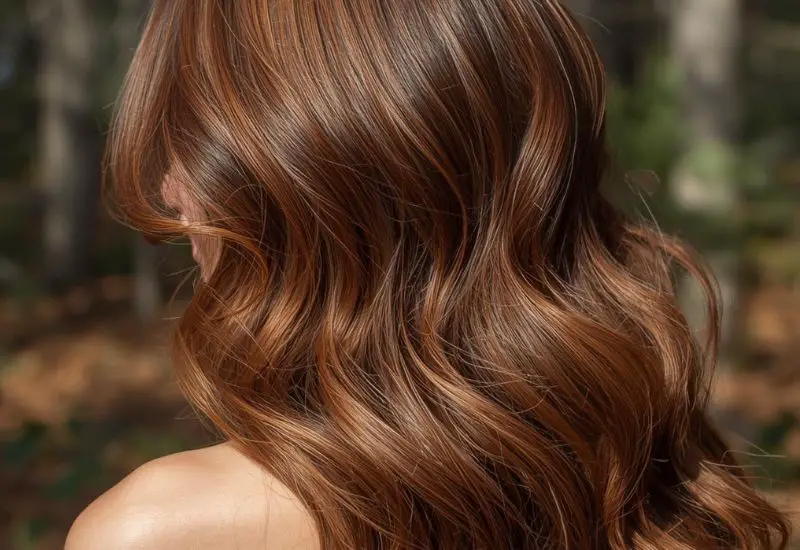
Dark auburn stands out as one of those hair colors that makes people stop and ask questions. This rich, multidimensional shade combines deep brown bases with warm copper and red undertones, creating a color that looks different in every lighting condition. The formula gets the credit for transforming ordinary brown hair into something that catches light and draws compliments.
Getting this particular shade right requires more than picking up any red box dye at the drugstore. The specific ratios of red, copper, and brown tones determine whether you end up with a sophisticated auburn or an unintended orange situation. Professional colorists guard their exact formulas, but understanding the basic principles helps you achieve salon-quality results whether you’re working with a stylist or going the DIY route.
This shade works across different skin tones and hair textures, making it a popular choice for women looking to add warmth without going too bright. You’ll discover the exact formulas professionals use, learn which at-home products deliver real results, and find out how to keep this color looking fresh between salon visits. The maintenance routine matters just as much as the initial application, and knowing what products actually work saves both time and money.
- What Makes Dark Auburn Hair Color So Unique?
- Professional Color Formulas for Different Starting Points
- At-Home Color Kits That Actually Work
- Maintaining Your Dark Auburn Color Between Touch-Ups
- Styling Tips to Make Your Dark Auburn Shine
- Your Auburn Hair Color Journey Starts Here
- Frequently Asked Questions
What Makes Dark Auburn Hair Color So Unique?
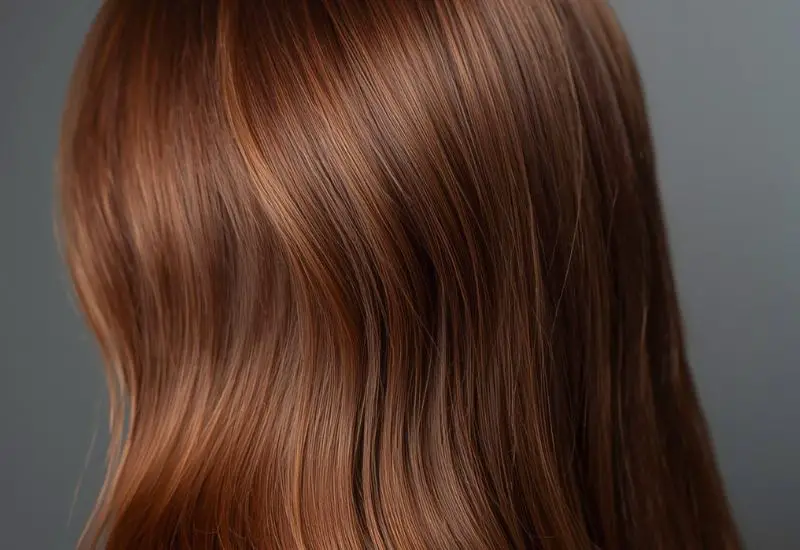
The beauty industry sees trends come and go, but certain shades maintain their appeal year after year. This particular color falls into that category because it offers complexity that single-tone colors can’t match. Natural-looking auburn contains multiple shades working together, which explains why it photographs so well and looks different throughout the day.
Understanding the Depth and Warmth
This shade typically sits at level 4 or 5 on the hair color scale, meaning it’s darker than medium brown but lighter than true black. The warmth comes from red and copper pigments that get layered into this dark base. Think of it as building a painting – you need the right canvas darkness before adding the warm tones on top.
The pigment molecules in auburn formulas are larger than those in lighter colors, which means they grab onto hair differently. This affects how long the color lasts and how it fades over time. Most auburn shades fade to a coppery brown rather than turning brassy or orange, which makes maintenance easier than with lighter reds.
How Dark Auburn Differs from Other Red Tones
Regular auburn typically runs lighter and brighter, sitting around level 6 or 7. Cherry reds contain more purple undertones, while this darker version leans into brown depths with copper highlights. Mahogany adds more violet to the mix, creating a cooler result compared to the warmth found here.
The brown base in this formula provides wearability that pure red shades can’t offer. You get the visual interest of red hair without the high-maintenance demands or the risk of looking costume-like. This makes it suitable for professional environments where bright fashion colors might raise eyebrows.
The Versatility Across Skin Tones
Warm skin tones with golden or peachy undertones find their perfect match in this color. The copper notes bring out natural warmth in the complexion without creating too much contrast. Fair skin with warm undertones looks especially striking with this shade, as it provides enough depth to create dimension without washing out pale complexions.
Medium to olive skin tones can pull off this color beautifully because the brown base prevents the red from looking too bright or artificial. The warmth complements natural golden undertones while the depth ensures it doesn’t fade into the skin tone. Even deeper skin tones work with this shade when the base is adjusted to level 3 or 4, creating a rich mahogany-auburn hybrid.
Cool-toned skin requires more careful consideration. The warmth in this formula can clash with pink or blue undertones, though adding a touch more violet to the formula helps bridge that gap. Testing a small section first prevents disappointment if the color pulls too orange against cool undertones.
Why This Shade Works Year-Round
Fall and winter seem like natural seasons for this color, but it actually transitions well through spring and summer too. The depth provides enough darkness to look appropriate in cooler months, while the copper highlights catch summer sun and create a sun-kissed effect. This eliminates the need for seasonal color changes that some shades demand.
Unlike platinum blonde or jet black, this shade doesn’t require constant upkeep to maintain its appeal. The way it fades is actually flattering, moving from deep auburn to warm chestnut rather than turning brassy or dull. This means you can stretch out appointments or touch-ups without looking obviously grown-out.
The color reads as sophisticated rather than trendy, which gives it staying power in your beauty routine. You won’t look at photos five years from now and cringe at an obviously dated hair color choice. This timeless quality makes the initial investment in achieving the perfect shade worthwhile since you’re likely to keep it for years.
Professional Color Formulas for Different Starting Points
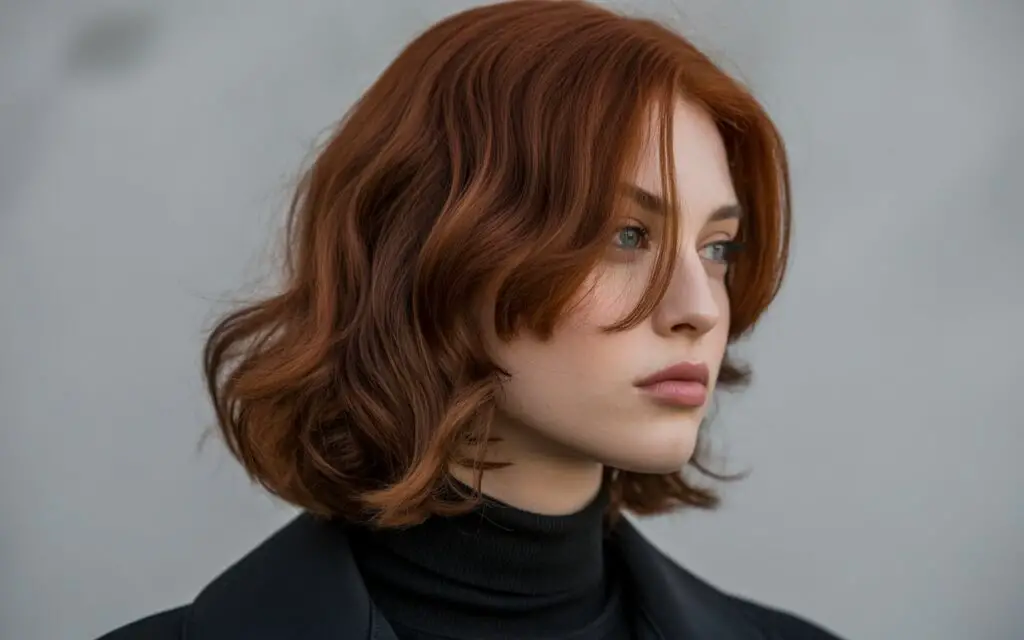
Achieving this specific shade requires different approaches depending on what color sits on your head right now. Professional formulas account for natural pigment, previous color treatments, and desired end results. Getting the measurements right makes the difference between stunning auburn and disappointing muddy brown.
Formulas for Light to Medium Brown Hair
Starting with virgin light brown hair offers the easiest path to this color. Mix 2 parts 5RR (intense red) with 1 part 5RC (red copper) using 20 volume developer. This creates depth while building the red tones gradually. Processing time runs 30-35 minutes for full coverage without damaging the hair structure.
For medium brown bases, you’ll need slightly more lift. Combine 1 part 4RR with 1 part 5RC and add half a part of 6C (copper) to brighten the undertones. Stick with 20 volume developer here too. The lighter copper in the formula prevents the color from going too dark while still depositing enough red pigment to show up clearly.
Women with golden or honey brown starting points should reduce the copper slightly. Use 2 parts 4R (red) with 1 part 5RC, which keeps the warmth from going overboard. The natural warmth in the hair already provides some base, so you don’t need as much copper in the formula.
Formulas for Dark Brown to Black Hair
Dark hair requires pre-lightening to show any red tones clearly. Skip this step and you’ll end up with hair that looks unchanged in most lighting. Apply a balayage or full bleach lightening to level 5 or 6 first, then follow with the color formula after the hair has been treated with a bond-building product.
Once lightened, mix equal parts 4RR and 4RC with 10 volume developer. The lower volume deposits color without additional lift, which you don’t need at this point. Processing takes 25-30 minutes. The result shows deep auburn with visible dimension rather than flat dark hair with a barely-there tint.
Black hair presents the biggest challenge. Most professional colorists recommend against trying to go auburn in one session from true black. Instead, plan for two or three sessions of gradual lightening and color depositing. The first session might only achieve a dark reddish-brown, with subsequent appointments building the auburn tones properly.
Formulas for Previously Colored Hair
Color-treated hair acts unpredictably because you’re putting new pigment over old. If previous color was cool-toned, you’ll need more red in your formula to counteract the ash. Mix 3 parts 5RR with 1 part 5RC using 20 volume developer. The extra red compensates for any cool undertones trying to show through.
Hair that was previously red or auburn requires a different approach. You’re essentially refreshing and deepening what’s there. Use 2 parts 4R with 1 part 4RC and 10 volume developer. This deposits color without lifting, which prevents damage to hair that’s already been processed multiple times.
Previously highlighted hair needs special attention. The lighter pieces will grab color faster and darker than the rest. Apply formula to natural-colored hair first, then dilute the mixture with clear gloss before applying to highlights 10 minutes later. This prevents splotchy results and ensures even color distribution.
Adjusting Developer Strength
Developer volume determines how much lift happens during processing. The 20 volume standard works for most applications, providing enough lift to deposit color without excessive damage. Use this strength when going from light to medium brown bases or when working with virgin hair that hasn’t been colored before.
Drop to 10 volume when working with pre-lightened or fragile hair. This deposits color without any lifting action, making it perfect for maintaining color or working over bleached sections. The lower volume reduces damage risk, which matters when hair has already been through chemical processing. Processing time may need to extend by 5-10 minutes with this lower strength.
Never use 30 or 40 volume developer for auburn formulas unless you’re specifically trying to lift very dark hair. These high volumes cause excessive damage and can lead to color that processes too quickly, resulting in uneven tone. If you need that much lift, do a separate lightening session first, then apply color with lower volume.
Timing and Processing Considerations
Most auburn formulas need 30-35 minutes to process fully. Set a timer rather than guessing – five minutes can make a significant difference in the final result. Check the color at 25 minutes by wiping a small section clean and evaluating the tone in natural light.
Temperature affects processing speed. Warmth speeds up the chemical reaction, which is why colorists sometimes use heat caps for stubborn gray coverage. If you’re working in a cold room, expect processing to take slightly longer. Room temperature around 70-75 degrees gives the most predictable results.
Porosity also impacts timing. Hair that’s been damaged or heavily processed absorbs color faster than healthy virgin hair. Reduce processing time by 5 minutes for hair that’s fragile or breaks easily. Healthy, resistant hair might need the full time or even a few extra minutes to achieve the target shade.
At-Home Color Kits That Actually Work
Professional salon color isn’t always practical for everyone’s budget or schedule. The at-home market has improved dramatically in recent years, with several brands offering formulas that deliver genuine auburn results. Knowing which products work and how to apply them correctly makes home coloring a viable option.
Best Box Dye Options for Dark Auburn
Garnier Nutrisse in “Dark Auburn” (#42) provides solid coverage with a conditioning treatment included. The formula contains grape seed and avocado oil that leave hair feeling softer than most box dyes. The color tends to run slightly warmer than expected, so it works best for women with warm skin tones who want obvious copper highlights.
L’Oréal Paris Superior Preference in “Dark Auburn” delivers more sophisticated results than typical drugstore options. The formula includes a shine serum that gets applied after coloring, which helps the final result look glossy rather than flat. This option runs truer to a professional auburn shade with less orange undertone.
Revlon ColorSilk in “Medium Auburn” (#43) offers budget-friendly coloring that actually lasts. The ammonia-free formula causes less damage than older box dye versions, though it still contains some harsh ingredients. This shade works well for touchups between salon appointments rather than as your primary coloring method.
Clairol Natural Instincts in “Dark Auburn” provides a semi-permanent option that fades gradually over 28 shampoos. This works perfectly for testing whether auburn suits you before committing to permanent color. The gentler formula contains less ammonia, making it suitable for damaged or fragile hair that can’t handle harsh chemicals.
How to Choose the Right Shade Number
Box dye numbering systems vary by brand, but most follow similar patterns. The first number indicates depth (4 = dark brown, 5 = medium brown), while letters or additional numbers show the tone. R means red, C means copper, and RC combines both. A shade labeled 4RC will be darker and redder than 5RC.
Compare the model photo on the box to your current hair color rather than focusing only on the swatch. Box dye always processes differently on different starting shades. If your hair currently sits darker than the model’s “before” photo, expect your results to turn out darker than shown. Going one shade lighter than your target often yields better results.
Check whether the formula is permanent, demi-permanent, or semi-permanent. Permanent color opens the hair cuticle and deposits pigment deep inside, lasting until it grows out. Demi-permanent lasts 24-28 shampoos and adds shine without lifting natural color. Semi-permanent coats the outside of the hair shaft and washes out gradually. Choose based on your commitment level and hair condition.
Application Techniques for Even Coverage
Section hair into four quadrants before starting: part down the middle from forehead to nape, then ear to ear across the crown. Clip each section separately. This prevents missing spots and ensures you apply color systematically rather than randomly. Mix the color formula according to package directions in a non-metal bowl.
Start application at the roots where hair is most resistant, working through the most stubborn areas first. Apply formula generously – skimping on product leads to patchy results. Use the applicator bottle or brush to saturate each one-inch section thoroughly before moving to the next. Work quickly but methodically to ensure even processing time throughout the head.
Save the hairline and ends for last, as these areas process fastest. Apply color to the perimeter last and check the time carefully. Damaged ends grab color quickly and can turn darker than the rest of your head if you leave the formula on too long in these areas.
Common Mistakes to Avoid
Leaving color on too long remains the most frequent error. Set a timer and stick to it, even if you think the color hasn’t developed enough. Auburn can swing orange if overprocessed, and there’s no fixing that without stripping the color and starting over. Trust the timing rather than your eyes during processing.
Applying color to damp hair dilutes the formula and leads to weak, uneven results. Hair should be completely dry before you start, though it doesn’t need to be freshly washed. In fact, slightly dirty hair protects your scalp better than squeaky-clean hair. Skip washing for 24 hours before coloring for the best results.
Overlapping color on previously colored sections causes buildup and eventual breakage. Apply new color to roots only during touchups, then pull it through the rest of your hair for the final 5 minutes of processing. This refreshes the color without overprocessing the lengths that have already been colored.
Skipping the strand test causes problems. Most women ignore this step, but testing a small hidden section first prevents disasters. Cut a small piece from the underside of your head near the nape, apply the mixed color, and check the result. This reveals exactly how your hair will react to the formula before you commit to coloring your entire head.
Maintaining Your Dark Auburn Color Between Touch-Ups
Getting this shade on your head is only half the battle. Keeping it vibrant and preventing fade requires specific products and techniques. Red pigments fade faster than any other color family because the molecules are larger and don’t penetrate as deeply into the hair shaft.
Color-treated hair needs different care than virgin hair, and auburn shades demand special attention to prevent the dreaded orange fade. The right routine keeps your color looking fresh for weeks longer than standard hair care approaches. Small daily habits make a bigger difference than occasional intensive treatments.
Color-Safe Shampoo and Conditioner Choices
Sulfate-free formulas protect color investment better than anything else you can buy. Sulfates strip color with every wash, causing fade that starts immediately after your first shampoo. Look for products specifically labeled for color-treated hair, preferably ones targeting red shades. The gentler cleansers remove oil and buildup without attacking the color molecules.
Overtone Vibrant Red system deposits color with each use rather than just preventing fade. The conditioner contains actual pigment that refreshes auburn tones every time you shower. Used weekly, it extends time between full color applications by several weeks. The daily conditioner maintains what’s there without adding more pigment.
Redken Color Extend Magnetics line uses charged molecules to seal color inside the hair shaft. The sulfate-free formula comes recommended by professional colorists for maintaining difficult reds and coppers. Pair it with the matching mask once weekly for maximum color protection. Results show noticeably longer-lasting vibrancy compared to regular shampoo.
Kevin Murphy Young.Again.Rinse works particularly well for auburn because it contains lotus flower extract that specifically targets red tones. The formula restores moisture while preventing color from oxidizing, which causes that orange shift. Though pricey, a little goes far since you only need a small amount per wash.
Preventing Fade and Brassiness
Cool water preserves color better than hot water, though few people enjoy cold showers. Lukewarm water provides a middle ground, closing the hair cuticle enough to trap color without making washing uncomfortable. Save the hot water for other parts of your shower routine and rinse hair with cooler temperatures.
Chlorine and salt water are auburn’s worst enemies. Swimming pools strip color aggressively, turning auburn into orange disaster within days of regular swimming. Apply a leave-in conditioner or hair oil before swimming to create a barrier. Better yet, wear a swim cap or keep your head above water entirely during pool season.
Sun exposure fades color just like it bleaches fabric. UV rays oxidize the red pigments, causing them to shift orange and eventually fade to dull brown. Apply UV protection spray before spending time outdoors, especially during summer months. Wide-brimmed hats provide additional protection while looking stylish.
Weekly gloss treatments deposit shine and subtle color. Mix equal parts semi-permanent auburn color with deep conditioner, then apply to clean, damp hair for 15 minutes. Rinse with cool water. This refreshes the tone without the damage of full color processing and keeps auburn looking vibrant between permanent applications.
Heat Styling Without Damage
Heat tools cause both direct damage and color fade, hitting auburn hair with a double problem. Flat irons and curling wands reach temperatures high enough to literally boil water out of your hair shaft, taking color molecules with it. Always apply heat protectant before using any hot tool, regardless of temperature setting.
Lower temperature settings still achieve good styling results with less damage. Most women use tools set at 400 degrees or higher, but 300-350 degrees works fine for auburn hair that’s been colored. The extra 30 seconds of styling time saves significant color and prevents breakage. Invest in a tool with precise temperature control rather than cheap options with only high/low settings.
Air-drying whenever possible preserves both color and hair health. Blow-drying causes some of the worst heat damage because you’re applying hot air directly for extended periods. Let hair dry 60-70% naturally, then finish with medium heat and a concentrator nozzle. Point the airflow down the hair shaft rather than at the roots to smooth cuticles and add shine.
How Often to Refresh Your Color
Root touchups typically happen every 4-6 weeks for most women. Auburn shows regrowth clearly against most natural hair colors, making grown-out roots obvious faster than with brown or blonde shades. How quickly your hair grows determines the exact timing – fast growers might need touchups at 4 weeks while slower growers stretch to 8 weeks.
Full color reapplication should happen every 12-16 weeks rather than with every root touchup. Constantly processing the lengths causes damage and color buildup that makes hair look dull rather than shiny. Apply color to roots only during regular appointments, pulling it through the ends for the final 5 minutes only when necessary.
Gloss treatments fill the gap between full color services. Schedule these every 6-8 weeks to maintain vibrancy without the damage of permanent color. Professional glosses cost less than full color and take half the time, making them practical maintenance options. At-home versions work too, though professional formulas deliver superior shine.
Deep Conditioning Treatments
Weekly deep conditioning prevents the dryness that makes colored hair look dull. Color processing opens the hair cuticle, making it more porous and prone to moisture loss. Deep conditioners with proteins and oils restore strength and softness. Apply to clean, damp hair and leave on for 10-15 minutes before rinsing thoroughly.
The following treatments work especially well for maintaining colored auburn:
Olaplex No. 8: Repairs bonds broken during coloring while adding moisture without weighing hair down.
Briogeo Don’t Despair, Repair!: Contains algae extract that specifically targets damage from color processing and heat styling.
Shea Moisture Manuka Honey Intensive Mask: Natural ingredients provide deep moisture without silicones that can build up and dull color.
Redken Extreme Mega Mask: Professional-grade treatment that strengthens while conditioning, preventing breakage in colored hair.
Moroccanoil Intense Hydrating Mask: Argan oil penetrates the hair shaft to restore moisture from the inside out.
Apply these treatments after shampooing but before regular conditioner. Comb through with a wide-tooth comb to ensure even distribution. The extra step makes a visible difference in how shiny and healthy auburn hair looks.
Styling Tips to Make Your Dark Auburn Shine
Having this beautiful color is only part of the equation. Styling it correctly makes the difference between auburn that looks flat and auburn that turns heads. The right techniques catch light, show off dimension, and make the color the star of your overall appearance.
Best Lighting for Showing Off the Color
Natural sunlight makes auburn come alive more than any artificial lighting can. The multiple tones in this shade reflect different wavelengths of light, creating dimension that changes throughout the day. Schedule important events or photos during golden hour (the hour before sunset) when warm natural light enhances red and copper tones beautifully.
Indoor lighting affects how your color appears to others. Warm LED bulbs or incandescent lighting enhance auburn, while cool fluorescent lights wash out the warmth and make it look muddy. If you spend time in specific spaces, consider the lighting situation. Office fluorescents notoriously flatten this shade, though there’s little you can do except add shine products that reflect more light.
Ring lights and video call lighting require special consideration. Position lights at eye level or slightly above to avoid casting shadows that make hair look darker. Cool-toned LED ring lights make auburn look brownish, so choose warm-toned options instead. Adjust your camera’s white balance setting if possible – the “warm” or “sunny” setting shows auburn more accurately than “auto.”
Makeup Colors That Complement Dark Auburn
Warm eyeshadow shades create cohesion with auburn hair. Bronze, gold, warm brown, and terracotta tones echo the warmth in your hair without competing for attention. Copper shimmer in the inner corner makes eyes pop while maintaining the warm color story. Skip cool purples and silvers that create jarring contrast.
Lip colors in the berry, brick, and warm nude families work beautifully. Burgundy lipstick provides a sophisticated look for evening without clashing with red tones in your hair. Peachy nudes and terracotta shades keep the warmth going for daytime. Avoid cool pinks and blue-toned reds that fight with auburn rather than complementing it.
Blush should lean warm too. Peachy-pink, coral, and warm mauve shades add color without cooling down your overall appearance. The goal is creating harmony rather than contrast. Everything working together makes your hair color look intentional and polished rather than accidental.
Hairstyles That Showcase the Dimension
Loose waves show off the multidimensional nature of this shade better than any other style. The different tones catch light differently as the waves curve, creating the illusion of highlights even in solid color. Use a 1.5-inch curling iron, wrapping sections away from your face and leaving ends straight for modern waves that maximize shine.
Half-up styles pull hair back from your face while leaving length to showcase the color. The height created at the crown catches overhead lighting, while the loose hair in back shows dimension and movement. This style works for both casual and formal situations, making it a versatile way to show off your color investment.
Side parts create more dimension than center parts because the hair falls differently on each side of your head. The heavy side catches more light and shows off color better, while the light side adds drama through contrast. Switch your part occasionally to prevent hair from getting stuck in one direction.
Avoid styles that hide your hair completely. While buns and updos work fine occasionally, spending months growing and maintaining beautiful color only to hide it seems wasteful. If you need hair up for work or activities, opt for messy buns or ponytails that still show substantial amounts of hair rather than sleek, tucked styles.
Glossing Treatments for Extra Shine
Professional glossing services run around $50-80 and make a dramatic difference in how polished your color looks. Salons apply clear or tinted gloss that smooths the hair cuticle and amplifies shine. The treatment takes 20-30 minutes and lasts about 2-3 weeks before gradually fading. Schedule these between full color appointments to maintain vibrancy.
At-home glossing options cost significantly less though they don’t always deliver salon-level results. Semi-permanent clear gloss mixed with a small amount of auburn shade refreshes color while adding shine. Apply to clean, damp hair, leave for 15-20 minutes, then rinse. This extends the life of your professional color and reduces how often you need full applications.
Shine serums provide instant gloss without any processing time. Apply a small amount to dry hair, focusing on mid-lengths to ends. Too much makes hair look greasy, so start with just 2-3 drops and add more only if needed. Argan oil-based serums work particularly well on colored hair because the oil doesn’t evaporate and provides lasting shine.
The frequency of glossing depends on your hair’s condition and how quickly your color fades. Women with porous or damaged hair benefit from weekly at-home glossing to keep color locked in. Those with healthier, less porous hair can space treatments to every 2-3 weeks. Professional glosses every 6-8 weeks supplement at-home maintenance for optimal results.
Your Auburn Hair Color Journey Starts Here
This shade offers sophistication and warmth that works across seasons, skin tones, and personal styles. The formulas and techniques covered here give you everything needed to achieve professional results whether you’re heading to a salon or taking the DIY route. Understanding the science behind the color helps you make informed decisions about products and maintenance.
The maintenance commitment matters as much as the initial color application. Red tones fade faster than other colors, but the right products and techniques keep auburn vibrant for weeks longer than standard hair care approaches. Investing in quality color-safe products pays off by extending time between costly salon visits and keeping your color looking fresh daily. The confidence that comes with hair that consistently looks polished makes every bit of effort worthwhile.
Frequently Asked Questions
Q: How long does dark auburn hair color typically last before needing a refresh?
A: Root touchups are needed every 4-6 weeks as natural hair grows out, while the color on your lengths lasts longer. Full color reapplication should happen every 12-16 weeks. With proper maintenance using color-safe products, the vibrancy stays strong for 6-8 weeks before requiring a gloss treatment to refresh the tone.
Q: Can I achieve dark auburn at home or do I need a professional colorist?
A: Going from light to medium brown to dark auburn can be done at home with quality box dye following proper application techniques. However, starting from black hair or attempting to go auburn over previous color should be left to professionals. The risk of uneven results or damage is too high for complex color corrections at home.
Q: What’s the difference between auburn, dark auburn, and mahogany hair colors?
A: Auburn typically sits at level 6-7 with bright red and copper tones. Dark auburn is level 4-5 with deeper brown bases and warm copper highlights. Mahogany contains more violet undertones creating a cooler result, while dark auburn leans warmer with more obvious copper tones throughout.
Q: Will dark auburn work on gray hair or does gray coverage require special formulas?
A: Gray hair resists color more than pigmented hair, so formulas need adjustment. Mix permanent color with 20 volume developer and extend processing time by 5-10 minutes. Stubborn gray may require pre-softening or a second application. The red tones show beautifully on gray hair once the color takes.
Q: How do I prevent my dark auburn from fading to orange?
A: Use sulfate-free shampoo designed for red hair, wash with cool water, and apply UV protection spray before sun exposure. Weekly color-depositing conditioner maintains red tones. Avoid chlorine and salt water, which strip color aggressively. Schedule regular gloss treatments every 6-8 weeks to refresh the tone before fade becomes noticeable.
Q: What skin tones look best with dark auburn hair color?
A: Warm skin tones with golden or peachy undertones look stunning with dark auburn. Fair warm skin creates beautiful contrast, while medium to olive skin tones are complemented by the warmth. Cool-toned skin can work with this shade if the formula includes more violet to bridge the gap between cool undertones and warm color.
Q: Can I go from blonde to dark auburn in one session?
A: Yes, going darker is easier than going lighter. Blonde hair readily accepts red and brown pigments. Use a permanent formula with 10 or 20 volume developer depending on your starting level. The color deposits without needing to lift, making it less damaging than most color changes. Processing takes the standard 30-35 minutes.
Q: How much does professional dark auburn color cost at a salon?
A: Prices vary by location and salon, but expect to pay $100-200 for full color application at mid-range salons. Root touchups cost $75-120. High-end salons in major cities charge $200-400 for full color. At-home box dye costs $8-15, while professional-grade at-home kits run $25-50. Factor in maintenance products that add $40-60 monthly.
Q: What’s the best way to transition from dark auburn back to brown if I change my mind?
A: Let the color fade naturally for several weeks while using clarifying shampoo to speed the process. Once faded to warm brown, apply a neutral or cool brown shade one level darker than your target to neutralize remaining red tones. Alternatively, use a green-based color remover to pull out red pigment before applying your desired brown shade.
Q: Do I need to bleach dark hair before applying dark auburn color?
A: Dark brown hair needs pre-lightening to show red tones clearly – aim for level 5-6 before applying auburn. True black hair definitely requires bleaching or high-lift color. Medium brown can often skip bleaching if using 20 volume developer with a red-copper formula, though results will be more subtle than on pre-lightened hair.

