

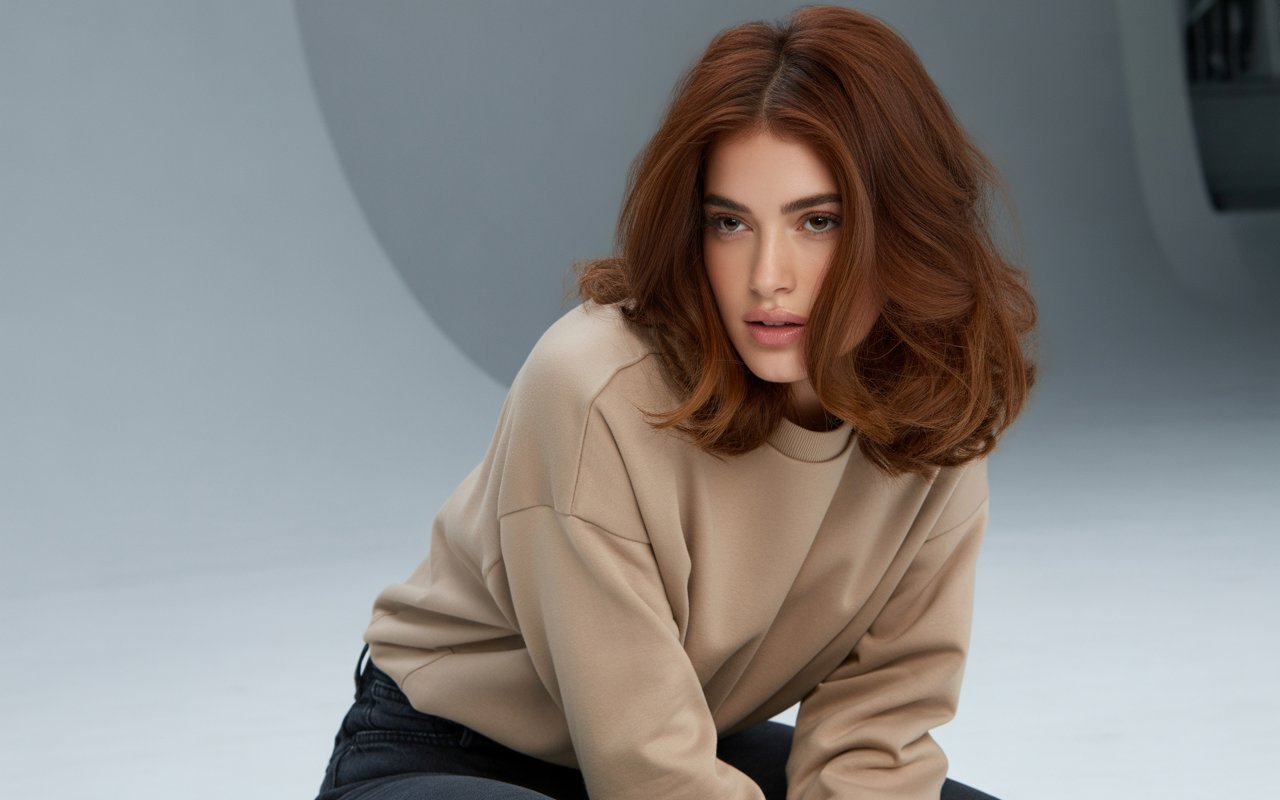
The search for that perfect hair color often leads women down countless Pinterest boards and Instagram feeds, but there’s something particularly magnetic about warm, spicy tones that catch the light just right. Cinnamon brown has become the go-to choice for women wanting a sophisticated change without committing to dramatic bleaching or harsh chemicals. This versatile shade works its magic by adding depth and richness that photographs beautifully while still looking effortlessly natural in everyday life.
Unlike flat, one-dimensional browns that can look heavy or dull, this particular hue brings together copper undertones, caramel hints, and chocolate depths to create a color that shifts and changes in different lighting. Professional colorists have noticed a significant uptick in requests for this specific shade, particularly because it offers that perfect middle ground between bold transformation and wearable elegance. The color suits various skin tones and can be customized with subtle variations to complement your individual features and style preferences.
This comprehensive guide walks through everything from understanding what makes this shade so universally flattering to the actual salon process, styling techniques that showcase the color’s dimension, and maintenance tips that keep your investment looking fresh for months. You’ll discover the different variations available, learn how to communicate your vision to your stylist, and get insider knowledge on making this trendy color work for your lifestyle. Ready to find out why so many women are trading their current color for this warm, inviting shade? Let’s explore all the possibilities.
What Makes Cinnamon Brown Hair So Special
The Unique Warmth of This Shade
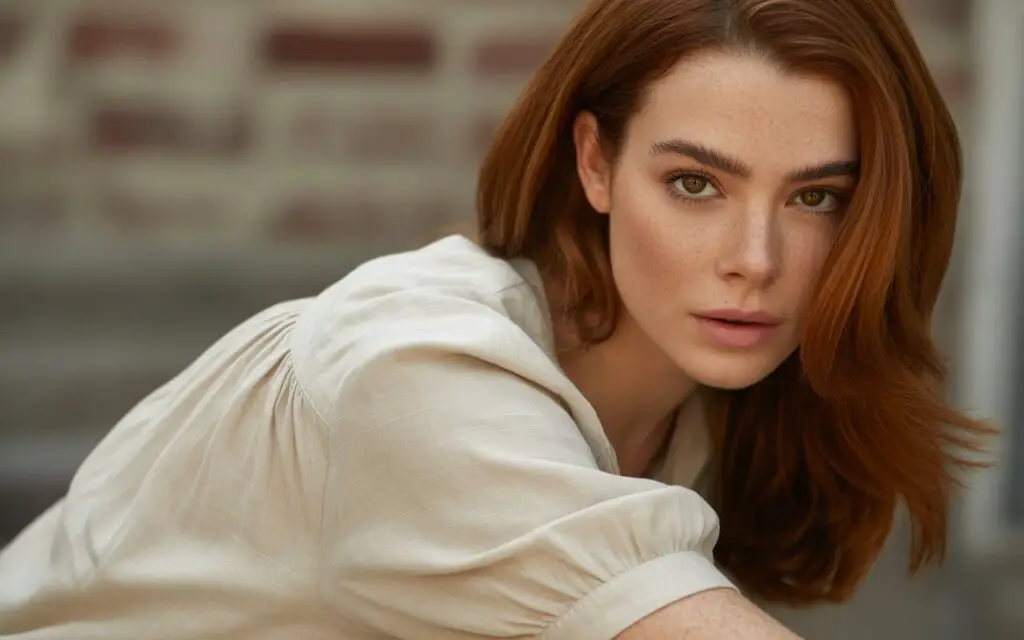
The magic behind this trending color lies in its complex blend of warm undertones that create an almost edible-looking richness. Unlike cooler ash browns or neutral chocolate shades, this particular tone incorporates red and gold pigments that catch light in fascinating ways. These warm elements give hair a healthy, glossy appearance that looks expensive and well-maintained even weeks after your salon visit.
Professional colorists often describe this shade as the perfect antidote to flat, lifeless hair because of how it interacts with natural and artificial lighting. In sunlight, you’ll notice subtle copper sparkles that add vibrancy without looking overtly red or orange. Under indoor lighting, the color appears more subdued and sophisticated, making it appropriate for professional settings where bold fashion colors might raise eyebrows.
The warmth factor also plays a crucial role in how this color complements various skin tones. Women with golden or olive undertones find it enhances their natural coloring, while those with cooler complexions appreciate how it adds warmth without clashing. This versatility explains why salons report clients of all ages and backgrounds requesting variations of this shade.
How It Differs From Other Brown Tones
Understanding the distinction between this shade and other brown options helps you communicate effectively with your stylist and set realistic expectations. Traditional chocolate brown typically lacks the red undertones that give this color its signature spice. Chestnut brown comes closer but often leans more toward pure red without the balancing golden notes.
Mocha brown, another popular choice, tends to incorporate cooler undertones that create a different effect entirely. While mocha can look stunning, it doesn’t provide the same warmth and dimension that makes this spicy variant so photogenic. Caramel brown shares some similarities but typically appears lighter and more blonde-adjacent, lacking the depth that characterizes true cinnamon tones.
The technical aspects involve specific formulation ratios that colorists adjust based on your starting point and desired result. Your stylist might mix multiple shades to achieve the perfect balance, combining copper, gold, and neutral brown tones in proportions that complement your individual characteristics. This customization potential means no two applications look exactly alike, giving you a truly personalized result.
Why Colorists Love Working With It
Salon professionals consistently rank this shade among their favorites to create, and understanding why can help you appreciate the artistry involved. The color offers tremendous creative flexibility, allowing stylists to adjust intensity, add dimension through highlighting techniques, or create subtle ombre effects that look naturally sun-kissed.
From a technical standpoint, the shade works well with various application methods. Balayage techniques showcase the multi-dimensional aspects beautifully, while traditional foil highlights can create more dramatic contrast. Single-process applications deliver rich, uniform color for those preferring a classic approach. This versatility means your stylist can tailor the application method to your hair type, condition, and maintenance preferences.
The longevity factor also appeals to both stylists and clients. When properly formulated and maintained, this color tends to fade gracefully rather than turning brassy or muddy. The warm undertones actually become more subtle over time, creating a lived-in look that many women prefer to freshly colored hair. This natural evolution means you won’t face that awkward grow-out phase that plagues some other color choices.
The Dimensional Quality It Offers
Perhaps the most compelling aspect of this shade is its inherent dimension that makes hair appear fuller and more textured. The interplay between copper, gold, and brown creates natural-looking variation that flat colors simply cannot achieve. This dimensional quality proves especially beneficial for women with fine or thin hair, as the color variation creates an optical illusion of increased volume and movement.
Stylists often enhance this natural dimension through strategic placement of slightly lighter or darker pieces. These subtle variations mimic how hair naturally lightens from sun exposure, creating an authentic appearance that grows out beautifully. The technique involves painting or weaving select sections with complementary shades that add depth without creating harsh lines or obvious highlights.
Consider how this dimension affects your daily styling routine:
Reduced Styling Time: The built-in variation means hair looks interesting even when air-dried or minimally styled.
Texture Enhancement: Natural waves and curls appear more defined thanks to the color variation.
Forgiving Growth: Root regrowth blends more seamlessly due to the multi-tonal nature of the color.
Versatile Finishing: Works equally well with matte or glossy styling products.
Photography Benefits: The dimension photographs beautifully without requiring special lighting or filters.
Finding Your Perfect Shade of Cinnamon Brown
Light Cinnamon Brown Variations
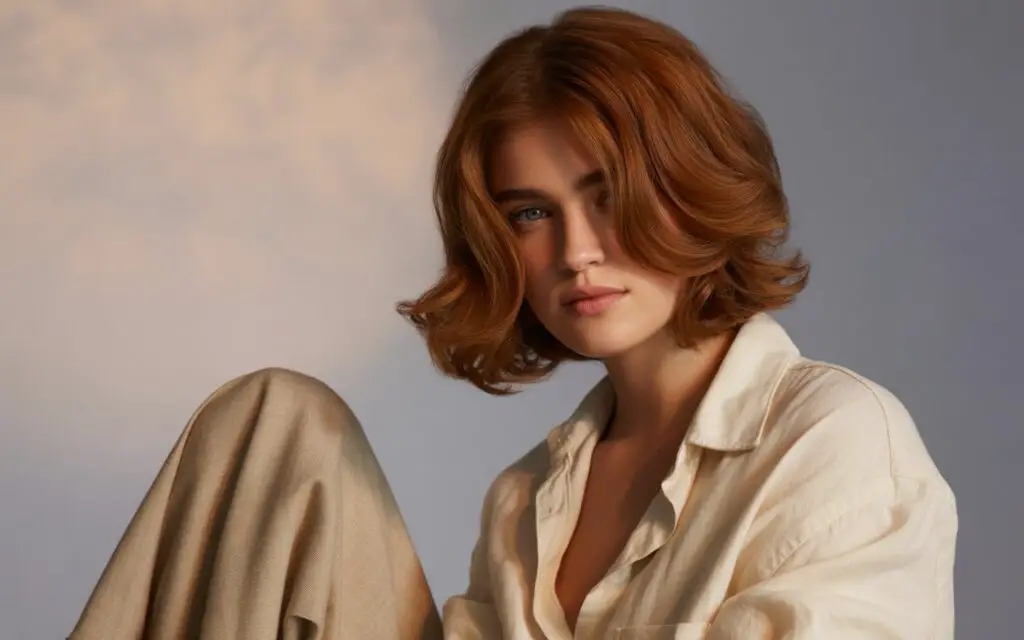
Starting with the lighter interpretations of this shade opens up possibilities for those hesitant about going too dark. Light versions typically incorporate more golden and copper tones while maintaining enough brown to avoid entering blonde territory. These variations work particularly well for women with naturally light to medium brown hair who want to add warmth without dramatic change.
The formulation for lighter variants often includes honey and butterscotch notes that create a sun-kissed effect. Your colorist might suggest this option if you have fair to medium skin with warm undertones, as the lighter shade won’t overwhelm your natural coloring. Women with hazel or light brown eyes find this variation particularly complementary, as it picks up the golden flecks in their irises.
Maintenance considerations differ slightly for lighter versions. You’ll likely need purple-toned products to prevent excessive brassiness, though not as intensively as with blonde shades. The lighter pigments may require more frequent glossing treatments to maintain vibrancy, typically every 6-8 weeks depending on your hair’s porosity and washing frequency.
Medium Cinnamon Brown Options
The medium range represents the truest interpretation of this trending shade, offering the perfect balance between light and dark. This variation suits the widest range of skin tones and requires less maintenance than its lighter counterpart while still providing noticeable warmth and dimension.
Women transitioning from very dark or very light hair often find medium shades the most achievable in a single session. The color depth provides enough coverage for graying hair while maintaining a youthful, vibrant appearance. This middle ground also allows for easy adjustments in future appointments – you can go lighter or darker without major color correction.
Your stylist will likely recommend this shade if you want maximum impact with minimum upkeep. The medium depth means roots blend more naturally as they grow, extending the time between touch-ups. This variation also responds well to various styling products and techniques, from sleek blowouts to textured beach waves.
Professional colorists often use medium shades as a base for adding dimensional highlights or lowlights. This creates even more visual interest while maintaining the integrity of the overall color. The technique involves weaving in slightly lighter pieces around the face and darker tones underneath for depth.
Dark Cinnamon Brown Choices
Dark interpretations of this shade offer sophisticated richness that works beautifully for women with deeper skin tones or those preferring more subtle warmth. These versions maintain the characteristic spicy undertones while providing the coverage and depth associated with darker hair colors.
The formulation typically includes espresso and mahogany elements that ground the warmer tones. This prevents the color from appearing too red or orange on darker hair, a common concern for women with naturally dark brown or black hair. The result reads as expensive and polished rather than obviously colored.
Dark variations often require less frequent maintenance since root growth appears less obvious. However, the initial achievement might require multiple sessions if you’re starting from previously colored black hair or have significant gray coverage needs. Your colorist may need to lighten your hair slightly first to ensure the warm tones show through properly.
The richness of darker versions makes them ideal for fall and winter months when deeper colors feel more seasonally appropriate. Many women choose to start with a dark variation and gradually lighten it through summer for a natural progression that doesn’t require dramatic changes.
Adding Highlights and Lowlights
Strategic placement of highlights and lowlights transforms a beautiful base color into something truly spectacular. The technique involves painting or foiling select sections with shades slightly lighter or darker than your base, creating movement and preventing the flat appearance that single-process color can sometimes produce.
Highlights typically focus on pieces around the face, the crown area where sun would naturally hit, and through the mid-lengths to ends. Your colorist might use shades ranging from golden copper to light caramel, depending on your base depth and desired contrast level. These lighter pieces catch light beautifully and create that coveted multidimensional effect.
Lowlights add crucial depth, particularly important for preventing the color from looking too uniform or wig-like. Placement usually concentrates underneath sections and around the nape, using shades like deep chocolate or rich mahogany. This technique creates shadows that make highlights appear brighter by comparison while adding visual weight to fine hair.
The combination of highlights and lowlights requires artistic skill and understanding of how colors interact. Your stylist will consider factors like your natural hair pattern, how you typically style your hair, and where you part it. This customization ensures the dimension looks intentional and flattering from every angle.
Matching Your Skin Tone
Selecting the right variation requires careful consideration of your skin’s undertones and overall coloring. Warm-toned skin with golden or peachy undertones typically harmonizes beautifully with any variation, though lighter versions can appear especially radiant. Cool-toned skin benefits from versions with less red and more golden brown, preventing the color from clashing with pink undertones.
Neutral skin tones enjoy the most flexibility, able to carry off virtually any interpretation of this shade. Your colorist might suggest basing the decision on your eye color and personal style preferences rather than strict undertone matching. Women with neutral coloring often look stunning in medium shades that can be adjusted lighter or darker as seasons change.
Beyond basic undertone matching, consider how the color will interact with your wardrobe and makeup preferences. If you gravitate toward warm-toned clothing like oranges, reds, and golds, any variation will complement your style. Those preferring cooler wardrobe colors might want to lean toward versions with more neutral brown and less obvious copper.
Your lifestyle also factors into shade selection. Women who spend significant time outdoors might prefer darker versions that won’t lighten as dramatically from sun exposure. Those in conservative professional environments might choose subtler variations that add warmth without making a bold statement. Consider your comfort level with attention – lighter, more copper-forward versions tend to draw more compliments and questions about your color.
The Process of Getting Cinnamon Brown Hair
Starting From Different Base Colors
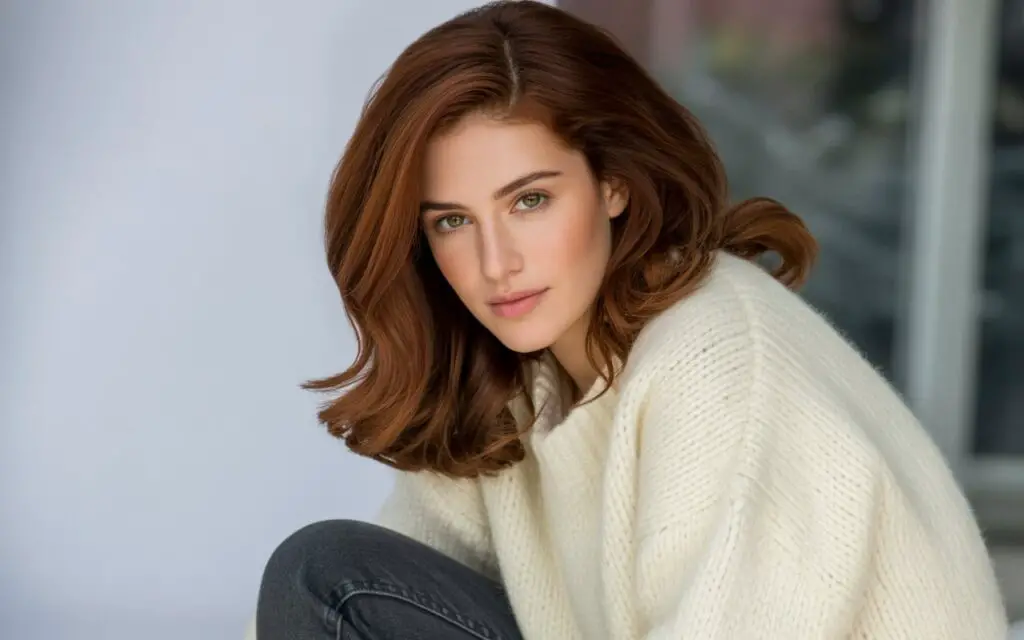
Your current hair color significantly impacts the process of achieving this coveted shade. Women with virgin brown hair typically achieve their desired result in a single session, as their hair readily accepts warm pigments without resistance. The natural melanin in brown hair actually helps create depth and richness in the final color.
Blonde hair presents unique considerations since it lacks the underlying warmth needed for authentic-looking results. Your colorist will likely need to add those missing red and gold tones through a filling process before applying the final shade. This extra step prevents the color from looking muddy or grayish, which can happen when brown dye is applied directly to blonde hair.
Previously colored black or very dark hair requires the most intensive process. Achieving visible warmth through such dark pigments often means lightening first, which can take multiple sessions to maintain hair health. Your stylist might recommend starting with subtle warm highlights that gradually increase over several appointments, creating a natural transition that doesn’t compromise hair integrity.
Red or auburn starting points actually provide an advantage, as these colors already contain the warm undertones essential to this shade. The process typically involves adjusting the balance between red and brown, adding golden tones where needed. This usually requires less processing time and fewer chemicals than other color transitions.
Gray hair needs special attention to ensure even coverage while maintaining the multidimensional quality that makes this color special. Your colorist might use a two-step process: first covering grays with a base shade, then adding warmth through glazing or toning. The percentage of gray affects processing time and formula selection.
What to Expect at the Salon
Walking into your appointment prepared helps ensure the best possible outcome. Most consultations begin with your stylist assessing your hair’s current condition, discussing your color history, and examining inspiration photos you’ve brought. This conversation establishes realistic expectations about what’s achievable in one session versus what might require multiple visits.
The actual process starts with sectioning your hair into manageable portions. Depending on the technique chosen, your stylist might use foils, paint directly onto hair, or apply color from roots to ends. The application itself typically takes 45 minutes to two hours, depending on your hair length and the complexity of the technique being used.
During processing time, which ranges from 20 to 45 minutes, the color develops and your stylist monitors progress. They might check sections periodically, adjusting timing based on how your hair responds. This period offers a perfect opportunity to discuss maintenance routines and product recommendations specific to your new color.
Once processing completes, the washing and toning phase begins. Your stylist will thoroughly rinse the color, apply toner if needed to perfect the shade, and finish with professional treatments that seal the cuticle and add shine. Many salons include a glossing treatment that enhances the dimensional quality and helps the color last longer.
Timeline and Sessions Needed
Setting realistic timeline expectations prevents disappointment and helps you plan accordingly. Women with light to medium brown hair often achieve their desired shade in one three-to-four-hour appointment. This includes consultation, processing, and styling time.
Those starting from extremes – very light or very dark hair – should anticipate multiple sessions spaced several weeks apart. Going from black to this warm brown might require three to four appointments over two to three months. Each session gradually lifts the dark pigment while maintaining hair health, slowly revealing the warm undertones that define this color.
Corrective color situations, such as removing previous box dye or fixing uneven color, add complexity and time. Your colorist needs to address existing issues before beginning the transformation. This might mean removing buildup, evening out patches, or neutralizing unwanted tones from previous coloring attempts.
The spacing between appointments matters for hair health. Most stylists recommend waiting at least two weeks between lightening sessions, allowing hair to recover and respond to conditioning treatments. This patience pays off in healthier, shinier results that hold color better.
Maintenance Requirements
Understanding maintenance commitments before committing to this color helps you make an informed decision. Root touch-ups typically need attention every 6-8 weeks, though this varies based on growth rate and how much contrast exists between your natural color and the new shade.
Professional glossing treatments every 4-6 weeks keep the color vibrant and dimensional. These quick appointments refresh the tone without fully recoloring, making them less expensive and time-consuming than full applications. Many women find these treatments essential for maintaining that just-left-the-salon shine.
Between salon visits, your at-home routine plays a crucial role. Color-safe shampoo and conditioner are non-negotiable, as regular products strip color and fade warmth quickly. Weekly hair masks help maintain moisture and prevent the dryness that can make colored hair look dull.
Heat styling requires extra consideration with colored hair. Using heat protectant products becomes essential, and reducing temperature settings helps preserve color vibrancy. Many stylists recommend air-drying when possible or using tools with adjustable heat settings.
Cost Considerations
Investment in this color varies significantly based on location, salon tier, and starting point. Single-process applications at mid-range salons typically range from $75-$150, while high-end salons might charge $200-$400 for the same service. Adding highlights or lowlights increases costs by $50-$200 depending on the technique used.
Corrective color or dramatic transformations command premium prices, sometimes exceeding $500 for extensive work. This includes the extra time, expertise, and products required for challenging color changes. Some salons offer package deals for multi-session transformations, providing slight discounts for committing to the full process upfront.
Maintenance costs add up over time:
Touch-up appointments: $60-$120 every 6-8 weeks
Glossing treatments: $40-$80 every 4-6 weeks
Professional conditioning: $30-$60 monthly
Color-safe products: $30-$50 monthly
Toning treatments: $45-$90 as needed
Factor in these ongoing expenses when considering this color commitment. Some women offset costs by extending time between appointments through careful maintenance or learning to do glossing treatments at home. Others prioritize professional maintenance, viewing it as an investment in their appearance and confidence.
Styling Tips for Your New Cinnamon Brown Hair

Best Cuts That Complement the Color
The right haircut amplifies the dimensional beauty of your new shade, making strategic cutting essential for showcasing the color’s full potential. Layered cuts particularly excel at displaying the multi-tonal aspects, as each layer catches light differently and reveals various undertones. Long layers starting from the shoulders create movement that allows the warm pigments to shift and shimmer with every turn of your head.
Blunt cuts offer a different but equally striking presentation of this rich color. The solid weight line creates a canvas where the warmth appears concentrated and luxurious, particularly effective for women with thick hair. Bob lengths hit the sweet spot for showing off the shade’s complexity while maintaining a polished, sophisticated appearance that works in professional settings.
Shag cuts have resurged in popularity partly because they pair beautifully with dimensional colors. The inherent texture and piece-y layers of a modern shag create natural shadows and highlights that enhance the color’s depth. This combination delivers that effortlessly cool aesthetic many women seek without requiring extensive daily styling.
Face-framing layers deserve special consideration with this shade. Pieces cut to graze the cheekbones and jawline can be subtly lightened to create a brightening effect around the face. This technique, often called money pieces, draws attention to your features while showcasing the color’s versatility.
For women with naturally textured or curly hair, cuts that work with natural patterns show off color dimension beautifully. Each curl or wave becomes defined by the color variation, creating visual interest that straight hair needs styling to achieve. Curved cutting techniques that follow natural curl patterns prevent the color from looking flat or heavy.
Heat Styling Techniques
Mastering heat styling techniques specific to colored hair ensures your shade stays vibrant while achieving various looks. The key lies in balancing temperature with protection, as excessive heat strips color molecules and dulls the warmth that makes this shade special.
Blow-drying requires a methodical approach to prevent color fade. Start with hair that’s 60-70% air-dried to minimize heat exposure time. Section hair carefully and use a concentrator nozzle to direct airflow down the hair shaft, sealing cuticles and enhancing shine. Medium heat settings usually suffice, though thick hair might require slightly higher temperatures for effectiveness.
Curling techniques that protect color while creating beautiful styles include using lower temperatures (around 300-325°F) and working with larger sections. The dimensional nature of this color means you don’t need tight, perfect curls for visual impact. Loose waves actually showcase the color variation better than uniform ringlets.
Flat ironing colored hair demands extra attention to prevent damage and maintain vibrancy. Single passes at moderate temperatures achieve better results than multiple passes at high heat. The technique of slowly gliding through sections rather than clamping down hard prevents color-stripping friction.
Products That Enhance the Warmth
Selecting products specifically formulated to enhance warm tones makes a noticeable difference in how your color appears day-to-day. Color-depositing conditioners in copper or golden brown shades refresh the warmth between salon visits without the commitment of permanent color.
Glossing serums and oils formulated for brown hair add shine that makes the dimensional aspects pop. These products typically contain ingredients that smooth the cuticle and reflect light, intensifying the appearance of those gorgeous undertones. Apply sparingly to avoid weighing hair down, focusing on mid-lengths to ends where color tends to fade first.
Purple shampoos, typically associated with blonde hair, shouldn’t be completely ruled out. Using a purple-based product once weekly can prevent excessive brassiness without eliminating the warmth entirely. The trick lies in choosing formulations designed for brunettes rather than those intended for platinum shades.
Styling creams with UV protection serve double duty by providing hold while preventing sun-related fading. Look for products that specifically mention color protection, as these contain ingredients that form a barrier against environmental damage. Apply before any heat styling for maximum protection.
Leave-in treatments containing protein and moisture help maintain the hair structure necessary for color to appear its best. Damaged hair doesn’t hold or reflect color well, making these treatments essential for maintaining that expensive-looking finish.
Day-to-Night Styling Options
The versatility of this shade allows for easy transitions between casual daytime looks and sophisticated evening styles. Daytime styling might focus on enhancing natural texture with sea salt sprays or texturizing products that create that undone, effortless appearance where the color’s dimension shines through naturally.
Work-appropriate styles benefit from the polish this color inherently provides. A simple low bun or ponytail looks elevated thanks to the rich tones, requiring minimal effort for professional presentation. The warmth adds sophistication to basic styles that might look severe with cooler-toned hair.
Transforming your look for evening occasions can be as simple as adding strategic accessories or changing your part. A deep side part instantly creates drama, while the color’s warmth complements metallic accessories beautifully. Gold hairpins or copper-toned clips echo the undertones in your hair for a coordinated look.
Quick transformation techniques include scrunching dry hair with a small amount of oil for instant texture and shine, or using velcro rollers on just the top sections for volume that makes the color appear more dimensional. These methods take minutes but create noticeable impact.
Seasonal Styling Adjustments
Adapting your styling routine seasonally helps maintain color vibrancy while working with weather-related challenges. Summer requires extra protection from sun exposure that can lighten and alter warm tones. Wide-brimmed hats and UV-protectant sprays become essential tools, not just suggestions.
Humidity management in warmer months means choosing products that prevent frizz without weighing hair down. Lightweight serums and cream-gels provide control while allowing the natural movement that showcases dimensional color. Anti-humidity sprays create an invisible shield that maintains style integrity.
Autumn and winter bring different challenges with dry indoor heating that can make colored hair appear dull. Incorporating weekly deep conditioning masks and overnight treatments helps maintain the moisture necessary for color to reflect light properly. Switching to cream-based styling products rather than alcohol-heavy mousses prevents additional drying.
Cold weather static requires special attention for colored hair:
Silk Pillowcases: Reduce friction that causes static and color fade
Ionic Hair Dryers: Minimize static while protecting color
Natural Bristle Brushes: Distribute oils without creating static
Hydrating Primers: Create a base layer that prevents static buildup
Finishing Sprays: Seal style while providing anti-static protection
Spring presents the perfect opportunity to refresh your color with a glossing treatment that revives warmth potentially dulled by winter. This seasonal refresh coincides with the natural desire for renewal that spring brings, making it an ideal time to adjust the tone slightly lighter if desired.
Keeping Your Cinnamon Brown Hair Vibrant
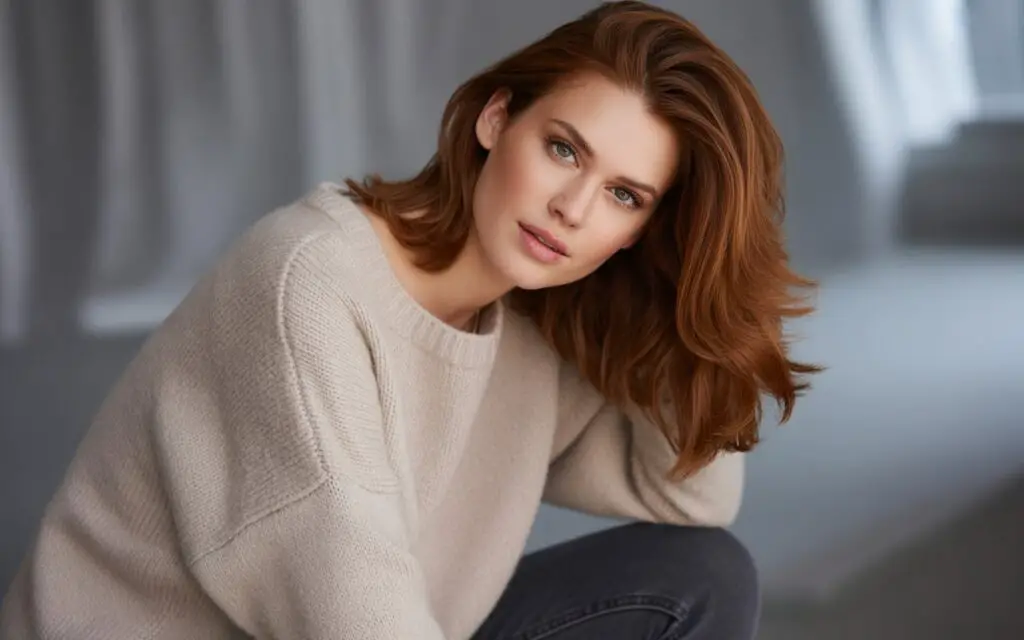
Color-Safe Washing Routines
Establishing a washing routine that preserves your investment requires rethinking everything from water temperature to product selection. Hot water opens hair cuticles excessively, allowing color molecules to escape with each wash. Lukewarm water cleans effectively while maintaining color integrity, with a cool water finish to seal cuticles and enhance shine.
Washing frequency dramatically impacts color longevity. Most colorists recommend extending time between washes to every three to four days, using dry shampoo to manage oils between. This reduction in washing can extend your color’s vibrancy by weeks, making it worth training your hair to adapt to less frequent cleansing.
The technique matters as much as frequency when preserving this warm shade. Focus shampoo primarily on the scalp where oil accumulates, allowing suds to cleanse lengths and ends as they rinse through. This prevents over-stripping color from the most vulnerable portions of hair shafts.
Pre-shampoo treatments provide an extra protective barrier for colored hair. Applying a small amount of coconut or argan oil to ends before washing prevents excessive moisture loss and color fade. This step takes seconds but makes a noticeable difference in how color appears after washing.
Double shampooing, while trendy, isn’t ideal for maintaining warm brown shades. The second lather strips more color than necessary. If hair feels particularly dirty or product-heavy, extend the first shampoo’s duration rather than repeating the process.
Treatment Masks and Glosses
Weekly treatment masks become non-negotiable for maintaining the health necessary for beautiful color presentation. Protein treatments rebuild structure damaged during coloring, while moisture masks prevent the brittleness that makes color appear dull and lifeless.
Professional glossing treatments deserve special attention in your maintenance routine. These in-salon services refresh tone without the commitment of full color application. The semi-permanent formulas add incredible shine while depositing just enough pigment to revive fading warmth. Most women find monthly glossing appointments worthwhile investments.
At-home glossing products bridge the gap between salon visits. These temporary treatments wash out gradually, making them perfect for maintaining vibrancy without long-term commitment. Application typically takes 20 minutes and provides results lasting one to two weeks.
Color-depositing masks serve dual purposes by conditioning while refreshing tone. Choose formulations in warm brown or copper shades that complement your base color. These products work best when used weekly or biweekly, depending on how quickly your particular hair releases color.
Touch-Up Schedules
Creating a sustainable touch-up schedule prevents the desperation appointments that often result in rushed or compromised results. Most women find six to eight weeks optimal for root touch-ups, though this varies based on growth rate and contrast between natural and colored hair.
Stretching time between appointments requires strategic approaches. Root touch-up powders or sprays in matching shades camouflage growth for special occasions or when appointment scheduling proves challenging. These temporary solutions wash out easily but provide confidence between salon visits.
Some stylists offer mini touch-ups focusing just on the hairline and part, areas where regrowth shows first. These quick, less expensive appointments buy extra time before full root applications. This approach works particularly well for busy professionals who struggle to schedule longer appointments.
Planning touch-ups around life events and seasons helps maintain consistency. Many women schedule appointments before vacations, holidays, or important events, ensuring their color looks fresh for photos and gatherings. Seasonal scheduling also allows for subtle adjustments as natural lighting changes throughout the year.
Home Care Between Appointments
Your daily habits between salon visits determine how long your color maintains its professional appearance. Switching to silk or satin pillowcases reduces friction that causes color fade and hair damage during sleep. This simple change extends color life while improving overall hair health.
Water quality significantly impacts color longevity. Hard water deposits minerals that dull warm tones and create buildup. Installing a shower filter or using clarifying treatments monthly removes these deposits, allowing your true color to shine through.
Heat tool habits need adjustment for colored hair. Whenever possible, choose no-heat styling methods that preserve color while creating beautiful looks. When heat styling becomes necessary, never skip protectant products and keep tools at the lowest effective temperature.
Product buildup masks the dimensional quality that makes this color special. Weekly clarifying rinses with apple cider vinegar or specialized treatments remove residue without stripping color. This allows light to reflect properly off clean hair shafts, showcasing the warmth and variation in your shade.
Common Fading Issues and Solutions
Understanding why this particular shade fades helps prevent common problems before they develop. The red molecules in warm brown shades are larger than other color molecules, making them first to wash out. This can leave hair looking flat or ashy if not properly maintained.
Brassiness develops when underlying warm tones become too prominent without the balancing brown. This typically occurs after multiple washes or excessive sun exposure. Purple-toned products used sparingly help neutralize excess warmth without eliminating the desirable golden notes.
Environmental factors accelerate fading in ways many women don’t anticipate:
Chlorine Exposure: Creates green tinge that masks warmth
Sun Damage: Lightens color unevenly and strips red tones
Hard Water: Deposits minerals that dull color
Pollution: Creates film that prevents light reflection
Medication: Certain prescriptions affect how hair holds color
Solutions exist for each fading scenario. Chelating treatments remove mineral buildup, while color-correcting products address specific tone issues. Sometimes a simple gloss application restores vibrancy that seemed permanently lost. Working with your colorist to identify your specific fading pattern helps create a targeted maintenance plan that keeps your shade looking fresh between appointments.
Your Path to Perfect Warm Brown Locks
Making the switch to this gorgeous shade represents more than just a color change – it’s an investment in a look that enhances your natural beauty while requiring surprisingly manageable maintenance. The versatility of working with different techniques, from subtle single-process applications to dramatic dimensional highlighting, means every woman can find her perfect interpretation of this trending color. Whether you’re drawn to lighter copper-infused versions or prefer the sophistication of deeper mahogany-touched browns, the key lies in working with a skilled colorist who understands how to customize the formula for your unique hair characteristics and lifestyle needs.
The journey from your current color to this warm, inviting shade might take one session or several, but the results justify the process. Armed with knowledge about proper maintenance routines, styling techniques that showcase the dimension, and realistic expectations about touch-up schedules, you’re prepared to keep your new color looking salon-fresh for months. The combination of professional treatments and diligent home care creates a sustainable approach to maintaining this beautiful shade without breaking your budget or damaging your hair.
Frequently Asked Questions
Q: How long does the coloring process take at the salon?
A: The initial appointment typically lasts 3-4 hours for single-process application on medium-length hair. If you need color correction or are making a dramatic change from very light or dark hair, expect 4-6 hours for the first session, with potential follow-up appointments needed.
Q: Will this color work if I have a lot of gray hair?
A: Yes, this shade provides excellent gray coverage while maintaining dimension. Your colorist will adjust the formula to ensure complete coverage, possibly using a two-step process that covers grays first, then adds the warm tones through glossing.
Q: How often will I need root touch-ups?
A: Most women require root touch-ups every 6-8 weeks, though this varies based on growth rate and how much contrast exists between your natural color and the new shade. Darker variations often allow for longer stretches between appointments.
Q: What’s the difference between this shade and regular chocolate brown?
A: This color incorporates red and golden undertones that create warmth and dimension, while chocolate brown typically stays neutral or cool-toned. The spicy variant appears more vibrant and catches light differently, creating that multi-dimensional effect chocolate brown lacks.
Q: Can I achieve this color using box dye at home?
A: While box dyes in similar shades exist, achieving the multi-dimensional quality and customized tone requires professional formulation. Box dyes often result in flat, uniform color that lacks the complexity that makes this shade special.
Q: How do I prevent the color from turning brassy?
A: Use color-safe shampoo and conditioner, wash with cool water, apply purple-toned products weekly, and protect hair from sun exposure. Regular glossing treatments every 4-6 weeks also help maintain the perfect balance of warm and cool tones.
Q: What happens if I want to go lighter or darker later?
A: This shade serves as an excellent base for future color changes. Going darker requires simple application of deeper brown shades. Lightening involves gradual highlighting over multiple sessions to maintain hair health while achieving desired results.
Q: Is this color high-maintenance compared to other browns?
A: The maintenance level falls in the middle range – more than natural-looking cool browns but less than fashion colors or blonde shades. The warmth requires attention to prevent fading, but the dimension means roots blend well and small variations look intentional.
Q: Will swimming pools affect my color?
A: Chlorine can create a greenish tinge that masks the warm tones. Wet hair with clean water before swimming, apply leave-in conditioner as a barrier, wear a swim cap when possible, and use clarifying treatments after pool exposure.

