

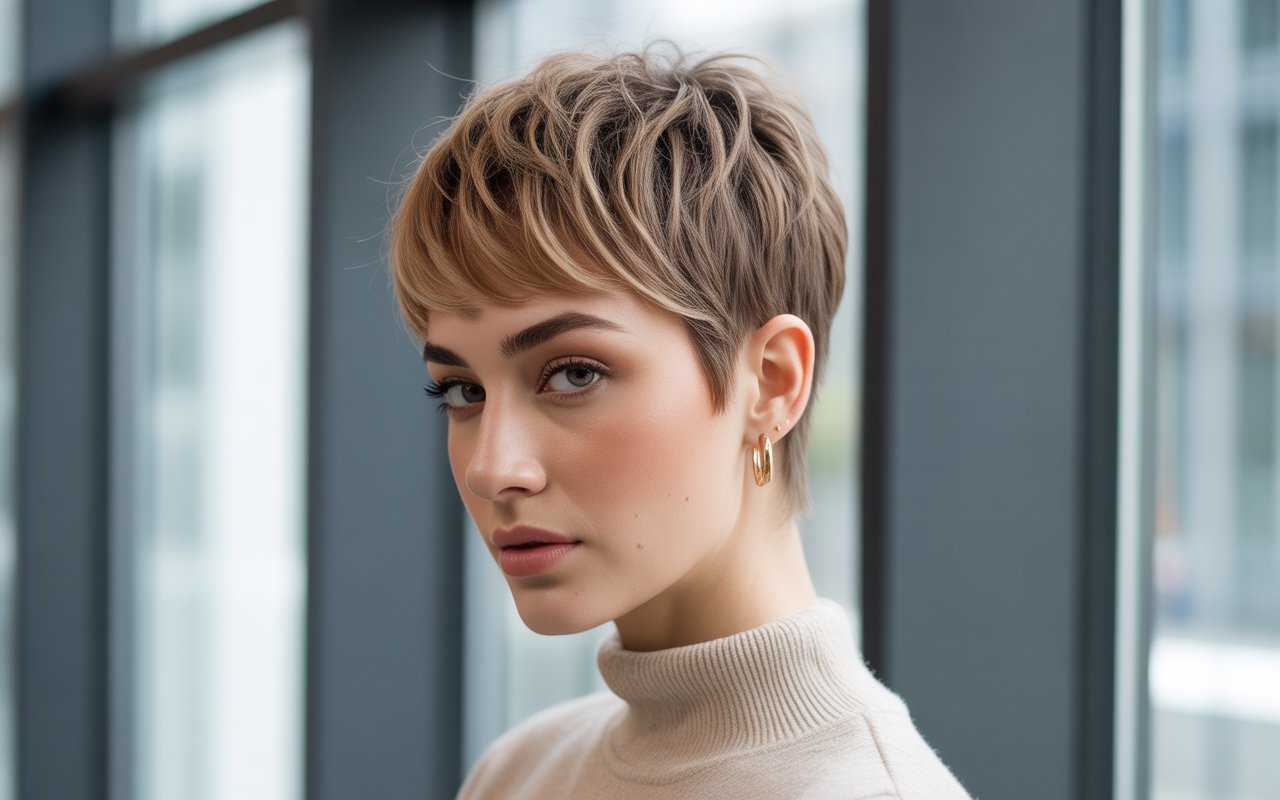
The choppy pixie cut has transformed from a rebellious statement into one of the most sophisticated short hairstyles available today. This textured take on the traditional pixie offers movement, dimension, and personality that flat, uniform cuts simply cannot match. Women seeking a fresh start or dramatic change often find themselves drawn to this versatile style that works across various face shapes, hair textures, and personal aesthetics.
Unlike its more polished predecessor, this modern interpretation plays with uneven lengths and purposeful texture to create visual interest. The beauty lies in its deliberate imperfection – those perfectly imperfect pieces that fall just right without hours of styling. Professional stylists have perfected techniques that make this cut adaptable for everyone from busy professionals to creative artists, proving that short hair can be both practical and expressive.
Ready to discover how this transformative cut could revolutionize your hair routine? The following sections will walk you through everything from understanding what sets these cuts apart to mastering daily styling techniques. Let’s uncover the possibilities waiting in this bold yet wearable style that continues to inspire women worldwide.
- What Makes a Choppy Pixie Different from Classic Styles
- Essential Cutting Techniques That Create the Perfect Chop
- How to Style Your Choppy Pixie for Maximum Impact
- Which Hair Textures Work Best with Choppy Pixies
- Maintaining Your Choppy Pixie Between Salon Visits
- Your Choppy Pixie
- Frequently Asked Questions
What Makes a Choppy Pixie Different from Classic Styles
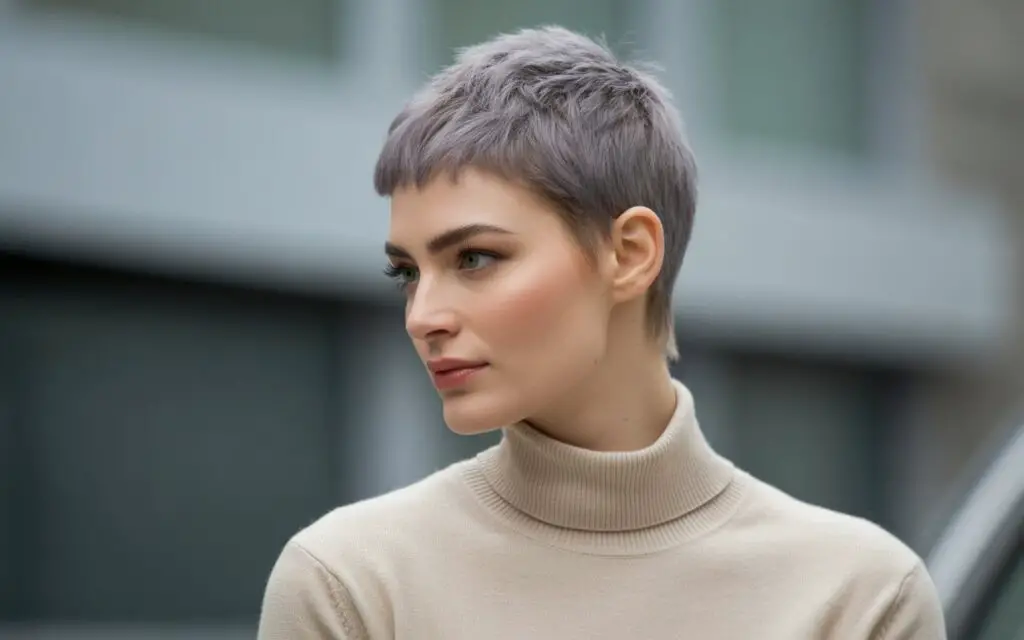
The distinction between a traditional pixie and its choppy counterpart lies primarily in the approach to texture and movement. While classic pixies often feature clean lines and uniform lengths, the textured version breaks these rules intentionally. Stylists achieve this effect through strategic layering that creates depth and dimension throughout the cut.
Texture and Movement Fundamentals
Understanding texture starts with recognizing how hair naturally falls and moves. A skilled stylist evaluates your hair’s natural patterns before making the first cut. They consider factors like growth direction, density, and natural wave patterns. This assessment determines where to add extra texture and which areas need more weight for balance.
The magic happens through varied cutting techniques that remove weight selectively. Rather than creating one uniform length, stylists work with multiple lengths throughout the cut. This approach produces pieces that move independently, catching light differently and creating visual interest from every angle. Your hair gains personality through these intentional variations.
Length Variations and Layering Techniques
Modern choppy pixies play with dramatic length differences that would seem wrong in traditional cuts. You might have super-short sections at the nape while maintaining longer pieces through the crown. Some stylists leave wisps around the ears or create asymmetrical elements that add unexpected details. These variations prevent the style from looking too uniform or helmet-like.
The layering process differs significantly from standard cutting methods. Instead of horizontal layers that sit flat against the head, stylists create disconnected sections that stand away from each other. This technique produces that signature piece-y look that defines the style. Each section maintains its own identity while working harmoniously with the overall shape.
Strategic placement of these layers can completely change your face shape perception. Longer pieces near the cheekbones can create the illusion of higher cheekbones, while shorter sections at the crown add height and elongate round faces. Your stylist should customize these elements based on your specific features.
Face Shape Considerations
Not all choppy pixies look the same, and that’s intentional. The cut adapts beautifully to different face shapes when properly customized. Square faces benefit from softer, more textured edges that break up angular jawlines. Round faces look stunning with added height at the crown and slightly longer side pieces that create vertical lines.
Oval faces have the most flexibility with this style, able to carry both symmetrical and asymmetrical versions successfully. Heart-shaped faces shine with slightly fuller sides that balance a narrower chin. Your stylist should assess not just your face shape but also your profile and the way you typically style your hair.
Women often worry that short cuts limit their options, but the opposite proves true with textured pixies. The variety of lengths and layers actually provides more styling flexibility than many medium-length cuts. You can slick sections back for a polished look, tousle everything for casual weekends, or define individual pieces for an edgier appearance.
Maintenance Expectations
Realistic maintenance expectations help you decide if this cut fits your lifestyle. Most women need trims every 4-6 weeks to maintain the shape, though some can stretch to 8 weeks depending on growth rate and texture preferences. The good news? Daily styling typically takes less than 10 minutes once you master your technique.
Product use varies based on your hair type and desired finish. Fine hair might need only a lightweight texturizing spray, while thicker hair could require stronger hold products. The key lies in finding products that enhance texture without weighing down the carefully created movement. Many women discover they use less product overall compared to longer styles.
Styling Versatility
The range of looks achievable with one cut surprises many first-time wearers. A single cut can go from boardroom-appropriate to concert-ready with simple styling changes. Morning meetings might call for smoothed-down sides and defined pieces, while evening plans could feature amplified texture and deliberate messiness.
Accessories work wonderfully with textured pixies too. Decorative bobby pins, small clips, or headbands add personality without overwhelming the cut. Some women experiment with temporary hair chalk or washable colors to highlight specific sections for special events. The shorter length makes these experiments less risky and more fun.
Essential Cutting Techniques That Create the Perfect Chop
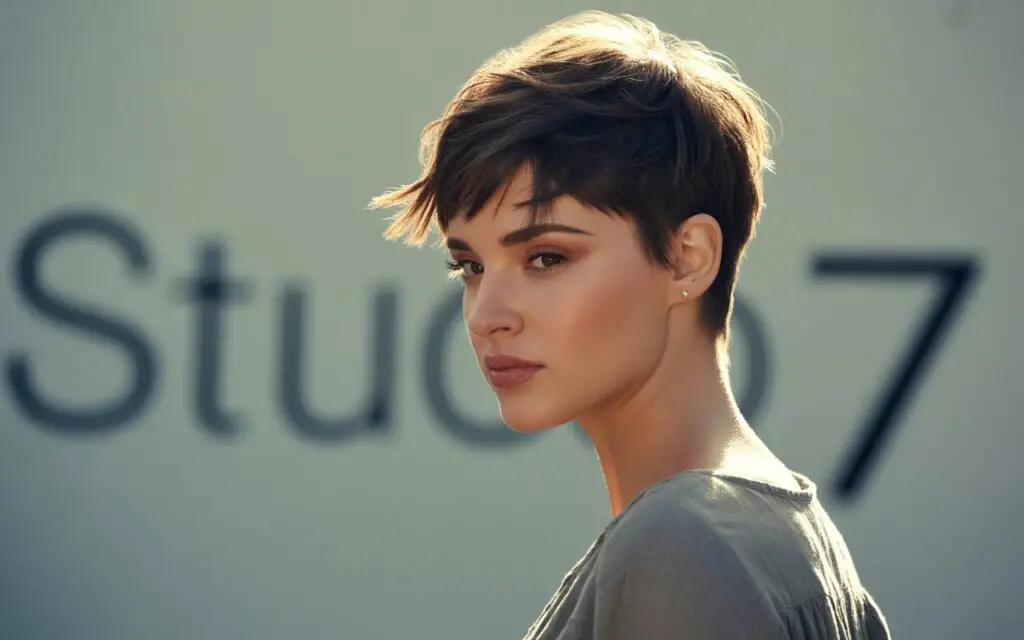
Creating that perfectly imperfect choppy texture requires specific cutting techniques that differ from standard haircutting methods. Professional stylists employ various tools and approaches to achieve the characteristic piece-y, lived-in look. Understanding these methods helps you communicate better with your stylist and recognize quality work when you see it.
Point Cutting Methods
Point cutting forms the foundation of most textured pixie cuts. This technique involves holding scissors vertically and cutting into the hair ends at an angle rather than straight across. The result creates softer, more natural-looking edges that move freely rather than forming blunt lines.
Stylists vary the depth and angle of point cuts based on your hair’s thickness and desired texture level. Deeper point cuts remove more weight and create more dramatic texture, while shallow cuts offer subtle softening. The technique works particularly well around the face, where harsh lines can look severe. Your stylist might spend considerable time perfecting these details, as they significantly impact the final look.
The beauty of point cutting lies in its ability to create movement without sacrificing too much length. Unlike traditional thinning methods that can leave hair looking stringy, point cutting maintains density while adding flexibility. This approach proves especially valuable for women with fine hair who want texture without losing precious volume. The technique also helps thick hair behave better by removing bulk strategically rather than uniformly.
Razor Versus Scissors Debate
The choice between razor cutting and scissor work sparks ongoing discussion among stylists. Each tool produces distinct results that suit different hair types and style goals. Razors create the softest, most feathered edges possible, producing an almost ethereal texture. They excel at removing weight from thick hair and creating that coveted lived-in appearance from day one.
However, razors aren’t suitable for everyone. Curly or damaged hair often responds poorly to razor cutting, becoming frizzy or developing split ends more quickly. Fine hair might become too wispy with aggressive razor work. A skilled stylist evaluates your hair’s condition and texture before choosing their tools.
Many professionals combine both techniques within a single cut. They might use scissors for the basic shape and structure, then finish with selective razor work for softness. This hybrid approach offers maximum control over the final texture. Some stylists prefer texturizing shears, which provide a middle ground between traditional scissors and razors.
Creating Dimensional Layers
Dimensional layering distinguishes exceptional choppy pixies from average ones. Rather than creating uniform layers that stack predictably, stylists build varied lengths that interact dynamically. This process requires visualizing how different sections will move and fall naturally.
The technique often starts with establishing a strong foundation shape. From there, stylists work through sections methodically, creating shorter and longer pieces that contrast dramatically. They might leave certain areas deliberately choppy while refining others for balance. This selective approach prevents the cut from looking chaotic despite its intentionally undone aesthetic.
Consider how these layers will behave in different conditions. Humidity, natural oils, and sleeping positions all affect how pieces fall. Experienced stylists anticipate these factors and cut accordingly. They understand that what looks perfect in the salon chair needs to work in real life too.
Texturizing Approaches
Beyond basic cutting, various texturizing techniques add the final touches that make choppy pixies special. Channel cutting involves creating deep, narrow sections within the hair to encourage natural separation and movement. This method works beautifully for adding subtle texture without obvious layers.
Slide cutting offers another option for creating seamless texture. The stylist slides scissors along the hair shaft while cutting, producing a tapered effect that encourages pieces to separate naturally. This technique proves particularly effective for:
Removing Bulk: Eliminates excess weight without creating holes or gaps in the haircut
Adding Movement: Encourages natural piece separation that looks effortless
Softening Lines: Creates graduated edges that blend beautifully
Enhancing Texture: Brings out natural wave patterns and movement
The timing of texturizing matters too. Some stylists prefer texturizing wet hair for precision, while others work on dry hair to see immediate results. Many use a combination, starting wet for the basic shape then refining dry for perfect texture placement.
Working with Different Hair Types
Adapting techniques for various hair types ensures everyone can enjoy a successful choppy pixie. Straight hair often needs more aggressive texturizing to avoid looking flat or helmet-like. Stylists might use deeper point cuts, more dramatic layering, or chemical texturizing treatments to add grip and movement.
Naturally wavy hair already possesses movement, so the focus shifts to controlling and directing that texture. Stylists might cut certain sections shorter to encourage curl formation while leaving others longer for balance. The goal becomes working with natural patterns rather than fighting against them.
Color-treated or chemically processed hair requires gentle handling. Stylists adjust their techniques to prevent further damage while still achieving desired texture. This might mean using scissors exclusively, avoiding aggressive thinning, or incorporating strengthening treatments during the cutting process.
How to Style Your Choppy Pixie for Maximum Impact
Daily styling transforms a good choppy pixie into a great one. The right techniques and products bring out the cut’s inherent texture while allowing you to customize the finish based on your mood and plans. Most women find their styling routine becomes quicker and more enjoyable once they understand their hair’s preferences.
Product Selection Basics
Choosing appropriate products can make or break your styling success. The textured nature of choppy pixies means you need products that enhance separation and movement without creating stiffness or heaviness. Start with less product than you think you need – you can always add more.
Texturizing sprays work wonderfully for most hair types. These lightweight formulas add grip and definition without weight, perfect for creating that piece-y effect. Apply to damp hair, focusing on mid-lengths and ends rather than roots. Fine hair benefits from volumizing versions, while thicker hair might prefer something with light hold.
Waxes and pomades offer more control and definition for specific pieces. Choose matte finishes for a modern, undone look or subtle shine products for a healthier appearance. Warm a small amount between your fingers before applying to avoid clumping. Remember that these products build up quickly, so start conservatively.
For women with naturally straight hair, salt sprays can add the texture your hair lacks naturally. These products create gentle waves and enhance any natural movement while providing light hold. Spray throughout damp hair and scrunch gently to encourage texture formation.
Heat Styling Techniques
While many choppy pixies look fantastic air-dried, heat styling opens up additional possibilities. A small flat iron becomes your best friend for creating definition and direction. Use it to bend pieces outward for a playful look or smooth sections for contrast against textured areas.
The key lies in working with small sections and avoiding uniform styling. You want some pieces smooth, others bent, and some left natural. This variety creates the visual interest that makes the style compelling. Focus on pieces around your face first, as these frame your features most directly.
A diffuser attachment on your blow dryer helps enhance natural texture without creating frizz. Use low heat and speed settings while gently scrunching sections upward. This technique works particularly well for wavy or curly hair that needs encouragement rather than force.
Some women discover that strategic heat styling in opposite directions creates amazing volume and movement. Dry the roots upward for lift, then direct pieces in various directions for dynamic texture. This approach takes practice but produces professional-looking results.
Air-Dry Methods
Many women prefer air-drying for its simplicity and hair health benefits. The key to successful air-drying lies in proper product application and initial styling while hair remains damp. This sets the foundation for how your hair dries naturally.
After washing, squeeze out excess water gently with a microfiber towel. Apply your chosen products while hair is still quite wet, as this ensures even distribution. Use your fingers to separate sections and create the basic shape you want. Some women find that gentle scrunching encourages their natural texture patterns.
Position strategic pieces where you want them to dry. Pieces you want to stay off your face can be secured temporarily with small clips until partially dry. This initial direction-setting makes a significant difference in the final result. Remove clips before hair fully dries to avoid creating dents.
Quick Morning Routines
Developing an efficient morning routine makes maintaining your style realistic long-term. Most choppy pixies actually look better on second or third-day hair when natural oils provide additional texture and control. A simple refresh routine can revive your style in minutes.
Start by lightly misting hair with water or a refreshing spray – not enough to soak it, just to reactivate products and make hair manageable. Work through sections with your fingers, reshaping pieces that have flattened overnight. Focus on the crown area, which typically needs the most attention.
Add a tiny amount of product only where needed. Perhaps the front pieces need definition, or the crown needs extra texture. Target these specific areas rather than applying product all over. This selective approach prevents buildup and maintains the cut’s natural movement.
Special Occasion Looks
Your choppy pixie can absolutely work for formal events with the right styling approach. The key lies in creating intentional polish while maintaining the cut’s inherent texture. This balance keeps you looking like yourself while meeting dress code requirements.
For elegant events, consider smoothing the sides while maintaining textured height at the crown. This combination looks sophisticated yet modern. A light-hold hairspray applied from a distance helps pieces stay put without looking stiff or unnatural. Add a decorative clip or pin for extra glamour.
Creating defined, separated pieces works beautifully for edgier events. Use a stronger-hold product to create distinct sections that stand away from each other. This dramatic interpretation of your everyday style makes a statement while remaining true to the cut’s aesthetic. Some women add temporary color or glitter to specific pieces for additional impact.
Which Hair Textures Work Best with Choppy Pixies
Hair texture significantly influences how a choppy pixie performs and which cutting techniques yield the best results. Understanding your hair’s natural characteristics helps you and your stylist make informed decisions about customization. Every texture can work beautifully with proper adaptation.
Fine Hair Solutions
Fine hair often surprises people with how well it adapts to textured pixie cuts. The key lies in creating fullness through strategic layering rather than thinning. Your stylist should focus on building volume through the crown while maintaining density around the perimeter.
Product selection becomes crucial for fine-haired women. Volumizing mousses or root lifts applied before drying provide the foundation for all-day body. These products work by temporarily plumping the hair shaft and creating space between strands. Apply primarily to roots and mid-lengths, avoiding ends where product can weigh hair down.
The cutting approach for fine hair emphasizes creating the illusion of thickness. Rather than removing weight uniformly, stylists create graduated layers that stack to build density. Shorter layers underneath push longer pieces upward, creating natural lift. This technique proves especially effective at the crown where volume matters most.
Color can also enhance the appearance of thickness in fine hair. Strategic highlights or lowlights create visual depth that makes hair appear fuller. Your colorist might suggest techniques like babylights or shadow roots that add dimension without requiring heavy bleaching that could damage delicate strands.
Some women with fine hair worry about their scalp showing through shorter cuts. A skilled stylist addresses this by maintaining strategic density in visible areas while creating texture through less obvious sections. The result provides movement and style without sacrificing coverage where you need it most.
Thick Hair Management
Thick hair presents different challenges that require specific approaches. The main goal becomes removing bulk strategically while maintaining shape and movement. Without proper texturizing, thick hair can create an overwhelming triangle shape that defeats the pixie’s delicate aesthetic.
Internal layering works wonders for thick hair. This technique removes weight from underneath while maintaining length on top, creating a better overall balance. Your stylist might spend considerable time thinning and texturizing internal sections that won’t be visible but significantly impact how the cut sits and moves.
The beauty of thick hair lies in its ability to hold dramatic texture and styling. You can create more pronounced pieces and bolder shapes than finer hair allows. Thick hair also tends to maintain its style throughout the day without constant touch-ups.
Product needs differ significantly for thick hair. Instead of volumizing products, you’ll likely need smoothing serums or creams that control bulk while defining texture. Apply these products sparingly to avoid weighing down the carefully created movement. Focus on areas that tend to expand or become unruly.
Wavy and Curly Adaptations
Natural waves and curls add incredible dimension to choppy pixies when properly managed. The existing texture provides built-in movement that straight hair tries to replicate with products and styling. Your stylist should work with your natural patterns rather than against them.
Understanding your curl pattern helps determine the best cutting approach. Loose waves might benefit from traditional texturizing techniques, while tighter curls require specialized cutting methods. Dry cutting often works better for curly hair, as it shows exactly how each piece will sit naturally.
Length becomes even more critical with curly hair since curls spring up when cut. What looks like an inch of length when pulled straight might shrink to half that when released. Experienced stylists account for this shrinkage and cut accordingly. They also understand that different areas of your head might have varying curl patterns requiring individual attention.
Styling wavy and curly choppy pixies often involves enhancing what’s already there rather than creating texture from scratch. Here are essential techniques for natural texture:
Definition Methods: Use curl-specific creams or gels to enhance natural patterns
Diffusing Tips: Always use low heat and scrunch gently to prevent frizz
Refresh Techniques: Revive curls with water and light product rather than complete restyling
Protection Strategies: Sleep on silk pillowcases to reduce friction and maintain texture
Color Considerations
Hair color dramatically impacts how texture appears in a choppy pixie. Lighter shades tend to show texture more clearly, while darker colors can sometimes look heavy or flat without proper cutting techniques. Your colorist and stylist should collaborate to ensure both services complement each other.
Highlights strategically placed through textured sections enhance the piece-y effect. Even subtle variations in tone create visual separation between layers. Some women opt for bold color placement, using vivid shades on specific sections to emphasize the cut’s architecture.
Single-process color works beautifully too, especially when the cut itself provides sufficient interest. Rich, glossy colors showcase the health and movement of well-cut hair. The shorter length means less processing time and healthier-looking results overall.
Maintenance considerations matter when combining color with a choppy pixie. Root growth becomes more noticeable with shorter hair, so you might need more frequent touch-ups. However, the textured nature of the cut can actually help disguise grow-out better than blunt cuts would.
Age-Appropriate Variations
Choppy pixies adapt beautifully to different life stages, offering sophistication and style at any age. Younger women might opt for more dramatic texture and asymmetry, while mature women often prefer refined versions that maintain movement without appearing chaotic.
The cut’s versatility means it can be adjusted as your lifestyle changes. Busy mothers might appreciate versions requiring minimal daily styling, while retirees might enjoy experimenting with different textures and finishes. Your stylist should consider your daily routine when customizing the cut.
Gray hair often has different texture than pigmented hair, typically becoming coarser or more wiry. These changes actually work wonderfully with choppy pixies, as the added texture enhances the style’s piece-y nature. Silver strands catch light beautifully when cut to create movement and dimension.
Maintaining Your Choppy Pixie Between Salon Visits
The key to keeping your choppy pixie looking fresh involves understanding growth patterns and developing smart maintenance habits. Unlike longer styles where growth is less noticeable, pixies require regular attention to maintain their shape and texture. With the right approach, you can extend time between appointments while keeping your style looking intentional.
Trimming Schedule Recommendations
Most choppy pixies need professional maintenance every 4-6 weeks, though this varies based on individual growth rates and style preferences. Faster-growing hair might need attention every 3-4 weeks, while slower growth could stretch to 8 weeks. Pay attention to when your style starts looking shapeless rather than following a strict calendar.
The neckline typically shows growth first and most obviously. This area can make or break the overall appearance of your cut. Some women learn to clean up their neckline between appointments using clippers or tiny scissors, though this requires caution and practice. If you’re not comfortable doing this yourself, scheduling quick neck cleanups between full appointments can help.
Watch for signs that your cut needs professional attention. When pieces no longer fall where they should, when the texture starts looking heavy rather than piece-y, or when styling becomes frustrating, it’s time for a trim. Don’t wait until you hate your hair – maintenance appointments should refresh your style, not rescue it.
Your stylist might adjust the cutting approach as your hair grows. What worked perfectly on fresh-cut hair might need modification after a few weeks of growth. This ongoing adjustment keeps the style looking intentional throughout its lifecycle.
At-Home Care Essentials
Daily care impacts how well your cut maintains its shape and texture between appointments. Washing frequency depends on your hair type and lifestyle, but most textured pixies actually look better with slight natural oil buildup. This provides control and enhances piece separation without additional products.
Choose shampoos and conditioners that support your hair’s needs without weighing it down. Clarifying shampoos used weekly help remove product buildup that can make textured styles look dull and flat. Lightweight conditioners applied mainly to ends prevent dryness without eliminating volume at the roots.
The way you dry your hair affects its texture and shape significantly. Rough towel drying can create frizz and disturb the cut’s intended fall. Instead, squeeze out excess water gently, then either air dry with minimal manipulation or use controlled heat with purpose. Your drying method should support rather than fight your cut’s natural tendencies.
Protect your style while sleeping by using a silk or satin pillowcase. These materials create less friction than cotton, helping maintain texture and reducing morning styling time. Some women find that loosely covering their hair with a silk scarf prevents overnight flattening, especially for the crown area.
Product Rotation Strategies
Using the same products daily can lead to buildup that weighs down carefully crafted texture. Rotating between different formulas keeps your hair responsive and prevents that heavy, coated feeling. You might use a light spray on casual days and stronger products for special occasions.
Deep conditioning treatments help maintain hair health, but frequency matters. Over-conditioning can eliminate the texture you’re trying to maintain. Once or twice monthly usually suffices, focusing on the most damaged areas rather than applying all over.
Clarifying treatments become essential for textured styles. Whether using a clarifying shampoo or a DIY apple cider vinegar rinse, removing buildup rejuvenates texture and movement. Schedule these treatments for days when you have time to completely restyle, as they strip away everything including beneficial oils.
Pay attention to seasonal changes affecting your hair. Summer humidity might require anti-frizz products you don’t need in winter. Dry winter air could necessitate leave-in treatments unnecessary during humid months. Adjusting your product arsenal seasonally keeps your style looking its best year-round.
Dealing with Awkward Growth Phases
Every pixie goes through awkward phases during growth, but textured cuts hide these stages better than blunt styles. The varied lengths and layers mean growth happens less uniformly, which actually works to your advantage. Strategic styling can disguise problem areas while you decide whether to maintain the pixie or grow it out.
When certain sections grow faster than others, temporary solutions help maintain balance:
Creative Styling: Pin back longer pieces or sweep them to the side for a new look
Accessory Use: Headbands and clips control rebellious sections while adding style
Product Assistance: Stronger hold products keep wayward pieces in check
Texture Enhancement: Adding more texture through styling disguises uneven growth
Communication with your stylist becomes crucial during transition periods. They can adjust the cut to accommodate growth patterns while maintaining style. Sometimes a slight shift in the overall shape makes growth phases more manageable.
When to Book Your Next Appointment
Learning to recognize when your cut needs professional attention helps maintain your style optimally. Beyond the obvious visual cues, pay attention to how your hair feels and behaves. When styling takes significantly longer or products stop working effectively, your cut probably needs refreshing.
Consider pre-booking appointments based on your typical growth pattern. This ensures you get convenient appointment times and maintains consistency in your appearance. Many salons offer standing appointments for regular clients, eliminating scheduling stress.
Some women find that alternating between full cuts and mini-maintenance appointments works perfectly. The full cut reshapes everything, while maintenance appointments clean up problem areas and refresh texture. This approach can be more economical while keeping you looking polished.
Budget considerations matter for regular maintenance. If monthly full-service appointments strain your finances, discuss options with your stylist. They might suggest stretching appointments slightly longer with specific home maintenance tips or offer express services focusing on essential areas.
Your relationship with your stylist should include honest communication about what’s working and what isn’t. If certain aspects of your cut grow out poorly or require too much daily styling, speak up. Adjustments to the cutting technique can often solve these issues, making maintenance easier long-term.
Your Choppy Pixie
The choppy pixie represents more than just a haircut – it’s a statement of confidence and personal style that adapts to your unique features and lifestyle. Through understanding the various cutting techniques, styling methods, and maintenance requirements, you’re now equipped to make an informed decision about whether this transformative cut aligns with your hair goals. The versatility of this style means it can be customized for any hair texture, face shape, or personal aesthetic, making it accessible to women who might have previously thought short hair wasn’t for them.
Taking the leap into a choppy pixie often feels daunting, but armed with the right information and a skilled stylist, the journey becomes exciting rather than scary. Remember that finding the perfect variation might require some experimentation and adjustment, but the end result – a low-maintenance, high-impact style that enhances your natural beauty – makes the process worthwhile. Whether you’re ready to book that appointment tomorrow or still gathering inspiration for a future change, the world of textured, piece-y pixies offers endless possibilities for personal expression and style evolution.
Frequently Asked Questions
Q: Will a choppy pixie make my face look rounder?
A: Not if it’s cut properly for your face shape. Strategic layering and length placement can actually elongate round faces. Adding height at the crown and keeping sides slightly longer creates vertical lines that slim and lengthen facial appearance.
Q: How do I know if my hairstylist understands choppy pixie techniques?
A: Look at their portfolio specifically for textured short cuts and ask about their approach to creating piece-y texture. Good stylists will discuss different techniques like point cutting and texturizing before starting and should ask detailed questions about your styling routine and preferences.
Q: Can I achieve a choppy pixie look if I have very straight, fine hair?
A: Yes, though it requires specific cutting techniques and the right products. Your stylist should focus on building volume through strategic layering rather than thinning, and you’ll need texturizing products to add grip and movement to naturally straight strands.
Q: What’s the biggest mistake women make when styling their choppy pixie?
A: Using too much product is the most common error. Textured pixies need less product than you might expect. Start with a tiny amount and add more only where needed to avoid weighing down the carefully created texture and movement.
Q: How long does it take to grow out a choppy pixie if I change my mind?
A: Growing from pixie to bob length typically takes 6-9 months, depending on your growth rate. The textured nature of choppy cuts actually makes growing out easier since the varied lengths disguise awkward phases better than blunt cuts would.
Q: Should I change my makeup routine with a choppy pixie?
A: Many women find they want to define their features more with shorter hair. You might emphasize eyes or lips more boldly since your face becomes the focal point. However, this is entirely personal preference – wear whatever makes you feel confident.
Q: Can women over 50 pull off a choppy pixie style?
A: Absolutely! Choppy pixies can be incredibly flattering at any age. The key lies in choosing a variation that suits your lifestyle and maintenance preferences. Many mature women find that textured pixies actually make them look more youthful and modern.
Q: What tools do I absolutely need for styling a choppy pixie at home?
A: At minimum, you need a good texturizing product and a blow dryer with a concentrator nozzle. Many women also find a small flat iron useful for defining specific pieces. Quality matters more than quantity with styling tools for short hair.

