

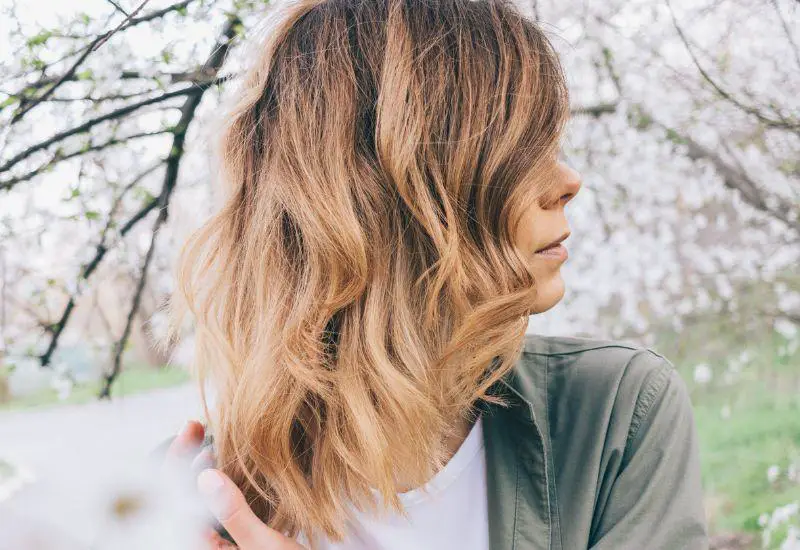
Cool skin tones have a natural sophistication that pairs beautifully with strategic hair color choices. If you’ve been searching for a hairstyle that complements your skin’s undertones while making a bold statement, the ombre shaggy bob offers the perfect solution. This modern cut combines textured layers with gradual color transitions, creating movement and dimension that flatters cool complexions wonderfully.
The ombre shaggy bob has become increasingly popular among women who want both edge and elegance in their hairstyle. This particular cut works especially well for cool-toned skin because it allows for color combinations that enhance rather than clash with your natural coloring. The shaggy layers add volume and texture, while the ombre technique provides depth without the harsh lines of traditional highlights or single-process color.
In the following sections, we’ll walk through everything you need to know about choosing, styling, and maintaining this striking look. From identifying your cool undertones to selecting the perfect color gradient, you’ll discover how to make this versatile haircut work for your lifestyle and personal style. Ready to transform your look with confidence? Let’s start with understanding what makes your cool skin tone special.
Understanding Your Cool Skin Tone
Cool undertones show themselves in several ways that you might not immediately recognize. Your veins appear blue or purple through your skin rather than green, and silver jewelry tends to flatter you more than gold. Your skin might have hints of pink, red, or blue beneath the surface, and you probably burn before tanning when exposed to sun.
How to identify cool undertones
The white paper test offers a simple way to confirm your undertones at home. Hold a plain white sheet of paper next to your clean, makeup-free face in natural daylight. If your skin appears pink, rosy, or bluish against the white background, you likely have cool undertones. This method works because the stark white creates contrast that makes undertones more visible.
Another reliable indicator involves looking at how different colors affect your appearance. Cool-toned women typically look their best in jewel tones like emerald, sapphire, and amethyst. Crisp whites, true blacks, and icy pastels also tend to complement cool skin beautifully. On the flip side, oranges and warm yellows might make you appear washed out or sallow.
Common misconceptions about cool tones
Many women mistakenly believe that having cool undertones limits their color options or means they can’t wear warm shades at all. This simply isn’t true. While certain shades naturally harmonize better with cool skin, the key lies in finding the right balance and knowing how to incorporate different tones strategically. Your hair color serves as a bridge between your skin and your wardrobe choices.
People often confuse skin tone with undertone, thinking pale skin automatically means cool undertones. However, undertones exist across all skin depths, from very fair to deep. You might have dark skin with cool undertones or fair skin with warm ones. Understanding this distinction helps you make more informed choices about hair color that truly flatters your complexion.
The science behind skin undertones
Undertones result from the combination of melanin, hemoglobin, and carotene in your skin. Cool undertones typically have higher concentrations of hemoglobin, which creates those blue and pink hints. This biological makeup affects how light reflects off your skin and interacts with colors placed near it, including your hair.
The relationship between undertones and hair color follows basic color theory principles. Cool undertones harmonize with colors on the blue side of the color wheel, while clashing can occur with very warm, golden tones. This doesn’t mean avoiding warmth entirely, but rather choosing cooler versions of colors – think ash blonde rather than honey blonde, or burgundy instead of copper.
Why cool tones matter for hair color choices
Your undertones influence how hair colors appear against your skin. A color that looks stunning on someone with warm undertones might make cool-toned skin appear dull or grayish. Conversely, the right shade can make your complexion glow, your eyes sparkle, and create an overall harmonious appearance that feels effortlessly put-together.
Hair color that complements cool undertones can actually minimize redness in the skin, create the illusion of more even skin tone, and make features appear more defined. This becomes especially important with a style like the ombre shaggy bob, where color placement near the face plays a crucial role in the overall effect. The gradual color transition allows you to keep the most flattering tones closest to your face while experimenting with bolder choices toward the ends.
What Makes the Ombre Shaggy Bob Perfect for Cool Tones
The magic happens when texture meets color in just the right way. An ombre shaggy bob brings together two powerful styling elements that work particularly well for cool-toned complexions. The cut itself creates movement through choppy layers, while the color technique adds depth without overwhelming your natural coloring. Together, they form a hairstyle that feels both effortless and intentional.
The structure of a shaggy bob
A shaggy bob differs from traditional bobs through its deliberately uneven, textured layers. These layers typically start shorter at the crown and gradually lengthen toward the perimeter, creating a lived-in, tousled appearance. The cut usually falls somewhere between chin and shoulder length, though variations exist to suit different face shapes and preferences.
What sets this cut apart is the way stylists create the layers. Rather than smooth, blended cuts, shaggy bobs feature choppy, piece-y sections that move independently. This technique adds volume without weight, making it ideal for various hair textures. Fine hair gains body, while thick hair becomes more manageable through strategic layer placement.
The versatility of a shaggy bob extends beyond just texture. You can wear it sleek and polished for professional settings or enhance its natural messiness for casual occasions. The inherent movement in the cut means you’re never fighting against your hair’s natural tendencies. Instead, you’re working with them to create different looks throughout the week.
How ombre complements cool skin
Ombre coloring involves a gradual transition from one shade to another, typically darker at the roots to lighter at the ends. For cool skin tones, this technique offers unique advantages. You can keep your natural color or a flattering darker shade near your face while experimenting with lighter or more dramatic colors through the lengths.
The gradient effect of ombre creates dimension that flatters cool complexions by adding warmth and depth without introducing colors that clash with your undertones. Consider these benefits:
Customizable Contrast: You control how dramatic or subtle the transition appears
Face-Framing Options: Darker roots create natural contouring around your face
Low Maintenance: Root growth blends seamlessly into the color gradient
Experimentation Freedom: Try bolder colors at the ends without commitment near your face
This coloring technique also allows for corrections if needed. If a particular shade doesn’t work as well as expected, adjustments can be made to just the affected areas rather than your entire head. This flexibility makes ombre particularly appealing for women who want to try something new without risking an unflattering all-over color.
Color theory and cool undertones
Understanding how colors interact helps explain why certain ombre combinations work so well for cool skin. Colors exist on a temperature spectrum, with blues, purples, and greens reading as cool, while reds, oranges, and yellows appear warm. Cool-toned skin naturally harmonizes with cooler colors, but the key lies in finding the right balance.
When planning an ombre for cool skin, think about the transition pathway between your chosen shades. Moving from ash brown to platinum blonde keeps you within the cool color family throughout the gradient. Alternatively, transitioning from a cool dark brown to rose gold introduces controlled warmth that won’t overwhelm your complexion because it’s concentrated away from your face.
The shaggy layers amplify these color effects by creating movement and preventing any single shade from dominating. As your hair moves, different colors catch the light, creating an ever-changing interplay of tones. This dynamic quality keeps the look interesting and prevents the flat appearance that can sometimes occur with single-process color on cool-toned skin.
The versatility factor
Perhaps the greatest advantage of combining ombre with a shaggy bob for cool tones lies in its adaptability. This style works across age groups, professional settings, and personal aesthetics. A subtle ash-to-pearl gradient suits conservative environments, while a dramatic black-to-silver transition makes a bolder statement.
The cut’s length hits a sweet spot that’s long enough to pull back when needed but short enough to feel fresh and modern. Cool-toned women often struggle with hairstyles that age them or wash them out, but this combination avoids both pitfalls. The texture keeps things youthful, while the strategic color placement ensures you always look vibrant.
Seasonal adjustments become simple too. You might deepen the root color slightly for fall and winter, then lighten the overall gradient for spring and summer. These modifications can be subtle – just enough to keep your look current without major overhauls. The shaggy cut’s forgiving nature means you can extend time between salon visits while still maintaining a polished appearance.
Choosing Your Ideal Ombre Color Combination
Color selection can make or break your ombre shaggy bob, especially with cool undertones to consider. The possibilities extend far beyond basic blonde transitions, opening up a world of sophisticated and unexpected combinations. Your lifestyle, maintenance preferences, and personal style all factor into finding the perfect gradient for your new cut.
Best color transitions for cool skin
Starting with your natural color or one close to it at the roots ensures the most flattering frame for your face. From there, the transition possibilities multiply based on how dramatic you want the final result. Subtle shifts of two to three shades create a sun-kissed effect, while jumping five or more levels delivers serious impact.
Dark brown to mushroom blonde creates sophistication without harsh contrasts. This combination works especially well for women with naturally dark hair who want to lighten up without committing to high-maintenance roots. The mushroom shade – a cool-toned blonde with grayish undertones – prevents the brassiness that often plagues cool-toned women who go blonde.
Black to dusty purple offers an unexpected twist that still respects cool undertones. The purple family naturally complements cool skin, and dusty or muted versions prevent the color from appearing too costume-like. This gradient works particularly well with the choppy layers of a shaggy bob, as the purple peeks through the texture in varying intensities depending on styling.
Platinum to ash brown options
Reverse ombre – lighter at the roots and darker at the ends – creates an unusual and striking effect for cool-toned women. Starting with platinum or ice blonde at the roots and transitioning to ash brown at the ends defies expectations while maintaining harmony with your complexion.
This combination particularly flatters women with very fair, cool-toned skin who might worry that dark roots would create too much contrast. The light-to-dark progression softens facial features and creates an ethereal quality that’s both bold and delicate. Maintenance involves touching up roots more frequently than traditional ombre, but the unique result justifies the extra effort for many women.
The key to making this work lies in choosing the right shades of both platinum and ash brown. Your colorist should select platinum tones without yellow undertones – think pearl, ice, or violet-based blondes. Similarly, the ash brown should lean toward taupe or mushroom rather than warm chocolate. These subtle distinctions make the difference between a harmonious gradient and one that fights your natural coloring.
Medium ash brown to icy blonde tips provides a more traditional but equally stunning option. This gradient offers the best of both worlds – natural-looking roots that grow out gracefully and statement-making ends that catch light beautifully. The icy blonde should have blue or violet undertones to prevent brassiness and maintain the cool tone throughout the gradient.
Silver and gray variations
Gray and silver tones have shed their aging associations to become some of the most requested colors in salons. For cool-toned women, these shades offer a natural complement to skin undertones while delivering undeniable edge. The metallic quality of silver particularly suits the textured nature of a shaggy bob, creating an almost futuristic aesthetic.
Charcoal to sterling silver creates drama without venturing into unnatural territory. This combination works across age groups, though it particularly flatters women with naturally graying hair who want to enhance rather than cover their silver strands. The charcoal roots provide depth and prevent the overall look from washing out cool complexions.
Salt-and-pepper effects achieved through strategic color placement offer another sophisticated option. Rather than a smooth gradient, your colorist can create a more organic transition that mimics natural graying patterns. This technique involves weaving silver pieces throughout the darker base color, with concentration increasing toward the ends. The result feels both intentional and effortless.
Jewel tone possibilities
Cool undertones provide the perfect canvas for jewel-toned ombre effects. These rich, saturated colors complement your skin’s natural coolness while adding unexpected vibrancy to your look. The key lies in choosing muted or dusty versions of these shades rather than electric or neon variants.
Deep burgundy to magenta creates a gradient that’s both wearable and striking. Burgundy sits close enough to natural hair colors to feel appropriate for various settings, while the magenta ends add personality and flair. This combination particularly flatters women with pink undertones in their cool complexion.
Navy to teal offers an ocean-inspired gradient that feels both natural and fantastical. Starting with a blue-black or navy base keeps things grounded, while the teal ends introduce color without veering into mermaid territory (unless that’s your goal). This combination works beautifully with the movement of a shaggy bob, creating an almost wave-like effect as your hair moves.
Maintenance considerations
Your color choice directly impacts maintenance requirements, something to consider seriously before committing to a particular gradient. Lighter ends generally require more upkeep than darker ones, as they’re more prone to damage and color fading. However, the ombre technique’s graduated nature means you can trim away damaged ends without destroying the overall effect.
Colors within the same family tend to fade more gracefully than dramatic shifts between warm and cool tones. An ash brown to ash blonde gradient will maintain its integrity longer than a cool brown to warm blonde combination. This consideration becomes especially important if you prefer extended time between salon visits.
Consider your water quality and hair care routine when selecting colors. Hard water can deposit minerals that affect cool tones, potentially adding unwanted warmth over time. Purple shampoos and toners become essential tools for maintaining cool blonde and silver tones. Factor these ongoing requirements into your decision-making process to ensure you choose a combination you can realistically maintain.
Styling Your Ombre Shaggy Bob
The beauty of this cut lies in its adaptability to different styling approaches. Whether you prefer quick, effortless morning routines or enjoy experimenting with various looks, your ombre shaggy bob can accommodate your preferences. The textured layers and color dimension mean even minimal styling produces eye-catching results.
Daily styling techniques
Your morning routine doesn’t need to involve complicated steps or numerous products. Start with damp (not soaking) hair and apply a lightweight texturizing spray from mid-lengths to ends. This provides grip and enhances the choppy layers without weighing down your hair. Avoid applying product directly to roots unless you have very fine hair that needs extra lift.
Scrunching serves as your secret weapon for enhancing natural texture. Cup sections of hair in your palms and squeeze gently upward, holding for a few seconds before releasing. This technique encourages the formation of waves and emphasizes the piece-y quality of your cut. Work through all sections, paying special attention to the areas where your ombre transition occurs – the color change often corresponds with textural changes that benefit from extra attention.
For those mornings when time runs short, try the twist-and-release method. Take small sections of damp hair, twist them tightly, then release. The hair will spring back with enhanced texture and movement. This technique works particularly well for creating definition in the shorter layers around your crown and face.
Air drying preserves hair health while encouraging natural texture formation. If you must accelerate drying, use a diffuser attachment on low heat. Cup sections of hair in the diffuser and hold near your scalp, allowing the indirect airflow to dry without disturbing the texture you’ve created.
Product recommendations for texture
The right products transform a good shaggy bob into a great one. Sea salt sprays add grit and enhance natural wave patterns, making them ideal for achieving that effortlessly undone look. Apply to damp hair, focusing on areas where you want maximum texture. The salt also slightly lightens hair over time, which can enhance your ombre effect.
Texture powders offer incredible volume and grip, especially at the roots. Sprinkle a small amount directly onto your scalp, then massage with fingertips. This creates lift that lasts all day while maintaining the piece-y separation characteristic of shaggy cuts. The matte finish these powders provide also prevents your style from looking too polished or overdone.
Heat styling vs. air drying methods
Both approaches have their place in styling your ombre shaggy bob. Heat styling offers control and polish when you need a more refined look. Use a flat iron to create subtle bends rather than perfect curls – run the iron down sections of hair while gently turning your wrist to create lived-in waves. This technique, called flat iron waves, produces modern texture that enhances your cut’s movement.
Alternatively, a curling wand used strategically creates variety in your texture. Wrap random sections around the wand in different directions, leaving ends out for a more casual finish. This method works particularly well for special occasions when you want more defined texture while maintaining the effortless vibe of your cut.
Air drying celebrates your hair’s natural tendencies while protecting it from heat damage:
Braiding Method: Create loose braids in damp hair, leave overnight, then finger-comb in the morning
Pin Curl Technique: Wrap sections around fingers, secure with bobby pins, remove when dry
Microfiber Towel Wrap: Reduces frizz while encouraging natural wave formation
Product Cocktailing: Layer different products for customized results
The gradient nature of your ombre means different sections of your hair might respond differently to styling methods. The lighter ends often have more porosity and hold texture more easily, while darker roots might need extra encouragement. Adjust your technique accordingly, perhaps using more product or heat on resistant areas while going lighter on responsive sections.
Achieving different looks for various occasions
Your ombre shaggy bob transforms easily from boardroom to beach party with strategic styling changes. For professional settings, smooth the top layers slightly with a flat iron while maintaining texture through the ends. This creates polish without sacrificing personality. A deep side part adds sophistication and can help balance facial features.
Weekend casual calls for enhanced texture and volume. Apply dry shampoo to roots even on clean hair – it adds grip and that perfectly imperfect quality. Tousle with fingers, focusing on breaking up any sections that look too uniform. The goal is controlled chaos that highlights both your cut’s layers and color’s dimension.
Evening events allow for more dramatic styling. Consider creating more defined waves or curls, then breaking them up with your fingers for modern appeal. Add a texturizing spray for extra hold and shine. You might also experiment with accessories – a sleek bobby pin arrangement or a textured headband can transform your entire look while working with your cut’s inherent style.
The color gradient in your style offers unique opportunities for creative styling. Try incorporating small braids that showcase the color transition, or create twisted sections that spiral through different shades. These details add interest without requiring major changes to your overall style.
Maintaining Your Bold Look
Keeping your ombre shaggy bob looking fresh requires attention to both color and cut maintenance. The good news? This style’s intentionally lived-in aesthetic means it’s more forgiving than precision cuts or solid colors. With the right approach, you can extend time between salon visits while keeping your hair healthy and vibrant.
Color preservation strategies
Cool-toned colors, particularly ash blondes and silvers, face unique challenges in maintaining their intended shade. These tones tend to oxidize and develop unwanted warmth over time, especially with exposure to sun, chlorine, and minerals in water. Creating a defensive strategy helps preserve your investment and keep your gradient looking intentional.
Purple shampoo becomes your most important tool for maintaining cool blonde and silver tones. Use it once or twice weekly, leaving it on for 3-5 minutes to neutralize yellow tones. Start with less frequent use and increase if needed – overuse can deposit too much purple pigment, creating an unnatural lavender cast. Focus application on the lighter portions of your ombre where brassiness appears first.
A good heat protectant serves double duty – preventing damage from styling tools while creating a barrier against environmental factors that affect color. Apply before any heat styling, concentrating on the lighter ends where hair is most porous and vulnerable. Look for formulas containing UV filters for additional protection against sun-induced fading.
Trimming schedules for shaggy layers
The choppy, textured nature of a shaggy bob means regular trims are essential for maintaining its shape and movement. Unlike blunt cuts where growth might not dramatically affect the overall look, shaggy layers can quickly lose their definition and begin looking more mullet than modern without proper maintenance.
Schedule trims every 6-8 weeks to maintain the cut’s integrity. This frequency keeps layers fresh and prevents the shape from becoming bottom-heavy as hair grows. During these appointments, your stylist can also refresh the texture, adding or adjusting layers as needed to maintain optimal movement.
Between professional trims, you might notice individual pieces that grow faster or stick out awkwardly. Resist the temptation to trim these yourself unless you’re confident in your skills. Instead, use styling products to blend these pieces back into the overall texture. A small amount of pomade or wax can help tame rebellious sections without risking an uneven cut.
At-home care routines
Your daily and weekly routines significantly impact how long your style looks fresh. Washing frequency depends on your hair type and lifestyle, but most women with this style find washing 2-3 times per week optimal. This schedule maintains cleanliness while preserving natural oils that keep hair healthy and color vibrant.
Deep conditioning treatments become non-negotiable, especially for the lighter ends of your ombre. These sections have been processed more extensively and require extra moisture to prevent brittleness and breakage. Apply a nourishing mask weekly, concentrating on mid-lengths to ends. Leave on for 15-20 minutes under a shower cap to allow deep penetration.
Sleeping habits affect your style more than you might realize. Switch to a silk or satin pillowcase to reduce friction that creates frizz and disrupts texture. If you prefer cotton pillowcases, wrap your hair loosely in a silk scarf before bed. This simple change can extend your style by days and reduce morning styling time.
Professional touch-up timing
Root touch-ups for ombre styles follow different rules than traditional all-over color. Since the technique incorporates natural root growth into the overall look, you can extend time between color appointments. Most women find they can wait 12-16 weeks between major color services, though this varies based on how dramatic your gradient and how quickly your hair grows.
Gloss treatments every 6-8 weeks can refresh your color without the commitment or cost of full color service. These semi-permanent treatments add shine, neutralize unwanted tones, and slightly adjust color depth. They’re particularly effective for maintaining the cooler tones that complement your complexion.
When you do return for color service, communicate any concerns about how your gradient has evolved. Your colorist can adjust the transition point, refresh the lighter ends, or modify tones that aren’t working as well as expected. The flexibility of ombre means these adjustments can be made without starting over completely.
Seasonal adjustments
Your ombre shaggy bob can evolve with the seasons while maintaining its core identity. Summer might call for slightly lighter ends to complement sun-kissed skin, while winter could benefit from deeper, richer tones that pair well with darker wardrobes.
These seasonal shifts don’t require dramatic changes. A toner can temporarily adjust the warmth or coolness of your color, allowing you to experiment without permanent commitment. You might add subtle lowlights in fall or brighten the overall gradient for spring. These minor adjustments keep your look current and prevent style fatigue.
Weather changes also affect maintenance needs. Winter’s dry air and indoor heating require extra moisture, so increase deep conditioning frequency. Summer’s humidity and sun exposure might necessitate more frequent toning to combat brassiness. Adjust your routine accordingly to maintain optimal hair health and color vibrancy throughout the year.
Your Signature Style Awaits
Creating your perfect ombre shaggy bob isn’t just about following trends – it’s about finding the intersection of what flatters your cool undertones and what makes you feel confident. This versatile cut offers endless possibilities for personalization, from subtle ash gradients to bold silver statements. The combination of textured layers and strategic color placement ensures you’ll turn heads while staying true to your authentic style.
The journey to maintaining this look becomes part of its appeal. Unlike high-maintenance styles that demand perfection, your ombre shaggy bob thrives on a more relaxed approach. The intentionally undone texture means you can skip the daily blow-dry, while the gradual color transition grows out beautifully. This balance of boldness and practicality makes it an ideal choice for women who want impact without imprisoning themselves to complicated routines. Your cool skin tone isn’t a limitation – it’s your secret weapon for pulling off this chic, modern look with sophistication that others will envy.
Frequently Asked Questions
Q: How do I know if my skin definitely has cool undertones before committing to this hair color?
A: Check your veins in natural light – blue or purple veins indicate cool undertones. Also, notice if silver jewelry flatters you more than gold, and if you look best in jewel tones like sapphire or emerald rather than earth tones like orange or yellow.
Q: Will an ombre shaggy bob work with naturally curly or wavy hair?
A: Yes, this cut actually enhances natural texture beautifully. The layers reduce bulk while encouraging curl formation, and the ombre effect adds dimension that makes waves and curls appear more defined.
Q: How much should I expect to spend on the initial ombre coloring service?
A: Prices vary significantly by location and salon level, typically ranging from $150 to $400. The initial investment is higher than single-process color, but longer intervals between appointments often make it more economical long-term.
Q: Can I transition my current hair color to an ombre shaggy bob without damaging my hair?
A: Most transitions are possible with proper technique and timing. Your colorist might suggest doing the process in stages over several appointments, especially if you’re going significantly lighter. This gradual approach maintains hair integrity.
Q: What’s the minimum length needed to achieve a shaggy bob?
A: Your hair should ideally reach at least your shoulders before cutting to ensure enough length for proper layering and movement. Shorter starting lengths can work but might limit layering options.
Q: How often will I need purple shampoo if I choose blonde or silver tones?
A: Most women with cool blonde or silver ombre use purple shampoo 1-2 times weekly. Start with once a week and increase if you notice warmth developing. Overuse can create unwanted purple tints.
Q: Will the layers in a shaggy bob make my thin hair look even thinner?
A: Actually, the opposite occurs. Strategic layering creates movement and body that makes thin hair appear fuller. The key lies in your stylist’s technique – they should create layers that add volume without removing too much density.
Q: Can I wear my ombre shaggy bob straight sometimes, or does it always need to be textured?
A: You can absolutely wear it straight for a sleeker look. The cut’s versatility means it looks great both ways. When worn straight, the layers create subtle movement and the ombre provides visual interest.

