

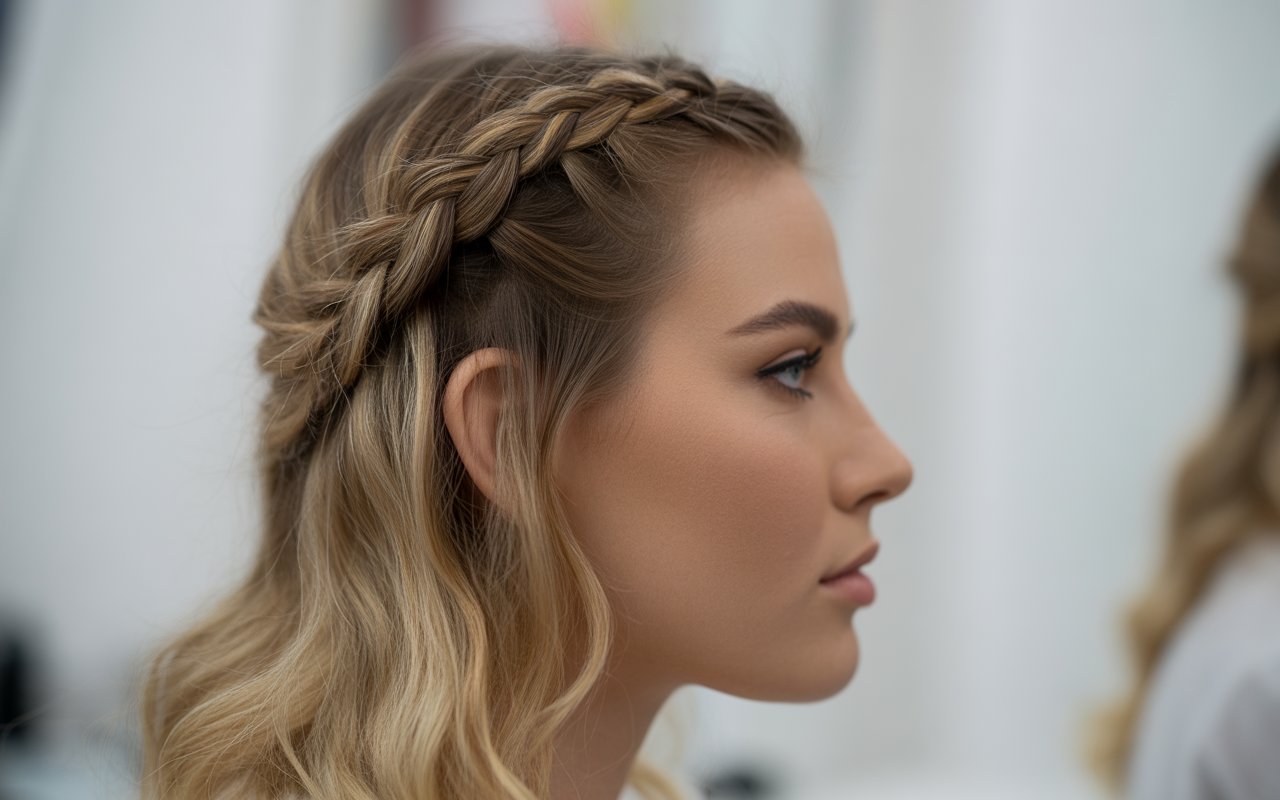
Braids have been adorning women’s hair for centuries, evolving from simple three-strand plaits to intricate works of art. Today’s hair enthusiasts are discovering that adding layers to their hair opens up an entirely new world of braiding possibilities. The combination of layers and braids creates depth, movement, and visual interest that flat, one-length hair simply can’t achieve.
Layered hair braids transform ordinary plaits into dynamic styles that catch the light and move beautifully. The varying lengths create natural texture within each braid, making even basic techniques look more complex and professionally done. Whether your layers are subtle or dramatic, fresh or grown out, they can actually enhance your braiding game rather than complicate it.
Ready to discover how layers can revolutionize your braiding routine? We’ll walk through everything from understanding what makes these styles special to mastering techniques that work with your specific cut. Let’s transform those layers from a braiding challenge into your secret weapon for creating stunning, dimensional hairstyles that turn heads.
What Are Layered Hair Braids?
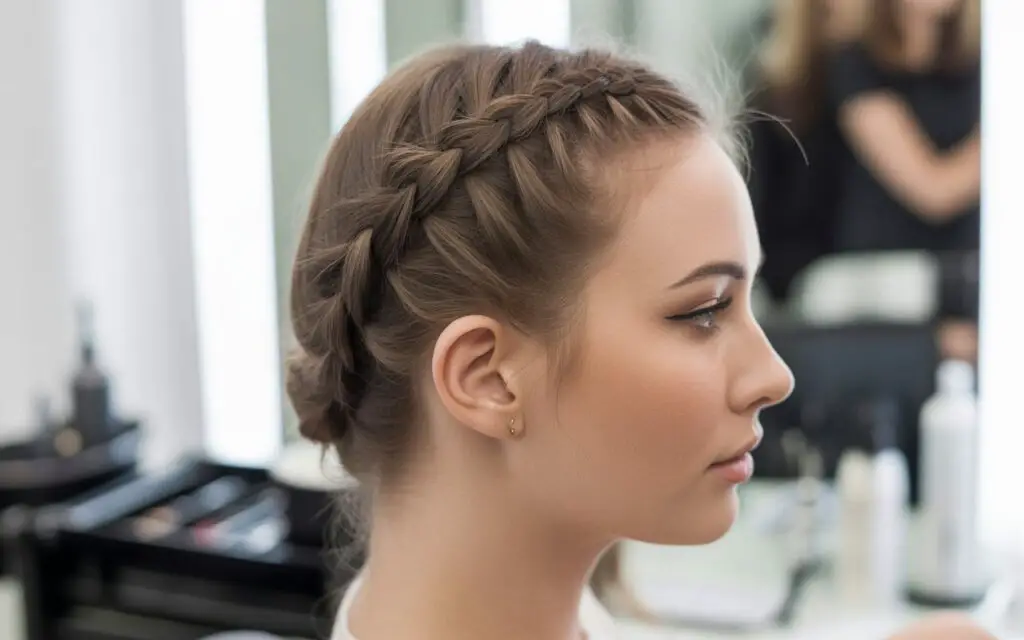
Layered hair braids represent a modern approach to traditional braiding that works with, rather than against, the natural graduation of layered haircuts. Unlike standard braids created on one-length hair, these styles incorporate varying strand lengths to produce fuller, more textured results. The technique involves strategically weaving shorter pieces throughout longer sections, creating braids with built-in volume and movement.
Understanding the Structure
The magic happens when different hair lengths interact within a single braid. Shorter layers naturally pop out at various points, adding dimension that would require teasing or pulling techniques to achieve with blunt-cut hair. This organic texture gives each braid a lived-in, effortless appearance that many women spend considerable time trying to create artificially.
Think of it like weaving a tapestry with threads of varying thickness. The result has more character and visual interest than using uniform materials. Your shorter layers act as natural accent pieces, breaking up the smooth surface of traditional braids with perfectly imperfect texture.
Benefits for Different Hair Types
Fine-haired women often struggle with braids that look thin or stringy. Layers solve this problem by creating the illusion of density. Each shorter piece that escapes adds to the overall fullness, making sparse hair appear more abundant. The graduated lengths prevent that sleek, pulled-back look that can emphasize thinness.
Thick hair benefits equally from this technique. The layers help distribute bulk more evenly throughout each braid, preventing that heavy, rope-like appearance. Instead of one massive plait, you get a more balanced style with natural movement. The varying lengths also reduce the weight concentration at any single point, making these styles more comfortable to wear for extended periods.
Creating Natural Movement
Traditional braids on one-length hair tend to lie flat against the head or hang stiffly. Layered versions move differently. The shorter pieces create natural bends and curves within the braid structure, resulting in styles that sway and bounce with your movements. This dynamic quality makes them particularly photogenic, as they catch light from multiple angles.
Versatility in Styling
The beauty of working with layers lies in the options they provide. You can choose to incorporate every strand for a fuller, more textured look, or strategically leave some shorter pieces out to frame your face. This flexibility allows you to customize each style based on the occasion, your outfit, or simply your mood that day.
Some women worry their layers will make braiding more difficult. In reality, once you understand how to work with varying lengths, they become an asset. The key lies in adjusting your technique slightly and viewing those shorter pieces as design elements rather than obstacles. With the right approach, layers transform from a perceived limitation into your greatest styling advantage.
Getting Your Hair Ready for Layered Braids
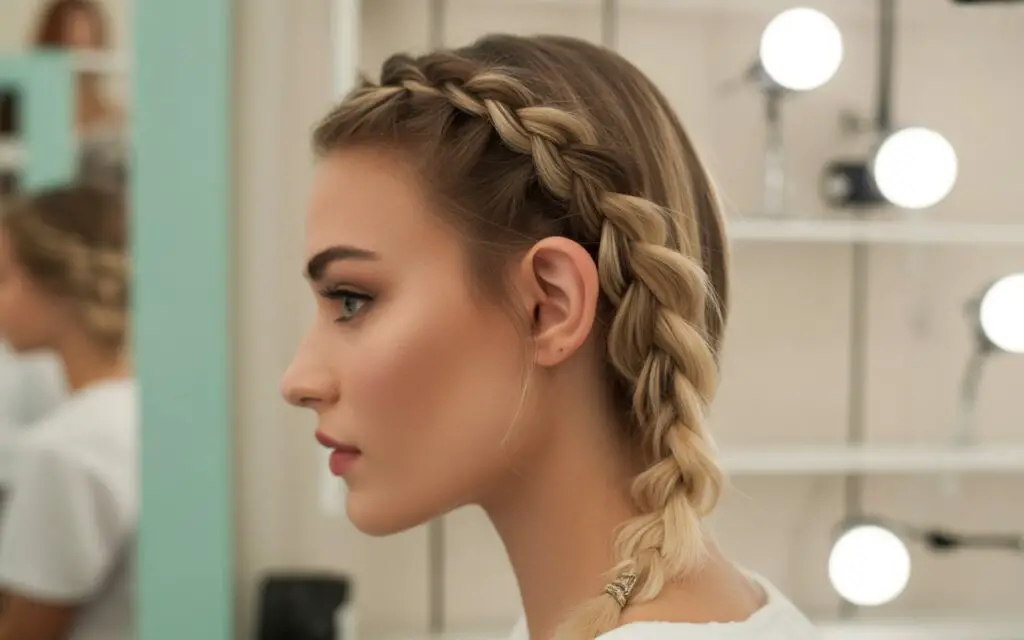
Preparation makes the difference between braids that last all day and styles that fall apart within hours. Layered hair requires specific attention since the varying lengths behave differently than uniform strands. Taking time to properly prep your hair ensures better results and easier styling.
The Right Products Make Everything Easier
Start with clean, completely dry hair unless you’re going for wet-look styles. Apply a lightweight texturizing spray from roots to ends, paying special attention to the shortest layers. These pieces tend to slip out more easily, so they need extra grip. Avoid heavy creams or oils that weigh down your layers and make them difficult to incorporate into braids.
For stubborn shorter pieces that refuse to cooperate, a small amount of styling paste or pomade works wonders. Warm a tiny bit between your fingers and smooth it over problem areas. This targeted approach provides control without making your entire head feel product-heavy. Just remember – less is more when it comes to styling products for braiding.
Sectioning Strategies for Success
Proper sectioning prevents frustration later. Instead of dividing hair into equal parts like you might with one-length hair, consider where your layers fall. Create sections that keep similar lengths together when possible. This approach minimizes the amount of tucking and adjusting needed as you braid.
Use clips to separate hair you’re not currently working with. This step becomes crucial with layers since loose pieces from other sections love to sneak into your active braid. Duck bill clips work particularly well because they hold securely without creating dents or marks in your hair.
When planning your sections, work with your layer pattern rather than fighting it. If you have face-framing layers, consider starting braids slightly behind them or incorporating these pieces into smaller accent braids. Your haircut already has a natural flow – use it to guide your sectioning decisions.
Tools That Simplify the Process
The right tools transform a potentially frustrating experience into an enjoyable one. A rat-tail comb helps create clean parts and tuck in shorter pieces as you work. Its pointed end reaches stubborn strands that fingers can’t quite grasp. Keep one nearby throughout the braiding process.
Small clear elastics prove invaluable for securing shorter layers at the beginning or end of braids. Unlike traditional hair ties, these nearly invisible bands won’t disrupt your style’s flow. Stock up on plenty since they’re designed for single use. Bobby pins in your hair color also help wrangle escape artist strands without drawing attention.
Consider investing in a hand mirror or positioning yourself between two mirrors. Being able to see your work from multiple angles helps catch loose pieces before they become major issues. This visual access becomes especially important when working on the back sections where your shortest layers might hide.
Common Preparation Mistakes
Many women make their job harder by over-brushing layered hair before braiding. While you want tangle-free strands, excessive brushing creates static and separates the layers too much. Instead, use a wide-tooth comb to gently detangle, then finger-comb sections as you work. This method maintains some natural grouping of similar-length pieces.
Another frequent error involves starting with hair that’s too freshly washed. Day-old hair (or hair with some texture spray) provides better grip for braiding. If you must start with just-washed hair, don’t condition the lengths heavily. Focus conditioner on your ends only, leaving the upper portions with more natural texture for easier handling.
Step-by-Step Techniques for Different Layered Braid Styles
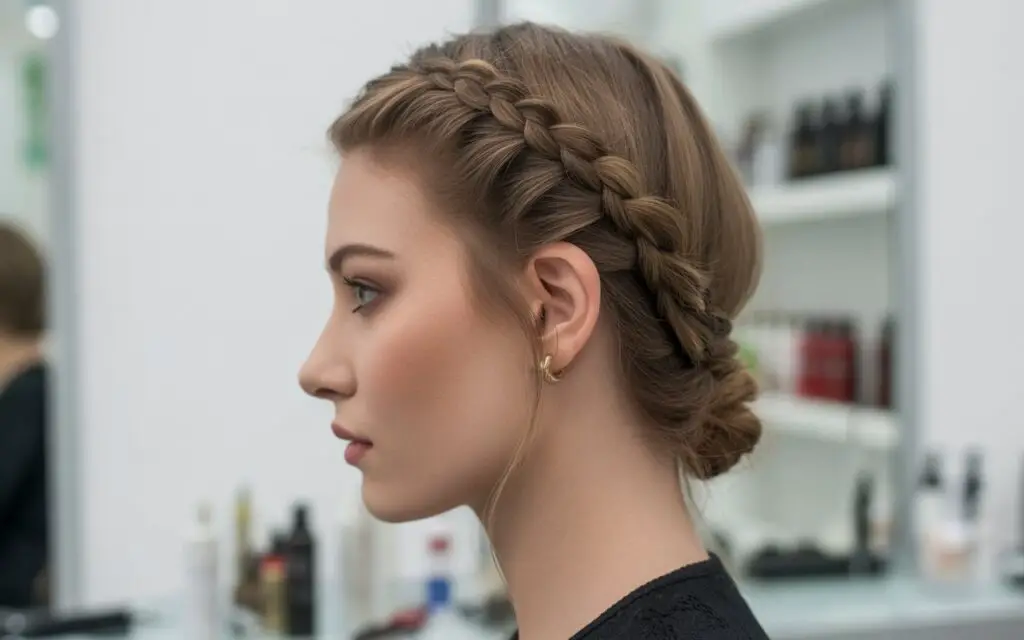
Mastering layered braids starts with understanding how different techniques handle varying hair lengths. Each style requires slight modifications from traditional methods, but once you grasp these adjustments, you’ll find layered hair actually offers more creative possibilities than one-length styles.
The Foundation: Basic Three-Strand Braid
Begin with the classic three-strand braid to build confidence working with layers. Gather your hair into a low ponytail position without securing it. Divide into three sections, keeping shorter layers distributed evenly among them rather than letting them all fall into one section.
As you cross the outer sections over the middle, maintain gentle tension. Too tight, and shorter pieces pop out immediately. Too loose, and the braid lacks structure. Find that sweet spot where the braid holds together while allowing some natural texture from escaped layers.
When shorter pieces refuse to stay put, don’t panic. Instead of constantly trying to tuck them back in, let some frame your face or add to the braid’s texture. This relaxed approach often creates more beautiful results than fighting for perfection. Secure the end when about two inches of hair remain – this prevents the shortest layers at your nape from escaping completely.
French Braids That Work With Layers
French braiding with layers requires a shift in technique. Start with a smaller section at your crown than you normally would. This gives you better control as you incorporate new pieces. As you add hair to each outer section, grab from slightly wider areas to catch those shorter side layers.
The key lies in your hand position. Keep your hands close to your scalp as you braid, using your pinkie fingers to sweep in wayward pieces. This proximity gives you better control over shorter strands that might otherwise escape. Don’t aim for uniform sections – let the natural fall of your layers guide how much hair you add with each cross.
For face-framing layers too short to incorporate, try this trick: before starting your French braid, twist these pieces back and secure with a bobby pin hidden under the top layer. This creates a romantic, face-framing effect while keeping these strands from interfering with your braiding.
Dutch Braids for Added Dimension
Dutch braids (reverse French braids) actually work beautifully with layered hair because the raised structure naturally accommodates escaping pieces. Start by taking a section at your hairline and dividing it into three parts. Cross the outer sections under rather than over the middle piece.
The raised nature of Dutch braids means shorter layers that pop out add to the style rather than detracting from it. These pieces create a softer, more romantic look around the raised braid. Add hair to the outer sections as you work back, using your thumb to guide shorter pieces into each addition.
This technique particularly shines when creating crown braids or side-swept styles. The dimensional quality of layers enhances the braid’s visual impact, making it appear more intricate than the actual technique requires.
Fishtail Variations for Textured Results
Fishtail braids and layers create magic together. The technique’s inherent messiness means escaping shorter pieces look intentional rather than accidental. Start by dividing your hair into two sections instead of three.
Here’s where to adapt the traditional technique for better results with layers:
Work in Smaller Sections: Take thinner pieces from the outside of each section to cross over
Vary Your Grip: Alternate between tighter and looser tension to create an organic pattern
Leave Some Out: Don’t force every short piece into the braid – let some add texture
Pull Apart Gradually: Once complete, gently tug at sections to create fullness
This style works particularly well for side braids where your layers can cascade naturally. The fishtail structure shows off the varying lengths beautifully, creating a braid that looks complex but requires minimal skill once you understand the basic motion.
Handling the Shortest Layers
Those super-short layers around your crown and face need special attention. For pieces too short to reach your main braid, consider creating tiny accent braids that feed into the larger style. These micro-braids add detail while solving the practical problem of wayward strands.
Another approach involves strategic twisting. Take small sections of shorter layers and twist them back, incorporating the ends into your main braid as you reach them. This creates a beautiful twisted texture leading into your braid while managing length challenges.
Sometimes the best solution involves working with what you have rather than forcing pieces to behave. Let certain short layers remain loose, using a bit of texture spray to enhance their piece-y quality. This creates an effortlessly undone look that many women spend ages trying to achieve.
Styling Ideas and Occasions
Layered braids adapt beautifully to any situation, from rushed mornings to elegant evenings. The versatility of these styles means you can create appropriate looks for every aspect of your life while working with the same basic techniques.
Everyday Styles That Actually Stay Put
Morning routines demand hairstyles that look polished but don’t require extensive time or effort. A loose side braid incorporating your layers creates an effortlessly chic look perfect for the office or errands. Start the braid behind one ear, allowing face-framing pieces to fall naturally. This style takes under five minutes once you’ve practiced the motion.
For active days, try a low braided bun. Begin with a loose braid at the nape of your neck, then wrap it into a bun shape and secure with bobby pins. The layers create natural texture within the bun, eliminating that severe, pulled-back appearance. Shorter pieces that escape around your hairline soften the overall look without appearing messy.
The half-up braided crown works wonderfully for second or third-day hair when your layers might be misbehaving. Braid sections from each temple toward the back of your head, securing them together with a small elastic. This controls the shorter layers on top while letting longer pieces flow freely. The style transitions seamlessly from day to evening activities.
Special Event Elegance
Formal occasions call for elevated styling, and layers add sophistication to classic braided updos. A braided chignon gains remarkable dimension when created with layered hair. The varying lengths create natural texture and volume within the twisted sections, resulting in a style that photographs beautifully from every angle.
Consider a waterfall braid for romantic occasions. This technique allows shorter layers to cascade through the braid, creating movement and visual interest. Start at one temple and work across your head, dropping the bottom section with each cross and picking up a new piece from above. The dropped sections showcase your layers’ movement beautifully.
For black-tie events, multiple braids woven together create stunning results. Begin with several smaller braids placed strategically around your head, then gather and pin them into an elaborate updo. The layers within each braid add fullness and prevent the style from looking too perfect or costume-like.
Athletic and Practical Options
Workout styles need to control hair while standing up to movement and moisture. The bubble braid works exceptionally well with layers, as the elastic sections naturally contain shorter pieces. Create a high ponytail, then add elastics every few inches down its length, gently pulling each section to create the bubble effect.
Swimming or beach days require styles that protect hair while looking intentionally casual. Try parallel braids starting at your part and running straight back. The technique keeps shorter layers controlled while creating a sporty look that works in and out of the water. These braids also minimize tangling when hair gets wet.
For yoga or activities requiring inverted positions, a braided top knot provides security. French braid from your nape upward, gathering all layers as you work toward your crown. Finish with a messy bun on top, using the braid’s structure to keep shorter pieces from falling during movement.
Seasonal Adaptations
Summer heat demands styles that keep hair off your neck while looking fresh. Multiple mini braids scattered throughout loose hair create bohemian vibes perfect for festivals or beach vacations. The technique works especially well with layers since each small braid can incorporate similar-length pieces for easier styling.
Fall and winter open possibilities for braids paired with hats and scarves. Low braided pigtails work beautifully under winter hats, with shorter layers adding texture that peeks out attractively. Side braids also complement scarves, creating a cozy, put-together look for cold weather.
Spring calls for fresh, romantic styles that celebrate new growth – fitting for those growing out their layers. Loose braided crowns adorned with small flowers or delicate pins highlight the natural movement layers provide. These styles feel special without requiring salon-level skills.
Quick Fixes for Bad Hair Days
Everyone faces mornings when layers seem determined to misbehave. The messy braid becomes your best friend during these times. Roughly braid sections without worrying about perfection, then pull apart the braid to create volume and hide any unevenness. This intentionally undone look transforms bedhead into a style choice.
When time runs short, focus on braiding just the problem areas. If your shortest layers stick up at the crown, create a small Dutch braid in just that section, leaving the rest of your hair loose. This targeted approach solves issues without committing to a full braided style.
Maintaining Your Layered Braids
The longevity of your braided styles depends largely on how you care for them after creation. Layered hair presents unique maintenance challenges, but understanding these helps you enjoy beautiful braids for days rather than hours.
Understanding Realistic Expectations
Braids in layered hair typically last differently than those in one-length styles. While a traditional braid might stay pristine for days, layered versions develop character more quickly. This isn’t a flaw – it’s simply the nature of working with varied lengths. Most layered braids look their absolute best for about 8-12 hours, then transition into a softer, more relaxed version.
The placement of your shortest layers affects longevity significantly. Crown layers tend to escape first due to natural movement and gravity. Face-framing pieces might loosen but often enhance the style as they do. Nape layers, being shortest in many cuts, may limit how long you can wear certain styles comfortably.
Rather than fighting for perfection, adjust your expectations. A slightly messy day-two braid often looks more modern and approachable than a severe, just-done style. This natural evolution means you get multiple looks from a single styling session.
Nighttime Strategies for Longer Wear
Protecting braids overnight extends their life significantly. The key lies in minimizing friction and movement while you sleep. A silk or satin pillowcase reduces catch and pull on escaped layers, helping maintain the overall structure. If you move frequently during sleep, consider a loose silk scarf wrapped around your braided sections.
For elaborate styles you hope to preserve, try the pineapple method adapted for braids. Loosely gather braided sections at the very top of your head, securing with a soft scrunchie. This positioning prevents you from lying directly on the braids while sleeping. In the morning, release and gently shake out for refreshed style.
Avoid the temptation to redo sections before bed. Constant manipulation weakens the overall structure and encourages more pieces to escape. Instead, smooth any wildly wayward pieces with a touch of water or light-hold spray, then protect the entire style for sleep.
Morning Touch-Ups That Work
Refreshing your braids starts with assessing what actually needs attention. Often, braids that feel messy to you look perfectly fine to others. Stand back from the mirror and evaluate the overall effect before diving into fixes. Sometimes a few strategic adjustments create better results than complete reconstruction.
For pieces that escaped overnight, decide whether to incorporate them back in or let them add to the texture. A small amount of texture cream on your fingertips helps smooth strays back into the braid without disturbing the entire structure. For stubborn sections, a bobby pin hidden within the braid provides invisible support.
When braids feel loose but still look acceptable, try this revival technique: lightly mist with water or texture spray, then gently squeeze the braid from top to bottom. This reactivates any product in your hair while tightening the structure slightly. Avoid oversaturating, which can make layers more likely to escape.
Knowing When to Let Go
Recognizing when a style has run its course prevents damage and frustration. As a general rule, remove braids when you notice significant loosening at the roots or when escaped pieces outnumber contained ones. For most layered styles, this happens within 1-3 days depending on your hair texture and activity level.
Signs it’s time to remove your braids include persistent scalp discomfort, visible product buildup, or when the style no longer feels secure during normal movement. Pushing past these signals risks tangles and breakage, especially in the shorter layers that may have wrapped around longer pieces.
Removal requires patience with layered hair. Start from the bottom, gently working out the elastic and unraveling slowly. Use your fingers to separate sections rather than immediately reaching for a brush. Pay special attention to areas where shorter layers might have tangled with longer ones during wear.
Preventing Damage to Layers
Regular braiding can stress hair if not done mindfully. Rotate the placement of your braids to avoid repeatedly pulling the same sections. This becomes especially important for shorter layers that might be stretched to reach certain styles. Give these areas breaks between elaborate braided looks.
Heavy products build up quickly on layered hair, particularly in braided styles where shampooing might be delayed. Choose lightweight formulas and use them sparingly. When you do wash after wearing braids, focus on gentle clarification to remove residue without stripping your hair.
The health of your layers directly impacts how well they perform in braided styles. Regular trims keep the shortest pieces from becoming too wispy to work with, while deep conditioning treatments improve manageability. Healthy layers braid more easily and last longer in styled formation.
Mastering the Art of Layered Hair Braids
Your journey into layered hair braiding opens up endless possibilities for creative expression. Those varying lengths you might have viewed as challenging actually give you advantages that women with one-length hair spend time and effort trying to recreate. By working with your natural texture and cut rather than against it, you’ll discover styles that feel uniquely yours while requiring less effort than you might expect.
The techniques and tips covered here form your foundation, but the real mastery comes through practice and experimentation. Each time you braid your layered hair, you’ll develop better intuition for which pieces to incorporate, which to leave free, and how to create styles that complement both your hair and your lifestyle. Soon, you’ll find yourself adapting these basics into signature looks that friends will ask you to recreate on their own layered locks.
Frequently Asked Questions
Q: Will braiding damage my layered haircut?
A: Braiding actually protects your hair when done correctly. Just avoid pulling too tightly, rotate where you place braids, and give your hair breaks between elaborate styles. The varying lengths in layers naturally prevent the extreme tension that can occur with one-length hair.
Q: My shortest layers are only 3 inches long – can I still do braids?
A: Absolutely! While these pieces might not reach into longer braids, you can create micro braids with them, twist them back, or simply let them frame your face. Many modern braided styles actually look better with some shorter pieces left out.
Q: How do I keep bobby pins from showing in my layered braids?
A: Choose pins that match your hair color exactly, and insert them at an angle following the direction of the braid. Hide them under overlapping sections or use the criss-cross method where two pins form an X for invisible hold.
Q: Which type of layers work best for braiding?
A: Long layers and subtle graduation tend to be easiest for beginners. However, even dramatic layers or shag cuts can create beautiful braided styles – you just need to adjust your expectations and techniques accordingly.
Q: Can I braid my hair when my layers are grown out and uneven?
A: Grown-out layers often braid beautifully! The varying lengths create natural texture and movement. This in-between stage actually offers some of the most interesting braiding possibilities.
Q: What’s the best way to practice braiding my own layered hair?
A: Start with low, loose braids where you can see your hands in a mirror. Practice the hand motions without worrying about perfection. As you build muscle memory, gradually work up to braids placed higher on your head.
Q: How often should I wash my hair if I’m wearing braids regularly?
A: Most people find washing every 3-4 days works well when wearing braids frequently. Use dry shampoo between washes to keep roots fresh, and focus shampoo on your scalp rather than the braided lengths when you do wash.
Q: My layers are very fine and silky – any special tips?
A: Fine, silky layers benefit from extra texture before braiding. Use a volumizing mousse at roots and texture spray throughout lengths. Consider braiding slightly damp hair or using a small amount of sea salt spray for better grip.

