


Bob haircuts have remained a cornerstone of women’s hairstyling for over a century, and their popularity shows no signs of slowing down. This versatile cut adapts beautifully to changing fashion trends while maintaining its fundamental appeal – a length that falls somewhere between the chin and shoulders, offering both sophistication and practicality. The bob’s enduring success comes from its ability to flatter various face shapes, hair textures, and personal styles, making it a reliable choice for women seeking a fresh yet timeless look.
Right now, bobs are experiencing a particularly exciting moment in hair fashion. Social media platforms showcase countless variations of this classic cut, with stylists pushing creative boundaries while respecting the bob’s essential structure. The current trend moves away from overly perfect, helmet-like shapes toward more relaxed, personalized versions that reflect individual personality. This shift means there’s truly a bob style for every woman, whether you prefer sleek minimalism or tousled texture.
The following sections will guide you through five of the most requested bob styles in salons today. From the sharp precision of a blunt cut to the romantic movement of layered variations, each style offers distinct advantages and styling possibilities. You’ll discover which face shapes each cut flatters most, learn professional styling techniques, and understand the maintenance required to keep your chosen bob looking its best. Let’s explore these contemporary takes on the classic bob that are capturing attention and inspiring women to make the chop.
The Classic Blunt Bob

The blunt bob stands as the foundation from which all other bob variations spring. This precise cut features hair that’s trimmed to a uniform length, creating a strong, geometric line that typically sits anywhere from jaw to shoulder level. Its defining characteristic is the absence of layers or graduation – every strand is cut to the exact same length, resulting in a dense, weighty appearance that makes a bold style statement.
What defines this style
A true blunt bob requires meticulous cutting technique to achieve its signature sharp edge. The hair falls in one solid line, creating visual weight at the bottom that gives the style its distinctive shape. This cut works particularly well with straight to slightly wavy hair textures, as the uniform length showcases the precision of the cut most effectively. The back can be cut straight across or slightly angled upward for a more modern interpretation.
Many women appreciate how this style frames the face with clean lines. The blunt edge creates an optical illusion that can make fine hair appear thicker and more substantial. When styled sleek and straight, the cut emphasizes its architectural quality. However, adding subtle bends or waves softens the look while maintaining the cut’s structural integrity.
Who it suits best
The blunt bob particularly flatters oval and heart-shaped faces, as the straight line across helps balance facial proportions. Women with round faces might prefer a version that hits just below the jawline to create a lengthening effect. Those with square faces can soften angular features by opting for a length that falls at or below the chin, avoiding cuts that end exactly at the jaw.
Hair texture plays a crucial role in determining whether this cut will work for you. Straight and slightly wavy hair types achieve the cleanest lines with minimal styling effort. Women with very curly or coily hair can still rock a blunt bob, though they’ll need to consider how their natural texture will affect the final shape. Fine-haired women often find this cut gives them the fullness they desire, while those with thick hair might need some subtle interior thinning to prevent the style from becoming too heavy.
Styling techniques
Achieving the perfect blunt bob look starts with proper blow-drying technique. Begin by applying a heat protectant and lightweight smoothing product to damp hair. Use a round brush to lift the hair at the roots while directing the airflow down the hair shaft. This method ensures smoothness while maintaining the cut’s sharp lines. For the signature super-straight finish, follow with a flat iron, working in small sections from roots to ends.
Creating variation in your blunt bob keeps the style fresh and versatile. For a more relaxed look, try the following approaches:
Pin-straight perfection: Use a flat iron at medium heat, gliding slowly for maximum smoothness
Subtle bend: Wrap sections around a large round brush while blow-drying, creating gentle curves
Textured finish: Apply sea salt spray and scrunch while air-drying for effortless movement
Sleek and tucked: Tuck one side behind your ear for asymmetrical interest
The key to professional-looking results lies in working with your hair’s natural tendencies rather than fighting against them. If your hair has a slight wave, enhance it rather than struggling for pin-straight perfection every day.
Maintenance tips
Keeping a blunt bob looking fresh requires regular trims every 4-6 weeks. Because the style depends on precise lines, even minimal growth can disrupt the shape and make the cut appear unkempt. Schedule standing appointments with your stylist to maintain the sharp edge that defines this look.
Between salon visits, proper at-home care preserves the cut’s integrity. Use a clarifying shampoo weekly to prevent product buildup that can weigh down the hair and distort the shape. Deep conditioning treatments help maintain healthy ends, which is crucial since any damage or splitting becomes immediately visible with this precise cut.
Nighttime protection prevents the flattening and bending that can occur during sleep. Wrap your hair in a silk scarf or use a silk pillowcase to reduce friction. Some women find that loosely securing the hair in a very high ponytail (at the crown) helps maintain volume at the roots while protecting the blunt ends from crushing.
The Textured Wavy Bob

Moving from geometric precision to organic movement, the textured wavy bob offers a completely different aesthetic. This style celebrates natural-looking waves and intentional imperfection, creating a lived-in appearance that feels both contemporary and effortlessly chic. Unlike its blunt counterpart, this bob incorporates various cutting techniques to enhance movement and reduce bulk where needed.
Key characteristics
The textured wavy bob relies on strategic layering and point-cutting techniques to create its signature tousled appearance. Rather than one uniform length, the stylist incorporates subtle layers throughout, particularly around the face and through the interior sections. These layers work together to encourage natural wave formation and prevent the triangular shape that can occur when wavy hair is cut too bluntly.
Texture is built into the cut itself through various techniques. Point cutting creates softer edges that blend seamlessly, while slide cutting removes weight without creating obvious layers. Some stylists also use razoring techniques on appropriate hair types to enhance the piece-y, separated texture that defines this style. The overall effect should appear effortless, as though you’ve just returned from a beach vacation.
The length typically falls between the chin and collarbone, though personal preference and face shape influence the final decision. Many women find that a length hitting just at or below the jawline provides the perfect balance of sophistication and playfulness.
Creating the waves
Successful wave creation starts with understanding your hair’s natural texture and working with it rather than against it. For those with naturally straight hair, creating believable waves requires the right combination of products and techniques. Start with a volumizing mousse applied to damp hair, focusing on the mid-lengths and ends rather than the roots.
The technique you choose depends on your skill level and available time. Using a curling iron, wrap random sections in alternating directions, leaving the ends out for a more modern finish. Hold each section for just a few seconds – you want bends, not ringlets. Once all sections are complete, run your fingers through to break up the pattern and create that coveted undone texture.
For a heat-free option, try the twist method. Section damp hair into 6-8 portions, twist each section tightly, then secure with small elastic bands. Allow hair to air dry completely or speed the process with a diffuser. Once dry, release the twists and gently separate with your fingers, finishing with a texture spray for hold and definition.
Products that work
The right products make the difference between waves that last all day and ones that fall flat within hours. A lightweight mousse provides foundation without the crunchiness associated with traditional gels. Apply it to damp hair, scrunching upward to encourage wave formation from the start.
Sea salt spray has become synonymous with beachy texture, but use it sparingly. Too much can leave hair feeling dry and straw-like. Instead, cocktail a small amount with a leave-in conditioner for texture plus hydration. This combination gives you the grip needed for wave formation while maintaining softness and shine.
For finishing, a flexible-hold hairspray allows movement while preventing your waves from completely dropping out. Avoid anything labeled “maximum hold” – you want your hair to move naturally throughout the day. A light misting from about 10 inches away provides enough hold without creating stiffness.
Daily styling routine
Establishing a manageable daily routine ensures you can recreate this look without spending hours in front of the mirror. On wash days, apply your product cocktail to damp hair and scrunch thoroughly. Use a microfiber towel or old t-shirt to squeeze out excess moisture – traditional towels can create frizz and disturb wave patterns.
The diffuser attachment on your blow dryer becomes your best friend for this style. Cup sections of hair in the diffuser bowl and lift toward your scalp, holding for 30-60 seconds before moving to the next section. This method encourages wave formation while adding volume at the roots. Work at medium heat and low speed to prevent frizz.
On non-wash days, refresh your waves with a mixture of water and leave-in conditioner in a spray bottle. Lightly mist your hair, then scrunch to reactivate yesterday’s styling products. For areas that have gone completely flat, rewrap them around a curling iron for a quick touch-up. This approach extends the life of your style while minimizing daily heat exposure.
Some mornings, you might wake up with your waves intact but slightly flattened from sleep. Rather than starting from scratch, try the steam refresh method. Hang your outfit for the day in the bathroom while you shower – the steam will help revive your waves. A quick scrunch and shake at the roots brings back volume and movement.
The Asymmetrical Bob
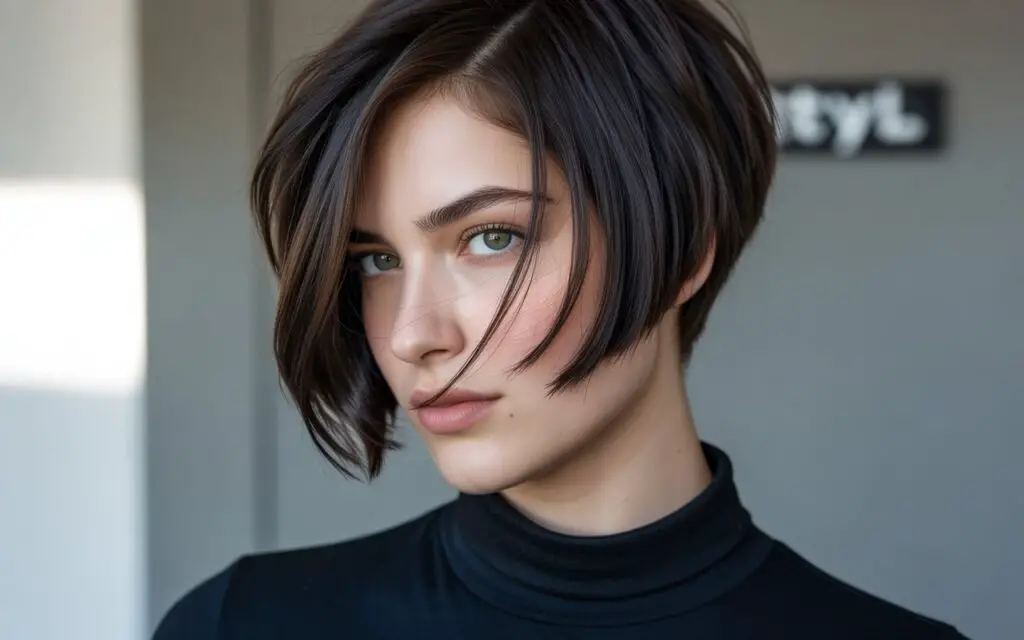
The asymmetrical bob makes a striking statement through deliberate imbalance. One side is cut noticeably shorter than the other, creating visual interest and a modern edge that sets it apart from more traditional bob styles. This dramatic variation requires confidence to wear but rewards the wearer with a look that’s both sophisticated and fashion-forward.
Understanding the cut
An asymmetrical bob isn’t simply a mistake or grown-out style – it’s a precisely planned cut that requires skilled execution. The length difference between sides can range from subtle (perhaps an inch) to dramatic (several inches), depending on personal preference and lifestyle needs. The shorter side typically grazes the earlobe or jaw, while the longer side might reach the collarbone.
The back treatment varies based on the overall design. Some versions feature a stacked or graduated back that connects the two different lengths smoothly. Others maintain a more disconnected approach, with a distinct line where the lengths meet. Your stylist will determine the best approach based on your hair texture, growth patterns, and desired maintenance level.
Face shapes that benefit
This cut offers unique advantages for various face shapes by creating customized balance. Round faces benefit from the elongating effect of the longer side, which draws the eye downward and creates the illusion of length. The shorter side adds height and prevents the style from overwhelming delicate features.
Square faces find softness in the diagonal line created by the length difference. The asymmetry breaks up the strong horizontal lines of a square jaw, creating movement and flow. Positioning the longer side to fall across one side of the jaw can particularly flatter this face shape.
Oval faces have the flexibility to experiment with more dramatic length differences, as their balanced proportions can handle bold asymmetry. Heart-shaped faces should ensure the longer side hits below the widest part of the face to maintain proportion. The key lies in working with an experienced stylist who can customize the angles to enhance your specific features.
Your neck length also influences how an asymmetrical bob will look. Longer necks can handle shorter cuts on the short side, while those with shorter necks might prefer keeping both sides slightly longer to avoid creating an unbalanced appearance.
Styling variations
The asymmetrical bob’s versatility surprises many women who initially worry about styling options. For professional settings, blow-dry the hair smooth and tuck the shorter side behind your ear, allowing the longer side to frame your face elegantly. This creates a polished look that’s still interesting without being too edgy for conservative environments.
Evening transformations come easily with this cut. Add dramatic waves to the longer side while keeping the shorter side sleek for contrast. Or reverse the textures – smooth the long side and add texture to the short side for unexpected interest. A deep side part emphasizing the longer side creates glamorous old Hollywood vibes.
Casual styling often works best when you enhance the cut’s inherent drama. Apply texturizing product and scrunch both sides, allowing the natural length difference to create organic movement. The shorter side will have more lift and volume, while the longer side provides flowing movement.
For special occasions, consider these styling approaches:
Sleek and severe: Flat iron everything pin-straight for maximum impact
Romantic waves: Curl only the longer side, leaving the short side smooth
Textured and edgy: Use pomade to create piece-y definition throughout
Vintage inspired: Create finger waves on the longer side for retro glamour
Growing it out gracefully
Eventually, you might decide to transition to a different style. Growing out an asymmetrical bob requires patience and strategic trimming. The goal becomes gradually evening out the lengths while maintaining a flattering shape throughout the process.
Start by allowing the shorter side to grow while maintaining the longer side’s length. Regular trims every 6-8 weeks should focus on shaping rather than length removal. Your stylist can add layers to the longer side that help blend the lengths as they become closer.
During the growth phase, styling becomes crucial for maintaining a polished appearance. Use accessories like decorative clips or headbands to control the shorter pieces as they reach that awkward in-between length. Braids and twists can incorporate both lengths attractively while you wait for them to match.
The transition period typically takes 4-6 months, depending on your starting point and desired end result. Many women discover they enjoy various stages of the grow-out process, sometimes finding their new favorite style along the way. Regular communication with your stylist ensures each phase looks intentional rather than neglected.
The Layered Bob with Bangs
Combining the classic bob silhouette with strategic layering and fringe creates a style that’s both youthful and sophisticated. This variation adds movement and dimension while the bangs provide an extra element of customization. The result is a highly personalized cut that can be adapted to suit various face shapes, hair textures, and style preferences.
Layer placement matters
The success of a layered bob depends entirely on where and how the layers are cut. Unlike the uniform weight of a blunt bob, this style uses graduated lengths to create movement and reduce bulk. The shortest layers typically start at the crown or upper sections, gradually increasing in length toward the perimeter. This creates natural volume and prevents the helmet-like shape that can occur with one-length cuts.
Interior layers serve a different purpose than face-framing ones. These hidden layers remove weight from thick hair without changing the overall silhouette. They also encourage natural movement and make styling easier by preventing the hair from lying too flat. For fine hair, minimal interior layering maintains the density needed for a full appearance.
The perimeter remains crucial even with interior layering. Most stylists maintain a slightly heavier baseline to preserve the bob shape while allowing the layers to create movement above. This technique ensures the cut maintains its structure between appointments while still offering the benefits of layered texture.
Your hair’s natural growth patterns influence optimal layer placement. Cowlicks, natural parts, and growth direction all factor into where layers will enhance rather than fight your hair’s tendencies. An experienced stylist evaluates these factors before making the first cut.
Bang styles that complement
The addition of bangs transforms a layered bob from simple to striking. The key lies in choosing a fringe style that harmonizes with both the bob’s layers and your facial features. Soft, side-swept bangs offer the most versatility, blending seamlessly with face-framing layers while remaining easy to style and grow out.
Curtain bangs have gained popularity for their flattering effect on almost every face shape. These longer, center-parted fringes frame the face softly and integrate beautifully with layered bobs. They provide the option to wear them forward as actual bangs or swept to the sides for a different look.
Blunt, straight-across bangs create striking contrast with a layered bob. This combination plays with opposing elements – the soft, moveable layers juxtaposed against the strong horizontal line of the fringe. This pairing works particularly well for those wanting to minimize a larger forehead or create the illusion of bigger eyes.
Wispy, textured bangs complement the overall layered aesthetic perfectly. These lighter-weight fringes move naturally with the rest of the cut and require minimal styling. They’re ideal for those who want the look of bangs without the full commitment or daily styling requirement of heavier versions.
Volume building techniques
Layered bobs excel at creating volume, but knowing how to enhance this natural lift takes your style to the next level. Start with proper product application – volumizing mousse or root lift spray applied to damp hair provides the foundation. Focus application at the roots and through the mid-lengths, avoiding the ends to prevent weighing them down.
Blow-drying technique makes the biggest difference in achieving voluminous results. Flip your head upside down for the initial drying phase, using your fingers to lift the roots away from the scalp. Once hair is about 80% dry, flip back upright and use a round brush to smooth and shape the layers. Roll the brush away from your face to create natural movement.
Hot rollers offer another excellent option for building lasting volume. Section the hair horizontally and roll everything upward and away from the face. The layered lengths will create natural variation in curl size, resulting in organic-looking volume rather than uniform curls. Leave rollers in until completely cool – this sets the style for extended wear.
For quick volume boosts throughout the day, master the art of strategic teasing. Focus on the crown area and any sections that tend to fall flat. Use a fine-tooth comb to gently backcomb small sections at the roots, then smooth the top layer over the teased sections. A light mist of hairspray locks in the lift without creating visible texture.
Trimming schedule
Maintaining a layered bob with bangs requires more frequent salon visits than simpler styles. The bangs alone need trimming every 2-3 weeks to maintain their shape and prevent them from obscuring vision. Many salons offer complimentary bang trims between full appointments, recognizing this necessary maintenance.
The overall cut benefits from professional shaping every 6-8 weeks. Layers can quickly lose their intended effect as they grow, creating weight in the wrong places or losing their movement-enhancing properties. Regular trims ensure each layer maintains its relationship to the others, preserving the cut’s overall design.
Between professional appointments, resist the temptation to trim your own layers. While bang maintenance at home is manageable for some, attempting to trim layers typically results in uneven lengths that require professional correction. If you notice particular pieces bothering you between appointments, pin them aside and mention them at your next visit.
Consider seasonal adjustments to your trimming schedule. Hair typically grows faster in warmer months, potentially requiring more frequent appointments. Conversely, winter’s slower growth might allow you to extend the time between visits slightly. Pay attention to how your specific hair responds to seasonal changes and adjust accordingly.
The Inverted Bob
The inverted bob, also known as an A-line bob, creates a striking silhouette through strategic graduation. Shorter in the back and longer in the front, this cut offers drama and sophistication while remaining surprisingly versatile. The angle of graduation can range from subtle to extreme, allowing for personalization based on individual style preferences and maintenance commitment.
Angle and graduation explained
Understanding the technical aspects of an inverted bob helps you communicate effectively with your stylist. The graduation refers to how the lengths progress from back to front – a gentle graduation might involve just a few inches difference, while a dramatic version could feature a difference of six inches or more. The angle is created through precise cutting techniques that stack the hair shorter in the back.
The nape area requires special attention in an inverted bob. Some versions feature a closely cropped or even undercut nape for maximum impact and easy maintenance. Others maintain more length at the nape for a softer appearance. The choice depends on personal preference, neck length, and how much of a statement you want to make.
Weight distribution in this cut differs significantly from other bob variations. The bulk of the hair’s weight shifts forward, creating natural volume at the back while the front sections provide framing and movement. This distribution works particularly well for those with fine hair at the nape but thicker hair through the top and sides.
Back versus front lengths
The relationship between back and front lengths defines the overall impact of an inverted bob. A steep angle – where the back is significantly shorter than the front – creates a bold, fashion-forward look that commands attention. This dramatic version works best on those committed to regular maintenance and comfortable with showing off their neck and nape area.
Subtle graduation offers a more conservative approach while still providing the benefits of the inverted shape. With just 2-3 inches difference between back and front, this version appears more like a traditional bob from the front while revealing its unique shape from the side and back views. This option suits professional environments where extreme styles might raise eyebrows.
The front length requires careful consideration based on your face shape and lifestyle. Longer front sections that reach the collarbone can overwhelm petite frames but create elegant lines on taller women. Shorter front lengths that hit at the jawline provide a sportier, more manageable option that still maintains the cut’s distinctive shape.
Consider how the lengths will behave with your natural texture. Straight hair showcases the precise angles most dramatically, while wavy or curly textures soften the lines and create a more organic interpretation of the shape.
Blow-drying methods
Proper blow-drying technique is essential for showcasing an inverted bob’s architectural lines. Begin by applying a thermal protectant throughout damp hair, followed by a volumizing product concentrated at the crown and back sections. The goal is to enhance the natural lift created by the cut’s shape while smoothing the longer front sections.
Section the hair horizontally, starting at the nape. Use a round brush to direct the short back sections upward and slightly forward, creating the lifted shape that defines this cut. The key is maintaining tension on the hair while directing the airflow down the shaft – this creates smoothness while building volume.
As you work toward the front sections, adjust your technique. The longer pieces benefit from being dried with the round brush rolling under slightly, creating a gentle bend that frames the face. Avoid over-directing these sections backward, as this fights against the cut’s natural fall and can create unflattering shapes.
For the finishing touches, use the cool shot button on your dryer to set each section. This locks in the shape and adds shine. A paddle brush can then smooth everything into place, ensuring the transition from short to long appears seamless.
Color techniques that enhance
The inverted bob’s unique shape provides an excellent canvas for creative color placement. The stacked back sections offer opportunities for hidden color that reveals itself with movement, while the longer front pieces can showcase face-framing highlights or bold color blocks.
Dimensional color works particularly well with this cut, using the graduation to create visual interest. Consider these approaches for maximum impact:
Shadow roots: Darker roots transitioning to lighter ends emphasize the cut’s shape
Peek-a-boo panels: Hidden color in the underneath sections surprises when hair moves
Face-framing highlights: Lighter pieces around the front draw attention to facial features
Gradient effect: Color that gradually lightens from back to front mirrors the cut’s progression
The shorter back sections show color differently than the longer front pieces. What appears subtle in the back might look more dramatic in the front, so colorists must adjust their technique accordingly. This is particularly important with fashion colors or dramatic lightening.
Maintenance becomes crucial with colored inverted bobs. The frequent trims required to maintain the shape mean color touch-ups might be needed more often at the nape. Discuss a maintenance schedule with both your stylist and colorist to ensure the cut and color remain harmonious.
Single-process colors can look stunning on inverted bobs, particularly rich, glossy shades that showcase the cut’s lines. The way light hits the various angles creates natural dimension even with one uniform color. This option provides drama through the cut itself while keeping color maintenance simpler.
Final Thoughts on Choosing Your Perfect Bob
These five bob variations represent just a fraction of the possibilities available when you decide to go shorter. Each style offers its own unique benefits and challenges, from the bold simplicity of the blunt bob to the architectural drama of the inverted version. The key to finding your perfect bob lies in honest assessment of your lifestyle, maintenance commitment, and personal style preferences. Remember that the best haircut is one that makes you feel confident and authentic, regardless of current trends.
Consider booking a consultation with a trusted stylist before making your final decision. Bring photos of styles you love, but remain open to professional input about what will work best with your specific hair texture, face shape, and daily routine. A skilled stylist can often suggest modifications that take a good haircut idea and transform it into your perfect personalized style. The journey to finding your ideal bob might involve some experimentation, but the result – a cut that feels uniquely yours – makes the process worthwhile.
Frequently Asked Questions
Q: How do I know which bob length will suit my face shape best?
A: The ideal bob length depends on your face’s proportions and what features you want to highlight. Generally, round faces look great with bobs that hit just below the chin to create lengthening effects, while square faces benefit from softer lengths at or below the jawline. Oval faces can wear virtually any bob length successfully.
Q: Will a bob haircut work with my naturally curly hair?
A: Yes, bobs can look stunning on curly hair when cut properly. The key is finding a stylist experienced with curly hair who can adjust the cutting technique to accommodate your curl pattern. Curly bobs often need to be cut slightly longer than intended to account for shrinkage when dry.
Q: How often should I trim my bob to maintain its shape?
A: Most bob styles require trimming every 4-8 weeks, depending on the precision of the cut and your hair’s growth rate. Blunt bobs and inverted bobs typically need more frequent maintenance (every 4-6 weeks), while textured or layered bobs can often go 6-8 weeks between trims.
Q: Can I style a bob for formal events, or is it too casual?
A: Bobs are incredibly versatile and can absolutely be styled for formal occasions. Sleek, straight styles create sophisticated elegance, while adding waves or curls provides romantic appeal. Accessories like decorative clips, headbands, or small braided details can elevate any bob for special events.
Q: What’s the main difference between a regular bob and an inverted bob?
A: The primary difference lies in the length graduation. A regular bob maintains relatively even length all around or might be slightly longer in front. An inverted bob is specifically shorter in the back and longer in the front, creating an angled silhouette that’s higher at the nape.
Q: Is it difficult to grow out a bob if I change my mind?
A: Growing out a bob requires patience but isn’t particularly difficult. The process typically takes 6-12 months depending on your growth rate and desired final length. Regular trims to maintain shape during the growing phase help you avoid the awkward stages and keep your hair looking polished throughout the transition.
Q: Which bob style requires the least daily styling?
A: The textured wavy bob typically requires the least daily manipulation, especially if you have naturally wavy hair. Once you establish a good cut and routine, you can often air-dry with product and achieve great results. Blunt bobs and inverted bobs generally require more styling to maintain their precise shapes.
Q: Can I have a bob with very fine or thin hair?
A: Absolutely! Bobs often work wonderfully for fine or thin hair because the shorter length removes weight that can drag hair down. Blunt bobs create the illusion of thickness, while subtle layers can add movement without sacrificing density. The key is avoiding over-layering, which can make thin hair appear even thinner.

