

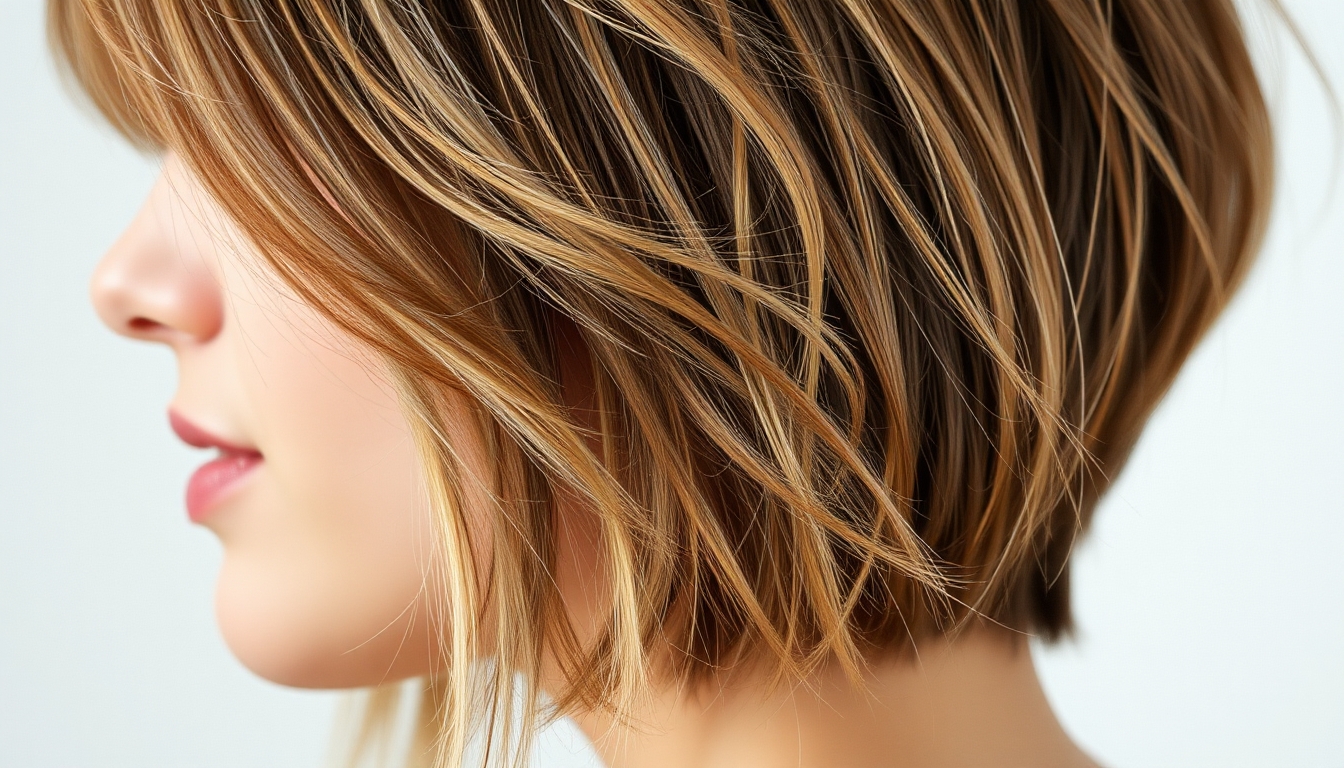
Thick hair can feel like both a blessing and a challenge, especially when you’re sporting a shaggy bob. This textured cut offers the perfect solution for managing abundant locks while creating that effortlessly cool look everyone’s after. The layers and choppy ends characteristic of this style work particularly well with fuller hair, breaking up density and adding movement where you need it most.
The beauty of pairing thick hair with a shaggy bob lies in how the cut naturally reduces bulk without sacrificing volume. Your stylist has already done the heavy lifting by creating those perfectly imperfect layers that give the cut its signature lived-in appearance. Now it’s your turn to bring out the best in your new style through proper styling techniques that work with your hair’s natural thickness rather than against it.
In the following sections, we’ll walk through everything from understanding why this cut works so well for your hair type to mastering the styling techniques that will have you looking salon-fresh every morning. You’ll discover the right tools, products, and methods that transform your thick locks into a perfectly tousled masterpiece.
- What Makes a Shaggy Bob Perfect for Thick Hair?
- How Do You Prepare Thick Hair for Shaggy Bob Styling?
- Which Tools Work Best for Styling a Shaggy Bob on Thick Hair?
- What Are the Most Flattering Styling Techniques?
- How Can You Maintain Your Style Throughout the Day?
- Your Perfect Shaggy Bob Awaits
- Frequently Asked Questions
What Makes a Shaggy Bob Perfect for Thick Hair?
The marriage between thick hair and a shaggy bob creates magic that other cuts simply can’t replicate. This style specifically addresses the common struggles women with abundant hair face daily – excessive weight, lack of movement, and that dreaded triangle shape that can happen with blunt cuts. The strategic layering removes bulk exactly where you need it while maintaining enough weight to prevent unwanted puffiness.
Weight reduction and movement
Your thick strands naturally want to clump together, creating heavy sections that can pull your style down. The shaggy bob’s choppy layers break up these heavy zones, distributing weight more evenly throughout your head. This redistribution allows each section to move independently, creating that effortless bounce you see in magazines. The difference becomes especially noticeable when you shake your head – instead of moving as one solid mass, your hair flows with natural, fluid movement.
Natural texture enhancement
Thick hair often has beautiful natural texture hiding beneath its weight. The layered structure of this cut releases that hidden potential, allowing waves to form more easily and straight hair to develop subtle bends and curves. You’ll notice your hair suddenly has personality it never showed before. The shorter layers around your face spring up with their own character, while longer pieces maintain enough weight to frame your features beautifully.
Versatility in styling options
One day you might want sleek and polished, the next day messy and carefree – this cut handles both with ease. The varied lengths give you multiple styling possibilities that wouldn’t exist with a traditional bob. You can smooth everything down for a sophisticated look, scrunch it up for beachy waves, or let it air dry for that perfectly undone vibe. Each styling choice brings out different aspects of the cut, making it feel like you have several hairstyles in one.
Low maintenance benefits
Perhaps the biggest advantage for busy women is how forgiving this style can be. The intentionally choppy nature means bed head often looks intentional rather than messy. You don’t need perfect precision when styling because the cut’s meant to look slightly disheveled. On those mornings when you’re running late, a quick tousle with your fingers and some texturizing spray can have you out the door looking deliberately stylish rather than accidentally unkempt. The grow-out phase is also more graceful than with precision cuts, buying you extra weeks between salon visits.
How Do You Prepare Thick Hair for Shaggy Bob Styling?
Preparation makes all the difference between fighting with your hair for thirty minutes and achieving your desired look in five. The right foundation starts in the shower and continues through every step before you pick up any styling tools. Getting these basics right means less work later and better results that last throughout your day.
Proper washing techniques
How you wash thick hair impacts everything that comes after. Start with lukewarm water rather than hot – high temperatures can cause your cuticles to swell, making your hair appear even thicker and more unmanageable. Focus shampoo only on your scalp, letting the suds run through the lengths as you rinse. This prevents over-cleansing the ends, which need moisture to maintain their texture.
Conditioner application requires strategy with thick hair. Apply from mid-length to ends, avoiding the roots completely. Use a wide-tooth comb to distribute the product evenly through your strands while the conditioner sits. This ensures every section gets properly moisturized without weighing down the areas near your scalp. Rinse with cool water for at least thirty seconds longer than you think necessary – leftover product residue is a common culprit behind limp, heavy-feeling hair.
Essential products for thick hair
The product lineup for thick hair needs to strike a delicate balance. You need enough hold and control without heaviness that defeats the purpose of your layered cut. A lightweight leave-in conditioner provides moisture without weight, while a volumizing mousse adds structure to your layers.
Towel drying methods
That vigorous rubbing with a regular towel? Stop immediately. Rough toweling creates frizz and disturbs the cuticle layer, making thick hair appear even bulkier. Instead, gently squeeze out excess water with your hands first. Then use a microfiber towel or old t-shirt to blot and squeeze sections of your hair. This gentler approach preserves your hair’s natural texture and reduces drying time.
The plopping method works wonders for maintaining the shape of your shaggy layers. Lay a microfiber towel flat, flip your head forward, and lower your hair onto the center of the towel. Wrap the sides around your head and secure at the nape of your neck. Leave this on while you do your makeup or get dressed – you’ll remove excess moisture while encouraging your natural texture to form.
Pre-styling treatments
Before you reach for any heat tools, your hair needs protection and structure. A thermal protectant spray shields your strands from damage while helping your style last longer. Work it through damp hair, paying special attention to the ends which are most vulnerable to heat damage.
For extra texture and grip, consider adding a texturizing primer or sea salt spray to damp hair. These products give your layers something to hold onto, creating separation and definition that lasts. Scrunch them in rather than combing through to maintain the integrity of your natural wave pattern. The goal is to enhance what’s already there, not force your hair into submission.
Which Tools Work Best for Styling a Shaggy Bob on Thick Hair?
The right tools transform styling from a battle into a breeze. Thick hair demands equipment that can handle its density while creating the texture and movement your shaggy bob needs. Investing in quality tools pays off in time saved and better results that actually last beyond your morning commute.
Heat styling tools selection
Your blow dryer needs serious power to tackle thick hair efficiently. Look for models with at least 1875 watts and multiple heat settings. Ionic technology helps reduce frizz by breaking down water molecules faster, cutting your drying time significantly. The weight of the dryer matters too – a heavy model will tire your arms before you finish styling.
Brushes and combs for thick hair
Different stages of styling call for different brushes. A paddle brush with mixed bristles – both nylon and boar – detangles wet hair without causing breakage. The wider surface area covers more ground, speeding up your routine. For blow-drying, a ceramic round brush conducts heat evenly, helping to smooth and shape your layers simultaneously.
A wide-tooth comb becomes your best friend for distributing products evenly through thick strands. Metal tail combs work better than plastic for creating precise parts or sections, as they glide through dense hair more easily. Keep a smaller brush for detail work around your face where the shorter layers need more precise styling.
The vented brush deserves special mention for thick-haired women. Its design allows air to flow through, reducing drying time by up to thirty percent. Use it for rough-drying before switching to your round brush for finishing. This two-step approach prevents heat damage from prolonged exposure while giving you the control you need for polishing your look.
Diffusers and attachments
A diffuser attachment changes everything for maintaining your bob’s texture. It disperses airflow to prevent frizz while encouraging natural wave patterns. Cup sections of hair in the diffuser, lifting toward your scalp to create volume at the roots. This method preserves the piecey texture that makes shaggy bobs so appealing.
The concentrator nozzle serves a different purpose – precision smoothing. When you want sleeker results, this attachment directs airflow exactly where you need it. Use it with your round brush to smooth specific sections while maintaining texture elsewhere. This targeted approach lets you customize your finish based on your mood or the occasion.
Texturizing tools
Sometimes the best texture comes without heat. Velcro rollers at the crown create lift without the damage of hot tools. While your hair is still slightly damp, roll sections away from your face and let them set while you finish getting ready. The result is natural-looking volume that doesn’t scream “styled.”
Crimping tools might seem outdated, but used strategically at the roots, they create invisible volume that lasts all day. Focus on the underneath sections where the crimped texture won’t show but will provide lift and support to the layers above. This trick works especially well for women whose thick hair tends to fall flat at the crown despite its overall density.
What Are the Most Flattering Styling Techniques?
Mastering a few key techniques gives you the flexibility to change your look based on your schedule, weather, or mood. These methods work specifically with thick hair’s natural tendencies, turning potential frustrations into styling advantages.
Air drying methods
Letting your hair dry naturally saves time and prevents heat damage, but thick hair needs guidance to dry attractively. Start by applying a curl-enhancing cream or mousse to damp strands. Scrunch upward from the ends, encouraging your layers to form their natural pattern. Every twenty minutes, gently shake your roots to prevent them from drying flat against your head.
The twist and release method creates defined pieces without heat. Take small sections of damp hair, twist them gently, then release. The hair maintains some of the twist pattern as it dries, creating the separated, textured look that defines a great shaggy bob. This technique works particularly well on the shorter layers around your face.
Blow drying for volume
For maximum volume, flip your head upside down during the initial drying phase. Use your fingers to lift and separate at the roots while directing airflow from multiple angles. This prevents your hair from setting in one direction and creates natural lift that lasts. Once your hair reaches about seventy percent dry, flip back up and begin sectioning for more detailed styling.
The roll and cool technique locks in volume and shape. After blow-drying each section with your round brush, roll it up and secure with a clip. Hit it with cool air for ten seconds, then leave the clip in while you move to the next section. This cooling period sets the shape, giving you longer-lasting results. By the time you finish your whole head, the first sections are completely cool and ready to release.
Working in horizontal sections from bottom to top gives you the most control. Each layer gets proper attention, preventing the common problem of perfectly styled top layers hiding a messy underneath. Pull each section taut with your brush, following with the dryer’s nozzle pointed downward. This technique smooths the cuticle while maintaining the separation between layers.
Creating texture and movement
Texture spray becomes your secret weapon for that perfectly imperfect finish. Instead of spraying directly onto your hair, mist it into the air and walk through the cloud. This creates even distribution without weighing down any particular section. Focus additional sprays on mid-lengths and ends where you want the most piece-y definition.
The scrunch and twist technique adds instant texture to styled hair. Take random sections and twist them around your finger, then scrunch upward. This breaks up any uniformity in your style, creating the lived-in look that makes shaggy bobs so appealing.
Finishing touches
The difference between good and great often comes down to those final details. Run a tiny amount of smoothing serum over the top layer to tame any flyaways without flattening your style. Focus on the perimeter of your hairline where baby hairs tend to stick up.
Here are essential finishing touches that elevate your style:
Define face-framing pieces: Use a flat iron or small curling iron to perfect the shorter layers around your face
Add shine strategically: Apply shine spray only to the ends for healthy-looking hair without greasiness
Create separation: Use your fingers with a bit of pomade to define individual pieces
Set everything in place: A light mist of flexible hold hairspray maintains your style without stiffness
Back-combing at the crown adds subtle lift that balances the weight of thick hair. Use a fine-tooth comb to gently tease just the roots of the underneath sections. Smooth the top layer over this hidden volume for natural-looking height that prevents your bob from falling flat.
How Can You Maintain Your Style Throughout the Day?
The real test of any hairstyle is how it holds up hours after you’ve left the house. Thick hair with its weight and density presents specific challenges, but the right maintenance strategies keep your shaggy bob looking fresh from morning meeting to evening plans.
Morning refresh techniques
Second-day hair often looks better than freshly washed when you have a shaggy bob. The natural oils help define pieces and add texture. Refresh your style by misting the lengths with water mixed with a leave-in conditioner. Scrunch to reactivate yesterday’s products and reshape any flattened sections. Focus extra attention on the pieces around your face which tend to lose their shape overnight.
Dry shampoo isn’t just for oil absorption – it’s a volumizing tool for thick hair. Spray it at your roots before bed, allowing it to work overnight. In the morning, massage your scalp vigorously to distribute the product and create lift. This preemptive approach prevents that midday slump when your roots start feeling heavy.
Product layering strategies
Building your style with multiple lightweight products works better than one heavy product for thick hair. Start with a volumizing foam at the roots, add a texturizing cream through the mid-lengths, and finish with a light oil on the ends. Each product serves a specific purpose without creating buildup that weighs down your layers.
The key lies in using less product than you think you need. Thick hair tricks many women into over-applying because it seems like the product disappears into all that density. Start with a dime-sized amount and add more only if absolutely necessary. You can always add more, but removing excess product means starting over.
Mixing products creates custom solutions for your specific needs. Combine a drop of oil with your styling cream for added moisture on dry days. Mix texturizing spray with leave-in conditioner for definition without crunchiness. These combinations let you adjust your routine based on weather, humidity, and how your hair feels that particular day.
Weather-proofing your style
Humidity can turn your perfectly styled bob into a frizzy mess within minutes. Apply an anti-humidity shield before leaving the house. These lightweight sprays create an invisible barrier that blocks moisture from penetrating your hair shaft. Pay special attention to the shorter layers which tend to react first to humidity changes.
Wind presents different challenges, tangling layers and destroying your carefully created texture. A light pomade or wax applied to the ends helps pieces stick together slightly, preventing them from flying in every direction. Choose products with flexible hold that allow movement while maintaining some control. Carrying a small brush helps you quickly smooth things back into place after windy encounters.
Cold weather can make thick hair static-prone and flat. Combat this by switching to a moisturizing shampoo and conditioner during winter months. Keep a dryer sheet in your purse to run over your hair when static strikes. The anti-static properties calm flyaways instantly without adding product buildup.
Quick touch-up methods
Master the art of strategic touch-ups rather than trying to restyle everything. Carry a travel-size texturing spray for quick refreshers throughout the day. A spritz and scrunch at your desk takes thirty seconds but revives tired-looking layers.
The bathroom hand dryer becomes your emergency styling tool. Flip your head upside down and use the warm air to revive volume at your roots. Cup the ends with your hands while the air blows through, recreating the diffused texture from your morning routine.
Bobby pins hidden at strategic points can restore shape without obvious intervention. Pin back just the underlayer on one side for an asymmetrical look that appears intentional. Twist and pin small sections at the crown for instant volume that looks like you meant to style it that way all along.
Your Perfect Shaggy Bob Awaits
The journey to mastering your thick-haired shaggy bob doesn’t have to feel overwhelming. With the right preparation, tools, and techniques, you’ll find yourself spending less time fighting with your hair and more time enjoying its natural beauty. The versatility of this cut means you can adapt your styling approach based on your daily needs, whether that’s a quick air-dry routine or a more polished blow-dried finish.
Your thick hair is actually an advantage with this style – it provides the volume and texture that women with finer hair struggle to achieve. By working with your hair’s natural characteristics rather than against them, you’ll discover that the shaggy bob becomes one of the easiest styles to maintain. The intentionally imperfect nature of the cut means that even on days when nothing goes quite right, your hair can still look effortlessly chic.
Frequently Asked Questions
Q: How often should I wash my thick hair when wearing a shaggy bob?
A: Most women with thick hair find washing every 3-4 days ideal. This schedule allows natural oils to enhance texture while preventing buildup that weighs down your layers.
Q: Can I style a shaggy bob on thick hair without heat tools?
A: Absolutely! Air drying with the right products often creates the best texture for this cut. Use mousse or texture cream on damp hair, scrunch, and let it dry naturally.
Q: What’s the best way to sleep with a shaggy bob to preserve the style?
A: Use a silk or satin pillowcase to reduce friction. Loosely gather your hair at the very top of your head with a soft scrunchie, creating a “pineapple” that maintains your layers.
Q: Which haircut frequency maintains the shaggy bob shape on thick hair?
A: Schedule trims every 8-10 weeks. Thick hair maintains its shape longer than fine hair, but regular trims keep the layers fresh and prevent the triangle effect.
Q: How do I prevent my thick shaggy bob from looking too puffy?
A: Focus on proper product distribution and drying techniques. Use smoothing products on the outer layer while maintaining texture underneath, and always direct airflow downward when blow-drying.
Q: What’s the quickest styling method for busy mornings?
A: Apply texturing spray to damp hair, rough-dry with your head flipped upside down for 2-3 minutes, then finish with your fingers to separate pieces. Total time: under 5 minutes.
Q: Should I use different products in summer versus winter?
A: Yes, adjust your routine seasonally. Use lighter, humidity-blocking products in summer and richer, moisturizing formulas in winter to combat dryness and static.
Q: How can I add more texture if my thick hair is naturally very straight?
A: Use a texturizing spray before blow-drying, then create bends with a flat iron by twisting it as you pull through sections. Finish with texture powder at the roots.

