

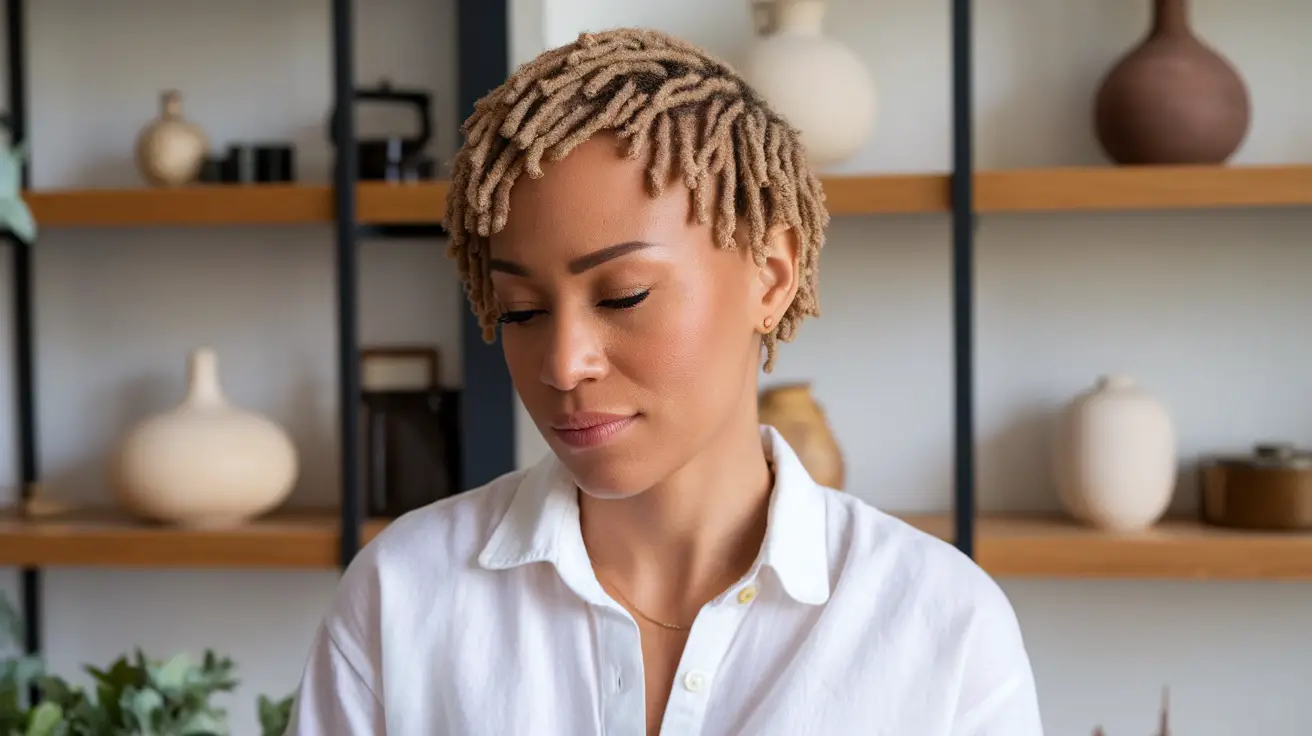
Active women know the struggle of maintaining beautiful hair while pursuing fitness goals. Short LOC hairstyles offer a perfect solution for those who refuse to choose between looking fabulous and staying fit. These protective styles combine the cultural richness of traditional locs with practical lengths that won’t interfere with your workout routine.
Finding a hairstyle that survives intense cardio sessions, weight training, and outdoor runs can feel impossible. Long hair gets tangled in equipment, creates excessive heat during exercise, and takes forever to dry after sweaty workouts. Short LOCs eliminate these common frustrations while maintaining the protective benefits and stunning aesthetics that make this style so beloved among women who prioritize both hair health and physical fitness.
The following sections will guide you through everything you need to know about selecting, maintaining, and styling short LOCs for your active lifestyle. From moisture retention techniques to workout-friendly styling options, you’ll discover how to keep your hair looking incredible whether you’re hitting the gym at dawn or finishing a late-night yoga session. Let’s explore how these versatile styles can transform your fitness journey while protecting your natural hair.
- Why Short LOCs Work Best for Fitness Enthusiasts
- Essential LOC Maintenance Tips for Gym-Goers
- Top Short LOC Styles That Stay Put During Workouts
- Styling Your Short LOCs for Different Activities
- Protecting Your LOCs While Staying Active
- Final Thoughts on Short LOCs for Active Lifestyles
- Frequently Asked Questions
Why Short LOCs Work Best for Fitness Enthusiasts
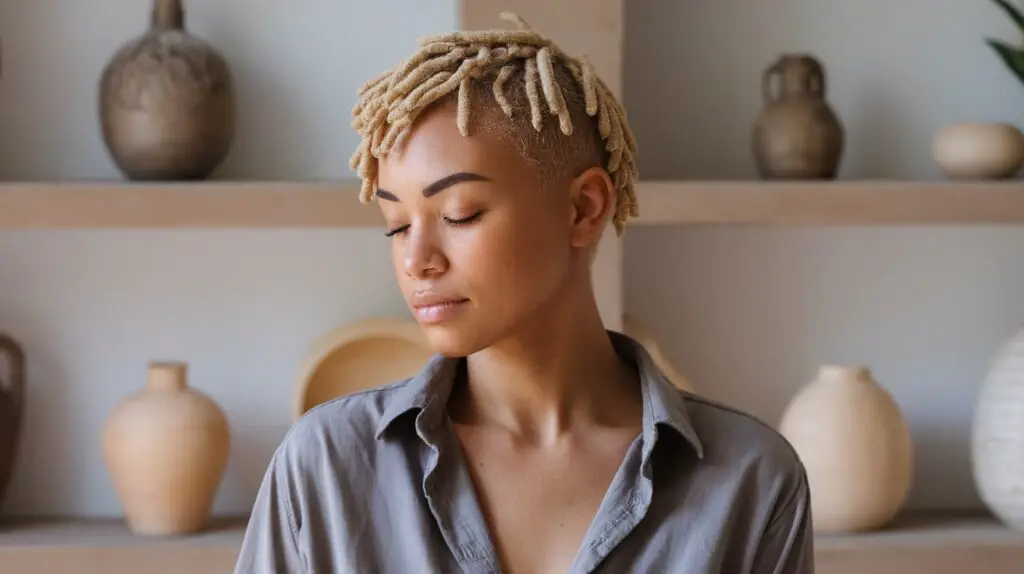
Women who exercise regularly face unique hair challenges that shorter LOC styles naturally address. The reduced weight of shorter lengths prevents neck strain during workouts, allowing you to focus on form rather than fighting against heavy hair pulling at your scalp. This lighter load makes a significant difference during activities like running, jumping, or any movement requiring quick head turns.
Reduced weight and neck strain during exercise
The physics of hair movement during exercise often goes unconsidered until you’re mid-burpee with heavy locs slapping against your back. Shorter styles distribute weight more evenly across your scalp, reducing the pulling sensation that can distract from your workout or even cause headaches. Many women report improved exercise performance after transitioning to shorter lengths simply because they’re no longer battling their hair throughout each session.
Athletic performance improves when you’re not constantly adjusting your hairstyle. Short LOCs stay closer to your head, creating less momentum during dynamic movements. This stability means fewer interruptions to fix wayward strands and more energy directed toward achieving your fitness goals.
Quick drying time after sweaty workouts
Post-workout hair care becomes significantly easier with shorter lengths. While longer styles can take hours or even days to fully dry after intense sweating, short LOCs typically air dry within 30-45 minutes. This quick turnaround prevents the musty smell that can develop in damp hair and reduces the risk of mildew or scalp irritation.
The faster drying time also means you can squeeze in morning workouts without worrying about heading to work with wet hair. This flexibility in scheduling makes maintaining a consistent fitness routine much more manageable for busy women juggling multiple responsibilities.
Less tangling and matting issues
Exercise-induced friction creates particular challenges for longer loc wearers. Mat formation at the nape of the neck, where hair rubs against clothing and equipment, becomes a persistent problem. Shorter styles minimize contact points, dramatically reducing the likelihood of developing these troublesome mats that require careful separation or, worse, cutting out.
Regular movement patterns during exercise can cause longer locs to wrap around each other, creating temporary tangles that stress the hair shaft when pulled apart. With shorter lengths, individual locs maintain better separation throughout your workout, preserving the integrity of each strand.
Easier to secure for high-impact activities
High-intensity interval training, box jumps, and sprint work demand hairstyles that won’t budge. Short LOCs require minimal securing – often just a simple headband or lightweight wrap suffices. This simplicity saves precious morning minutes and eliminates the need for dozens of bobby pins or heavy-duty hair ties that can cause breakage.
The compact nature of shorter styles means they naturally stay in place better during inversions, whether you’re doing handstands in yoga or decline bench presses at the gym. You’ll spend less time readjusting and more time pushing your limits.
Better ventilation for scalp health
Scalp health directly impacts hair growth and overall comfort during exercise. Shorter styles allow better air circulation, preventing the greenhouse effect that longer, denser styles can create during workouts. This improved ventilation helps regulate temperature and reduces excessive sweating at the scalp level.
Women who’ve made the switch often notice fewer scalp issues like irritation, itching, or product buildup. The ability for air to flow freely around each loc promotes a healthier environment for hair growth while making post-workout cleansing more effective. Your scalp can breathe, literally and figuratively, supporting both your fitness goals and hair health simultaneously.
Essential LOC Maintenance Tips for Gym-Goers

Maintaining healthy LOCs while pursuing an active lifestyle requires strategic planning and consistent care routines. The key lies in protecting your hair from sweat damage while ensuring proper moisture levels throughout your fitness journey. Understanding how exercise impacts your locs helps you develop maintenance habits that support both your hair goals and workout schedule.
Pre-workout preparation techniques
Preparation starts before you even change into workout clothes. A light misting with water mixed with your favorite leave-in conditioner creates a protective barrier against salt from sweat. This simple step takes less than a minute but makes a significant difference in how your hair responds to intense exercise sessions.
Consider applying a thin layer of natural oil to your edges and hairline. Jojoba or argan oil works wonderfully without feeling heavy or greasy during workouts. Focus on areas where sweat typically accumulates, as these spots need extra protection from moisture loss and potential irritation.
The way you secure your hair matters just as much as what products you use. Avoid tight elastics that can cause tension and breakage. Instead, opt for soft scrunchies, satin-lined bands, or lightweight workout wraps designed specifically for locs. Position any securing accessories carefully to avoid creating stress points where individual locs might weaken over time.
Moisture retention strategies
Sweat contains salt, which naturally draws moisture from your hair. Combat this drying effect by establishing a hydration routine that works with your exercise schedule. Deep conditioning treatments once or twice weekly help replenish moisture lost during workouts. Time these treatments for rest days when you can let the conditioner penetrate without rushing to the gym.
Create your own moisture-locking spray using these ingredients:
- Distilled Water: Forms the base of your hydrating mixture
- Aloe Vera Juice: Provides natural moisture without heaviness
- Vegetable Glycerin: Attracts and retains moisture in hair strands
- Essential Oils: Add a few drops for scalp health and pleasant scent
- Vitamin E Oil: Protects against environmental damage
Keep this mixture in a small spray bottle in your gym bag for quick touch-ups after particularly sweaty sessions. The lightweight formula won’t weigh down your style or interfere with your next workout.
Post-workout care routine
Immediately after exercise, resist the urge to manipulate wet locs excessively. Gently blot excess moisture with a microfiber towel, which absorbs sweat without creating friction that could cause frizz or loosening at the roots. Pat rather than rub, working from roots to ends.
If you can’t wash your hair immediately after working out, at least rinse your scalp with cool water. This removes salt deposits and helps close the hair cuticle, locking in natural moisture. A portable spray bottle filled with diluted apple cider vinegar makes an excellent clarifying rinse for gym bag storage.
Protecting edges during exercise
Edge protection requires special attention for active women. These delicate areas experience the most tension from headbands, wraps, and constant moisture exposure. Apply edge control products sparingly – too much product combined with sweat creates buildup that can clog follicles and slow growth.
Rotate where you place headbands and accessories to avoid creating permanent tension patterns. If you always position your band in the same spot, those specific areas experience repetitive stress that can lead to thinning. Varying placement by even half an inch distributes pressure more evenly across your hairline.
Satin or silk-lined workout accessories provide crucial protection. While they might cost slightly more than regular athletic gear, the investment pays off in maintained edge health. These materials reduce friction significantly compared to standard cotton or synthetic workout bands.
Dealing with sweat and product buildup
Regular clarifying becomes non-negotiable for women who exercise frequently. Sweat mixed with styling products creates a film on your scalp that regular shampoo might not fully remove. Use a clarifying shampoo every two to three weeks, depending on your workout intensity and frequency.
Between clarifying sessions, apple cider vinegar rinses help maintain scalp health. Mix one part vinegar with three parts water, apply after shampooing, and let it sit for three to five minutes before rinsing thoroughly. This natural treatment removes buildup while balancing scalp pH levels.
Pay attention to signs that buildup is becoming problematic: itching, flaking, or locs feeling heavier than usual all indicate it’s time for a deep cleanse. Some women find that switching to lighter, water-based products during peak training seasons helps minimize accumulation. Your hair care routine should flex with your fitness schedule, intensifying cleansing during periods of increased activity.
Top Short LOC Styles That Stay Put During Workouts
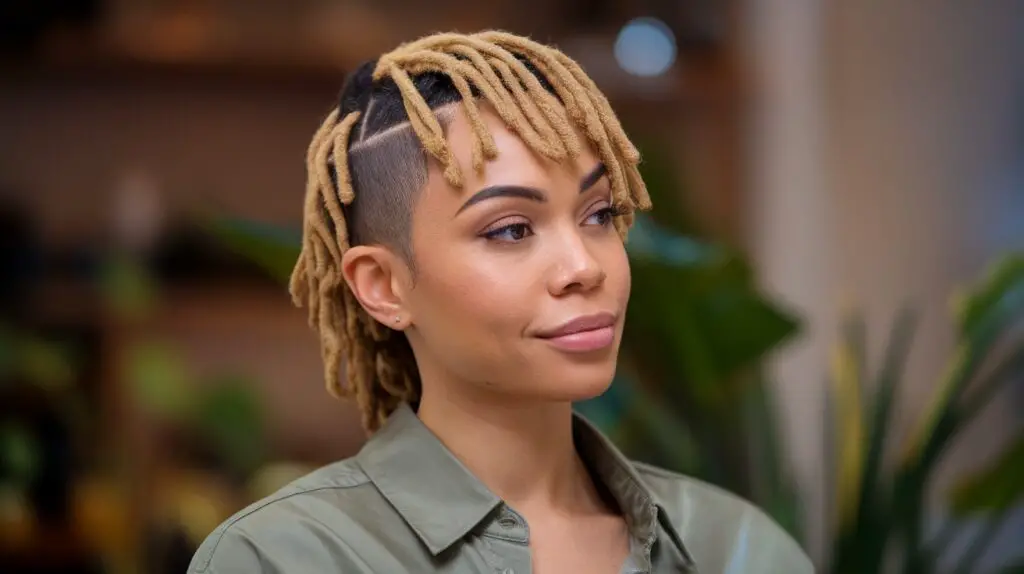
Choosing the right short LOC style can revolutionize your workout experience. These carefully selected cuts combine aesthetic appeal with practical functionality, ensuring you look polished from warm-up through cool-down. Each style offers unique benefits for different types of physical activity while maintaining the protective qualities that make locs such a smart choice for natural hair.
The athletic bob cut
Bob-length locs hitting just below the ears or at jaw level offer the perfect balance of style and practicality. This length stays off your neck during exercise while providing enough weight to maintain the traditional loc drape and movement. The clean lines of a bob create a professional appearance that transitions seamlessly from gym to office.
Many active women prefer adding subtle layers to their bob cut, which reduces bulk without sacrificing the protective benefits. These layers allow for better air circulation during intense cardio sessions while creating visual interest. The variation in length also provides styling versatility – you can pin back just the top layer for maximum cooling or let everything flow freely during lower-intensity activities.
Maintenance for this style remains relatively simple. The uniform length means even growth patterns, reducing the frequency of touch-up appointments. Most women find they can extend the time between professional maintenance sessions, saving both time and money while keeping their active lifestyle on track.
Tapered LOC styles
The tapered cut revolutionizes how active women approach their loc journey. By keeping sides and back shorter while maintaining length on top, this style eliminates bulk where sweat accumulates most. The gradual fade from longer to shorter creates a sculptural effect that looks intentional and polished, never messy or unkempt after exercise.
This cut particularly suits women who participate in contact sports or activities requiring protective headgear. The reduced volume at the sides means helmets, headguards, and caps fit properly without creating uncomfortable pressure points. You’ll notice improved peripheral vision during activities like cycling or rock climbing where hair can obstruct sightlines.
Styling versatility makes tapered cuts especially appealing:
- Slicked Back: Use light gel to sweep top locs backward for swimming
- Side Part: Create asymmetrical looks for yoga or pilates classes
- Textured Top: Let natural volume show for casual gym sessions
- Mini Pompadour: Style upward for a bold look that stays secure
- Flat Twist Accent: Add interest while keeping everything contained
Side-swept mini LOCs
Mini locs offer incredible versatility for active lifestyles, and the side-swept variation adds sophisticated style. The smaller diameter of mini locs means less weight per strand, reducing pull on the scalp during high-impact movements. When swept to one side, they create an asymmetrical look that frames the face beautifully while staying secure.
The key to maintaining this style during workouts lies in the initial cut and ongoing styling technique. A skilled loctician will create the sweep through strategic length variation, ensuring the style naturally falls to one side without constant manipulation. This built-in direction means less fighting with your hair during exercise.
For activities requiring complete hair control, a simple bobby pin or two secures the swept section without creating obvious dents or disrupting the overall flow. The remaining locs maintain their position naturally, requiring minimal adjustment even during intense training sessions.
The workout-friendly undercut
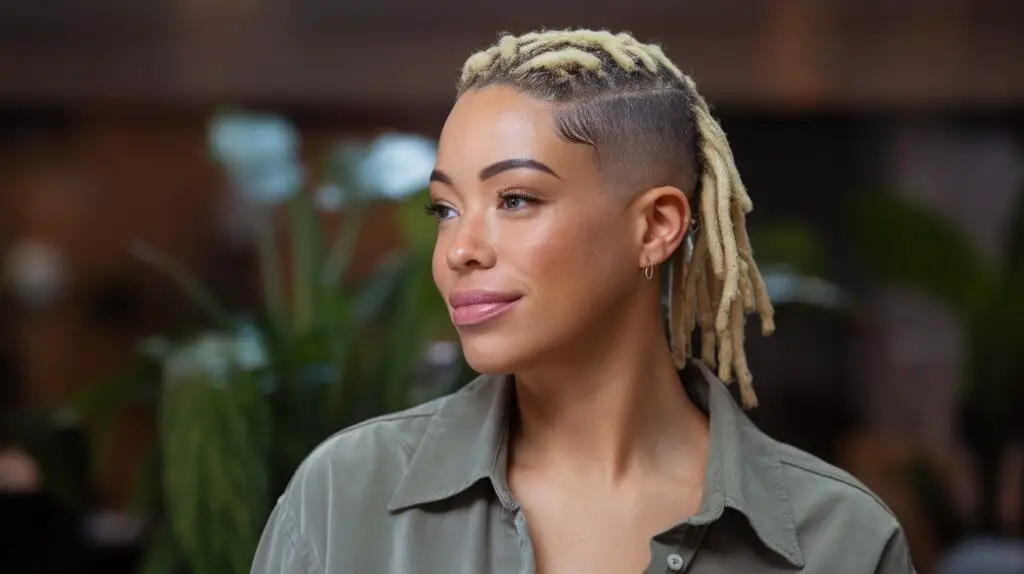
Undercut styles take functionality to the next level by removing hair from areas where sweat accumulates most heavily. This dramatic option might seem bold, but many athletic women find it liberating. The shaved or closely cropped sections eliminate maintenance concerns in high-sweat zones while the remaining locs provide style and protective benefits.
Design options range from subtle nape undercuts hidden by longer top sections to bold side shaves that make a statement. Some women incorporate patterns or designs into shaved areas, adding artistic flair to their functional choice. These designs grow out relatively quickly, allowing for regular style updates without affecting the locs themselves.
Temperature regulation improves dramatically with undercut styles. The exposed scalp areas cool quickly during exercise, helping maintain comfortable body temperature during intense sessions. Post-workout cleanup becomes remarkably simple – a quick wipe of exposed areas and gentle blotting of remaining locs gets you ready for the next activity.
Versatile chin-length styles
Chin-length locs hit the sweet spot for many active women. This length provides enough weight to maintain beautiful loc formation while staying completely clear of shoulders and workout equipment. The versatility of this length allows for updos when needed without creating excessive bulk or requiring complicated securing methods.
During different activities, chin-length locs adapt easily. They tuck neatly behind ears for yoga inversions, pull back into a tiny ponytail for running, or flow freely during weight training. The length works particularly well with headbands, creating a sporty-chic look that photographs beautifully for those post-workout social media moments.
Professional women especially appreciate how chin-length locs maintain a polished appearance throughout the day. Morning workouts don’t result in obviously disheveled hair by afternoon meetings. A quick shake and light misting restore the style’s shape, making this length ideal for women who transition directly from fitness activities to professional environments.
Styling Your Short LOCs for Different Activities
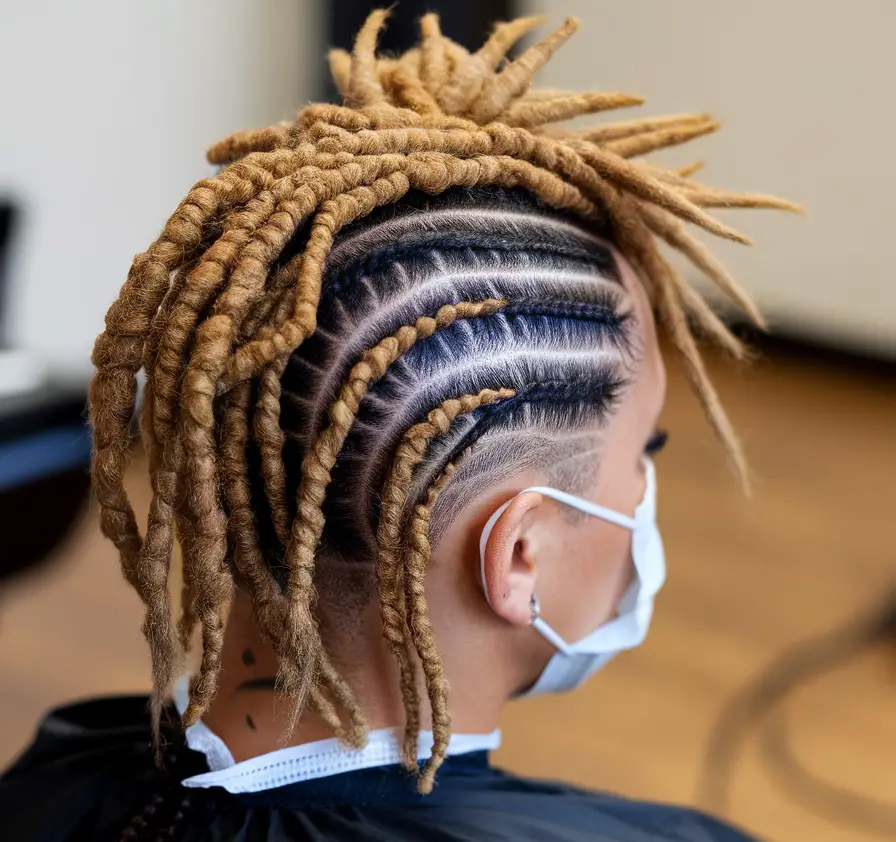
Different forms of exercise demand different approaches to loc styling. Understanding how to adapt your short locs for specific activities ensures comfort, performance, and hair health across your entire fitness routine. Smart styling choices prevent damage while maximizing the benefits of your chosen workout.
Swimming and water sports adaptations
Water activities present unique challenges that require proactive protection strategies. Before entering pools or natural water, thoroughly saturate your locs with clean water and conditioner. This pre-saturation prevents chlorinated or salt water from penetrating the hair shaft, where it could cause drying and discoloration.
A snug-fitting swim cap designed for locs provides essential barrier protection. Look for caps made with extra room and silicone construction that won’t pull or snag. Some swimmers layer a satin cap underneath a silicone cap for double protection and reduced friction. This combination keeps most water out while preventing the pulling sensation common with single cap use.
Post-swim care cannot be overlooked. Rinse immediately with fresh water, focusing on removing all chlorine or salt residue. Follow with a clarifying rinse using diluted apple cider vinegar, then apply a deep conditioning treatment. This three-step process neutralizes chemical damage and restores moisture balance.
For regular swimmers, consider protective styles that minimize manipulation. Two-strand twists using your locs create a temporary protective style that reduces tangling in water while looking intentionally styled. These twists can stay in for several swim sessions before requiring restyling.
Between swimming days, focus on moisture replacement. The drying effects of pool chemicals or salt water require aggressive hydration strategies. Overnight oil treatments using coconut or olive oil help restore lipids stripped by water exposure. Simply apply oil generously before bed, cover with a satin bonnet, and rinse in the morning.
High-intensity cardio solutions
Cardio workouts generate significant heat and moisture that require strategic styling approaches. The key lies in creating styles that allow maximum airflow while maintaining security through jumping, running, and rapid movements. High ponytails or top knots work excellently, lifting locs away from the neck and shoulders where heat accumulates.
For interval training or boot camp-style workouts, consider dividing short locs into two or three sections secured separately. This distribution prevents the heavy pulling sensation of a single ponytail while improving ventilation. Small elastic bands at the base of each section provide security without the bulk of traditional hair ties.
Moisture-wicking headbands designed for athletic use make a significant difference during cardio sessions. Position these bands slightly behind your hairline to avoid edge stress while effectively catching sweat before it reaches your locs. Rotate between different band positions to prevent creating permanent indentations.
Yoga and pilates modifications
These mindful movement practices require hairstyles that stay secure during inversions without creating discomfort in reclined positions. Low buns at the nape of the neck work perfectly, staying clear during headstands while not interfering with floor positions. Secure with spiral hair pins rather than traditional elastics to prevent tension headaches during long holds.
For hot yoga specifically, preparation becomes crucial. Apply a light leave-in conditioner before class to protect against the drying effects of heated rooms. Some practitioners find that lightly misting their locs with rose water or lavender water during class helps maintain moisture while providing aromatherapy benefits.
The meditative aspects of these practices mean your hairstyle shouldn’t distract from your focus. Avoid styles requiring constant adjustment or accessories that might shift during movement. Simple, secure options allow full concentration on breath and alignment rather than hair management.
Outdoor running considerations
Running outdoors exposes your locs to environmental factors requiring specific protection strategies. Sun exposure can lighten and dry locs, making UV protection essential for regular runners. Lightweight running visors or caps with UV protection shield both your scalp and locs from harmful rays.
Wind resistance becomes a factor at higher speeds or on blustery days. Styles that keep locs close to the head reduce drag and prevent tangling:
- Flat twists along the sides: Keep edges secure while allowing top volume
- Cornrow base with loc ends free: Combines security with style
- Low pigtails: Distribute weight evenly for long runs
- Braided crown: Keeps front locs secure while others flow freely
- Wrapped style: Uses a moisture-wicking wrap for complete coverage
Weather changes during runs require adaptable styling. What starts as a cool morning might become a hot afternoon, so choose styles that work across temperature ranges. Carrying a small elastic or clip allows for quick adjustments without stopping your momentum.
Weight training adjustments
Strength training involves unique positioning challenges that demand flexible styling solutions. Bench presses, floor exercises, and machine work all place your head in different positions where locs might interfere. The goal is creating styles that maintain clearance from equipment while allowing full range of motion.
For upper body days, high styles work best. A pineapple-style gathering at the crown keeps locs away from bench backs and machine pads. This positioning also prevents the uncomfortable pulling that occurs when locs get caught between your back and equipment during pressing movements.
Lower body training days allow for more styling freedom since head positioning varies less. However, consider how your chosen style will interact with barbell placement during squats or good mornings. Locs styled too high can interfere with proper bar positioning, while loose styles might distract during heavy lifts requiring intense focus.
Safety remains paramount in the weight room. Ensure no loose locs can catch in moving equipment parts or create vision obstruction during complex movements. Simple, secure styles might not win fashion awards but they prevent accidents and allow complete focus on proper form and progressive overload.
Protecting Your LOCs While Staying Active
Long-term loc health for active women depends on consistent protective practices that work with your fitness routine rather than against it. Building these protective habits into your daily schedule ensures your locs remain strong and beautiful regardless of how intense your training becomes.
Choosing the right workout accessories
Accessory selection can make or break your loc health during regular exercise. Invest in high-quality pieces designed specifically for natural hair protection. Satin-lined athletic headbands prevent the friction damage caused by standard cotton versions while effectively managing sweat. These specialized bands cost more initially but last longer and preserve your edges.
Hair ties deserve careful consideration too. Avoid rubber bands or ties with metal components that snag and break locs. Instead, choose spiral hair ties or silk scrunchies that distribute pressure evenly. Keep multiple options in your gym bag to match different workout intensities and styling needs.
Protective caps for outdoor activities need breathable construction that doesn’t trap moisture against your scalp. Mesh panels or moisture-wicking fabrics allow airflow while shielding from sun and wind. Some women layer a satin durag under athletic caps for double protection during extended outdoor sessions.
For contact sports or activities with equipment requirements, custom solutions might be necessary. Consult with teammates who wear locs about their protective strategies. Many sports-specific retailers now offer inclusive gear designed with natural hairstyles in mind.
Night protection after evening workouts
Evening exercise sessions create unique challenges for overnight loc care. Going to bed with damp locs invites mildew growth and potential loc rot. Always ensure complete drying before sleep, using a cool blow dryer if necessary to speed the process without heat damage.
Post-workout nighttime routines should include:
- Scalp massage: Stimulates circulation after exercise-induced tension
- Light oil application: Replaces natural oils stripped by sweat
- Loose protective styling: Prevents tangling during sleep
- Satin protection: Bonnets or pillowcases reduce friction
- Elevation: Pineapple method keeps locs off your neck for cooling
If time constraints prevent full drying, create airflow around your locs using a fan while completing other nighttime tasks. This passive drying method works well without requiring constant attention or heat exposure.
Managing workout frequency and hair health
Finding balance between fitness goals and hair health requires honest assessment of how your locs respond to different training schedules. Some women thrive with daily workouts while others notice their locs need recovery days. Pay attention to signs of stress: excessive dryness, breakage at the roots, or thinning edges indicate your current routine might need adjustment.
Consider alternating high-sweat activities with lower-impact options throughout your week. This variation gives your scalp time to regulate natural oil production between intense sessions. Swimming one day, yoga the next, and strength training following creates variety for both your body and hair.
Track how different workout types affect your locs. You might discover certain activities require more intensive post-workout care than others. This knowledge helps you plan your week strategically, scheduling deep conditioning treatments after your most demanding sessions.
Product selection for active lifestyles
Active women need products that work as hard as they do without creating buildup or weighing down locs. Water-based formulas rinse clean with sweat rather than creating sticky residue. Look for ingredients like aloe vera, glycerin, and light natural oils that provide moisture without heaviness.
Avoid these product characteristics:
- Heavy butters that melt and run with body heat
- Petroleum-based ingredients that block pores
- Alcohol-heavy formulas that increase dryness
- Thick creams that build up with frequent application
- Synthetic fragrances that irritate sweaty scalps
Multi-purpose products streamline your routine. A leave-in conditioner that doubles as a refresh spray saves space in your gym bag while ensuring you always have hair care available. Some women create custom blends suited to their specific needs and workout schedules.
Preventing breakage and thinning
Proactive prevention strategies protect against the cumulative stress exercise can place on locs. Regular protein treatments strengthen the hair shaft, helping locs withstand the constant moisture and manipulation of an active lifestyle. Schedule these treatments monthly or adjust based on your loc response.
Pay special attention to tension points where breakage commonly occurs. The hairline, nape, and crown experience the most stress from securing styles and equipment pressure. Gentle handling in these areas, combined with targeted strengthening treatments, maintains thickness and prevents weak spots from developing.
Professional maintenance appointments become even more critical for active women. Your loctician can identify early signs of damage and adjust your care routine accordingly. These regular check-ins catch potential problems before they become major issues requiring drastic intervention.
Document your loc journey with photos to track changes over time. This visual record helps identify patterns between your activity levels and hair health. You might notice seasonal variations or responses to training intensity changes that inform better protective strategies moving forward.
Final Thoughts on Short LOCs for Active Lifestyles
Short LOC styles prove that active women don’t need to sacrifice beauty for practicality in their fitness journeys. These versatile protective styles offer the perfect combination of low maintenance, high impact resistance, and stunning aesthetics that complement any workout routine. Whether you’re training for a marathon, mastering yoga inversions, or building strength in the weight room, the right short loc style supports your goals while protecting your natural hair.
The journey to finding your perfect athletic loc style requires experimentation and patience, but the freedom it provides makes every effort worthwhile. By implementing proper maintenance routines, choosing appropriate accessories, and styling strategically for different activities, you’ll discover that short locs actually enhance your fitness experience rather than complicate it. Your hair becomes one less thing to worry about, allowing complete focus on pushing your physical limits and achieving new personal bests.
Frequently Asked Questions
Q: How often should I wash my short locs if I work out daily?
A: Rinse your scalp with water after each workout, but limit full washing to 1-2 times per week. Over-washing strips natural oils and can cause dryness. Use clarifying treatments every 2-3 weeks to remove product and sweat buildup.
Q: Will constant sweating cause my locs to smell bad?
A: Proper drying and regular cleansing prevent odor issues. Always ensure locs dry completely after workouts, use apple cider vinegar rinses weekly, and maintain good scalp hygiene. Quick-drying short styles naturally resist odor better than longer lengths.
Q: Can I swim in chlorinated pools with locs?
A: Yes, with proper protection. Pre-saturate with clean water and conditioner, wear a quality swim cap, and rinse immediately after swimming. Follow with deep conditioning to counteract chlorine’s drying effects.
Q: What’s the best length for athletic women new to locs?
A: Chin to shoulder length offers ideal versatility for beginners. This length stays manageable during workouts while providing enough weight for proper loc formation and various styling options.
Q: How do I prevent my edges from thinning with frequent ponytails?
A: Vary your styling positions daily, use satin-lined accessories, avoid tight securing methods, and massage edges nightly with light oils. Give your hairline regular breaks from tension by wearing loose styles on rest days.
Q: Should I cover my locs during outdoor winter workouts?
A: Yes, protect against cold air that can cause brittleness. Choose moisture-wicking hats with satin linings, or layer a satin durag under your regular winter athletic gear for dual protection.
Q: Can I use dry shampoo on my locs between washes?
A: Traditional dry shampoos can cause buildup in locs. Instead, use diluted witch hazel or apple cider vinegar on a cloth to refresh your scalp, or try specially formulated loc refresher sprays.
Q: How long does it take for short locs to air dry after exercise?
A: Most short styles dry within 30-60 minutes depending on thickness and density. Gently squeeze out excess moisture and separate locs to improve airflow for faster drying.

