

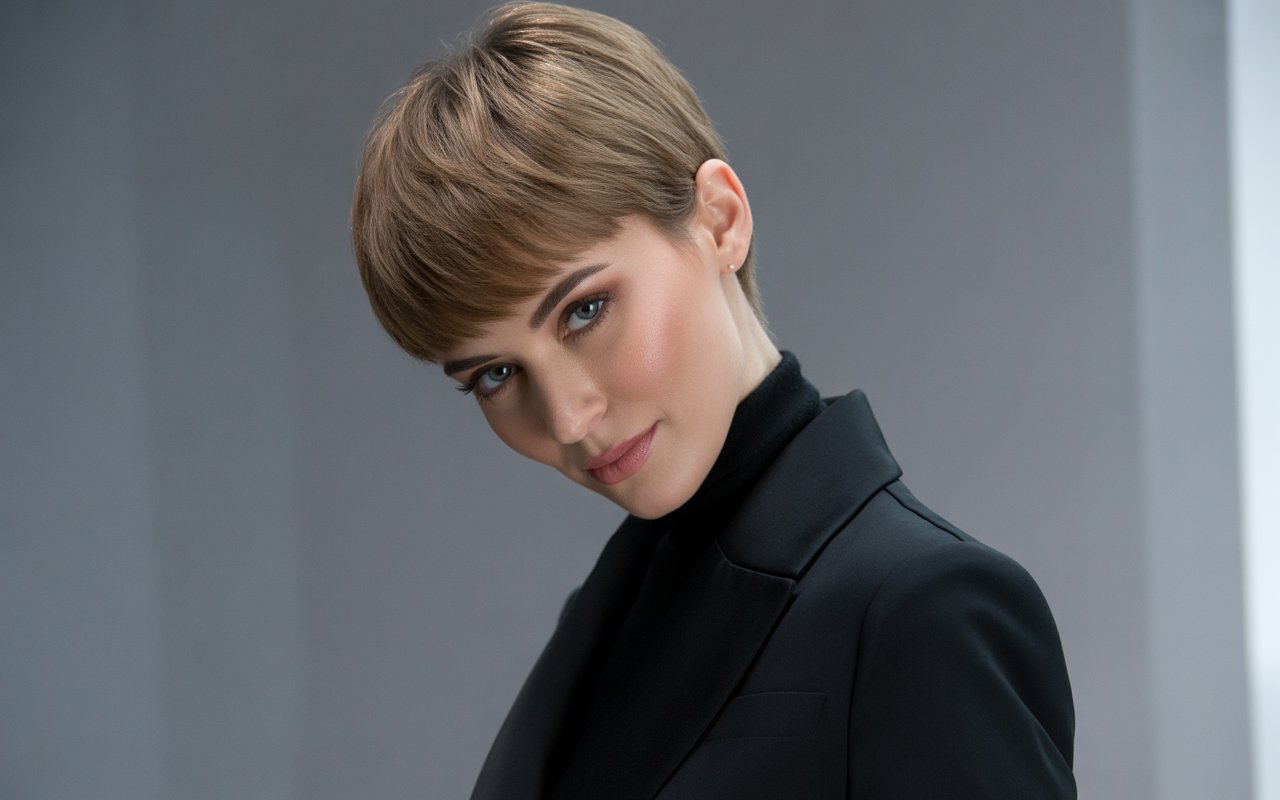
Short layered haircuts have become a go-to choice for women seeking a fresh, modern look that doesn’t demand hours of styling time. These versatile cuts offer the perfect balance between sophistication and practicality, allowing you to look polished whether you’re heading to the office or enjoying a casual weekend. The beauty of layers in shorter styles lies in their ability to create movement, add dimension, and work with your natural hair texture rather than against it.
The transformation that comes with choosing a short layered cut often surprises women who’ve stuck with longer styles for years. Suddenly, your morning routine becomes simpler, your hair feels lighter, and you discover a newfound confidence in your appearance. These cuts work particularly well for women dealing with fine or thinning hair, as the strategic placement of layers creates an illusion of fullness and body that flat, one-length cuts simply can’t achieve.
In the following sections, we’ll walk through everything you need to know about short layered haircuts – from understanding why they work so well to choosing the perfect style for your face shape and lifestyle. You’ll discover different variations of layered cuts, learn how to maintain them properly, and pick up valuable styling tips that will help you make the most of your new look. Let’s uncover how the right short layered cut can completely transform not just your appearance, but your daily hair routine as well.
- What Makes Short Layered Haircuts Perfect for Modern Women
- Different Types of Short Layered Cuts to Consider
- How to Choose the Right Layered Cut for Your Face Shape
- Styling Tips and Maintenance for Short Layered Hair
- Common Mistakes to Avoid with Short Layered Haircuts
- Your Hair, Your Statement
- Frequently Asked Questions
What Makes Short Layered Haircuts Perfect for Modern Women
The modern woman’s lifestyle demands hair that looks great without requiring excessive time or effort, and short layered cuts deliver exactly that. These styles adapt seamlessly to busy schedules, allowing you to go from gym to office to evening plans without major restyling. The strategic placement of layers means your hair naturally falls into place, creating shape and movement even on days when you only have five minutes to get ready.
Low maintenance nature
One of the biggest advantages of short layered haircuts is how little daily maintenance they require. Unlike longer styles that need extensive brushing, detangling, and styling, these cuts practically style themselves. A quick tousle with your fingers or a brief blow-dry session is often all you need to look put-together. This simplicity becomes especially valuable during hectic mornings or when traveling, as you can achieve a polished look with minimal tools and products.
The reduced washing frequency that comes with shorter hair also saves significant time throughout your week. Most women with short layered cuts find they can go longer between washes without their hair looking greasy or flat. This not only preserves your hair’s natural oils but also means less heat exposure from blow-drying and styling tools.
Versatility in styling
Short layered cuts offer surprising versatility despite their reduced length. You can create entirely different looks by simply changing how you style your layers. Smooth them down for a sleek, professional appearance, or tousle them up for a more relaxed, edgy vibe. The same cut can look polished for a board meeting or playfully messy for weekend brunch.
The ability to switch between textures adds another dimension to styling options. You might wear your layers straight and glossy one day, then add waves or curls the next for a completely different aesthetic. This adaptability means you’re essentially getting multiple hairstyles from a single cut, making it an economical choice for women who like variety in their appearance.
How layers add volume and movement
Layers work like magic for creating the illusion of fuller, more dynamic hair. By removing weight from specific areas while maintaining length in others, skilled stylists can build volume exactly where you need it most. This technique proves particularly beneficial for women with fine or thinning hair, as the graduated lengths prevent hair from lying flat against the scalp.
The movement created by layers also helps hair look healthier and more youthful. Instead of hanging limply, layered hair bounces and flows with natural body. This dynamic quality catches light differently throughout the day, creating subtle highlights and dimensions that make your hair appear thicker and more vibrant. Each layer works independently yet harmoniously with the others, resulting in a style that moves beautifully whether you’re walking, turning your head, or simply going about your daily activities.
Suitable for various hair textures
Perhaps one of the most compelling aspects of short layered cuts is their adaptability to different hair textures. Whether your hair is naturally straight, wavy, curly, or coily, there’s a layering technique that will enhance your specific texture rather than fight against it.
For straight hair, layers add the dimension and movement that this texture often lacks naturally. Women with wavy hair find that proper layering helps define their waves while preventing the dreaded triangle shape that can occur with one-length cuts. Curly-haired women benefit from layers that remove bulk while maintaining curl integrity, resulting in bouncy, well-defined spirals. Even those with coily textures discover that strategic layering can create beautiful shapes while making their hair more manageable.
Different Types of Short Layered Cuts to Consider
The world of short layered haircuts offers an impressive array of options, each with its own personality and styling requirements. Understanding these different styles helps you communicate more effectively with your stylist and ensures you choose a cut that aligns with both your aesthetic preferences and lifestyle needs. From ultra-short pixies to chin-length bobs, the variety available means there’s truly something for everyone.
Layered pixie cuts
Pixie cuts with layers represent the boldest choice in short hair, offering maximum impact with minimal length. These cuts typically feature shorter layers at the back and sides with slightly longer pieces on top, creating a flattering silhouette that frames the face beautifully. The layering in a pixie cut serves multiple purposes – it adds texture, creates movement, and allows for versatile styling options despite the overall short length.
Modern pixie cuts often incorporate longer layers at the front, sometimes swept to one side for an asymmetrical effect. This approach softens the overall look while providing styling flexibility. You might wear these longer pieces sleek and polished for formal occasions or tousle them for a more casual, undone appearance. The beauty of a layered pixie lies in its ability to look both sophisticated and playful, depending on how you choose to style it.
Short layered bobs
The short layered bob remains a timeless favorite among women seeking a classic yet contemporary look. These cuts typically fall between the ears and chin, with layers incorporated throughout to prevent the heavy, helmet-like appearance that can plague one-length bobs. The layering technique used in these styles creates natural movement and ensures the hair doesn’t sit too heavily around the face.
What sets modern layered bobs apart is their customizability. Your stylist can adjust the layer placement to flatter your specific features – perhaps adding more layers around the crown for volume or incorporating face-framing pieces to highlight your cheekbones. Some women prefer subtle layering that maintains a sleek overall silhouette, while others opt for more dramatic layers that create a textured, piece-y finish.
The versatility of short layered bobs extends to their compatibility with different styling methods:
Smooth and Sleek: Blow-dry with a round brush for a polished, professional look
Beachy Waves: Use salt spray and scrunch for relaxed, effortless texture
Tousled and Messy: Apply texturizing cream and use fingers to create separation
Flipped Ends: Use a flat iron to create subtle flips for a retro-inspired style
Asymmetrical layered styles
Asymmetrical cuts bring an element of edge and modernity to short layered hairstyles. These styles feature deliberately uneven lengths, often with one side significantly shorter than the other. The incorporation of layers within an asymmetrical framework creates visual interest and allows for creative expression while maintaining wearability for everyday life.
The key to a successful asymmetrical layered cut lies in the balance between boldness and practicality. While the overall shape makes a statement, the layers ensure the style remains soft and feminine rather than harsh or severe. This combination appeals to women who want something unique without venturing into extremely alternative territory.
Textured crop cuts
Textured crops represent a perfect middle ground between super-short pixies and longer bobs. These cuts typically feature uniform short length throughout with extensive layering to create a textured, piece-y finish. The result is a style that looks effortlessly cool while requiring minimal daily styling effort.
The beauty of a textured crop lies in its ability to work with your hair’s natural tendencies. The layers are cut in a way that enhances whatever texture you naturally have, whether that’s a slight wave, natural straightness, or defined curls. This cut particularly suits women who prefer a wash-and-go approach to their hair, as the built-in texture means you can simply apply a small amount of product and let your hair air dry for a perfectly imperfect finish.
Shaggy layered looks
The modern shag has made a remarkable comeback, adapted for shorter lengths while maintaining its signature rock-and-roll spirit. These cuts feature extensive layering throughout, creating a deliberately messy, lived-in appearance that somehow always looks stylish. The key to a great short shag is the careful balance between chaos and control – the layers should look random while actually being precisely placed for maximum flattery.
Short shaggy cuts work particularly well for women with naturally textured hair, as the cut enhances and celebrates natural movement rather than trying to tame it. The layers in a shag are typically cut using various techniques including point cutting and razor cutting, which create the soft, feathered edges that give this style its characteristic appearance. Unlike more structured cuts, shags actually look better with minimal styling, making them ideal for women who prefer a low-maintenance approach to their hair.
How to Choose the Right Layered Cut for Your Face Shape
Selecting the perfect short layered haircut involves more than just choosing a style you admire in a magazine. Your face shape plays a crucial role in determining which cuts will flatter you most. Understanding how different layer placements and lengths interact with your facial features helps ensure you’ll love your new style from every angle. Professional stylists consider face shape as one of the primary factors when recommending cuts, and you can use this same knowledge to make informed decisions about your hair.
Round face considerations
Women with round faces often worry that short hair will emphasize their facial fullness, but the right layered cut can actually create a lengthening effect. The key lies in adding height and volume at the crown while keeping the sides relatively close to the head. This vertical emphasis draws the eye upward and creates the illusion of a more oval face shape.
Layered pixie cuts with extra height on top work beautifully for round faces, especially when styled with a bit of lift at the roots. Asymmetrical styles also prove flattering, as the diagonal lines create angles that contrast nicely with facial curves. When opting for a bob, choose one that hits just below the chin rather than at the widest part of your face, and ask your stylist to incorporate layers that add volume at the crown while staying sleeker through the sides.
Side-swept bangs or longer face-framing layers provide another tool for creating favorable proportions. These elements draw the eye diagonally across the face, which helps create the appearance of length. Avoid styles with too much volume at the sides or those that end right at the fullest part of your cheeks, as these can emphasize roundness rather than minimize it.
Oval face options
Those blessed with oval face shapes enjoy the most flexibility when choosing short layered haircuts. This balanced face shape works well with virtually any style, giving you freedom to select cuts based on personal preference, hair texture, and lifestyle rather than facial proportion concerns. Your main consideration should be highlighting your best features rather than correcting proportions.
Experiment freely with different layer placements and lengths. You might try a dramatic pixie with short layers throughout, a classic bob with subtle layers for movement, or an edgy asymmetrical cut that shows off your facial symmetry. The versatility of an oval face means you can focus on other factors like your hair’s natural texture, daily styling time, and personal style preferences.
Consider which features you’d like to emphasize. Longer layers around the face can draw attention to beautiful eyes or cheekbones, while shorter, choppier layers create a more youthful, playful appearance. Since proportion isn’t a primary concern, you can choose styles based on the image you want to project and the amount of maintenance you’re willing to commit to.
Square face recommendations
Square faces benefit from short layered cuts that soften angular features while maintaining the strong, striking quality of this face shape. The goal is to create curves and movement that complement rather than compete with your natural bone structure. Layers play a crucial role here, as they add the softness needed to balance defined jawlines and broad foreheads.
Wispy, textured layers work particularly well for square faces, especially when concentrated around the face perimeter. These create a softer frame that contrasts beautifully with angular features. Consider cuts with longer layers at the top and shorter ones underneath, as this creates volume where it’s most flattering while maintaining a sleek silhouette through the jaw area.
Avoid blunt cuts or severe geometric shapes that might emphasize facial angles too strongly. Instead, opt for:
Soft Layered Bobs: Choose rounded shapes rather than sharp angles
Textured Pixies: Include wispy pieces around the hairline for softness
Side-Swept Elements: Incorporate diagonal lines to offset square proportions
Feathered Edges: Request point-cutting techniques for softer layer ends
Heart-shaped face styling
Heart-shaped faces, characterized by wider foreheads and narrower chins, look stunning with short layered cuts that balance these proportions. The strategy involves adding width through the lower portion of your hairstyle while minimizing volume at the crown. This approach creates harmony between the upper and lower portions of your face.
Chin-length layered bobs work exceptionally well for heart-shaped faces, especially when the layers create fullness around the jaw area. This added width balances the narrower chin while the length draws attention to the neck and shoulders. Side parts typically prove more flattering than center parts, as they help minimize forehead width while creating diagonal lines that enhance overall balance.
When considering shorter options like pixie cuts, ensure your stylist leaves some length through the sides and possibly incorporates side-swept bangs. These elements help minimize forehead width while preventing the style from appearing too top-heavy. Layers should be concentrated through the middle and lower portions of the cut rather than adding excessive volume at the crown.
Long face proportions
Long faces benefit from short layered cuts that add width and minimize vertical length. The goal is creating horizontal lines and volume at the sides while avoiding excessive height at the crown. This approach helps create the illusion of a shorter, more balanced face shape.
Bobs with significant layering through the sides work beautifully for long faces, especially when cut to hit at or just above the chin. These styles add the horizontal emphasis needed to balance facial length. Full, side-swept bangs provide another excellent tool for creating width while breaking up the vertical line of the face. The layers in these bangs should be soft and blended rather than harsh or straight across.
Consider styles that incorporate volume at the sides rather than the top. Wavy or curly textures, whether natural or created with styling tools, add beneficial width. Your stylist might use layering techniques that encourage hair to move outward rather than lying flat against the head. This strategic layer placement creates the width needed to balance longer facial proportions while maintaining a flattering overall silhouette.
Styling Tips and Maintenance for Short Layered Hair
The ease of styling short layered haircuts is one of their greatest advantages, but knowing the right techniques and products can elevate your look from good to spectacular. With the proper approach, you can achieve salon-worthy results at home in just minutes. The key lies in understanding your specific cut and hair texture, then developing a routine that enhances your natural attributes while fitting seamlessly into your lifestyle.
Daily styling techniques
Your daily styling routine for short layered hair should be quick yet effective. Start with damp, towel-dried hair and apply a small amount of styling product appropriate for your desired finish. For volume, work a lightweight mousse or root-lifting spray into the roots, concentrating on the crown area where you want the most lift. Those seeking a more textured, piece-y look should opt for a texturing cream or sea salt spray applied throughout the lengths.
The blow-drying technique you use makes a significant difference in your final result. For maximum volume, flip your head upside down while drying, using your fingers to lift sections at the roots. Once your hair is about 80% dry, flip back up and use a small round brush to smooth and direct the layers into place. Focus on creating movement by rolling the brush away from your face at the ends, which opens up the style and creates a more flattering silhouette.
For days when air-drying is your only option, the right product application becomes even more crucial. Apply your styling product of choice, then use your fingers to scrunch and position the layers while your hair is still damp. This hands-on approach helps define the cut’s shape and ensures your layers dry in a flattering position rather than falling flat or sticking out at odd angles.
Products that work best
The product selection for short layered hair differs significantly from what works for longer styles. You need formulas that provide hold and definition without weighing down your limited length. Lightweight formulations are key – heavy creams or oils that might work beautifully on long hair can make short layers appear greasy or limp.
A versatile styling cream serves as an excellent foundation product for most short layered cuts. Look for one that provides flexible hold while adding subtle shine and definition. Apply a pea-sized amount to damp hair, working it through from roots to ends. This type of product helps define layers while maintaining natural movement, making it ideal for everyday wear.
For special occasions or when you want more dramatic styling, consider adding a texturing powder or dry shampoo to your arsenal. These products add grip and volume exactly where you need it, allowing you to create height at the crown or piece out individual layers for a more editorial look. Apply sparingly at first – you can always add more, but removing excess product from short hair often means starting over.
Heat protectant spray is non-negotiable if you regularly use hot tools on your short layered cut. The shorter length means each strand endures more frequent heat exposure, making protection crucial for maintaining healthy hair:
Before Blow-Drying: Mist throughout damp hair for thermal protection
For Flat Iron Use: Apply to dry hair before smoothing or creating texture
When Curling: Use on each section before wrapping around the iron
For Root Lifting: Concentrate application at the crown where heat is most intense
How often to trim
Regular maintenance is crucial for keeping short layered haircuts looking their best. Unlike longer styles that can go months between trims, short cuts require more frequent salon visits to maintain their shape and prevent layers from growing out awkwardly. Most stylists recommend scheduling appointments every 4-6 weeks, though this timeline can vary based on your hair’s growth rate and the specific style you’re maintaining.
The precision required for short layered cuts means even small amounts of growth can significantly impact the overall look. Layers that were perfectly balanced when fresh can quickly become uneven or lose their intended movement as hair grows. This is particularly noticeable with very short styles like pixie cuts, where even a quarter-inch of growth can change the entire silhouette.
Between professional trims, you can extend your style’s longevity through strategic styling. As layers grow out, you might need to adjust your techniques – perhaps using more product to maintain control or changing your blow-drying method to accommodate the extra length. Some women find that their grown-out layers actually create interesting new styling options, allowing them to experiment with different looks before their next salon appointment.
Managing different textures
Short layered cuts can enhance any hair texture when properly managed, but each texture type requires specific techniques for optimal results. Understanding your hair’s natural tendencies helps you work with rather than against them, resulting in easier styling and better overall appearance.
For naturally straight hair, the challenge often lies in creating and maintaining volume in the layers. Use volumizing products at the roots and consider adding waves or curls with hot tools to enhance the layered effect. Straight hair tends to show precise cutting lines most clearly, so ensuring your layers blend seamlessly is crucial. A bit of texturizing spray can help create separation between layers for added movement.
Wavy hair often thrives in short layered cuts, as the layers help define and control the wave pattern. The key is finding the right balance of product – enough to define waves without weighing them down. Scrunching damp hair with a curl-enhancing cream, then allowing it to air dry or diffusing on low heat usually yields the best results. The layers help prevent the pyramid effect that can plague wavy hair at one length.
Curly and coily textures require careful consideration of how layers will impact curl pattern and volume. Work with a stylist experienced in cutting curly hair, as the layering technique differs significantly from that used on straight hair. Products become even more important – a good leave-in conditioner followed by a curl-defining cream or gel helps maintain moisture while encouraging proper curl formation. The layers should work to enhance your natural curl pattern rather than disrupting it.
Common Mistakes to Avoid with Short Layered Haircuts
Even the most beautiful short layered haircut can fall flat when certain common mistakes occur during cutting or styling. Being aware of these potential pitfalls helps you communicate better with your stylist and maintain your style properly at home. Many women unknowingly sabotage their cuts through well-intentioned but misguided approaches to styling or maintenance.
Over-layering thin hair
The desire for volume often leads women with thin hair to request extensive layering, but this approach can backfire dramatically. Too many layers in already fine hair removes what little density exists, potentially creating a wispy, see-through appearance that emphasizes thinness rather than disguising it. The goal with thin hair should be strategic layering that creates movement without sacrificing precious volume.
A skilled stylist will incorporate layers that work together to create the illusion of thickness. This might mean longer layers that maintain weight through the bottom while adding subtle graduation through the top for lift. The old belief that more layers equal more volume simply isn’t true – in fact, the opposite often applies to fine hair. Maintaining some weight and density through careful layer placement creates a fuller appearance than aggressive layering ever could.
Product selection becomes crucial when dealing with thin, layered hair. Heavy products will weigh down your limited hair density, making layers appear separated and stringy. Instead, choose volumizing mousses or lightweight texture sprays that add grip and body without heaviness. Apply products sparingly, focusing on roots for lift and using minimal product through the lengths to maintain movement.
Wrong layer placement
Where layers are placed within a haircut impacts the overall result just as much as how many layers are incorporated. Incorrect placement can emphasize features you’d rather minimize or create unflattering proportions. This mistake often occurs when stylists use a one-size-fits-all approach rather than customizing layer placement to individual face shapes and hair characteristics.
Layers placed too high can create an unfortunate mushroom effect, especially problematic for those with thick hair. Conversely, layers concentrated too low might result in a heavy, helmet-like appearance that lacks movement. The sweet spot typically involves graduated layers that start at different points throughout the cut, creating seamless blending and natural movement.
Communication with your stylist about layer placement proves essential. Discuss not just the overall length you want but where you’d like to see movement and volume. Bring photos showing not just the front view but side and back angles as well, as layer placement throughout these areas significantly impacts the final look. A thorough consultation should address these specifics before any cutting begins.
Ignoring hair texture
Perhaps no mistake proves more detrimental than choosing a layered cut that fights against your natural hair texture. What looks effortless on someone with different hair might require hours of styling on your texture – or worse, might be completely unachievable. Successful short layered cuts work in harmony with your hair’s natural tendencies.
Attempting to force straight hair into a style designed for curly textures, or vice versa, leads to frustration and disappointing results. While hot tools can temporarily alter texture, basing your everyday style on this transformation means committing to extensive daily styling. Most women find this unsustainable long-term, eventually abandoning the style or feeling constantly dissatisfied with their appearance.
Before committing to any short layered cut, honestly assess your hair’s natural texture and your willingness to style it. If you have stick-straight hair but love a tousled, wavy layered look, be prepared for the daily effort required to achieve it. Alternatively, work with your stylist to adapt the cut to suit your natural texture while still capturing the essence of what attracted you to that style.
Poor maintenance habits
The most expertly crafted short layered haircut quickly loses its charm without proper maintenance. This extends beyond regular trims to encompass daily care, product use, and styling habits. Many women inadvertently damage their cuts through seemingly harmless practices that accumulate negative effects over time.
Using the wrong tools can sabotage your style from day one. Brushing short layered hair with a traditional paddle brush often disrupts the carefully crafted layers, creating frizz and destroying intended texture. Instead, use a wide-tooth comb for detangling when wet and finger-styling or a small round brush for styling when dry. The goal is maintaining the integrity of each layer while creating your desired finish.
Heat styling without protection represents another maintenance mistake that damages both hair health and style longevity. Short hair endures more frequent washing and styling than longer lengths, increasing heat exposure. This repeated damage leads to dry, brittle ends that won’t hold their intended shape. Always apply heat protectant before using any hot tools, and try to incorporate heat-free styling days into your routine.
The tendency to skip regular trims might seem like a money-saving strategy, but it ultimately costs more in styling time and frustration. Grown-out layers lose their balance and movement, requiring more product and effort to achieve acceptable results. By the time you finally visit the salon, correcting the overgrown shape might require cutting more length than regular maintenance would have removed. Staying on schedule with trims preserves your investment in the initial cut while keeping styling quick and easy.
Your Hair, Your Statement
Short layered haircuts offer an incredible combination of style, versatility, and practicality that suits the demands of contemporary life. Whether you choose a bold pixie, a classic bob, or something uniquely in between, the right layered cut can transform not just your appearance but your entire morning routine. The freedom that comes with wash-and-wear hair that always looks intentionally styled cannot be overstated.
Taking the plunge into a short layered style might feel daunting, especially if you’ve worn longer hair for years. However, the benefits – from the time saved on daily styling to the youthful, fresh appearance these cuts provide – make this change worthwhile for countless women. Find a skilled stylist who understands both your hair type and lifestyle needs, communicate openly about your expectations, and prepare to discover a new version of yourself. The perfect short layered haircut isn’t just about following trends; it’s about finding a style that makes you feel confident, beautiful, and authentically yourself every single day.
Frequently Asked Questions
Q: Will a short layered haircut make my thin hair look even thinner?
A: No, when done correctly, layers can actually make thin hair appear fuller. The key is avoiding over-layering and working with a stylist who understands how to create volume through strategic cutting rather than removing too much hair.
Q: How do I know if my face shape suits a short layered cut?
A: Short layered cuts can be adapted to flatter any face shape. The key lies in customizing the length, layer placement, and styling to enhance your best features. Consult with a professional stylist who can recommend specific adaptations for your face shape.
Q: What’s the main difference between a regular short haircut and a layered one?
A: A regular short haircut typically maintains one length throughout, creating a uniform appearance. Layered cuts incorporate multiple lengths that blend together, adding movement, texture, and dimension that one-length cuts can’t achieve.
Q: Can I still put my hair up with a short layered cut?
A: While traditional ponytails might not be possible, you can create various updo styles using bobby pins, small clips, or decorative accessories. Many women find half-up styles or small top knots work well with shorter layers.
Q: How much time should I expect to spend styling short layered hair each day?
A: Most women find they spend 5-15 minutes on daily styling, significantly less than longer hairstyles require. The exact time depends on your hair texture and desired finish, but the built-in shape of layered cuts minimizes styling needs.
Q: Will I need to buy all new hair products for a short layered cut?
A: You’ll likely need different products than those used for longer hair. Focus on lightweight formulas like texturizing sprays, volumizing mousses, and light-hold styling creams. Heavy products that worked for long hair often weigh down shorter styles.
Q: What happens if I decide to grow out my short layered cut?
A: Growing out a short layered cut requires patience and regular trims to maintain shape during the transition. Your stylist can help blend layers as they grow, gradually working toward your desired length while keeping the style looking intentional throughout the process.
Q: Do short layered cuts work for women over 50?
A: Absolutely! Short layered cuts often become more flattering with age, as they add volume and movement that can counteract thinning hair. They also tend to create a more youthful, energetic appearance while remaining sophisticated and age-appropriate.

