

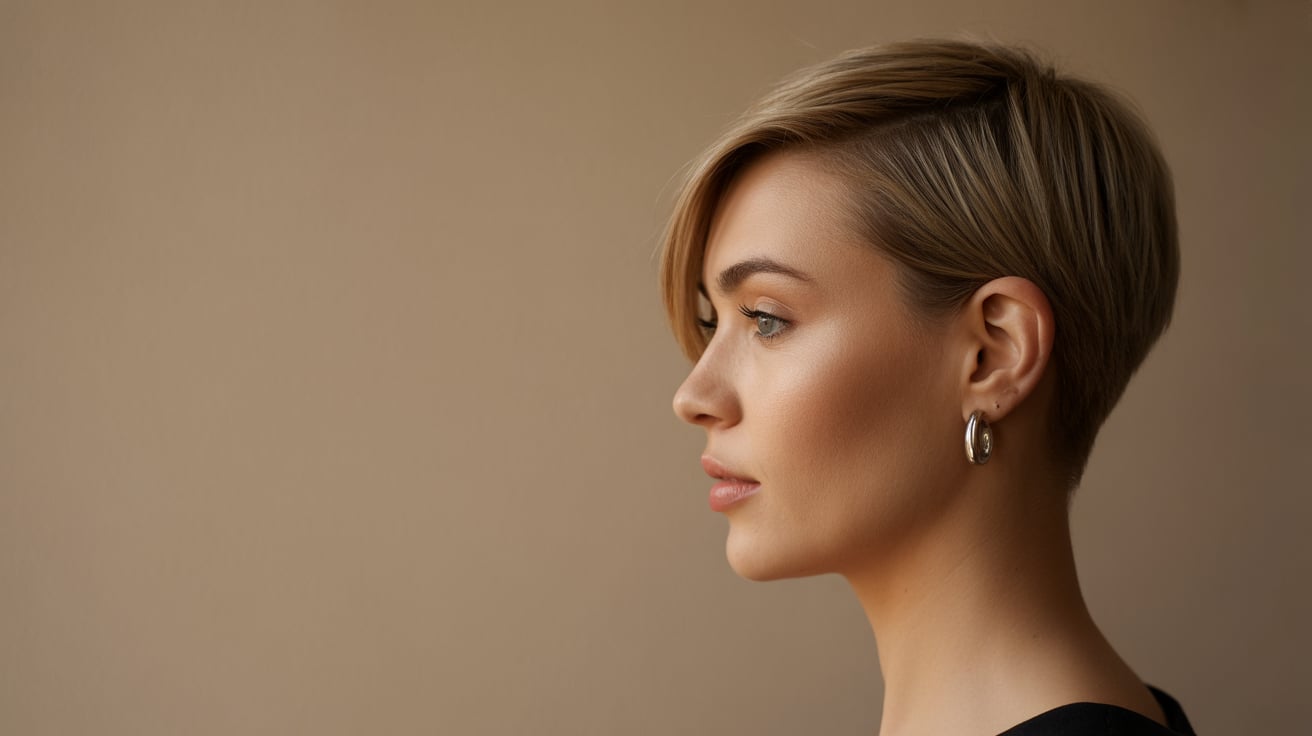
Short haircuts have become a popular choice for women looking to refresh their appearance and turn back the clock. These styles offer more than just convenience—they can create the illusion of lifted features, softer facial contours, and a vibrant energy that longer styles sometimes lack. The right cut can minimize fine lines, draw attention to your best features, and give you that fresh-faced glow you’re after.
Choosing a shorter length doesn’t mean sacrificing femininity or versatility. Modern techniques like layering, texturing, and strategic angle placement work together to create dimension and movement. Bangs play a significant role too, softening the forehead and creating a youthful frame around the eyes. The key lies in finding a style that complements your hair texture, face shape, and personal maintenance preferences.
From classic bobs to edgy pixies and everything in between, shorter haircuts offer endless possibilities for achieving a more youthful appearance. We’ve selected nine standout styles that consistently deliver age-defying results. Each option brings its own set of benefits, whether through face-framing layers, playful bangs, or volume-boosting techniques.
Bob with Curtain Bangs
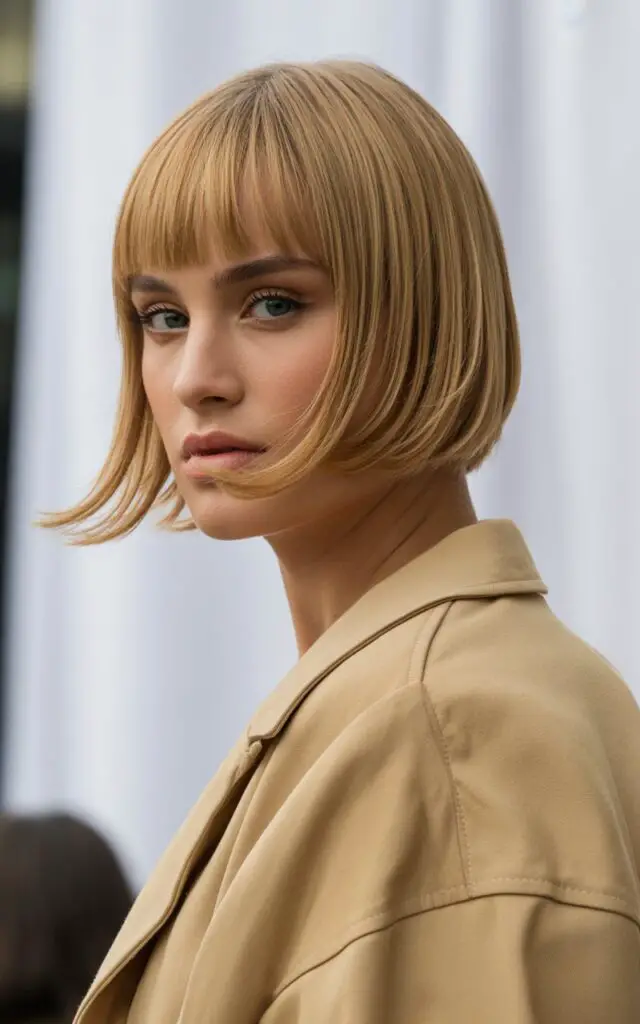
This style combines two major youth-enhancing elements into one flattering package. The bob sits somewhere between chin and shoulder length, while the curtain bangs part down the center to frame both sides of your face. Think of it as a soft, approachable look that works across different ages and hair types.
What Makes It Youthful
Curtain bangs create a gentle swooping effect that draws the eye toward your cheekbones rather than your forehead. This subtle redirection can minimize the appearance of forehead lines while highlighting your mid-face. The parted fringe also adds a casual, carefree vibe that feels inherently young. Your hair falls naturally around your face, creating shadows and dimension that soften your overall appearance.
The bob length itself hits at a strategic point. It’s short enough to feel fresh and modern, yet long enough to tuck behind your ears or style in different ways. This versatility matters because youthful style is often about having options and keeping things interesting.
Styling Considerations
You can blow-dry this cut with a round brush to add volume at the roots. Point the dryer downward along the hair shaft for a smooth finish. For the bangs, use the brush to create that outward curve on both sides. Some texturizing spray at the ends keeps things from looking too polished or stiff.
Want more movement? Try scrunching some lightweight mousse through damp hair and letting it air-dry. The bob will develop a slightly tousled texture that feels relaxed and current. Here are some key benefits:
Versatile Styling: Switch between sleek and textured looks depending on your mood or occasion.
Low Maintenance: The length requires fewer touch-ups than longer styles while still offering styling flexibility.
Face Framing: Curtain bangs create a natural focal point that highlights your features.
This cut works particularly well for fine to medium hair textures. The layers add body without creating too much bulk. If your hair tends toward frizz, you’ll want to use a smoothing product to keep the bob looking polished.
Layered Wavy Bob
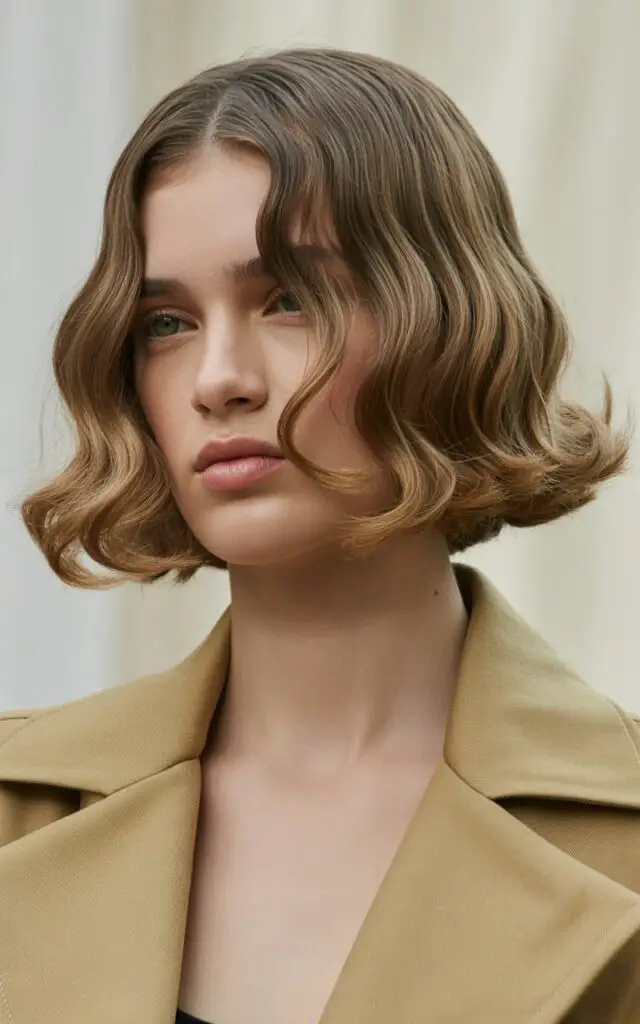
Movement is everything with this style. The cut typically falls between chin and collarbone length, with multiple layers throughout to create that signature bounce. Waves can be natural or created with styling tools, but either way, they bring life and dimension to your hair.
Key Features
Layers positioned at different heights create depth and prevent the bob from looking heavy or flat. This matters because volume and movement read as youthful characteristics. The waves add to this effect by catching light differently at various angles, making your hair appear thicker and more dynamic. Each wave creates a small shadow and highlight pattern that adds visual interest.
The length sits in a flattering zone for most face shapes. It’s long enough to soften angular features but short enough to lift your overall appearance. The waves also introduce a playful element—they suggest motion and energy rather than static perfection.
Best For
This style shines on women with naturally wavy or slightly curly hair. Your texture will work with the cut rather than against it. However, even straight hair can achieve this look with the right products and tools. A curling iron or wand can create loose waves that mimic natural texture.
Thickness matters here. Medium to thick hair holds the wave pattern better and creates that full, bouncy effect. Fine hair might need some extra help from volumizing products. Here’s what makes this cut special:
Natural Volume: Layers create lift at the crown and throughout the cut.
Texture Enhancement: Waves highlight the dimensional cutting technique.
Soft Appearance: The overall effect feels gentle and approachable rather than harsh or severe.
Maintenance involves regular trims every six to eight weeks to keep the layers fresh. The waves themselves are relatively easy—scrunch in some product and either air-dry or use a diffuser attachment on your dryer.
Textured Pixie with Side Bangs
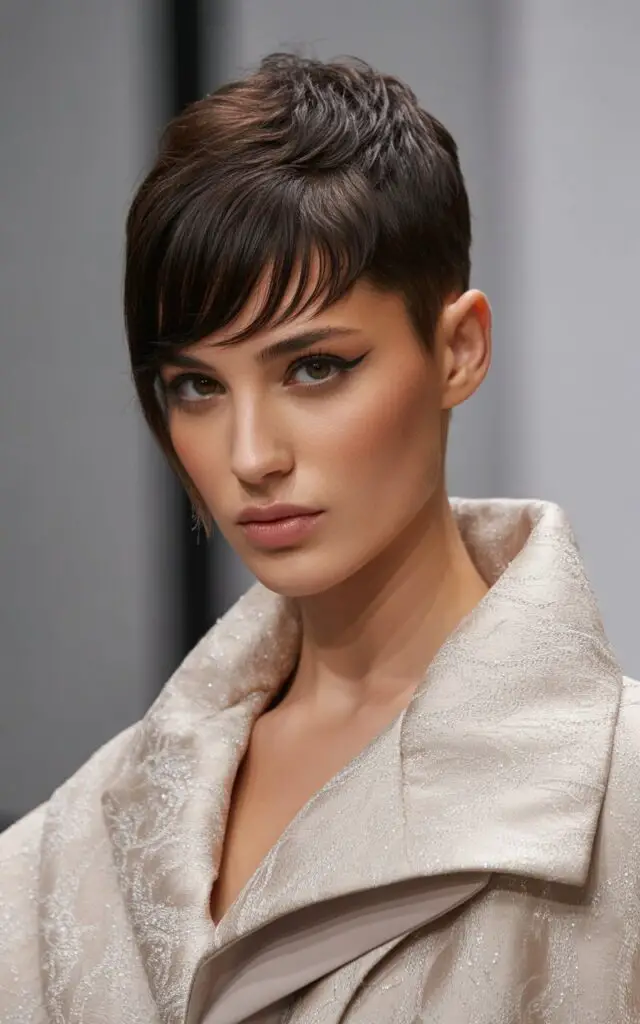
Short hair gets a sophisticated update with this modern pixie variation. The cut stays close at the back and sides while leaving more length on top for styling possibilities. Side-swept bangs add asymmetry and create interesting angles around your face.
Why It Works
Pixie cuts automatically create lift and openness around your face. By removing hair from the neck and keeping things close to the head, your features become the focal point. The textured top adds height, which can balance facial proportions and create a lengthening effect. Side bangs break up the forehead and add a youthful asymmetry that feels current and intentional.
The texture itself is crucial. Choppy, piece-y sections on top create dimension and prevent the cut from looking too uniform or severe. This variation keeps the pixie from feeling overly masculine or harsh. Instead, it reads as feminine and fashion-forward.
Different styling products can change the entire vibe. Smoothing cream creates a sleeker look, while texturizing paste emphasizes separation and edge. This adaptability keeps the style from feeling monotonous.
Maintenance Tips
Regular trims every four to six weeks keep this cut looking sharp. Pixies grow out quickly, and the shape can lose its impact as the hair lengthens. You’ll want to find a stylist who understands short hair and can maintain the textured layering technique.
Daily styling takes just minutes. Run some product through damp hair and either air-dry or use your fingers to piece out sections as you blow-dry. The side bangs might need a quick flat iron pass to sweep them in the right direction. Benefits include:
Quick Styling: Get ready in a fraction of the time compared to longer styles.
Modern Appeal: The textured, asymmetric look feels contemporary and fresh.
Confidence Boost: Short hair can create a bold, empowered feeling that translates to your overall presence.
This works best for oval or heart-shaped faces. The side bangs help balance wider foreheads while the overall shape complements narrower chins.
Neck-Length Waves with Bangs
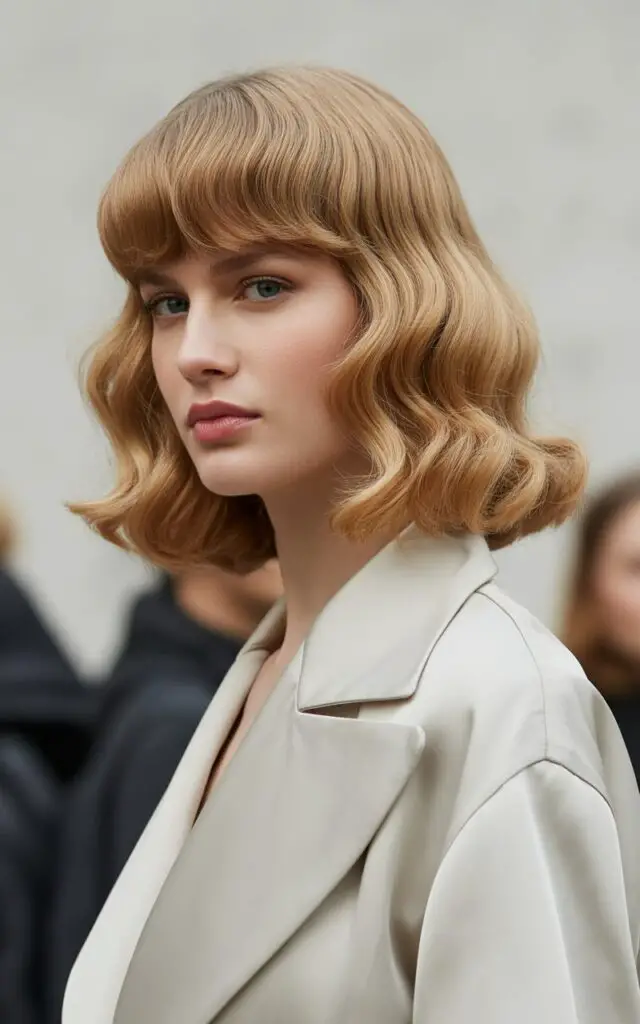
Softness defines this approach to short hair. The length grazes your neck, usually ending a few inches below your ears. Gentle waves throughout add movement, while full bangs across the forehead complete the youthful aesthetic. This combination creates a rounded, feminine silhouette that feels both retro and modern.
The Youthful Appeal
Bangs have an immediate age-reducing effect. They cover forehead lines and create a frame that draws attention to your eyes. Full bangs specifically can make you look years younger by hiding one of the first places aging becomes visible. The neck-length cut keeps things light and buoyant—it doesn’t weigh down your face or create heaviness around your jaw.
Waves soften the overall look even further. Hard lines and severe angles can add years, while curves and movement suggest vitality and health. The combination of length, texture, and bangs creates multiple softening elements working together.
What makes this particularly effective is the balance. The bangs provide coverage where you might want it, while the waves add dimension and interest to the rest of the cut. Your hair moves naturally rather than sitting flat against your head.
Styling Options
Creating the waves takes different forms depending on your hair type. A large-barrel curling iron produces loose, relaxed curves. Alternatively, braid damp hair before bed and unravel in the morning for heatless waves. The bangs might need a round brush and blow-dryer to smooth them out and create a slight curve.
You can vary the wave pattern too. Tighter waves create more volume and a retro vibe. Looser waves feel beachy and casual. Here’s what to keep in mind:
Bang Maintenance: Trims every three to four weeks keep bangs at the right length.
Wave Definition: Salt spray enhances natural texture, while curl cream defines styled waves.
Versatility: Pull back the sides with clips or pins for a different look while keeping the bangs forward.
This style suits most face shapes but particularly flatters round and square faces. The bangs create horizontal lines that balance vertical length, while the waves add width where needed.
Angled Bob with Feathered Layers
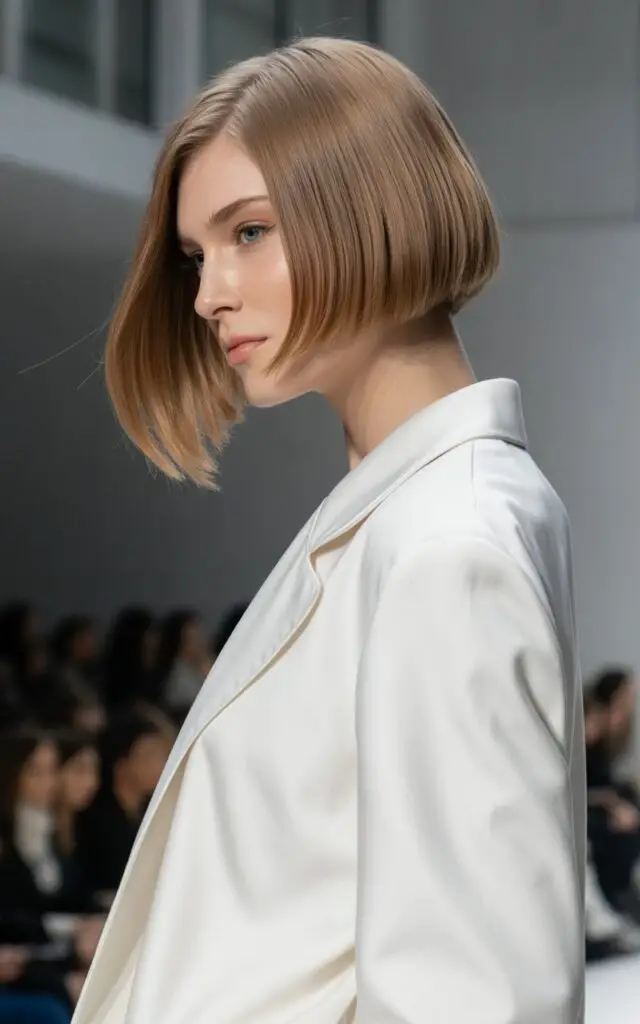
Angles create interest and movement in this sophisticated take on the classic bob. The cut typically features longer pieces in front that gradually shorten toward the back. Feathered layers throughout add texture and prevent bluntness, creating a soft, dimensional finish.
Face-Framing Benefits
The longer front pieces act as contouring tools for your face. They create vertical lines along your cheeks that can slim and lengthen your overall appearance. These pieces also draw the eye downward, away from the forehead and toward your jawline and neck. The angle itself suggests upward movement, which counteracts any downward pull from aging skin.
Feathered layers add a delicate quality to the cut. Unlike blunt, heavy layers, feathering creates soft transitions between lengths. This technique mimics the way hair naturally falls and moves, resulting in a more organic, youthful appearance. The layers also reduce bulk, allowing the hair to move freely rather than sitting heavily against your head.
The back stays shorter and often has subtle stacking for volume. This creates lift at the crown, which can balance facial proportions and add height.
Color Pairing
This cut pairs beautifully with dimensional color techniques. Highlights or balayage can emphasize the feathered layers and create even more depth. Lighter pieces around the face brighten your complexion and draw attention to your features. Consider these color approaches:
Face-Framing Highlights: Lighter tones near your face create a brightening effect.
Dimensional Balayage: Hand-painted color follows the natural fall of the layers.
Root Shadow: Darker roots transitioning to lighter ends add depth and reduce maintenance.
Styling involves blow-drying with a round brush, focusing on creating volume at the roots and flipping out the ends slightly. The feathered layers should move naturally without much manipulation. This cut works well for straight to slightly wavy hair and suits most face shapes, though it particularly flatters oval and heart-shaped faces.
Pixie Bob with Side Bangs
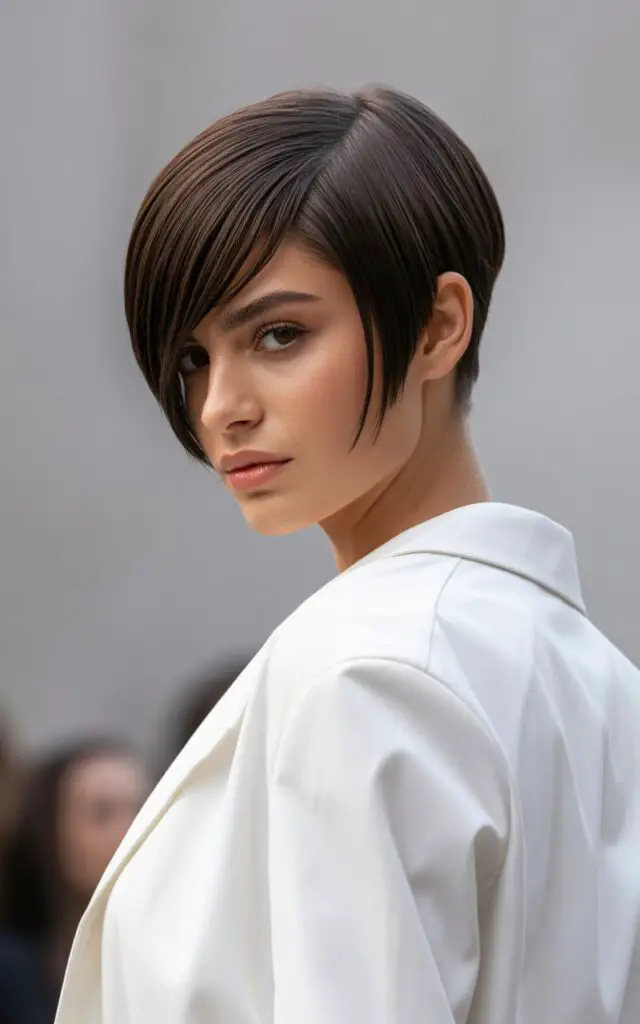
This hybrid style borrows elements from both pixie and bob cuts to create something distinctly flattering. The back stays short like a pixie, while the front maintains bob-like length. Side bangs sweep across the forehead, adding asymmetry and a youthful focal point.
The Hybrid Advantage
Combining two classic cuts gives you the best of both worlds. The short back feels fresh and modern while remaining easy to manage. The longer front offers styling versatility and creates those important face-framing pieces. This contrast between short and long adds visual interest that pure single-length cuts might lack.
The side bangs introduce an asymmetric element that breaks up harsh lines and creates a softer overall appearance. They cover part of the forehead without the commitment of full bangs, offering a compromise for women who want coverage but also want to see their face. The swept-across angle creates diagonal lines that can minimize forehead width and add dimension.
Volume comes naturally with this cut. The shorter back creates lift at the crown, while the longer front can be styled with body and movement. This variation in height and length throughout the cut prevents flatness.
Who Should Try It
This style works particularly well for women with fine to medium hair texture. The shorter back requires less hair to create volume, while the longer front doesn’t become too heavy or flat. Oval and square face shapes benefit most from the asymmetric bangs and length variation. Here are key points:
Easy Transition: If you’re moving from long to short hair, this provides a middle ground.
Styling Flexibility: The longer front can be straightened, curled, or left natural.
Low Commitment: Less dramatic than a full pixie while still feeling fresh and current.
Maintenance requires trims every five to six weeks to maintain the shape. The contrast between short and long sections needs regular attention to stay defined. Daily styling is minimal—add some product to damp hair and either air-dry or blow-dry while directing the bangs to one side.
Blunt Bob with Bangs
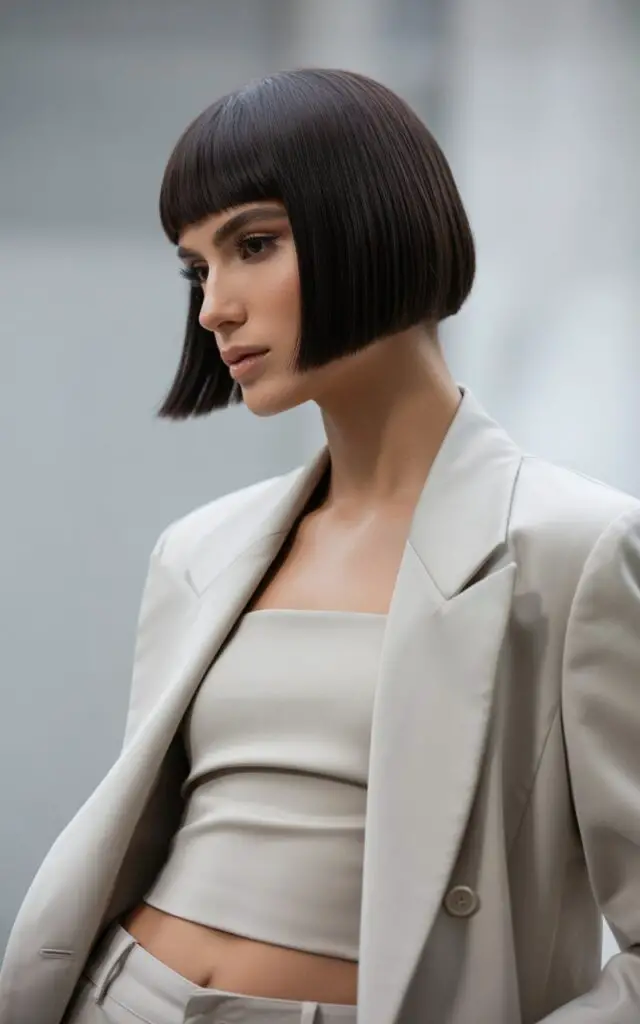
Precision defines this classic cut. The bob falls in a straight line, typically between chin and shoulder length, with minimal layering. Full, straight-across bangs complete the look, creating a polished yet youthful aesthetic. This style has remained popular because it works across different ages and personal styles.
The Power of Precision
A blunt cut creates the illusion of thickness and health. Every strand ends at the same point, making your hair appear fuller at the bottom. This density can make your hair look more vibrant and well-maintained—qualities associated with youth. The clean line also provides a clear structure that frames your face intentionally rather than haphazardly.
Straight bangs across the forehead create horizontal lines that can balance a longer face shape and hide forehead wrinkles. They also draw attention to your eyes, making them the focal point of your face. The combination of the blunt hem and straight bangs creates a cohesive, intentional look that suggests confidence and style awareness.
The lack of layers might seem limiting, but it actually reduces styling time. Your hair falls naturally into place without requiring much manipulation or product.
Versatility Factor
Despite its simple structure, this cut offers surprising versatility. Straighten it for a sleek, sophisticated look. Add waves for a softer, more romantic vibe. Pull it back into a short ponytail or clip for a quick change. The bangs can be styled straight down or swept to the side for variety. Consider these options:
Sleek and Straight: Flat iron for a polished, editorial finish.
Textured Waves: Loose curls add volume and a more relaxed feel.
Half-Up Styles: Pin back the top section while leaving the rest down.
This cut works best for thick to medium hair that can support the blunt line. Fine hair might look thin at the ends, though the fullness of the bangs can compensate. Straight to slightly wavy textures show off the clean lines best. Regular trims every six to eight weeks maintain the precise shape and keep ends looking fresh.
Haircut with Face-Framing Layers
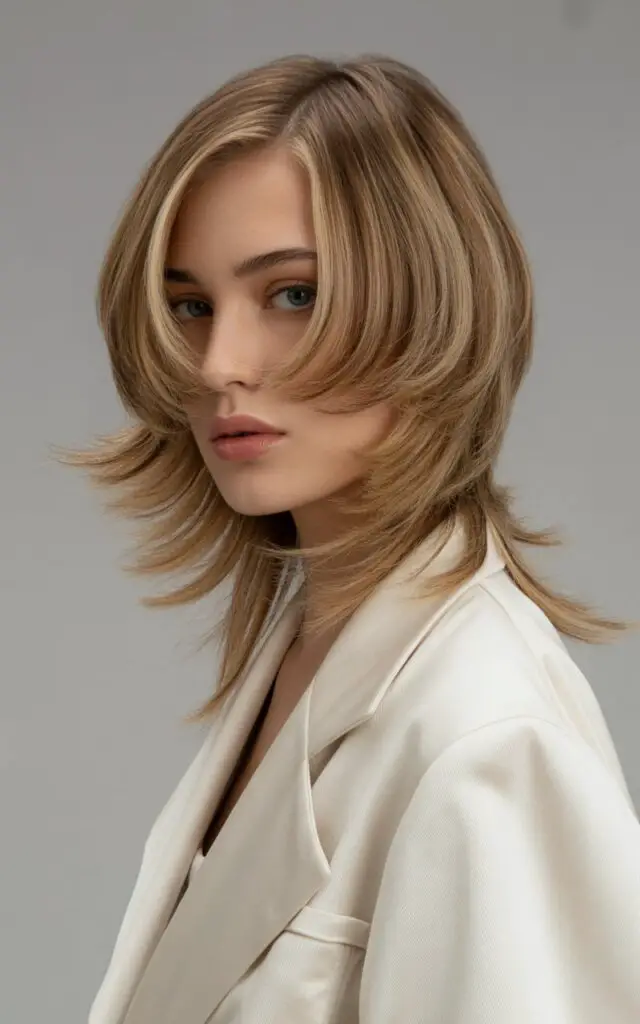
Strategic layering around the face creates instant lift and dimension. This approach works with various base lengths, from short bobs to collarbone-grazing styles. The key is keeping the longest layers near your face while maintaining shorter layers throughout the rest of the cut. These pieces act as contouring tools that highlight your best features.
How Layers Transform
Face-framing layers create movement right where you need it most. They start around cheekbone or chin level and angle downward, creating soft lines that guide the eye. These pieces can make a round face appear slimmer or add width to a narrow face, depending on how they’re cut and styled. The layers also break up the space between your hair and face, preventing harsh contrasts.
Shorter layers throughout the rest of the cut add volume and prevent heaviness. Your hair gains dimension as different lengths overlap and create shadows. This depth makes your hair appear thicker and more dynamic. The overall effect feels intentional and professionally styled, which contributes to a polished, youthful appearance.
Styling these layers is straightforward. They naturally fall toward your face, requiring minimal effort to look good. A round brush while blow-drying can enhance the inward curve, or you can let them air-dry for a more casual effect.
Length Options
This layering technique adapts to different preferences. A chin-length bob with face-framing layers feels modern and fresh. A shoulder-length cut with similar layering offers more styling possibilities. The key is maintaining shorter layers near your face regardless of the overall length. Here’s what to know:
Customizable Impact: Adjust the layer placement based on which features you want to highlight.
Works with Texture: Straight, wavy, or curly hair all benefit from face-framing layers.
Flatters All Ages: The softening effect works whether you’re preventing aging signs or minimizing existing ones.
Maintenance depends on your base length but generally requires trims every six to eight weeks. The face-framing pieces grow quickly and lose their shape-defining power as they lengthen. This cut suits most face shapes and hair types, though women with very thick hair might need thinning to prevent excess bulk around the face.
Short Stacked Bixie
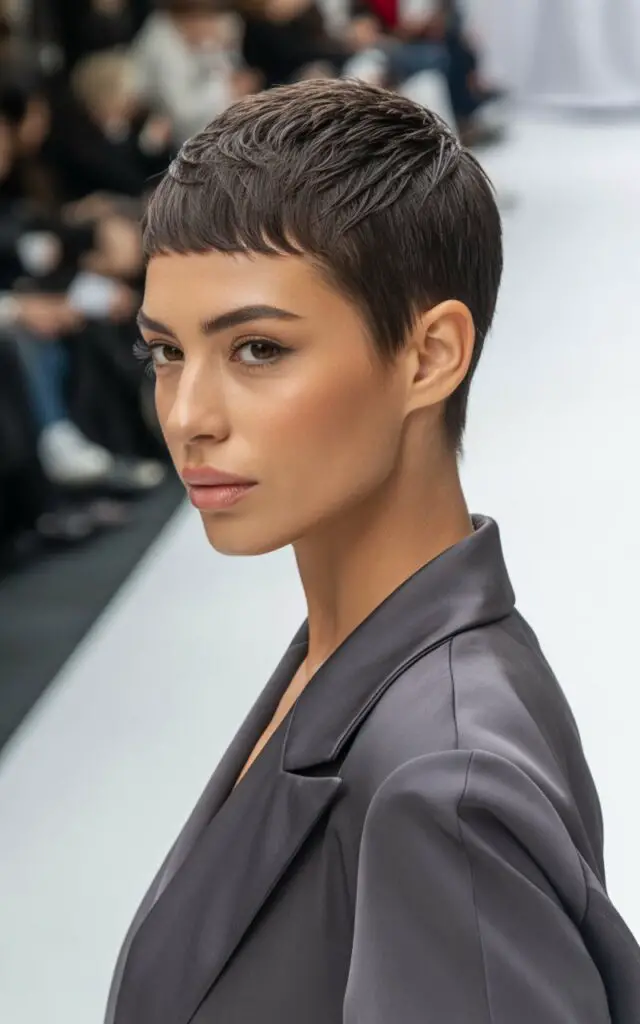
This contemporary cut blends pixie and bob elements with an added dimensional twist. The back features stacked layers that create volume and shape, while the front maintains longer pieces for versatility. The result feels edgy and modern while remaining flattering and feminine.
Modern Edge
Stacking in the back creates graduated layers that build volume at the crown. Each layer sits on top of the previous one, creating a rounded shape that adds height and lifts your overall profile. This architectural approach to cutting gives the style structure and prevents it from falling flat. The volume at the back also balances the longer front pieces, creating interesting proportions.
The bixie length itself hits a sweet spot between short and medium. It feels bold without being as dramatic as a full pixie, offering a middle ground for women who want significant change without going extremely short. The longer front pieces maintain femininity and provide styling options that shorter cuts can’t offer.
Texture plays a major role here. The cut often includes choppy, piece-y sections that create separation and movement. This prevents the style from looking too uniform or sculpted, adding a casual, effortless quality.
Volume Boost
The stacked back automatically creates lift that can last all day. This built-in volume means less time spent styling and using products to achieve fullness. The technique works particularly well for fine or thin hair that struggles to maintain body. The layers overlap in a way that makes your hair appear thicker than it actually is.
Styling involves minimal effort. Add some volumizing mousse to damp hair and blow-dry while lifting sections at the root. The front can be straightened for sleekness or textured for a more relaxed vibe. Benefits include:
Instant Volume: The stacked structure creates natural lift without teasing or excessive product.
Edgy Appeal: The modern silhouette feels current and fashion-forward.
Easy Maintenance: Short length means quick drying time and simple styling.
This cut requires regular trims every four to five weeks to maintain the stacked shape. As it grows out, the layering loses its definition and the volume diminishes. Works best for oval and heart-shaped faces, though round faces can benefit from keeping the sides sleek while emphasizing height at the crown.
Final Thoughts on Age-Defying Cuts
Short haircuts offer real solutions for women wanting to look younger without resorting to complicated styling or high-maintenance routines. The nine options we’ve covered each bring specific benefits through strategic cutting techniques, whether that’s face-framing layers, volume-boosting stacks, or softening bangs. What matters most is finding a style that aligns with your hair texture, face shape, and lifestyle needs.
The right cut can make getting ready easier while simultaneously making you look more refreshed and vibrant. Modern short hairstyles have evolved beyond simple convenience—they’re sophisticated approaches to enhancing your natural features and creating a youthful appearance. Talk with your stylist about which elements appeal to you most, bring photos for reference, and don’t hesitate to request modifications that suit your specific situation. The investment in a quality cut pays off in confidence and the compliments you’ll receive.
Frequently Asked Questions
Q: Will a short haircut make me look older or younger?
A: A well-executed short haircut typically makes you look younger. The key is choosing a style with softening elements like layers, bangs, or face-framing pieces rather than severe, blunt cuts. Short hair lifts your features and draws attention to your face rather than weighing it down.
Q: How often do I need to trim a short haircut to maintain the style?
A: Most short cuts require trims every 4-6 weeks to maintain their shape. Pixies need the most frequent attention, while bobs can sometimes go 6-8 weeks between cuts. Regular maintenance prevents the style from losing its age-defying properties.
Q: Can I still wear my hair up with these short styles?
A: Some of these styles allow for partial updos or pinned-back sections. Bobs and longer bixies offer the most versatility for pulling hair back. Very short pixies have limited updo options but can be styled with clips or headbands for variation.
Q: Which short haircut works best for hiding forehead wrinkles?
A: Styles with bangs—whether full, curtain, or side-swept—provide the best coverage for forehead lines. The neck-length waves with bangs and bob with curtain bangs are particularly effective for this concern.
Q: Do I need special products for short hair?
A: Short hair often requires lighter products to avoid weighing it down. Texturizing sprays, lightweight mousses, and pomades work well. You’ll use less product overall due to the reduced length, but quality matters more than quantity.
Q: Will my hair texture affect which short style I can wear?
A: Your texture influences which styles work best but doesn’t eliminate your options. Fine hair benefits from layered styles that add volume. Thick hair works well with blunt cuts that showcase density. Curly or wavy hair enhances textured styles naturally.
Q: How do I know which face shape I have?
A: Pull your hair completely back and look in a mirror. Oval faces have balanced proportions. Round faces have similar width and length with soft curves. Square faces have strong jawlines and similar width at forehead and jaw. Heart-shaped faces are wider at the forehead and narrow at the chin.
Q: Can short hair be styled differently for work versus casual settings?
A: Absolutely. Most short cuts can be sleek and polished for professional settings or textured and relaxed for casual environments. The difference usually comes down to products and tools—straight and smooth versus piece-y and tousled.
Q: What should I tell my stylist if I want one of these cuts?
A: Bring photos showing multiple angles of the style you want. Discuss your hair texture, how much time you want to spend styling, and any specific concerns like forehead coverage or volume needs. Be honest about your styling abilities so your stylist can adjust the cut accordingly.

