

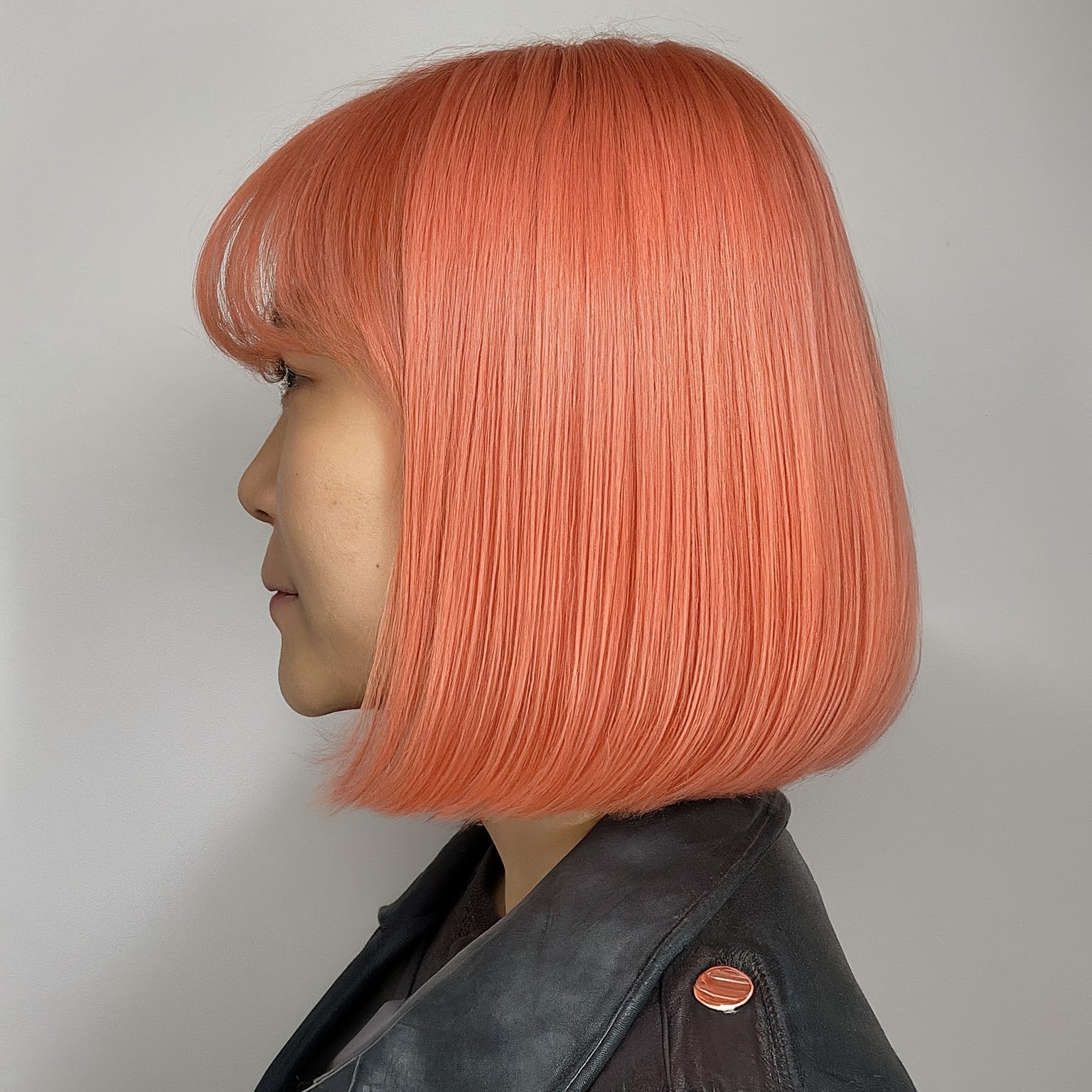
Short bob haircuts have become one of the most requested styles in salons across the country, and for good reason. This timeless cut offers a perfect balance between sophistication and ease of maintenance, making it an ideal choice for women who want to look polished without spending hours on their hair. The beauty of a short bob lies in its ability to complement virtually any lifestyle, whether you’re a busy professional, a mom on the go, or someone who simply appreciates a well-structured haircut.
The appeal of short bobs extends far beyond their practicality. These cuts frame the face beautifully, highlighting your best features while creating a fresh, modern silhouette. Unlike longer hairstyles that can weigh down fine hair or overwhelm petite frames, short bobs add volume and movement where you need it most. They work wonderfully across all age groups too, proving that great style knows no boundaries when it comes to age or hair texture.
Ready to discover which short bob variation will transform your look? The following sections will guide you through everything from understanding what sets short bobs apart to finding the perfect style for your face shape. You’ll also learn professional styling techniques and maintenance tips that will keep your new cut looking salon-fresh between appointments.
What Makes a Short Bob Different from Other Bob Styles?
When hairstylists talk about short bobs, they’re referring to cuts that typically fall between the ear and just below the jawline. This specific length range creates a distinct look that differs significantly from longer bob variations like the lob or traditional shoulder-length bob. The shorter length means the hair sits at a point that naturally creates volume and lift at the roots, giving even the finest hair a fuller appearance.
Length Specifications and Characteristics
A true short bob measures anywhere from 1 to 4 inches in length from the bottom of the ear. This measurement creates the signature shape that defines this particular style. The cut usually features clean lines and can be customized with various techniques like layering, texturizing, or graduation to suit individual preferences and hair types.
What really sets this length apart is how it interacts with your natural hair texture. Straight hair gains structure and definition, wavy hair develops beautiful curves without becoming unruly, and curly hair forms controlled, bouncy spirals. The shorter length eliminates excess weight that can pull down natural texture, allowing your hair’s personality to shine through.
Face Shapes That Benefit Most from Short Bobs
While short bobs can work for anyone with the right customization, certain face shapes particularly benefit from this length. Oval faces have the most flexibility, as the balanced proportions complement virtually any bob variation. Round faces benefit from short bobs with added height at the crown and longer pieces near the face to create a lengthening effect.
Square faces look stunning with soft, textured short bobs that break up angular features. The key is incorporating movement and avoiding harsh, blunt lines that might emphasize the jawline too strongly. Heart-shaped faces shine with short bobs that add width at the jaw level, balancing a wider forehead with fuller hair at the bottom of the cut.
Maintenance Requirements Compared to Longer Bobs
One common misconception is that shorter hair requires less maintenance, but short bobs actually need regular attention to maintain their shape. You’ll need trims every 4-6 weeks to keep the lines crisp and prevent the style from growing out awkwardly. This is more frequent than longer bobs, which can go 8-10 weeks between cuts.
However, daily styling often becomes quicker and simpler with a short bob. Here are the maintenance differences you’ll notice:
- Washing frequency: Short bobs tend to show oil less quickly, allowing for fewer washes
- Drying time: Significantly reduced compared to longer styles
- Product usage: Less product needed overall, saving money long-term
- Styling tools: Fewer tools required for daily maintenance
Styling Versatility of Short Bobs
Despite the shorter length, these cuts offer surprising versatility. You can create sleek, professional looks for the office, tousled textures for casual weekends, or glamorous waves for special occasions. The key lies in having the right cut as your foundation and understanding which techniques work best for your hair type.
Many women discover they can achieve looks with their short bob that were impossible with longer hair. The reduced weight allows for better volume control, and the shorter length means heat styling takes a fraction of the time. Even air-drying becomes a viable option for many hair types when cut in a well-structured short bob.
Classic Short Bob Variations You Should Consider
The world of short bobs offers numerous variations, each with its own personality and styling potential. Understanding these different options helps you communicate effectively with your stylist and choose a cut that aligns with your lifestyle and aesthetic preferences. From sleek and polished to textured and edgy, there’s a short bob variation for every woman.
The Sleek and Straight Short Bob
This timeless variation features precise, clean lines and a smooth finish that exudes sophistication. The hair is cut to one length, typically falling just below the jawline, creating a strong geometric shape. This style works exceptionally well for women with naturally straight or slightly wavy hair who appreciate a polished, put-together appearance.
Achieving the sleek look requires minimal layers, allowing the hair to lie flat and smooth against the head. Your stylist might incorporate subtle graduation at the back to prevent the cut from appearing too heavy or boxy. The front pieces are usually cut slightly longer than the back, creating a gentle angle that flatters most face shapes.
Women with fine hair particularly love this variation because the blunt cut creates an illusion of thickness and density. The clean lines make thin hair appear fuller, while the shorter length prevents the style from looking stringy or limp. For those with thick hair, internal layering techniques can remove bulk without sacrificing the sleek silhouette.
Textured and Layered Short Bobs
For women seeking movement and a more relaxed vibe, textured short bobs offer the perfect solution. This variation incorporates various layering techniques to create dimension, movement, and a lived-in feel. The layers can be subtle or dramatic, depending on your preference and hair type.
Texturizing techniques might include point cutting, slide cutting, or razor work to create soft, piece-y ends. These methods remove weight strategically while maintaining the overall bob shape. The result is hair that moves naturally and requires minimal styling effort to look great.
This variation particularly suits women with wavy or curly hair, as the layers work with natural texture rather than against it. The strategic removal of bulk allows curls to spring up beautifully without creating a triangular shape. Even women with straight hair can benefit from this cut, as the layers create movement and prevent the style from looking too severe.
Asymmetrical Short Bob Options
Asymmetrical short bobs add an element of modern edge to the classic shape. One side is intentionally cut longer than the other, creating visual interest and a fashion-forward appearance. The difference can be subtle – perhaps just an inch – or dramatic, with one side significantly longer.
This variation offers unique benefits for different face shapes:
- Creates balance: The asymmetry can balance uneven features
- Adds interest: Prevents the cut from looking too predictable
- Offers flexibility: Can be styled to emphasize or minimize the asymmetry
- Modernizes the look: Gives a contemporary twist to a classic cut
The key to a successful asymmetrical bob lies in the precision of the cut and how it complements your features. Your stylist should consider your natural part, hair growth patterns, and lifestyle when determining the degree of asymmetry.
Blunt Cut Short Bobs
The blunt cut short bob makes a bold statement with its sharp, precise lines and geometric shape. This variation features hair cut to exactly the same length all around, creating a strong, architectural silhouette. There’s no graduation or layering to soften the edges – just clean, confident lines.
This style requires confidence to wear and commitment to maintain. The precision of the cut means any growth or unevenness becomes immediately apparent. However, for women who love a striking, fashion-forward look, the blunt bob delivers unmatched impact.
Thick hair responds beautifully to this cut, as the weight helps maintain the sharp lines. Fine hair can also work well, though your stylist might suggest a slightly shorter length to prevent the ends from appearing wispy. The blunt cut creates maximum density at the ends, making thin hair appear fuller and more substantial.
Graduated Short Bob Styles
Graduated bobs, also known as inverted or A-line bobs, feature shorter hair at the back that gradually lengthens toward the front. This creates a subtle or dramatic angle that adds sophistication and movement to the overall shape. The graduation can be barely noticeable or quite pronounced, depending on your preference.
The technical aspects of this cut involve carefully layering the back sections while maintaining length in the front. This creates natural volume at the crown and a sleek finish through the sides. The angle helps elongate the neck and creates a flattering frame for the face.
Women love graduated bobs for several reasons. The shorter back prevents hair from getting caught in collars or scarves, while the longer front pieces offer styling versatility. You can tuck the front behind your ears for a casual look or style it forward for a more dramatic effect. The graduation also grows out more gracefully than a blunt cut, extending the time between salon visits.
How to Choose the Right Short Bob for Your Face Shape
Selecting the perfect short bob involves more than just choosing a style you admire in magazines or on social media. Your face shape plays a crucial role in determining which variation will flatter you most. Understanding how different cuts interact with your features helps ensure you’ll love your new style every time you look in the mirror.
Round Face Considerations
Women with round faces often worry that short hair will emphasize facial fullness, but the right short bob can actually create flattering angles and length. The key lies in choosing styles that add height and create vertical lines rather than horizontal width.
A short bob with volume at the crown works wonders for round faces. Ask your stylist to incorporate layers that start above the widest part of your face, directing the eye upward. Avoid cuts that end exactly at your cheeks, as this can emphasize roundness. Instead, opt for lengths that fall just below the chin or shorter styles that sit above the fullest part of your face.
Side parts work better than center parts for round faces, as they create asymmetry and the illusion of length. Consider adding subtle angles to your bob, with the front pieces slightly longer than the back. This A-line effect draws the eye downward and creates a lengthening effect.
Styling techniques matter too. Use a round brush to create lift at the roots when blow-drying. Direct the hair away from your face rather than curving it inward. These small adjustments make a significant difference in how your bob frames and flatters your features.
Square Face Styling Tips
Square faces feature strong jawlines and broad foreheads, creating a powerful, striking appearance. The goal with a short bob on a square face is to soften these angles while maintaining the natural strength of your features.
Textured, layered bobs work exceptionally well for square faces. The soft, piece-y ends created by point cutting or razor work contrast beautifully with angular features. Avoid severe, blunt cuts that might emphasize the jawline too strongly. Instead, choose styles with movement and softness around the face.
Length plays a crucial role for square faces. Bobs that end right at the jawline can make it appear wider, so consider going slightly shorter or longer. A length that hits mid-neck or just grazes the shoulders can be particularly flattering, as can a shorter pixie-bob hybrid that sits well above the jaw.
Consider incorporating wispy bangs or face-framing layers that start at the cheekbones. These elements draw attention to the eyes and cheeks while softening the overall look. Side-swept bangs work particularly well, creating diagonal lines that counterbalance the horizontal lines of a square face.
Oval Face Options
Women with oval faces won the genetic lottery when it comes to hairstyle options. The balanced proportions of an oval face mean virtually any short bob variation will look fantastic. This freedom allows you to choose based on personal style, hair texture, and lifestyle rather than face shape limitations.
Since oval faces don’t require specific corrections or enhancements, you can experiment with different bob styles freely. Try a sleek, chin-length bob for a sophisticated look, or go for a heavily textured, piece-y style for something more casual and modern. Both will flatter your balanced features.
The one consideration for oval faces is maintaining proportion. While you can wear almost any length, extremely short bobs might make a longer face appear even more elongated. If you have a longer oval face, consider styles with some width at the sides, such as bobs with a slight wave or curl.
Take advantage of your facial symmetry by experimenting with different styling options. You can wear your bob straight and sleek one day, then switch to beachy waves the next. Center parts and side parts both work well, giving you maximum versatility in your daily styling routine.
Heart-Shaped Face Recommendations
Heart-shaped faces feature wider foreheads and narrower chins, creating a distinctive V-shape that benefits from specific bob styles. The goal is to add width at the jaw level while minimizing volume at the crown, creating better balance between the upper and lower portions of your face.
Chin-length bobs work beautifully for heart-shaped faces, as they add fullness exactly where you need it most. The hair should have some movement or wave at the bottom to create width around the jawline. Avoid styles with too much volume at the crown, as this can make the forehead appear even wider.
Consider incorporating side-swept bangs or longer face-framing pieces that start at the cheekbones. These elements help minimize the width of the forehead while drawing attention to your eyes and cheekbones. The key is creating a gradual transition from the wider upper face to the narrower chin.
For styling, focus on creating volume and movement from the ears down. Use a round brush to flip the ends out slightly, adding width at the jaw level. This technique, combined with the right cut, creates beautiful balance and highlights your unique face shape rather than trying to hide it.
Styling Tips and Techniques for Short Bobs
Mastering the art of styling your short bob transforms a great cut into a spectacular everyday look. While shorter styles often require less time than longer hair, knowing the right techniques ensures you maximize your bob’s potential. Whether you prefer polished perfection or effortless texture, these professional tips will help you achieve salon-worthy results at home.
Daily Styling Routine Basics
Creating a consistent daily routine streamlines your morning preparation and ensures your bob always looks its best. Start with freshly washed or refreshed hair – second-day hair can work wonderfully for short bobs when revived with a bit of water or texturizing spray.
The foundation of any good style begins with proper product application. For fine hair, apply a volumizing mousse or lightweight styling cream from roots to ends. Those with thicker hair benefit from smoothing serums or light oils applied to the mid-lengths and ends. Always use products sparingly with short hair, as too much can weigh down your style or make it appear greasy.
Your blow-drying technique significantly impacts the final result. For smooth, sleek bobs, use a paddle brush and direct the airflow down the hair shaft. This method seals the cuticle and creates shine. For more textured looks, scrunch the hair while drying or use a diffuser attachment to enhance natural movement.
The direction you dry your hair matters too. Lifting sections away from your face while drying creates volume and prevents flat roots. For extra body, flip your head upside down during the initial drying phase, then finish with more precise styling once the hair is about 80% dry.
Heat-Free Styling Methods
Not every day requires heat styling, and giving your hair regular breaks from hot tools maintains its health and integrity. Short bobs respond well to various heat-free techniques that create beautiful results with minimal effort.
Overnight styling works particularly well for short bobs. Try these methods:
- Pin curls: Create vintage-inspired waves by wrapping damp sections around your finger and securing with bobby pins
- Twisted sections: Divide damp hair into sections, twist each one, and secure at the scalp for natural-looking texture
- Velcro rollers: Use large rollers on damp hair for volume and gentle curves without heat damage
- Braided texture: Create one or two loose braids in damp hair for subtle waves by morning
Air-drying techniques can produce stunning results when combined with the right products. Apply a curl-enhancing cream to damp hair and scrunch gently to encourage natural texture. For straighter styles, comb product through damp hair and allow it to dry naturally, smoothing occasionally with your hands to prevent frizz.
Product Recommendations for Different Textures
The products you choose can make or break your bob styling efforts. Fine hair requires different formulations than thick or curly hair, and using the wrong products leads to disappointing results regardless of your technique.
For fine or thin hair, focus on volumizing products that don’t weigh down your style. Root-lifting sprays applied before blow-drying create lasting volume. Dry shampoo serves double duty by absorbing oil and adding texture. Choose lightweight finishing sprays rather than heavy-hold hairsprays to maintain movement.
Thick hair benefits from smoothing products that control bulk without eliminating body. Leave-in conditioners help manage texture while preventing frizz. Styling creams with hold keep your bob’s shape throughout the day. For finishing, use anti-humidity sprays to maintain your style in challenging weather.
Curly and wavy hair requires moisture-rich products that define texture without creating crunch. Curl creams and gels designed for shorter styles help maintain your bob’s shape while allowing natural movement. Apply products to soaking wet hair for best results, then either diffuse or air-dry depending on your desired finish.
Quick Morning Styling Tricks
Even the best-laid styling plans sometimes fall victim to rushed mornings. Having a repertoire of quick fixes ensures you never leave home with lackluster hair, regardless of time constraints.
The refresh and restyle method works wonders for second or third-day hair. Lightly mist your bob with water or a mixture of water and leave-in conditioner. Use your blow dryer on low heat to reactivate yesterday’s style, directing problem areas into place. This technique takes less than five minutes but makes your hair look freshly styled.
For instant volume on flat roots, try the upside-down blow-dry method. Flip your head forward and blast the roots with cool air for 30 seconds. The cool air sets the lift created by gravity, giving you immediate volume that lasts. Follow with a light mist of texturizing spray for extra hold.
When all else fails, accessories save the day. A sleek headband instantly polishes a messy bob, while decorative bobby pins can secure unruly pieces stylishly. Small silk scarves tied at the nape of the neck add sophistication while disguising any styling mishaps.
Quick texture changes offer another fast solution. If your normally straight bob won’t cooperate, embrace the chaos by scrunching in some sea salt spray for beachy texture. Conversely, if your wavy bob turns frizzy, smooth it down with a tiny amount of hair oil and slick it behind your ears for a chic, minimalist look.
Short Bob Maintenance and Care Guidelines
Maintaining a short bob requires dedication and the right approach to keep your style looking fresh between salon visits. While the initial investment in a quality cut pays dividends in easier styling, proper maintenance ensures your bob continues to flatter and function well as it grows. Understanding the unique needs of shorter styles helps you develop a care routine that preserves your cut’s integrity.
Trimming Frequency Recommendations
Short bobs demand more frequent salon visits than longer hairstyles, typically requiring professional attention every 4-6 weeks. This schedule maintains the precise lines and shape that make your bob special. As hair grows approximately half an inch per month, even minimal growth can alter the carefully crafted proportions of a short cut.
The exact timing depends on several factors including your hair’s growth rate, the precision of your particular cut, and your tolerance for style changes. Blunt bobs and geometric styles show growth more obviously than textured, layered cuts. If you notice your bob losing its shape or becoming difficult to style, it’s time for a trim regardless of the calendar.
Between professional cuts, you might notice small issues like uneven pieces or bangs growing into your eyes. While it’s tempting to grab scissors and fix these yourself, resist the urge. Home trimming rarely ends well and can create problems requiring significant correction. Instead, many salons offer quick bang trims or neck clean-ups between full appointments at reduced prices.
Color Maintenance for Short Bobs
Hair color takes on special significance with short bobs because there’s less hair to distract from roots or fading. The clean lines of a bob can emphasize color inconsistencies, making regular touch-ups essential for those who color their hair. Most women find they need root touch-ups every 3-4 weeks to maintain a polished appearance.
The shorter length actually offers some advantages for color maintenance. Less hair means less product needed for touch-ups, reducing both cost and chemical exposure. The frequent trims required for shape maintenance also remove damaged ends regularly, keeping colored hair looking healthier.
Consider color techniques that grow out gracefully if you want to extend time between appointments:
- Balayage: Creates natural-looking dimension that doesn’t show obvious root lines
- Root smudging: Blends your natural color with highlights for seamless grow-out
- Subtle highlights: Add dimension without dramatic contrast against your base color
- Single-process color: Matches your natural shade closely to minimize obvious regrowth
Nighttime Care Routines
How you treat your bob while sleeping significantly impacts its appearance the next morning. Short hair can develop awkward bends and flat spots from pillow pressure, making morning styling more challenging. Developing good nighttime habits preserves your style and reduces daily styling time.
Silk or satin pillowcases offer the gentlest surface for your hair, reducing friction that causes frizz and breakage. These smooth fabrics also help maintain your bob’s shape better than cotton. If changing pillowcases isn’t feasible, consider wrapping your hair in a silk scarf or using a satin bonnet designed for shorter styles.
For straight bobs, try the wrap method before bed. Smooth your hair around your head in one direction, securing with bobby pins if needed. This technique maintains smoothness while preventing awkward bends. Wavy or curly bobs benefit from the pineapple method – loosely gathering hair at the very top of your head to preserve texture without creating dents.
Tools Every Short Bob Wearer Needs
Investing in quality tools makes maintaining your bob easier and more enjoyable. While you need fewer tools than for longer styles, choosing the right ones ensures professional results at home.
A high-quality blow dryer with multiple heat and speed settings tops the list of essentials. Look for models with cool shot buttons to set your style and concentrator nozzles for precise styling. Ionic technology helps reduce frizz and speeds drying time, particularly beneficial for daily styling.
The right brush makes a significant difference in your styling results. A small to medium round brush creates smooth, polished looks and adds volume at the roots. Paddle brushes work well for sleek, straight styles. For textured bobs, a wide-tooth comb or fingers might be all you need to maintain your cut’s natural movement.
Essential tools for short bob maintenance include:
- Sharp hair scissors: Only for professional use or emergency flyaway trimming
- Sectioning clips: Help divide hair for precise styling
- Fine-tooth comb: Creates clean parts and smooth finishes
- Bobby pins: In colors matching your hair for discrete hold
- Small flat iron: For touching up pieces or creating slight bends
Regular cleaning and maintenance of your tools ensures they perform optimally. Clean brushes weekly to remove product buildup and hair. Replace them when bristles become bent or fall out. Check your blow dryer’s filter monthly and clean as needed to maintain proper airflow and prevent overheating.
Your Short Bob
Short bob haircuts offer an incredible combination of style, versatility, and manageability that makes them perfect for women ready to make a confident change. From sleek and sophisticated to textured and playful, the variety of options ensures there’s an ideal short bob waiting to transform your look. The key lies in understanding your face shape, hair texture, and lifestyle needs, then working with a skilled stylist to create your perfect cut.
Taking the plunge into short hair might feel daunting, but the rewards far outweigh any initial hesitation. You’ll discover newfound freedom in your morning routine, enjoy the way your features become more defined and visible, and love how a well-cut bob makes you feel polished even on your most casual days. With proper maintenance and the styling techniques outlined here, your short bob will become not just a haircut, but a signature part of your personal style.
Frequently Asked Questions
Q: Will a short bob make my face look rounder?
A: Not if you choose the right variation for your face shape. Adding height at the crown, incorporating angles, and avoiding lengths that end at the widest part of your face all help create flattering proportions.
Q: How often will I really need to visit the salon with a short bob?
A: Most women need trims every 4-6 weeks to maintain their bob’s shape. Textured cuts might stretch to 6-8 weeks, while precision cuts require more frequent maintenance.
Q: Can I still put my hair up with a short bob?
A: While traditional ponytails aren’t possible, you can create half-up styles, use decorative clips, or pin sections back for variety. Many women find creative ways to change their look despite the shorter length.
Q: What if I have really thick hair – will a short bob look too poufy?
A: Skilled stylists use thinning techniques and strategic layering to remove bulk while maintaining your bob’s shape. The right cut prevents the “triangle” effect thick hair can create at shorter lengths.
Q: Do short bobs work with naturally curly hair?
A: Absolutely! Curly short bobs look stunning when cut properly. The key is working with a stylist experienced in cutting curly hair who understands how to create shape while respecting your natural texture.
Q: How do I know if my stylist understands the short bob I want?
A: Bring multiple photos showing different angles of your desired style. Discuss specific elements like length, texture, and maintenance requirements. A good stylist will ask questions about your lifestyle and styling routine.
Q: Can I grow out a short bob gracefully if I change my mind?
A: Yes, short bobs grow out relatively well compared to other short cuts. Regular trims to maintain shape during the growing process help avoid awkward phases. Most bobs can transition to longer styles within 6-8 months.
Q: What’s the biggest mistake women make with short bob maintenance?
A: Skipping regular trims ranks as the top mistake. Unlike longer hair that can hide uneven growth, short bobs quickly lose their shape without professional maintenance, making styling difficult and less flattering.

