

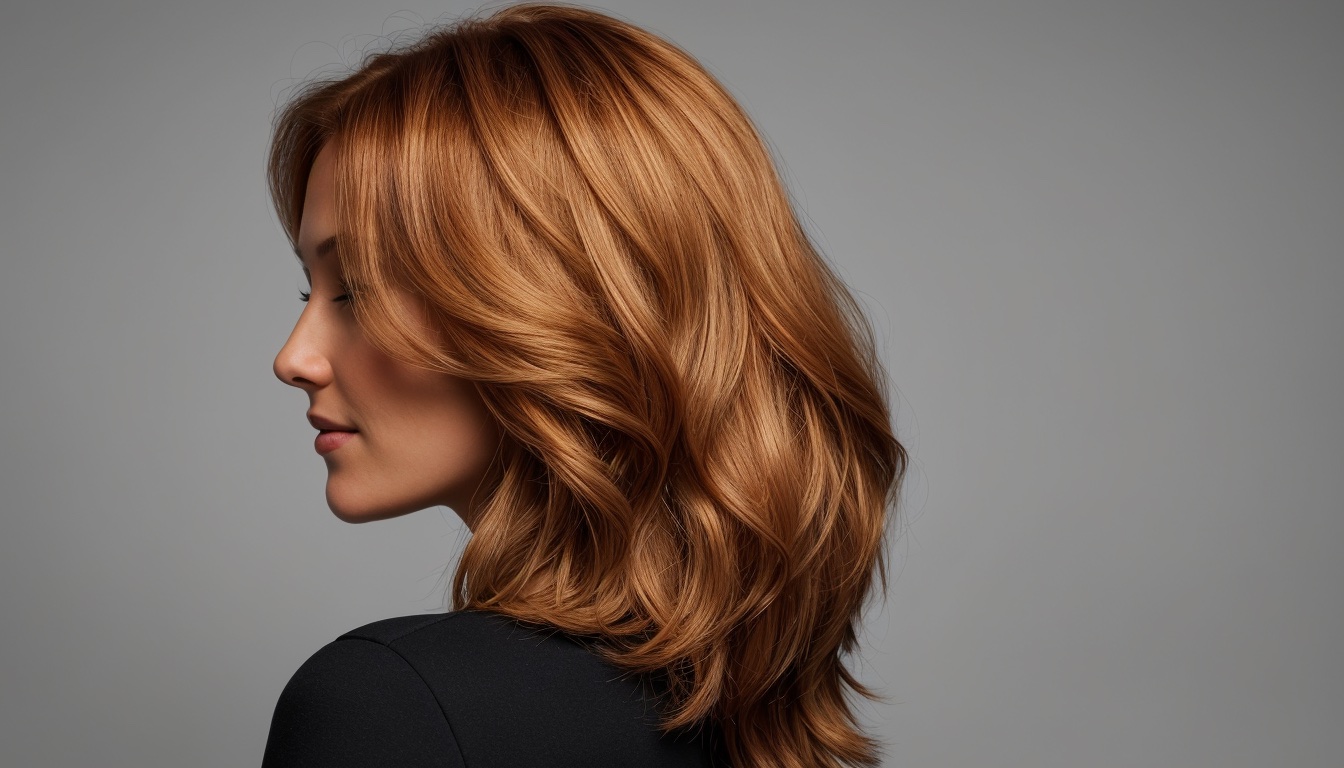
The hair industry constantly evolves, bringing fresh perspectives on classic styles while introducing entirely new cutting techniques that transform how women express themselves through their hair. This year’s trending hairstyles break traditional boundaries, mixing textures, lengths, and colors in unexpected ways that create stunning results. Whether you prefer dramatic changes or subtle updates, the current hair trends offer something spectacular for every woman seeking a fresh look.
Professional stylists worldwide report seeing dramatic shifts in what their clients request, moving away from high-maintenance styles toward cuts that look effortlessly chic with minimal styling time. The focus has shifted to hair health and natural texture, with cuts designed to work with your hair’s natural movement rather than against it. Women want styles that transition seamlessly from work meetings to weekend adventures without requiring hours of preparation each morning.
The following sections break down this year’s most sought-after hairstyles, from bold pixie cuts to flowing long layers, examining what makes each style special and how to determine which trends will work best for your unique hair type and lifestyle. We’ll analyze the specific techniques creating these looks, the styling products transforming how we care for our hair, and practical tips for discussing these trends with your stylist to achieve exactly the results you envision.
What Makes a Hairstyle Trendy This Year
The definition of trendy has undergone a complete transformation, with social media platforms and celebrity stylists no longer being the only influences shaping what women request at salons. Current trends prioritize versatility and personalization over one-size-fits-all approaches, allowing each woman to adapt popular styles to suit her individual features and preferences.
Current Texture Trends
Texture reigns supreme in today’s hair world, with stylists using razors, point-cutting techniques, and specialized texturizing shears to create movement within cuts. The goal isn’t perfectly smooth strands anymore – instead, women want piecey, separated sections that move independently and catch light differently throughout the day. This shift toward textured styles means even straight hair gets cut with techniques that add dimension and prevent that flat, lifeless appearance many women struggle with.
Natural hair textures finally receive the celebration they deserve, with curly and wavy patterns being enhanced rather than straightened or altered. Stylists now receive specialized training in cutting different curl patterns, understanding how each texture behaves when wet versus dry, and creating shapes that showcase natural beauty rather than fighting against it.
Popular Cutting Techniques
The cutting methods creating these trendy looks differ significantly from traditional approaches. Stylists increasingly use slide cutting, where scissors glide along the hair shaft to create soft, feathered edges that blend seamlessly. This technique produces movement without creating harsh lines or obvious layers that require constant maintenance.
Channel cutting has gained popularity for adding texture to thick hair without removing excessive bulk. By creating channels within the hair’s interior layers, stylists maintain length while reducing weight, allowing styles to move more freely. Point cutting continues dominating for creating soft, lived-in edges that grow out beautifully without developing obvious demarcation lines.
Color Combinations Gaining Popularity
Hair color trends have shifted toward dimensional, multi-tonal approaches that mimic how sun naturally lightens hair. Gone are the days of uniform, single-process colors – women now request complex color stories featuring multiple shades that create depth and visual interest.
Face-framing highlights remain incredibly popular, but the application has evolved. Rather than obvious strips of blonde, colorists paint delicate ribbons of light around the face, creating a brightening effect that flatters every skin tone. The placement varies based on facial features, with colorists customizing where light hits to enhance cheekbones, soften jawlines, or brighten eyes.
Root shadowing techniques allow women to extend time between salon visits while maintaining polished appearances. By intentionally darkening roots and gradually lightening toward ends, colorists create looks that grow out gracefully. Money piece highlights, those bold face-framing sections popularized on social media, continue trending but with softer, more blended approaches.
Length Preferences Shifting
The extremes of very long or very short have given way to versatile medium lengths that offer styling flexibility without overwhelming maintenance requirements. Shoulder-length cuts dominate requests, providing enough length for ponytails and updos while remaining manageable for daily styling. These lengths work particularly well with the textured, layered cuts currently trending.
Micro trends within length preferences show interesting patterns. The Italian bob, sitting just below the chin with minimal layering, offers sophistication without requiring frequent trims. Meanwhile, grown-out pixies that fall somewhere between short and medium provide edgy alternatives for women transitioning between lengths.
Styling Methods Changing
Heat styling has taken a backseat to air-drying techniques and products that enhance natural texture. Women invest in quality leave-in treatments, texture sprays, and lightweight oils rather than spending money on elaborate hot tools. The “wash and go” mentality drives product development, with brands creating formulas that provide hold, definition, and frizz control without requiring blow-drying or flat-ironing.
When heat styling does occur, the approach has changed dramatically. Rather than achieving pin-straight or perfectly curled styles, women use tools to enhance their cut’s natural movement. Diffusers for wavy and curly hair, round brushes for subtle bends, and curling irons used sparingly for face-framing pieces represent the new normal. The perfectly imperfect aesthetic dominates, with slightly undone styles appearing more modern than meticulously styled hair.
Short Hair Trends Taking Over Salons
Short hair has shed its reputation for being limiting or difficult to style, with contemporary cuts offering incredible versatility and requiring surprisingly little daily maintenance. Women discover that shorter lengths actually provide more styling options than expected, from sleek and professional to textured and edgy, all achievable with the same cut styled differently.
The Modern Pixie Evolution
Today’s pixie cuts bear little resemblance to the severe, ultra-short styles of previous decades. Modern interpretations feature longer layers on top that provide styling flexibility while maintaining the classic pixie’s easy-care benefits. Stylists leave strategic length around ears and necklines, creating softer silhouettes that flatter various face shapes rather than requiring perfect bone structure.
The textured pixie has become particularly popular among women wanting short hair without sacrificing femininity. By incorporating choppy layers and piece-y sections throughout, these cuts avoid the helmet-like appearance that made women hesitate about going short. Products designed specifically for short hair, including texturizing powders and light-hold waxes, make achieving that perfectly imperfect pixie easier than ever.
Women with naturally curly or wavy hair finally have pixie options that work with their texture. Curly pixies maintain slightly more length to accommodate shrinkage while incorporating layers that prevent triangle-shaped silhouettes. These cuts require stylists who understand how different curl patterns behave at shorter lengths, ensuring the final result looks intentional rather than grown-out.
Textured Bobs Making Waves
The bob has evolved beyond its traditional blunt-cut origins into countless variations that suit different preferences and hair types. Textured bobs incorporate various layering techniques that remove weight while maintaining the overall shape, resulting in styles that move naturally and require minimal styling effort.
The French bob continues gaining popularity with its chin-length cut and subtle graduation that creates slight stacking at the back. This style works particularly well for fine hair, creating an illusion of thickness through strategic layering. Paired with short, wispy bangs or a deep side part, the French bob offers Parisian chic without requiring extensive styling knowledge.
Micro Bangs Gaining Momentum
Micro bangs, sitting well above the eyebrows, have emerged as the bold statement for women wanting dramatic changes without altering their overall length. These ultra-short fringes work surprisingly well with various face shapes when cut properly, creating an edgy, fashion-forward appearance that turns heads.
The key to successful micro bangs lies in customization. Stylists adjust the width, thickness, and exact length based on forehead size, hairline patterns, and facial features. Some women prefer baby bangs that barely graze the forehead, while others opt for slightly longer versions that hit mid-forehead. The texture also varies – some choose blunt, straight-across cuts while others prefer softer, piece-y edges.
Asymmetrical Cuts Becoming Mainstream
Asymmetry in short hairstyles offers a middle ground between conservative and avant-garde. These cuts typically feature one side slightly or dramatically longer than the other, creating visual interest without requiring bright colors or extreme styling. The asymmetrical bob, where one side grazes the collarbone while the other sits at chin level, provides drama while remaining workplace-appropriate.
Creating successful asymmetrical cuts requires precise technique and regular maintenance to maintain the intended shape. However, many women find the unique silhouette worth the extra salon visits, especially since these cuts make a statement even when styled simply. A quick blow-dry or air-dry with some texturizing product often suffices for daily wear.
The growing acceptance of asymmetrical styles in professional settings has contributed to their popularity. What once seemed too edgy for office environments now appears creative and confident, reflecting changing attitudes about self-expression through appearance.
Styling Tips for Short Trendy Cuts
Short hair styling has become remarkably straightforward with the right techniques and products. The key lies in working with your cut’s intended shape rather than trying to force it into something different each day.
For pixies and very short cuts, start with damp hair and apply a lightweight styling cream or mousse from roots to ends. Use your fingers to tousle and separate sections while blow-drying on low heat, or allow hair to air-dry for a more natural texture. Once dry, warm a tiny amount of wax or pomade between your palms and piece out individual sections for definition.
Bob-length cuts benefit from root-lifting products applied before drying. Whether you prefer sleek and straight or tousled and wavy, the preparation remains similar:
Volume Building: Apply mousse or root lift spray to damp roots
Heat Protection: Use thermal protectant if blow-drying or using hot tools
Texture Addition: Finish with sea salt spray or texture powder for piece-y definition
Hold Without Stiffness: Choose flexible-hold hairsprays that allow movement
The beauty of current short hair trends lies in their adaptability. The same cut can appear polished and professional with smooth styling or edgy and casual with added texture. This versatility makes short hair increasingly appealing to women who previously worried about styling limitations.
Medium Length Styles Leading the Way
Medium length hair offers the perfect balance for women who want styling versatility without the commitment of very long or very short styles. This year’s medium length trends focus on movement, texture, and effortless styling that looks polished without hours of work. These lengths, typically falling between chin and chest, provide enough weight to prevent excessive volume while remaining light enough for bouncy movement.
Shag Cuts Returning Stronger
The shag has returned with modern updates that make it more wearable and versatile than its 1970s predecessor. Today’s shags feature more controlled layering that creates movement without the extreme volume and maintenance issues of traditional shag cuts. Stylists strategically place layers to frame faces and add dimension while maintaining enough weight to prevent the dreaded triangle shape.
Contemporary shags work beautifully with various hair textures, from pin-straight to tightly curled. For straight hair, the layers create an illusion of natural wave and movement. Wavy hair benefits from the way shag layers enhance natural patterns without creating bulk. Curly-haired women find that modern shag cuts provide shape and definition while preventing the pyramid effect that poorly layered curly hair can develop.
The key difference in modern shags lies in the cutting technique. Rather than uniform layers throughout, stylists create graduated layers that maintain more length around the perimeter while adding shorter pieces through the interior. This approach provides the characteristic shag texture without sacrificing the ability to pull hair back into ponytails or buns when desired.
Wolf Cuts Dominating Social Media
The wolf cut emerged from social media as a hybrid between a shag and a mullet, creating an edgy style that younger women particularly love. This cut features heavy layering on top with maintained length at the back, creating a distinctive silhouette that photographs beautifully from every angle. Despite its dramatic appearance in photos, the wolf cut proves surprisingly wearable in daily life.
Professional stylists have refined the DIY wolf cuts that initially went viral, creating more polished versions that grow out gracefully. The professional approach involves careful consideration of face shape and hair density, adjusting the contrast between short and long sections accordingly. Fine hair might require less aggressive layering to maintain body, while thick hair can handle more dramatic differences in length.
The styling flexibility of wolf cuts contributes to their popularity. With minimal effort, the cut air-dries into a perfectly tousled style. For more polished looks, a round brush and blow dryer create smooth, face-framing layers. The inherent texture means even unstyled wolf cuts look intentionally piece-y rather than messy.
Collarbone Cuts with Movement
The collarbone cut, also called the “clavicut,” hits right at the collarbones, creating a universally flattering length that elongates necks and highlights facial features. This length has become the sweet spot for women transitioning from long to shorter styles or growing out bobs. The focus on movement within these cuts prevents them from appearing heavy or dated.
Stylists achieve movement in collarbone cuts through various techniques. Long layers that start around the chin create flow without sacrificing thickness at the ends. Point cutting adds texture to the perimeter, preventing blunt edges that can appear severe. Internal layers remove bulk from thick hair while maintaining the overall shape.
Color placement enhances movement in collarbone cuts. Strategically placed highlights catch light as hair moves, creating dimension that makes even simple styles appear complex. Balayage techniques work particularly well at this length, with the hand-painted highlights creating natural-looking dimension that requires minimal maintenance.
Layered Lobs with Texture
The lob (long bob) continues its reign as one of the most requested cuts, but this year’s versions feature more texture and layering than previous iterations. Instead of the blunt, one-length lobs that dominated past trends, current styles incorporate subtle layers that add movement while maintaining the classic lob silhouette.
These textured lobs work exceptionally well for women with fine hair seeking volume without sacrificing length. The layers create an illusion of thickness while the overall length provides weight that prevents excessive fluffiness. Stylists often incorporate subtle graduation at the back, creating gentle stacking that adds body without obvious layering.
For thick hair, layered lobs remove excess bulk while maintaining a polished appearance. The layers are typically concentrated through the interior of the cut, preserving the clean perimeter line that makes lobs so sophisticated. This internal layering allows thick hair to move more freely while preventing the mushroom effect that can occur with one-length cuts on dense hair.
French Girl Hair Inspiration
The effortless French girl aesthetic continues influencing medium-length trends, with cuts designed to look naturally beautiful with minimal styling. These styles typically feature soft layers, natural texture, and lengths that fall somewhere between shoulders and collarbones. The goal is hair that looks casually perfect, as though you simply woke up with gorgeously tousled waves.
Achieving this seemingly effortless look actually requires careful cutting. Stylists create subtle layers that enhance natural texture without creating obvious lines. The perimeter stays relatively soft, avoiding harsh edges that require perfect styling. Bangs, when incorporated, are typically longer and piece-y, designed to be worn swept to the side or casually pushed back.
The French girl approach to hair color influences these cuts as well. Rather than dramatic highlights or bold colors, the preference leans toward subtle dimension that mimics natural sun-lightening. Lived-in color techniques mean roots blend seamlessly, extending time between salon visits while maintaining that effortlessly chic appearance.
Product selection plays a crucial role in achieving French girl hair. Lightweight creams that enhance texture without weighing hair down, sea salt sprays for piece-y definition, and dry shampoos for volume and texture between washes become essential tools. The philosophy centers on enhancing what you naturally have rather than completely transforming your hair’s texture.
Long Hair Trends Breaking Traditional Rules
Long hair no longer means simple, one-length styles that lack personality or movement. This year’s long hair trends incorporate unexpected elements that add interest and reduce the maintenance traditionally associated with lengthy styles. Women with long hair now have options beyond basic trims, with cuts and colors that create dimension and movement throughout their length.
Curtain Bangs with Long Layers
Curtain bangs have become the gateway for long-haired women wanting change without sacrificing length. These face-framing pieces start shorter at the center and gradually lengthen toward the sides, creating a soft frame that flatters virtually every face shape. Unlike traditional bangs that require precise styling, curtain bangs blend seamlessly into layers when pushed to the sides.
The versatility of curtain bangs makes them particularly appealing. They can be worn parted in the center for that signature curtain effect, swept entirely to one side for an asymmetrical look, or pinned back when you want them out of your face. As they grow, they simply become face-framing layers, eliminating that awkward growing-out phase that deters many women from trying bangs.
Stylists cut curtain bangs differently depending on hair texture. For straight hair, they might use point cutting to create soft, piece-y edges. Wavy and curly hair requires consideration of how much the hair will spring up when dry, often requiring longer initial cuts that account for shrinkage.
Long layers paired with curtain bangs create incredible movement throughout the hair. Starting layers around the collarbone area ensures enough length remains for updos while adding dimension that prevents long hair from appearing flat or lifeless. These layers should blend seamlessly, creating flow rather than obvious steps.
Face-Framing Highlights Techniques
The money piece technique has evolved into more sophisticated face-framing highlight applications that brighten complexions without looking obviously painted-on. Colorists now create subtle ribbons of light that follow the natural way hair falls around the face, resulting in dimension that appears to have developed naturally over time.
The placement of these highlights varies based on individual features. For round faces, highlights might concentrate slightly behind the ear area to create elongation. Square faces benefit from highlights that soften the jawline area. The customization ensures each woman gets highlighting that enhances her best features while looking completely natural.
Beyond traditional blonde highlights, face-framing sections now incorporate various tones. Copper ribbons warm up brunette hair, while rose gold pieces add unexpected dimension to darker shades. The key lies in choosing tones that complement skin undertones while providing enough contrast to create visual interest without appearing striped.
Lived-In Waves and Texture
The perfectly coiffed waves of previous years have given way to lived-in textures that look like you’ve spent the day at the beach rather than hours with a curling iron. This trend celebrates imperfection, with waves that vary in size and direction creating a natural, effortless appearance that actually requires strategic cutting and styling.
Creating lived-in waves starts with the cut itself. Long layers cut at various angles ensure hair bends and moves differently throughout, preventing uniform waves that look too perfect. Stylists might use razoring techniques on certain sections to create pieces that naturally flip or wave differently from surrounding hair.
The styling approach for lived-in waves focuses on enhancing natural texture rather than creating it from scratch:
Prep Work: Apply texture spray or mousse to damp hair for hold and definition
Sectioning Strategy: Twist random sections while drying to encourage natural wave patterns
Heat Styling: If using hot tools, vary the direction and size of waves for natural-looking results
Finishing Touches: Scrunch out curls and separate waves with fingers for that piece-y, lived-in effect
Product Selection: Choose salt sprays and texture mists over heavy creams that weigh waves down
Modern Interpretations of Classic Cuts
Classic long hairstyles receive contemporary updates through unexpected elements that maintain sophistication while adding edge. The traditional long layers get interrupted with shorter, face-framing pieces that create movement. Blunt cuts incorporate hidden layers that maintain the strong perimeter while adding interior movement.
The U-shaped cut has emerged as a modern alternative to traditional V-shaped or straight-across cuts. This shape creates a soft curve at the back that looks beautiful when hair is worn straight or waved. The curve also helps hair sit better when pulled forward over shoulders, preventing that stringy appearance that straight-across cuts can develop.
Disconnected layers represent another modern approach to long hair. Rather than seamlessly blended layers, stylists intentionally create distinct length differences that add drama and movement. These work particularly well for thick hair that needs bulk removed without sacrificing overall length.
Low-Maintenance Long Styles
The demand for beautiful hair that doesn’t require daily heat styling has driven development of cuts specifically designed to air-dry beautifully. These styles work with natural texture and growth patterns, ensuring hair looks intentional even when styled minimally.
For naturally straight hair, long layers with subtle graduation create movement that prevents the flat, limp appearance that can plague lengthy straight hair. Strategic thinning removes bulk from areas prone to heaviness while maintaining fullness where needed. The result is hair that air-dries with gentle movement rather than hanging completely straight.
Wavy and curly long hair benefits from cuts that consider how each section will dry naturally. Stylists might cut certain areas shorter to prevent bulk accumulation or leave strategic weight in areas that tend to lose curl pattern. This customization means hair forms attractive patterns when air-dried rather than requiring extensive manipulation.
The investment in quality hair care products has become central to low-maintenance long styles. Leave-in treatments that provide moisture without weight, protective serums that prevent frizz, and lightweight oils that add shine without greasiness allow women to achieve polished looks without heat styling. These products work with well-executed cuts to create styles that look professionally done with minimal effort.
How to Choose Your Perfect Trendy Style
Selecting the right trendy hairstyle involves more than simply choosing what looks good in magazines or on social media influencers. Your perfect style should complement your features, work with your natural hair characteristics, fit your lifestyle, and make you feel confident every single day.
Face Shape Considerations
While face shape shouldn’t dictate your hairstyle choices entirely, understanding how different cuts interact with your features helps you make informed decisions. The goal isn’t following rigid rules but rather understanding which elements create the visual effects you want to achieve.
Oval faces enjoy the most flexibility, with virtually any trending style working well. However, this doesn’t mean every cut will be equally flattering. Consider your best features – perhaps stunning cheekbones that deserve highlighting with face-framing layers, or beautiful eyes that would pop with curtain bangs drawing attention upward.
Round faces benefit from styles that create vertical lines and angles. This doesn’t mean avoiding all rounded shapes, but rather incorporating elements that elongate. Long layers starting below the chin, side-swept bangs rather than straight-across cuts, and height at the crown all create lengthening effects. The modern shag, with its crown volume and face-framing layers, works beautifully for round faces.
Square faces often look incredible with styles that soften angular jawlines. Layers that hit at or below the jawline, wispy bangs that break up forehead width, and waves or curls that create curved lines all provide softening effects. The wolf cut, with its heavily textured layers and movement, offers an edgy option that balances strong bone structure.
Heart-shaped faces typically want to balance a wider forehead with a narrower chin. Chin-length or longer styles with fullness at the bottom work wonderfully. Side-swept bangs or curtain bangs help minimize forehead width while drawing attention to eyes and cheekbones. The collarbone cut with subtle layers provides ideal proportions for heart-shaped faces.
Hair Texture Matching
Your natural hair texture should guide your style choice, as working with your hair’s inherent characteristics always yields better results than fighting against them. Each trending style can be adapted for different textures, but some naturally suit certain hair types better than others.
Fine hair thrives with cuts that create an illusion of thickness and volume. Blunt or slightly graduated cuts maintain density at the ends, preventing stringy appearances. The French bob or textured lob provides body without requiring the extensive layering that can make fine hair appear thinner. When choosing longer styles, opt for long layers that start lower rather than short layers throughout.
Thick hair needs cuts that remove bulk strategically while maintaining shape. Internal layering, texturizing techniques, and graduated cuts help manage density without creating mushroom shapes or triangular silhouettes. The shag cut works exceptionally well for thick hair, as its extensive layering removes weight while creating beautiful movement.
Wavy hair looks incredible with cuts that enhance natural movement. Layers should work with your wave pattern rather than disrupting it. The wolf cut and modern shag both complement wavy textures beautifully, while curtain bangs blend seamlessly with natural waves.
Lifestyle and Maintenance Factors
Your daily routine and willingness to style your hair should significantly influence your style choice. Consider honestly how much time you can dedicate to hair care and styling each morning, as well as how often you can realistically visit the salon for maintenance.
Low-maintenance seekers should prioritize cuts that grow out gracefully and air-dry attractively. Lived-in styles with soft layers, natural textures, and seamless color work well for busy lifestyles. The French girl-inspired medium cuts and textured long layers offer style without demanding daily heat styling or frequent salon visits.
If you enjoy styling your hair and have time for daily maintenance, you can consider higher-maintenance options:
Precise Cuts: Asymmetrical bobs, micro bangs, and geometric shapes requiring regular trims
Color-Dependent Styles: Looks that rely on specific color placement for full effect
Texture-Specific Cuts: Styles that need daily heat styling to achieve intended appearance
Statement Lengths: Very short pixies or ultra-long styles requiring special care
Professional Versus Casual Needs
Your work environment and social life should factor into style decisions. While workplace standards have relaxed considerably, some industries still maintain conservative appearance expectations. Understanding your professional requirements helps narrow down appropriate trending options.
Creative industries often celebrate bold, artistic hairstyles. Wolf cuts, asymmetrical styles, and vibrant color combinations might actually enhance your professional image in these environments. These fields often view unique personal style as an asset rather than a liability.
Corporate environments might require more subtle interpretations of trends. The modern bob, polished lob, or long layers with face-framing highlights offer contemporary style while maintaining professionalism. These cuts look equally appropriate in boardrooms and social settings.
Consultation Tips with Stylists
The conversation with your stylist can make or break your happiness with a new style. Arrive prepared with reference photos showing not just the cut you want but also variations demonstrating what you don’t want. This helps stylists understand your vision more clearly.
Discuss your hair’s history honestly. Previous chemical treatments, heat damage, or problematic cuts all affect what’s currently possible. A skilled stylist will explain how to achieve your desired look, whether immediately or through a series of appointments that gradually transform your hair.
Be realistic about your styling abilities and available time. If you struggle with round brushes or never mastered the curling iron, tell your stylist. They can recommend cuts that look great with the styling techniques you’ve already mastered or teach you simple methods for achieving the looks you want.
Ask about maintenance requirements before committing to a cut. Understand how often you’ll need trims, whether the style requires specific products, and what happens as it grows out. This information helps you make informed decisions about whether a trending style fits your lifestyle long-term.
Communication about color is equally important. Discuss how often you’ll need touch-ups, whether the color technique will damage your hair type, and what happens if you decide to change the color later. Understanding the full commitment helps prevent disappointment and unexpected expenses.
Your Hair Journey Forward
Finding your perfect trendy hairstyle isn’t about following every new trend that appears on social media or copying exactly what celebrities wear. Your ideal style combines elements from current trends with your individual features, lifestyle, and preferences to create something uniquely yours. The trending styles this year offer unprecedented flexibility and customization options, ensuring every woman can find a flattering, manageable cut that makes her feel confident and beautiful.
Take time to honestly assess what you want from your hair before making dramatic changes. Consider scheduling a consultation with a stylist before your actual appointment to discuss possibilities and develop a plan. Sometimes achieving your dream style requires growing out certain sections or addressing damage first. Professional guidance helps you reach your goals efficiently while maintaining healthy, attractive hair throughout the process. Whether you choose a bold pixie, flowing layers, or anything in between, the key lies in selecting a style that genuinely reflects who you are while incorporating contemporary elements that keep your look fresh and current.
Frequently Asked Questions
Q: How often should I trim my hair to maintain trendy styles?
A: Short styles like pixies and bobs typically need trimming every 4-6 weeks to maintain their shape. Medium lengths can stretch to 6-8 weeks between appointments, while long layered styles might only need attention every 8-12 weeks. The specific timeline depends on how quickly your hair grows and how precisely you want to maintain the original cut.
Q: Can I achieve trendy hairstyles with damaged or chemically treated hair?
A: Many trending styles actually work well with damaged hair, as texture and movement can disguise imperfections. However, severely damaged hair might need treatment before attempting certain cuts. Consult with a stylist who can assess your hair’s condition and recommend appropriate styles or necessary treatments before cutting.
Q: What’s the difference between a wolf cut and a shag cut?
A: While both feature heavy layering, the wolf cut has more dramatic contrast between short layers on top and maintained length at the back, creating an edgier silhouette. The shag typically has more evenly distributed layers throughout, creating volume and texture without the mullet-inspired elements of the wolf cut.
Q: Will curtain bangs work with my cowlick?
A: Curtain bangs can actually work beautifully with cowlicks when cut properly. A skilled stylist will work with your natural growth patterns, potentially adjusting the bang placement or cutting technique to accommodate the cowlick. Sometimes the natural lift from a cowlick creates perfect volume in curtain bangs.
Q: How do I know if my face is too round for short hair?
A: No face is “too round” for short hair – it’s about choosing the right short style. Asymmetrical cuts, side-swept elements, and styles with height at the crown all flatter round faces. Avoid chin-length bobs with no layers or very short, uniform pixies that might accentuate roundness.
Q: What products do I need for lived-in waves?
A: Start with a good sea salt spray or texture mist for definition, a lightweight leave-in conditioner for moisture, and a flexible-hold hairspray to maintain shape without stiffness. Many women also find dry shampoo helpful for adding grip and volume to create that perfectly imperfect texture.
Q: Can thick hair pull off a blunt bob?
A: Thick hair can absolutely wear a blunt bob, though it usually requires some internal texturizing to prevent a triangular shape. Your stylist might use thinning techniques or hidden layers to remove bulk while maintaining the clean perimeter line that defines a blunt bob.
Q: Should I consider my age when choosing trendy hairstyles?
A: While personal preference matters most, certain adaptations might be flattering as we mature. Softer variations of edgy cuts, strategic color placement to brighten complexions, and styles that add volume where hair might be thinning all help trending styles work beautifully at any age.

