

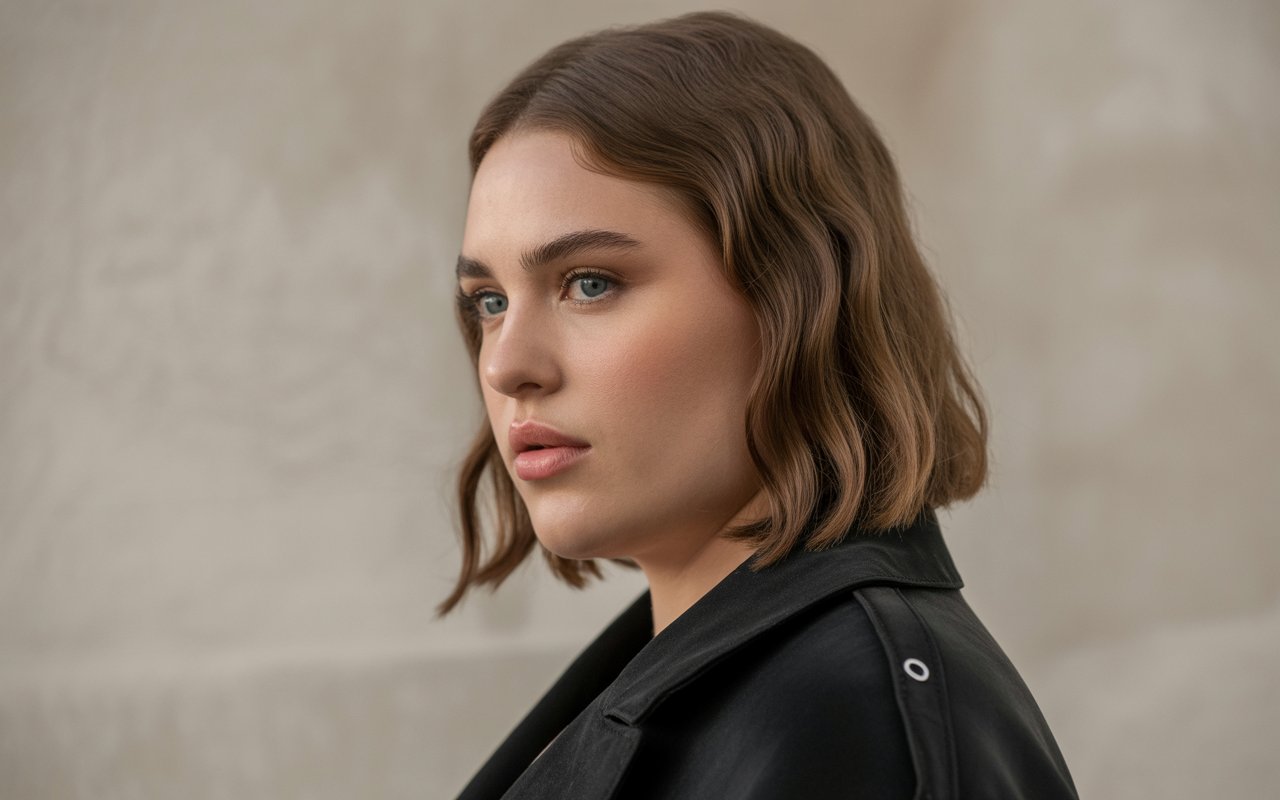
Finding the right hairstyle can feel challenging for women with round chubby faces. The goal is to create balance and add length to your facial features. Medium-length hair offers the perfect canvas for achieving this. It’s long enough to create vertical lines that slim your face, yet manageable enough for everyday styling.
Round faces have soft curves and equal width and length proportions. Your cheeks are fuller, and your jawline is gently rounded rather than angular. These features give you a youthful appearance, but selecting the wrong cut can emphasize width instead of creating the elongating effect you want. The right medium-length style works to frame your face while drawing attention downward.
We’ve selected seven flattering medium-length hairstyles that work beautifully for round chubby faces. Each option creates dimension and length in different ways. Some use layers, others rely on angles or texture. You’ll find styles ranging from sleek and polished to relaxed and textured.
Long Bob (Lob)
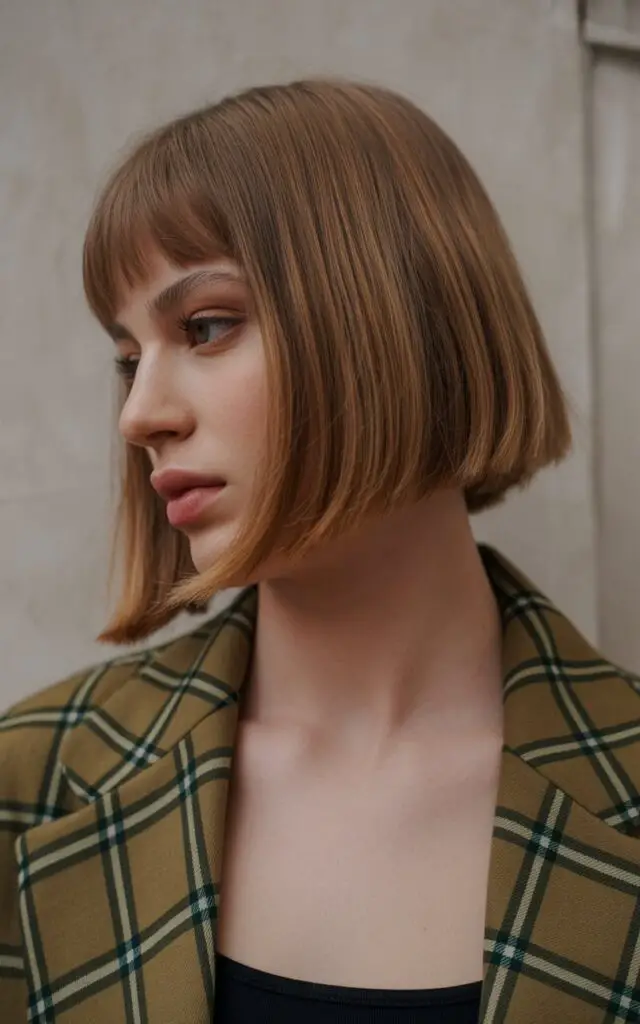
This shoulder-grazing cut sits right at your collarbone and creates a sleek, sophisticated look. The length works perfectly because it draws the eye downward along your face rather than across it. You can wear it straight for a polished appearance or add gentle waves for more texture.
Why It Works
The lob creates vertical lines that make your face appear longer. The cut typically falls between your chin and shoulders, hitting at the perfect spot to slim your features. Unlike shorter bobs that can emphasize width, this length moves past the widest part of your face.
Styling Options
You have flexibility with how you style it. A center part adds height at the crown, which elongates your face shape. Side parts create asymmetry that prevents your face from looking too circular. Adding volume at the roots gives extra lift that draws attention upward.
Best Hair Types
This cut works well for most hair textures. Straight hair shows off the clean lines beautifully. Wavy hair adds natural movement without much effort. Fine hair benefits from the blunt ends that create the illusion of thickness. Thick hair may need some internal layering to prevent bulk.
Here are some variations you might consider:
Sleek Straight Lob: Blow-dry smooth for a professional, polished appearance that works for any occasion.
Textured Lob: Add beach waves using a curling iron for a relaxed, casual vibe perfect for everyday wear.
Layered Lob: Request subtle internal layers to reduce weight and create movement without losing the overall shape.
Use a round brush while blow-drying to add volume at the roots. Apply a smoothing serum to the ends for a glossy finish. The lob requires regular trims every 6-8 weeks to maintain its shape and prevent split ends from disrupting the clean line.
Layered Medium Cut with Face-Framing Layers
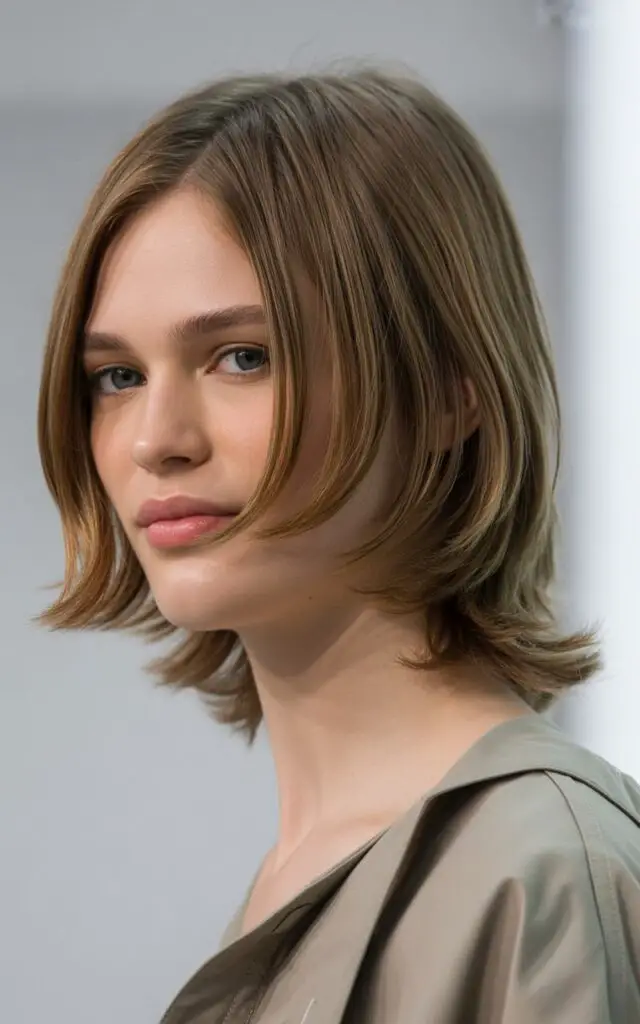
Layers that start below your chin create beautiful movement while flattering your face shape. This versatile style allows you to customize the amount of layering based on your hair thickness and texture preferences.
Understanding the Cut
Face-framing layers begin around your jawline and cascade down through the rest of your hair. The layers closest to your face are the shortest, gradually blending into longer pieces at the back. This creates dimension that draws the eye vertically down your face.
Maintenance Requirements
Plan for salon visits every 8-10 weeks to keep the layers fresh and prevent them from growing out unevenly. Between appointments, use a texturizing spray to enhance the layered effect. A curling iron can add definition to specific pieces around your face.
What makes this cut special? The layers create shadow and depth that prevent your hair from looking flat or one-dimensional. They add volume where you want it while keeping the sides sleeker. You control how dramatic the layers are based on your comfort level.
Color Considerations
Highlights or balayage work beautifully with layers. The color placement emphasizes the dimension created by the cut. Lighter pieces around your face brighten your complexion and draw focus to your eyes. Darker tones underneath add depth and make the layers more noticeable.
Apply a volumizing mousse to damp hair before blow-drying. Use your fingers to scrunch the layers as your hair dries. This creates natural texture without looking overly styled. For a more polished look, blow-dry smooth with a round brush, curling the ends slightly inward or outward depending on your preference. The inward curl creates a classic, feminine finish while the outward flip gives a more modern, playful vibe.
Medium Shag Haircut
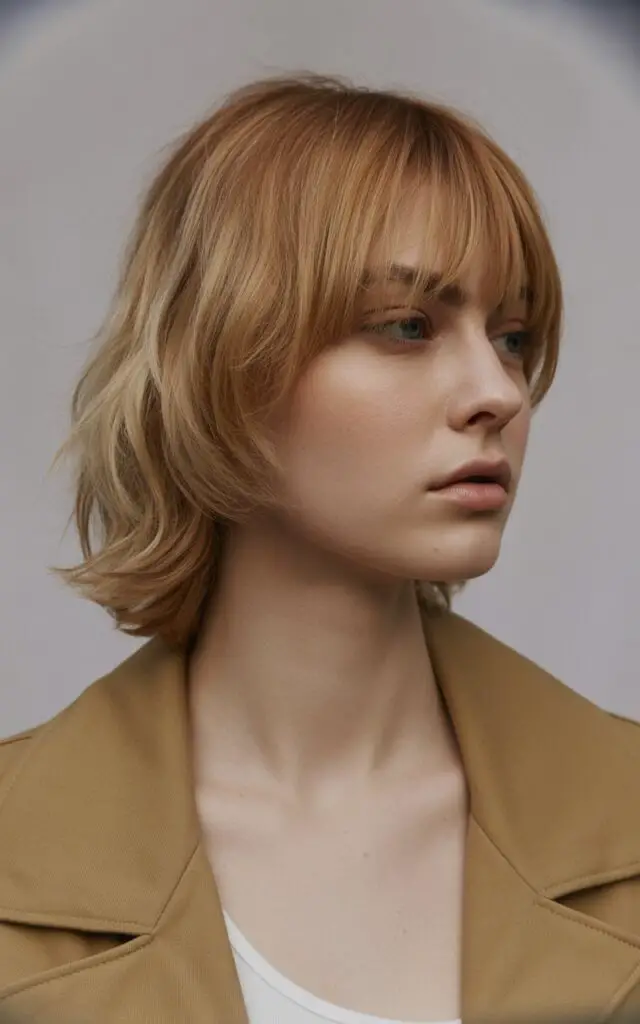
The shag haircut has made a comeback with updated techniques that make it more wearable for modern women. This heavily layered style creates tons of texture and movement that works beautifully for round faces.
Choppy layers throughout your hair create a piecy, textured appearance. The layers are more disconnected than traditional cuts, giving you that effortlessly cool look. Hair is typically shorter around the crown and gradually lengthens as it moves down, creating an inverted triangular shape.
Texture Is Everything
The shag relies on texture to create its signature look. Smooth, pin-straight hair won’t show off the cut properly. You need some natural texture or willingness to style it with products and tools. The messier, the better with this style.
Styling Approach
Wake up and go is practically the motto for shag haircuts. Apply a sea salt spray to damp hair and scrunch with your hands. Let it air-dry for maximum texture. The imperfect, lived-in quality is part of its appeal.
Does the shag work for all hair types? Fine hair gains volume and body from the layers. Thick hair gets thinned out and becomes more manageable. Wavy hair looks amazing because it naturally creates the textured finish the cut needs.
Consider these styling products:
Texturizing Spray: Creates grit and separation between layers for that piecy, undone appearance.
Dry Shampoo: Adds volume at the roots and absorbs oil on second or third-day hair.
Light Pomade: Defines individual pieces and controls flyaways without making hair look greasy or heavy.
The shag requires minimal daily styling but needs regular trims every 6-7 weeks. The layers can quickly lose their shape as they grow out, and the cut depends on those choppy ends to maintain its edgy character. Invest in a good texturizing product to enhance the natural movement.
Wolf Cut
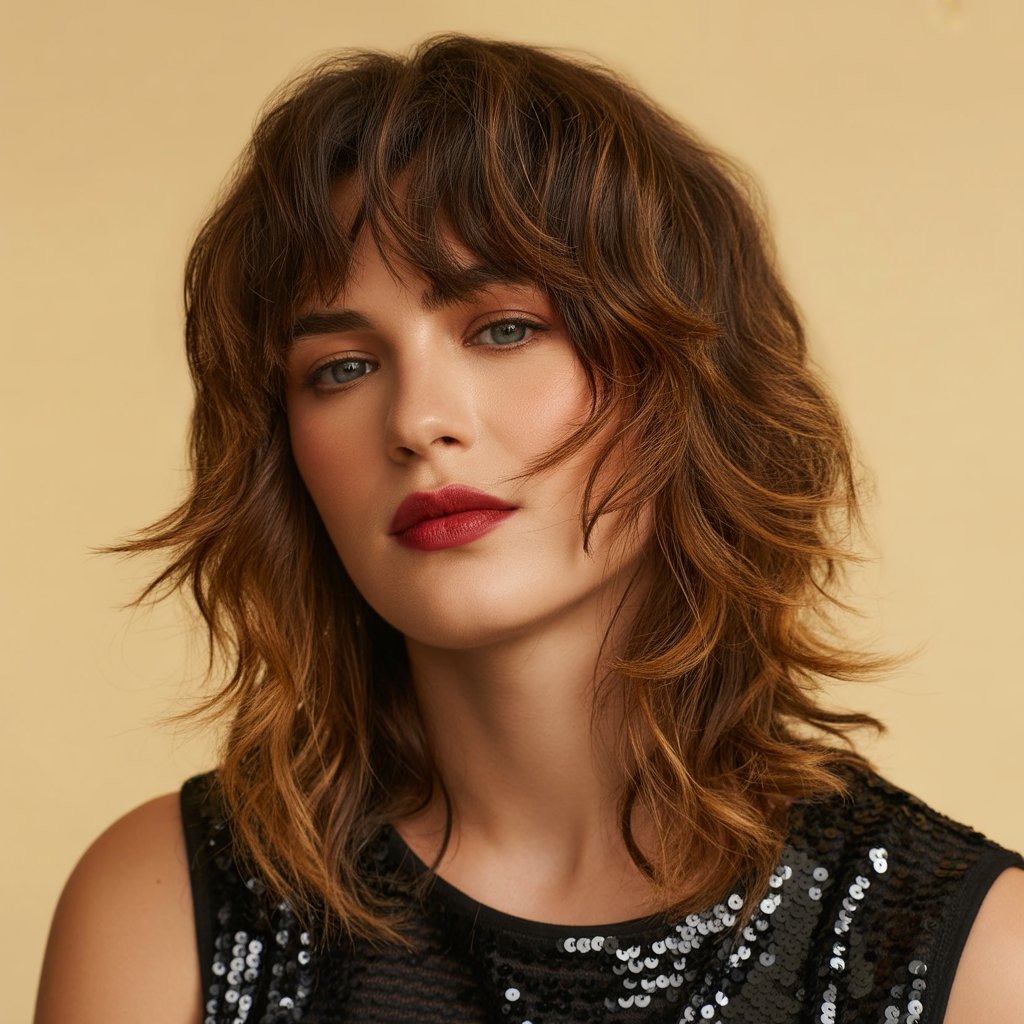
This modern style combines elements of the shag with a mullet-inspired silhouette. The result creates dramatic layers that add serious volume at the crown while keeping length at the back.
Structure Breakdown
Shorter layers frame your face starting around your cheekbones or chin. The top section has significant volume and texture. Length at the back creates that signature mullet shape, but in a softer, more feminine way than the 1980s version.
You’ll notice immediate lift at your crown. This height creates the vertical line that makes your face look longer and narrower. The shorter face-framing pieces draw attention to your cheekbones rather than the fullness of your cheeks.
Who Should Try It
This cut makes a bold statement. You need confidence to pull it off because people will notice your hair. It’s not a subtle, blend-into-the-background kind of style. If you enjoy standing out and trying trendy looks, the wolf cut could be perfect for you.
Daily Styling
Blow-dry your hair upside down to maximize volume at the roots. Use a texturizing spray throughout for grip and separation. The cut looks best with some natural wave or bend, so either work with your natural texture or use a curling iron on random sections.
How do you make it work for formal occasions? Pull the top section into a half-up style while leaving the bottom down. This tames the volume slightly while still showing off the layers. Add a sleek center part for a more polished appearance.
Curtain bangs pair beautifully with the wolf cut. They blend seamlessly into the shorter face-framing layers and add extra emphasis to the vertical lines around your face. Request them if you’re comfortable with having fringe to style each day.
Angled Bob
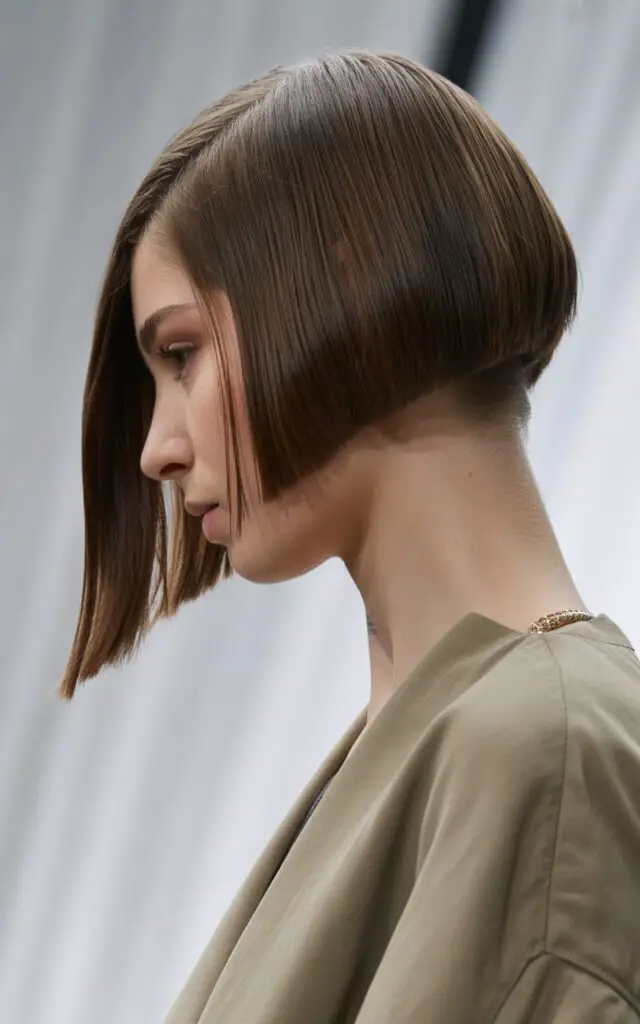
An angled bob features shorter hair at the back that gradually lengthens toward the front. This creates a diagonal line that’s incredibly flattering for round faces.
The angle creates asymmetry that prevents your face from appearing too symmetrical and round. Longer pieces in front draw the eye down along your jawline and neck. The shorter back adds height at your crown for vertical lift.
Length Variations
Some angled bobs are dramatically different in length from back to front. Others have a gentler slope. Discuss with your stylist how extreme you want the angle to be. A more dramatic angle makes a stronger visual impact. A softer angle is easier to maintain and style daily.
Parting Matters
A deep side part enhances the asymmetrical quality of the cut. It creates volume on one side that offsets the roundness of your face. The hair sweeping across your forehead adds diagonal movement that breaks up circular lines.
Can you wear this cut with different textures? Absolutely. Straight hair shows off the crisp, clean angle beautifully. Wavy hair adds softness and romance while still maintaining the overall shape. Curly hair needs careful styling to keep the angle visible, but it can work.
Style variations to try:
Sleek and Straight: Use a flat iron to create sharp, geometric lines that emphasize the angle.
Soft Waves: Add gentle bends with a curling iron for a more relaxed, approachable look.
Tucked Behind Ear: Tuck the shorter side behind your ear to show off the angle and create even more asymmetry.
The angled bob grows out gracefully. As the back gets longer, you can transition to a lob if you decide you want more length. This makes it a low-risk option for women nervous about committing to a specific style long-term.
Medium Length with Side-Swept Bangs
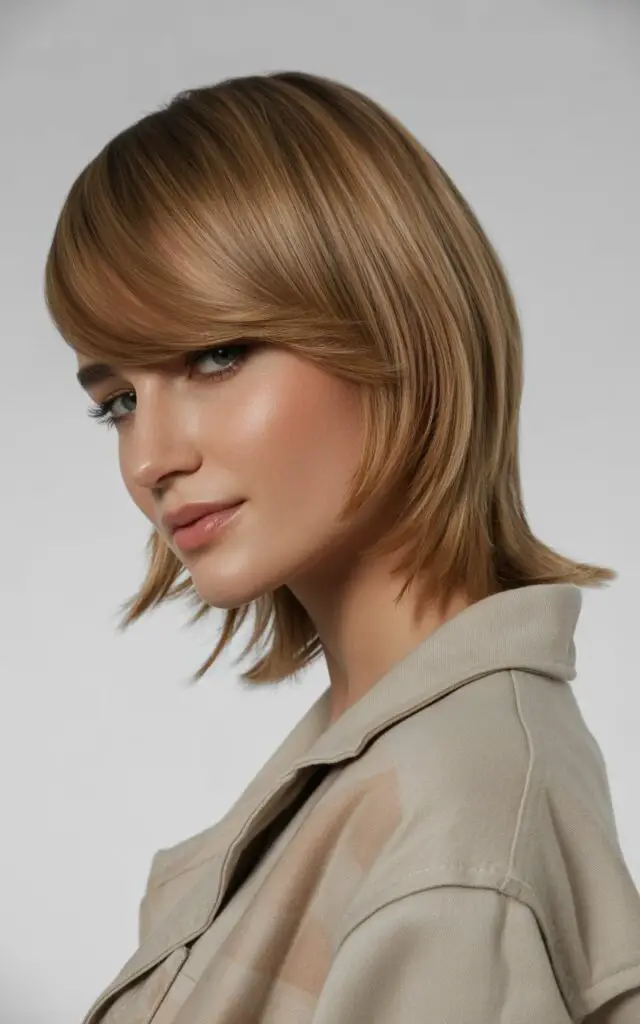
Adding side-swept bangs to your medium-length hair creates instant face-slimming effects. The diagonal line of the bangs draws the eye across and down your face rather than emphasizing width.
Bangs that sweep to the side create asymmetry. Your face no longer looks perfectly round because there’s movement and direction pulling attention away from the circular shape. The bangs also partially cover your forehead, which can make your face appear narrower.
Bang Length Options
Longer bangs that reach past your cheekbone create a dramatic sweep. They blend into the rest of your hair more seamlessly. Shorter bangs that hit around your eyebrow create more contrast and make a bolder statement. Test different lengths to see what feels comfortable.
Maintenance Commitment
Bangs require regular trims every 3-4 weeks. They grow quickly and can become annoying when they fall into your eyes. You’ll also need to style them daily. Most women blow-dry bangs using a round brush to create the sweep and prevent them from lying flat.
How do you deal with cowlicks? Work with your natural hair growth pattern rather than fighting it. If your hair naturally wants to sweep right, style your bangs that way. Fighting against a strong cowlick creates frustration and wastes time.
Pair your side-swept bangs with medium-length layers for maximum flattering effects. The layers continue the diagonal movement that the bangs create. Avoid blunt, one-length hair below the bangs because it creates horizontal lines that work against your face shape.
Use a small amount of smoothing cream when styling your bangs to prevent frizz and flyaways. A light mist of hairspray keeps them in place throughout the day. On humid days, you might need to touch them up midday with a small round brush and your blow dryer.
Textured Beach Waves
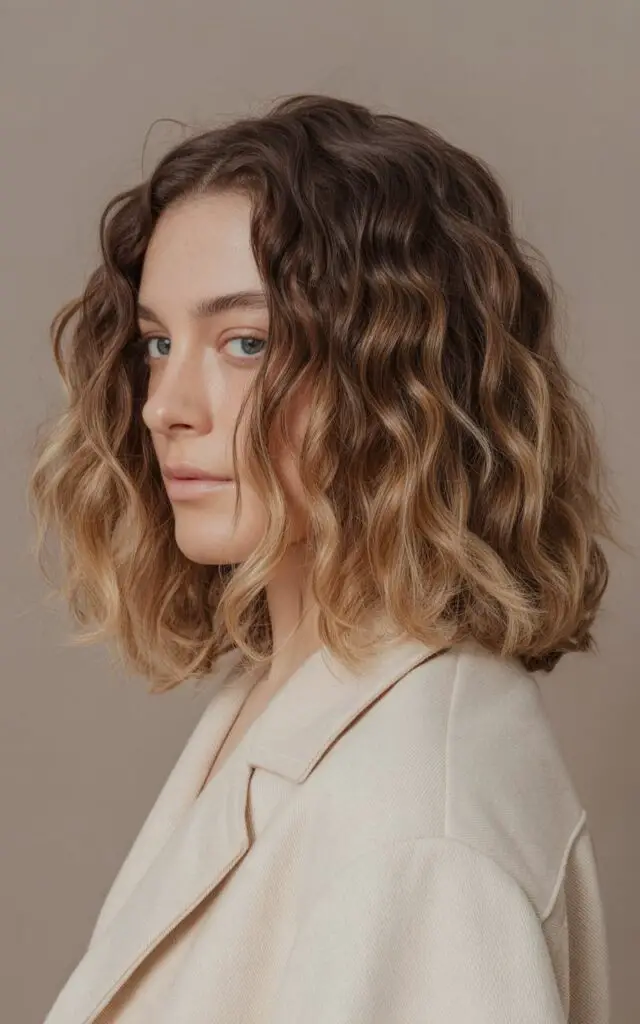
Medium-length hair with relaxed, textured waves creates beautiful movement that flatters round faces. The waves add width below your jawline where you want it while keeping the crown area lifted.
Wave Technique
Create waves using a curling iron, but don’t make them perfect and uniform. Alternate the direction you wrap the hair around the barrel. Leave the ends out for a more modern, undone look. The imperfection is what makes beach waves work.
Part your hair slightly off-center for the most flattering effect. A center part can work but may emphasize symmetry. The off-center part creates subtle asymmetry that helps minimize roundness. Add volume at the roots by backcombing slightly or using a volumizing powder.
Product Selection
Sea salt spray gives you that gritty, textured finish that mimics actual beach hair. Apply it to damp hair before styling or spray it on dry hair to refresh waves on day two or three. Don’t overdo it though, because too much product makes hair look dirty and crunchy.
What if your waves fall flat by midday? Mist your hair with water mixed with a bit of sea salt spray in a spray bottle. Scrunch the sections that have lost their shape. The moisture reactivates the product and brings the waves back to life.
Consider these wave variations:
Tight Waves: Create more defined S-shaped waves for formal events or when you want a polished appearance.
Loose Waves: Make gentle bends that are barely there for an extremely natural, effortless look.
Mixed Textures: Combine both tight and loose waves throughout your hair for dimension and interest.
Beach waves work for all hair types with the right approach. Fine hair needs product for hold and grip. Thick hair may need to be curled in smaller sections to make sure the waves actually form. Naturally wavy hair just needs enhancement rather than creation from scratch.
Your Perfect Medium-Length Match
Medium-length hairstyles give you the perfect balance between manageability and versatility. You have enough length to create the vertical lines that slim your face, but you’re not dealing with the weight and daily maintenance that long hair requires. Each of the seven styles we’ve covered approaches face-flattering from a different angle.
Think about your lifestyle and styling preferences before choosing. The lob and angled bob offer sleeker, more polished options that work well in professional settings. The shag and wolf cut give you edgier, more textured looks that show personality. Side-swept bangs and beach waves add dimension through styling rather than relying solely on the cut. Select the option that matches both your face shape goals and your daily routine. You’ll look and feel your best when your hairstyle works with your life rather than against it.
Frequently Asked Questions
Q: Can I wear my hair in a center part with a round face?
A: Yes, a center part can work well if you add height at the crown. Use volumizing products or tease the roots slightly. The vertical line created by a center part actually helps elongate your face. Just make sure you have enough volume on top to offset the symmetry.
Q: How often should I trim medium-length hair to maintain the shape?
A: Plan for trims every 6-8 weeks for most medium-length cuts. Heavily layered styles like shags or wolf cuts may need trims every 5-6 weeks. Regular trims prevent split ends and keep the cut looking fresh and intentional rather than grown-out.
Q: Will straight or wavy hair look better on my round face?
A: Both can work beautifully. Straight hair creates clean, vertical lines that elongate your face. Wavy hair adds texture and volume in flattering places. The key is avoiding styles that add width at the sides of your face, regardless of whether your hair is straight or wavy.
Q: Should I avoid blunt bangs if I have a round face?
A: Blunt, straight-across bangs typically aren’t the most flattering option. They create a horizontal line that emphasizes width. Side-swept or curtain bangs work better because they create diagonal movement and asymmetry that complements your face shape.
Q: Can fine hair pull off layered medium-length styles?
A: Absolutely. Layers add movement and can actually make fine hair appear fuller. Ask your stylist for long layers that start below your chin rather than shorter, choppy layers that might make fine hair look thin and stringy.
Q: How do I add volume at the crown without damaging my hair?
A: Use volumizing mousse on damp roots before blow-drying. Blow-dry your hair upside down or use a round brush to lift at the roots. Velcro rollers in the crown area while your hair cools also create lift. Avoid excessive teasing, which can cause breakage.
Q: What’s the difference between a lob and a regular bob?
A: A lob (long bob) falls between your chin and shoulders, usually hitting around your collarbone. A regular bob typically sits at or above chin length. The lob gives you more length to work with and is generally more flattering for round faces because it extends past the widest part.
Q: How can I style medium-length hair on second or third-day hair?
A: Dry shampoo is your friend. Spray it at the roots to absorb oil and add volume. Refresh waves with a curling iron on just a few face-framing pieces. Pull hair into a half-up style or low ponytail if it needs a break from being down.

