

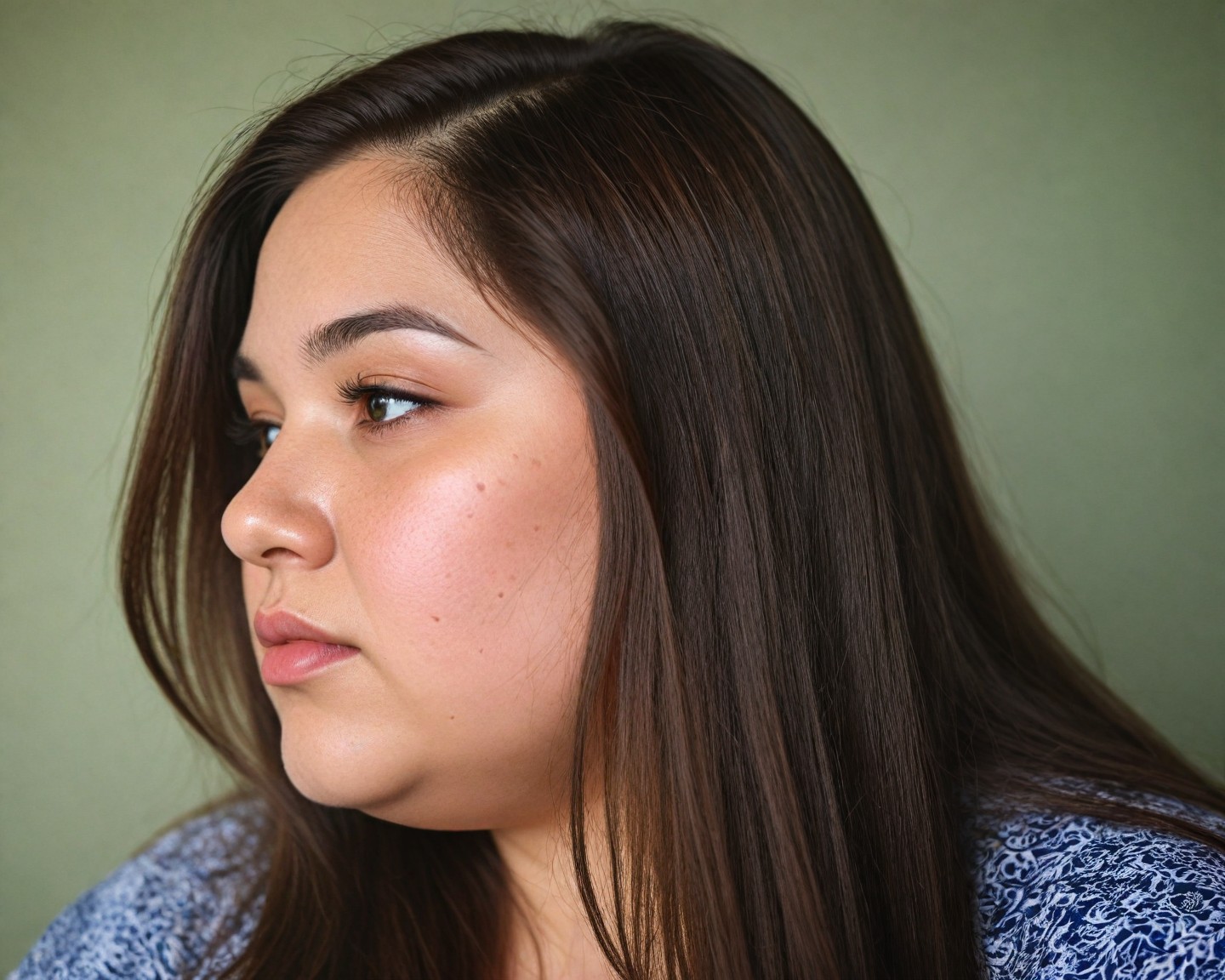
Finding the perfect hairstyle when you have a round face shape can feel like searching for a needle in a haystack. Round faces, characterized by equal width and length with soft curves and full cheeks, often benefit from hairstyles that create the illusion of length and add definition to facial features. Long hairstyles offer particularly versatile options for achieving these flattering effects while providing countless styling possibilities.
The beauty of long hair for round faces lies in its ability to elongate your appearance naturally. Strategic cuts, layers, and styling techniques can transform how your face shape appears, drawing the eye downward and creating more angular lines where desired. Whether your hair is stick-straight, wonderfully wavy, or beautifully curly, the right long hairstyle can enhance your natural features while giving you the confidence that comes from looking your absolute best.
Throughout the following sections, we’ll explore specific techniques for choosing and styling long hair that complements round face shapes perfectly. From understanding exactly what makes certain cuts work better than others to mastering styling methods that create the most flattering silhouettes, you’ll discover practical advice tailored specifically for your face shape. Ready to find your perfect long hairstyle? Let’s get started.
Understanding Your Round Face Shape
Round faces possess a special kind of symmetry that many people find enviable. The width and length of your face measure approximately the same, creating a circular appearance with gentle curves rather than sharp angles. Your cheekbones sit at the widest part of your face, while your jawline remains soft and rounded rather than angular or pointed.
What defines a round face shape?
Identifying whether you truly have a round face shape involves more than just a quick glance in the mirror. Several key characteristics set this face shape apart from others. The forehead and jawline typically share similar widths, creating balance from top to bottom. Your chin appears rounded rather than pointed or square, contributing to the overall circular appearance. The distance from your forehead to your chin equals the distance across your face at its widest point.
Many women mistake oval faces for round ones, but there’s a simple way to tell the difference. Oval faces appear longer than they are wide, with a forehead slightly wider than the chin. Round faces maintain that circular quality with nearly equal measurements in both directions.
How to determine if you have a round face
Want to know for certain if you fall into the round face category? Grab a flexible measuring tape and follow these simple steps. First, measure across your face at the cheekbones, starting and ending at the pointiest part below the outer corner of each eye. Next, measure your forehead at its widest point, typically halfway between your eyebrows and hairline. Then measure your jawline from the tip of your chin to below your ear, multiplying this number by two.
Finally, measure the length of your face from the center of your hairline to the tip of your chin. If your face length and width measurements are similar, and your jawline shows soft curves rather than sharp angles, you likely have a round face shape. This knowledge becomes your secret weapon in choosing hairstyles that flatter your features.
Why certain hairstyles work better
The science behind flattering hairstyles for round faces centers on creating visual length and adding definition. Long hairstyles excel at this because they naturally draw the eye downward, counteracting the circular appearance. Strategic placement of layers, volume, and texture can create the illusion of a more oval-shaped face, which many consider the most versatile face shape for hairstyles.
Hair that falls below the shoulders automatically adds vertical lines to your overall appearance. This lengthening effect becomes even more pronounced when combined with techniques like side parts, face-framing layers, or asymmetrical elements. The goal isn’t to hide your face shape but rather to enhance it by creating balance and proportion.
Common misconceptions about round faces
Several myths persist about styling round faces that need debunking. One widespread belief suggests that women with round faces should avoid any volume whatsoever. In reality, strategic volume placement at the crown can actually elongate your appearance. The key lies in avoiding width-adding volume at the cheeks while focusing on height at the top of your head.
Another misconception claims that round faces can’t wear certain popular styles. This simply isn’t true – with the right adjustments, almost any long hairstyle can work for your face shape. Consider these adjustments your styling toolkit:
Myth-Busting Facts:
- Center parts can work if paired with face-framing layers
- Bangs aren’t off-limits when cut and styled properly
- Curly hair can be incredibly flattering with the right cut
- One-length styles can work with proper styling techniques
The most damaging myth suggests that round faces are somehow less attractive or harder to style. Every face shape has its own unique beauty, and round faces often possess a youthful quality that others try to achieve through makeup and styling tricks. Your soft features create a friendly, approachable appearance that many find appealing.
Understanding your face shape empowers you to make informed choices about your hairstyle. Rather than following generic advice that might not suit your specific features, you can select cuts and styling methods proven to enhance round faces. This knowledge transforms hair appointments from guesswork into strategic decisions.
Length and Layers That Flatter Round Faces
The relationship between hair length and face shape goes deeper than simple aesthetics. For round faces, the right combination of length and layering can transform your entire look, creating dimensions and angles that enhance your natural beauty. Understanding how to manipulate these elements gives you the power to choose styles that make you feel confident and look stunning.
Why length matters for round faces
Long hair naturally creates vertical lines that counteract the circular appearance of round faces. Hair that extends past your shoulders draws the eye downward, creating an elongating effect that many find flattering. This optical illusion works because our eyes follow the flow of hair, perceiving a longer silhouette overall.
The sweet spot for most round faces starts at collarbone length and extends as far as you’re comfortable growing it. Anything shorter than shoulder length tends to emphasize the width of the face, while longer lengths provide more styling versatility. Mid-back length offers perhaps the most options, allowing for updos, braids, and various styling techniques that can further enhance your features.
Consider your lifestyle when choosing your ideal length. Longer hair requires more maintenance but offers greater flexibility in creating different looks. If you’re constantly pulling your hair back for work or activities, factor this into your decision. The good news? Even ponytails and buns can be styled to flatter round faces when you have adequate length to work with.
Your hair’s natural texture also influences how length affects your appearance. Straight hair shows length most dramatically, while curly hair appears shorter due to its spring pattern. Plan accordingly, remembering that curly hair may need extra length to achieve the same visual effect as straight hair.
Best layer placements and types
Strategic layering can make or break a hairstyle for round faces. The most flattering layers typically begin below the chin, avoiding adding width at the cheekbone area. Long, sweeping layers that start around the collarbone create movement without bulk, maintaining the lengthening effect you want.
Face-framing layers deserve special attention. These shorter pieces around your face should start no higher than your lips or chin, angling downward to create diagonal lines. Avoid blunt, horizontal cuts that emphasize width. Instead, ask your stylist for soft, graduated layers that blend seamlessly with the rest of your hair.
Avoid these common layering mistakes:
Layers Too Short: Starting above the jawline adds width
Too Many Layers: Creates unwanted volume at the sides
Blunt Ends: Emphasizes roundness rather than creating flow
Uniform Length: Misses opportunities to add dimension
The technique used to cut layers matters as much as their placement. Point cutting, slide cutting, and razor cutting all create different effects. For round faces, techniques that create soft, wispy ends typically work better than blunt cuts. These softer edges create movement and prevent the hair from forming a circular frame around your face.
How to add vertical lines
Creating vertical lines in your hairstyle involves more than just having long hair. Several techniques can enhance this lengthening effect, starting with how you part your hair. A deep side part creates an asymmetrical look that immediately adds interest and breaks up the roundness. The diagonal line formed by a side part naturally elongates your face.
Subtle layering throughout the length of your hair creates vertical movement. When hair moves in a downward direction rather than outward, it reinforces those lengthening lines. This doesn’t mean your hair needs to be stick-straight – even wavy and curly textures can create vertical lines when cut and styled properly.
Color placement offers another tool for creating vertical lines. Highlights or lowlights placed strategically throughout your hair can draw the eye up and down rather than side to side. Avoid horizontal color placement like obvious roots or stark color blocks at ear level. Instead, opt for techniques like balayage or foiling that create vertical dimension.
What to ask your stylist
Communication with your stylist can make the difference between a good haircut and a great one. Come prepared with photos of styles you like, but also be ready to discuss why certain elements appeal to you. Your stylist can then adapt those elements to suit your specific face shape and hair texture.
Start the conversation by mentioning your face shape and your goals for the cut. Experienced stylists understand how to work with round faces, but expressing your preferences helps them tailor their approach. Ask specifically about layer placement and how they plan to create length and movement in your style.
Don’t hesitate to ask questions about maintenance and styling. A beautiful salon cut means little if you can’t recreate something similar at home. Request a demonstration of basic styling techniques, and ask about products that will help you achieve the look. Understanding your stylist’s vision helps you maintain your style between appointments.
Important questions to cover during your consultation include how the cut will look both styled and air-dried, how often you’ll need trims to maintain the shape, and whether the proposed style works with your natural texture. Be honest about your styling abilities and time constraints. The best haircut for you balances aesthetic goals with practical reality.
Volume placement strategies
Volume placement can dramatically affect how your face shape appears. For round faces, volume at the crown creates height that elongates your overall look. Conversely, volume at the sides of your head adds width exactly where you don’t want it. Understanding this principle helps you make smart decisions about cutting and styling.
Root lift at the crown should be your primary volume focus. This can be achieved through strategic layering, styling techniques, or even subtle chemical texturing in that area alone. The added height draws the eye upward and creates the illusion of a longer face shape. Even a small amount of lift in this area makes a noticeable difference.
The middle sections of your hair should lie relatively flat against your head. This doesn’t mean plastering your hair down unnaturally, but rather avoiding techniques that create outward expansion at ear level. Smooth, sleek styling through the middle sections maintains the vertical lines you’re working to create.
Volume returns as a positive element at the ends of your hair, particularly if those ends fall below your shoulders. Soft waves or curls at this level add movement and interest without widening your face. This lower volume also helps balance any height you’ve created at the crown, resulting in a harmonious overall silhouette.
Styling Techniques for Long Hair with Round Faces
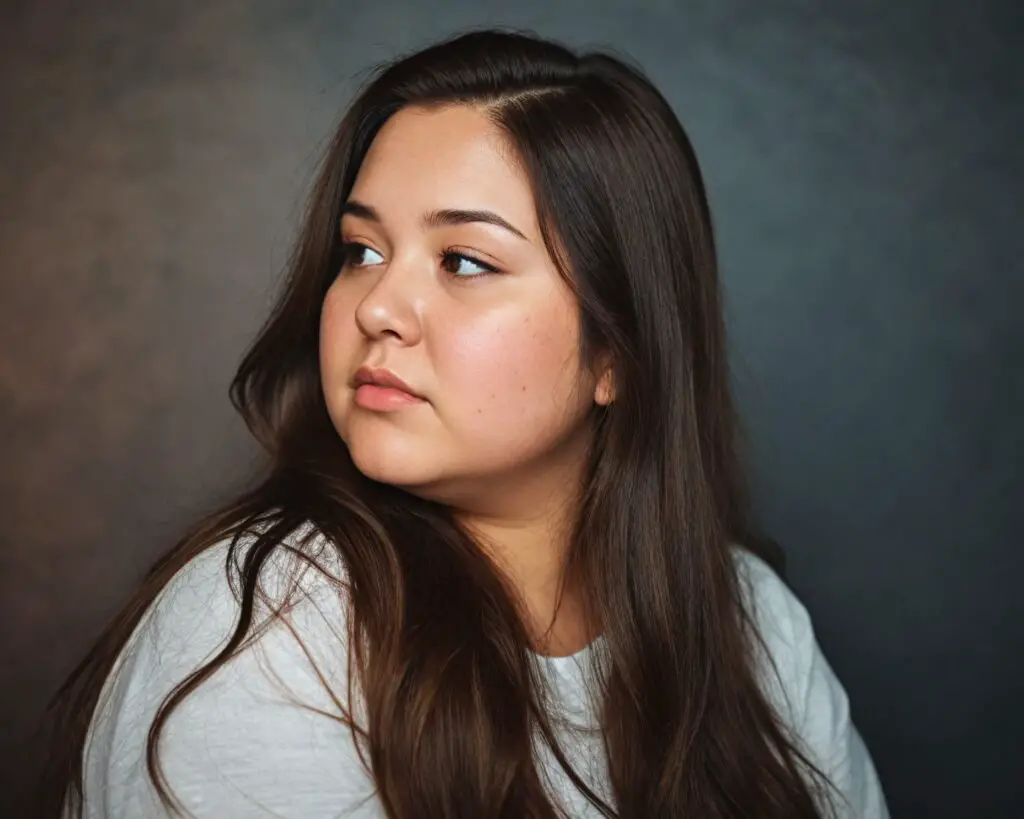
Mastering the right styling techniques transforms a good haircut into a spectacular look that flatters your round face shape perfectly. The way you style your hair daily has just as much impact as the cut itself, making these techniques essential knowledge for anyone wanting to maximize their hair’s potential.
Creating angles with styling tools
Your styling tools become artists’ brushes when you understand how to use them for face-flattering effects. A round brush, when used correctly, can create the slight angles and movement that add definition to round faces. Start by lifting sections of hair at the roots near your crown, directing the airflow from your blow dryer upward to create lift without width.
For those with straight hair, a flat iron offers precision in creating face-flattering angles. Instead of pulling the iron straight down, angle it slightly away from your face as you smooth each section. This technique creates subtle flips and movement that prevent your hair from hanging too close to your face. The key lies in avoiding perfectly straight, flat hair that can emphasize roundness.
Creating soft waves or loose curls below the chin area adds texture and movement that draws the eye downward. Whether using a curling iron, wand, or flat iron to create waves, always direct the curl away from your face. This outward movement creates the illusion of a more angular appearance while keeping the focus on your hair’s length rather than width.
Hot rollers provide another excellent option for adding strategic volume and movement. Place larger rollers at the crown for height, and use medium-sized rollers through the lengths for gentle waves. This method creates lasting volume in the right places while maintaining smoothness through the sides of your style.
Best parting options
The way you part your hair significantly impacts how your face shape appears. While center parts have gained popularity recently, they’re not always the most flattering choice for round faces. A center part can emphasize the symmetry and width of round faces, though this effect can be minimized with the right layering and styling.
Deep side parts create magic for round faces by introducing asymmetry that breaks up the circular appearance. Position your part slightly off-center at first, then gradually move it further to the side until you find your most flattering placement. The diagonal line created by a side part naturally elongates and adds interest to your overall look.
Have you considered a zigzag part? This playful option adds instant volume at the roots while creating visual interest that distracts from face shape. To create one, use the pointed end of a rattail comb to weave back and forth as you separate your hair. The resulting texture and height at the crown provide natural lift exactly where round faces need it most.
Experimenting with different part placements helps you discover what works best for your specific features. Some women find that a part placed directly above the arch of one eyebrow creates the perfect balance. Others prefer an extremely deep part that sweeps dramatic volume to one side. Your ideal placement depends on your hair texture, density, and personal style preferences.
How to add height at the crown
Height at the crown creates the vertical emphasis that round faces need. Several techniques can help you achieve this lifted look without creating unflattering width elsewhere. Start with the basics: always blow-dry your roots in the opposite direction from how you plan to style them. This simple trick creates natural lift that lasts throughout the day.
Root-lifting products applied to damp hair provide the foundation for crown volume. Focus application on the hair growing from the top of your head, avoiding the sides where you want sleekness:
Crown Volume Boosters:
- Mousse applied to roots only
- Volumizing spray concentrated at the crown
- Dry texture spray for instant lift
- Root-lifting powder for targeted volume
Teasing or backcombing, when done correctly, adds lasting height without damage. Take small sections of hair at the crown, hold them straight up, and gently brush downward toward the scalp with a fine-tooth comb. The key word here is “gently” – aggressive teasing leads to tangles and breakage. Smooth the top layer over your teased sections for a polished finish.
Velcro rollers offer a heat-free option for creating crown volume. After blow-drying, place large rollers at your crown while your hair is still warm. Leave them in while you finish your makeup or getting dressed. The cooling process sets the lift, creating volume that lasts. This method works especially well for those with fine or thin hair that struggles to hold volume.
Face-framing techniques
The hair that falls around your face requires special attention, as these pieces most directly affect how your face shape appears. Long layers that begin below the chin create the most flattering frame for round faces. These pieces should angle downward and away from your face rather than curving inward.
When blow-drying face-framing pieces, direct them away from your face using a round brush. This outward movement prevents the hair from clinging to your cheeks and emphasizing width. Even if the rest of your hair has more movement or curl, keeping these front pieces relatively smooth and angled creates a slimming effect.
For special occasions or when you want extra polish, try the “money piece” technique. This involves taking the sections of hair that frame your face and styling them slightly differently from the rest. Perhaps they’re smoother, have a gentle bend away from your face, or feature subtle highlights. This differentiation draws attention to the vertical lines created by these strategic pieces.
Color can enhance face-framing effects. Slightly lighter pieces around your face create dimension and draw the eye to the vertical movement of these layers. Avoid going too light, as stark contrast can create a harsh frame. Instead, aim for colors just a shade or two lighter than your base color for the most natural, flattering effect.
Heat styling tips
Protecting your hair while achieving stunning styles requires smart heat styling practices. For round faces, the goal is creating styles that last without sacrificing hair health. Always begin with a heat protectant spray or serum, paying special attention to the ends of your long hair where damage shows most readily.
Temperature settings matter more than many realize. Fine hair rarely needs temperatures above 300°F, while thick, coarse hair might require up to 400°F. Finding your optimal temperature prevents unnecessary damage while ensuring your style holds. When in doubt, start lower and increase only if needed.
The direction of your heat styling creates different effects. For elongating styles, always work in a downward motion from roots to ends. This reinforces the vertical lines that flatter round faces. Horizontal movements or flipping ends outward at cheek level creates width where you least want it.
Section size during heat styling affects both the result and the health of your hair. Smaller sections ensure even heat distribution and better results, while large sections often require multiple passes that can cause damage. Take your time with sections no wider than your styling tool for optimal results. This patience pays off in smoother, longer-lasting styles that truly flatter your features.
Hair Textures and Their Impact

The natural texture of your hair plays a crucial role in how hairstyles appear on round faces. Each texture – straight, wavy, or curly – brings its own opportunities and challenges when creating flattering long styles. Understanding how to work with your natural texture rather than against it leads to easier styling routines and better results.
How different textures affect face shape
Hair texture influences not just how your style looks, but how it interacts with your face shape throughout the day. Straight hair tends to lie close to the head, potentially emphasizing the circular shape of round faces if not styled strategically. Its sleek nature can work beautifully when combined with the right cut and styling techniques to create elongating effects.
Wavy hair offers natural movement that can be incredibly flattering for round faces. The key lies in controlling where those waves begin and how they flow. Waves that start too high can add width at the cheeks, while those beginning below the chin create lovely movement without widening your face. This texture provides built-in interest that prevents the flat, close-to-the-face look that straight hair might create.
Curly and coily textures bring their own advantages. The natural volume and texture of curls can create stunning silhouettes when properly shaped. The spring factor in curly hair means it appears shorter than it actually is, so extra length might be needed to achieve the same elongating effect that straight hair provides. However, the dimension and movement in curly hair naturally prevents the circular framing effect that round faces want to avoid.
Your hair’s density – how much hair you have – interacts with texture to create your overall look. Thick, straight hair behaves differently than fine, straight hair, just as dense curls create different shapes than sparse ones. Recognizing these combinations helps you make informed decisions about cutting and styling.
Working with straight hair
Straight hair on round faces requires thoughtful styling to avoid emphasizing width. The sleek nature of straight hair can be an asset when you focus on creating vertical lines and strategic movement. Start by choosing a cut with long layers that begin well below your chin, avoiding any layering that creates horizontal lines across your face.
Styling straight hair for round faces often involves creating subtle bends and movement rather than leaving it completely flat. Use a large round brush while blow-drying to create gentle curves that direct hair away from your face. This technique adds dimension without requiring curling tools, making it perfect for daily styling.
Adding texture to straight hair prevents it from lying too flat against round faces. Sea salt sprays, texturizing mousses, or dry shampoo at the roots create grip and separation that keeps hair from forming a severe frame around your face. Focus these products on your roots and mid-lengths, keeping ends smooth to maintain that polished look.
When wearing straight hair in its natural state, pay attention to how it falls around your face. Tucking one side behind your ear creates asymmetry that breaks up roundness. Alternatively, pushing all your hair to one side creates a dramatic sweep that elongates your appearance. These simple adjustments make significant differences in how your face shape appears.
Maximizing wavy textures
Wavy hair offers incredible potential for flattering round faces when you understand how to enhance and control your natural pattern. The key lies in encouraging waves to form below your jawline while keeping the roots and upper sections relatively smooth. This placement creates movement and interest without adding width where you don’t want it.
To enhance your natural waves while maintaining a flattering shape, apply lightweight mousse or curl cream to damp hair, concentrating on lengths and ends. Avoid heavy products near your roots, which can weigh down the crown area where you want height. Scrunch products into your hair starting at the ends and working upward, stopping before you reach ear level.
The diffusing technique you use dramatically affects how waves form and where volume appears:
Wave-Enhancing Diffuser Methods:
- Hover diffusing: Keeps roots smooth while encouraging wave formation
- Cupping method: Creates defined waves in lower sections
- Pixie diffusing: Adds volume only at the crown
- Side-to-side diffusing: Prevents waves from forming too high
For days when your waves need refreshing, avoid rewetting your entire head. Instead, spray water or wave refresher only on the lower portions of your hair, scrunching to revive the pattern. This targeted approach maintains the smooth roots and upper sections that flatter round faces while refreshing movement where you want it.
Managing curly hair for elongation
Curly hair presents unique opportunities for creating flattering styles on round faces. The natural volume and texture of curls can work in your favor when shaped properly. The goal is creating an elongated silhouette rather than a rounded one, which requires strategic cutting and styling approaches.
The shape of your haircut becomes even more critical with curly hair. Layers must be carefully placed to avoid creating a triangular or round silhouette. Long layers that maintain weight at the bottom help create the elongated shape that flatters round faces. Avoid excessive layering through the middle sections, which can cause hair to expand outward rather than flowing downward.
Defining your curls while controlling their shape requires the right product combination. Start with a leave-in conditioner for moisture, followed by a curl cream for definition. The application method matters as much as the products themselves. Rake products through your hair in downward motions, encouraging curls to form in vertical patterns rather than horizontal ones.
The “pineapple” method for sleeping helps maintain curl pattern while preventing volume from shifting to unflattering areas. Loosely gather curls at the very top of your head before bed, keeping the sides smooth. This technique preserves your style while maintaining height at the crown – exactly where round faces benefit from volume.
Fine vs thick hair considerations
Hair thickness adds another layer of complexity to styling long hair for round faces. Fine hair often struggles to maintain volume and can lie flat against the head, potentially emphasizing roundness. Building volume at the crown while maintaining sleekness at the sides requires specific techniques and products designed for fine hair.
For fine hair, layering must be minimal and strategic. Too many layers remove the weight needed to maintain length and can create wispy, flyaway sections that add unwanted width. Instead, focus on long layers that maintain density while adding subtle movement. Internal layers can add volume without creating obvious lines.
Thick hair brings its own challenges, particularly the tendency to create unwanted width through sheer volume. Thinning techniques applied to the right areas can reduce bulk without sacrificing length. Focus thinning efforts on the sections that sit at ear level, maintaining density at the crown and through the lengths.
Product selection varies dramatically between fine and thick hair types. Fine hair benefits from volumizing products applied sparingly at the roots, while thick hair often needs smoothing serums or creams to control expansion. Regardless of thickness, avoid applying heavy products near your ears or cheeks where added weight or definition creates width. The strategic use of products helps you achieve the ideal silhouette for your round face while working with your hair’s natural characteristics.
Color Strategies to Enhance Your Look
Hair color serves as a powerful tool for creating dimension and enhancing facial features. For those with round faces, strategic color placement can create illusions of length, add definition, and draw attention to your best features. Understanding how color works with your long hairstyle opens up new possibilities for flattering your face shape.
How color placement affects perception
The way light and dark tones interact in your hair directly influences how others perceive your face shape. Darker colors recede visually while lighter shades come forward, creating opportunities to sculpt and define through color alone. This principle becomes particularly powerful when working with round face shapes that benefit from added dimension and contouring.
Vertical color placement reinforces the lengthening lines that flatter round faces. When highlights or lowlights run from roots to ends in vertical sections, they draw the eye downward. This technique contrasts with horizontal color placement, such as obvious root lines or color blocking, which can emphasize width. The goal is creating seamless color flow that enhances your hair’s natural movement.
Strategic darkness around the perimeter of your face can create a slimming effect similar to makeup contouring. This doesn’t mean dying all your hair dark – instead, maintaining slightly deeper tones in the hair that sits closest to your face while adding lighter pieces throughout creates depth and dimension. The contrast between light and dark adds visual interest while flattering your features.
Consider how your hair falls naturally when planning color placement. Sections that typically frame your face deserve special attention, as these areas most directly affect how your face shape appears. Colorists who understand face shape dynamics will customize their technique based on your specific features and how you typically style your hair.
Best highlighting techniques
Modern highlighting techniques offer numerous options for enhancing round faces. Balayage, with its painted-on application, creates natural-looking dimension that can be customized to flatter your features. For round faces, balayage works best when lighter pieces begin below the cheekbones, avoiding too much brightness at the widest part of your face.
Traditional foil highlights provide precision in color placement. When done correctly, foils can create vertical lines of light that elongate your appearance. The key lies in the placement pattern – vertical sections starting slightly away from your face create the most flattering effect. Avoid horizontal or chunky patterns that can create visual width.
Face-framing highlights require careful consideration for round faces. While the trendy “money piece” technique of bright face-framing highlights works for many, round faces often benefit from a modified approach:
Round Face Highlighting Guidelines:
- Start lighter pieces below the jawline
- Keep the very front pieces slightly darker
- Blend highlights seamlessly to avoid harsh lines
- Focus brightness on the lengths rather than roots
Babylights offer subtle dimension perfect for those wanting a natural enhancement. These ultra-fine highlights mimic the dimensional color that occurs naturally in children’s hair. For round faces, babylights concentrated through the lengths and ends add movement without creating too much contrast or width at unflattering points.
Contouring with hair color
Hair color contouring applies makeup principles to create definition and shape. This technique uses strategic placement of light and dark tones to enhance your best features while minimizing areas you’d prefer to downplay. For round faces, this means creating shadows and highlights that add angles and length to your overall appearance.
The sides of your hair, particularly the sections that sit near your cheeks, benefit from slightly darker tones. This creates a shadowing effect that narrows the appearance of your face. Your colorist can achieve this through reverse balayage, lowlights, or simply maintaining your natural darker color in these areas while lightening other sections.
Brightness at the crown adds to the illusion of height and length. Whether through highlights, balayage, or even subtle lighter pieces woven through your crown area, this brightness draws the eye upward. Combined with darker sides, this creates an oval illusion that many find universally flattering.
The ends of your long hair offer another opportunity for strategic color placement. Lighter ends create movement and draw attention to your hair’s length. This technique, sometimes called “ombré” when more dramatic, works particularly well for round faces because it emphasizes the vertical line of your hair while adding visual interest away from your face.
What colors to avoid
Certain color choices can unintentionally emphasize the roundness you’re trying to minimize. All-over single-process color, especially in very light or very dark shades, can create a flat, one-dimensional look that does nothing to add angles or definition. Without variation in tone, your hair forms a solid frame around your face that can emphasize its circular shape.
Harsh, horizontal lines created by obvious roots or stark color differences at ear level create visual width. If you’re growing out a previous color or dealing with natural root growth, ask your colorist about shadow root techniques or root smudging. These methods create gradual transitions that maintain vertical flow rather than horizontal breaks.
Be cautious with trendy color techniques that might not flatter round faces. Chunky highlights reminiscent of early 2000s styles create horizontal stripes that widen your appearance. Similarly, color blocking with distinct sections of different colors can break up the vertical lines you’re trying to create.
Extremely light colors all around your face can wash out your features and emphasize roundness. If you love platinum blonde or very light colors, consider keeping slightly deeper tones in the hair closest to your face. This creates definition and prevents your features from disappearing into a light-colored halo.
Maintenance considerations
Choosing hair color for round faces involves thinking beyond the initial salon visit. Your color choice should work with your lifestyle and maintenance preferences while continuing to flatter your face shape as it grows out. Low-maintenance options that grow out gracefully often work better than high-contrast looks requiring frequent touch-ups.
Root growth patterns affect how your color continues to flatter your face shape over time. Techniques like balayage or highlights that begin slightly away from your scalp grow out more gracefully than all-over color or highlights starting at the roots. This natural growth pattern maintains the flattering aspects of your color longer between appointments.
Consider how often you’re willing to visit the salon. High-contrast highlights or fashion colors require more frequent maintenance to keep looking polished. For round faces, grown-out roots that create an obvious horizontal line can be particularly unflattering. Choose coloring techniques that work with your commitment level to ensure your hair always enhances your features.
Your daily styling routine also factors into color maintenance. Lighter pieces typically require more care to prevent brassiness or damage. If you heat style frequently, consider how this might affect lighter sections of your hair. Purple shampoos, deep conditioning treatments, and heat protectants become essential for maintaining the health and tone of colored hair. Planning for this maintenance ensures your color investment continues paying dividends in how it flatters your beautiful round face shape.
Finding Your Perfect Long Hairstyle Match
After exploring the various elements that create flattering long hairstyles for round faces, you now have a comprehensive toolkit for making informed decisions about your hair. The combination of the right cut, strategic styling, and thoughtful color choices can transform how you look and feel every single day.
Success comes from understanding that no single element works in isolation. Your perfect hairstyle emerges when length, layers, texture, styling techniques, and color work together harmoniously. What works beautifully for one person might need adjustments for another, even with similar face shapes. Your hair’s unique characteristics, lifestyle needs, and personal preferences all factor into finding your ideal look. Take time to experiment with different techniques discussed here, noting which combinations make you feel most confident and beautiful.
Frequently Asked Questions
Q: Can round faces wear one-length hair, or do they always need layers?
A: Round faces can definitely wear one-length hair successfully. The key lies in ensuring the length extends well past your shoulders and incorporating movement through styling rather than cutting. Use techniques like blow-drying hair away from your face or adding subtle waves below the chin to create dimension without layers.
Q: What’s the minimum length recommended for round faces?
A: Hair should ideally fall at least to your collarbones or longer. This length provides enough vertical line to create an elongating effect. Anything shorter than shoulder length tends to emphasize the width of round faces rather than creating the desired lengthening illusion.
Q: Should round faces avoid bangs completely?
A: Not at all! Round faces can wear bangs beautifully with the right approach. Side-swept bangs that angle across your forehead create diagonal lines that flatter. Wispy, textured bangs work better than heavy, straight-across styles. The key is avoiding blunt, thick bangs that create a horizontal line across your face.
Q: How often should I trim my long hair to maintain the shape?
A: Long hair typically needs trimming every 10-12 weeks to maintain its shape and health. If you have lots of layers or color-treated hair, you might need trims every 8 weeks. Regular maintenance prevents split ends from traveling up the hair shaft and keeps your layers looking fresh and intentional.
Q: Can I wear my long hair in a middle part with a round face?
A: Yes, but with modifications. A middle part can work if you have face-framing layers that start below your chin or add volume at your crown. Avoid super-straight, flat styles with center parts. Instead, add texture, waves, or height to prevent the symmetrical part from emphasizing your face’s roundness.
Q: What’s the best way to wear a ponytail with a round face?
A: Create height by positioning your ponytail slightly higher on your head and leaving some face-framing pieces loose. Tease the crown area before securing your ponytail for added lift. Avoid low, tight ponytails that pull all hair away from your face, as this can emphasize roundness.
Q: Do highlights or solid color work better for round faces?
A: Highlights typically work better because they add dimension and create vertical lines that elongate your appearance. Solid color can look flat and create a uniform frame around your face. If you prefer solid color, consider adding subtle lowlights or babylights for dimension.
Q: How can I add volume at my crown without making my face look wider?
A: Focus lifting techniques specifically at your crown while keeping sides smooth. Use root-lifting products only on top sections, blow-dry roots upward at the crown, or use velcro rollers just in that area. Avoid adding any volume from your temples to your ears.
Q: Is it better to air-dry or blow-dry long hair for round faces?
A: Blow-drying generally gives you more control over creating flattering shapes. It allows you to add height at the crown, smooth sides, and direct hair away from your face. If you prefer air-drying, use styling products to encourage hair to dry in flattering positions and consider braiding or twisting sections while damp.

