

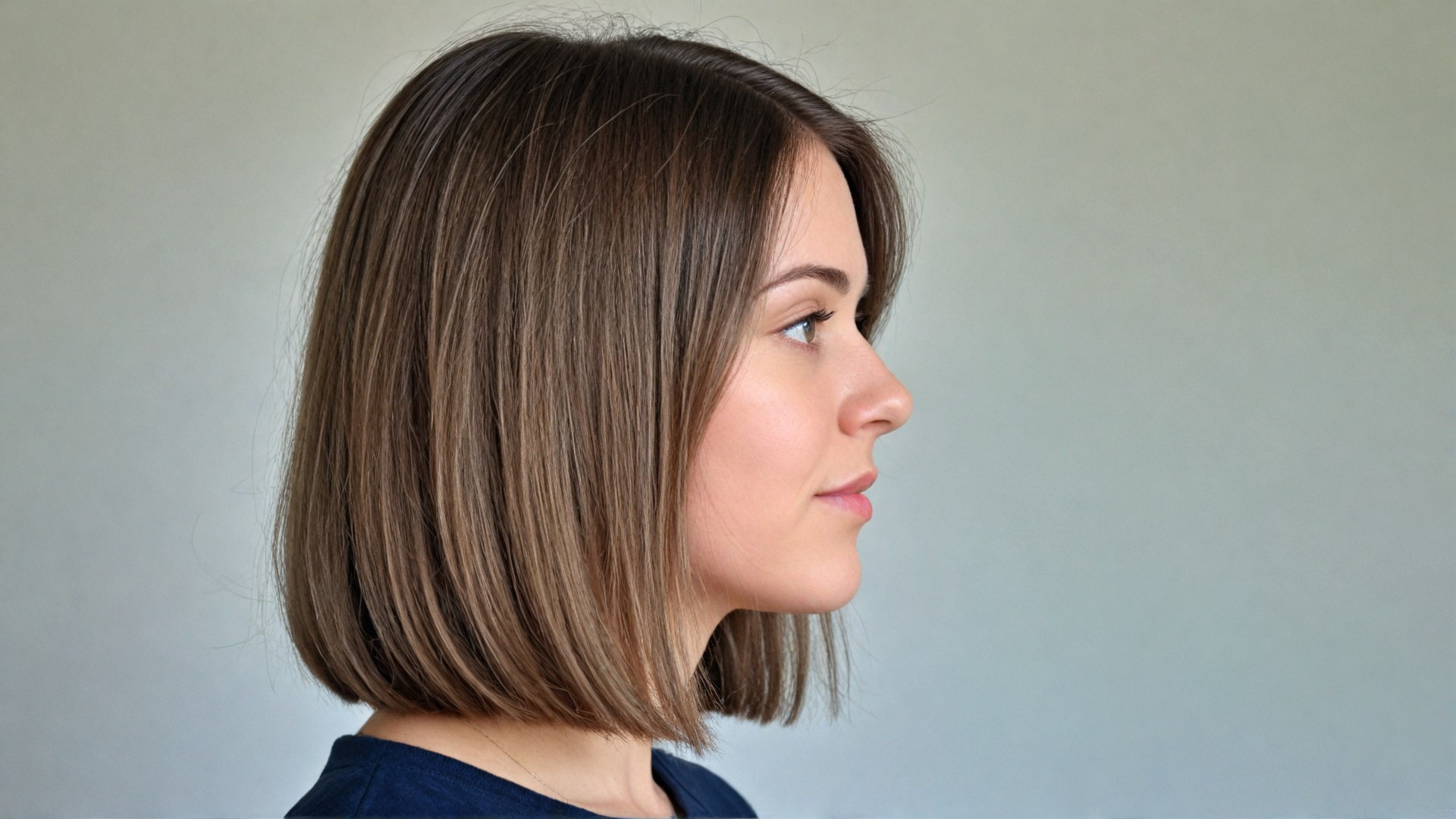
The long bob has become one of the most requested haircuts in salons across the country, and for good reason. This versatile cut hits that sweet spot between short and long hair, typically falling anywhere from just above the shoulders to collarbone length. Women who want a fresh change without committing to a dramatic chop find this length particularly appealing.
Unlike shorter bobs that require frequent salon visits, this mid-length variation offers more flexibility in growing it out or maintaining the style. The cut works beautifully with various hair textures, from pin-straight to naturally curly, making it accessible to almost everyone. Plus, it photographs wonderfully from every angle, which explains why you’ll spot this haircut everywhere from boardrooms to coffee shops.
Ready to discover why this particular cut continues to dominate hair trends? We’ll walk through everything from choosing the perfect variation for your face shape to mastering different styling techniques. You’ll also learn about maintenance tips and the hottest variations making waves right now.
- What Makes a Long Bob Different from Other Bob Styles?
- How to Choose the Right Long Bob for Your Face Shape
- Long Bob Styling Techniques for Different Occasions
- How to Maintain Your Long Bob Throughout the Year
- What Are the Trending Long Bob Variations This Year?
- Your Perfect Long Bob Awaits
- Frequently Asked Questions
What Makes a Long Bob Different from Other Bob Styles?
The distinction between a long bob and its shorter counterparts goes beyond just length. This particular cut offers a flexibility that shorter versions simply can’t match, making it an ideal choice for women who want change without too much commitment.
Length specifications
A true long bob typically measures between chin and shoulder length, though some stylists extend this to just past the shoulders. The key lies in maintaining that bob shape while allowing for more length than traditional bobs. This extra length provides room for layers, texture, and movement that shorter cuts might lack. Most women find this length hits right at or slightly below the collarbone, creating a flattering frame for the face and neck.
Versatility compared to short bobs
Where short bobs limit your styling options, longer versions open up a world of possibilities. You can still achieve that sleek, polished look for professional settings, but you also have enough length to create waves, braids, and updos. This adaptability means you won’t get bored with your cut as quickly. Women often report feeling less restricted with this length since they can pull hair back into a small ponytail or bun when needed.
Face shape considerations
This cut proves remarkably forgiving across different face shapes. The added length provides more options for customization through layering and angling. Stylists can adjust the cut to add width where needed or create length through strategic layering. The result? A more personalized approach that works with your unique features rather than against them.
Styling flexibility
Morning routines become significantly easier with this length. You can air-dry for a casual, lived-in texture or blow-dry smooth for a more polished appearance. The cut holds its shape well even as it grows out, meaning you won’t need constant trims to maintain the style. Many women appreciate being able to switch between straight, wavy, and curled looks without struggling with awkward lengths.
Maintenance requirements
Compared to pixie cuts or super-short bobs that need trimming every 4-6 weeks, this style typically only requires salon visits every 8-12 weeks. The grow-out process feels more natural and less awkward than with shorter cuts. You’ll spend less time and money on maintenance while still looking put-together. Product usage tends to be moderate – you need enough to style but not the heavy amounts required for longer hair.
Regular conditioning treatments help maintain the health and shine of your cut. Since the ends sit at a length where they’re visible and frame your face, keeping them healthy becomes more important. A good heat protectant becomes your best friend, especially if you style frequently.
How to Choose the Right Long Bob for Your Face Shape
Finding the perfect long bob starts with understanding your face shape and working with it, not against it. The right cut can highlight your best features while creating balance where you want it most.
Round faces
Women with round faces benefit from cuts that add length and create angles. Ask your stylist for a slightly longer version that hits just below the chin or at the collarbone. Adding subtle layers throughout creates movement without adding width. An off-center part works wonders for creating the illusion of length. Avoid cuts that add volume at the cheeks – instead, focus on keeping the sides sleek while adding texture at the ends.
Consider asking for face-framing pieces that start below the cheekbones. These longer layers draw the eye downward, creating a lengthening effect. Many stylists recommend keeping the back slightly shorter than the front for an angled effect that flatters round face shapes beautifully.
Oval faces
Lucky you – oval faces can pull off virtually any long bob variation. This balanced face shape allows for experimentation with different textures, parts, and styling methods. Try a blunt cut for a bold, modern look, or add layers for movement and dimension. Center parts, side parts, and even zigzag parts all work well with oval faces.
Feel free to play with volume at different points. You can add waves throughout, keep it stick-straight, or create that perfectly imperfect bedhead texture. The key is choosing a style that reflects your personality and lifestyle rather than worrying about what’s most flattering – almost everything will be.
Square faces
Softening strong jawlines becomes the priority for square faces. Layers are your best friend here, particularly those that start around the jawline and continue down. These create movement and soften angular features. Avoid blunt cuts that hit right at the jaw – they can emphasize squareness rather than minimize it.
Texture plays a crucial role for square faces. Waves, curls, and tousled styles all help create softness around the face. A deep side part adds asymmetry that balances facial proportions. Consider asking for longer pieces in front that graze the collarbone – these create vertical lines that elongate the face.
Heart-shaped faces
Heart-shaped faces look stunning with cuts that add width at the chin level. This means avoiding too many layers at the crown, which can emphasize the wider forehead. Instead, focus on creating fullness from the ears down. A one-length cut or very subtle layers work beautifully.
Side-swept bangs or longer fringe pieces help balance a wider forehead without completely covering it. The goal is creating harmony between the upper and lower portions of your face. Stylists often recommend keeping the perimeter weight of the cut fuller to achieve this balance. When styling, add waves or curls from mid-length down rather than starting at the roots.
Diamond faces
For diamond-shaped faces, the goal involves creating width at the forehead and chin while minimizing emphasis on the cheekbones. This sounds complex but translates simply in haircutting terms. Choose cuts with fullness at the chin level and avoid adding too much volume at the widest part of your face.
Here’s what works best for different styling preferences:
Sleek and straight: Keep hair close to the head at the cheekbones while allowing fullness at the ends
Wavy texture: Start waves below the cheekbones to add width at the jawline
Curly hair: Layer strategically to prevent a triangular shape, maintaining weight at the bottom
Side parts: Create a deep side part to add asymmetry and visual interest
Bangs option: Consider side-swept bangs that hit at the cheekbones to break up face length
Chin-length or slightly longer cuts prove most flattering for diamond faces. The extra length below the chin creates the illusion of a more oval shape while still maintaining the chic appeal of a bob.
Long Bob Styling Techniques for Different Occasions
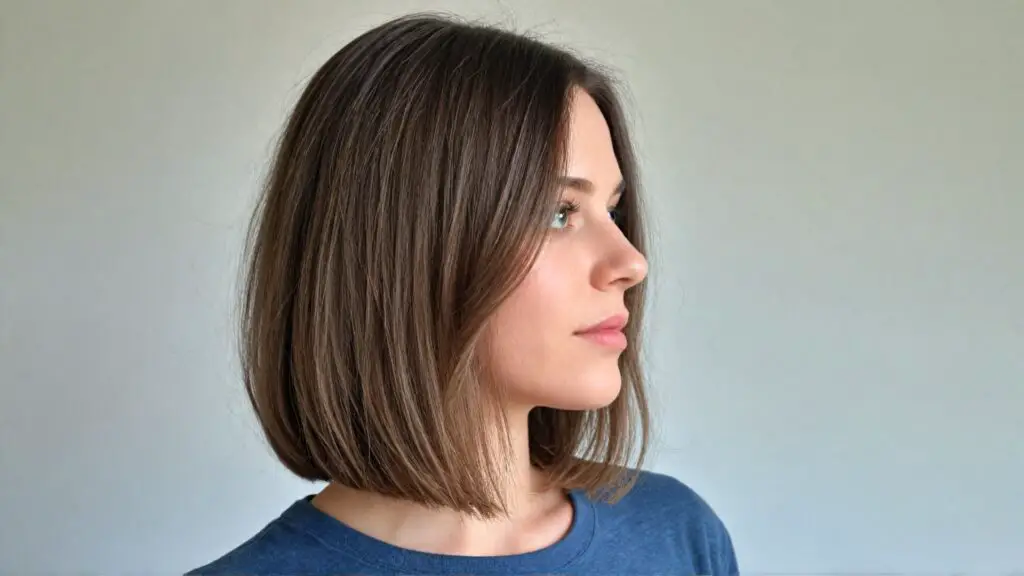
Your long bob can transform from casual to formal with just a few styling tweaks. Understanding these techniques means you’ll never feel limited by your haircut, no matter what your calendar holds. The beauty of this length lies in its ability to adapt to any situation while still looking intentionally styled.
Everyday casual looks
Start your day with damp hair and a lightweight volumizing mousse worked through from mid-length to ends. Allow hair to air dry for about 80%, then finish with a blow dryer on low heat while scrunching sections to enhance natural texture. This method creates that effortless, lived-in look perfect for running errands or meeting friends for coffee.
For second-day hair, dry shampoo becomes essential. Spray at the roots, let it sit for a minute, then massage it in with your fingertips. Use a 1-inch curling iron to add random bends throughout – not perfect curls, just movement. This technique takes less than five minutes but makes hair look freshly styled. The goal is appearing put-together without looking overdone.
Professional settings
Sleek and polished wins in the workplace. Apply a heat protectant to damp hair, then blow-dry using a round brush to create smoothness and slight bend at the ends. Work in sections, pulling the brush through while following with the dryer. This creates that professional shine without appearing too stiff or formal.
A low ponytail or half-up style works wonderfully for important meetings. These styles keep hair controlled while maintaining sophistication. Use a small amount of smoothing serum on any flyaways. The trick is achieving polish without sacrificing personality – your hairstyle should enhance your professional image, not distract from it.
Evening events
Transform your daytime look by adding strategic volume and texture. Start with dry hair and use hot rollers or a large barrel curling iron to create loose waves. Once cooled, run your fingers through to break up the curls into softer waves. A texturizing spray adds grip and helps the style last through dinner and dancing.
For more formal events, consider a sleek low bun or elegant half-up style. These looks showcase jewelry beautifully while keeping hair off your face for photos. Use bobby pins that match your hair color and finish with a light-hold hairspray. The added length of this cut provides just enough hair to create these sophisticated styles without needing extensions or excessive teasing.
Beach and vacation styles
Salt spray becomes your vacation best friend. Spritz throughout damp hair and scrunch to enhance natural texture. Let hair air dry completely for that perfect beachy wave. This effortless approach means more time enjoying your vacation and less time fussing with hair tools.
Braids work beautifully with this length for active vacation days. Try a loose side braid or two French braids that transition into low pigtails. These styles keep hair controlled during water activities while looking intentionally styled rather than merely practical. Pack a wide-tooth comb and leave-in conditioner to manage tangles after swimming.
Quick tip: Before swimming, wet your hair with fresh water and apply a leave-in conditioner. This prevents hair from absorbing as much chlorine or salt water, protecting your color and texture.
Quick morning routines
Mornings don’t have to mean complicated styling sessions. Keep a few tricks ready for those rushed moments. Flip your head upside down and blast roots with cool air from your dryer – instant volume in under a minute. For more polish, quickly run a flat iron through just the pieces around your face.
A texturizing powder at the roots adds grip and volume without the sticky feeling of traditional products. Simply sprinkle a small amount at your part and crown, then massage in with fingertips. This technique works especially well for fine hair that tends to fall flat by midday. Finish with a light mist of flexible-hold hairspray to maintain your style without stiffness.
The best part? As your cut grows out, these styling techniques continue to work. The versatility of this length means you’re not locked into one look or constantly battling an awkward grow-out phase.
How to Maintain Your Long Bob Throughout the Year
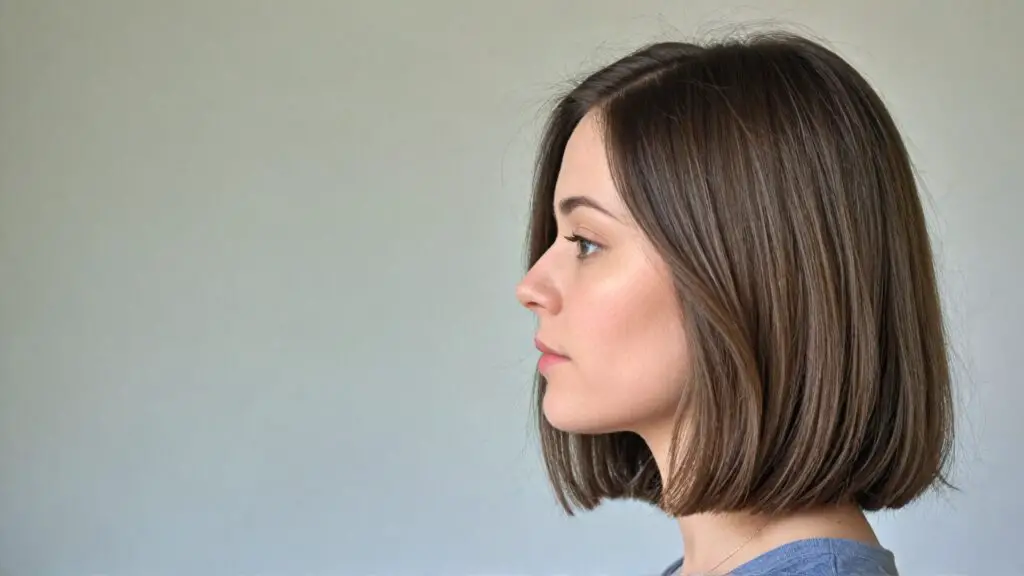
Keeping your long bob looking fresh through changing seasons requires adjusting your care routine. Weather changes, humidity levels, and even indoor heating can affect how your haircut looks and behaves. Understanding these factors helps you stay ahead of potential issues.
Seasonal adjustments
Winter brings unique challenges with dry indoor heat and harsh outdoor conditions. Combat static and dryness by switching to a more moisturizing shampoo and conditioner. A weekly deep conditioning mask prevents brittleness and breakage. Consider using a humidifier in your bedroom to add moisture back into the air – your hair will thank you.
Spring and fall transitions call for flexibility in your routine. These seasons often bring unpredictable weather, so keep multiple styling products handy. A smoothing cream for humid days and a volumizing mousse for dry conditions ensure you’re prepared. Adjust washing frequency based on how your scalp responds to temperature changes.
Summer demands extra protection from sun damage and humidity. Use products with UV protection, just as you would for your skin. A clarifying shampoo once weekly removes buildup from swimming pools and extra styling products. Consider protective styles like braids or buns during the hottest days to minimize heat styling needs.
Product recommendations
Finding the right products makes maintenance significantly easier. Start with a sulfate-free shampoo that cleanses without stripping natural oils. Your conditioner should match your hair type – lightweight for fine hair, more intensive for coarse or damaged hair. Leave-in treatments provide ongoing protection between washes.
Heat styling requires quality protection. Look for sprays that shield up to 450 degrees Fahrenheit. Apply to damp hair before blow-drying and again to dry hair before using hot tools. This double protection prevents damage that can make your cut look frizzy or unkempt. Finishing products like serums or oils add shine without weighing down your style.
Trimming schedule
Regular trims keep your cut looking intentional rather than overgrown. Most women find every 8-10 weeks works well for maintaining shape without losing length. Mark your calendar or set phone reminders – it’s easy to let appointments slide when your hair still looks good.
Between professional trims, you can maintain your style at home. Invest in quality hair shears (never use regular scissors) for cleaning up obvious split ends. Focus only on individual damaged pieces rather than attempting to reshape your entire cut. This maintenance extends time between salon visits while keeping ends healthy.
Color maintenance
If you color your hair, this cut shows every shade variation. Schedule color appointments strategically with your trims to minimize salon visits. Use color-protecting shampoo and conditioner to extend vibrancy between appointments. Purple shampoo helps blonde tones stay bright, while color-depositing conditioners refresh brunette and red shades.
Consider your root growth pattern when planning color services. This length shows roots more obviously than very short or very long styles. Some women opt for techniques like balayage or subtle highlights that grow out more naturally. Others schedule root touch-ups every 4-6 weeks to maintain their preferred look.
Heat protection strategies
Daily heat styling can damage even the healthiest hair. Implement these protective measures:
Lower temperatures: Most hair types don’t need maximum heat settings for effective styling
Quality tools: Invest in tools with adjustable heat settings and even heat distribution
Alternative methods: Try overnight braids, rollers, or twist techniques for heat-free styling
Cool shots: Finish with cool air to set styles and add shine
Rest days: Give hair breaks from heat styling whenever possible
Creating a sustainable routine means your haircut continues looking fresh months after leaving the salon. Pay attention to how your hair responds to different products and techniques. What works for someone else might not suit your hair type or lifestyle. The goal? A maintenance routine that feels manageable rather than overwhelming.
What Are the Trending Long Bob Variations This Year?
Fresh takes on the classic long bob keep emerging as stylists experiment with texture, movement, and shape. This year’s trends focus on personalization and wearability rather than one-size-fits-all approaches.
Textured lobs
The textured lob leads current trends with its effortless appeal and easy maintenance. This variation incorporates strategic layering and point-cutting techniques to create natural movement. Unlike precision cuts of previous years, this style looks best slightly imperfect. Stylists use razors and texturizing shears to create piece-y ends that move freely.
Fine hair benefits tremendously from this approach. The added texture creates an illusion of thickness and body without requiring heavy products or extensive styling. Women with naturally wavy or curly hair find this cut enhances their texture rather than fighting against it. Ask your stylist about “invisible layers” – a technique that adds movement while maintaining overall length and weight.
Asymmetrical cuts
Bold and modern, asymmetrical lobs make a statement without requiring bright colors or extreme lengths. One side sits slightly longer than the other, creating visual interest and movement. The difference can be subtle – just an inch or two – or more dramatic for those wanting a bolder look.
This style particularly flatters women who prefer side parts. The longer side naturally falls forward, creating a flattering frame for the face. During styling, play up the asymmetry by adding waves or keeping one side tucked behind the ear. The cut grows out beautifully, gradually becoming more symmetrical if you decide to change directions.
Layered options
Modern layering techniques have evolved far beyond the heavy, obvious layers of decades past. Today’s approach focuses on internal layers that add movement without sacrificing density. Your stylist might use techniques like slide cutting or channel cutting to create seamless transitions between lengths.
The placement of layers matters as much as their existence. Starting layers too high can create unwanted volume at the crown. Instead, most stylists begin layering around the cheekbones or lower, allowing the top section to maintain weight and smoothness. This approach works particularly well for thick hair that needs volume reduction without losing overall shape.
Blunt cuts
The blunt long bob makes a powerful comeback this year, offering a stark contrast to heavily textured styles. This one-length cut creates a strong, graphic line that looks especially striking on straight hair. The key lies in precision – every hair must be perfectly even to achieve the desired effect.
Don’t assume blunt means boring. This cut offers numerous styling possibilities. Wear it pin-straight for maximum impact, add subtle bends for softness, or create beachy waves for an unexpected twist. The blunt perimeter provides structure that holds up well to various styling methods. Regular trims every 6-8 weeks keep the line sharp and intentional.
Wavy and curly adaptations
Natural texture finally gets the recognition it deserves with cuts specifically designed for waves and curls. Rather than trying to force curly hair into straight-hair haircuts, stylists now use techniques that work with natural patterns. This might mean cutting hair dry to see exactly how each curl falls, or using specialized layering to prevent pyramid shapes.
The “curly lob” has become its own category, with stylists trained in techniques like the DevaCut or Rezo Cut. These methods create shape while maintaining curl integrity. Length typically sits slightly longer when dry to account for shrinkage. Products focus on definition and frizz control rather than hold or stiffness.
Each variation offers something different, allowing women to choose based on lifestyle, hair type, and personal style. The best cut for you depends on multiple factors – maintenance willingness, styling time available, and natural hair characteristics all play a role. Consult with a stylist who listens to your needs and understands your daily routine.
Current trends favor customization over carbon copies. Your long bob should feel uniquely yours while incorporating elements that keep it fresh and modern.
Your Perfect Long Bob Awaits
The long bob continues to reign as one of the most versatile and flattering haircuts available. Its adaptability to different face shapes, hair textures, and personal styles makes it a reliable choice for women seeking change without drastic commitment. From the boardroom to the beach, this cut transitions seamlessly through every aspect of your life.
Whether you choose a textured, asymmetrical, or blunt variation, the key lies in working with a stylist who understands your hair’s natural tendencies and your lifestyle needs. Regular maintenance, the right products, and styling techniques that work with your schedule will keep your cut looking fresh season after season. The beauty of this length is its forgiving nature – it grows out gracefully while maintaining its shape, giving you flexibility in how often you visit the salon.
Frequently Asked Questions
Q: How often should I wash my long bob?
A: Most women find washing every 2-3 days works best for this length. Fine hair might need more frequent washing, while thick or textured hair can often go longer between washes. Dry shampoo helps extend time between washes.
Q: Can I still put my hair in a ponytail with a long bob?
A: Yes, most long bobs provide enough length for a low ponytail or half-up styles. You might not achieve a high ponytail, but there’s usually sufficient length for pulled-back styles when needed.
Q: Will a long bob work with my thick hair?
A: Absolutely. Thick hair actually holds the shape of a long bob beautifully. Your stylist can use thinning techniques and internal layers to remove bulk while maintaining the overall shape and movement.
Q: How do I know if the length is right for me?
A: Hold a ruler or have your stylist show you where the cut will hit. Most long bobs fall between the chin and shoulders. Consider your comfort level and daily styling routine when choosing the exact length.
Q: What’s the difference between a lob and a long bob?
A: They’re the same thing! “Lob” is simply a shortened term for long bob. Both refer to a bob haircut that’s longer than traditional chin-length bobs.
Q: How long does it take to grow out a long bob?
A: Hair grows approximately half an inch per month. Depending on your starting length and goal, growing out this cut typically takes 6-12 months. The good news? It grows out more gracefully than shorter cuts.
Q: Can I wear bangs with a long bob?
A: Definitely! Bangs pair beautifully with long bobs. Side-swept, curtain, or even straight-across bangs all work well. Choose a bang style that complements your face shape and maintenance preferences.
Q: What tools do I really need for styling?
A: At minimum, you’ll want a good blow dryer, a round brush, and heat protectant spray. Adding a flat iron or curling iron expands your styling options, but they’re not absolutely necessary for everyday looks.

