


Finding the right haircut after 40 can feel like solving a puzzle with changing pieces. Your hair texture shifts, your face shape evolves, and suddenly that cut you’ve worn for years doesn’t quite work anymore. Many women notice their hair becoming finer, grayer, or simply behaving differently than it did in their twenties and thirties.
The good news? This decade often brings clarity about personal style and confidence that makes choosing the perfect haircut easier than ever. Women over 40 typically know what they like, understand their lifestyle needs, and aren’t afraid to make bold choices. Whether you’re dealing with thinning hair, going gray naturally, or simply ready for a fresh look, the right cut can make you feel polished and current.
In the following sections, we’ll explore how hair changes after 40 and share the most flattering cuts for this stage of life. From classic bobs to modern pixies, medium-length styles to longer options, you’ll discover cuts that work with your hair’s natural tendencies while fitting seamlessly into your routine. Let’s find the haircut that makes you feel like the best version of yourself.
Why Hair Changes After 40 (and What It Means for Your Cut)
Hair transformation after 40 isn’t just about going gray. The entire structure and behavior of your hair shifts in ways that can catch you off guard. Understanding these changes helps you work with your hair rather than against it, leading to cuts that look effortless and feel right.
Texture changes and thinning
Most women experience some degree of hair thinning after 40, though it varies widely from person to person. Hormonal shifts affect hair follicles, often resulting in finer strands and less overall volume. You might notice your ponytail feels smaller or your part looks wider than before. These changes call for strategic cutting techniques that create the illusion of fullness.
The texture itself often becomes drier and more prone to frizz. Hair that was once smooth might develop unexpected waves or kinks. Some women find their naturally curly hair loosens into waves, while others discover new curl patterns emerging. Working with a stylist who understands these texture shifts can help you find cuts that enhance rather than fight your hair’s natural tendencies.
Gray hair considerations
Gray strands have a completely different structure than pigmented hair. They’re often coarser, more wiry, and resistant to styling. As grays multiply, your overall hair texture changes, which directly impacts how cuts look and behave. A style that worked beautifully with your natural color might fall flat with a significant percentage of gray.
The placement of grays matters too. Many women go gray first at the temples and hairline, creating natural highlights that can be incorporated into the right cut. Others find grays scattered throughout, requiring different cutting strategies to blend everything harmoniously.
Face shape evolution
Your face shape at 40 differs from your face at 25, and that’s perfectly normal. Subtle changes in facial fullness, jawline definition, and skin elasticity all influence which cuts flatter you most. A haircut that draws attention upward and creates soft movement around the face often works better than severe, straight lines.
Maintenance requirements
Life at 40 often means juggling career peaks, family responsibilities, and personal goals. Your haircut needs to fit realistically into your schedule. High-maintenance styles requiring daily heat styling or frequent salon visits might not align with your lifestyle. The best cuts for this age balance style with practicality.
Consider your styling skills honestly. If you’ve never mastered a round brush, choosing a cut that requires expert blow-drying sets you up for daily frustration. Great cuts at 40 work with your natural abilities and time constraints.
Professional appearance needs
Many women in their forties hold leadership positions or run businesses where appearance matters. Your haircut becomes part of your professional image, conveying competence and attention to detail. The challenge lies in finding styles that look polished for work while still feeling authentic to your personality. Modern cuts can be both professional and stylish, moving beyond the outdated notion that serious women need severe hairstyles.
Classic Bob Variations That Never Go Out of Style
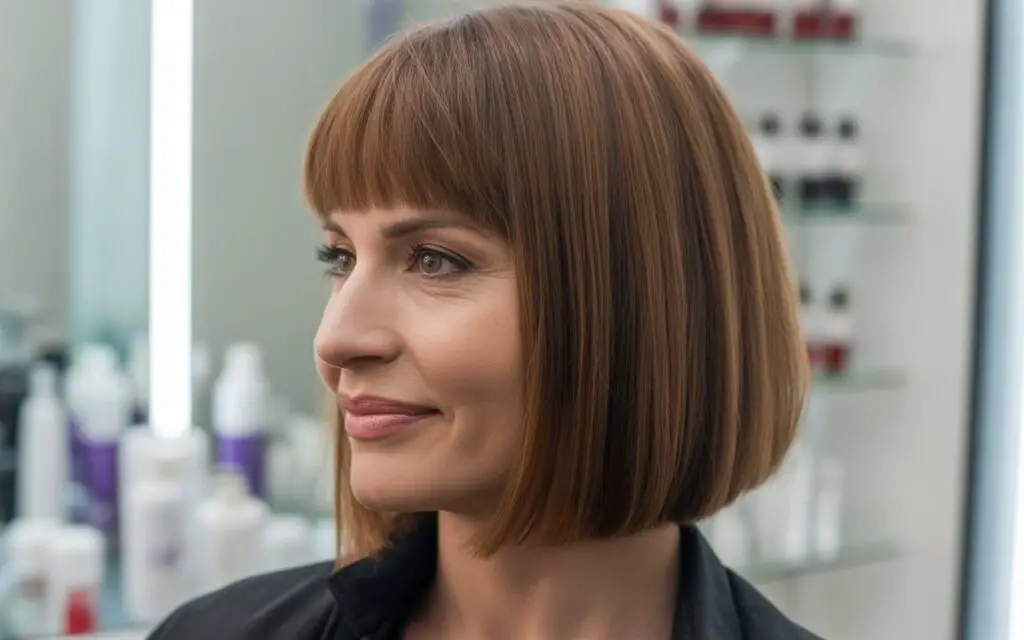
The bob remains a favorite for women over 40 for excellent reasons. This versatile cut offers structure, easy maintenance, and endless customization options. Whether you prefer sleek and polished or tousled and casual, there’s a bob variation that suits your style and hair type.
The chin-length bob
A true chin-length bob hits right at your jawline, creating a strong, defined shape that frames the face beautifully. This length works particularly well for women with thinning hair, as the blunt edge creates an illusion of thickness and density. The weight of the cut helps hair lie smoothly, reducing styling time significantly.
For added sophistication, ask your stylist to angle the cut slightly longer in front. This subtle graduation softens the overall look while maintaining the bob’s classic structure. Women with straight to slightly wavy hair find this length especially manageable, requiring little more than a quick blow-dry or air-drying with the right products.
Angled and A-line bobs
The angled bob, shorter in back and gradually longer toward the front, offers drama without sacrificing wearability. This cut creates beautiful movement and can be customized to your comfort level – from a subtle angle to a more dramatic difference in lengths. The shape naturally lifts the eye upward, creating a youthful effect.
A-line bobs work wonderfully for various face shapes. Round faces benefit from the elongating effect of the angled sides, while square faces soften with the curved lines. The graduated layers in back prevent the dreaded “triangle” effect that can happen with one-length cuts on thicker hair.
Fine hair responds beautifully to angled cuts because the graduation creates natural volume at the crown. Your stylist can add subtle layers through the interior to enhance movement without sacrificing the clean lines that make this style so appealing.
Textured bob styles
Modern texture techniques transform the traditional bob into something fresh and current. Point cutting, razor work, and invisible layers add movement and reduce bulk without creating obvious layers. These techniques work especially well for women dealing with coarse gray hairs mixed with finer pigmented strands.
Textured bobs offer styling versatility that smooth bobs can’t match. You can wear them sleek for professional settings, then tousle with texture spray for weekend casual looks. The built-in movement means less precision needed during styling – perfect for busy mornings.
Styling tips for different occasions
Mastering a few key techniques lets you transform your bob from boardroom to dinner party. For professional settings, a smoothing serum and quick blow-dry with a paddle brush creates polish. Focus on getting the ends to turn under slightly for that classic bob shape.
Weekend styling can be more relaxed. Try these approaches for effortless style:
Air-dry method: Apply mousse to damp hair, scrunch gently, and let natural texture emerge
Beachy waves: Use a 1-inch curling iron on random sections, leaving ends out
Sleek and straight: Flat iron in small sections for glass-like smoothness
Volume boost: Blow-dry with a round brush, lifting at the roots
Evening looks benefit from strategic accessories. A decorative clip pulling one side back changes the entire silhouette. Deep side parts create instant glamour, while a zigzag part adds playful interest.
Best face shapes for each variation
While bobs generally flatter most face shapes, certain variations work better for specific features. Oval faces can wear virtually any bob style, from blunt to heavily textured. The balanced proportions of oval faces mean you can focus on hair texture and lifestyle when choosing your variation.
Round faces look fantastic with longer bobs that hit below the chin, especially with subtle angles. Avoid cuts that add width at the jawline. Instead, opt for styles that create vertical lines and height at the crown.
Square faces soften beautifully with textured bobs featuring wispy edges. The movement breaks up strong angles while maintaining a polished appearance. Chin-length works well, but ensure your stylist adds softness around the perimeter.
Heart-shaped faces shine with fuller bobs that add width at the jaw. A classic one-length bob or subtle A-line creates balance with a wider forehead. Avoid excessive volume at the crown, which can exaggerate the heart shape.
Medium Length Cuts That Offer Versatility
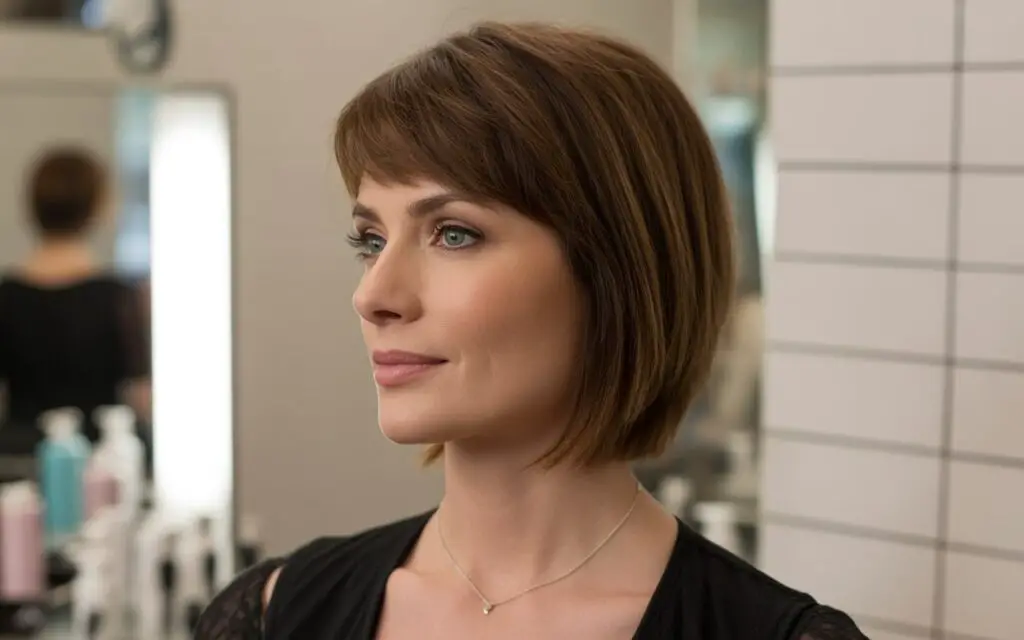
Medium length cuts occupy the sweet spot between short and long, offering maximum styling options with reasonable maintenance. For women over 40, these lengths provide coverage for the neck area while remaining youthful and current. The variety within medium lengths means you can find options for every hair type and lifestyle.
The modern shag
Today’s shag bears little resemblance to its 1970s predecessor. Contemporary versions feature controlled layers, subtle texture, and purposeful movement that works with natural hair patterns. This cut particularly suits women with wavy or curly hair, enhancing natural texture while removing bulk in all the right places.
The beauty of a modern shag lies in its adaptability. Worn smooth, it resembles a layered cut suitable for conservative environments. With product and scrunching, it transforms into a rock-and-roll style full of attitude. The layers throughout create natural volume, making it ideal for women experiencing thinning.
Your stylist should customize the layer placement based on your specific needs. Shorter layers around the crown add lift where many women need it most. Longer layers through the bottom maintain weight and prevent the “mushroom” effect that poorly executed shags can create.
Layered lob styles
The “lob” or long bob typically falls between chin and shoulder length, offering more styling options than shorter bobs while maintaining easy care. Strategic layering transforms a basic lob into a sophisticated style that moves beautifully and frames the face.
Long layers starting below the chin create movement without sacrificing length. This approach works well for women growing out shorter cuts or those not ready to commit to a true bob. The layers can be subtle for a more classic look or more pronounced for added texture and volume.
Face-framing layers deserve special attention in lob cuts. Starting these layers at cheekbone level draws attention to the eyes while softening the overall look. For women with strong jawlines, longer face-framing pieces that begin near the chin create a softening effect.
Shoulder-length cuts with movement
Shoulder-length hair offers tremendous versatility, but without proper cutting, it can look heavy and dated. Movement comes from a combination of layering techniques and texturizing methods that reduce weight while maintaining length. The goal is hair that swings and moves naturally, never appearing stiff or helmet-like.
Graduated layers throughout create dimension and prevent the dreaded “shelf” effect at the bottom. Your stylist might use slide cutting or point cutting techniques to create seamless blending between lengths. These methods produce soft edges that move freely, unlike blunt cutting which can create harsh lines.
The placement of shortest layers matters significantly. Starting them around ear level or slightly below prevents too much volume at the sides while encouraging movement throughout. This creates a flattering silhouette that elongates rather than widens the face.
Low-maintenance options
Busy women need cuts that look polished with minimal effort. Medium lengths can deliver this with the right approach. One-length cuts with subtle internal layers dry beautifully with minimal intervention. The weight of the hair helps it fall into place naturally.
Consider your hair’s natural tendencies when choosing a low-maintenance medium cut. Straight hair benefits from cuts that work with its smoothness, perhaps adding just enough layer work to prevent heaviness. Wavy hair needs cuts that enhance the wave pattern without requiring extensive styling to look intentional.
Products make a significant difference in maintenance levels. A good leave-in conditioner and light styling cream might be all you need for everyday wear. Save elaborate styling for special occasions, knowing your cut looks good even with minimal effort.
Styling flexibility
Medium lengths shine when it comes to styling variety. You can wear hair up, down, half-up, braided, or curled with equal success. This flexibility makes medium cuts perfect for women whose lives include everything from yoga classes to board meetings to formal events.
Updos become more interesting with medium length hair. You have enough length for elegant styles but not so much that updos become heavy or complicated. Messy buns, low ponytails, and creative braided styles all work beautifully. The layers in your cut add texture to updos, preventing them from looking too severe or slicked back.
Heat styling opens more possibilities. Large barrel curling irons create smooth waves, while smaller irons produce tighter curls for evening drama. Flat ironing creates sleek straight styles, though the movement built into your cut means poker-straight styling isn’t necessary for a polished look.
Shorter Styles That Make a Statement
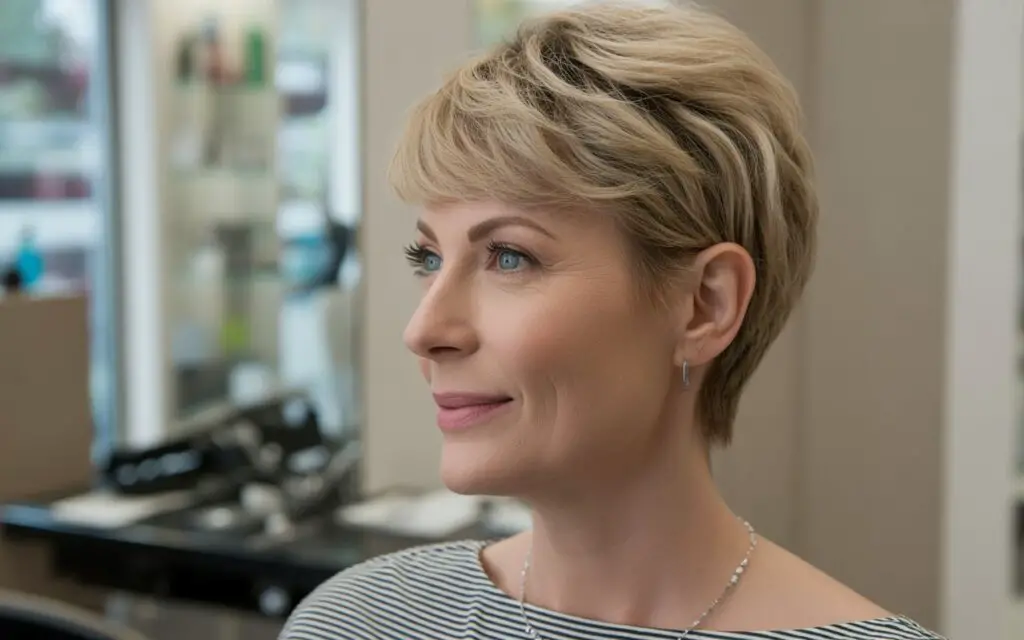
Short haircuts after 40 make bold statements about confidence and personal style. These cuts can be incredibly flattering, drawing attention to facial features while requiring surprisingly little daily maintenance. The key lies in choosing the right short style for your face shape, hair texture, and lifestyle.
The sophisticated pixie
Modern pixie cuts have evolved far beyond the gamine styles of decades past. Today’s versions incorporate longer pieces, asymmetrical elements, and varied textures that create sophisticated rather than cute aesthetics. A well-executed pixie can take years off your appearance while projecting confidence and style authority.
Length variation within the cut prevents the “little boy” look some women fear. Keeping the top longer allows for styling versatility – you can sweep it to the side, push it back, or add texture for different looks. The sides and back remain shorter for easy maintenance and a clean neckline.
Pixie cuts work particularly well for women with good bone structure, as they highlight cheekbones and jawlines. However, skilled stylists can adapt the cut for various face shapes by adjusting lengths and angles. Round faces benefit from height at the crown and longer pieces at the top, while square faces soften with wispy bangs and textured edges.
Cropped cuts with texture
Cropped styles go shorter than pixies while maintaining femininity through careful texturing. These cuts typically feature short backs and sides with slightly more length on top, creating endless styling possibilities despite minimal length. Texture becomes crucial in preventing these cuts from looking severe or masculine.
Texturing techniques vary based on hair type. Fine hair benefits from choppy cutting that creates piece-y definition. Thick hair needs thinning and layering to remove bulk while maintaining shape. Curly hair requires specialized cutting techniques that work with curl patterns rather than against them.
The beauty of textured crops lies in their wash-and-wear nature. A small amount of pomade or texture cream defines pieces and creates intentional-looking style with minimal effort. These cuts actually look better slightly mussed rather than perfectly styled, making them ideal for active women.
Side-swept styles
Asymmetrical short cuts with side-swept elements offer drama and sophistication. These styles typically feature longer sections on one side that sweep across the forehead or face, creating movement and interest. The contrast between longer and shorter sections adds visual intrigue while remaining completely wearable.
Side-swept bangs deserve special mention for women over 40. They camouflage forehead lines while creating a youthful, dynamic look. Unlike straight-across bangs that require precise cutting and frequent trims, side-swept versions grow out gracefully and forgive imperfection.
The key to successful side-swept styles lies in the cut’s foundation. Your stylist must create proper weight distribution so longer pieces don’t overwhelm shorter sections. This balance ensures the style maintains its shape between cuts while allowing for growth without awkwardness.
Maintenance and styling
Short cuts require more frequent salon visits – typically every 4-6 weeks versus 6-8 weeks for longer styles. However, daily maintenance often proves easier than with longer hair. Shampooing and conditioning take mere minutes, and styling rarely requires more than five minutes.
Product selection becomes crucial with short hair. Unlike longer styles where product mistakes hide within the length, short cuts show every error. Start with less product than you think you need – you can always add more. Focus on products that enhance your hair’s natural texture rather than fighting it:
Smoothing serum: Controls frizz on straight to wavy hair without weighing it down
Texture paste: Defines pieces and adds grip for styling
Volumizing mousse: Creates lift at roots for fine hair
Curl cream: Enhances natural curl patterns while controlling frizz
Finishing spray: Holds style without stiffness
Heat styling short hair requires adjustment if you’re used to longer lengths. Smaller tools often work better – think 3/4-inch curling irons or mini flat irons. The goal isn’t to curl or straighten every piece but to enhance the cut’s shape and add polish where needed.
Who suits these cuts best
While short cuts can flatter anyone with the right customization, certain factors make them especially successful. Active women appreciate the low-maintenance nature and quick drying time. Those with naturally good texture – whether pin-straight, wavy, or curly – find short cuts enhance what they already have.
Professional women often gravitate toward short cuts for their polished appearance and easy morning routines. The inability to pull hair back in a ponytail means these cuts always look “done,” projecting attention to detail. Gray-haired women find short cuts particularly flattering, as they showcase silver strands beautifully while managing the different texture of gray hair.
Body proportions matter too. Petite women often find short cuts create better overall balance than long, heavy hair. Taller women can carry dramatic short cuts that might overwhelm smaller frames. The key lies in working with a stylist who considers your entire silhouette, not just your face.
Long Hair After 40: Making It Work
Contrary to outdated rules about age-appropriate hair, many women successfully wear long hair well past 40. The secret lies in keeping hair healthy, choosing flattering cuts within the length, and adapting styling to complement mature features. Long hair can absolutely look sophisticated and current with the right approach.
Layering techniques
Long hair without layers often looks heavy and drags facial features downward – exactly what women over 40 want to avoid. Strategic layering creates movement, removes weight, and adds youth to longer styles. The key lies in layer placement and blending for seamless results.
Long layers starting at chin or shoulder level maintain length while adding crucial movement. These layers shouldn’t be choppy or obvious but should blend smoothly to create dimension. Your stylist might use techniques like slide cutting or point cutting to achieve soft edges that move naturally.
For women with fine hair, minimal layering preserves precious density. Focus layers around the face and through the ends, maintaining weight through the middle. Thick hair benefits from more aggressive layering throughout to remove bulk and encourage movement. The goal remains the same: hair that swings and moves rather than hanging heavily.
Face-framing options
The hair closest to your face matters most in creating a flattering overall look. Face-framing layers can minimize less favorite features while highlighting your best assets. Starting these layers at the right point makes all the difference between flattering and aging.
Layers beginning at cheekbone level draw attention to eyes and create lift. Longer face-framing pieces starting near the chin can soften strong jawlines. The angle of these layers matters too – cutting them to fall forward rather than away from the face creates a more youthful effect.
Subtle face-framing highlights can enhance the effect of well-placed layers. These don’t need to be dramatic – just a shade or two lighter than your base color adds dimension and brightness around the face. This technique works especially well for women with darker hair who want to soften their look without major color changes.
Healthy hair maintenance
Long hair over 40 requires dedication to health and condition. Years of chemical processing, heat styling, and environmental damage take their toll. Without proper care, long hair can look straggly and unkempt rather than luxurious.
Regular trims every 8-10 weeks prevent split ends from traveling up the hair shaft. Even when growing hair longer, these maintenance trims keep ends looking fresh and healthy. Ragged ends instantly age any hairstyle, but this becomes especially apparent with longer lengths.
Deep conditioning treatments become non-negotiable for maintaining long hair. Weekly masks targeting your specific concerns – moisture for dry hair, protein for damaged hair, or clarifying for product buildup – keep hair in optimal condition. Professional treatments every few months can address issues home care can’t reach.
Heat protection deserves special attention with long hair. Every styling session should begin with a quality heat protectant applied from mid-length to ends. Lower heat settings take longer but preserve hair integrity. Consider air-drying when possible, using heat tools only for finishing touches.
Professional yet youthful styling
Long hair at work requires styles that look polished without appearing severe. Low ponytails with face-framing pieces left loose offer a modern alternative to tight, pulled-back styles. The key lies in creating intentional rather than messy looks.
Soft waves created with large barrel curling irons or hot rollers add polish while maintaining movement. These waves should start below ear level to avoid adding width at the face. Brushing through curls creates flowing waves rather than distinct ringlets, resulting in a more sophisticated appearance.
Half-up styles provide excellent middle ground between wearing hair fully down and pulling it completely back. These styles keep hair out of your face during meetings while maintaining the feminine flow of longer lengths. A small section pulled back with a discrete clip or elegant twist serves the purpose without looking overly youthful.
When to consider going shorter
Sometimes long hair no longer serves you, despite your attachment to it. Recognizing these signs helps you make confident decisions about potential changes. Constant ponytails or buns might indicate your long hair has become more burden than beauty asset.
If styling takes excessive time without satisfying results, shorter lengths might offer better rewards for effort invested. Similarly, if your hair looks good only immediately after professional styling, maintaining the length might not be practical for your lifestyle.
Thinning hair often looks better at shorter lengths where the remaining hair can create fuller appearances. When ponytails become notably smaller or scalp shows through longer styles, strategic cutting can create illusions of greater density. The decision ultimately depends on your attachment to length versus your desire for hair that looks its absolute best.
Time to Take Action
The perfect haircut after 40 balances so many factors – your changing hair texture, lifestyle demands, professional image, and personal style preferences. Whether you choose a classic bob, versatile medium length, statement-making short cut, or maintain longer locks, the key lies in working with your hair’s natural tendencies rather than against them. Regular maintenance, quality products, and open communication with your stylist ensure your chosen style continues looking fresh between appointments.
Your forties and beyond can be your best hair years yet. Armed with understanding about how hair changes and which cuts flatter mature features, you’re ready to make confident choices. Book that salon appointment, bring photos of styles you love, and trust your instincts about what feels right. The best haircut is one that makes you feel polished, current, and authentically yourself every single day.
Frequently Asked Questions
Q: How often should I get my hair cut after 40?
A: Short styles need trimming every 4-6 weeks to maintain their shape, while medium to long cuts can go 6-10 weeks between appointments. Focus on keeping ends healthy and the style fresh rather than following rigid schedules.
Q: Will going shorter make me look older or younger?
A: The right short cut can be incredibly youthful, drawing attention to your best features while requiring minimal styling. The key is choosing a modern cut with movement and texture rather than dated, helmet-like styles.
Q: Can I still have long hair after 40?
A: Absolutely! Long hair works beautifully after 40 when it’s healthy, well-maintained, and features face-flattering layers. Regular trims and deep conditioning treatments keep longer lengths looking luxurious rather than straggly.
Q: What’s the best haircut for thinning hair?
A: Shorter to medium lengths typically work best for thinning hair, as they create illusions of fullness. Bobs, textured pixies, and layered lobs can all make hair appear thicker. Avoid one-length styles that emphasize lack of volume.
Q: Should I cut my hair before or after going gray?
A: Consider cutting during the transition to gray, as shorter styles make the grow-out process easier and faster. Many women find that different cuts flatter their features better with gray hair than their previous styles did with colored hair.
Q: How do I know if a haircut will suit my face shape?
A: Bring photos of styles you like to your consultation and trust your stylist’s expertise in adapting cuts to your features. Generally, create balance by adding volume where your face is narrow and keeping things sleeker where it’s wider.
Q: What if I hate my new haircut?
A: Give yourself a week to adjust and experiment with styling before making judgments. If you’re still unhappy, return to the salon for adjustments. Most stylists want you to love your cut and will work to modify it within reason.
Q: Is it true that women over 40 shouldn’t have bangs?
A: This outdated rule has no merit. Side-swept bangs, wispy fringe, or curtain bangs can be incredibly flattering after 40, softening foreheads and adding youthful movement to any cut length.

