

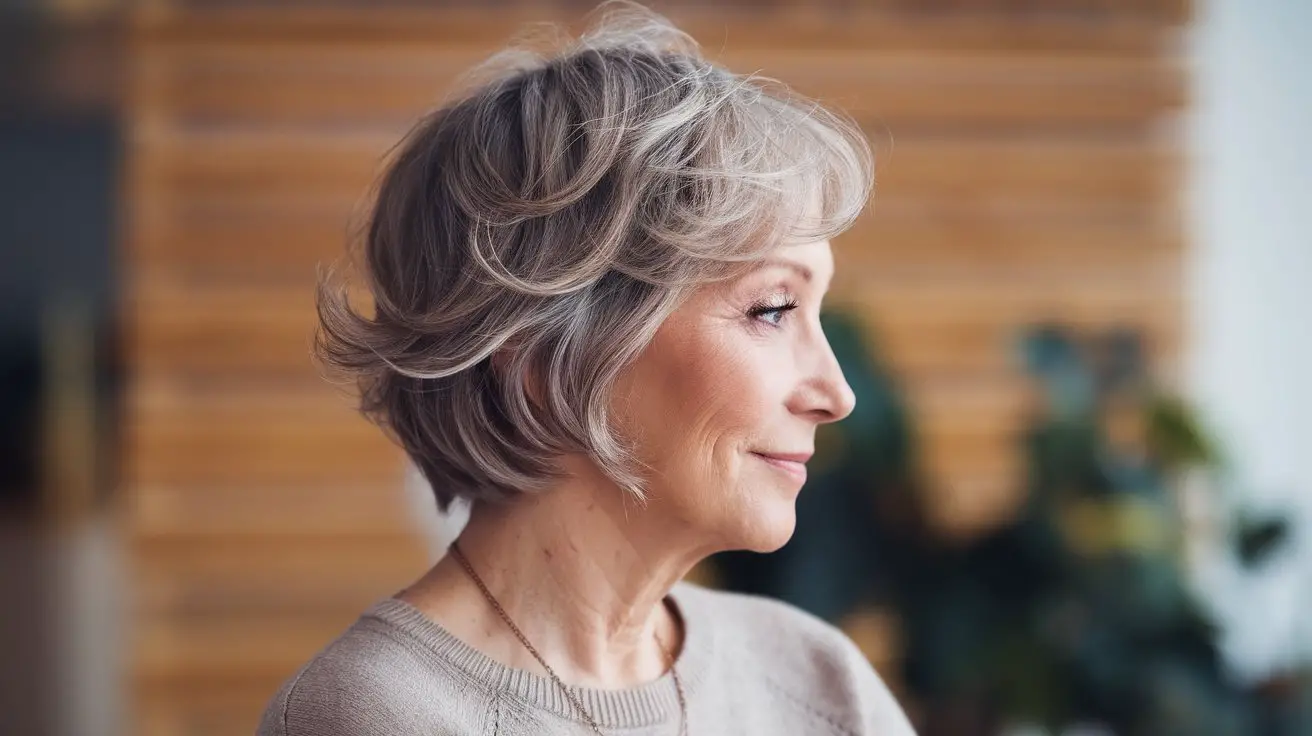
Hair has a remarkable way of telling our stories, and as women move through different chapters of life, finding the right haircut becomes about more than just style. It’s about discovering cuts that work with changing hair textures, complement evolving facial features, and fit seamlessly into busy lifestyles. The search for that perfect cut often feels overwhelming, especially when faced with outdated advice about what women “should” do with their hair after a certain age.
The good news is that modern hairstyling has completely transformed what’s possible for mature women. Today’s cuts focus on enhancing natural beauty while addressing practical concerns like thinning hair, graying strands, and the need for low-maintenance styling. Professional stylists now understand that age-appropriate doesn’t mean boring or conservative – it means finding styles that make you feel confident, current, and authentically yourself.
In the following sections, we’ll walk through everything from understanding how hair changes with age to discovering specific cuts that work beautifully for different face shapes and hair types. Whether you’re considering a dramatic change or simply want to refresh your current style, you’ll find practical guidance for making choices that enhance your natural beauty. Let’s discover the cuts that will have you looking and feeling your absolute best.
- Why Hair Changes as You Age and What It Means for Your Style
- Classic Short Cuts That Never Go Out of Style
- Medium-Length Styles That Flatter and Frame
- Long Hair After 50: Breaking the Rules Beautifully
- How to Choose the Perfect Cut for Your Face Shape and Hair Type
- Finding Your Signature Style
- Frequently Asked Questions
Why Hair Changes as You Age and What It Means for Your Style
Understanding how hair evolves over time helps you make smarter styling decisions. Most women notice their hair beginning to change in their 40s, though genetics and lifestyle factors mean this timeline varies significantly from person to person. These changes aren’t just about going gray – they involve shifts in texture, density, and growth patterns that affect how different cuts look and behave.
Texture Changes and Thinning
Hair often becomes finer and more fragile as hormone levels shift. What once felt thick and coarse might now feel silky and delicate. This textural change actually opens up new styling possibilities. Cuts that seemed too heavy before might now create beautiful movement and body. Many women find that layers work differently on their hair than they did decades earlier, often creating more lift and volume rather than weighing hair down.
The density of hair follicles also decreases naturally over time. You might notice your ponytail feels smaller or your part appears wider. Strategic cutting techniques can minimize these effects. Graduated layers, for instance, create the illusion of fullness by removing weight from the bottom while maintaining density through the crown. Stylists often recommend avoiding blunt, one-length cuts that can emphasize thinning areas.
Gray Hair Considerations
Silver strands have a different structure than pigmented hair. They’re often coarser, more resistant to styling products, and can appear wiry or unruly. The right cut works with these characteristics rather than fighting against them.
Gray hair tends to look spectacular with:
- Precision cuts: Clean lines show off the beautiful color variations in natural gray
- Textured styles: Choppy layers prevent that helmet-like appearance gray hair can develop
- Shorter lengths: Many women find their gray hair looks healthier and more vibrant when kept above the shoulders
- Strategic layering: Helps manage any coarseness while adding movement
Face Shape Evolution
Facial contours change with time, and haircuts that flattered you at 30 might not work the same way at 60. Skin loses elasticity, jawlines soften, and cheekbones may become more or less prominent. A skilled stylist considers these changes when recommending cuts.
Shorter styles often lift the face visually, creating a more youthful appearance. Side-swept bangs can minimize forehead lines while drawing attention to the eyes. Layers that hit at the cheekbone can restore definition to facial features. The key lies in working with your current face shape rather than trying to recreate looks from the past.
Lifestyle Factors
Your daily routine plays a huge role in determining the best cut for you. Many women find they have less patience for complicated styling routines as they get older, preferring cuts that look polished with minimal effort. Others discover retirement or reduced work schedules give them more time to experiment with their appearance.
Consider your activity level too. If you exercise regularly, you’ll want a style that transitions easily from gym to grocery store. Women who travel frequently often prefer cuts that look good air-dried or with minimal styling tools. Those dealing with health conditions affecting their hands or arms might need styles that don’t require extensive blow-drying or curling.
The relationship between hair health and overall wellness becomes more apparent with age. Medications, nutritional changes, and stress all affect hair quality. A good cut takes these factors into account, working with your hair’s current condition rather than demanding perfection. Sometimes the best thing you can do for aging hair is choose a cut that requires less heat styling, chemical processing, and daily manipulation.
Classic Short Cuts That Never Go Out of Style
Short haircuts offer incredible versatility for mature women, providing both sophistication and ease of maintenance. The beauty of these styles lies in their ability to frame the face beautifully while requiring minimal daily styling effort.
The Pixie Cut Variations
The pixie remains one of the most flattering options for women over 50. This cut works particularly well because it draws attention upward to the eyes and cheekbones, creating a lifting effect that many women appreciate. Modern pixie cuts come in countless variations, from super short and sleek to longer, more textured versions.
A longer pixie with side-swept bangs offers tremendous flexibility. You can style it smooth for professional settings or tousle it with a bit of texturizing cream for weekend casual looks. The key to a successful pixie lies in customization – your stylist should adjust the length around your ears, neckline, and crown based on your specific features and preferences.
Women with fine hair often discover that pixie cuts make their hair appear thicker and more substantial. The shorter length prevents hair from being weighed down, allowing natural volume to show through. Adding subtle highlights or lowlights can enhance this effect, creating depth and dimension that makes hair look fuller.
For those concerned about maintenance, pixies typically need trimming every 4-6 weeks to maintain their shape. However, the daily styling time saved often makes up for more frequent salon visits. Most pixie cuts can be styled in under five minutes with just a small amount of product and a quick blow-dry or air-dry.
Bob Cuts for Mature Women
The bob stands as perhaps the most versatile short haircut available. From chin-length to just below the ears, bobs can be customized to suit virtually any face shape and hair type. The classic bob with a slight angle – shorter in back, longer in front – creates a youthful silhouette that flatters most women.
Blunt bobs work wonderfully for women with thicker hair, creating a strong, confident look. The clean lines of a blunt cut showcase healthy hair beautifully, especially when paired with a glossy finish. For those with finer hair, a bob with subtle layers throughout prevents the style from looking too heavy or flat against the head.
Consider these popular bob variations:
- Stacked bob: Shorter layers in back create volume at the crown
- Asymmetrical bob: One side slightly longer adds modern interest
- Textured bob: Choppy ends prevent the severe look some women want to avoid
- Graduated bob: Gentle layering creates movement without sacrificing the classic bob shape
The bob’s popularity among mature women stems partly from its professional appearance combined with relatively easy maintenance. Unlike longer styles that might require extensive styling, most bobs look polished with a simple blow-dry and round brush. Many women find they can even air-dry their bob with the right products for a more relaxed look.
Layered Short Styles
Layers transform short haircuts from simple to spectacular. Strategic layering adds movement, creates volume where needed, and helps disguise any thinning areas. The shag haircut, updated for modern times, offers a perfect example of how layers can create a youthful, energetic look.
Contemporary shags feature shorter layers through the crown with longer pieces around the face and nape. This creates natural volume on top while maintaining some length for versatility. The beauty of a layered shag lies in its forgiveness – it looks great whether you style it carefully or simply run your fingers through it after washing.
Women with naturally wavy or curly hair often find that layered short cuts work beautifully with their texture. The layers prevent triangle-shaped silhouettes that can occur when curly hair is cut in a single length. Instead, the varying lengths allow curls to spring up naturally, creating an effortlessly stylish appearance.
Maintenance and Styling Tips
Short haircuts might require more frequent trims, but they offer significant advantages in daily care. Most short styles can be washed and styled in a fraction of the time longer hair requires. This becomes particularly valuable for women dealing with arthritis or other conditions that make extended styling sessions uncomfortable.
The right products make all the difference with short hair. A lightweight mousse adds volume without heaviness, while a small amount of smoothing serum tames any flyaways. Texturizing paste or pomade helps create piece-y, modern looks that prevent short hair from appearing too perfect or helmet-like.
Heat styling becomes less damaging with short hair since you’re constantly trimming away the oldest, most damaged ends. Many women find they can achieve their desired look with lower heat settings or even eliminate heat styling altogether on some days. This contributes to overall hair health, keeping strands looking vibrant and strong.
Color maintenance also becomes simpler with short styles. Root touch-ups are less noticeable when hair is shorter, and the overall amount of hair requiring color treatment decreases. This can mean significant savings in both time and money at the salon, making short cuts an economical choice for many women.
Medium-Length Styles That Flatter and Frame
Medium-length haircuts offer the perfect balance for women who want versatility without the maintenance demands of long hair. These styles, typically falling between the chin and shoulders, provide enough length for various styling options while remaining manageable for daily life.
Shoulder-Length Options
Shoulder-length cuts have gained tremendous popularity among mature women for good reason. This length offers remarkable versatility – you can wear it straight and sleek for professional settings, add waves for a softer look, or pull it back when convenience matters. The length provides enough weight to prevent excessive volume or puffiness that some women experience with shorter cuts, while still maintaining a fresh, modern appearance.
One particularly flattering option is the shoulder-length cut with long layers. These layers start around the cheekbones and continue through the ends, creating beautiful movement without sacrificing too much length. The layers help prevent that heavy, triangular shape that one-length cuts can create, especially for women with thicker hair.
Women with thinning hair often worry that medium lengths will emphasize their concerns, but the opposite can be true with proper cutting techniques. A shoulder-length style with subtle layers and perhaps some face-framing pieces can actually create the illusion of fuller hair. The key lies in avoiding too many layers, which can make hair appear stringy, and instead opting for strategic placement that maintains density while adding movement.
Lobs and Their Versatility
The long bob, affectionately known as the lob, has become a go-to style for women of all ages, and for excellent reasons. Typically cut anywhere from just above to just below the shoulders, lobs offer more styling flexibility than traditional bobs while maintaining that polished, put-together appearance.
What makes lobs particularly appealing for mature women? First, they require less frequent trimming than shorter bobs – usually every 8-10 weeks versus 4-6 weeks. Second, the extra length provides options for different partings, updos, and styling techniques that shorter cuts don’t allow. You can curl it, straighten it, or wear it in a low ponytail or bun when you need hair off your face.
The lob works beautifully with various textures too. Women with straight hair can add subtle bends or waves for dimension. Those with naturally wavy hair find that lobs showcase their texture perfectly without becoming overwhelming. Even women with curly hair discover that the weight of a lob helps control volume while maintaining beautiful spiral patterns.
An angled lob – longer in front than in back – creates an especially youthful appearance. This slight angle draws the eye forward and down, creating a slimming effect for the face while adding visual interest to the overall style. The angle can be dramatic or subtle depending on personal preference and facial features.
Adding Movement and Volume
Creating movement in medium-length hair prevents it from looking heavy or dated. Modern cutting techniques focus on creating natural movement that doesn’t require extensive styling to look good.
Point cutting, where stylists cut into the hair at an angle rather than straight across, creates soft, feathered ends that move beautifully. This technique works particularly well for women whose hair has become finer with age, as it prevents harsh lines that can emphasize thinning.
Hidden layers offer another excellent option for adding movement without obvious layering. These layers are cut underneath the top sections of hair, creating lift and body without the choppy appearance some women want to avoid. The result is hair that moves naturally and has shape without looking overly styled.
For volume, consider these professional techniques:
- Root lifting cuts: Shorter pieces at the crown create natural lift
- Graduated layers: Build volume gradually from the nape up
- Texturizing: Removes bulk in thick hair while creating movement
- Strategic thinning: Reduces weight without creating stringy ends
Working with Natural Texture
Medium-length cuts provide the perfect opportunity to work with, rather than against, your hair’s natural texture. Many women discover that their hair texture changes with age – straight hair might develop waves, or curly hair might loosen. A good medium-length cut accommodates these changes.
If your hair has developed a natural wave pattern, consider cuts that enhance this texture. Layers cut specifically for wavy hair – often called “wave-enhancing layers” – follow the natural pattern of your waves, encouraging them to form properly without frizz or confusion. These specialized cuts can transform unruly waves into a gorgeous, low-maintenance style.
Women with straight hair that has become finer might benefit from blunt or barely layered medium cuts. The weight of one-length hair can actually make fine hair appear thicker and healthier. Adding subtle texture through styling products or techniques, rather than through cutting, gives you more control over the final look.
Color placement becomes particularly important with medium-length styles. Highlights or lowlights placed strategically around the face and through the lengths can enhance movement and create depth. Many colorists recommend a technique called “face-framing highlights” that brighten the complexion while adding dimension to the hair. This technique works especially well with medium lengths where the highlights are visible whether hair is worn down or pulled back.
Styling medium-length hair doesn’t have to be complicated. Many women find that a good cut at this length can be air-dried with the right products for an effortless look. A leave-in conditioner, followed by a lightweight styling cream, often provides enough hold and definition without the need for heat styling. For special occasions, medium-length hair offers endless possibilities – from elegant updos to romantic waves to sleek, straight styles.
Long Hair After 50: Breaking the Rules Beautifully
The outdated notion that women should cut their hair short after a certain age has thankfully fallen by the wayside. Many women over 50 rock gorgeous long hair that enhances their beauty and expresses their personality. The key lies in maintaining health, choosing the right cut, and adapting styling techniques to work with mature hair’s unique characteristics.
Long hair on mature women can look absolutely stunning when properly maintained and styled. It offers versatility that shorter cuts simply cannot match – from elegant updos to flowing waves to practical ponytails. The decision to keep hair long should be based on personal preference, lifestyle, and hair health rather than arbitrary age-related rules.
Maintaining Healthy Long Hair
Keeping long hair healthy requires more attention as we age, but the results justify the effort. Hair grows more slowly and can become more fragile over time, making proper care essential for maintaining beautiful long locks.
Regular trims become even more critical with long hair. While it might seem counterintuitive to cut hair you’re trying to grow or maintain, removing damaged ends every 8-12 weeks prevents splits from traveling up the hair shaft. This actually helps hair look longer and healthier by eliminating the scraggly, thin ends that can make long hair appear unkempt.
Deep conditioning treatments should become a weekly ritual for women with long hair. As hair ages, it naturally becomes drier and more prone to breakage. A nourishing mask applied from mid-length to ends helps maintain elasticity and shine. Many women find that sleeping with a silk pillowcase or wearing a silk bonnet to bed significantly reduces breakage and tangling.
The way you handle wet hair matters tremendously. Long hair is most vulnerable when wet, so gentle treatment is essential. Using a wide-tooth comb, starting from the ends and working up, prevents unnecessary breakage. Microfiber towels or old t-shirts work better than traditional terry cloth towels for drying, as they create less friction and reduce frizz.
Layering Techniques for Movement
Long, one-length hair can look heavy and drag down facial features. Strategic layering creates movement and prevents that weighed-down appearance while maintaining the length you love.
Long layers that start around the collarbone and continue through the ends create beautiful movement without sacrificing too much length. These layers allow hair to move freely and catch light at different angles, creating dimension and preventing the flat, lifeless look that can plague long hair.
Face-framing layers deserve special attention for mature women. Starting these layers around the cheekbones or jawline can create a lifting effect that flatters changing facial contours. These shorter pieces also provide styling versatility – they can be curled away from the face for a youthful look or blown smooth for sophistication.
For women with thinning hair who still want to maintain length, invisible layering techniques work wonders. These involve cutting layers within the hair rather than on the perimeter, maintaining the appearance of density while creating movement. Your stylist might use techniques like slide cutting or channel cutting to achieve this effect.
Styling Options for Different Occasions
Long hair’s versatility truly shines when considering the numerous styling possibilities it offers. From casual everyday looks to formal event styles, length provides options that shorter cuts simply cannot match.
For daily wear, many women with long hair appreciate simple styles that keep hair healthy while looking polished:
- Loose waves: Created with large hot rollers or a curling iron, then brushed out for softness
- Low ponytails: Positioned at the nape with face-framing pieces left loose
- Half-up styles: The top section pulled back while leaving length flowing
- Braided elements: Side braids or crown braids add interest without complexity
- Twisted buns: Low, loose buns that look elegant without being severe
Special occasions call for more elaborate styles that showcase the beauty of long hair. Professional blowouts create that salon-perfect look for important events. Hollywood waves offer timeless glamour that particularly suits mature women. Updated versions of classic updos – like textured chignons or braided crowns – provide elegance while avoiding dated appearances.
Color Considerations for Length
Long hair presents unique opportunities and challenges when it comes to color. The extended length means any color treatment represents a significant investment of both time and money, making careful consideration essential.
Many women with long hair choose to transition to their natural gray gradually. The length allows for beautiful gradient effects as natural color grows in. Some opt for strategic highlighting that blends gray roots with the rest of the hair, creating a sophisticated salt-and-pepper effect. Others choose to maintain their color fully, which requires dedication but can produce stunning results.
Balayage and ombré techniques work particularly well on long hair, creating natural-looking dimension without the harsh line of traditional highlights. These techniques also require less frequent touch-ups, making them practical choices for women who want beautiful color without constant salon visits.
The health of long hair must be considered when choosing color treatments. Bleaching and frequent coloring can damage hair significantly, potentially necessitating cutting off length to remove damaged sections. Many women find that choosing colors close to their natural shade minimizes damage while still providing the enhancement they desire. Demi-permanent colors and glosses offer another option, providing shine and tone without the commitment or damage of permanent color.
How to Choose the Perfect Cut for Your Face Shape and Hair Type
Finding your ideal haircut involves understanding both your face shape and hair type, then selecting styles that enhance your best features while working with your hair’s natural characteristics. This knowledge empowers you to communicate effectively with your stylist and make confident decisions about your appearance.
Round Face Considerations
Round faces benefit from cuts that create the illusion of length and minimize width. The goal isn’t to hide your face shape but rather to create balance and highlight your features in the most flattering way.
Haircuts with height at the crown work wonderfully for round faces. A pixie cut with volume on top, achieved through strategic layering and styling, elongates the face beautifully. Similarly, asymmetrical cuts – whether short bobs or longer styles – create angles that contrast nicely with soft, round features.
Side parts generally flatter round faces more than center parts. The diagonal line created by a deep side part adds asymmetry and length to the face. Combine this with side-swept bangs rather than straight-across bangs, and you create even more elongating angles.
Length below the chin typically works better than chin-length cuts for round faces. If you prefer shorter styles, ensure they hit either well above the jawline or below it, avoiding that exact chin level that can emphasize roundness. Long layers that start below the chin and continue through the length create vertical lines that slim and elongate.
Square and Angular Faces
Square faces feature strong jawlines and broad foreheads, creating a powerful, striking appearance. The right haircut softens these angles while celebrating the natural strength of these features.
Soft, wispy layers around the face work beautifully to balance angular features. Unlike blunt cuts that can emphasize a square jaw, layered styles create movement and softness. Cuts that are fuller at the crown and narrower at the jaw help balance proportions.
Consider cuts with rounded shapes rather than geometric ones. A rounded bob with soft edges complements angular faces better than a sharp, blunt bob. Similarly, waves and curls add softness that contrasts beautifully with strong bone structure. Even if your hair is naturally straight, adding gentle waves with styling tools can create this softening effect.
Bangs can work wonderfully for square faces when chosen carefully. Side-swept or wispy bangs soften the forehead, while heavy, straight bangs might emphasize the square shape. The key lies in avoiding any element that creates additional horizontal lines across the face.
Oval and Heart Shapes
Oval faces are considered the most versatile for haircuts, as their balanced proportions work with nearly any style. This freedom allows you to focus more on hair texture and personal preference than on correcting proportions.
If you have an oval face, experiment with different lengths and styles to find what makes you feel most confident. From super-short pixies to flowing long hair, most cuts will flatter your face shape. This is the time to consider factors like maintenance requirements, lifestyle, and personal style preferences rather than worrying about whether a cut will “work” with your face.
Heart-shaped faces, characterized by wider foreheads and narrower chins, benefit from cuts that add width at the jawline. Chin-length bobs, especially those with a slight flip or wave at the ends, create beautiful balance. Longer styles with layers that start at the chin or below also work well.
For heart-shaped faces, avoid too much volume at the crown, which can make the forehead appear even wider. Instead, focus on creating fullness from the ears down. Side parts typically work better than center parts, and side-swept bangs can help minimize a broad forehead if desired.
Working with Fine vs Thick Hair
Hair density plays a crucial role in determining which cuts will look best and prove most manageable. Fine hair and thick hair require completely different approaches to achieve optimal results.
Fine hair benefits from cuts that create the illusion of density. Blunt cuts often work better than heavily layered styles, as too many layers can make fine hair appear stringy. When layers are used, they should be minimal and strategic. A bob with subtle graduation or a pixie with textured ends can add movement without sacrificing the appearance of fullness.
One-length cuts just below the shoulders often represent the sweet spot for fine hair – long enough to have some weight and movement, but not so long that the hair appears thin and lifeless. Adding subtle highlights can create visual depth that makes fine hair appear thicker.
Thick hair, conversely, often needs layers to remove bulk and create manageability. Without proper layering, thick hair can create unflattering triangular shapes or overwhelm facial features. Long layers throughout, combined with texturizing techniques, help thick hair lie properly and move naturally.
Women with thick hair often find that medium to longer lengths work better than very short cuts. The weight of longer hair helps control volume and prevents the puffiness that can occur with shorter styles. However, a skilled stylist can create beautiful short cuts for thick hair using techniques like undercutting or strategic thinning.
Curly and Wavy Textures
Textured hair requires specialized cutting techniques to look its best. The old practice of cutting curly hair straight and hoping for the best has given way to methods that work with natural curl patterns.
Curly hair often looks best when cut dry, allowing the stylist to see exactly how each curl falls and springs. This prevents the common problem of curly hair appearing much shorter than intended once it dries and curls up. Layers in curly hair should follow the natural curl pattern, creating shape without disrupting the curl formation.
DevaCut and similar techniques specifically designed for curly hair have revolutionized cutting for women with textured hair. These methods involve cutting each curl individually to create shape while maintaining the integrity of the curl pattern.
Wavy hair occupies a middle ground, often requiring techniques borrowed from both straight and curly cutting methods. Layers that enhance natural wave patterns without creating frizz or puffiness work best. Many women with wavy hair find that medium-length cuts showcase their texture beautifully while remaining manageable.
Finding Your Signature Style
Your perfect haircut is the one that makes you feel confident, beautiful, and authentically yourself. While guidelines about face shapes and hair types provide helpful starting points, the best style for you ultimately depends on your personal preferences, lifestyle, and how you want to present yourself to the world. Age should never limit your choices – instead, it should inform them, helping you select cuts that work with your hair’s current condition while expressing your personality.
Working with a skilled stylist who understands mature hair and stays current with modern techniques makes all the difference in achieving your ideal look. Don’t hesitate to bring photos, ask questions, and discuss your daily routine and styling abilities honestly. Your haircut should enhance your life, not complicate it. Whether you choose a bold pixie, a classic bob, an elegant medium length, or flowing long locks, the right cut will have you looking and feeling fabulous at any age.
Frequently Asked Questions
Q: How often should I get my hair cut after 50?
A: Most stylists recommend trimming every 6-8 weeks for short styles, 8-10 weeks for medium lengths, and 10-12 weeks for long hair. Regular trims keep your style looking fresh and prevent damage from traveling up the hair shaft.
Q: Will going shorter make me look older or younger?
A: The right short cut typically creates a lifting effect that appears more youthful, but the key lies in choosing a style that suits your face shape and features. Modern short cuts with movement and texture tend to look fresh and contemporary rather than aging.
Q: Should I avoid bangs as I get older?
A: Bangs can be incredibly flattering at any age when chosen correctly. Soft, side-swept bangs often work better than heavy, straight-across styles. They can minimize forehead lines and draw attention to your eyes.
Q: Is it true that long hair ages women over 50?
A: This outdated myth has no basis in reality. Well-maintained, healthy long hair can look stunning at any age. The key is keeping it in good condition and choosing a cut with movement rather than one heavy length.
Q: How do I know if my stylist understands mature hair?
A: Look for stylists who ask about your hair’s texture changes, discuss your lifestyle and maintenance preferences, and can explain how different cuts will work with your specific hair type. They should also be knowledgeable about current trends adapted for mature women.
Q: What’s the best haircut for thinning hair?
A: Shorter to medium-length cuts often work best for thinning hair, as they remove weight and create the appearance of fuller hair. Avoid too many layers, which can make hair look stringier. Blunt or slightly graduated cuts often create the illusion of density.
Q: Can I still have a trendy haircut after 50?
A: Absolutely! Many current trends work beautifully on mature women. The key is adapting trends to suit your features and lifestyle rather than copying them exactly. A skilled stylist can help you incorporate modern elements into a cut that’s both fashionable and flattering.
Q: How do I transition to gray hair without looking unkempt?
A: Consider techniques like highlights or lowlights that blend your natural gray with your colored hair, creating a gradual transition. Regular trims and deep conditioning treatments keep hair looking polished during the growing-out phase. Some women opt for shorter cuts during transition to minimize the two-toned effect.

