

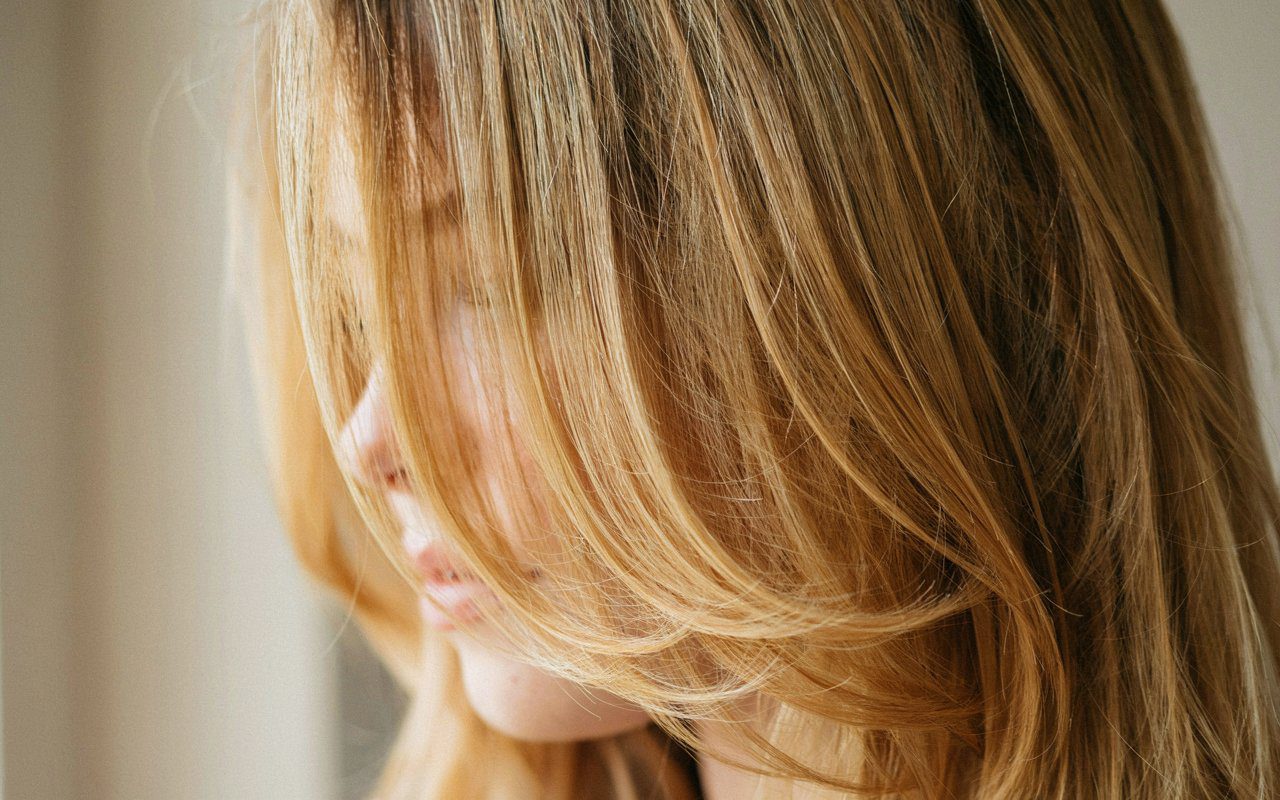
Hair color does more than change how you look in the mirror. It changes how light bounces off your face, how your skin tone reads, and whether the lines and shadows on your face get softer or sharper. A shade that flattered you at 25 might not flatter you at 45 or 55, and that has nothing to do with getting older gracefully or not — it’s simple physics and pigment.
The good part is that you don’t need a dramatic transformation to see a real difference. Small, smart adjustments to tone, placement, and shine can take years off your look without anyone being able to point to exactly what changed. That’s the whole idea behind a good color hack: it works quietly.
Below are twelve color moves that colorists keep coming back to for women who want to look brighter, fresher, and younger without an obvious “new hair” moment. Some of these are things you ask your colorist for by name. Others are small habits you can start using at home this week.
- 1. Soften Jet Black or Flat Dark Brown
- 2. Add Face-Framing Highlights
- 3. Ask for Gray Blending Instead of Full Coverage
- 4. Trade Platinum or Icy Tones for Warm Blonde
- 5. Get a Gloss Treatment Every Few Weeks
- 6. Skip Chunky Highlights for Dimensional Balayage
- 7. Watch Out for Too Much Contrast
- 8. Try a Shadow Root Instead of a Harsh Line
- 9. Match Your Undertone, Not Just a Trend
- 10. Add Warmth if You're Fully Silver or White
- 11. Keep Color Fresh with Regular Root Touch-Ups
- 12. Prioritize Hair Health Along With Color
- Small Color Changes, Real Results for Women
- Frequently Asked Questions
1. Soften Jet Black or Flat Dark Brown
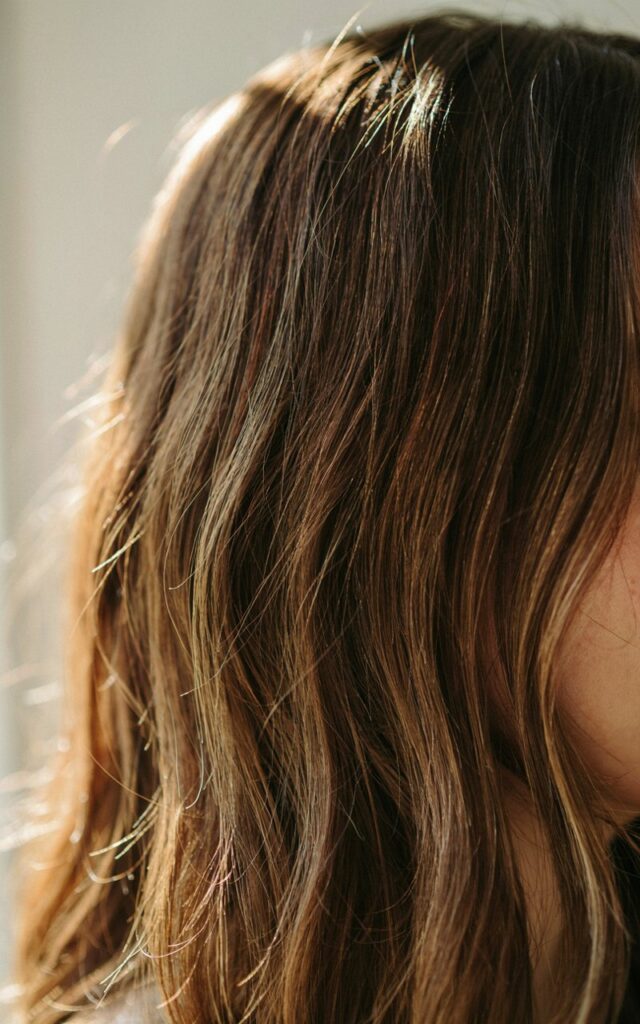
Solid, one-note dark color is one of the biggest agers in hair. It sits flat against the skin, and flat color casts a shadow instead of reflecting light, which can make fine lines and under-eye circles more noticeable.
Warm chocolate, espresso with a few caramel ribbons, or a soft dark brunette with subtle red undertones does the same job as black without the harsh edge. The goal isn’t to go lighter across the board — it’s to break up the solid block of color so your face has somewhere to catch light.
2. Add Face-Framing Highlights
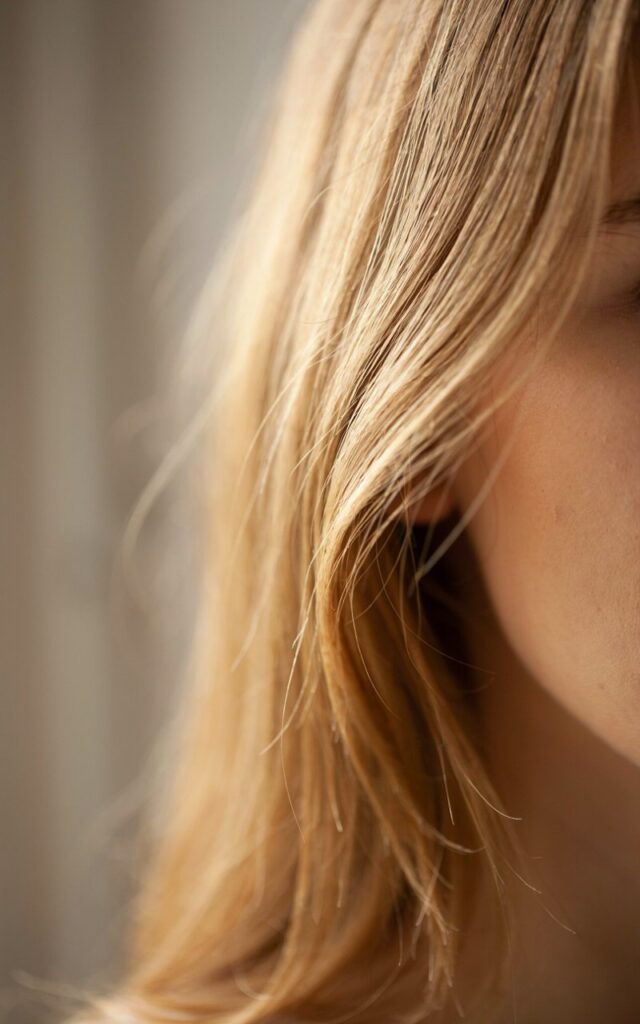
Lightening a few pieces of hair right around your hairline works like a reflector at a photo shoot.
Colorists describe face-framing highlights as built-in lighting: they brighten the skin directly next to your eyes, cheeks, and jawline, which is exactly where a youthful glow matters most. You don’t need a full head of highlights to get this effect. Two or three well-placed pieces on each side of your part can lift your whole complexion.
3. Ask for Gray Blending Instead of Full Coverage
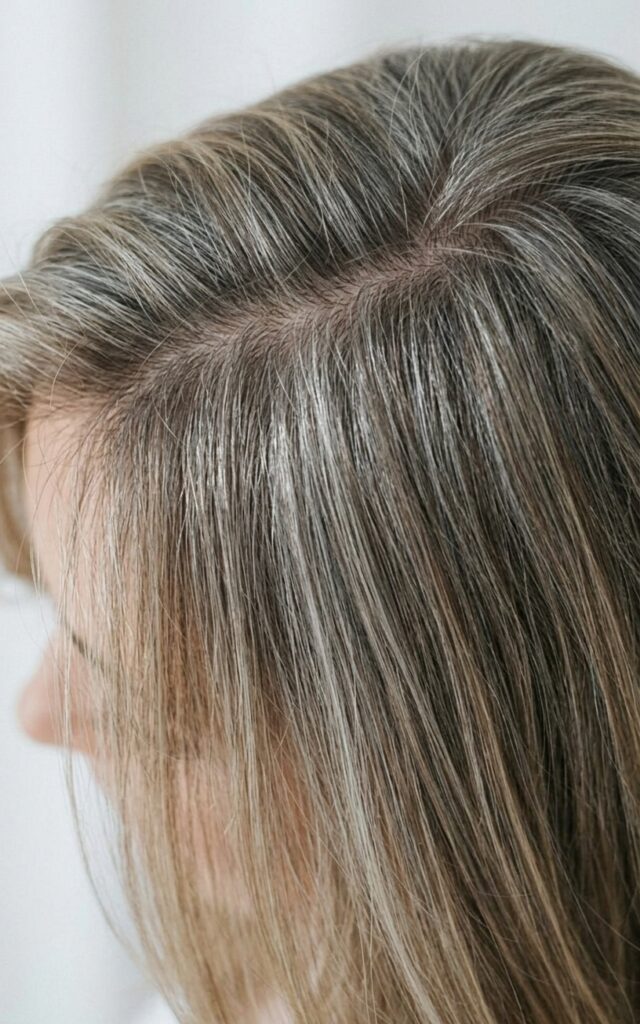
Full gray coverage often means a hard, flat root every four weeks, and that solid line of color can look more aging than the gray itself.
Gray blending uses fine highlights, called babylights, along with soft lowlights to let some natural gray show through while breaking up the rest with lighter and darker pieces. One celebrity colorist put it simply: babylights are so fine that they “disappear into the regrowth,” which means your roots stop being the first thing people notice.
4. Trade Platinum or Icy Tones for Warm Blonde
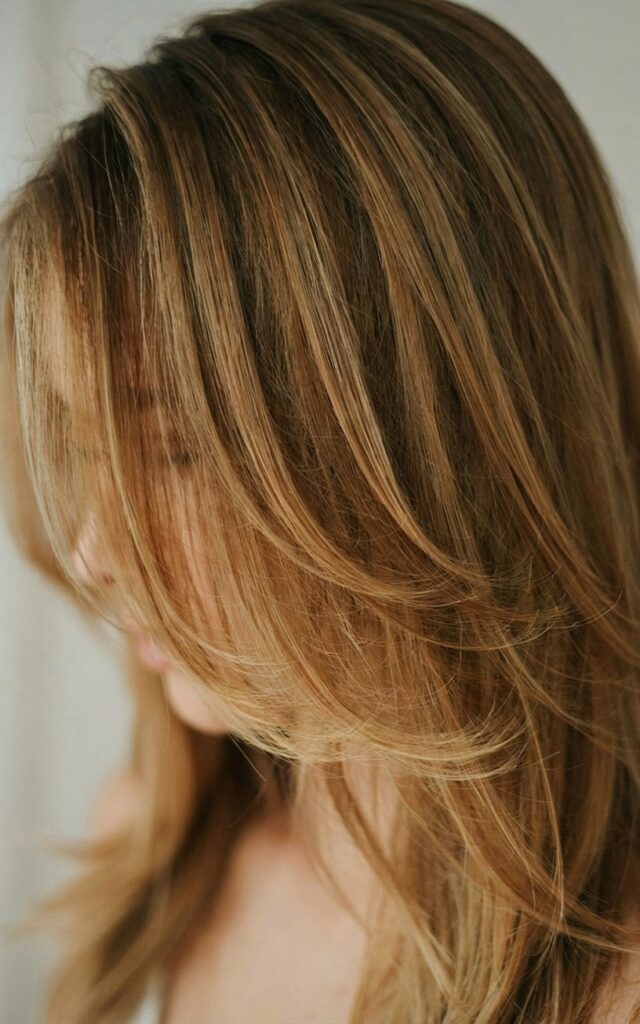
Very cool, ashy blonde can pull the color right out of your skin, especially as skin naturally loses some of its own warmth with age.
- Warm honey blonde adds a golden cast that brings color back into the cheeks.
- Buttery blonde with low-lights avoids the flat, one-dimensional look of a single-process color.
- Strawberry blonde warms the whole face and works well on fair to medium skin.
- Bronde, a blend of brown and blonde, gives brightness without going full blonde.
Any of these options trades cold tone for warmth, and warmth is almost always the more flattering direction as skin changes over time.
5. Get a Gloss Treatment Every Few Weeks
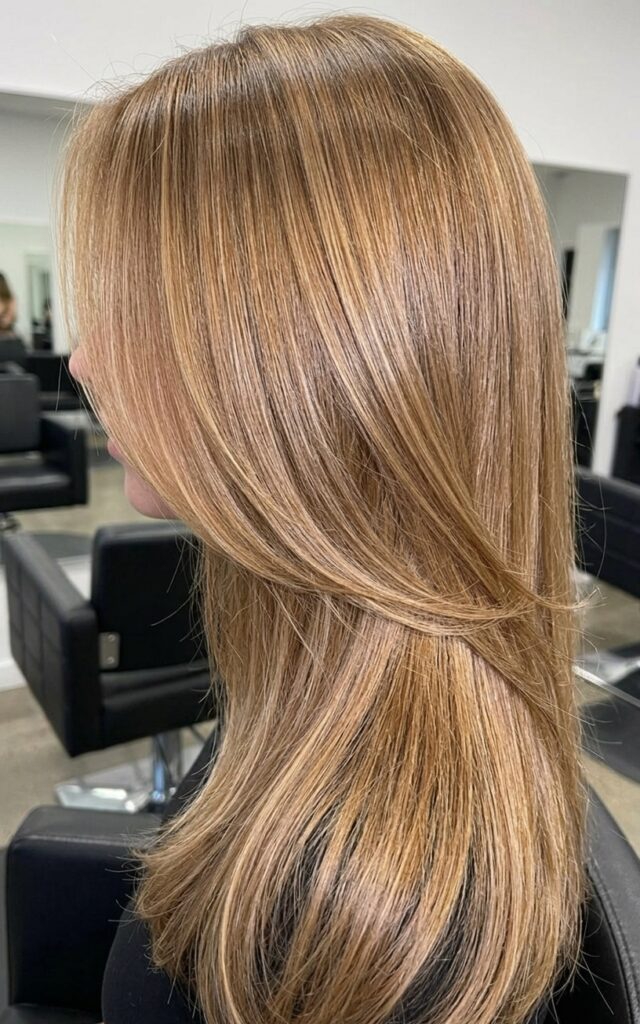
A gloss is a clear or lightly tinted treatment that seals the hair shaft and adds shine, and shine reads as health, which reads as youth.
You don’t need to change your actual color to benefit from this. A gloss appointment takes about twenty minutes, refreshes color that’s started to look dull between full color sessions, and can be done at almost any salon visit. Some at-home gloss kits work well too, though a salon version tends to last longer and look more even.
6. Skip Chunky Highlights for Dimensional Balayage
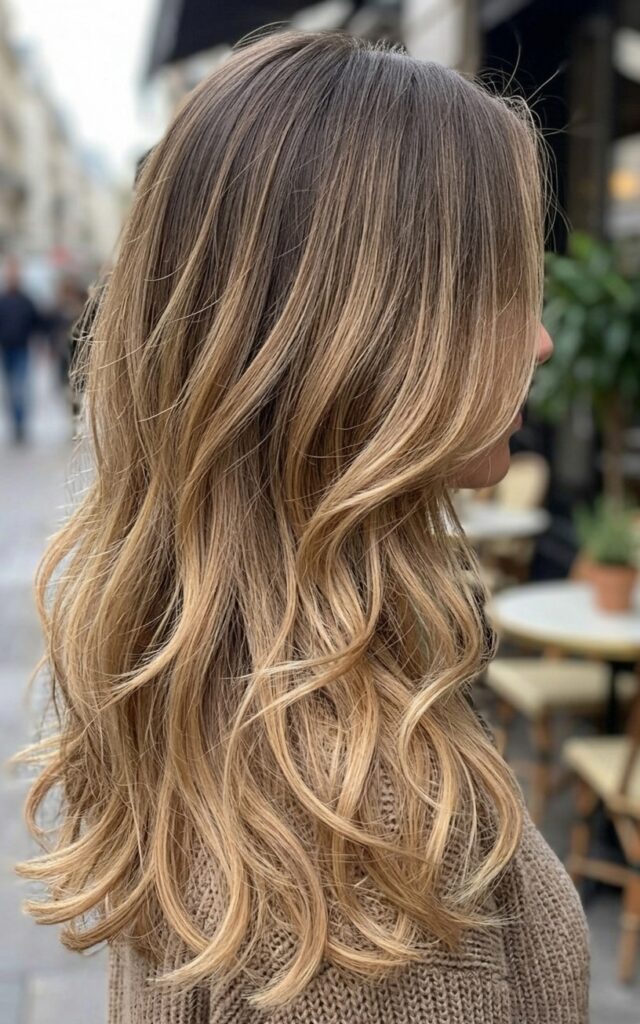
Do you actually need a full set of foils to look lighter and brighter?
Not necessarily. Balayage is hand-painted rather than foiled, so the color fades in gradually instead of stopping in a hard line. Because there’s no harsh demarcation, regrowth looks intentional instead of neglected, and the softer gradient tends to photograph and age better than blocky, uniform highlights.
7. Watch Out for Too Much Contrast
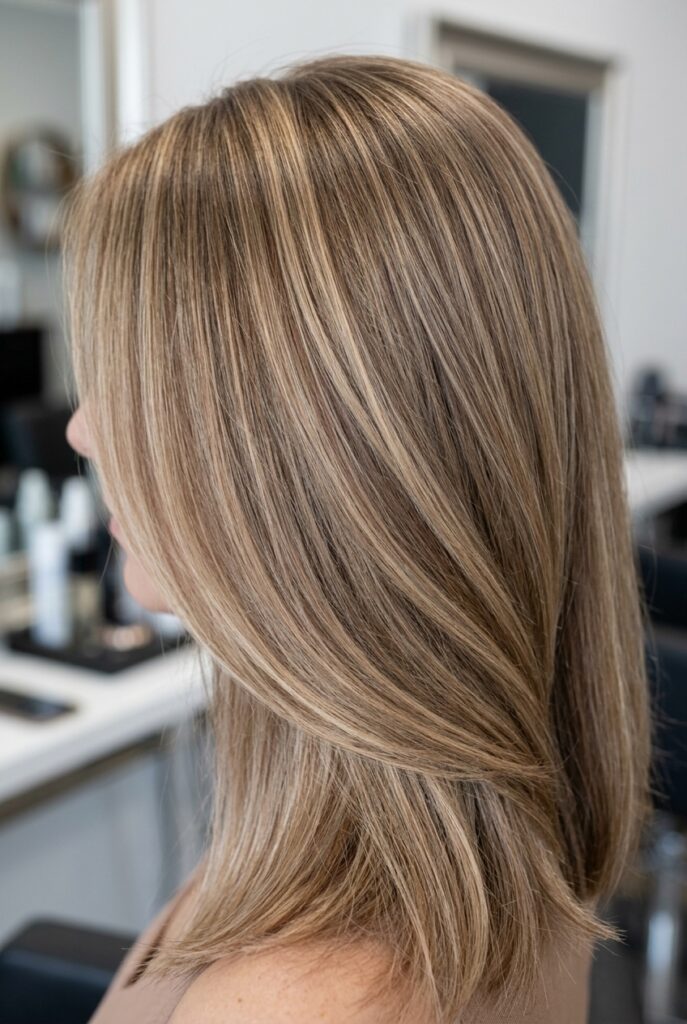
Going for drama by pairing very light highlights with very dark lowlights can backfire. That kind of high contrast actually draws the eye straight to fine lines, sun spots, and shadows around the mouth and eyes, which is the opposite of what most women want from a color refresh.
A better approach is to keep your highlights and lowlights within two or three shades of each other. This still creates movement and depth in the hair, but the transitions stay soft, so the color supports your face instead of competing with it.
8. Try a Shadow Root Instead of a Harsh Line
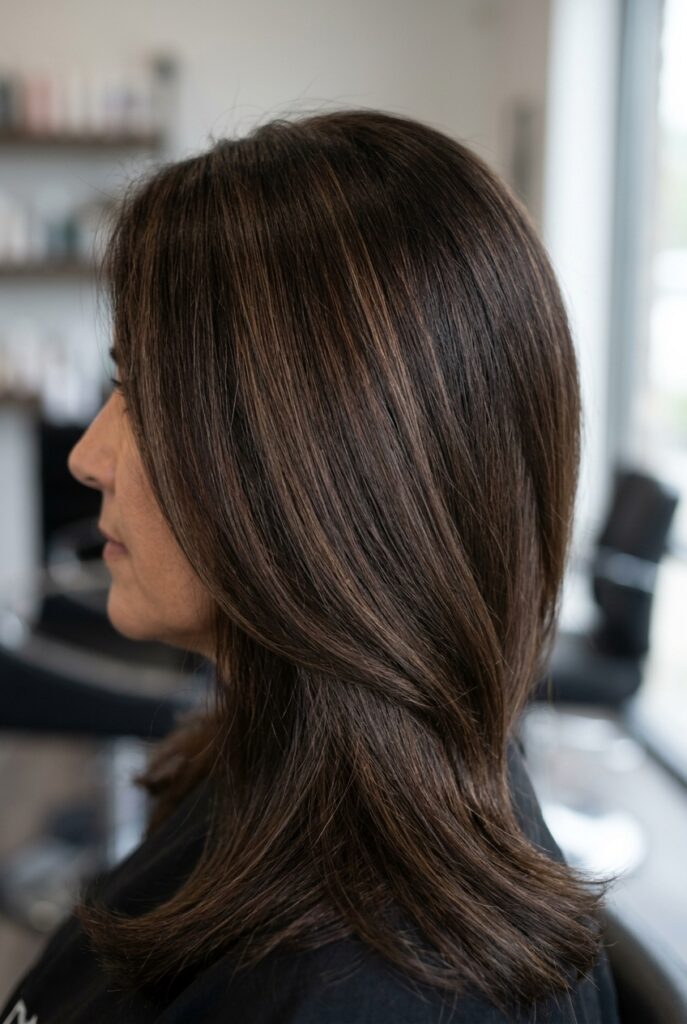
A shadow root uses a color just one or two shades darker than your overall shade, painted close to the scalp, so regrowth blends instead of standing out. Stylists are clear that the goal here is subtlety, not a stark contrast between two very different colors. The root should stay in the same tone family as the rest of your hair — warm with warm, cool with cool — so the blend looks soft and the transition between root and length is barely visible.
9. Match Your Undertone, Not Just a Trend
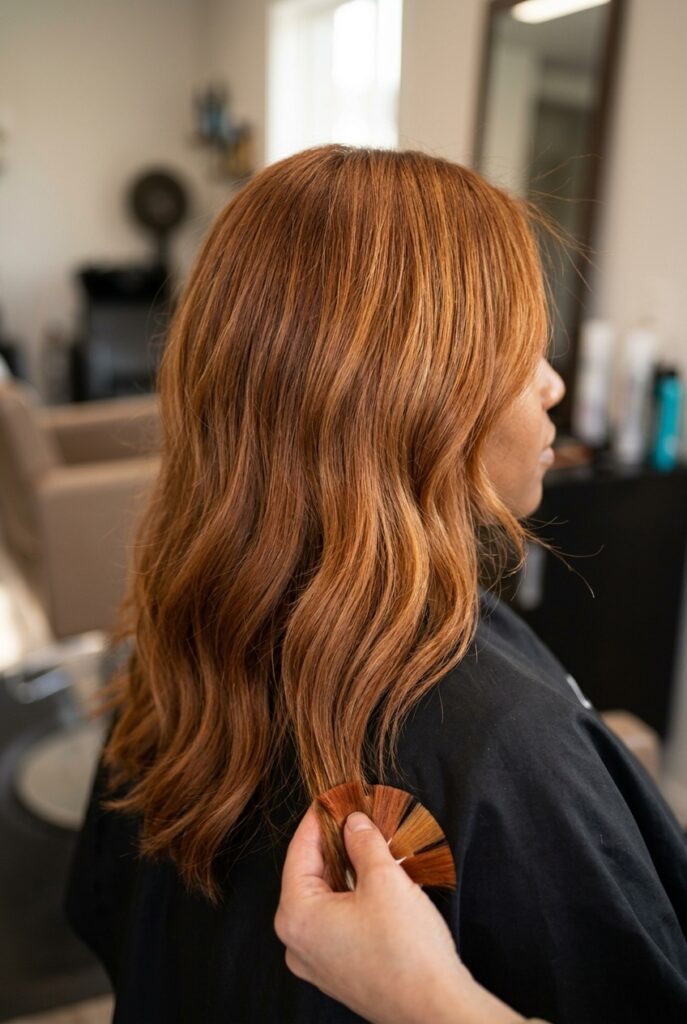
Choosing a color because it looked great on someone else is one of the most common mistakes women make, and it’s an easy one to avoid once you understand your own coloring.
Warm undertones in the skin generally pair well with golden, honey, or copper-based hair colors, while cool undertones tend to look best with rich brunettes, cool blondes, or soft ash tones that don’t fight with pink or olive in the skin. A colorist can check this in minutes by looking at your veins, the whites of your eyes, and how your skin reacts to gold versus silver jewelry, and building your color around that undertone rather than a photo you brought in.
10. Add Warmth if You’re Fully Silver or White
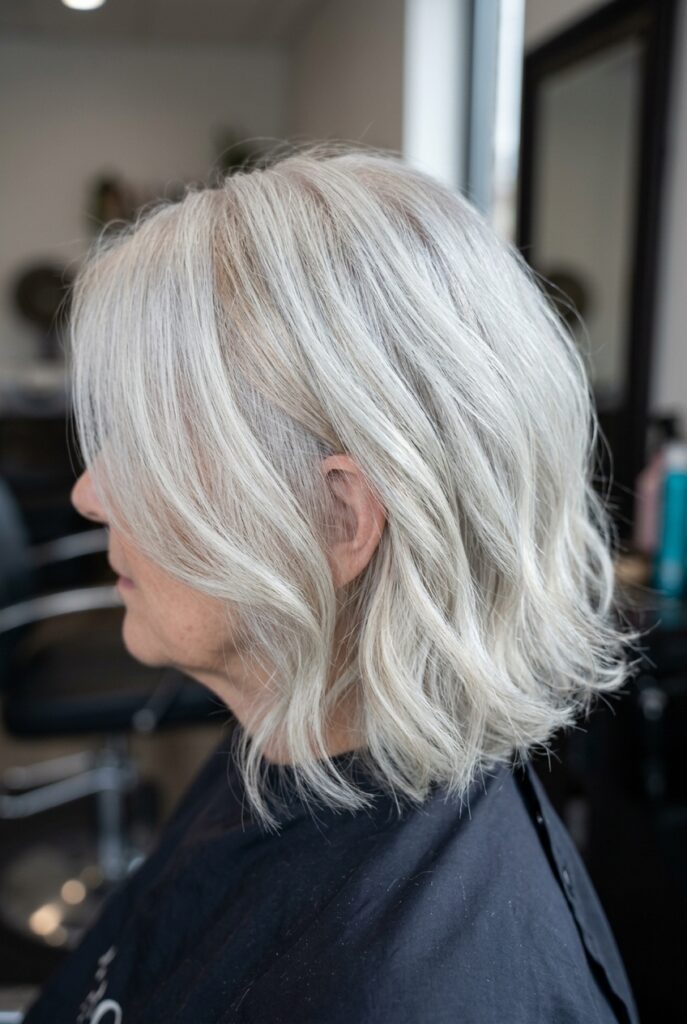
There’s a reason many women with fully gray or white hair still book toning appointments even though they’re not coloring the rest of their hair.
Gray and white hair can pick up a yellow or brassy cast from sun, hard water, and heat styling, and a purple or blue toning shampoo corrects that. Some women also ask their colorist for a few warm lowlights woven through white hair, which softens the transition around the face and adds a bit of dimension without covering the gray itself.
11. Keep Color Fresh with Regular Root Touch-Ups
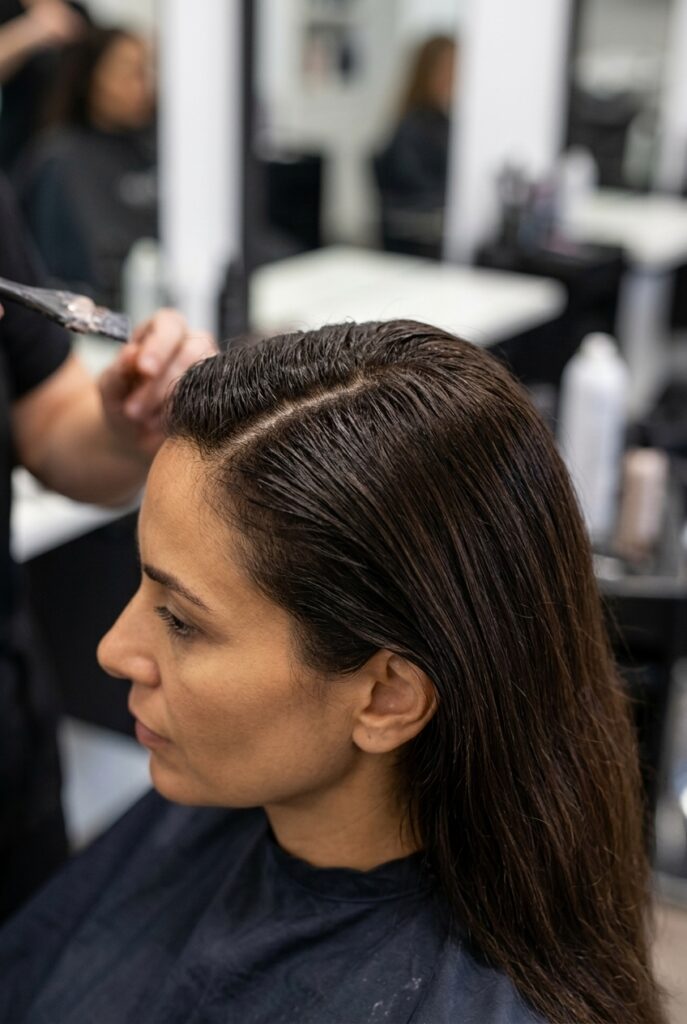
A grown-out root, even on a color you love, tends to age a look faster than the shade itself does. Regular touch-ups every six to eight weeks keep the base color consistent, which matters more for a youthful appearance than most women expect.
Skipping appointments doesn’t just show more gray or a different natural shade at the part. It also creates a visible line of demarcation that draws attention to exactly the spot most women are trying to soften.
12. Prioritize Hair Health Along With Color
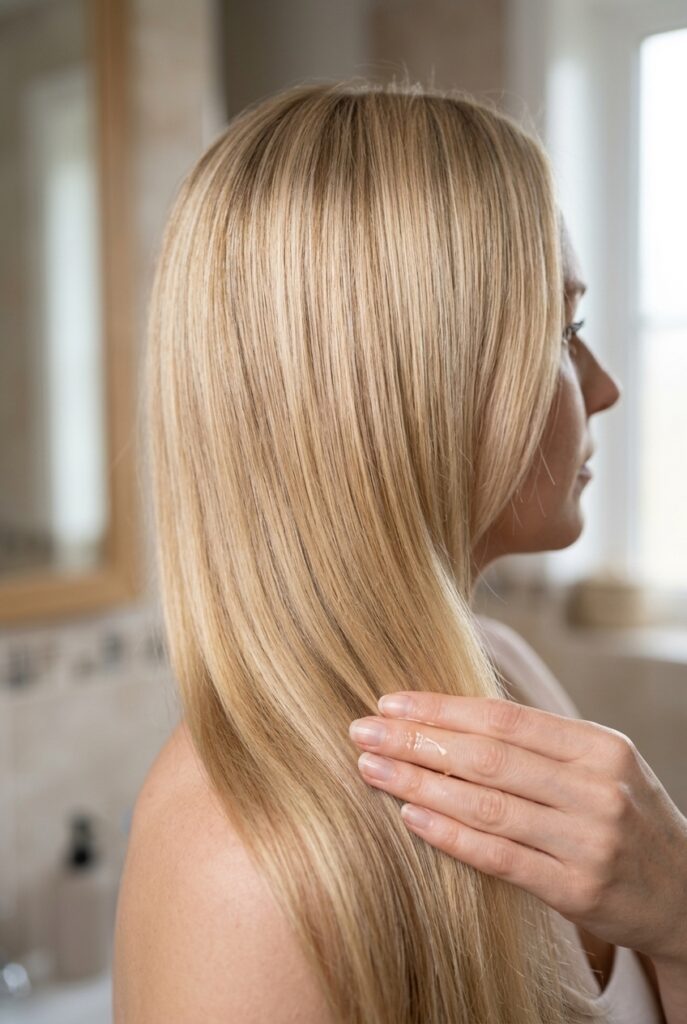
Color alone can’t do all the work if the hair underneath looks dry, brittle, or thin.
- Deep condition weekly, especially if you color your hair regularly.
- Use a leave-in treatment or hair oil on the ends to add shine and prevent breakage.
- Space out heat styling and use a heat protectant every time you do use it.
- Ask your colorist about bond-building treatments during your color appointment.
- Trim every eight to ten weeks to keep ends from looking scraggly.
Healthy, shiny hair reflects light evenly, and that even reflection is part of what makes a color look youthful in the first place. Even the most flattering shade will fall flat on hair that feels dry or looks dull.
Small Color Changes, Real Results for Women
None of these twelve hacks require a total reinvention of your look. A softer root, a warmer tone, a few well-placed highlights near your face, or a simple gloss treatment can shift how your whole face reads, often without anyone realizing your color even changed.
The best next step is a conversation with a colorist who can look at your specific skin tone, hair texture, and current color, and figure out which one or two of these hacks will make the biggest difference for you. Color is one of the easiest things to adjust, and a small shift in tone or placement can leave you looking brighter and more like yourself.
Frequently Asked Questions
Q: What is the single most flattering hair color hack for looking younger? A: Face-framing highlights tend to have the biggest visible impact because they brighten the skin right around your eyes and cheeks, which is where a youthful glow shows up first.
Q: Should I go lighter or darker to look younger? A: Neither extreme works well on its own. What matters more is dimension and warmth — a mix of lighter and darker pieces within two or three shades of each other, leaning warm rather than cold.
Q: Is black hair color aging? A: Solid, flat black can be aging because it sits without movement and can cast shadows on the face. Warm dark brown with a few lighter pieces tends to be more flattering while still giving you deep, rich color.
Q: What is gray blending and how is it different from covering gray completely? A: Gray blending uses fine highlights and lowlights to soften the look of gray hair instead of fully covering it, so the natural gray and the added color work together rather than creating a hard line at the root.
Q: How often should I get a gloss treatment? A: Every four to six weeks works well for most women, especially between full color appointments, since it refreshes shine and tone without a full reprocessing.
Q: What’s a shadow root and who is it good for? A: A shadow root is a subtle, close-to-the-scalp color that’s just slightly darker than the rest of your hair. It’s especially good for women who want to stretch time between color appointments without a visible regrowth line.
Q: Can hair color really make skin look brighter? A: Yes. Lighter pieces placed near the face reflect light onto the skin, similar to how a reflector works in photography, which can make the complexion look more radiant.
Q: What hair colors work best for cool skin undertones? A: Cool undertones generally pair well with rich brunette shades, cool-toned blondes, or soft ash tones that don’t clash with pink or olive undertones in the skin.
Q: Does hair health actually affect how young color looks? A: It does. Dry or damaged hair doesn’t reflect light evenly, so even a well-chosen color can look dull. Regular conditioning, trims, and heat protection help color look its best.
Q: How do I avoid a harsh contrast when adding highlights? A: Keep highlights and lowlights within two or three shades of your base color rather than choosing extremes like platinum against very dark brown. This keeps the transitions soft instead of stark.

