

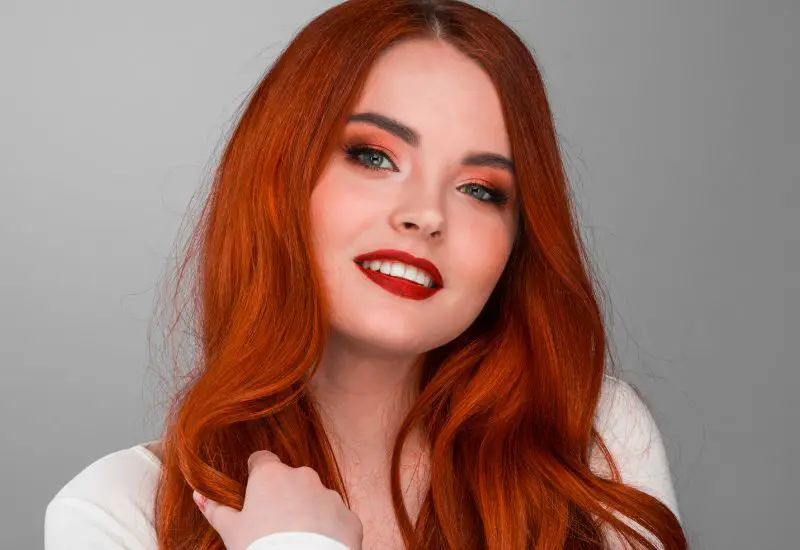
Finding the perfect hair color can completely transform your appearance, especially when you have a round, chubby face shape. The right shade creates visual balance, highlights your best features, and can even make your face appear more sculpted. Many women with fuller faces discover that strategic color choices work like magic, drawing attention exactly where they want it while creating flattering shadows and dimensions.
Hair color acts as a powerful frame for your face, and round face shapes respond particularly well to certain shades and techniques. Your natural features already possess a youthful softness that many people spend thousands trying to achieve through cosmetic procedures. The key lies in selecting colors that work with your face shape rather than against it, creating harmony between your hair and facial structure.
In the following sections, we’ll guide you through the most flattering hair colors for round faces, from cool-toned options that create striking contrasts to warm shades that add gorgeous depth. You’ll discover professional coloring techniques that slim and define, learn how to match colors to your skin tone, and find answers to common questions about maintaining your perfect shade. Let’s unlock the secrets to choosing hair colors that will make you look and feel absolutely stunning.
Why Hair Color Matters for Round Face Shapes
The relationship between hair color and face shape goes far beyond simple aesthetics. Color placement and tone can create optical illusions that reshape how others perceive your facial proportions. Darker shades positioned strategically around the face create shadows that add definition, while lighter tones draw the eye upward and outward, creating length. Understanding these visual tricks helps you make informed choices about your next salon visit.
Visual effects of color on face shape
Hair color influences perception more than most people realize. Light reflects differently off various shades, creating highlights and shadows that can make faces appear longer, narrower, or more angular. For round faces, this means certain colors can add the illusion of cheekbones where nature provided softness. Strategic darkness near the roots combined with lighter ends pulls the eye downward, creating a lengthening effect that many women with round faces find flattering.
The science behind these effects relates to how our brains process visual information. We naturally perceive lighter areas as coming forward and darker areas as receding. This principle allows colorists to essentially “sculpt” faces using nothing but carefully placed tones. A skilled professional knows exactly where to position different shades to maximize your natural beauty.
How different shades create illusions
Think of hair color as contouring for your entire head. Just as makeup artists use light and dark products to define facial features, colorists employ similar techniques with permanent results. Deeper tones placed underneath can make the sides of round faces appear narrower, while brightness on top adds height and dimension.
The most effective illusions come from multi-dimensional color rather than single-process applications. A flat, one-tone color tends to emphasize roundness because it lacks the depth needed to create shadows. However, incorporating multiple shades – even subtle variations within the same color family – adds movement and interest that naturally slims the face.
Face-framing highlights work particularly well for round faces when placed starting below the chin line. This technique draws attention downward and creates vertical lines that counteract horizontal width. Similarly, lowlights around the crown area can add height, making the face appear more oval.
The psychology of color choice
Your hair color affects more than just your appearance – it influences how you feel about yourself and how others perceive you. Women with round faces often report feeling more confident with colors that add definition to their features. This psychological boost translates into better posture, more animated expressions, and an overall more attractive presence.
Color psychology also plays into first impressions. Cooler tones tend to project sophistication and edge, while warmer shades communicate approachability and friendliness. Understanding these associations helps you choose colors that align with both your personality and professional goals. A corporate executive might lean toward ash tones for their authoritative feel, while someone in a creative field might prefer rich coppers that suggest warmth and innovation.
Professional colorist insights
Experienced colorists approach round faces with specific strategies developed through years of training. They understand that the goal isn’t to hide your face shape but to enhance it through thoughtful color placement. Many professionals recommend avoiding uniform color from roots to ends, as this can create a helmet-like effect that emphasizes roundness.
Instead, colorists often suggest techniques that incorporate:
Dimensional Highlighting: Carefully placed lighter pieces that create vertical movement Shadow Rooting: Darker bases that add depth near the scalp
Strategic Balayage: Hand-painted highlights that contour the face
Tonal Variations: Subtle differences in shade that add complexity
Custom Blending: Personalized color formulations that complement individual skin tones
The consultation process becomes crucial when working with round faces. A skilled colorist will analyze not just your face shape but also your skin tone, eye color, lifestyle, and maintenance preferences. They might photograph you from multiple angles to better understand how light hits your face naturally. This comprehensive approach ensures results that flatter from every perspective.
Professional insight extends beyond just the initial coloring appointment. Maintenance schedules, at-home care routines, and future color evolution all factor into creating a sustainable look that continues flattering your round face shape months after leaving the salon. The best colorists think long-term, planning how your color will grow out gracefully while maintaining its face-flattering properties.
Cool-Toned Hair Colors That Flatter Round Faces
Cool-toned hair colors offer remarkable benefits for women with round faces, creating contrast and definition that naturally sculpts facial features. These shades contain blue, violet, or green undertones that work harmoniously with certain skin tones while providing the visual structure that round faces benefit from most. The reflective quality of cool tones can make your complexion appear more porcelain-like while simultaneously adding sophistication to your overall appearance.
Ash blonde variations
Ash blonde stands out as one of the most universally flattering options for round faces. This sophisticated shade creates beautiful contrast against the skin, making facial features appear more defined and angular. The key to perfecting ash blonde lies in selecting the right depth – from nearly white platinum ash to deeper, mushroom-toned variations that add remarkable dimension.
Women with fair to medium skin tones particularly benefit from ash blonde’s ability to create shadows and highlights naturally. The cooler undertones prevent the face from appearing washed out, a common concern with warmer blondes on round faces. Modern ash blonde formulations incorporate multiple tones, avoiding the flat, one-dimensional look that can emphasize facial fullness.
Achieving the perfect ash blonde requires careful consideration of your natural hair color and condition. Virgin hair typically lifts more predictably, while previously colored hair may require multiple sessions to reach the desired coolness without compromising hair health. The process often involves careful bleaching followed by toning to neutralize any unwanted warmth.
Platinum and icy shades
Taking cool tones to their extreme, platinum and icy shades create striking looks that draw attention upward and away from facial width. These ultra-light colors work especially well for women with naturally pale skin and light eyes, creating an ethereal appearance that makes round faces appear more delicate and refined.
The maintenance requirements for platinum shades are significant but worthwhile for those committed to the look. Purple-toned shampoos and regular toning treatments keep brassiness at bay, preserving the cool undertones that make these shades so flattering for round faces. Professional treatments every 4-6 weeks maintain the precise tone that creates the most flattering effect.
Icy shades don’t necessarily mean completely white hair. Many women find that incorporating icy highlights or money pieces around the face achieves similar face-slimming effects without the commitment of all-over platinum. These strategic placements of ultra-light color create vertical lines that elongate round faces beautifully.
Cool brown tones
Not everyone desires or suits blonde hair, making cool brown tones an excellent alternative for achieving similar face-flattering effects. These shades range from light mushroom browns to deep espresso with ash undertones, offering options for every preference and maintenance level. Cool browns provide exceptional versatility, working well with both casual and professional styles.
The beauty of cool brown lies in its ability to add depth without heaviness. Unlike warm browns that can sometimes make round faces appear fuller, cool variations create subtle shadows that define facial contours. Many colorists recommend incorporating barely-there highlights in an even cooler tone to maximize dimension while maintaining a natural appearance.
For women transitioning from darker hair, cool brown serves as an achievable goal that doesn’t require excessive bleaching. The journey to cool brown often involves removing red and gold tones through specialized treatments, revealing the sophisticated ash base underneath. This process respects hair integrity while achieving transformative results.
Silver and gray options
The growing trend toward silver and gray hair has opened exciting possibilities for women with round faces. These ultra-cool tones create striking contrast against the skin while offering a modern, fashion-forward appearance. Whether naturally graying or choosing silver as a fashion statement, these shades provide exceptional definition for fuller faces.
Achieving silver or gray hair on non-gray hair requires significant lightening, making it crucial to work with an experienced colorist who understands the complexity of these tones. The process typically involves:
Pre-lightening: Removing all natural pigment to create a clean base
Toning Process: Applying specialized silver or gray formulas
Conditioning Treatments: Maintaining hair health throughout the transformation
Regular Maintenance: Keeping the tone fresh and preventing yellowing
Proper Home Care: Using specific products designed for silver and gray hair
Young women choosing silver or gray hair often find it creates an unexpectedly youthful effect when paired with round faces. The contrast between trendy hair color and soft facial features creates an intriguing juxtaposition that photographs beautifully and stands out in any crowd.
Maintenance considerations
Cool-toned colors require more maintenance than their warm counterparts, but the flattering effects on round faces make the effort worthwhile. Understanding the commitment before choosing these shades helps ensure long-term satisfaction with your color choice. Regular salon visits become non-negotiable for maintaining the precise tones that create the most flattering effects.
The biggest challenge with cool tones involves preventing brassiness and warmth from creeping back into the hair. Environmental factors, washing frequency, and even the minerals in your water can affect how quickly cool tones fade or shift. Investing in quality color-safe products specifically formulated for cool tones protects your investment and extends the time between salon visits.
Heat styling requires extra consideration with cool-toned hair, as high temperatures can cause color shifting. Using heat protectants becomes essential, as does adjusting styling tool temperatures to lower settings. Many women find that cool-toned colors actually encourage healthier hair habits, as the desire to maintain the beautiful color motivates better overall hair care practices.
Warm Hair Colors for Round Chubby Faces
Warm hair colors bring life and vibrancy to round faces through their rich, golden undertones. These shades work particularly well for women with warm skin tones, creating a harmonious glow that enhances natural beauty. The key to success with warm colors on round faces lies in strategic placement and choosing the right intensity to create dimension without overwhelming your features.
Golden blonde options
Golden blonde creates sunshine-like radiance that can beautifully complement round faces when applied with the right technique. Unlike flat, all-over gold that might emphasize facial fullness, modern golden blonde incorporates various depths and tones to create movement and dimension. The warmth in these shades brings out the natural flush in cheeks while the variation in tone helps create the illusion of angles.
The spectrum of golden blonde runs from light buttercream to deep honey, offering options for every skin tone and preference. Women with round faces often find that slightly deeper golden blondes work better than extremely light versions, as the added depth creates more convincing shadows around the face. Combining different golden tones through highlighting techniques adds the complexity needed to avoid a one-dimensional look.
Professional colorists often recommend starting golden blonde placement slightly away from the face, using a technique called shadow rooting. This approach keeps depth near the scalp while allowing golden pieces to brighten the mid-lengths and ends. The gradual transition from deeper roots to lighter ends creates a vertical line that naturally elongates round faces.
Caramel and honey tones
Caramel and honey represent the sweet spot between blonde and brown, offering warmth without the maintenance of lighter shades. These versatile colors flatter many skin tones while providing enough depth to create definition around round faces. The multi-tonal nature of caramel and honey shades means they rarely look flat or uniform, automatically adding the dimension that round faces need.
Creating authentic caramel color requires layering different warm tones to achieve that rich, glossy appearance reminiscent of actual caramel candy. This might include combining golden brown bases with lighter honey ribbons throughout, creating movement that draws the eye up and down rather than side to side. The result feels expensive and luxurious while maintaining a natural appearance.
Honey tones work exceptionally well as accent colors for women with round faces who prefer to maintain darker bases. Honey-colored money pieces or face-framing highlights can brighten the complexion while creating those crucial vertical lines. These strategic placements of warmth illuminate the face without adding width, achieving the perfect balance between brightness and contour.
The beauty of caramel and honey shades lies in their low-maintenance nature compared to lighter warm tones. They grow out gracefully, often looking intentional even as roots begin showing. This makes them ideal choices for busy women who want gorgeous color without constant salon visits.
Copper and auburn shades
Red-based warm tones like copper and auburn make bold statements while offering unique benefits for round faces. These vibrant shades create immediate focal points that can distract from facial width when placed strategically. The intensity of copper and auburn means that even subtle variations in tone become highly visible, automatically creating the multi-dimensional effect that flatters fuller faces.
Copper ranges from bright penny-like shades to deeper rust tones, each offering different effects on round faces. Lighter coppers tend to expand and brighten, making them better suited as highlights rather than all-over color for round faces. Deeper coppers with brown bases provide richness without the widening effect of lighter versions.
Auburn combines the warmth of red with the grounding effect of brown, creating sophisticated color that works in professional settings while still making a statement. Women with round faces often find that auburn’s complexity naturally creates shadows and highlights that define facial features. The color’s inherent depth means it rarely appears flat or lacking in dimension.
Rich chocolate browns
Chocolate brown with warm undertones offers a gorgeous option for women wanting natural-looking color with subtle warmth. These shades provide the grounding effect of darker hair while incorporating golden or red reflects that catch light beautifully. For round faces, rich chocolate browns offer the perfect balance between adding warmth and maintaining enough depth to create definition.
The versatility of chocolate brown makes it an excellent choice for first-time color clients or those returning to color after a break. Building dimension within the chocolate family might involve incorporating lighter milk chocolate pieces through balayage or subtle highlights. These variations create movement without drastically changing the overall color impression.
Many women discover that chocolate brown actually makes their skin appear clearer and more radiant. The warmth in the color can neutralize any ashiness in the complexion while the depth provides a beautiful frame for facial features. This skin-perfecting quality makes chocolate brown particularly flattering for round faces that might also be dealing with uneven skin tone.
Balancing warmth with face shape
Successfully wearing warm tones with a round face requires understanding how to balance the expanding nature of warm colors with strategic placement and depth. The goal involves harnessing the beauty and vibrancy of warm shades while using professional techniques to maintain facial definition.
Colorists employ several strategies to achieve this balance:
Deeper Bases: Maintaining darker roots and underneath sections while concentrating warmth through the lengths
Face-Framing Variation: Alternating between lighter and darker pieces around the face Dimensional Techniques: Using multiple processing methods to create varied depth
Strategic Sectioning: Placing warmer pieces where they’ll create vertical rather than horizontal lines
Custom Formulation: Adjusting warmth levels based on individual face shape and features
The consultation process becomes particularly important when considering warm colors for round faces. An experienced colorist will evaluate not just your face shape but also how different warm tones interact with your specific skin tone and features. They might suggest modifications to traditional application techniques to ensure the most flattering result.
Working with your stylist to plan future appointments helps maintain the perfect balance as your color grows and evolves. Warm tones tend to fade differently than cool ones, often becoming brassier or losing their intended depth. Regular glossing treatments between full color appointments can refresh warmth while maintaining the dimensional aspects that keep round faces looking defined.
Strategic Hair Color Techniques for Face-Slimming Effects
Modern hair coloring has evolved far beyond simple root-to-tip applications, offering sophisticated techniques that can visually reshape facial proportions. For women with round faces, these strategic approaches to color placement create optical illusions that add length, definition, and angles where nature provided softness. Understanding how different techniques work allows you to communicate effectively with your colorist and achieve truly transformative results.
Balayage placement strategies
Balayage has revolutionized hair coloring by allowing colorists to hand-paint highlights exactly where they’ll create the most flattering effects. For round faces, this technique offers unparalleled customization, as the colorist can place lighter pieces to create vertical movement while maintaining depth in areas that benefit from shadow.
The key to face-slimming balayage lies in starting the lightness below the widest part of the face. This typically means beginning highlights around the jawline or even lower, preventing the expanding effect that can occur when brightness sits at cheek level. The painted pieces should follow a vertical pattern rather than horizontal, drawing the eye up and down rather than across.
Traditional balayage often focuses on creating a sun-kissed effect, but for round faces, the approach requires more strategy. Colorists might paint thinner, more frequent sections to create multiple vertical lines rather than fewer, chunkier highlights. This creates movement without adding bulk or width to the overall silhouette.
The gradual nature of balayage also works beautifully for round faces because it avoids harsh lines that can create unflattering horizontal breaks. The seamless blend from dark to light mimics how light naturally hits the hair, creating an authentic look that happens to be incredibly flattering for fuller faces.
Highlighting and lowlighting tricks
Combining highlights with strategic lowlights creates the depth and dimension essential for flattering round faces. This technique goes beyond simple lightening to create a three-dimensional effect that can completely transform how facial proportions appear.
Lowlights play a crucial role often overlooked in favor of brighter pieces. For round faces, placing deeper tones underneath and around the perimeter creates a shadow effect that instantly narrows the appearance of the face. These darker pieces don’t need to be dramatically different from the base color – even a shade or two darker can create significant visual impact.
The placement pattern for highlights on round faces should prioritize the crown area and the lengths below the chin. Adding brightness to the crown creates height, while lighter ends draw attention downward. Avoiding highlight concentration at ear level prevents emphasizing the widest part of round faces.
Frame highlighting requires particular attention for round faces. Rather than placing bright pieces directly against the face, colorists often recommend starting face-framing highlights an inch or two away from the hairline. This creates a softer transition and prevents the widening effect that can occur with high-contrast pieces directly adjacent to the skin.
Color blocking methods
Color blocking represents a bolder approach to strategic color placement, using distinct sections of different shades to create geometric effects that reshape facial perception. This technique has gained popularity for its dramatic results and ability to create strong vertical lines that elongate round faces.
The most effective color blocking for round faces often involves creating a darker panel underneath with lighter sections on top, essentially creating a permanent contour effect. This might manifest as maintaining natural depth in the lower layers while lightening only the top sections, or creating distinct vertical panels of alternating light and dark through the hair.
Some colorists approach color blocking for round faces by creating what they call “curtain” effects – darker sections that frame the face like curtains with lighter sections in between. This creates strong vertical lines on either side of the face while maintaining brightness in the center, achieving both definition and illumination.
Root shadowing benefits
Root shadowing has become indispensable for creating flattering color on round faces. This technique involves applying a slightly darker shade at the roots, creating immediate depth and dimension while offering practical benefits like extended grow-out time. For round faces, root shadowing provides crucial structure that prevents the helmet-like effect of uniform color.
The depth of root shadowing can vary based on personal preference and maintenance goals. Some women prefer subtle shadowing just a shade or two darker than their lengths, while others opt for more dramatic contrast. For round faces, slightly deeper shadowing often works better, as it creates a more convincing shadow effect that adds definition.
Beyond its face-slimming properties, root shadowing offers several advantages:
Natural Appearance: Mimics how hair naturally grows, creating authenticity
Low Maintenance: Extends time between touch-ups significantly
Versatility: Works with both warm and cool tones
Damage Prevention: Reduces frequency of root processing
Cost Effectiveness: Fewer salon visits mean lower annual color costs
The application technique for root shadowing on round faces requires precision. The shadow should be slightly deeper at the crown and gradually lighter as it moves toward the face. This creates a lifted effect while maintaining the contouring benefits around the facial perimeter.
Professional application tips
Achieving these sophisticated techniques requires not just knowledge but skill in application. Professional colorists undergo extensive training to master the hand movements, timing, and product selection necessary for creating face-flattering results.
When consulting with your colorist about face-slimming techniques, bring photos showing not just colors you like but also the placement and technique. Many clients focus solely on the shade without realizing that placement makes the difference between flattering and unflattering results. Be prepared to discuss your face shape concerns openly – professional colorists appreciate clients who understand their goals.
The sectioning pattern used during application significantly impacts the final result. For round faces, diagonal back sections often work better than horizontal ones, as they create natural movement away from the face rather than across it. Your colorist might also adjust traditional sectioning to accommodate your specific facial features and hair growth patterns.
Timing becomes crucial when executing multiple techniques in one session. The order of application, processing time for different sections, and coordination between various formulas all affect the final outcome. Experienced colorists develop a rhythm that ensures even development while maintaining the distinct effects of each technique.
Processing considerations extend beyond just timing. The temperature of the salon, your hair’s porosity, and even your body heat can affect how color develops. Colorists working with round faces might adjust processing times in different areas to ensure the face-framing sections achieve exactly the right tone for maximum flattering effect.
Choosing Your Perfect Shade Based on Skin Tone
Selecting hair color that flatters both your round face shape and skin tone requires understanding the intricate relationship between these elements. Your skin’s undertones play a crucial role in determining which shades will make you glow versus those that might leave you looking washed out or unnatural. For women with round faces, this becomes even more important since the right color match can enhance the face-slimming techniques discussed earlier.
Understanding undertones
Skin undertones fall into three main categories: warm, cool, and neutral. These underlying hues remain constant regardless of how tan or pale you become, making them reliable guides for color selection. Warm undertones contain yellow, golden, or peachy hints, while cool undertones show pink, red, or bluish hues. Neutral undertones balance both warm and cool elements.
Several methods help identify your undertones accurately. The vein test involves examining the veins on your inner wrist in natural light – green-appearing veins typically indicate warm undertones, while blue or purple suggests cool undertones. If you can’t clearly determine the color, you likely have neutral undertones.
Jewelry preferences often align with undertones naturally. Women with warm undertones usually look better in gold jewelry, while those with cool undertones shine in silver. If both metals flatter you equally, neutral undertones are probable. This simple test provides immediate guidance for hair color selection.
The white paper test offers another reliable method. Hold a bright white piece of paper next to your clean, makeup-free face in natural light. Warm undertones will appear slightly yellow or golden next to pure white, while cool undertones look pink or rosy. Neutral undertones won’t show a strong contrast in either direction.
Matching color to complexion
Once you’ve identified your undertones, matching hair color becomes more straightforward. However, round faces benefit from considering additional factors beyond basic undertone matching. The goal involves creating harmony while maintaining enough contrast to define facial features.
For warm undertones with round faces, rich colors with golden or red bases typically work beautifully. However, avoiding overly warm shades that match too closely to skin tone prevents the washed-out effect. Instead, opt for colors that complement while providing definition – think rich auburns, golden browns, or honey blondes with enough depth to create contrast.
Cool undertones paired with round faces benefit from ash-based colors that create striking contrast. The natural opposition between cool hair and warm-toned skin (even cool-toned skin has some warmth) provides automatic definition. Platinum blonde, ash brown, and cooler reds like burgundy create particularly flattering effects.
Neutral undertones enjoy the most flexibility, able to wear both warm and cool shades successfully. For round faces with neutral undertones, the focus shifts to depth and dimension rather than temperature. Multi-tonal colors that incorporate both warm and cool elements often provide the most flattering results.
Seasonal color analysis
The seasonal color analysis system provides a framework for understanding which colors harmonize with your natural coloring. This method categorizes people into Spring, Summer, Autumn, or Winter types based on their skin tone, eye color, and natural hair color. Understanding your season helps narrow down hair color choices that will enhance rather than fight your natural beauty.
Spring types typically have warm undertones with light to medium skin that often freckles. Their best hair colors include warm blondes, strawberry blondes, and light auburn shades. For round faces, Springs should ensure their chosen shade has enough depth to create definition while maintaining that characteristic warmth.
Summer types possess cool undertones with pink or blue-based skin tones. Their ideal hair colors include ash blondes, cool browns, and soft burgundies. Round-faced Summers benefit from embracing these cooler tones fully, as the contrast naturally creates definition.
Autumn types feature warm undertones with deeper, golden skin tones. Rich coppers, deep auburns, chocolate browns, and golden brondes flatter them most. Round faces within the Autumn category should focus on creating dimension within these warm shades to avoid flatness.
Winter types show cool undertones with high contrast between their skin and hair. Deep espressos, blue-blacks, and icy platinums create their most striking looks. Round-faced Winters can use this natural high contrast to their advantage, creating dramatic effects that naturally slim and define.
Testing colors before committing
Before making a permanent change, testing potential colors helps ensure satisfaction with your choice. Several methods allow you to preview how different shades might look with your skin tone and face shape without the commitment of permanent color.
Temporary color sprays or chalks provide immediate visualization of how different shades interact with your complexion. While the exact tone might not match professional color perfectly, these tools show whether warm or cool tones flatter you more. Apply them in natural light and take photos from multiple angles to assess the effect on your round face shape.
Many salons offer consultation appointments where colorists can hold swatches or colored hair pieces against your face. This professional assessment provides valuable insight into how different shades might look once applied. The colorist’s trained eye can spot subtle interactions between color and skin tone that you might miss.
Virtual try-on tools have improved significantly, offering reasonably accurate previews of different hair colors. While not perfect, these apps help narrow down options before your salon visit. Upload photos taken in natural light for the most accurate results, and pay attention to how different shades affect the perceived shape of your face.
Working with your natural base
Your starting point significantly impacts which colors are achievable and how they’ll ultimately look. Natural hair color contains underlying pigments that influence how artificial color develops. Understanding these natural contributions helps set realistic expectations and choose shades that work with rather than against your hair’s natural properties.
Previously colored hair requires different considerations than virgin hair. The existing artificial pigments must be factored into any new color plans. Here’s what to consider based on your current situation:
Virgin Dark Hair: Contains red and orange underlying pigments that appear during lightening Virgin Light Hair: Lifts easily but may pull yellow tones that need neutralizing
Previously Colored Hair: Requires careful assessment of existing tones and potential buildup Highlighted Hair: May have varying porosity that affects how new color absorbs
Gray Hair: Lacks pigment entirely, requiring different formulation approaches
For round faces, working with your natural base becomes particularly important because forced or unnatural-looking color can draw attention to facial shape in unflattering ways. The most successful transformations honor the hair’s natural characteristics while using professional techniques to achieve the desired result.
Colorists often recommend gradual transitions when moving far from your natural color. This approach allows assessment of how each stage interacts with your skin tone and face shape. For round faces, this stepped approach also helps determine the optimal level of contrast between hair color and complexion for the most flattering effect.
Finding the Perfect Hair Color
Hair color serves as one of the most powerful tools in your beauty arsenal, especially when you understand how to use it to enhance your naturally beautiful round face shape. The techniques and shades we’ve explored offer endless possibilities for creating dimension, adding definition, and highlighting your best features while maintaining harmony with your skin tone and personal style.
The perfect hair color for your round face isn’t just about following trends or rules – it’s about understanding the principles of light, shadow, and color theory, then applying them in ways that make you feel confident and beautiful. Whether you choose cool ash tones that create striking contrast, warm golden shades that add luminous depth, or strategic techniques like balayage and root shadowing, remember that the best color is one that makes you smile when you catch your reflection. Your round face shape is beautiful, and with the right hair color approach, you can enhance its natural charm while creating the visual effects you desire.
Frequently Asked Questions
Q: Will lighter hair colors make my round face look bigger?
A: Not necessarily. While light colors can expand visual space, strategic placement makes all the difference. Keeping darker roots and underneath sections while lightening lengths below the jawline actually creates a slimming effect. The key lies in avoiding uniform lightness at the widest parts of your face.
Q: Can I wear all-over blonde with a round face?
A: Yes, but choose your approach carefully. Multi-dimensional blonde with varying depths works better than flat, one-tone blonde. Incorporate lowlights, root shadowing, or babylights to create movement and prevent the helmet effect that can emphasize roundness.
Q: How often should I touch up my roots if I’m using color to contour my round face?
A: This depends on your chosen technique. Root shadowing extends touch-up time to 8-12 weeks. Traditional highlights might need refreshing every 6-8 weeks. Techniques that maintain natural depth at the roots offer the longest wear between appointments.
Q: What’s the best hair color for round faces with warm skin tones?
A: Rich browns with caramel highlights, deep auburns, or honey brondes typically flatter warm-toned skin on round faces. The key involves ensuring enough depth to create definition while choosing warm shades that harmonize with your complexion.
Q: Should I avoid dark hair colors if I have a round face?
A: Dark colors can look stunning on round faces when applied correctly. The secret involves adding dimension through subtle highlights, different tones, or techniques like balayage. Flat, one-dimensional dark color might emphasize roundness, but multi-tonal dark shades create beautiful definition.
Q: Can I do rose gold or pastel colors with a round face?
A: Fashion colors work wonderfully on round faces when strategically applied. Consider using these trendy shades as accents rather than all-over color, or combine them with deeper roots for contrast. The placement matters more than the actual color choice.
Q: How do I prevent my hair color from washing out my round face?
A: Choose colors with enough contrast to your skin tone. If you’re fair, avoid going too light. If you have deeper skin, ensure your hair color has richness and dimension. Adding lowlights or maintaining some natural depth prevents the washed-out effect.
Q: What if I have a round face and I’m going gray naturally?
A: Natural gray can be incredibly flattering on round faces. Consider enhancing your gray with silver toners or adding lighter pieces for dimension. The key involves preventing flat, mousy tones by adding shine and ensuring your gray has movement and variation.

