

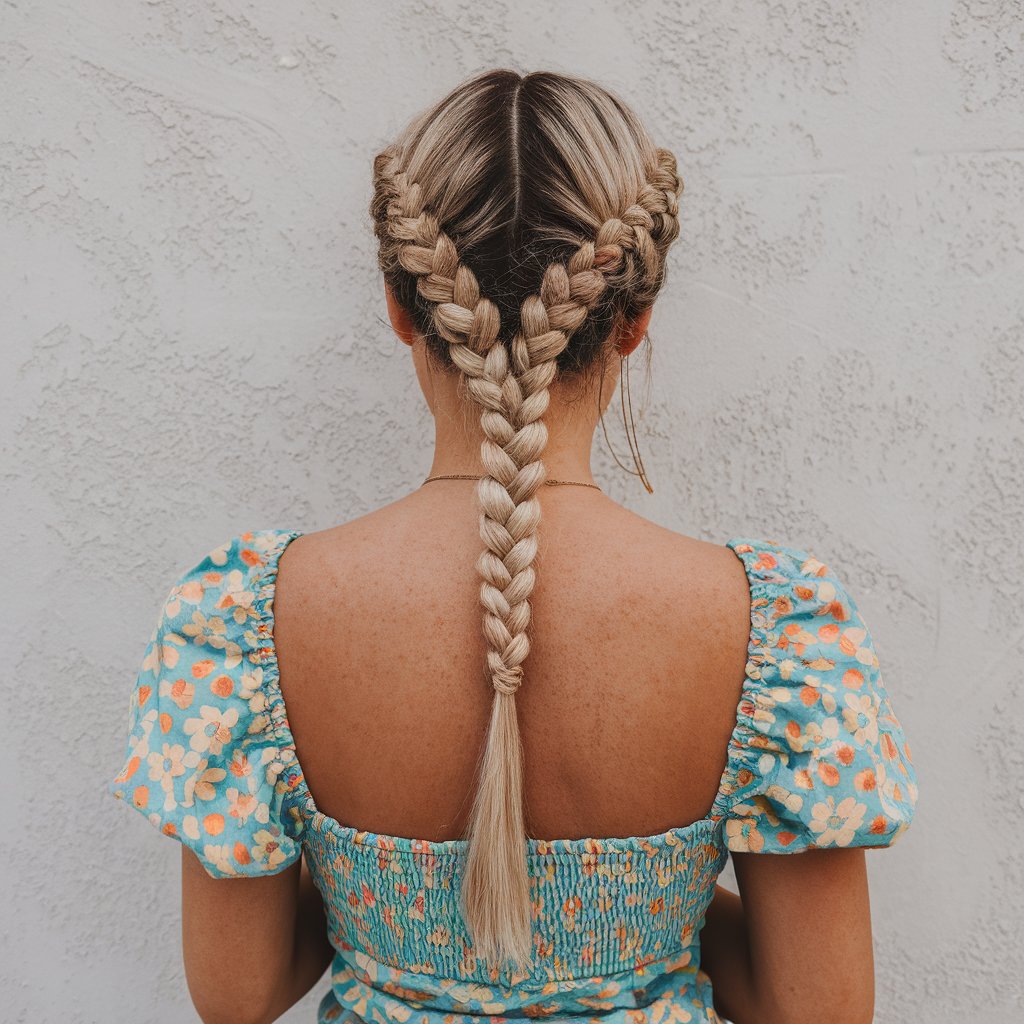
Hair braid extensions have transformed the way women achieve longer, fuller hairstyles without waiting years for natural growth. These versatile additions offer instant length while protecting your natural hair from daily manipulation and environmental damage. Whether you’re looking to add dramatic length for a special occasion or simply want to experiment with different styles, finding the right extensions can make all the difference between a flawless look and one that appears obviously artificial.
The key to achieving natural-looking results lies in selecting extensions that seamlessly blend with your own hair texture, color, and density. Modern braiding hair has evolved significantly from the stiff, shiny options of the past, with manufacturers now offering incredibly realistic textures that mimic various hair types. From silky straight to kinky curly, today’s market provides options for every woman seeking to enhance her natural beauty through protective styling.
Throughout the following sections, we’ll guide you through everything you need to know about selecting and installing hair braid extensions that look completely natural. You’ll discover the different types available, learn how to match them perfectly to your hair, and master the techniques professionals use to create seamless installations. Let’s explore how to achieve the gorgeous, lengthy braided styles you’ve been dreaming of.
What Makes Hair Braid Extensions Look Natural
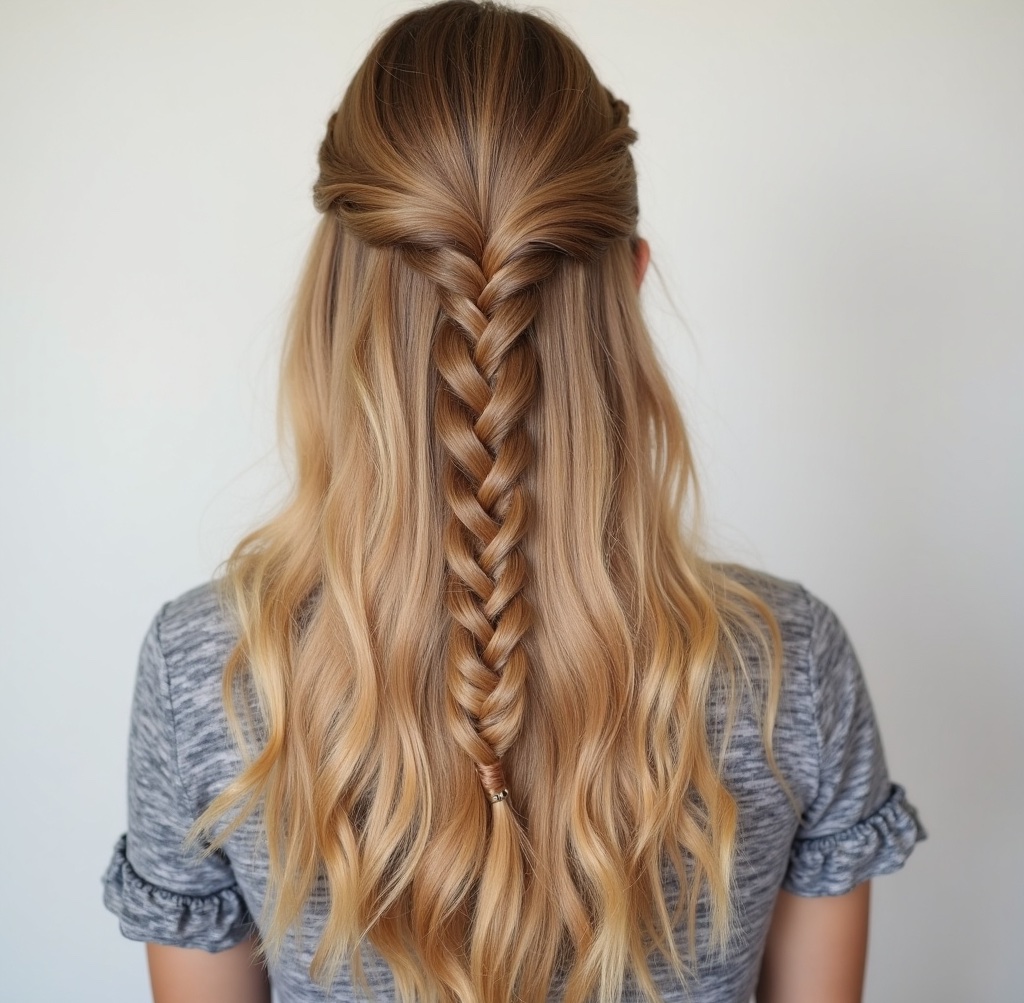
Creating a natural appearance with braid extensions requires attention to several crucial factors that work together to fool the eye. The most convincing results come from understanding how real hair behaves and selecting extensions that mimic these characteristics perfectly.
Choosing the right texture match
Texture matching stands as the foundation of natural-looking braided styles. Your extensions should mirror the pattern of your natural hair as closely as possible, whether that’s bone straight, wavy, or tightly coiled. Many women make the mistake of choosing extensions based solely on the final style they want, rather than considering how well the hair will blend at the roots and throughout the braid.
Professional braiders often recommend feeling the extension hair before purchasing. Quality extensions should have a texture that feels similar to your own hair when rubbed between your fingers. Synthetic options have improved dramatically, with many brands now offering textures that closely replicate human hair patterns.
The way light reflects off the extensions also matters significantly. Natural hair has a subtle sheen rather than an artificial shine. Look for extension hair labeled as “yaki” or “blown out” for a more realistic appearance that won’t look plastic or overly glossy in photographs.
Color matching techniques
Perfect color matching can make or break the natural appearance of your braided style. The most convincing results often come from selecting extensions that are slightly darker than your natural shade, as this creates depth and dimension similar to how shadows naturally fall in hair.
Consider these color-matching strategies:
- Two-tone blending: Mix two similar shades to create natural variation
- Root shadowing: Use a slightly darker color at the base for realistic grow-out
- Highlight incorporation: Add subtle lighter pieces to mimic sun-kissed strands
- Custom coloring: Some synthetic hair can be carefully tinted with fabric dye
Many women find success by purchasing their extensions in person rather than online, allowing them to hold the hair against their own in natural lighting. If shopping online becomes necessary, order samples first or check the return policy carefully.
Weight and thickness considerations
The weight and thickness of your chosen extensions directly impact both comfort and believability. Extensions that are too heavy can cause tension on your scalp and create an unnatural bulky appearance, while those too light might not provide the fullness you desire.
Natural hair varies in density from person to person, and your extensions should complement your natural density rather than overwhelm it. Fine-haired women often achieve better results with lighter-weight extensions that won’t pull or create obvious bulk at the attachment points. Those with thicker hair can handle heavier extensions that provide dramatic length and volume.
Installation methods that blend seamlessly
The installation technique plays a crucial role in achieving natural-looking results. Skilled braiders know how to gradually incorporate the extension hair, creating a smooth transition that makes it impossible to tell where natural hair ends and extensions begin.
The feed-in method has gained popularity for its incredibly natural appearance. This technique involves adding small amounts of extension hair gradually as the braid progresses, rather than starting with a large knot of added hair at the base. This creates a flat, smooth beginning that looks like the braid emerges directly from your scalp.
Proper sectioning also contributes to a natural look. Sections should follow your natural hair growth patterns, with careful attention paid to your hairline and part. Experienced braiders often create slightly irregular sections that mimic how hair naturally falls, avoiding the too-perfect grid pattern that screams “extensions.”
Types of Braid Extensions for Different Hair Goals
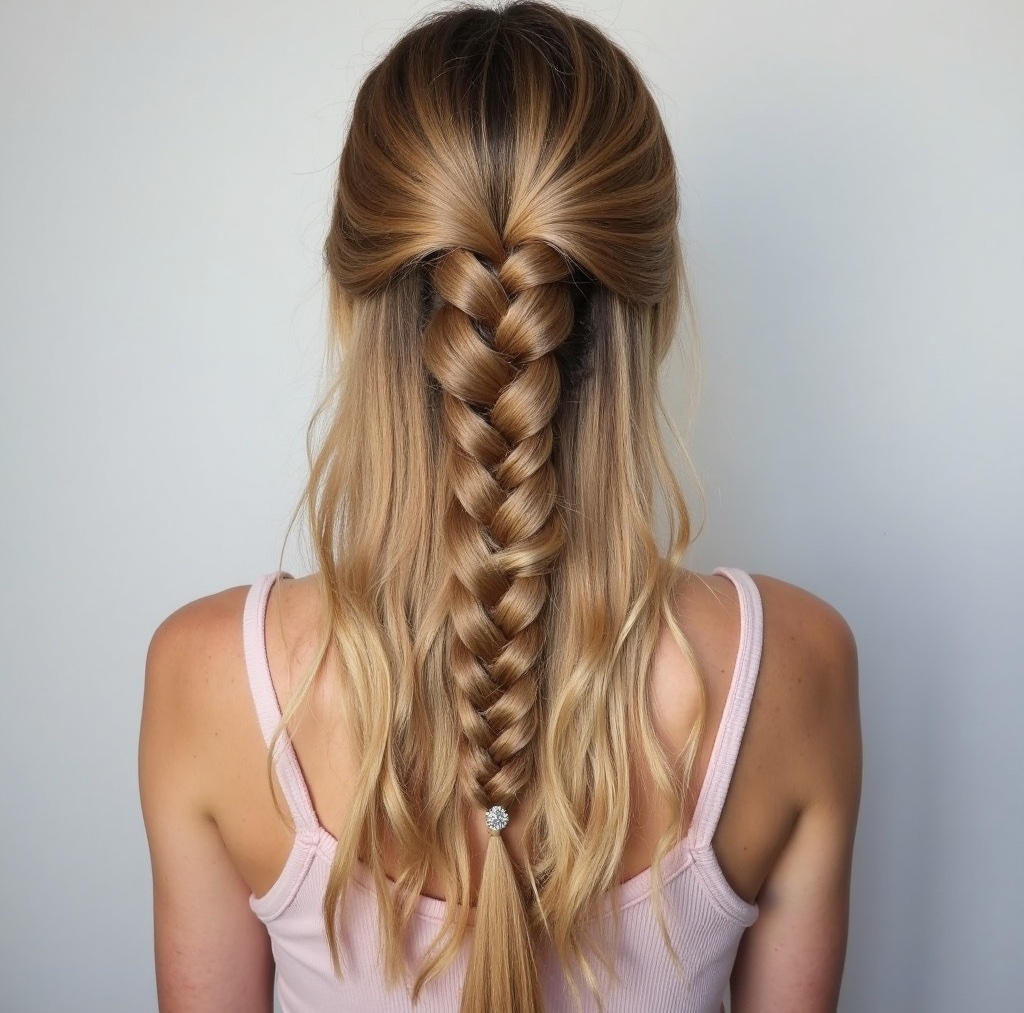
The vast array of braiding hair available today means you can find options perfectly suited to your specific styling goals and hair type. Understanding the characteristics of different extension types helps you make informed choices that deliver the results you want.
Synthetic vs human hair options
The debate between synthetic and human hair extensions continues to evolve as synthetic options become increasingly sophisticated. Each type offers distinct advantages depending on your priorities and styling goals.
Synthetic braiding hair has become the go-to choice for many protective styles. Modern synthetic fibers hold styles incredibly well, requiring minimal daily maintenance once installed. They resist humidity-induced frizz and maintain their shape throughout wear. The affordability factor makes synthetic hair particularly attractive for those who like to change their style frequently.
Human hair extensions provide unmatched versatility in styling options. You can curl, straighten, and color them just as you would your natural hair. They move and flow more naturally in wind and during physical activity. However, human hair requires more maintenance to keep it looking fresh and can be significantly more expensive than synthetic alternatives.
Pre-stretched braiding hair benefits
Pre-stretched braiding hair has revolutionized the braiding experience for both stylists and clients. This innovation eliminates the time-consuming process of manually stretching hair before installation, cutting styling time dramatically.
The benefits extend beyond time savings. Pre-stretched hair typically feels lighter on the scalp since the stretching process removes excess bulk. It also creates more natural-looking tapered ends without requiring additional cutting or treatment. Many women report less hand fatigue when installing their own braids with pre-stretched options.
The consistency of pre-stretched hair leads to more uniform braids throughout your style. Each section contains the same amount of hair from root to tip, eliminating the bulky middles and thin ends that can occur with traditional braiding hair.
Kanekalon alternatives
While Kanekalon remains a popular choice, several alternatives have emerged that address some of its limitations. These newer fibers offer different benefits that might better suit your needs.
Toyokalon fiber provides a softer texture than traditional Kanekalon, making it gentler on sensitive scalps. It tends to have less shine, creating a more natural matte finish that many women prefer. This fiber also tangles less during wear, extending the life of your style.
X-pression braiding hair uses an advanced fiber that’s flame-retardant and hot water set friendly. This means you can seal the ends safely and create curls that last. The lighter weight reduces tension on your edges while still providing full coverage.
Spectra fiber offers another lightweight alternative that’s particularly good for swimmers. It dries quickly and doesn’t hold onto chlorine or salt water the way some other synthetic fibers do. This makes it ideal for active women or those planning vacations involving water activities.
Specialty fibers for specific styles
Different braiding styles often require specific types of extension hair to achieve the best results. Understanding these specialty fibers helps you select the perfect match for your intended style.
Marley hair, with its kinky texture, works beautifully for natural-looking twist styles and faux locs. The rough texture grips well during installation and creates the perfectly imperfect look that makes these styles so appealing. It’s available in various degrees of kinkiness to match different natural hair textures.
Cuban twist hair features a unique wavy pattern that creates gorgeous, bohemian-inspired twists. This specialty fiber comes pre-twisted, making installation faster while ensuring consistent results throughout your style.
Spring twist hair contains a special crimped texture that creates bouncy, spiral twists without additional manipulation. The built-in texture means your twists will maintain their shape and movement throughout wear, requiring minimal maintenance to keep them looking fresh.
Water wave hair delivers beautiful, beachy textures for various braided styles. This fiber works particularly well for boho box braids or goddess locs, adding natural-looking waves without requiring you to curl the hair after installation.
How to Choose Extensions That Match Your Hair Type
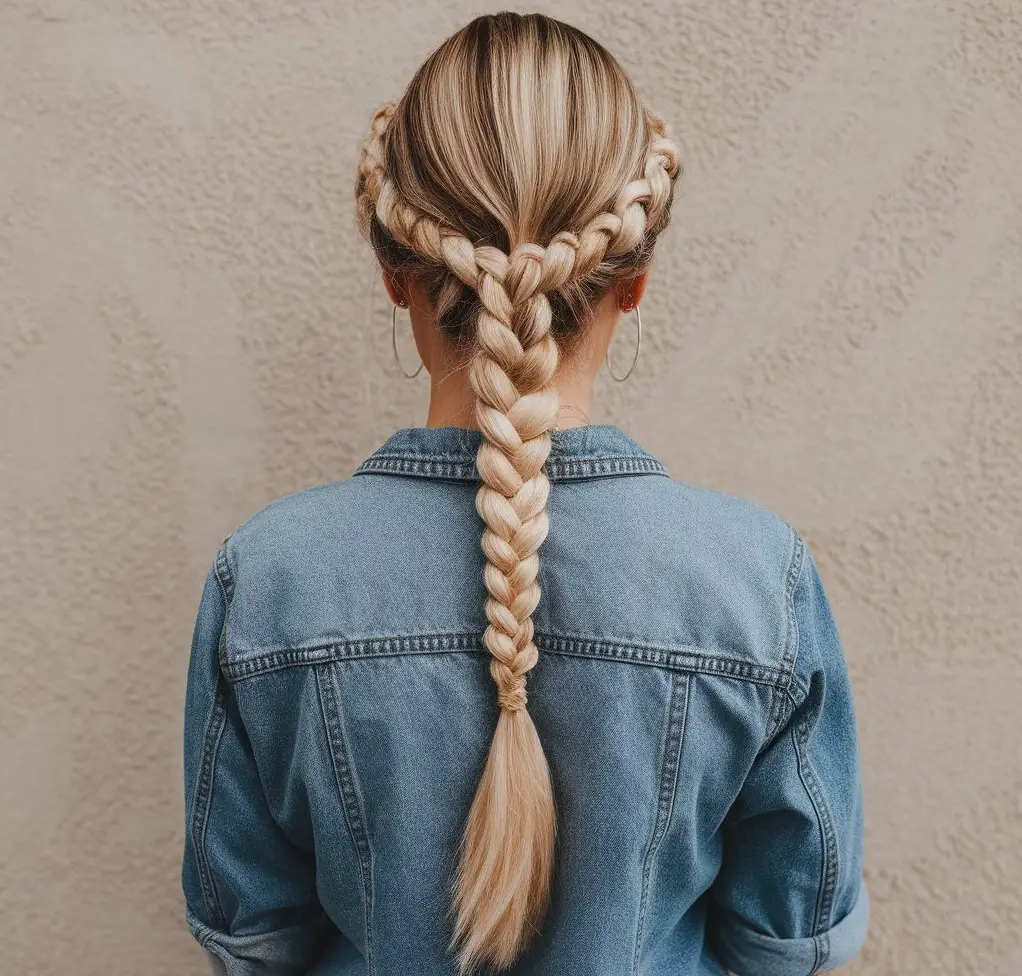
Selecting extensions that complement your specific hair type ensures comfortable wear and natural-looking results. Your natural hair’s characteristics should guide every aspect of your extension choice, from texture to installation weight.
Fine hair considerations
Women with fine hair face unique challenges when selecting braid extensions. The delicate nature of fine strands requires careful consideration to avoid damage while still achieving the desired fullness and length.
Lightweight synthetic options work best for fine hair, as they provide coverage without excessive tension. Look for pre-stretched varieties that have been specifically processed to remove bulk while maintaining coverage. These options distribute weight more evenly along the braid, reducing stress on individual strands.
The attachment method becomes particularly important with fine hair. Smaller sections with less added hair per braid prevent overwhelming your natural strands. Many stylists recommend the knotless method for fine-haired clients, as it eliminates the bulky knot at the base that can cause breakage.
Consider using fewer braids overall with slightly larger sections rather than many tiny braids. This approach reduces the number of tension points on your scalp while still providing full coverage. The key lies in finding the sweet spot between adequate coverage and manageable weight.
Thick hair matching
Thick hair can handle heavier extensions and more dramatic styles, but matching the density properly prevents an overly bulky appearance. Your natural volume should guide how much additional hair you incorporate.
Women with thick hair often find success with human hair or premium synthetic options that can match their hair’s natural heft. These extensions blend more seamlessly with dense natural hair, avoiding the thin, wispy look that can occur with lightweight options.
Regular Kanekalon or similar synthetic fibers work well for thick hair, as they provide substantial coverage without appearing sparse. You can use standard attachment methods without worry, as thick hair typically has the strength to support traditional braiding techniques.
The sectioning pattern for thick hair can be more flexible. Larger sections speed up installation time while still maintaining a natural appearance. Many women with thick hair appreciate being able to achieve dramatic length and volume without the extensions looking disproportionate to their natural density.
Curly and textured hair options
Matching extensions to curly and textured hair requires special attention to pattern and behavior. The unique characteristics of textured hair mean that straight or loosely waved extensions will look obviously artificial.
Afro kinky bulk hair provides excellent matching for tightly coiled natural hair. This texture blends seamlessly at the roots and maintains a consistent appearance throughout the length of the braid. It’s particularly effective for styles where some natural hair remains visible.
For looser curl patterns, Cuban twist or Marley hair in lighter textures offers realistic matching. These options provide enough texture to blend convincingly while being manageable to braid. The key lies in selecting extensions with a curl pattern one level looser than your natural hair, as the braiding process will tighten the appearance.
Some textured hair types benefit from mixing different extension textures. Combining a kinky texture at the roots with a looser pattern through the length creates natural-looking variation that mimics how many people’s hair naturally grows.
Length selection guidelines
Choosing the appropriate length requires balancing your style goals with practical considerations. The perfect length enhances your look without causing discomfort or appearing disproportionate.
Consider your height and body proportions when selecting length:
- Petite frames: Hip-length or shorter prevents overwhelming your silhouette
- Average height: Mid-back to waist length offers versatility
- Tall frames: Can handle dramatic lengths past the waist gracefully
- Active lifestyles: Shoulder to mid-back length provides style without interference
Your daily activities should influence length selection. Longer braids require more maintenance and can interfere with exercise, work tasks, or childcare duties. Many women find that slightly shorter than their dream length provides the best balance of style and practicality.
The weight factor intensifies with length. Each additional inch adds weight that your scalp must support. First-time extension wearers often find starting with moderate length and increasing gradually helps them adjust to the sensation and maintenance requirements.
Professional Installation Tips for Seamless Results
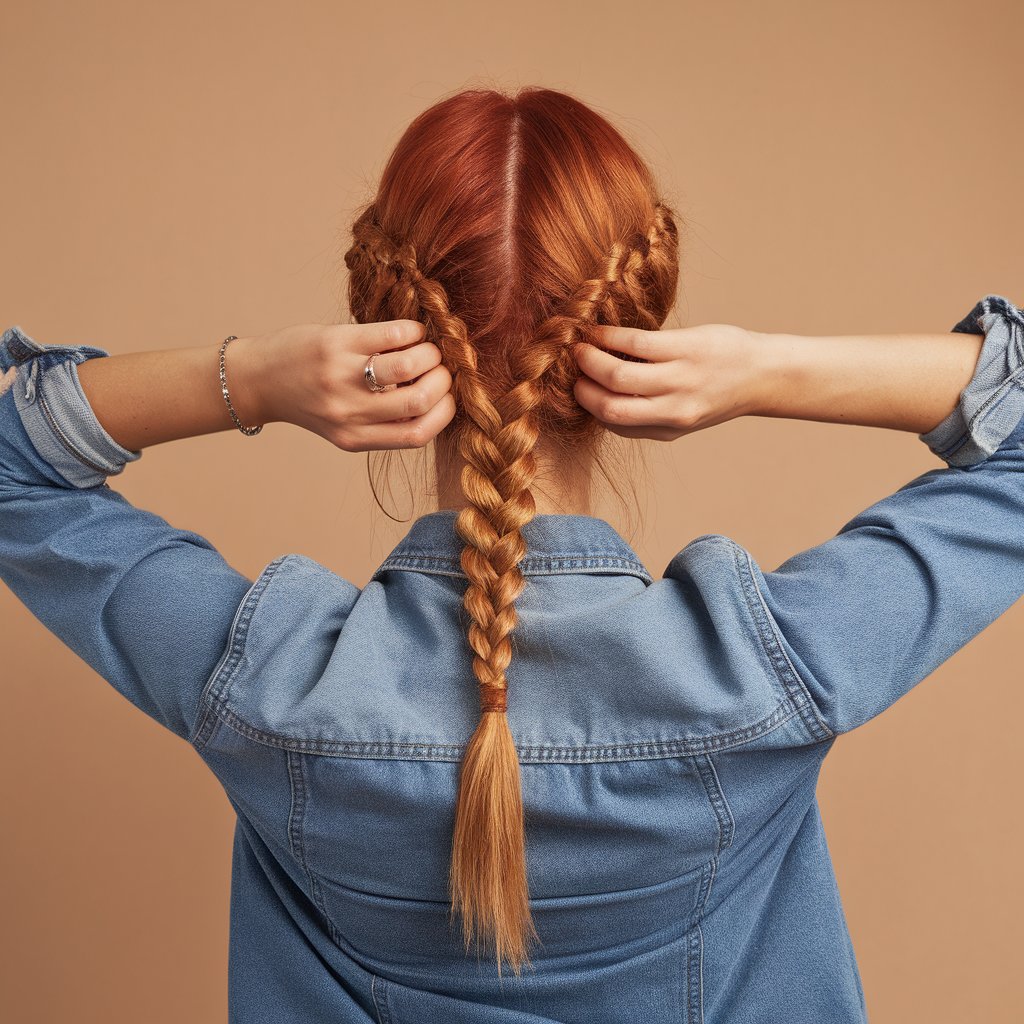
Achieving professional-looking results with your braid extensions depends heavily on proper installation techniques. These methods, used by experienced braiders, create the natural appearance that makes extensions virtually undetectable.
Preparation techniques
Proper preparation sets the foundation for long-lasting, natural-looking braided styles. Your natural hair’s condition before installation directly impacts both the appearance and longevity of your protective style.
Starting with freshly washed and deep-conditioned hair ensures your natural strands can withstand the installation process. Focus on moisturizing treatments in the weeks leading up to your installation, as healthy hair grips better and maintains its integrity under braids.
The blow-drying technique matters more than many realize. Stretching your natural hair before braiding helps it blend seamlessly with straight or lightly textured extensions. Use tension method blow-drying or banding to achieve maximum stretch without heat damage. This preparation step prevents the bumpy, uneven texture that can occur when tightly coiled hair meets straight extensions.
Product selection during preparation influences your results significantly. Light leave-in conditioners provide moisture without creating slippery hair that won’t hold braids. Avoid heavy oils or butters that can cause extensions to slip or appear greasy. A small amount of edge control or gel at the hairline creates neat parts without stiffness.
Blending at the roots
The transition point where natural hair meets extensions often reveals amateur installation. Professional techniques for root blending create the illusion that braids emerge naturally from your scalp.
The feed-in technique revolutionized root blending by eliminating visible knots. Start each braid with only your natural hair, adding small pieces of extension hair as you progress. This creates a flat, smooth beginning that looks incredibly natural. Practice maintaining even tension to prevent bumps or gaps.
Concealing methods help perfect the blend:
- Root wrapping: Wrap a small piece of extension hair around the base
- Edge baby hairs: Leave tiny natural hairs out to soften the hairline
- Strategic parting: Create parts that follow your natural growth patterns
- Gradual addition: Add extension hair over several cross-sections rather than all at once
Color matching at the roots requires extra attention. If your extensions are slightly off in color, concentrate the best-matching pieces at the base where they’re most visible. Some braiders keep a selection of different shades to custom-blend for each client’s unique color.
Tension control methods
Proper tension creates comfortable, long-lasting styles without damaging your natural hair or causing discomfort. The goal is firm enough to last but gentle enough to preserve your edges and prevent headaches.
Learning to gauge appropriate tension takes practice. The braid should feel secure without pulling your scalp or creating visible skin lifting. Many professionals use the “finger test” – if you can’t comfortably fit a finger under the base of the braid, it’s too tight.
Tension should vary throughout the installation. Edges and nape areas require the gentlest touch, as these delicate areas damage easily. The crown can typically handle slightly firmer braiding, while the sides need moderate tension to prevent loosening during sleep.
Pay attention to your body’s signals during installation. Any sharp pain, extreme pulling, or headache development means immediate adjustment is needed. Discomfort during installation often worsens over the following days rather than improving.
Edge protection strategies
Preserving your edges during and after installation ensures you can enjoy protective styles without sacrificing your hairline. These delicate areas require special consideration throughout the braiding process.
Size matters significantly for edge preservation. Create slightly larger sections around your hairline, incorporating less extension hair than you use for the rest of your head. This reduces weight and tension on these vulnerable areas. Some women prefer to leave their edges completely free, styling them separately with edge control.
The direction of braiding affects edge health. Avoid pulling hair straight back from the hairline, instead directing braids at a slight angle that follows natural growth patterns. This reduces stress on the hair follicles and prevents the painful pulling sensation that can develop.
Between installations, give your edges extra care. Regular massages with growth oils, gentle handling during styling, and avoiding back-to-back protective styles helps maintain healthy edges. Consider alternating between braided styles and other protective options to vary the tension points on your scalp.
Caring for Your Braid Extensions
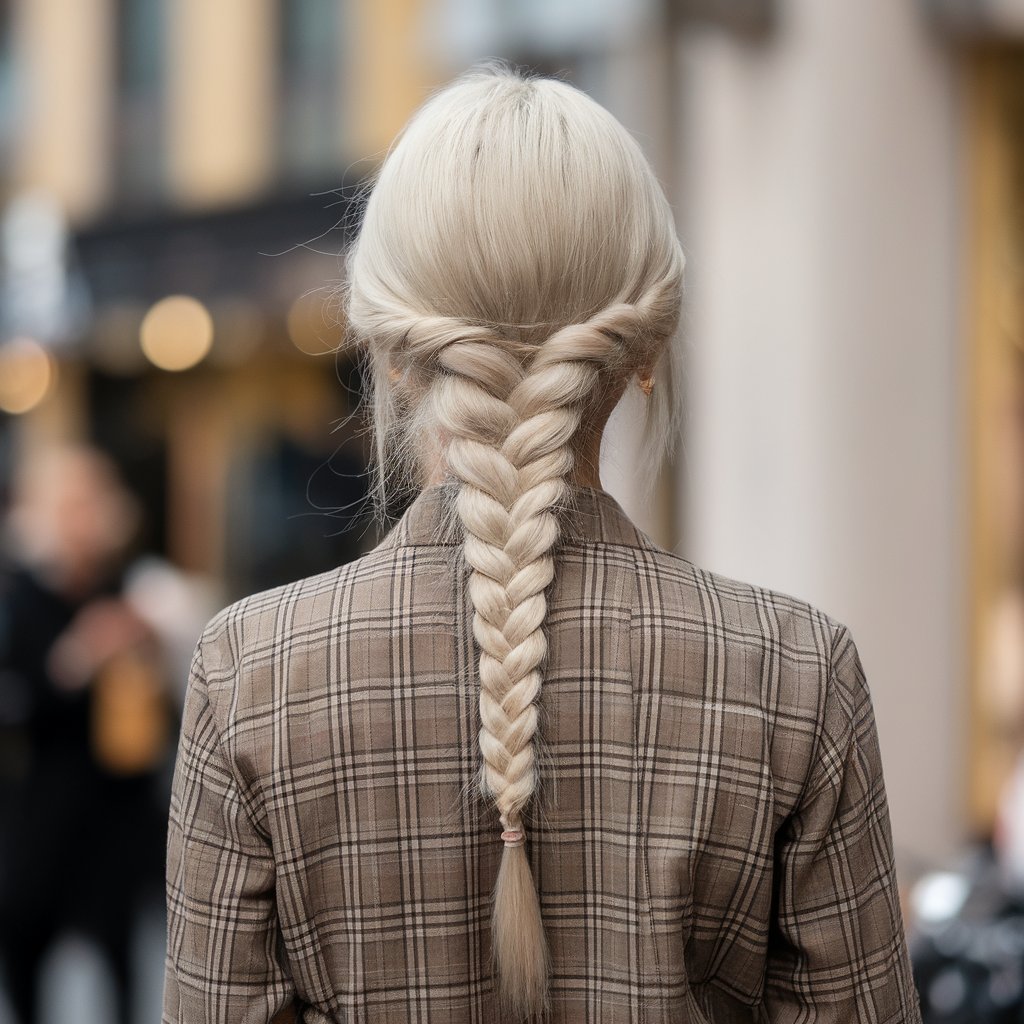
Proper maintenance extends the life of your braided style while keeping both your extensions and natural hair healthy. A consistent care routine prevents common issues like frizz, buildup, and premature loosening.
Daily maintenance routines
Your daily care routine doesn’t need to be complicated, but consistency makes the difference between braids that last weeks versus those that look disheveled after days. Simple habits preserve your style’s fresh appearance.
Morning maintenance takes just minutes but provides significant benefits. Gently separate any braids that may have tangled during sleep, working from the ends upward to prevent pulling at the roots. A light mist of braid spray refreshes your style and adds shine without heaviness.
Throughout the day, resist the urge to constantly touch or play with your braids. Excessive manipulation causes frizz and loosening. If you notice flyaways, smooth them with a small amount of edge control on your fingertips rather than redoing entire sections.
Evening care prepares your braids for overnight protection. Lightly oil your scalp if it feels dry, focusing on areas that tend to get itchy. Use a natural oil like jojoba or grape seed that won’t build up on your extensions. Remove any styling products from your edges to prevent buildup and breakage.
Nighttime protection methods
How you protect your braids while sleeping dramatically impacts their longevity and appearance. The friction from pillowcases and unconscious movement can quickly destroy a fresh style without proper protection.
Silk or satin accessories provide the best overnight protection. A bonnet or scarf prevents friction while maintaining your style’s shape. For longer braids, try the pineapple method – loosely gathering braids at the crown – before covering. This prevents tangling and crimping from lying on them all night.
If bonnets feel uncomfortable or slip off, silk pillowcases offer an alternative. They reduce friction even if your protective covering comes off during sleep. Some women use both methods for maximum protection, especially with new installations they want to preserve.
The way you position your braids matters too. Dividing longer styles to each side prevents sleeping directly on the bulk of your hair. Very long braids benefit from being loosely braided or twisted together before bed to prevent tangling.
Washing techniques
Clean braids last longer and feel more comfortable, but improper washing can cause frizz, loosening, and extension damage. The right technique keeps your scalp healthy without compromising your style.
Diluted shampoo works better than applying product directly to braids. Mix clarifying shampoo with water in an applicator bottle, focusing on your scalp rather than the length of the braids. Gently massage with your fingertips, working the lather through your parts without roughing up the braids themselves.
Rinsing requires patience and thoroughness. Any shampoo residue leads to itching and buildup. Use moderate water pressure, allowing water to flow down the length of your braids rather than rubbing them together. Many women find success with shower settings that provide steady, gentle flow.
Drying methods impact how your braids look post-wash:
- Air drying: Preserves style best but takes hours
- Hooded dryer: Speeds drying without friction
- Blow dryer: Use cool setting and keep moving to prevent heat damage
- Towel blotting: Pat gently without rubbing
Follow washing with a light oil application to your scalp and a braid mousse to control any frizz. Most styles need washing every 2-3 weeks, though active lifestyles or oily scalps might require weekly cleansing.
How long extensions last
Understanding the typical lifespan of different extension types helps you plan reinstallation and maximize your investment. Various factors influence longevity, from hair quality to maintenance habits.
Synthetic braiding hair typically maintains its best appearance for 4-8 weeks. The exact duration depends on the quality of the hair, installation technique, and your maintenance routine. Higher-quality synthetic fibers resist frizzing longer and maintain their shape better than budget options.
Human hair extensions can last significantly longer with proper care, often looking good for 8-12 weeks or more. They respond well to conditioning treatments and styling, allowing you to refresh the appearance as needed. However, they require more intensive maintenance than synthetic options.
Several signs indicate when replacement is needed. Excessive frizz that doesn’t respond to mousse or hot water treatment suggests the extensions have reached their limit. Visible new growth creating loose bases means reinstallation will provide better protection for your natural hair. Any matting, tangling, or scalp irritation that doesn’t improve with proper care signals it’s time for removal.
Your lifestyle affects extension longevity significantly. Regular exercise, swimming, or humid climates can shorten wear time. Protective sleeping habits and consistent maintenance extend the life of any installation. Most importantly, listening to your hair and scalp prevents wearing extensions past their prime, which can damage your natural hair.
Transform Your Look with Confidence
Finding the perfect hair braid extensions opens up a world of styling possibilities that protect your natural hair while delivering the length and fullness you desire. Success lies in understanding your hair type, selecting quality extensions that match your texture and color, and following professional installation techniques that create seamless, natural-looking results. With proper daily maintenance, nighttime protection, and gentle cleansing methods, your braided styles can maintain their fresh appearance for weeks while keeping your natural hair healthy underneath.
The journey to beautiful braided styles doesn’t have to feel overwhelming when you’re equipped with the right knowledge. Whether you choose synthetic or human hair, prioritize lightweight options for fine hair or embrace dramatic lengths with thicker textures, the key remains the same: select extensions that complement your natural hair and lifestyle. By following these guidelines and caring for your installation properly, you’ll achieve the stunning, natural-looking braided styles that turn heads and boost your confidence.
Frequently Asked Questions
Q: Can I swim with hair braid extensions?
A: Yes, you can swim with most braid extensions, but take precautions. Before swimming, wet your braids with fresh water and apply a leave-in conditioner to create a barrier against chlorine or salt water. After swimming, rinse thoroughly and allow braids to dry completely. Spectra fiber extensions work particularly well for frequent swimmers.
Q: How do I stop my braids from itching?
A: Itching usually results from dry scalp, buildup, or too-tight installation. Apply natural oils like tea tree or peppermint mixed with a carrier oil to soothe your scalp. Use witch hazel on a cotton ball between washes to cleanse without wetting your braids. If itching persists with redness or bumps, the braids may be too tight and need adjustment.
Q: What’s the difference between knotless and traditional box braids?
A: Knotless braids start with your natural hair and gradually feed in extensions, creating a flat, seamless base. Traditional box braids begin with a knot of extension hair at the root. Knotless braids typically feel lighter, look more natural, and cause less tension on your scalp, though they may not last quite as long as traditional methods.
Q: How many packs of hair do I need for a full head?
A: Most women need 5-8 packs for medium-sized box braids, though this varies based on desired thickness and length. Jumbo braids might only require 3-4 packs, while micro braids can need 10 or more. Pre-stretched hair typically requires fewer packs since it covers more area per pack.
Q: Can I reuse synthetic braiding hair?
A: While possible, reusing synthetic hair rarely provides good results. The hair often becomes frizzy, tangled, or stretched out after removal. For the time and effort required to detangle and restore used extensions, purchasing new hair usually proves more practical and yields better-looking results.
Q: How do I make synthetic braids look less shiny?
A: Reduce shine by soaking braids in an apple cider vinegar solution (1 part vinegar to 3 parts water) for 20 minutes, then rinse thoroughly. Alternatively, lightly dust with dry shampoo or translucent powder. Some women prefer purchasing yaki or blown-out textures initially, which have less shine than silky options.
Q: Why do my braids feel heavy?
A: Heavy braids result from using too much extension hair, selecting dense hair types, or creating too many braids overall. The weight accumulates, especially with longer styles. If discomfort persists after a few days of adjustment, consider having some braids removed or redone with less hair to prevent headaches and hair damage.
Q: When should I take my braids out?
A: Remove braids after 6-8 weeks maximum to prevent matting and maintain healthy natural hair. Signs for earlier removal include excessive frizz, loose bases showing significant new growth, persistent scalp irritation, or any pain and discomfort. Never leave braids in longer than 3 months regardless of appearance.

