

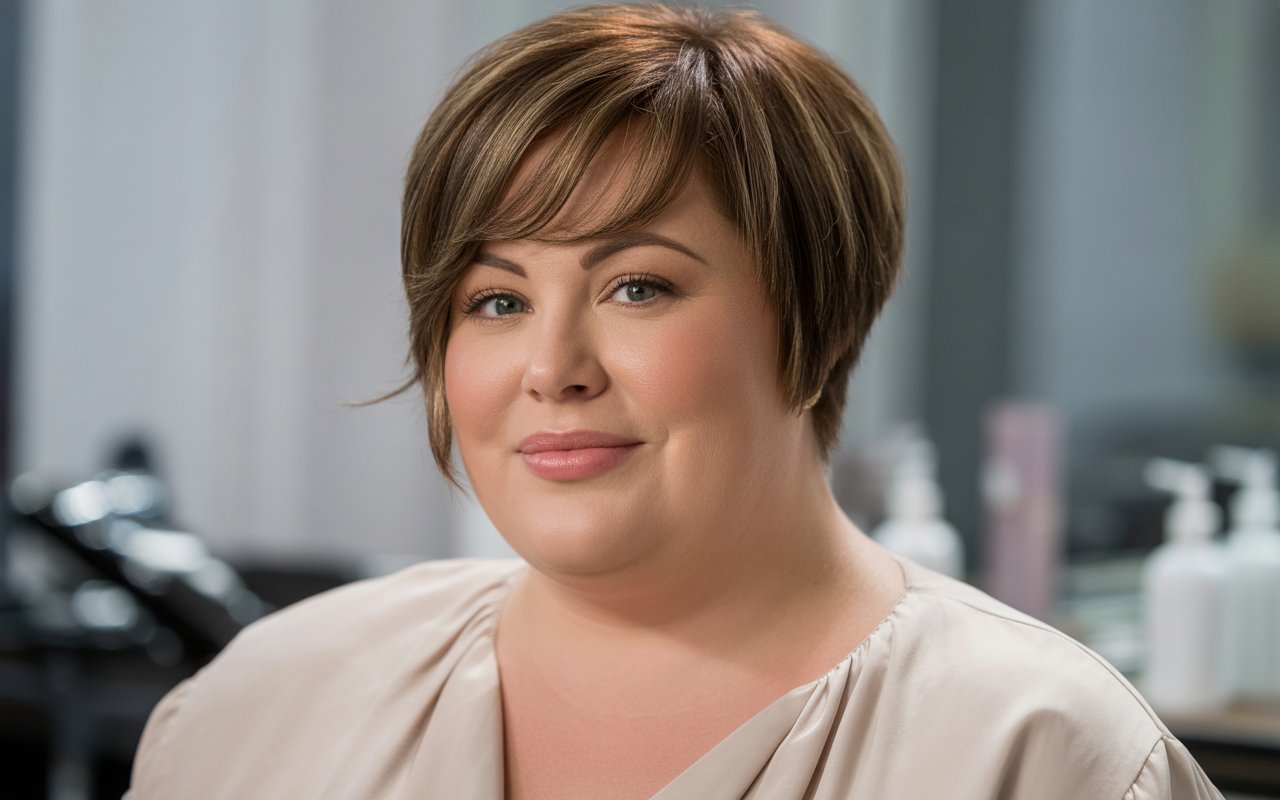
Finding the perfect hairstyle when you have a round, chubby face can feel like searching for a needle in a haystack. Many women with this face shape struggle with cuts that make their faces appear even rounder or styles that don’t complement their natural features. The good news is that with the right knowledge and techniques, you can discover hairstyles that not only flatter your face shape but also make you feel confident and beautiful.
Round faces have their own unique charm and beauty, characterized by soft curves, full cheeks, and typically equal width and length measurements. Rather than trying to completely change your face shape, the goal is to work with what you have and choose styles that create balance and highlight your best features. The right haircut can create the illusion of length, add angles where needed, and draw attention to your eyes, cheekbones, or other features you want to emphasize.
Throughout the following sections, we’ll explore various cutting techniques, styling methods, and color strategies specifically designed for round, chubby faces. From understanding your face shape better to mastering daily styling tricks, you’ll discover practical solutions that work for real life. Ready to transform your look and find your perfect hairstyle? Let’s get started with everything you need to know.
Understanding Your Round Face Shape

Round faces possess distinct characteristics that set them apart from other face shapes. Your face likely measures approximately the same width and length, with the widest point occurring at your cheeks. The jawline appears soft and curved rather than angular, and your forehead tends to be rounded at the hairline. These features create that characteristic circular appearance that defines this face shape.
Many women mistakenly believe they have a round face simply because they carry extra weight in their cheeks. However, true round faces maintain their proportions regardless of weight fluctuations. The bone structure itself creates the rounded appearance, not just the presence of fuller cheeks. Understanding this distinction helps you make better choices about which hairstyles will work best for your specific features.
Common misconceptions about round face shapes
One widespread myth suggests that women with round faces should avoid all short hairstyles. This simply isn’t true. The right short cut, particularly those with texture and asymmetry, can actually be incredibly flattering. Another misconception is that bangs are completely off-limits. While straight-across bangs might not be ideal, side-swept or wispy bangs can work beautifully.
How face shape affects hairstyle choices
Your face shape influences how different cuts and styles will look on you. Round faces benefit from hairstyles that add height at the crown and length below the chin. Cuts that fall at or just below the jawline often emphasize the width of the face, while longer styles or very short pixie cuts tend to be more flattering. The key lies in creating vertical lines and avoiding too much horizontal volume at the widest part of your face.
Working with your natural features
Rather than fighting against your natural face shape, successful styling means working with what you have. Your soft features can be incredibly feminine and youthful-looking. The goal isn’t to make your face appear dramatically different but to enhance your natural beauty through strategic styling choices. This might mean adding layers that frame your face differently or choosing colors that create dimension and draw the eye upward.
Consider your other features too. Do you have prominent cheekbones that you’d like to highlight? Beautiful eyes that deserve more attention? Your hairstyle can direct focus to these areas while creating overall balance. Think of your hair as a frame for your face – the right frame enhances the picture without overwhelming it.
Professional stylists often recommend bringing photos of hairstyles you like, but more importantly, they suggest being open to modifications. A style that looks amazing on someone with an oval face might need adjustments to flatter your round face shape. Small changes in length, layering, or styling technique can make all the difference between a good haircut and a great one.
Creating Length and Angles with Strategic Cuts
Strategic cutting techniques can transform how your face appears, creating the illusion of length and adding flattering angles where your natural curves dominate. The magic lies not in dramatic changes but in subtle adjustments that work together to elongate and balance your features.
Long layers that slim the face
Long, graduated layers starting below the chin work wonders for round faces. These layers create movement and draw the eye downward, naturally lengthening the appearance of your face. The key is ensuring the shortest layer falls below your jawline to avoid adding width at your widest point. Stylists often recommend face-framing layers that begin around the collarbone and gradually increase in length toward the back.
When discussing layers with your stylist, specify that you want vertical movement rather than horizontal volume. Layers cut at an angle create diagonal lines that counteract the circular shape of your face. This technique works particularly well with medium to long hair lengths, where there’s enough length to create significant vertical movement.
The way layers are cut also matters tremendously. Razor-cut layers tend to create softer, more piece-y ends that move naturally and avoid the bulk that can make faces appear wider. Point-cutting techniques achieve similar results, creating texture without weight. These methods ensure your layers enhance rather than overwhelm your features.
Asymmetrical cuts for visual interest
Asymmetry naturally breaks up the circular lines of a round face, creating visual interest and the illusion of angles. An asymmetrical bob, where one side is notably longer than the other, draws the eye along a diagonal line rather than emphasizing the round shape. This style works whether you prefer a dramatic difference in lengths or a more subtle variation.
Even small asymmetrical elements can make a significant impact. Consider these options:
Off-center parts: Moving your part even slightly off-center creates natural asymmetry
Uneven bang lengths: Longer on one side, shorter on the other
Graduated bobs: Shorter in back, longer in front
Side-swept styles: All hair directed to one side for dramatic effect
The power of side-swept bangs
Side-swept bangs rank among the most flattering options for round faces. They create a diagonal line across your forehead, instantly adding the appearance of length while partially concealing the width of your face. The angle of the sweep matters – aim for bangs that start shorter at one side and gradually lengthen as they sweep across.
The density of these bangs also plays a crucial role. Wispy, textured bangs that you can see through work better than heavy, blunt-cut versions. They add softness without creating a harsh horizontal line across your face. Many women find that longer side-swept bangs, sometimes called “swoop bangs,” offer the most versatility and flattering effect.
Avoiding blunt cuts that emphasize roundness
Certain cutting techniques can unintentionally emphasize the roundness you’re trying to minimize. Blunt cuts that end at chin level create a horizontal line right at the widest part of most round faces. Similarly, very blunt, straight-across bangs form another horizontal line that can make your face appear wider and shorter.
One-length bobs without any layering or texture often create a bell-like shape around round faces, especially if your hair has any natural volume or wave. Instead of these severe lines, opt for cuts with built-in movement and texture. Even if you prefer a classic bob, ask your stylist to add subtle layers or graduation to prevent that unflattering bell shape.
Geometric cuts with very precise lines typically work better on angular face shapes. For round faces, softer edges and varied lengths create more flattering results. This doesn’t mean you can’t have a polished, professional look – it simply means achieving that look through techniques that complement your face shape rather than highlighting its roundness.
Volume Placement That Flatters
Volume placement can make or break a hairstyle for round faces. Strategic volumizing transforms your overall look, creating height where you need it while keeping width under control. Understanding where to add lift and where to keep things sleek makes all the difference in achieving a flattering style.
Crown height techniques
Adding height at the crown instantly elongates your face shape. This vertical lift draws the eye upward and creates the illusion of a longer, more oval face shape. Root-lifting sprays applied at the crown before blow-drying provide excellent results. Focus the product on the hair directly on top of your head, working it through with your fingers to ensure even distribution.
Blow-drying techniques significantly impact crown volume. Flip your head upside down while drying the roots, then use a round brush to lift sections straight up from the scalp as you dry. For lasting height, blast each section with cool air after heating to set the lift in place. Velcro rollers placed at the crown while you finish getting ready add extra insurance for all-day volume.
Teasing or backcombing at the crown provides additional height for special occasions or when you want more dramatic results. The trick is to tease only the under-layers, leaving the top smooth. This creates lift without the dated, messy appearance of visible teasing. A light mist of hairspray on the teased sections helps maintain the height throughout the day.
Where to avoid adding width
The area from your temples to your jaw represents the danger zone for volume placement on round faces. Adding width here only emphasizes the roundness you’re trying to minimize. When blow-drying, direct hair away from your face rather than curling it under at these points. This simple change prevents creating a rounded silhouette that mirrors your face shape.
Many women with naturally curly or wavy hair find their texture adds volume exactly where they don’t want it. In these cases, smoothing products applied to the mid-lengths help control width while maintaining texture at the ends. You might also consider having your stylist thin out some bulk in these areas during your cut, though this should be done carefully to avoid creating frizz.
Textured styles that elongate
Texture adds visual interest while creating the illusion of length. Beach waves, for instance, create vertical movement that draws the eye downward. When creating waves, start them below your cheekbones to avoid adding width at your widest point. The irregular pattern of beachy texture also breaks up the circular lines of your face shape.
Straight hair can be texturized with products and techniques that add piece-y separation without bulk. Texturizing sprays or light pomades worked through the lengths create definition and movement. The goal is achieving separation that creates vertical lines rather than horizontal fullness. Think of creating a waterfall effect with your hair, where everything flows downward.
For shorter styles, choppy, piece-y cuts offer excellent options. These cuts incorporate varying lengths that create movement and prevent the helmet-like effect that can occur with round faces. Ask your stylist for a cut with lots of texture and internal movement, which can be enhanced with the right styling products.
Strategic use of hair accessories
Hair accessories offer creative solutions for adding height and controlling width. A carefully placed headband worn slightly back from your hairline creates instant crown height while keeping side volume in check. Choose thinner headbands over wide ones to avoid creating horizontal lines across your forehead.
Here’s how different accessories can enhance your style:
Bobby pins: Create height by pinning sections at the crown
Decorative combs: Add interest while lifting hair away from the face
Hair ties: Position ponytails high to elongate the face
Clips: Pull side sections back to reduce width
The placement of these accessories matters as much as the accessories themselves. Anything positioned too low or too far forward can emphasize roundness. Experiment with different positions to find what creates the most flattering silhouette for your specific features. Sometimes moving an accessory just an inch higher makes a dramatic difference in the overall effect.
Color Techniques That Enhance Face Shape
Hair color serves as more than just a way to cover grays or change your look – it’s a powerful tool for creating dimension and enhancing your face shape. Strategic color placement can create shadows and highlights that slim, lengthen, and add angles to round faces.
Contouring with highlights and lowlights
Hair contouring works similarly to makeup contouring, using light and dark shades to create dimension. Darker colors recede visually, while lighter shades come forward and attract attention. For round faces, placing darker tones along the sides of your face from temple to jaw creates a slimming shadow effect. Meanwhile, lighter pieces through the crown and down the center of your hair add vertical interest.
This technique requires a skilled colorist who understands both color theory and face shape dynamics. The contrast doesn’t need to be dramatic – even subtle variations between your natural color and the added tones can create significant visual impact. Natural-looking results come from using colors within two to three shades of your base color.
The blending of these colors matters tremendously. Harsh lines between light and dark sections look unnatural and can actually emphasize roundness. Instead, your colorist should create a seamless transition between shades, mimicking how natural light would hit your hair. This might involve techniques like balayage or foiling in specific patterns designed for your face shape.
Vertical color placement strategies
Traditional horizontal highlighting patterns can emphasize the width of round faces. Instead, vertical color placement creates long lines that draw the eye up and down rather than side to side. This might mean placing highlights in vertical sections rather than horizontal layers, or creating an ombre effect that gradually lightens from roots to ends.
Face-framing highlights require special consideration for round faces. Rather than placing bright highlights right at cheek level, start them lower, around the collar bone area. This placement creates vertical lines that elongate rather than widen. The highlights can gradually become more prominent as they move down the hair length, creating a flattering gradient effect.
Face-framing highlights
When done correctly, face-framing highlights can transform round faces by creating the illusion of angles and length. The key lies in placement and tone selection. Highlights should start below the widest part of your face and should be painted in diagonal sections rather than straight down. This creates movement and prevents the formation of vertical lines that might emphasize roundness.
Consider asking for “money piece” highlights – those bright face-framing sections that have become popular recently. For round faces, these work best when they start at the jawline or below, rather than at the cheekbones. The brightness draws attention downward and creates a lengthening effect that flatters fuller faces.
Colors to avoid near the jawline
Certain color placements can unintentionally make round faces appear wider. Bright, light colors placed horizontally at jaw level create a widening effect similar to wearing a light-colored belt on a dark outfit. Similarly, stark contrasts between your hair color and skin tone at this level can create a harsh line that emphasizes the width of your face.
Very light blonde or platinum shades all around the perimeter of your face can wash out your features and make your face appear larger. If you love light colors, consider keeping them concentrated through the top sections and gradually deepening the tone as it reaches your jawline. This creates a natural shadow effect that’s incredibly flattering.
Chunky highlights or color blocks near the face should be avoided in favor of more subtle, blended techniques. The days of striped highlighting are long gone, and for round faces, this is especially fortunate. Modern coloring techniques that create seamless blends work much better for creating the illusion of length and angles.
Remember that color maintenance plays a role in how flattering your style remains over time. As roots grow in or highlights fade, the careful placement that creates your flattering effect can be lost. Regular touch-ups ensure your color continues to enhance your face shape rather than detracting from it. Discuss a maintenance schedule with your colorist that keeps your color looking fresh and properly placed.
Styling Tips for Maximum Flattery
Daily styling makes the difference between a good haircut and a great look. Even the most expertly cut and colored hair needs proper styling to achieve its full potential for flattering round faces. These techniques will help you maximize your style every single day.
Blow-drying techniques for lift
The way you blow-dry sets the foundation for your entire style. Start with damp, not soaking hair – excess water weighs down roots and makes achieving lift nearly impossible. Apply a lightweight root lifter or volumizing mousse to the crown area, working it through with your fingers to ensure even coverage.
Your blow-dryer’s nozzle attachment isn’t just an accessory – it’s essential for directed airflow that creates specific shapes. Point the nozzle down the hair shaft when drying the sides to keep them smooth and close to the head. At the crown, reverse this technique, lifting sections straight up and directing air from roots to ends. This opposing technique creates height where you want it while controlling width.
The round brush you choose impacts your results significantly. For crown height, use a large round brush (at least 2 inches in diameter) to create lift without tight curls. Wrap sections around the brush, heat them thoroughly, then hit them with cool air before releasing. This hot-then-cold technique locks in the shape and provides longer-lasting lift.
Don’t forget the power of sectioning. Working with small, manageable sections gives you more control over the final shape. Start at the crown, creating your desired height, then work your way down the sides, keeping these sections smoother. The back sections can have moderate volume, but avoid creating width at ear level.
Curling methods that elongate
Curls and waves can either enhance or detract from your face shape, depending on how you create them. For round faces, loose waves starting below the cheekbones create the most flattering effect. Tighter curls near the face add width, while relaxed waves add length. When using a curling iron, hold it vertically rather than horizontally to create elongating spiral curls rather than round ringlets.
The direction you curl matters too. Alternate the direction of your curls – some toward your face, others away – to create natural-looking texture. However, ensure the pieces directly framing your face curl away to open up the face area and avoid creating a rounded frame. This technique also prevents all your hair from clumping together into one mass that might overwhelm your features.
Products for the right texture
Product selection can make or break your styling efforts. Heavy products weigh down the roots where you need lift and can make hair appear greasy or limp. Instead, choose lightweight formulations that provide hold without weight. Here are essential products for round faces:
Volumizing mousse: Creates lift without stickiness or weight
Texture spray: Adds grip and piece-y separation for movement
Light-hold hairspray: Maintains style without helmet hair
Dry shampoo: Refreshes roots and adds volume between washes
Apply products strategically rather than all over. Concentrate volumizing products at the roots where you want lift. Use smoothing products only on the sides where you want to control width. Texturizing products work best on the mid-lengths to ends, creating movement without adding bulk near the face.
Quick styling tricks for busy mornings
Not every day allows for a full blow-dry and styling session. For rushed mornings, these quick tricks can help you achieve a flattering look in minutes. First, flip your head upside down and blast the roots with cool air from your dryer for instant lift without the time investment of a full blow-dry. This technique takes less than two minutes but provides noticeable crown height.
Dry shampoo isn’t just for dirty hair – it’s a styling powerhouse for round faces. Spray it at the roots before bed, and you’ll wake up with enhanced volume and texture. The overnight absorption time allows the product to work more effectively than morning application. In the morning, simply massage your scalp to distribute the product and create lift.
For second or third-day hair, strategic pin placement can transform your look. Create a slight pouf at the crown by gently teasing a section, smoothing the top layer, and securing with bobby pins. This adds height without requiring heat styling. Similarly, pinning one side back asymmetrically creates angles and reduces width while looking polished and intentional.
The half-up style works particularly well for round faces when done correctly. Instead of pulling hair straight back, create height at the crown first, then secure only the top section. Leave face-framing pieces loose, ensuring they’re styled away from your face rather than curling inward. This style combines the lengthening effect of hair down with the face-opening benefits of hair pulled back.
Face Slimming Through Style
Achieving a slimmer-looking face through hairstyling is a beautiful thing. The right combination of cut, color, and styling creates an overall effect that enhances your natural beauty while minimizing roundness.
Remember that flattering hairstyles for round faces aren’t about hiding or dramatically changing your appearance. They’re about working with your natural features to create balance, add dimension, and highlight your best qualities. Whether you choose long layers, asymmetrical cuts, strategic color placement, or specific styling techniques, the goal remains the same: feeling confident and beautiful in your own skin.
The journey to finding your perfect hairstyle might involve some experimentation. What works beautifully for one woman with a round face might need tweaking for another. Face shapes are just one factor – your hair texture, lifestyle, and personal style all play important roles in determining your ideal look. Stay open to trying new techniques and don’t be afraid to communicate with your stylist about what is and isn’t working for you. With the right approach, you’ll discover styles that make you feel absolutely fabulous every single day.
Frequently Asked Questions
Q: Can women with round faces wear their hair in a center part?
A: While side parts generally create more flattering angles for round faces, a center part can work if you add height at the crown and keep the hair longer than chin length. The key is avoiding a flat, straight style that emphasizes facial width.
Q: What’s the ideal hair length for a round chubby face?
A: Hair that falls below the shoulders or above the chin typically works best. Mid-length cuts that end right at the jawline can emphasize the widest part of your face. Either go longer or shorter than this danger zone.
Q: Should I avoid bangs completely if I have a round face?
A: Not at all! Side-swept, wispy, or asymmetrical bangs can be very flattering. Just avoid straight-across, blunt bangs that create a horizontal line across your forehead.
Q: How often should I get my hair cut to maintain a flattering shape?
A: Most stylists recommend every 6-8 weeks for shorter styles and 8-12 weeks for longer hair. Regular trims prevent your carefully crafted layers from growing out and losing their face-flattering properties.
Q: Can I wear my hair in a ponytail with a round face?
A: Absolutely! Position your ponytail high on the crown to create vertical height. Leave some face-framing pieces loose and styled away from your face for the most flattering effect.
Q: What’s the biggest mistake women with round faces make with their hair?
A: Creating too much volume at ear level or choosing cuts that end right at the jawline. Both of these emphasize the widest part of the face and create a rounder appearance.
Q: Are pixie cuts suitable for round chubby faces?
A: Yes, when cut correctly! A pixie with height at the crown, longer pieces on top, and tapered sides can look stunning. The key is avoiding styles that are too short and round all over.

