

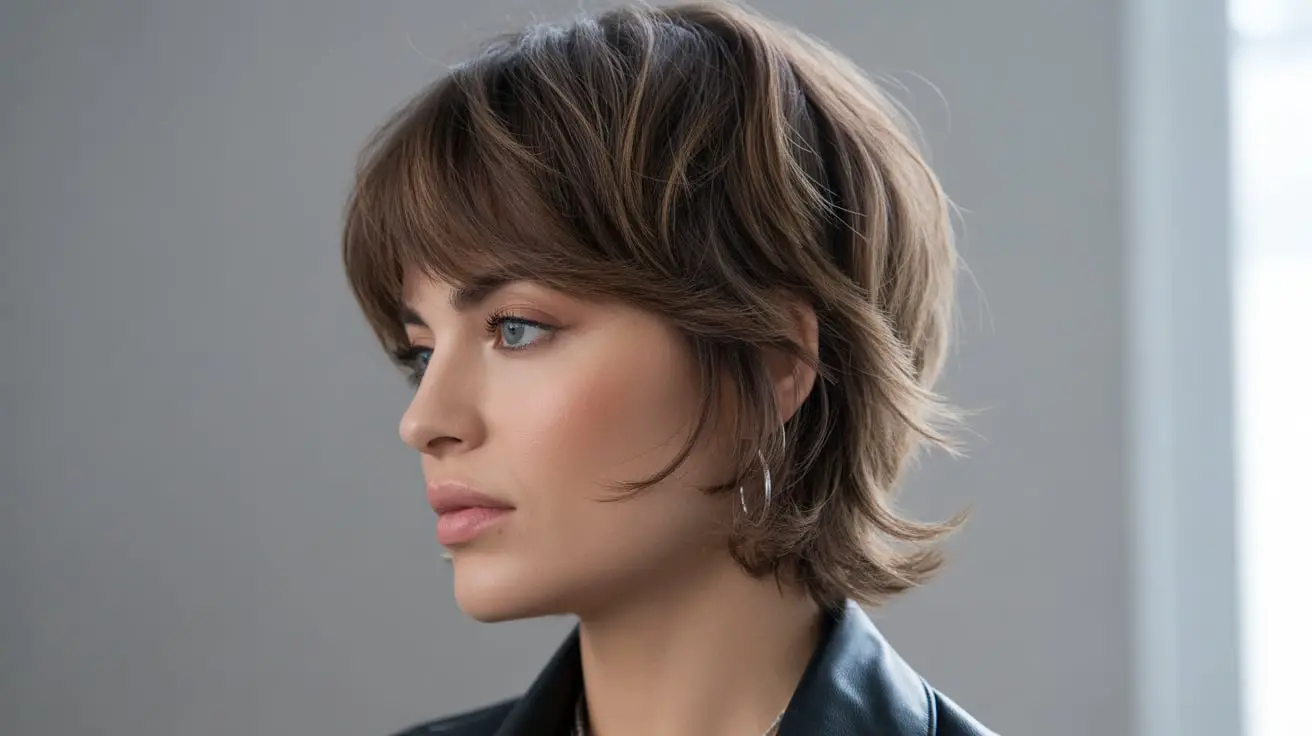
Feathered layer haircuts have become the go-to solution for women struggling with flat, lifeless hair. This classic cutting technique creates instant movement and body by removing weight strategically throughout your hair, allowing each strand to lift naturally from the roots. The result is hair that looks fuller, bounces with every step, and maintains its shape throughout the day without requiring excessive styling products or complicated routines.
The beauty of feathered layers lies in their versatility and universal appeal. Whether your hair is naturally fine, thick, straight, or curly, this cutting method adapts to work with your specific texture while addressing volume concerns. Professional stylists use specialized cutting angles and techniques to create soft, graduated layers that blend seamlessly, avoiding harsh lines or obvious steps that can make hair look choppy or dated.
In the following sections, you’ll discover everything from understanding how these cuts create volume to choosing the perfect style for your face shape and hair type. You’ll learn styling techniques that maximize your new layers, maintenance tips to keep them looking fresh, and current trends that put a modern spin on this timeless technique. Let’s explore how feathered layers can transform your hair from flat to fabulous.
- What Makes Feathered Layers Perfect for Volume
- How to Choose the Right Feathered Layer Style for Your Face Shape
- Best Feathered Layer Techniques for Different Hair Types
- How to Style and Maintain Your Feathered Layers
- Which Modern Feathered Layer Trends Work This Year
- Final Thoughts on Transforming Your Hair with Feathered Layers
- Frequently Asked Questions
What Makes Feathered Layers Perfect for Volume
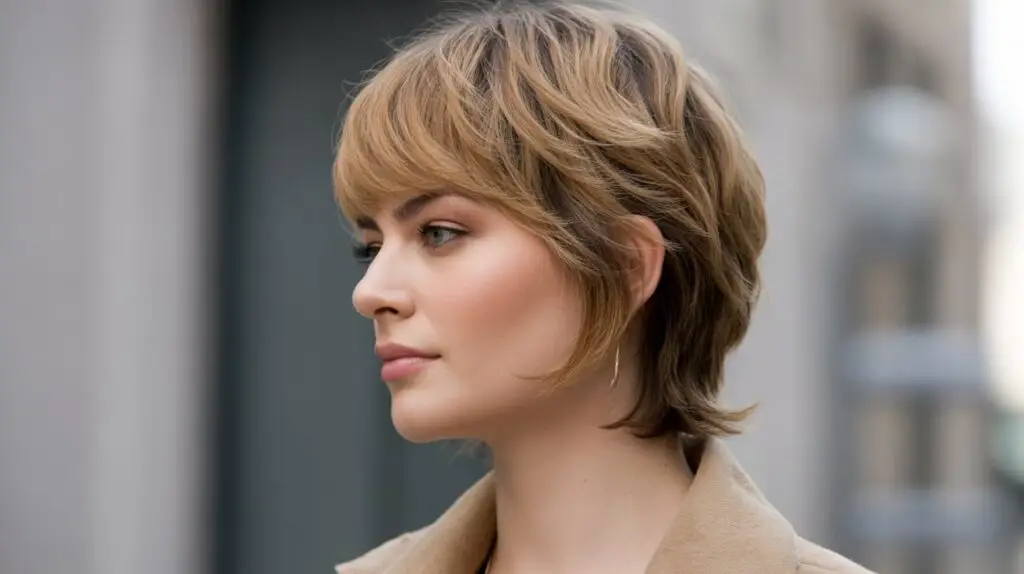
The secret behind feathered layers’ volume-boosting power starts with basic hair physics. When hair lies flat against your head in one uniform length, gravity pulls it down, creating that dreaded flat appearance many women struggle with daily. Feathered layers disrupt this pattern by creating multiple lengths that support each other, preventing hair from collapsing under its own weight. Each layer acts as a tiny shelf, lifting the hair above it and creating natural body that lasts.
How feathered layers create lift at the roots
Root lift happens naturally when shorter pieces of hair spring upward without the weight of longer strands pulling them down. Feathered cuts achieve this by gradually removing bulk from specific areas while maintaining overall length. Your stylist cuts at an angle, creating pieces that naturally flip outward rather than lying flat. This technique works particularly well around the crown area, where most women need volume most desperately.
The cutting angle matters tremendously for achieving proper lift. Stylists hold their scissors at approximately 45 degrees, slicing through hair rather than cutting straight across. This creates softer edges that blend better and move more freely. The result feels light and airy rather than heavy and weighted down.
The science behind texture and movement
Hair texture changes dramatically when cut into feathered layers because each strand suddenly has more room to move independently. Think of it like removing books from an overpacked shelf – suddenly everything has space to breathe and shift position. This newfound freedom translates into visible movement that makes hair appear thicker and more dynamic.
What happens at the microscopic level explains why this technique works so well. When hair is cut at an angle, the exposed ends have more surface area than blunt cuts. This increased surface area allows hair to grip styling products better and hold shape longer. The varied lengths also create natural texture variations that catch light differently, creating the illusion of fuller, more dimensional hair.
Why this technique works for different hair types
Fine hair benefits perhaps most dramatically from feathered layers. Without the weight of longer strands pulling everything down, fine hair can finally achieve the lift it naturally lacks. The graduated lengths prevent that stringy appearance that often plagues women with thinner hair, instead creating the appearance of density through strategic layering.
Women with thick hair find relief through feathered layers too, though for different reasons. The technique removes bulk without sacrificing length, eliminating that triangular or pyramid shape thick hair often creates. By thinning out specific areas while maintaining others, stylists can create balanced volume that looks intentional rather than overwhelming.
The difference between regular layers and feathered layers
Regular layers typically involve horizontal cuts that create distinct steps in your hair. You can often see where one layer ends and another begins, especially when hair is wet or pulled straight. These cuts work well for certain styles but don’t always provide the seamless volume boost many women seek. Standard layering can sometimes create gaps or holes in the hair’s overall shape, particularly as it grows out.
Feathered layers use a completely different approach. The cutting technique involves vertical or diagonal slicing motions that create soft, graduated ends. Instead of obvious steps, you get a flowing transition from shorter to longer pieces. This method creates more points of contact between different hair lengths, resulting in better support and lift throughout your entire hairstyle. The edges appear softer and more natural, growing out more gracefully than traditional layers.
How to Choose the Right Feathered Layer Style for Your Face Shape
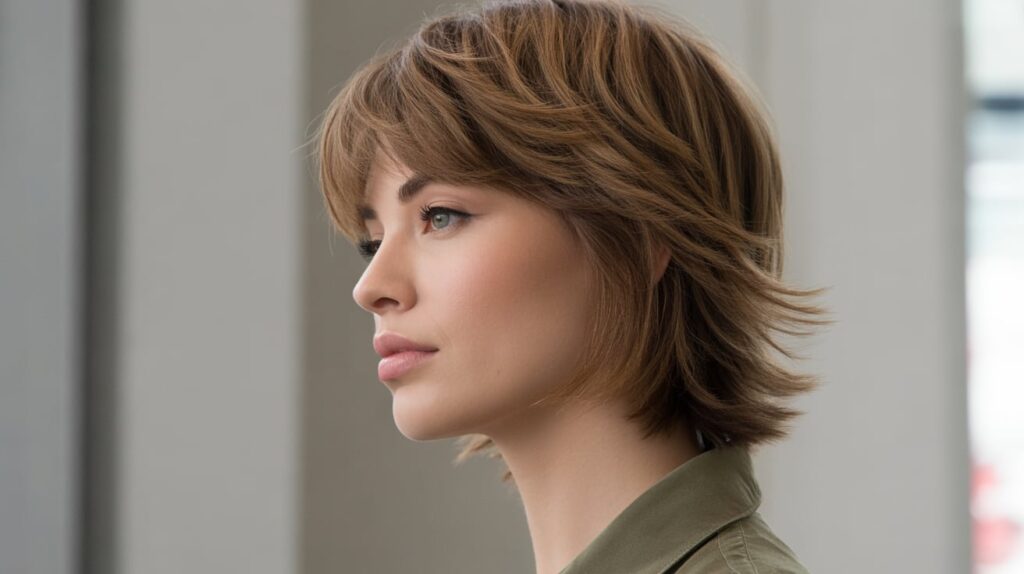
Finding the perfect feathered layer cut starts with understanding your face shape and how different cutting patterns can enhance your best features. The right placement of layers can slim a round face, soften angular features, or add width where needed. Smart positioning makes all the difference between a flattering cut and one that emphasizes features you’d rather minimize.
Round face considerations
Round faces benefit from feathered layers that start below the chin, creating vertical lines that elongate the face. Avoid adding too much volume at the widest part of your face – typically around the cheeks. Instead, focus on creating height at the crown with shorter layers that lift upward. Side-swept bangs cut with a feathering technique can also help create asymmetry, which naturally slims round faces.
The key lies in keeping the sides relatively flat while maximizing volume on top. Your stylist might suggest longer layers around your face that gradually get shorter toward the back. This creates a subtle face-framing effect without adding width. Consider asking for piece-y, textured ends rather than soft, rounded ones, as angular elements help counteract facial roundness.
Oval face options
Lucky women with oval faces can experiment with virtually any feathered layer style since their balanced proportions work with most cuts. This face shape handles volume beautifully at any point – sides, crown, or ends. You might choose layers that start at the cheekbones to highlight your eyes, or begin them lower for a more dramatic, flowing look.
Consider your hair’s natural texture when deciding on layer placement. If you have naturally straight hair, layers starting higher up create more movement and interest. For those with wavy or curly textures, starting layers lower prevents excessive volume that might overwhelm your features. The versatility of an oval face means you can focus more on what style makes you feel confident rather than worrying about proportions.
Square and rectangular face shapes
Angular face shapes need softness, which feathered layers provide naturally. The wispy, graduated ends created by this cutting technique help balance strong jawlines and prominent cheekbones. Layers that begin around the jawline and continue downward draw the eye vertically, creating a lengthening effect that complements these face shapes beautifully.
For square faces specifically, add volume below the ears rather than at ear level. This prevents emphasizing the face’s width at its widest point. Rectangular faces can handle more volume at the sides since the goal involves adding width rather than length. In both cases, avoid ruler-straight cuts or severe angles that might echo facial angularity. Soft, feathered edges around the face create the perfect contrast to naturally strong features.
Women with these face shapes should consider how their layers interact with their jawline:
Chin-length layers: Soften the jaw without adding bulk
Collarbone layers: Create elegant lines that draw attention downward
Graduated sides: Add movement without width
Textured ends: Provide softness that balances angular features
Heart-shaped face styling tips
Heart-shaped faces typically feature a wider forehead and narrower chin, requiring layers that balance these proportions. Feathered layers work wonderfully when concentrated around the chin and below, adding fullness where the face naturally narrows. Avoid too much volume at the crown, which can make the forehead appear even wider.
Side-swept bangs with feathered edges help minimize forehead width while adding sophistication. Layers that flip outward at the bottom create width around the chin area, achieving better facial balance. The goal involves creating an inverted triangle of volume – less at the top, more at the bottom. This approach creates harmony between your hair and facial structure.
Long face proportions
Long faces need width, not height, making horizontal volume essential. Feathered layers that create outward movement at the sides work perfectly for this face shape. Start layers around the cheekbones or ears to add fullness exactly where long faces need it most. Avoid adding too much height at the crown, which only emphasizes facial length.
The most flattering approach involves creating a rounded silhouette rather than an elongated one. Layers cut to flip outward naturally add the width long faces lack. Consider adding feathered bangs that cut across the forehead horizontally, effectively shortening the face’s appearance. Your stylist might suggest a slightly shorter overall length too, as very long hair can emphasize facial length.
Best Feathered Layer Techniques for Different Hair Types
Your hair’s natural texture determines which feathering techniques will deliver the best results. What works beautifully for pin-straight hair might create chaos in curls, while techniques perfect for thick hair could leave fine hair looking sparse. Understanding these differences helps you communicate effectively with your stylist and ensures you get a cut that works with, not against, your hair’s natural tendencies.
Fine hair volume solutions
Fine hair requires a delicate approach to feathered layering. Too many layers can make already thin hair appear even sparser, while too few won’t provide enough lift. The sweet spot usually involves longer layers with subtle graduation, maintaining as much density as possible while still creating movement. Your stylist should focus on removing weight from underneath rather than the top layers, preserving the hair’s surface integrity.
The cutting technique for fine hair differs significantly from other textures. Instead of aggressive texturizing, stylists use point cutting and slide cutting to create soft edges that blend invisibly. These methods prevent the stringy, separated look that can plague fine hair with too much layering. Keeping layers longer and less dramatic ensures you maintain the illusion of thickness while still gaining the benefits of added movement.
Strategic placement becomes crucial with fine hair. Concentrate shorter layers around the crown where you need lift most, while keeping the perimeter (the bottom edge) relatively full. This creates a stable base that supports the lighter layers above. Many women with fine hair find that shoulder-length cuts with subtle feathering work better than very long or very short styles.
Thick hair management strategies
Thick hair presents the opposite challenge – removing enough bulk without creating a shapeless mass. Feathered layers excel at thinning thick hair strategically, maintaining style and movement while eliminating excess weight. The technique involves deeper, more aggressive layering that removes bulk from within while preserving the outer canopy for smoothness.
Texturizing becomes your best friend with thick hair. Your stylist might use thinning shears, razors, or specialized cutting techniques to create varied lengths within each layer. This prevents the helmet-like effect thick hair can create when cut too bluntly. The goal involves creating pieces that move independently rather than moving as one heavy unit.
The placement of layers in thick hair should focus on areas where bulk accumulates most. Usually, this means the sides and back of the head, particularly around the ears. By removing weight from these zones while maintaining length elsewhere, you achieve balanced volume that looks intentional. Consider asking your stylist about invisible layers – internal layers that reduce bulk without changing the overall silhouette.
Curly hair considerations
Curly hair demands respect for its natural pattern when creating feathered layers. Each curl has its own spring pattern, and cutting without considering this can lead to uneven results or excessive frizz. Successful feathering for curls involves cutting hair dry or at least damp, allowing the stylist to see how each curl naturally falls and bounces.
The angle of cutting matters tremendously with curls. Cutting straight across can cause curls to spring up unevenly, creating gaps or strange shapes. Instead, stylists should cut each curl individually at its natural fall point, creating layers that work with the curl pattern. This technique, sometimes called curl-by-curl cutting, ensures each piece maintains its integrity while contributing to the overall layered effect.
Straight hair transformation techniques
Straight hair shows every cut line, making precision essential when creating feathered layers. The advantage lies in predictability – what you see during cutting is essentially what you get when styling. This allows for more dramatic layering if desired, since straight hair won’t spring up or change shape dramatically when dry.
Razoring works particularly well on straight hair, creating the soft, feathered edges that give this style its name. The razor creates irregular edges that move more freely than scissors-cut ends, adding the texture straight hair often lacks naturally. However, over-razoring can cause damage, so finding a stylist experienced with this technique proves important.
Adding movement to straight hair through feathered layers often involves creating graduation throughout the entire cut. Rather than distinct layers, the hair gradually gets shorter from bottom to top, creating a waterfall effect. This approach adds volume without creating the shelf-like appearance that can occur with poorly executed layers on straight hair.
Wavy hair enhancement methods
Wavy hair occupies the sweet spot for feathered layers, having enough texture to hold shape while remaining manageable. The natural wave pattern works beautifully with graduated layers, creating effortless-looking volume and movement. The key involves enhancing the waves rather than fighting them.
Layer placement should complement your wave pattern. If your waves start at ear level, beginning layers slightly above this point enhances the natural movement. Cutting into the wave at the wrong point can disrupt the pattern, causing sections to straighten or frizz. A skilled stylist will study your wave pattern before cutting, ensuring layers enhance rather than interfere.
For wavy hair, medium-length layers often work best. Very short layers can become too bouncy and difficult to control, while very long layers might weigh down the natural wave. The feathering technique helps waves separate naturally, creating definition without requiring excessive product or styling time. This makes the style particularly appealing for women who want beautiful hair without complicated routines.
How to Style and Maintain Your Feathered Layers
Getting a fantastic feathered layer cut is just the beginning – proper styling and maintenance keep your hair looking salon-fresh between appointments. The right techniques and products make the difference between hair that falls flat by noon and volume that lasts all day. With some practice, you’ll develop a routine that maximizes your layers’ potential without requiring hours of effort.
Daily styling routine essentials
Your morning routine should start with the right foundation. After washing, apply a lightweight volumizing mousse or spray to damp hair, concentrating on the roots where you need lift most. Avoid heavy creams or oils that can weigh down your carefully crafted layers. Instead, choose products specifically designed for adding body without adding weight.
The blow-drying technique you use affects how your layers behave all day. Flip your head upside down while drying the roots, using your fingers to lift sections away from the scalp. Once roots are about 80% dry, flip your head back up and use a round brush to smooth the lengths while maintaining the volume you’ve created. Direct the airflow down the hair shaft to minimize frizz while encouraging the natural movement of your layers.
For days when washing isn’t necessary, dry shampoo becomes your secret weapon. Spray it at the roots the night before, allowing it to absorb oils while you sleep. In the morning, massage it through and brush out any excess. This technique not only extends time between washes but also adds texture and grip that helps layers maintain their shape.
Product selection for maximum volume
The products you choose can enhance or destroy your feathered layers’ volume potential. Start with a clarifying shampoo once weekly to remove product buildup that weighs hair down. On regular wash days, use a volumizing shampoo that cleanses without stripping natural oils. Follow with a lightweight conditioner, applying it only to the mid-lengths and ends to avoid flattening roots.
Leave-in treatments require careful selection for layered hair. Avoid anything labeled as smoothing or anti-frizz if your primary goal is volume – these products often contain silicones that weigh hair down. Instead, look for volumizing sprays or root-lifting products that add body without heaviness. Apply these products section by section, ensuring even distribution throughout your layers.
Heat styling techniques that work
Heat tools can enhance or ruin feathered layers depending on how you use them. A round brush and blow dryer remain the classic combination for adding volume and shape. Choose a brush size that matches your layer length – smaller brushes for shorter layers, larger ones for longer sections. Wrap sections around the brush and direct heat from roots to ends, creating tension that smooths hair while maintaining body.
Curling irons or wands add extra movement to feathered layers, but technique matters. Instead of curling every piece in the same direction, alternate directions for a more natural, voluminous look. Focus on the mid-lengths rather than roots or ends, creating bends that enhance your layers’ natural movement. Set each curl with a blast of cool air to help it hold longer.
Flat irons might seem counterintuitive for volume, but used correctly, they can enhance feathered layers. Use the iron to create subtle bends and flips at the ends, encouraging pieces to move away from the face. A slight bend at the root, created by lifting sections with the iron, adds lift without the rounded shape hot rollers create.
Maintenance schedule and trimming tips
Feathered layers require regular maintenance to keep their shape and prevent them from growing out awkwardly. Most women need trims every 6-8 weeks, though this varies based on hair growth rate and style preferences. Between professional cuts, you can maintain your style by trimming any pieces that seem significantly longer or out of place, though major adjustments should wait for your stylist.
Watch for signs that your layers need attention:
Split ends: Make layers look frizzy and unkempt
Loss of shape: Layers growing into one length
Decreased volume: Weight pulling everything down
Difficulty styling: Hair not responding to usual techniques
Tangling: Damaged ends catching on each other
Regular deep conditioning treatments keep your layers healthy and manageable. Once weekly, apply a protein or moisture mask (depending on your hair’s needs) to maintain strength and elasticity. Healthy hair holds style better and maintains the movement that makes feathered layers so attractive. Focus treatments on the ends where damage accumulates most.
Common styling mistakes to avoid
Overloading hair with product ranks as the number one mistake women make with feathered layers. More product doesn’t equal more volume – it usually creates the opposite effect. Start with small amounts and add more only if needed. You can always add more, but removing excess product requires rewashing.
Using the wrong brush can sabotage your styling efforts. Paddle brushes, while great for smoothing, won’t create the lift and movement feathered layers need. Invest in quality round brushes in various sizes to match your different layer lengths. Natural bristle brushes add shine and smooth the cuticle, while mixed bristle brushes provide better grip for styling.
Sleeping habits affect how your layers look in the morning. Cotton pillowcases can rough up the cuticle and create tangles. Switch to silk or satin pillowcases that allow hair to glide smoothly. If you move around a lot during sleep, consider a loose, high ponytail or silk scrunchie to prevent layers from getting crushed or tangled.
Which Modern Feathered Layer Trends Work This Year
Contemporary interpretations of feathered layers incorporate current fashion and beauty trends while maintaining the classic volume-boosting benefits. This year’s styles favor natural texture, lived-in looks, and customizable options that work with individual lifestyles. The modern approach to feathering combines traditional techniques with innovative cutting methods that create more personalized results.
Current popular variations
The shag-inspired feathered cut has made a major comeback, offering a perfect blend of retro cool and modern sophistication. This variation features heavier layering throughout with particularly dramatic feathering around the crown and face. Unlike the original 1970s version, today’s shag-inspired cuts incorporate smoother edges and more controlled volume, making them office-appropriate while still maintaining edge.
Curtain bangs with feathered layers throughout create a cohesive, flowing style that frames the face beautifully. These bangs blend seamlessly into the side layers, creating continuous movement from front to back. The feathering technique used on the bangs themselves ensures they don’t lie flat against the forehead but instead sweep gracefully to each side.
The wolf cut represents another trending variation, combining elements of shag and mullet styles with heavy feathering throughout. This bold choice works particularly well for women wanting dramatic volume and texture. The intense layering creates an almost wild appearance that’s simultaneously edgy and feminine. Despite its dramatic nature, skilled cutting ensures the style remains manageable and versatile.
Length options trending now
Mid-length feathered cuts dominate current trends, hitting anywhere from just below the chin to slightly past the shoulders. This length provides enough weight to maintain control while still allowing for significant movement and volume. The versatility of medium-length hair means you can wear it straight and polished for work, then tousled and textured for evening events.
Long feathered layers have evolved to incorporate more subtle graduation, creating movement without sacrificing length. Modern long layers often feature invisible layering – internal cutting that maintains the appearance of length while removing weight. This technique particularly appeals to women who want to keep their hair long but need more body and movement.
Short feathered styles have gotten edgier and more textured this year. Pixie cuts with feathered edges create softness around the face while maintaining a bold, confident silhouette. Bob-length cuts with heavy feathering through the crown and back add volume where shorter hair typically falls flat. These shorter options prove that feathered layers aren’t limited to longer hair.
Color techniques that enhance layers
Dimensional coloring has become essential for showcasing feathered layers effectively. Balayage and highlighting techniques that follow the layer pattern create depth and movement that make each piece visible. Lighter pieces strategically placed on the shorter layers create the illusion of even more volume and lift.
Face-framing highlights have evolved to work specifically with feathered cuts. Instead of traditional streaks, colorists now paint highlights that follow the natural movement of the layers. This creates a more organic, sun-kissed appearance that enhances the cut’s shape. The lighter pieces around the face also help create the illusion of lift and movement.
Root shadowing or root melting techniques have gained popularity with feathered styles. By keeping roots slightly darker, colorists create depth that makes the lighter, feathered ends appear to float. This technique also means less frequent touch-ups, making it practical for busy women.
Texture combinations gaining popularity
Mixed textures within one cut have become increasingly popular, with stylists combining smooth and textured sections for contrast. The lower layers might remain relatively smooth while the top layers receive heavy texturizing, creating visual interest and unexpected movement. This approach works particularly well for women with naturally straight hair who want more dynamic styles.
Deliberately undone textures align perfectly with current beauty trends favoring natural, effortless looks. Feathered layers cut to enhance natural texture rather than fight it result in styles that look professionally styled with minimal effort. Air-dried texture has become particularly desirable, with cuts designed to look their best without heat styling.
The lived-in layer trend emphasizes cuts that grow out gracefully. Rather than precise lines that require frequent maintenance, modern feathering techniques create softer edges that evolve beautifully over time. These cuts actually improve as they grow, developing more character and movement. This approach appeals to women who want great hair without constant salon visits.
Asymmetrical feathering has gained traction among fashion-forward women. One side might feature heavier layering than the other, or the feathering might start at different points on each side. This creates an edgy, modern look while still maintaining the volume benefits of traditional feathering. The asymmetry adds visual interest and can help balance facial features.
Final Thoughts on Transforming Your Hair with Feathered Layers
Feathered layer haircuts offer a timeless solution for adding instant volume and movement to any hair type or length. From understanding the science behind how these cuts create lift to mastering the styling techniques that maximize their potential, you now have all the knowledge needed to achieve and maintain gorgeously voluminous hair. The versatility of this cutting technique means there’s a perfect variation for every woman, regardless of face shape, hair texture, or personal style preferences.
The key to success lies in finding a skilled stylist who understands your hair’s unique characteristics and can customize the feathering technique accordingly. With proper maintenance, the right products, and styling techniques that work with your lifestyle, feathered layers can transform flat, lifeless hair into a bouncy, vibrant style that turns heads. Whether you choose a subtle approach or opt for dramatic layers, this classic technique adapted for modern trends will give you the volume you’ve been searching for.
Frequently Asked Questions
Q: How often should I trim my feathered layers to maintain their shape?
A: Most women need professional trims every 6-8 weeks to keep feathered layers looking fresh and maintaining their volume-boosting properties. However, growth rate and styling habits can affect this timeline.
Q: Will feathered layers work on very fine, thin hair?
A: Yes, feathered layers can work beautifully on fine hair when cut correctly. The key is using longer, subtle layers that maintain density while adding movement, rather than aggressive layering that could make hair appear thinner.
Q: Can I still wear my hair in a ponytail with feathered layers?
A: Absolutely! Feathered layers actually create more interesting ponytails and updos. The varied lengths add texture and prevent that severe, pulled-back look, though some shorter pieces around the face might not reach the elastic.
Q: What’s the difference between feathered layers and regular layers?
A: Feathered layers use diagonal or vertical cutting techniques that create soft, graduated ends that blend seamlessly. Regular layers typically involve horizontal cuts that create more distinct steps or levels in the hair.
Q: Do feathered layers require special styling products?
A: While not absolutely necessary, volumizing products like lightweight mousses, root lifters, and texturizing sprays help maximize the volume potential of feathered layers. Heavy creams and oils should be avoided as they can weigh down the cut.
Q: How do I prevent my feathered layers from looking dated?
A: Keep your cut modern by incorporating current trends like lived-in texture, face-framing pieces, or dimensional color. Regular trims and updating your styling techniques also prevent the cut from looking outdated.
Q: Can feathered layers be combined with bangs?
A: Yes! Feathered layers pair beautifully with various bang styles, particularly curtain bangs or side-swept bangs that blend into the layers. The feathering technique can even be applied to the bangs themselves for a cohesive look.
Q: Will feathered layers make my thick hair too voluminous?
A: When cut properly, feathered layers actually help manage thick hair by removing bulk strategically while maintaining shape. Your stylist can adjust the technique to thin out hair without creating excessive volume.

