

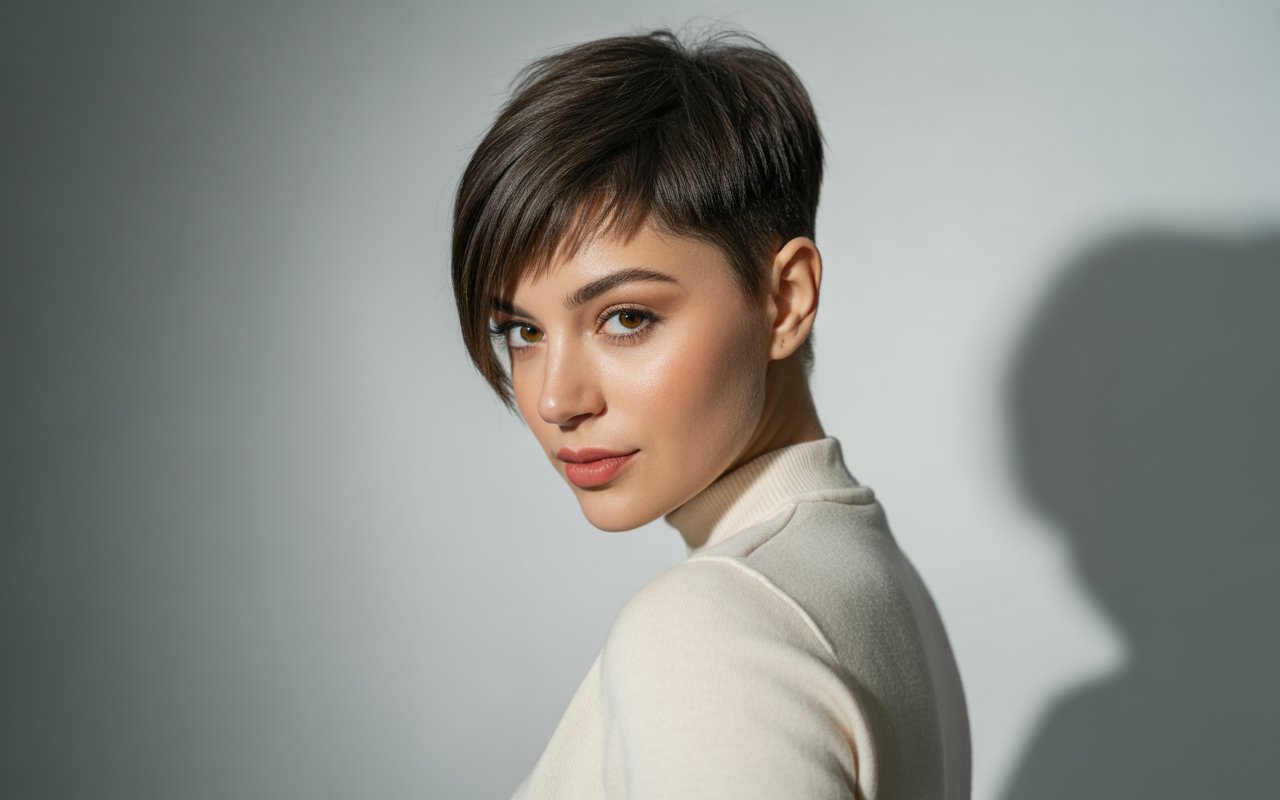
Finding a haircut that truly flatters your features can transform your entire appearance. The secret lies in understanding how different cuts interact with your natural face shape, creating either harmony or discord. This knowledge empowers you to make informed choices at the salon, avoiding disappointing results and maximizing your natural beauty.
Your face shape acts as a blueprint for selecting hairstyles that enhance your best features while minimizing areas you’d prefer to downplay. Just as certain clothing styles suit different body types better than others, haircuts work similarly with facial structures. The right cut can elongate a round face, soften angular features, or balance proportions that feel off.
Throughout the following sections, we’ll explore how to identify your face shape accurately, discover which cuts work beautifully for each shape, and learn which styles to avoid. You’ll gain practical knowledge about creating visual balance through strategic cutting and styling techniques. Let’s uncover the haircut secrets that will have you leaving the salon feeling confident and beautiful.
Understanding Your Face Shape
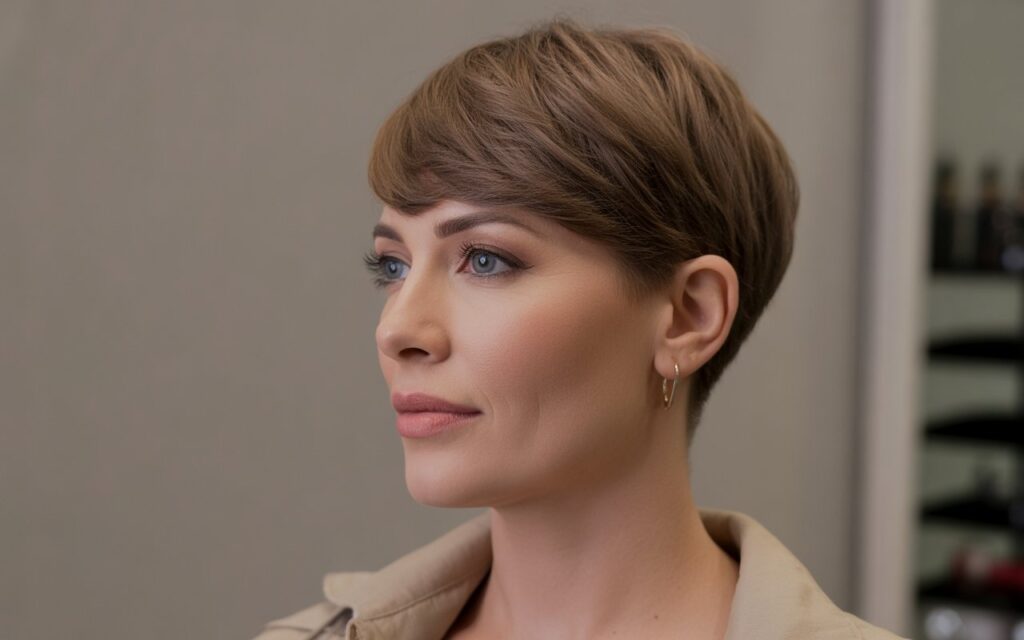
Before selecting your next haircut, you need to accurately identify your face shape. This foundational knowledge guides every hair decision you’ll make, from choosing the right length to determining where layers should fall. Many women guess incorrectly about their face shape, leading to less-than-ideal haircut choices.
How to determine your face shape
Stand in front of a mirror with your hair pulled completely back from your face. Using a washable marker or lipstick, trace the outline of your face directly on the mirror, starting at your hairline and following down to your chin. Step back and examine the shape you’ve drawn. This simple technique reveals your true facial structure without hair creating illusions.
Take measurements for more precision. You’ll need a flexible measuring tape and these four key measurements: forehead width (across the widest part), cheekbone width (from outer corner of one eye to the other), jawline width (from below your ear to the center of your chin, then double it), and face length (from hairline to chin). Write these numbers down for comparison.
Common face shape categories
Face shapes generally fall into six main categories, though many women have features that blend two shapes. Round faces measure approximately equal in width and length, with soft curves and full cheeks. Square faces also have similar width and length but feature strong, angular jawlines and broad foreheads.
Oval faces measure about one and a half times longer than their width, with gently rounded features and slightly wider cheekbones. Rectangular or oblong faces share the oval’s proportions but with straighter sides and more angular features. Heart-shaped faces have wider foreheads that taper to narrow, pointed chins, while diamond faces feature narrow foreheads and chins with prominent cheekbones.
Measuring techniques for accuracy
Professional stylists use specific ratios to determine face shapes precisely. Your forehead-to-jaw ratio reveals whether your face tapers or remains consistent in width. A ratio greater than one indicates a heart or inverted triangle shape, while equal measurements suggest square or round shapes.
The length-to-width ratio provides another crucial data point. Divide your face length by its widest point. Results near 1.0 indicate round or square faces, while 1.5 suggests oval or rectangular shapes. Numbers between these ranges often indicate combination face shapes that borrow characteristics from multiple categories.
Pay attention to your jawline’s angle as well. A measurement of 130 degrees or less indicates a sharp, angular jaw typical of square faces. Wider angles approaching 180 degrees suggest the soft curves of round or oval faces. These technical measurements remove guesswork from face shape identification.
What features define each shape
Beyond measurements, certain visual cues help confirm your face shape. Round faces display full cheeks, soft features, and minimal definition between face zones. The width at the cheekbones nearly matches the length from forehead to chin, creating that characteristic circular appearance.
Square faces showcase strong, defined jawlines with minimal tapering from temples to jaw. The forehead, cheekbones, and jaw align at similar widths, creating a boxy appearance. These faces often feature prominent, angular bone structure throughout.
Oval faces demonstrate balanced proportions with gentle curves. The forehead measures slightly wider than the chin, while cheekbones represent the widest point. This shape lacks sharp angles or excessive width. Heart-shaped faces show dramatic tapering from a broad forehead to a narrow, often pointed chin. The forehead typically measures widest, with cheekbones slightly narrower and the jawline notably slim.
Best Haircuts for Round Faces

Round faces benefit from cuts that create the illusion of length and minimize width at the cheeks. The goal involves adding height at the crown while keeping sides sleeker, effectively elongating your facial proportions. Strategic cutting and styling transform circular shapes into more oval appearances.
Characteristics of round face shapes
Round faces typically measure similar dimensions in width and length, creating that signature circular shape. Full cheeks represent the widest point, with gentle curves replacing sharp angles throughout the facial structure. The jawline appears soft and less defined, while the hairline often follows a curved pattern rather than straight lines.
Women with this face shape often appear younger than their years due to the fullness in their cheeks. This youthful appearance can be both a blessing and a challenge, depending on your styling goals. The key lies in working with these natural curves rather than fighting against them.
Volume and height strategies
Creating vertical lines becomes essential for round faces. Long, straight styles work wonderfully, especially those extending well past the shoulders. The additional length draws the eye downward, counteracting the horizontal emphasis of a round face. Avoid chin-length cuts that end at the widest part of your face, as these emphasize roundness.
Height at the crown transforms proportions dramatically. Ask your stylist for cuts that maintain fullness on top while staying closer to the head at the sides. This might involve shorter layers at the crown that can be styled upward, or strategic cutting techniques that encourage natural lift. Root-lifting products become your best friends for achieving this vertical emphasis.
Consider these specific techniques that add height effectively:
- Crown Layers: Short layers at the top encourage natural volume where you need it most
- Asymmetrical Parts: Off-center parts create height on one side, breaking up roundness
- Graduated Cuts: Shorter in back, longer in front arrangements add dimension
- Textured Tops: Choppy, piece-y sections at the crown provide lift without width
Layering techniques that work
Long layers starting below the cheekbones work beautifully for round faces. These layers create movement and dimension without adding width where you don’t want it. Request layers that begin at least at chin level or lower, allowing them to frame your face while maintaining a lengthening effect.
Face-framing layers should angle downward rather than flipping outward. Outward-flipping layers at cheek level create additional width, emphasizing roundness. Instead, layers that point downward guide the eye vertically, supporting your elongation goals. Your stylist can achieve this through specific cutting angles and techniques.
Avoid heavy, blunt cuts that create solid horizontal lines. While one-length styles work for some face shapes, they often make round faces appear wider. Instead, opt for cuts with movement and varied lengths that break up the circular outline. Even subtle layering makes a significant difference in how your face shape appears.
Styling tips for round faces
Your styling routine matters as much as the cut itself. Blow-drying with a round brush while lifting roots upward creates essential height. Focus most of your volume-building efforts on the crown area rather than the sides. This targeted approach maintains the vertical emphasis your face shape needs.
Side-swept bangs offer an excellent option for round faces. Unlike straight-across bangs that create horizontal lines, side-swept versions add asymmetry and diagonal lines. These angles break up roundness while drawing attention to your eyes rather than cheek width. Keep them longer and wispy rather than thick and blunt.
Waves and curls require strategic placement to flatter round faces. Start curls below the cheekbones to avoid adding width at the widest point. Beach waves that begin mid-length work particularly well, adding texture and movement without creating a circular silhouette. Use a larger barrel curling iron to create loose, elongating waves rather than tight, voluminous curls.
Common mistakes to avoid
Certain styles consistently prove unflattering for round faces, regardless of current trends. Chin-length bobs represent perhaps the most common mistake, as they end exactly where round faces are widest. This length emphasizes cheek fullness and creates an even more circular appearance. If you love shorter styles, opt for pixie cuts or longer bobs that graze the collarbone.
Excessive volume at the sides compounds width issues. While big hair might be fashionable, round faces need strategic volume placement. Avoid styles that create fullness from ear to ear, including certain permed styles or cuts with heavy layering at cheek level. These add horizontal emphasis exactly where you’re trying to minimize it.
Center parts often prove problematic for round faces, creating symmetry that emphasizes the circular shape. The straight line down the middle provides no angles or asymmetry to break up roundness. Additionally, very short bangs that sit high on the forehead shorten the face vertically, making it appear even rounder. Stick with longer, side-swept options or skip bangs entirely.
Flattering Cuts for Square and Rectangular Faces
Square and rectangular faces share angular features that benefit from softening techniques. These face shapes possess strong bone structure that many consider striking, but the right haircut can enhance these features while adding feminine softness. The goal involves creating curves and movement to balance naturally straight lines.
Defining features of angular faces
Square faces display strong, defined jawlines that create distinct angles at the sides of the face. The forehead, cheekbones, and jaw align at similar widths, forming that characteristic boxy shape. Rectangular faces share these angular features but with additional length, creating an elongated version of the square shape.
These face shapes often feature prominent bone structure throughout, including defined cheekbones and clear jaw angles. The hairline typically follows a straighter pattern compared to other face shapes. While some women feel their angular features appear too harsh or masculine, the right haircut transforms these strong lines into sophisticated beauty.
Women with square or rectangular faces often photograph beautifully due to their defined features. The clear bone structure creates natural contouring that others try to achieve with makeup. Understanding how to work with these angles rather than against them opens up numerous flattering style options.
Softening sharp jawlines
Rounded layers become your primary tool for softening angular features. Unlike the straight, blunt cuts that emphasize square lines, rounded layers create movement and curves. Ask your stylist for layers that curve inward slightly at the ends, particularly around the jawline area. This technique literally rounds out the square corners of your face shape.
Length plays a crucial role in minimizing harsh angles. Medium to long lengths that fall below the jawline work best, as they create vertical lines that balance the horizontal emphasis of a square face. Very short cuts can emphasize angular features unless expertly crafted with softening techniques.
Waves and curls naturally soften angular faces. The curved lines of wavy hair provide direct contrast to straight facial features, creating visual balance. You don’t need tight curls – even subtle bends and waves make a noticeable difference. Consider getting a specialized wave cut that enhances your hair’s natural texture while providing face-flattering curves.
Graduated bobs offer an excellent option for those preferring shorter styles. The angled cut – shorter in back, longer in front – creates diagonal lines that break up the square shape. This style particularly flatters when the front pieces extend past the jawline, drawing attention away from its width while adding sophisticated asymmetry.
Length considerations
For square faces, avoid lengths that end exactly at the jawline. This placement draws attention to the widest, most angular part of your face. Instead, choose lengths that fall either above the jaw (like a pixie cut with soft edges) or below it (shoulder-length or longer). This strategic length placement prevents creating a horizontal line right at your strongest feature.
Rectangular faces need to avoid adding excessive length to already elongated proportions. While you can wear longer styles, incorporate elements that add width, such as waves starting at cheek level or layers that create fullness at the sides. The goal involves balancing length with strategic width to create more oval proportions.
Medium lengths often provide the perfect compromise for both square and rectangular faces. Cuts falling between the chin and shoulders offer enough length to soften the jawline while maintaining styling versatility. This length range also allows for various styling options, from straight and sleek to wavy and textured.
Texture and movement options
Textured cuts work wonderfully for angular faces by breaking up straight lines. Choppy layers, razored ends, and piece-y finishes all create movement that softens harsh angles. These techniques prevent hair from laying too flat and straight against angular features. Your stylist can customize the amount of texture based on your hair type and personal preferences.
Shaggy cuts have gained popularity for good reason – they excel at softening angular faces. The multiple layers and textured finish create abundant movement while maintaining a modern edge. This style works particularly well for square and rectangular faces because it adds curves without requiring daily heat styling.
Consider incorporating face-framing layers that start at cheekbone level. These layers should curve inward slightly, creating parentheses around your face. This technique adds softness exactly where angular faces need it most while drawing attention to the eyes and cheekbones rather than the jawline.
Styling methods for balance
Your daily styling routine significantly impacts how flattering your cut appears. For square and rectangular faces, focus on creating soft, rounded shapes rather than stick-straight styles. Even if you prefer straight hair, add slight bends at the ends using a round brush or flat iron technique. These subtle curves make a remarkable difference in softening your overall appearance.
Side parts generally flatter angular faces better than center parts. The asymmetry of a deep side part breaks up the symmetrical square shape while adding visual interest. Experiment with exactly where you place your part – sometimes shifting it just an inch creates a more flattering frame for your features.
When styling bangs for angular faces, avoid severe, straight-across cuts. Instead, opt for these softer options:
- Curtain Bangs: Part in the middle and sweep to sides, creating soft curves around the face
- Wispy Bangs: Light, textured bangs prevent harsh horizontal lines
- Side-swept Bangs: Longer bangs swept diagonally add softening asymmetry
- Curved Bangs: Slightly rounded bangs echo the curves you’re creating throughout the cut
Remember that product selection affects your finished look. Lightweight texturizing products help create the movement angular faces need without weighing hair down. Avoid heavy products that make hair hang too straight and flat. Sea salt sprays, texturizing creams, and volumizing mousses all help achieve the soft, lived-in texture that flatters your features.
Perfect Styles for Oval and Heart-Shaped Faces
Oval and heart-shaped faces enjoy tremendous versatility in haircut options, though each requires specific considerations. Oval faces represent the ideal balance that most cuts aim to create, while heart-shaped faces need styles that balance a wider forehead with a narrower chin. Understanding these nuances helps you select cuts that enhance your natural advantages.
Advantages of oval face shapes
Oval faces possess naturally balanced proportions that make nearly every haircut option possible. The gentle curves and ideal length-to-width ratio mean you can experiment with various styles without worrying about creating unflattering proportions. This versatility allows you to choose cuts based on lifestyle, hair texture, and personal preference rather than strict face shape guidelines.
Your forehead, cheekbones, and jaw create a gentle taper without extreme angles or width. This natural balance means you can wear super short pixie cuts, dramatic bobs, or flowing long layers with equal success. The key becomes choosing styles that complement your other features, such as hair texture, personal style, and maintenance preferences.
Working with heart-shaped proportions
Heart-shaped faces require more strategic styling to balance the wider forehead with the narrow chin. The goal involves adding width at the jawline while minimizing volume at the crown. This might seem counterintuitive if you’re used to hearing about adding height at the crown, but heart-shaped faces already have width at the top.
Chin-length bobs work beautifully for heart-shaped faces because they add fullness exactly where needed. The hair ends create width at the narrow part of your face, balancing the broader forehead. Add waves or curls at this length for even more jawline fullness. This length also allows for various styling options, from sleek and polished to textured and casual.
Longer styles benefit from layers that begin at the jawline or below. These layers should flip outward or create wave patterns that add width to the lower portion of your face. Unlike round faces that need to avoid width at the cheeks, heart-shaped faces welcome this fullness as it creates better overall balance.
Fringe and bang options
Bangs offer an excellent tool for both face shapes, though for different reasons. Oval faces can wear virtually any bang style, making this a matter of personal preference and hair texture. From micro bangs to long, sweeping fringes, your balanced proportions support them all. This freedom lets you choose bangs based on current trends or maintenance requirements.
Heart-shaped faces specifically benefit from bangs that minimize forehead width. Side-swept bangs work particularly well, creating a diagonal line that breaks up the forehead’s expanse. These can be worn longer and blended into face-framing layers for a seamless look. Full, straight-across bangs also work if they’re kept slightly wispy rather than thick and blunt.
Curtain bangs represent an excellent choice for both face shapes. For oval faces, they add romantic softness without disrupting natural balance. Heart-shaped faces benefit from how curtain bangs partially cover the wider forehead while creating gentle curves that echo throughout the style. The versatility of curtain bangs – worn centered or swept to one side – adds styling options.
Length versatility
Oval faces truly shine with their ability to wear any length successfully. From buzz cuts to waist-length hair, your proportions support it all. This means you can choose length based on practical factors: professional requirements, styling time available, exercise habits, or simply personal preference. Few face shapes enjoy this level of freedom.
Short pixie cuts on oval faces can emphasize beautiful bone structure and facial features. Without worrying about creating balance, you can opt for super short, edgy cuts or longer, more feminine pixie variations. The key becomes ensuring the cut complements your hair texture and growth patterns rather than face shape concerns.
Heart-shaped faces find their sweet spot in medium to long lengths. While shorter cuts can work with proper styling, lengths from shoulder to mid-back generally prove most flattering. These lengths provide enough weight to create fullness at the jawline while allowing for various styling options that maintain balance.
Avoiding unflattering choices
Despite their versatility, both face shapes have potential pitfalls to avoid. Oval faces should be cautious about adding too much height at the crown, which can elongate the face excessively. While you can wear voluminous styles, ensure they include width as well as height to maintain proportional balance.
Heavy, thick bangs that completely cover the forehead can overwhelm oval faces, especially if you have delicate features. While you can wear full bangs, keep them somewhat wispy or textured rather than creating a solid, heavy line. This maintains the open, balanced appearance that makes oval faces so photogenic.
Heart-shaped faces should avoid these common mistakes:
- Excessive Crown Volume: Teasing or voluminous styling at the top adds width where you already have plenty
- Slicked-back Styles: Pulling all hair away from the face emphasizes the forehead-to-chin imbalance
- Very Short Cuts: Without length to add lower face width, short cuts can emphasize the narrow chin
- Center Parts with No Bangs: This combination showcases the full forehead width without any softening elements
Both face shapes should consider their other features beyond basic proportions. Large foreheads might benefit from bangs regardless of face shape, while prominent noses might look better with side parts rather than center ones. Your haircut should create harmony with all your features, not just your face shape category.
Worst Haircut Mistakes for Each Face Shape
Understanding what doesn’t work for your face shape proves just as valuable as knowing what does. These common mistakes can undermine even the most expensive salon visits, leaving you with styles that emphasize features you’d prefer to minimize. Learning to identify and avoid these pitfalls ensures better results with every cut.
Round face pitfalls
The most damaging cuts for round faces add width exactly where you’re trying to minimize it. Chin-length bobs represent the ultimate mistake, ending at the widest point and creating an even more circular appearance. This length draws a horizontal line across the fullest part of your cheeks, emphasizing everything you’re trying to downplay.
Excessive layering throughout can create a rounded, bubble-like effect that compounds natural fullness. While some layering helps, too many short layers all over the head create volume in all directions. This spherical shape works against your goal of creating length and vertical lines. Request longer layers that start below the cheekbones instead.
One-length, blunt cuts without any movement or texture create solid shapes that emphasize roundness. These cuts form a frame around your face that highlights its circular nature. Even if you prefer straighter styles, incorporate some subtle layering or texturing to break up the solid line and add visual interest.
Square face errors
Square faces suffer most from cuts that emphasize their angular nature. Blunt bobs ending at the jawline create the worst possible effect, drawing a harsh line right at the strongest angle. This length literally frames the square shape, making it appear even more box-like. Either go shorter or longer to avoid this unflattering emphasis.
Stick-straight styles with no movement or curve accentuate every angle in square faces. The combination of straight hair against straight facial features creates an overwhelmingly linear appearance. Even adding slight waves or bends at the ends provides enough contrast to soften the overall effect.
Very short, slicked-back cuts prove particularly harsh on square faces. Without any softening elements, these styles showcase every angle while providing no curves for balance. If you prefer short hair, ensure your cut includes texture, layers, or styling techniques that add softness rather than severity.
Oval face missteps
While oval faces can wear most styles, certain cuts disrupt their natural balance. Adding excessive height without corresponding width can transform an oval into an oblong shape. Styles with extreme volume at the crown but flat sides stretch the face vertically, losing that ideal proportion that makes oval faces so versatile.
Very long, flat hair can drag down oval faces, especially if you have fine or thin hair. Without any layers or movement, long hair can create a drooping effect that ages the face and obscures its balanced proportions. Add long layers or subtle waves to maintain movement and life in longer styles.
Heart-shaped face blunders
Heart-shaped faces make their biggest mistakes by emphasizing existing imbalances. Full, wide bangs that create a horizontal line across the forehead make it appear even wider. Combined with a narrow chin, this creates an exaggerated triangular effect. If you want bangs, keep them wispy, side-swept, or parted to break up the forehead width.
Short cuts with volume at the crown prove disastrous for heart-shaped faces. Adding height and width at the top, where you already have natural width, throws off all proportions. Pixie cuts can work but require careful styling to add width at the jaw rather than the crown.
Universal mistakes to avoid
Certain haircut mistakes prove unflattering regardless of face shape, and recognizing these helps everyone achieve better results:
- Ignoring Hair Texture: Fighting your natural texture rarely ends well – work with what you have rather than against it
- Following Trends Blindly: Just because a style looks amazing on someone else doesn’t mean it suits your features
- Skipping Maintenance: The best cut becomes unflattering when grown out improperly or styled incorrectly
- Choosing Based on Photos Alone: Consider your lifestyle, styling ability, and commitment level before copying complex cuts
- Dismissing Professional Advice: Experienced stylists understand how cuts interact with different face shapes
Remember that these guidelines provide starting points rather than absolute rules. Your individual features, hair texture, lifestyle, and personal style all factor into finding your perfect cut. The worst mistake might be following face shape rules so rigidly that you miss out on a cut you’d love and could make work with the right styling approach.
Finding Your Signature Style
Your perfect haircut balances face shape guidelines with personal preferences and practical considerations. While understanding which cuts flatter your features provides an excellent foundation, your signature style should also reflect your personality, lifestyle, and maintenance capabilities. The most technically flattering cut won’t serve you well if it requires styling techniques you’ll never master or maintenance you can’t sustain.
Consider booking consultations with stylists before committing to dramatic changes. Many salons offer brief consultations where you can discuss options, show inspiration photos, and receive professional input about what might work for your specific combination of features. This investment of time often prevents costly mistakes and disappointment. A skilled stylist will consider not just your face shape but also your hair texture, growth patterns, and lifestyle when recommending cuts.
Frequently Asked Questions
Q: Can I wear bangs if I have a round face?
A: Yes, round faces can definitely wear bangs. The key is choosing side-swept or wispy bangs rather than straight-across styles. Side-swept bangs create diagonal lines that help elongate your face, while heavy, blunt bangs can make round faces appear wider.
Q: How often should I update my haircut based on my face shape?
A: Your face shape remains relatively constant, so a flattering cut style will continue working for you. However, you should get trims every 6-8 weeks to maintain the shape and update your cut seasonally to keep it fresh and account for any changes in hair texture or personal style.
Q: What if I have a combination face shape?
A: Many people have features from multiple face shapes. Focus on your most prominent characteristic – for example, if you have an oval face with a slightly square jaw, follow oval face guidelines but incorporate some softening techniques from square face recommendations.
Q: Do face shape rules apply to all hair textures?
A: Face shape guidelines work across all textures, but implementation varies. Curly hair naturally adds width and volume, so you might need less layering to achieve certain effects. Straight hair might require more strategic cutting to create movement and shape.
Q: Can the wrong haircut really make that much difference?
A: Absolutely. The right haircut can make you appear younger, more polished, and enhance your best features. Conversely, an unflattering cut can add years to your appearance, emphasize features you’d rather minimize, and require constant styling to look presentable.
Q: Should I avoid certain hair colors based on my face shape?
A: Face shape doesn’t determine hair color, but strategic color placement can enhance your cut. For example, highlights around the face can create dimension for round faces, while darker colors at the roots can minimize width for heart-shaped faces.
Q: What if I hate following rules and want to try an “unflattering” cut?
A: Style rules serve as guidelines, not laws. If you’re drawn to a supposedly unflattering cut, discuss with your stylist how to adapt it for your features. Often, small adjustments in length, layering, or styling can make any cut work better for your face shape.
Q: How do I know if my stylist understands face shapes?
A: A knowledgeable stylist will ask about your face shape or assess it themselves during consultation. They should explain why they’re recommending certain cuts and how specific techniques will flatter your features. Don’t hesitate to ask questions about their recommendations.
Q: Can accessories help balance face shape issues?
A: Yes, accessories provide additional tools for creating balance. Statement earrings can add width to narrow chins on heart-shaped faces, while long necklaces create vertical lines beneficial for round faces. Hair accessories like headbands or clips can also strategically add or minimize volume.

