

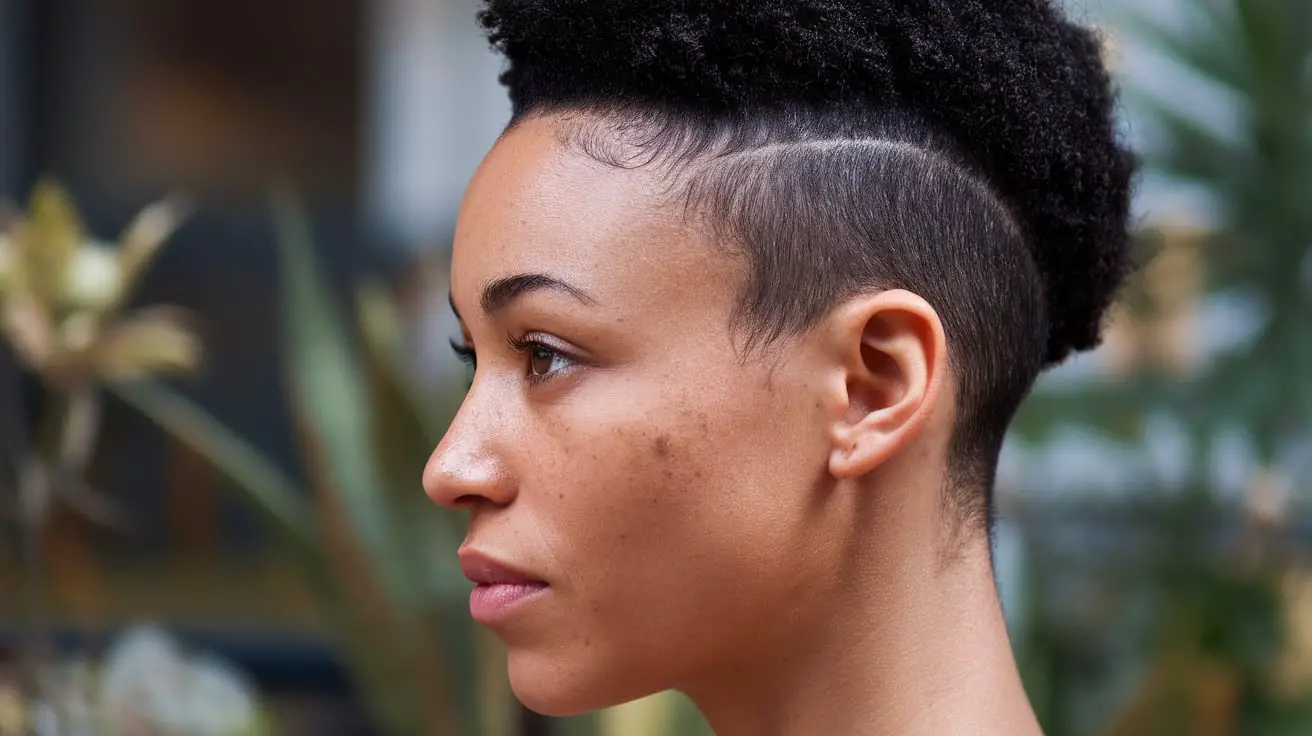
Getting a perfectly tapered afro requires more than just basic clipper skills and a steady hand. This sophisticated style combines the natural texture and volume of afro hair with precise fading techniques that gradually blend from skin to full density. The result creates a modern, polished look that highlights facial features while maintaining the distinctive character of textured hair.
Professional barbers spend years perfecting the specific techniques needed for this style. The unique properties of afro-textured hair demand different approaches than those used for straight or wavy hair types. Density variations, curl patterns, and the way light reflects off the hair all play crucial roles in achieving that flawless gradient. Understanding these factors separates average cuts from exceptional ones that turn heads and build loyal clientele.
The following sections break down the advanced methods that experienced barbers use to create stunning tapered afros. From understanding hair structure to mastering clipper work, shaping techniques, and professional finishing touches, you’ll discover the precise skills that transform a basic fade into a work of art. Let’s uncover the technical expertise behind this popular style.
Understanding the Tapered Afro Structure
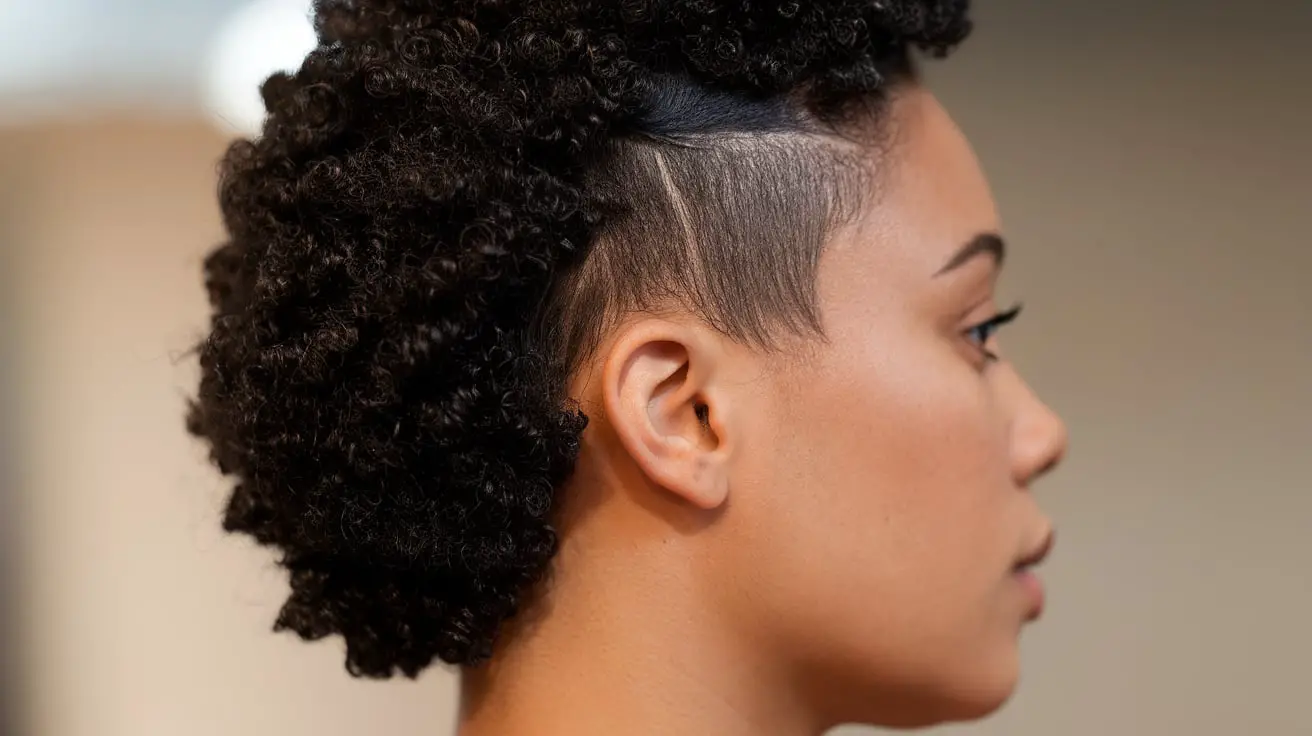
The foundation of any successful tapered afro starts with recognizing how different curl patterns affect the final shape. Type 4 hair, which includes 4A, 4B, and 4C textures, each responds differently to cutting techniques. The tighter the curl pattern, the more volume it creates when cut at specific lengths. Barbers assess these patterns by stretching small sections of hair between their fingers, observing how quickly the hair springs back and noting the coil diameter.
Hair density plays an equally important role in determining cutting approaches. Some clients have thick, densely packed follicles that require more aggressive thinning techniques, while others have naturally sparse areas that need careful preservation of bulk. Professional barbers map out these density variations before making their first cut. They identify where hair grows thickest – typically the crown and occipital bone area – and where it tends to be finer, often around the temples and nape.
Fade Variations and Blend Points
The fade component of this style offers multiple variations, each creating a distinct visual impact. Low fades start just above the ears and gradually build density upward. Mid fades begin at the temple level, creating a more dramatic contrast. High fades extend well above the temporal region, producing the boldest gradient effect.
Selecting appropriate blend points determines how smooth the transition appears. Most experienced barbers identify three to four key blend zones where different clipper guards meet. These zones typically fall at the occipital bone, the parietal ridge, and the temporal area. The distance between blend points affects the gradient’s subtlety – closer points create smoother transitions, while wider spacing produces more defined steps.
Shape Maintenance Fundamentals
Creating the ideal afro shape requires understanding how hair behaves at various lengths. Short hair near the fade line tends to stand straighter, while longer sections on top develop more spring and bounce. This natural progression helps form the rounded silhouette characteristic of well-executed tapered afros.
The relationship between moisture and shape cannot be ignored. Dry hair stands more upright and appears fuller, while damp hair compresses and shows its true density. Barbers must account for these changes when cutting, often working with slightly damp hair to see the actual shape, then checking their work once the hair dries. This back-and-forth process ensures the final result looks balanced from every angle.
Tool Selection for Afro Textures
Standard clippers often struggle with the density and texture of afro hair, making professional-grade tools essential. Clippers with stronger motors and sharper blades cut through coarse textures without snagging or pulling. Many barbers prefer specific blade types – some favor the precision of ceramic blades, while others stick with traditional steel for its durability.
Wide-tooth combs designed specifically for afro hair allow barbers to lift and separate sections without causing breakage. Pick combs with long, sturdy teeth help achieve maximum height during shaping. The spacing between teeth matters too – wider gaps work better for coarser textures, while closer spacing suits finer curl patterns. Having multiple comb options ensures the barber can adapt to each client’s specific hair characteristics.
Guard selection extends beyond standard plastic attachments. Many professionals invest in metal guards that provide more consistent cutting lengths and better heat dissipation during extended cutting sessions. These guards also tend to glide more smoothly through dense hair, reducing the risk of uneven patches.
Advanced Clipper Techniques for Precision Fading
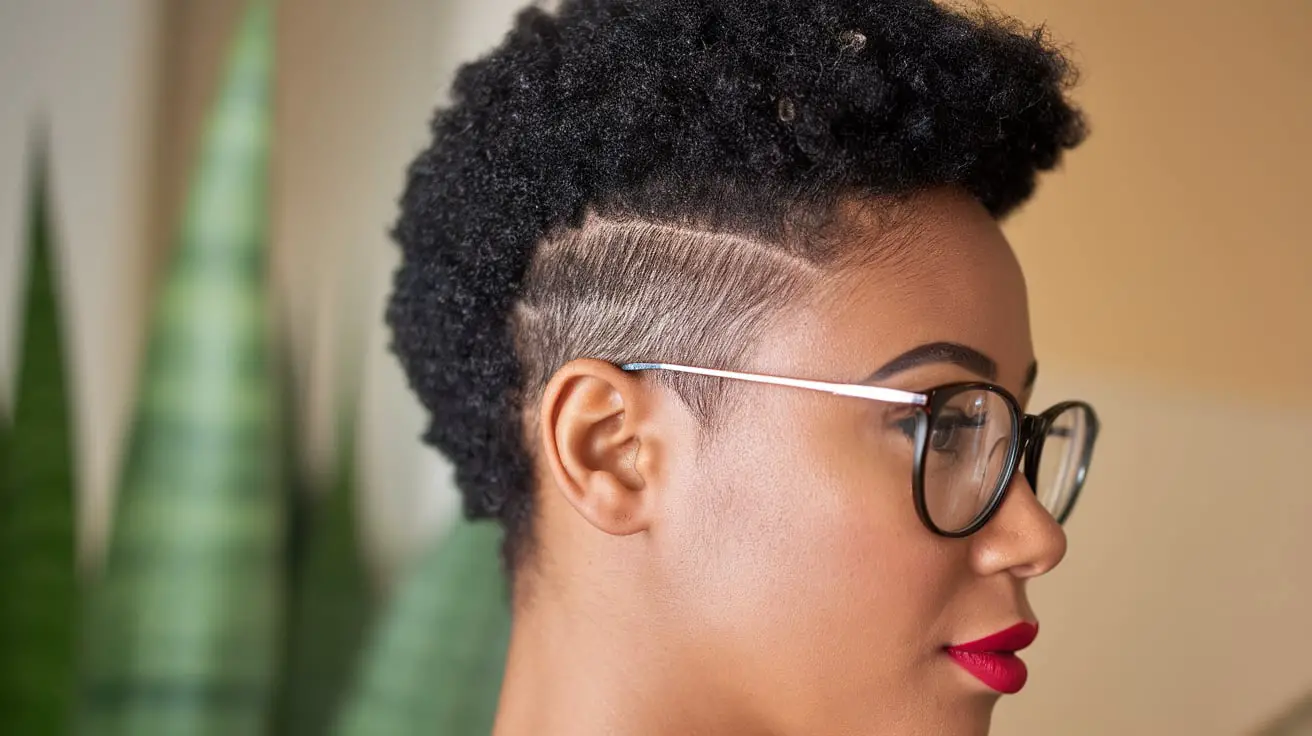
Creating flawless fades on afro-textured hair demands specific techniques that differ significantly from those used on other hair types. The density and curl pattern of this hair type can hide imperfections but also makes achieving truly smooth gradients more challenging. Master barbers develop their own systematic approaches through years of practice.
Guard Progression Methods
The traditional guard progression – moving from shorter to longer guards in standard increments – often fails to produce smooth results on afro hair. Instead, skilled barbers use a modified approach that accounts for how this particular texture compresses and expands. Starting with a zero or half guard at the baseline, they might jump to a one-and-a-half guard rather than a standard one, compensating for the way curly hair appears to grow in density more dramatically than straight hair.
Creating intermediate steps between standard guard sizes becomes crucial. Barbers achieve these in-between lengths through various techniques. The scooping method involves tilting the clipper at specific angles to remove less hair than a straight pass would. Another approach uses the corners of the clipper blade to feather transitions, creating micro-gradients between each guard change. These subtle adjustments make the difference between visible lines and invisible blending.
Creating Seamless Transitions
The secret to seamless transitions lies in overlapping cutting zones rather than creating distinct boundaries. Each guard size should extend slightly into the territory of the previous one, with the overlap zone receiving special attention. Within these overlap areas, barbers employ a rocking motion with their clippers, gradually lifting the blade as they move upward. This technique removes varying amounts of hair within a single pass, naturally creating gradient effects.
Successful blending also requires proper clipper positioning and movement patterns:
Clipper Angle: Maintaining consistent angles throughout each section prevents choppy results.
Stroke Direction: Working against the grain initially, then with it for refinement.
Pressure Control: Lighter pressure in transition zones prevents over-cutting.
Speed Variation: Slower movements in problem areas allow for better control.
Pattern Consistency: Using the same motion patterns ensures uniform results.
Handling Different Hair Densities
Density variations across the head require constant technique adjustments. The sides typically have finer, less dense hair than the back of the head. This means using the same guard and technique all around would create an uneven appearance. Professional barbers compensate by adjusting their approach for each section. On denser areas, they might use a slightly more aggressive angle or make additional passes. In sparser regions, they work more conservatively to preserve what hair exists.
The crown area presents particular challenges due to its typically denser growth and multiple growth patterns. Here, barbers often switch to a cross-cutting technique, working in multiple directions to ensure even length throughout. They might cut with the growth pattern first, then against it, and finally across it. This multi-directional approach prevents the dense hair from appearing bulky compared to other areas.
Corner Work and Detailing
Corners – where the top meets the sides and where the sides meet the back – require exceptional precision. These areas often reveal a barber’s true skill level. The temple corners need special attention as they frame the face and significantly impact the overall appearance. Using the clipper’s edge, barbers create soft curves rather than harsh angles, unless the client specifically requests a more geometric look.
Behind the ears presents another challenging zone. The skin here often has irregular contours, and the hair grows in various directions. Skilled barbers use shorter strokes in these areas, constantly adjusting their hand position to maintain consistent distance from the scalp. They might switch to a smaller trimmer for ultimate precision, especially when creating clean lines around the ear.
Detail work extends to creating subtle texture variations within the fade itself. By slightly adjusting clipper angles in certain spots, barbers can create visual interest without disrupting the overall gradient. This might include leaving slightly more length at strategic points to enhance the head’s natural shape or compensate for irregularities.
Troubleshooting Common Blending Issues
Even experienced barbers encounter blending challenges that require quick problem-solving. Dark spots or shadows in the fade often result from insufficient overlap between guard lengths. The solution involves going back with a half-guard size between the two problem lengths, using light, feathering strokes to bridge the gap.
Line marks that appear after the initial cutting require a different approach. Rather than trying to blend out the entire line, barbers focus on softening its edges. They use a technique called “floating” where they hold the clipper slightly away from the scalp and use just the tips of the blades to remove minimal amounts of hair. This gradual approach prevents creating new lines while fixing existing ones.
When dealing with resistant patches where hair seems to stand differently than surrounding areas, the solution often involves working with the hair’s natural characteristics rather than against them. This might mean adjusting the fade’s placement slightly or using texturizing techniques to help stubborn sections blend with their neighbors.
Shaping Methods for Perfect Afro Contours
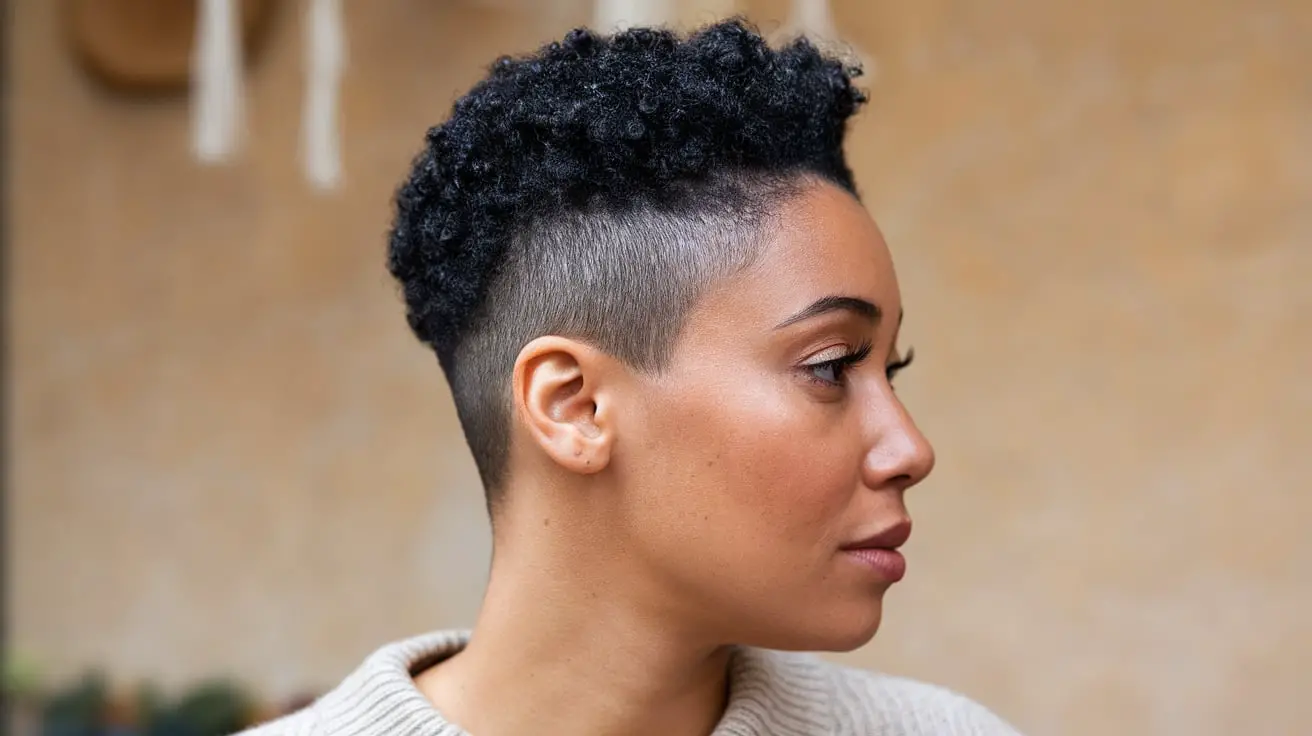
Freehand shaping separates true craftsmen from average barbers. This technique requires exceptional spatial awareness and steady hands. Without the guide of clippers or guards, barbers rely purely on their eye for symmetry and their understanding of how the hair will settle once cut. The process starts with establishing the overall silhouette – determining the highest point of the afro and how it should taper toward the faded areas.
Using professional shears, barbers work in sections, constantly moving around the client to assess the shape from multiple angles. They cut with the tips of the shears rather than the full blade length, allowing for more precise control. The cutting motion resembles sculpting more than traditional haircutting – removing small amounts repeatedly rather than taking large sections at once. Between cuts, they use their comb to lift and fluff the hair, revealing any uneven spots that need attention.
The key to successful freehand work lies in maintaining consistent tension throughout the hair. Barbers achieve this by using their comb to lift sections uniformly before cutting. They develop a rhythm: lift, assess, cut, check. This methodical approach prevents over-cutting in any one area. Some professionals prefer working with the hair completely dry during this phase, as it shows the true shape without moisture weighing it down.
Using Combs for Shape Control
Combs serve as both guides and sculpting tools during the shaping process. The technique involves sliding the comb through the hair at specific angles, with the hair above the comb getting trimmed to create the desired contour. The comb’s position and angle determine how much hair gets removed and what shape develops. Holding the comb parallel to the head creates a rounder shape, while angling it outward produces a more oval silhouette.
Different comb techniques produce varying effects on the final shape. The twist-and-cut method involves rotating the comb slightly while cutting, creating a more natural, less uniform appearance. For clients wanting a perfectly spherical shape, barbers use a consistent comb angle throughout, measuring from a central point on top of the head. This radial cutting pattern ensures equal length distribution from the center outward.
Creating Symmetrical Curves
Achieving perfect symmetry requires more than just careful cutting – it demands understanding how optical illusions affect perception. The human eye naturally notices asymmetry, making precision crucial. Barbers use several reference points to ensure both sides match: the tops of the ears, the corners of the eyes, and the center point of the forehead. They create imaginary grid lines across the head, checking that corresponding sections on each side have equal volume and height.
Mirror work becomes essential during this phase. Rather than relying solely on direct observation, experienced barbers position mirrors to view the profile and back angles simultaneously. This multi-angle perspective reveals asymmetries invisible from a single viewpoint. They also step back frequently, assessing the overall shape from a distance where minor imperfections become more apparent.
Some barbers employ a measurement technique using their comb as a ruler. They place the comb at specific points on one side, note where it reaches, then check the corresponding point on the opposite side. This systematic checking prevents the gradual drift toward asymmetry that can occur when focusing too long on one area.
Texturizing for Natural Movement
Adding texture prevents the shaped afro from looking too perfect or helmet-like. Texturizing techniques for afro hair differ significantly from those used on other hair types. Point cutting – inserting the shear tips into the hair mass at various angles – creates subtle length variations that enhance natural curl patterns. This technique adds dimension without sacrificing overall shape integrity.
The slide cutting method works particularly well for creating movement in denser sections. By opening and closing the shears while sliding them along lifted hair sections, barbers remove bulk while maintaining length. This technique proves especially useful around the crown where excessive density can create an unnatural dome effect. The key lies in varying the slide angles to avoid creating visible patterns or lines.
Adjusting Shape for Face Types
Face shape significantly influences how the tapered afro should be contoured. Round faces benefit from added height on top with slightly narrower sides, creating an elongating effect. Square faces look best with softer, rounder shapes that contrast with angular features. Oval faces offer the most flexibility, suiting nearly any variation of this style.
For clients with longer faces, barbers create more width through the middle section while keeping the top height moderate. This might involve leaving more length through the temporal areas or creating a slight outward curve at the widest point of the head. The fade placement also adjusts based on face shape – higher fades elongate the face, while lower fades create a broadening effect.
Barbers also consider profile views when shaping. Some clients have more prominent foreheads or receding hairlines that require strategic shaping to maintain balance. In these cases, leaving slightly more length at the front while gradually reducing toward the back creates better proportions. The angle of reduction depends on the specific facial features and the client’s preferences.
Professional Finishing and Detailing Techniques
The final details transform a good haircut into an exceptional one. These finishing touches require precision tools, steady hands, and an eye for perfection. Professional barbers understand that clients judge the entire haircut by these final elements.
Line-up Precision Methods
Creating crisp, clean lines around the hairline defines the entire look. The approach varies depending on the natural hairline shape and the client’s preferences. Some want sharp, geometric lines that create bold definition, while others prefer a softer, more natural appearance. The technique starts with identifying the natural hairline’s strongest points and determining whether to enhance or modify them.
Using a trimmer or straight razor, barbers create the initial line with confident, deliberate strokes. The key lies in maintaining consistent pressure and angle throughout each pass. For the forehead line, many professionals prefer working from the center outward, ensuring symmetry on both sides. They use the bridge of the nose as a central reference point, measuring equal distances to create balanced corners.
The temple areas require particular attention as they connect the side hairline to the top. Creating the proper angle here affects how the entire style frames the face. Most barbers create a slight curve rather than sharp angles, as this appears more natural and grows out better. They often use the corner of the eye as a reference point for temple placement.
Edge Work Refinement
Beyond the basic line-up, edge refinement involves perfecting every transition point around the haircut. This includes the area behind the ears, the nape of the neck, and any point where hair meets skin. Professional barbers use various tools for different edge types – trimmers for straight lines, clippers for curved edges, and razors for the finest details.
The technique varies based on hair density and growth patterns around the edges:
Nape Area: Often requires careful attention to natural growth whorls and directional changes.
Behind Ears: Demands precision due to irregular skin contours and varying hair directions.
Sideburn Area: Needs careful blending to connect facial hair with the fade seamlessly.
Forehead Corners: Requires steady hands to create matching angles on both sides.
Back Corners: Often overlooked but crucial for a polished appearance from behind.
Product Application for Hold
The right products enhance the shape while maintaining the hair’s natural texture. Unlike straight hair that might require heavy gels or pomades, afro-textured hair responds better to lighter products that provide hold without sacrificing movement. Professional barbers understand product chemistry and how different formulas interact with various hair types.
Foam or mousse products work well for adding definition without weight. Barbers apply these products to damp hair, working them through with their fingers before using a pick or comb to distribute evenly. The application technique matters as much as the product choice – too much product creates a stiff, unnatural appearance, while too little fails to maintain the shape.
For clients wanting more dramatic hold, barbers might layer products. Starting with a light leave-in conditioner for moisture, they add a defining cream for shape, then finish with a light-hold spray for longevity. This layering approach provides all-day hold while keeping the hair touchable and natural-looking.
Final Shape Adjustments
After product application, the hair’s shape often changes slightly. This final adjustment phase allows barbers to perfect any areas that need attention. Using their shears, they make minute corrections – perhaps removing a few stray hairs that disrupt the silhouette or adjusting sections that dried differently than expected.
The picking technique during this phase significantly impacts the final appearance. Rather than aggressive combing that might disrupt the carefully created shape, barbers use gentle lifting motions. They work from the bottom up, gradually building volume while maintaining the established contours. The pick angle determines how much lift occurs – perpendicular picking creates maximum volume, while angled picking provides more controlled shaping.
Some barbers use a technique called “palm rolling” for final shaping. By gently pressing and rotating their palms over the surface, they encourage the hair to lay in the desired pattern. This technique works particularly well for creating consistent curl definition throughout the shaped area.
Client-Specific Customization
Every client’s lifestyle, maintenance preferences, and personal style influence the finishing touches. Barbers who excel at their craft take time to understand these factors and adjust accordingly. Someone who visits the barbershop weekly might receive a more precise, high-maintenance finish. Clients who stretch appointments longer need techniques that grow out gracefully.
Customization extends to styling education. Professional barbers demonstrate home maintenance techniques, showing clients how to preserve the shape between visits. This might include teaching proper picking techniques, explaining when and how to apply products, or demonstrating how to touch up their edges with a personal trimmer. These educational moments build client loyalty while ensuring the style looks good throughout its grow-out period.
The finishing spray or oil application serves both aesthetic and protective purposes. Light oils add shine without weight, enhancing the hair’s natural luster. They also provide some environmental protection, helping maintain moisture in dry conditions or preventing frizz in humidity. The application must be minimal – just enough to enhance without creating greasiness.
Maintenance and Growth Pattern Management
Understanding how afro hair grows and changes over time enables barbers to create styles that maintain their appeal between appointments. This knowledge also helps them educate clients on proper home care, ensuring the tapered afro looks its best throughout its lifecycle.
Understanding Growth Cycles
Afro-textured hair typically grows about half an inch per month, though this varies among individuals. The growth rate affects how quickly the fade loses its crispness and when the shaped top begins losing definition. Barbers must understand these timelines to recommend appropriate maintenance schedules. The anagen (growth) phase for this hair type often runs shorter than for straight hair, meaning the maximum length potential differs.
Growth doesn’t occur uniformly across the scalp. The crown area frequently grows faster and denser, while the hairline and nape might have slower growth rates. These variations mean that a perfectly balanced cut can appear uneven within weeks if not properly planned. Professional barbers anticipate these changes, sometimes leaving strategic length in slower-growing areas or taking extra length from faster-growing zones.
Between-Cut Maintenance Tips
Proper maintenance between barbershop visits extends the life of any tapered afro. The care routine should focus on preserving both the fade’s cleanliness and the top’s shape. Moisture maintenance proves crucial – dry hair becomes brittle and loses its shape, while properly moisturized hair maintains its elasticity and definition.
Daily maintenance routines make a significant difference in style longevity. Morning refreshing might involve light misting with water, followed by gentle picking to restore volume. Evening routines could include applying a light oil or cream to maintain moisture overnight. Sleeping with a silk or satin pillowcase, or using a durag or bonnet, prevents friction that disrupts the style and causes dryness.
Product buildup poses a common problem that affects both appearance and hair health. Regular clarifying washes remove accumulated products, allowing the hair to breathe and maintain its natural texture. However, over-washing strips essential oils, creating a different set of problems. Finding the right balance – typically washing once or twice weekly – keeps the style fresh without causing damage.
Managing Uneven Growth Patterns
Nearly everyone has some degree of uneven growth patterns, whether it’s a cowlick at the crown or directional growth at the nape. These patterns become more noticeable as the hair grows, potentially disrupting the style’s symmetry. Skilled barbers identify these patterns during the initial consultation and plan accordingly.
Strategic cutting compensates for known growth irregularities. If the left side grows faster, the barber might leave it slightly shorter initially, knowing it will even out over time. For cowlicks that cause sections to stick up, texturizing techniques help weight down problem areas. Sometimes the solution involves working with the growth pattern rather than against it, incorporating natural growth directions into the overall design.
Home techniques help manage growth patterns between cuts:
Training Techniques: Consistently brushing or combing in the desired direction gradually trains hair to lay properly.
Product Placement: Applying slightly more product to rebellious areas helps control them.
Strategic Trimming: Learning to carefully trim problem spots extends time between professional cuts.
Moisture Management: Keeping problem areas properly moisturized prevents them from becoming more unruly.
Heat Training: Occasional use of low heat with proper protection can help redirect stubborn growth.
Professional Touch-up Scheduling
Determining optimal appointment intervals depends on multiple factors. Hair growth rate, lifestyle demands, and personal standards all influence scheduling. Most clients find that three to four weeks maintains the style adequately, though some prefer weekly touch-ups for constant perfection. Others stretch appointments to six weeks, accepting some loss of definition for convenience or budget reasons.
The fade component typically needs attention before the shaped top. Clients who want consistently crisp lines might visit every two weeks just for edge touch-ups, waiting longer for full reshaping. This staggered approach maintains the overall style while managing time and expenses. Barbers who offer quick line-up services between full appointments build stronger client relationships and ensure their work always looks fresh.
Seasonal changes affect maintenance needs. Summer humidity might require more frequent shaping to combat frizz and maintain definition. Winter’s dry air could mean focusing more on moisture retention than frequent cutting. Professional barbers adjust their recommendations based on these environmental factors, ensuring year-round style success.
Home Care Recommendations
The right tools and techniques at home make professional styles last longer. A quality pick or comb designed for afro-textured hair prevents breakage while maintaining shape. Investing in these tools pays dividends in style longevity and hair health. Cheap alternatives often have rough edges or inappropriate spacing that damages hair and disrupts carefully created shapes.
Mirror placement at home affects maintenance quality. Having mirrors that allow viewing from multiple angles helps identify areas needing attention before they become obvious problems. Good lighting also matters – natural light reveals true shape and any developing asymmetries better than artificial lighting.
The products used at home should complement professional treatments rather than conflict with them. Many clients make the mistake of using heavy products that weigh down carefully shaped styles or strips treatments that remove beneficial conditioning. Barbers who take time to recommend specific products and explain their proper use see better results in their returning clients. This education includes demonstrating proper application amounts and techniques, as even the best products fail when used incorrectly.
Mastering the Art of Tapered Afro Perfection
Creating exceptional tapered afros requires far more than basic barbering skills. The techniques explored throughout this guide represent years of professional refinement and deep understanding of afro-textured hair’s unique properties. From initial consultation through final detailing, every step demands precision, patience, and practiced expertise. The difference between an average fade and a masterpiece lies in these advanced methods that professional barbers perfect through countless hours of practice.
Your journey toward mastering these techniques starts with understanding that each head of hair presents its own challenges and opportunities. The knowledge gained here provides the foundation, but true expertise comes from applying these methods repeatedly, adjusting for individual variations, and developing your own signature approaches. Whether you’re a barber seeking to elevate your craft or someone wanting to better understand what goes into creating this iconic style, these professional techniques offer insights that transform ordinary cuts into extraordinary works of art.
Frequently Asked Questions
Q: How often should a tapered afro be professionally maintained?
A: Most clients need professional maintenance every 3-4 weeks to keep the style looking fresh. However, this varies based on individual growth rates and personal preferences. Some prefer weekly edge touch-ups with full reshaping monthly, while others stretch appointments to 5-6 weeks.
Q: What’s the difference between a taper and a fade on afro hair?
A: A taper gradually reduces hair length while maintaining some hair throughout, typically showing skin only at the very bottom edges. A fade blends down to completely bare skin, creating a more dramatic gradient effect with greater contrast between the shortest and longest sections.
Q: Can all afro hair textures achieve a good tapered style?
A: Yes, skilled barbers can create beautiful tapered styles on all afro textures from 4A to 4C. The techniques adjust based on curl pattern and density. Tighter curls might require different clipper techniques and products than looser patterns, but all textures can achieve excellent results.
Q: How long does the average tapered afro appointment take?
A: A complete service typically takes 45-60 minutes for experienced barbers. This includes consultation, cutting, shaping, and finishing. First-time appointments might take longer as the barber establishes the initial shape. Simple edge touch-ups usually require just 15-20 minutes.
Q: What tools should someone have at home for maintenance?
A: Essential home tools include a quality afro pick, wide-tooth comb, hand mirror for checking all angles, edge control product, moisturizing spray, and a silk or satin pillowcase or durag. Some clients also benefit from having a small trimmer for minor edge touch-ups.
Q: Why does my fade seem to disappear quickly on the sides?
A: This usually happens because the sides have finer, less dense hair that grows out less noticeably than the back. The contrast between lengths becomes less visible as hair grows. Regular maintenance every 2-3 weeks keeps fades looking crisp, or your barber can adjust the initial fade to last longer.
Q: Should hair be cut wet or dry for a tapered afro?
A: Most professional barbers prefer cutting afro hair dry or slightly damp for better control and to see the true shape. Wet hair can shrink dramatically when dried, making it difficult to predict the final outcome. Some barbers dampen hair slightly for certain techniques but generally work with it dry.
Q: What causes those visible lines in my fade?
A: Visible lines result from inadequate blending between guard lengths or incorrect clipper angles. They might also appear if the barber moves too quickly through transition zones. Fixing these requires going back with intermediate guard sizes and using proper feathering techniques.

