

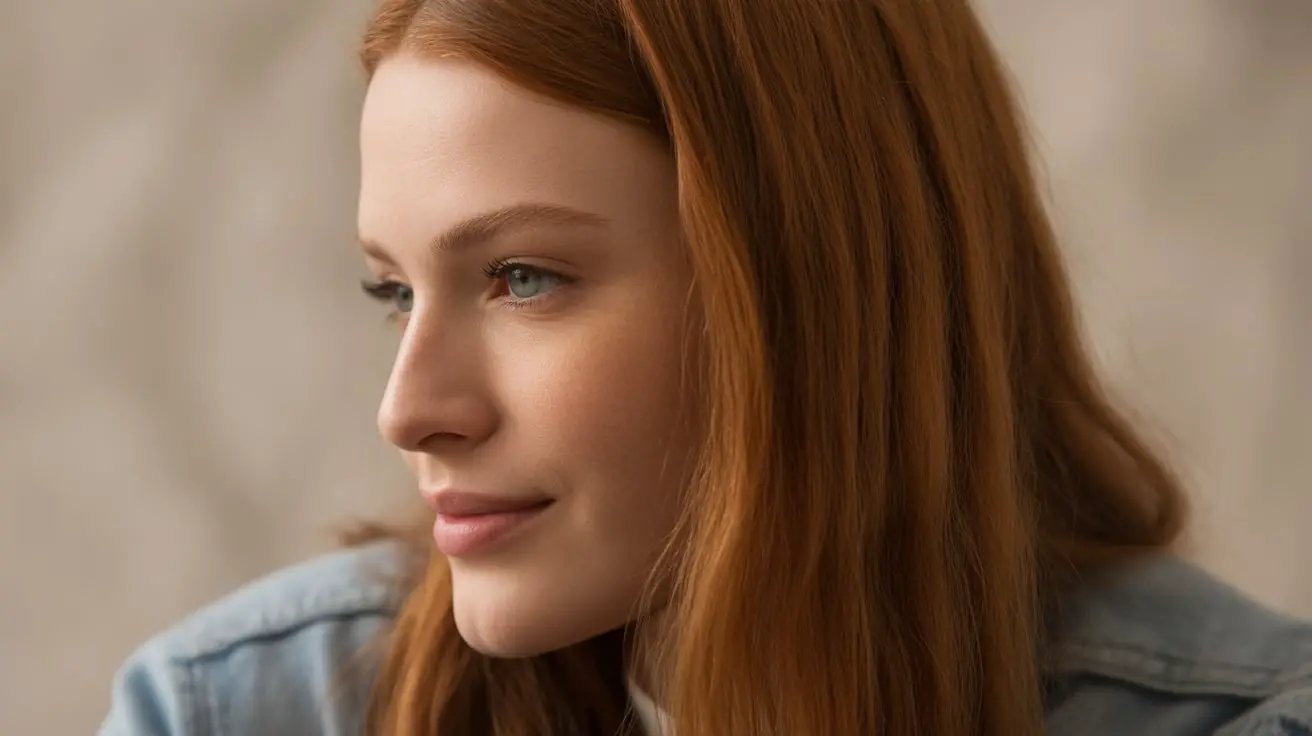
Auburn hair color has captured attention across fashion runways and red carpets, showcasing its rich blend of red and brown tones that create depth and warmth. This sophisticated shade offers more versatility than many realize, ranging from subtle copper undertones to bold, fiery hues that catch light beautifully. Whether you’re considering a dramatic transformation or simply curious about this trending color, auburn provides options for every style preference and personality.
The beauty of auburn lies in its ability to complement various skin tones while maintaining a natural appearance that pure reds often struggle to achieve. Fashion weeks from Paris to New York have featured models sporting different auburn variations, proving this color works across diverse aesthetics. From glossy, dimensional tones seen backstage at major shows to the lived-in auburn shades celebrities sport off-duty, this color family offers endless possibilities for customization.
The following sections will guide you through selecting your ideal auburn shade, achieving professional results, and maintaining that gorgeous color long-term. You’ll discover styling techniques that enhance your new hue, learn about care routines that preserve vibrancy, and understand why so many women are choosing auburn as their signature color right now.
- What Makes Auburn Hair Color So Special This Year
- How to Choose the Perfect Auburn Shade for Your Skin Tone
- Professional Techniques for Achieving Runway-Worthy Auburn
- How to Style Auburn Hair for Maximum Impact
- Caring for Your Auburn Color Investment
- Stunning Auburn: Your Complete Color Journey
- Frequently Asked Questions
What Makes Auburn Hair Color So Special This Year
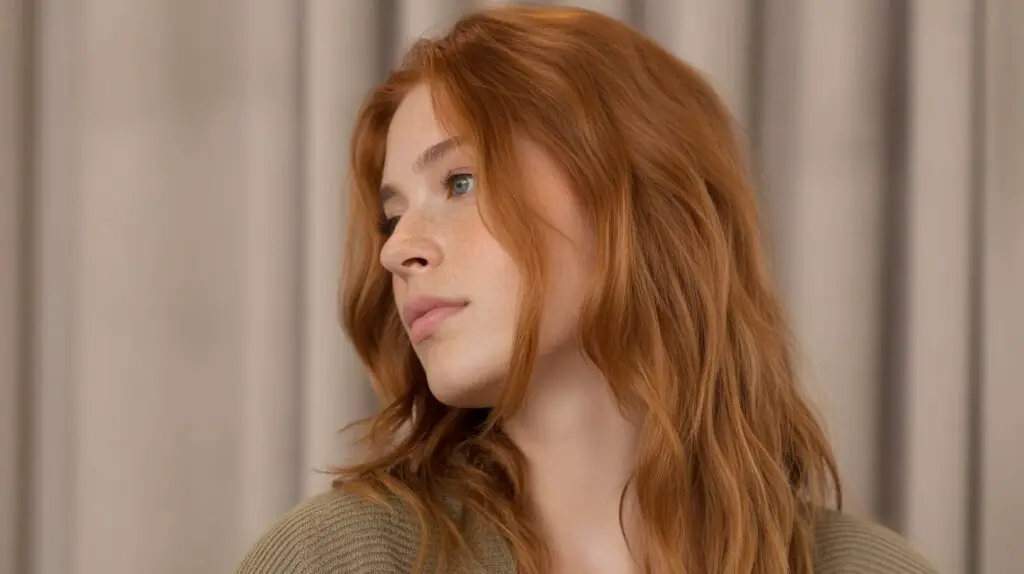
Auburn occupies a sweet spot in the color spectrum, combining red’s vibrancy with brown’s natural warmth to create something truly distinctive. This balance produces a multidimensional effect that changes appearance under different lighting – appearing more copper in sunlight, richer indoors, and almost burgundy in evening settings. The complexity of auburn means it never looks flat or one-dimensional, giving hair movement and life that solid colors can’t achieve.
The Science Behind Auburn Tones
The molecular structure of auburn color involves specific pigment combinations that create its signature look. Red molecules are notoriously large and tend to fade quickly, but when balanced with brown’s smaller, more stable molecules, the result is a longer-lasting color with better retention. This scientific foundation explains why properly formulated auburn shades maintain their richness longer than pure fashion reds.
Professional colorists layer different tones to build auburn’s characteristic depth. Base colors provide the foundation, while secondary tones add dimension and tertiary highlights create movement. This layering technique mimics how natural redheads’ hair contains multiple color variations within each strand.
Why It Flatters Different Skin Tones
Auburn’s adaptability stems from its warm-cool balance, making it surprisingly universal. Unlike stark reds or ash browns that can wash out certain complexions, auburn contains enough warmth to brighten fair skin while offering enough depth to complement darker tones.
The key lies in selecting the right auburn variation for your specific coloring. Peachy-auburn tones brighten sallow complexions, while deeper mahogany-auburns create striking contrast against fair skin. Medium skin tones can handle the full auburn spectrum, from light copper to rich chestnut-auburn blends.
How It Differs From Other Red Shades
Traditional red hair color tends toward orange or pink undertones, creating a more artificial appearance. Auburn, however, incorporates brown bases that ground the color in reality. This natural quality makes auburn more wearable for professional settings where bright fashion colors might seem inappropriate.
The brown component also affects how light reflects off the hair. Pure reds can appear almost neon in bright light, while auburn maintains sophistication across all lighting conditions. This stability makes it ideal for women who move between various environments throughout their day.
The Versatility of Auburn Variations
Modern auburn extends far beyond a single shade, encompassing everything from strawberry-auburn to deep chocolate-cherry tones. Light auburn with golden highlights suits those wanting subtle change, while rich burgundy-auburn makes a bolder statement. Medium auburn with caramel ribbons offers the best of both worlds – noticeable yet refined.
Seasonal adjustments keep auburn fresh year-round. Warmer months might call for brighter copper tones, while fall and winter welcome deeper, wine-inspired auburns. This flexibility allows you to maintain your signature color while adapting to changing seasons and trends.
How to Choose the Perfect Auburn Shade for Your Skin Tone
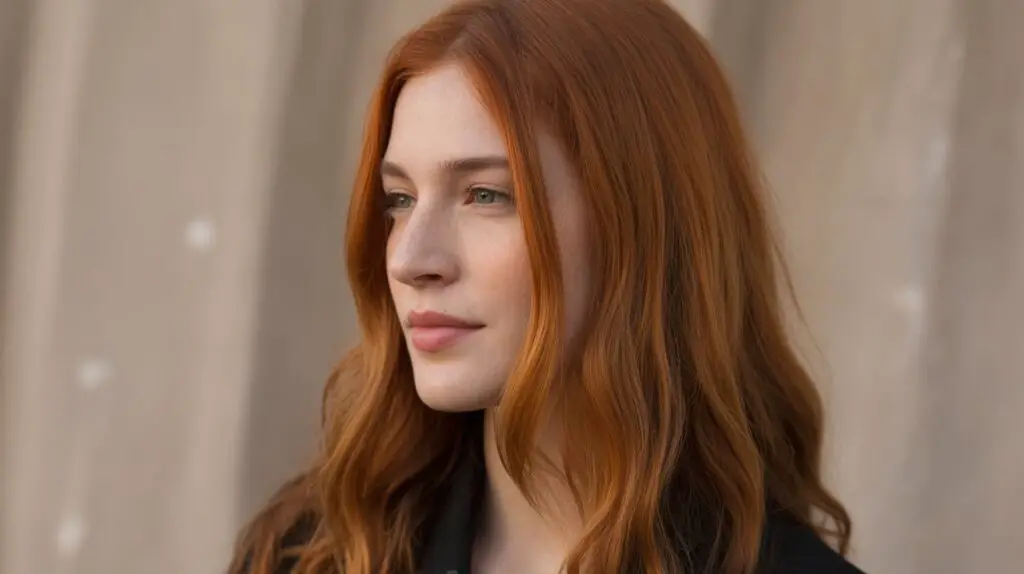
Finding your ideal auburn requires understanding both your skin’s undertones and how different auburn variations interact with them. The right match enhances your natural coloring, making skin appear clearer and eyes brighter. The wrong choice, however, can create unflattering contrasts or wash out your complexion entirely.
Identifying Your Undertones
Your skin’s undertone remains constant regardless of tanning or seasonal changes. Look at your wrist veins in natural light – green indicates warm undertones, blue suggests cool, and a mix points to neutral. Another test involves holding gold and silver jewelry against your skin; whichever metal makes your skin glow reveals your undertone family.
Consider your natural hair and eye color too. Brown eyes with golden flecks typically indicate warmth, while gray-blue eyes often signal coolness. Natural hair with red or golden hints suggests warm undertones, while ash tones indicate cool.
Auburn Shades for Warm Undertones
Warm-toned skin harmonizes beautifully with copper-based auburns containing golden or orange notes. These shades enhance natural warmth without creating harsh contrasts:
Golden-auburn works particularly well, bringing out honey tones in the skin. Copper-auburn with bronze highlights creates a sun-kissed effect. For deeper skin with warm undertones, mahogany-auburn with red ribbons provides rich contrast without clashing.
Auburn Shades for Cool Undertones
Cool undertones benefit from auburns leaning toward burgundy or violet-red rather than orange-based coppers. These sophisticated shades prevent the ruddy appearance that warm auburns might create against cool skin. Burgundy-auburn offers drama without warmth overload. Rose-gold auburn provides a modern twist that flatters pink undertones. Deep cherry-auburn creates striking contrast against porcelain skin.
Avoid auburn shades with yellow or golden tones, as these can make cool-toned skin appear sallow or gray. Instead, focus on blue-based reds mixed with cool browns for the most flattering results.
Auburn Shades for Neutral Undertones
Neutral undertones enjoy the widest auburn selection, able to wear both warm and cool variations successfully. This flexibility allows for experimentation with different auburn families based on personal preference rather than strict color theory:
Classic Auburn: A balanced red-brown that neither leans too warm nor too cool
Cinnamon Auburn: Spicy tones that add warmth without overwhelming
Rosewood Auburn: A sophisticated blend perfect for professional settings
Burnt Sienna: Earthy auburn ideal for natural-looking transformations
The beauty of neutral undertones lies in choosing auburn based on lifestyle and personality rather than limitation. Consider your wardrobe colors and makeup preferences when selecting your shade.
Testing Before Committing
Virtual try-on apps provide initial guidance, but nothing replaces physical testing. Temporary color sprays in auburn shades let you preview the color against your skin in various lighting. Some salons offer strand tests, coloring a small section to ensure satisfaction before full application.
Consider the commitment level too. Semi-permanent auburn formulas allow experimentation without long-term consequences. Once you’ve found your perfect shade through testing, permanent color delivers lasting results.
Professional Techniques for Achieving Runway-Worthy Auburn
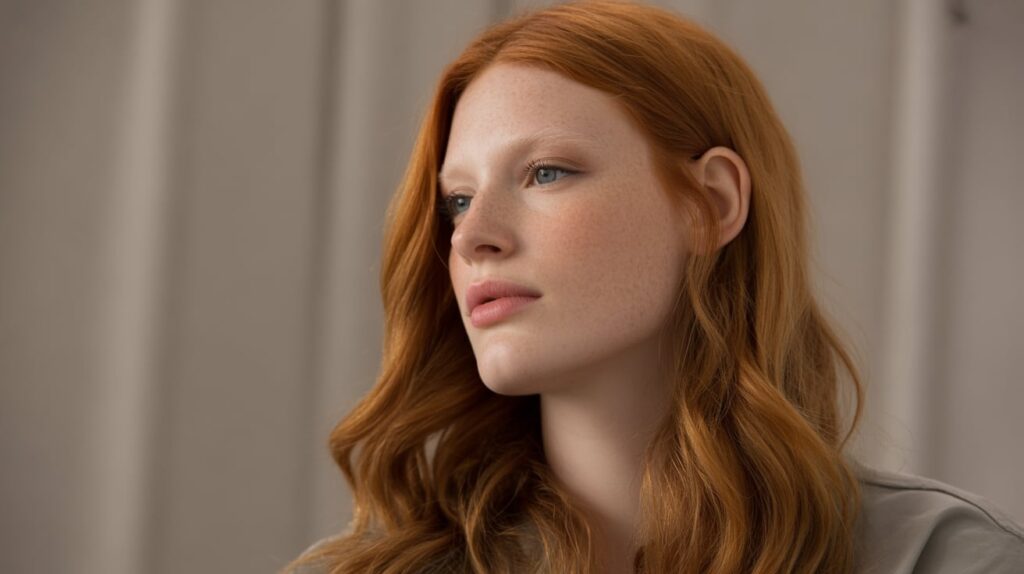
Creating dimensional auburn that rivals runway looks requires strategic color placement and expert technique. Professional colorists use various methods to build depth, ensuring your auburn appears natural and multifaceted rather than flat or uniform. Understanding these techniques helps you communicate effectively with your stylist and achieve your desired result.
The foundation of exceptional auburn starts with proper hair assessment. Virgin hair accepts color differently than previously colored hair, and your stylist must account for existing tones that might affect the final result. Gray coverage also requires special consideration, as gray hair lacks pigment and may need pre-treatment for even auburn distribution.
Single Process vs Multi-Dimensional Color
Single-process auburn involves applying one color formula from roots to ends, creating uniform coverage ideal for those seeking simplicity. This method works best for covering grays or achieving an all-over auburn transformation from natural brown. The result delivers consistent color but may lack the depth seen in editorial and runway looks.
Multi-dimensional techniques layer multiple auburn tones throughout the hair, mimicking nature’s complexity. Colorists might apply a darker auburn base, then weave lighter copper pieces through the mid-lengths and ends. This approach creates movement and prevents the helmet-like appearance that single-process color sometimes produces. The investment in multi-dimensional color pays off through its grow-out pattern, which appears more natural than solid color as roots emerge.
Balayage and Highlighting Techniques
Balayage application creates soft, painted highlights that graduate from subtle to bold, perfect for adding auburn dimension without harsh lines. Colorists hand-paint lighter auburn tones onto select pieces, concentrating color where sun would naturally lighten hair. This technique produces the lived-in auburn looks celebrities sport, requiring less maintenance than traditional foil highlights.
Traditional foil highlights offer more control over placement and lift, essential for dramatic light-to-dark auburn contrasts. Stylists can create precise patterns – face-framing auburn ribbons, strategically placed copper panels, or all-over auburn dimension. Foils also allow for greater lift on darker bases, making bright copper-auburn achievable even on brunette hair.
Glossing and Toning Methods
Glossing treatments seal in auburn pigments while adding mirror-like shine that catches light beautifully. These demi-permanent formulas deposit color without lifting, perfect for refreshing faded auburn between full color services. Clear glosses enhance shine without altering color, while tinted versions can warm up or cool down your auburn as needed:
Professional toning corrects unwanted undertones that might appear as auburn fades. Orange tones get neutralized with blue-based toners, while ashiness disappears with golden formulas. Regular toning appointments every 4-6 weeks maintain your auburn’s intended tone, preventing the brassy phase that often frustrates those with red-based colors.
Root Shadowing for Depth
Root shadowing applies darker color at the roots, gradually lightening toward auburn ends. This technique adds incredible depth while creating a low-maintenance grow-out pattern. The shadow root also prevents the harsh demarcation line between natural color and auburn, especially beneficial for those with dark natural hair transitioning to lighter auburn shades.
Reverse root shadowing places lighter auburn at the roots with deeper tones through the lengths, creating an unexpected twist on traditional placement. This technique works beautifully for those with naturally light hair wanting to add auburn richness without committing to dark roots.
Maintenance Between Salon Visits
Professional treatments establish your auburn base, but home care maintains its vibrancy. Color-depositing masks in auburn tones refresh color weekly, preventing the fade that makes this color family challenging. Cool water rinses seal the cuticle, locking in pigment molecules that hot water would otherwise release.
Protein treatments strengthen hair’s ability to hold color, particularly important for the large red molecules in auburn formulas. Alternating between protein and moisture treatments keeps hair healthy enough to maintain vibrant color. Your stylist can recommend professional-grade products suited to your specific auburn formula and hair type.
How to Style Auburn Hair for Maximum Impact
Auburn hair commands attention naturally, but strategic styling amplifies its beauty exponentially. The interplay between styling techniques and color creates visual interest that makes this shade particularly striking. Understanding how heat, products, and styling choices affect your auburn helps maintain its vibrancy while achieving various looks.
Heat Styling Tips for Color Protection
Heat styling poses particular challenges for auburn hair, as high temperatures can alter color molecules and accelerate fading. Setting your tools to medium heat – around 300-350°F – provides sufficient styling power without compromising color integrity. Lower temperatures might require additional passes, but preserving your auburn’s richness justifies the extra effort.
Thermal protection sprays formulated for color-treated hair create barriers between heat tools and hair cuticles. Apply these products to damp hair before blow-drying and again on dry hair before using flat irons or curling tools. Look for formulas containing UV filters, as sun exposure fades auburn faster than other colors.
The way you style affects how light hits your auburn tones. Smooth, straight styles showcase color uniformity and shine, making single-process auburn appear especially rich. Waves and curls create shadow and highlight interplay, enhancing multi-dimensional auburn’s complexity. Beach waves particularly complement auburn, as the tousled texture mimics the natural movement this color suggests.
Products That Enhance Auburn Tones
Color-enhancing products specifically formulated for red tones make dramatic differences in auburn appearance. These products contain micro-pigments that deposit onto hair’s surface, boosting vibrancy between color appointments. Unlike permanent color, these temporary deposits wash out gradually, allowing experimentation without commitment.
Styling creams with light-reflecting particles make auburn appear more luminous, especially beneficial for deeper auburn shades that might otherwise look flat. Apply these to damp hair before styling, concentrating on areas where you want maximum shine. Avoid products with purple or blue tones marketed for blondes or brunettes, as these can muddy auburn’s clarity.
Oil-based serums designed for colored hair provide shine while sealing the cuticle against environmental damage. Argan and marula oils particularly complement auburn, enhancing warmth without adding brassiness.
Makeup Colors That Complement Auburn
Your new auburn hair changes your entire color palette, requiring makeup adjustments for harmony. Warm-toned foundations might need cooling down to prevent an overly orange appearance against auburn hair. Conversely, very cool foundations can create harsh contrasts that age the face.
Eye makeup in greens, golds, and bronzes makes auburn hair appear richer while brightening eye color. Purple shadows create stunning contrast against auburn’s warmth, while neutral browns provide everyday wearability. Avoid colors that match your hair exactly, as this creates a monotonous appearance. Black mascara grounds the look, preventing the washed-out effect that brown mascara might create against vibrant auburn.
Lip Colors: Coral and peach tones harmonize with lighter auburns
Blush Shades: Rose-gold and warm pinks complement without competing
Bronzer Selection: Choose red-based bronzers over orange-toned options
Highlighter Choices: Champagne and gold tones enhance auburn’s warmth
Wardrobe Choices That Make Auburn Pop
Clothing colors significantly impact how your auburn reads – certain shades intensify its richness while others diminish its impact. Jewel tones like emerald, sapphire, and amethyst create luxurious contrasts that make auburn appear more vibrant. These rich colors work particularly well for evening occasions when you want maximum drama from your hair color.
Earthy neutrals provide sophisticated backdrops that let auburn take center stage. Camel, cream, and chocolate brown create expensive-looking combinations that work in professional settings. Gray requires careful selection – charcoal and slate complement auburn, while medium grays can appear dull against warm hair tones.
Patterns involving multiple colors offer opportunities to tie your auburn into your overall look. Prints containing touches of rust, copper, or burgundy echo your hair color without overwhelming. Avoid patterns with strong yellow undertones, as these can make auburn appear brassy or artificial.
Caring for Your Auburn Color Investment
Maintaining vibrant auburn requires dedication beyond typical hair care routines. This color family faces unique challenges due to red pigment molecules’ size and instability. However, with proper care strategies, your auburn can maintain its richness for weeks longer than expected. The investment in quality products and consistent routines pays dividends in extended color life and improved hair health.
Auburn’s tendency to fade faster than other colors stems from molecular structure rather than formula quality. Red molecules sit on hair’s surface rather than penetrating deeply, making them vulnerable to washing out. Environmental factors like sun exposure, chlorine, and hard water accelerate this fading process. Understanding these challenges helps you implement protective measures proactively.
Color-Safe Washing Routines
Washing frequency dramatically impacts auburn longevity, with each shampoo session removing precious color molecules. Extending time between washes to 3-4 days, or longer if possible, significantly prolongs vibrancy. Dry shampoo becomes essential for maintaining freshness between washes, absorbing oils without stripping color.
When washing becomes necessary, technique matters as much as frequency. Concentrate shampoo only on the scalp where oil accumulates, allowing suds to cleanse lengths without direct application. This targeted approach removes buildup without over-stripping color from mid-lengths and ends where auburn typically concentrates.
Water temperature plays a crucial role in color retention. Hot water opens hair cuticles, releasing color molecules, while cool water seals cuticles to lock in pigment. Start with lukewarm water for cleansing, then finish with the coolest rinse tolerable. This temperature shift might feel uncomfortable initially, but the color payoff justifies the adjustment.
Deep Conditioning Treatments
Auburn hair often requires extra moisture due to the processing needed to achieve these tones. Weekly deep conditioning masks restore hydration while smoothing cuticles that protect color molecules. Choose treatments specifically formulated for color-treated hair, as generic masks might contain ingredients that strip color.
Protein treatments deserve special attention in auburn care routines. Damaged hair cannot hold color effectively, making protein reconstruction essential for long-lasting auburn. Alternate between moisture and protein treatments based on your hair’s needs – over-proteinated hair becomes brittle, while over-moisturized hair appears limp:
Professional bond-building treatments revolutionize auburn maintenance by repairing internal hair structure. These services, performed every 6-8 weeks, strengthen hair’s ability to retain color molecules. The improved hair integrity means your auburn stays true longer between color appointments.
Sun Protection Strategies
UV exposure remains auburn’s primary enemy, breaking down color molecules faster than any other environmental factor. Hair-specific SPF products shield strands from damage while preventing color fade. Apply these before sun exposure, reapplying after swimming or excessive sweating.
Physical protection offers additional defense against UV damage. Wide-brimmed hats provide comprehensive coverage, while scarves offer stylish protection that doubles as accessories. During peak sun hours, consider updos that minimize exposed surface area, protecting the majority of your auburn from direct rays.
Swimming requires special precautions for auburn hair. Chlorine strips color aggressively, while salt water creates different but equally damaging effects. Pre-soak hair with clean water and apply leave-in conditioner before swimming, creating barriers against pool and ocean water. Post-swim clarifying treatments remove residue without stripping intentional color.
Touch-Up Timing and Techniques
Root touch-ups every 4-6 weeks maintain seamless auburn color, preventing obvious grow-out lines. Schedule appointments before roots become too prominent, as matching auburn to faded lengths proves challenging. Consistent timing ensures your colorist works with predictable growth patterns.
Between full-color services, root touch-up products camouflage growth temporarily. Powder formulas work well for small areas, while spray options cover larger sections. Match these products to your root color rather than your auburn lengths for natural-looking coverage. These solutions provide confidence between appointments without committing to permanent color.
Professional vs At-Home Maintenance
Professional treatments deliver superior results for maintaining auburn vibrancy, with access to high-quality products unavailable at retail. Salon glossing services every 3-4 weeks refresh tone without the commitment of permanent color. These appointments also allow colorists to assess your auburn’s condition and adjust maintenance recommendations accordingly.
At-home maintenance between professional services extends auburn life significantly. Color-depositing conditioners used weekly prevent gradual fade, while glossing treatments monthly restore shine. Create a routine combining both professional and at-home care for optimal results. Track what works for your specific auburn shade and hair type, adjusting as seasons and styling habits change.
Stunning Auburn: Your Complete Color Journey
Auburn hair color offers an extraordinary blend of sophistication and versatility that adapts to every woman’s unique style and personality. From subtle copper whispers to bold burgundy statements, this color family provides options that complement various skin tones while maintaining a natural richness that pure fashion colors often lack. The techniques and care strategies outlined here equip you with knowledge to achieve and maintain salon-worthy auburn that turns heads and boosts confidence.
Your auburn journey extends beyond the initial color transformation into an ongoing relationship with maintenance, styling, and seasonal adjustments. The investment in proper care products, regular salon visits, and protective styling habits ensures your color remains vibrant weeks longer than typical red-based shades. Whether you’re drawn to dimensional balayage techniques or prefer the simplicity of single-process color, auburn rewards commitment with stunning results that evolve beautifully over time.
Frequently Asked Questions
Q: How long does auburn hair color typically last before noticeable fading occurs?
A: Auburn color generally maintains its vibrancy for 4-6 weeks with proper care, though you might notice slight fading after 3 weeks. The longevity depends on factors like hair porosity, washing frequency, and sun exposure.
Q: Can I achieve auburn hair color on previously bleached or highlighted hair?
A: Yes, but bleached hair requires careful color filling to prevent auburn from appearing patchy or turning pink. Your colorist will likely need to add warm underlying pigments before applying the final auburn shade.
Q: What’s the difference between auburn and copper hair color?
A: Auburn contains more brown tones mixed with red, creating a deeper, more natural appearance. Copper leans heavily toward orange-red without the grounding brown base, resulting in a brighter, more metallic finish.
Q: Will auburn hair color cover my gray hair completely?
A: Auburn provides excellent gray coverage when formulated correctly, though resistant grays might require pre-softening treatments. Permanent auburn formulas offer better gray coverage than semi-permanent options.
Q: How much does professional auburn hair coloring typically cost?
A: Single-process auburn ranges from $75-150, while multi-dimensional techniques like balayage can cost $200-400 depending on your location and salon level. Factor in monthly $30-60 maintenance appointments for toning.
Q: Can I go from black hair to auburn without bleaching?
A: Achieving noticeable auburn on black hair without lifting requires multiple sessions or accepting a subtle auburn tint visible mainly in sunlight. Dramatic auburn transformations from black hair typically need some lightening.
Q: Which shampoo ingredients should I avoid to preserve auburn color?
A: Avoid sulfates, clarifying agents, and anti-dandruff ingredients like selenium sulfide. These harsh cleansers strip color molecules faster than gentle, color-safe formulas.
Q: Does auburn hair color require different styling tools or techniques?
A: While you can use your existing tools, lowering heat settings to 300-350°F and always using thermal protection prevents color alteration and fading from high temperatures.

