

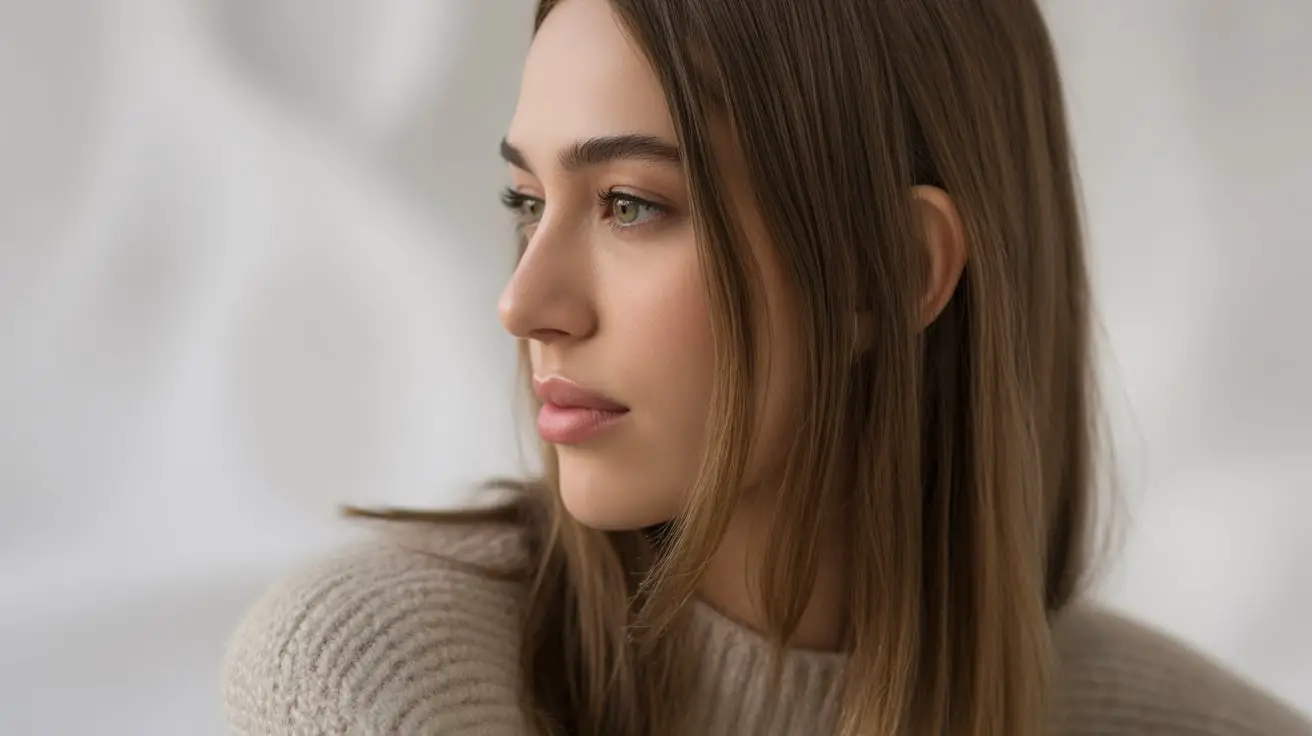
Ash brown hair color has become one of the most requested shades in salons across the country, and for good reason. This sophisticated color combines the richness of brown with cool, smoky undertones that create a modern, dimensional look. Unlike traditional warm browns that can pull orange or red, this particular shade offers a refreshing alternative that works beautifully across different skin tones and personal styles.
The appeal of this hair color lies in its versatility and ability to neutralize unwanted warm tones that many women struggle with. Whether you’re naturally brunette looking for a subtle change or blonde wanting to go darker without the typical brassiness, this shade provides that perfect middle ground. It’s particularly flattering for those with cool or neutral skin undertones, though the right variation can complement virtually anyone when properly customized by a skilled colorist.
In the following sections, we’ll walk through everything you need to know about achieving and maintaining gorgeous ash brown hair. From understanding what sets this color apart to professional techniques and home maintenance tips, you’ll discover expert strategies for keeping your color fresh and vibrant for weeks longer than typical. Let’s get started with the essential knowledge that will help you make the most of this stunning hair color choice.
- What Makes Ash Brown Hair Color Different From Other Browns?
- How Do You Maintain Ash Brown Hair Color at Home?
- Which Professional Techniques Create the Best Ash Brown Results?
- What Are the Most Common Mistakes When Going Ash Brown?
- How Long Does Ash Brown Hair Color Typically Last?
- Achieving and Maintaining Stunning Ash Brown Hair
- Frequently Asked Questions
What Makes Ash Brown Hair Color Different From Other Browns?
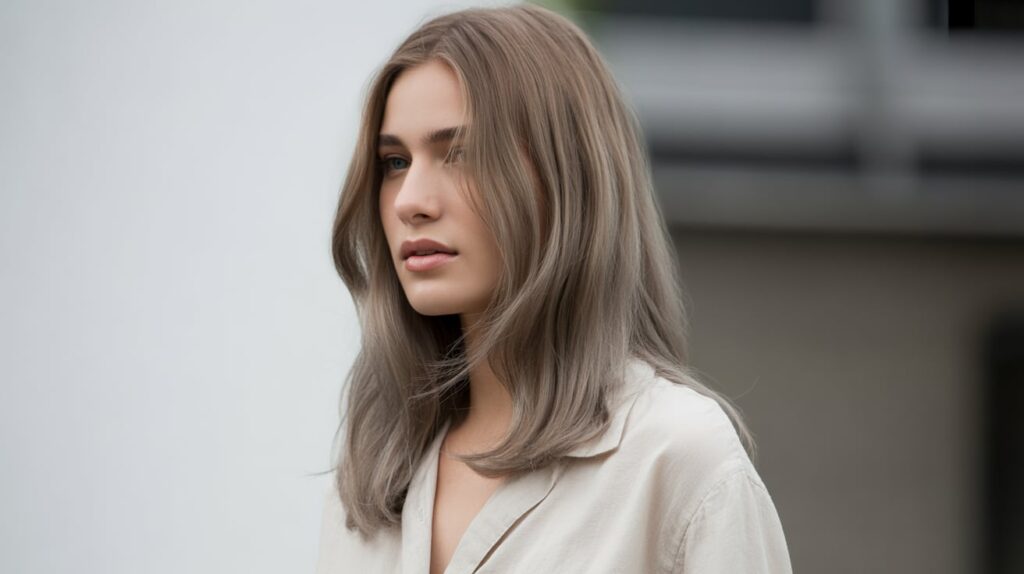
The distinction between ash brown and other brown shades goes far beyond simple color theory, though understanding the basics helps you communicate better with your colorist. Traditional brown hair colors contain warm pigments that reflect gold, copper, or red tones in different lighting. This particular shade, however, incorporates cool pigments – specifically blue, green, and violet – that counteract warmth and create that signature smoky finish women love.
Cool undertones versus warm browns
When comparing cool and warm browns side by side, the difference becomes immediately apparent. Warm browns have that sun-kissed quality, often appearing lighter and more dimensional in natural light. They contain orange and red molecules that give hair a rich, chocolatey appearance. Cool-toned browns, on the other hand, lack these warm molecules entirely. Instead, they feature gray and blue undertones that create depth without any hint of brass or gold.
Your natural hair color plays a significant role in how these undertones develop. If you have naturally warm hair, achieving a true ash brown requires more work to neutralize existing pigments. This process often involves using complementary colors on the color wheel – greens cancel reds, blues neutralize oranges – to achieve that perfect cool-toned result.
The ashy effect explained
The term “ashy” describes hair color that lacks warm undertones, creating an almost matte finish rather than a shiny, reflective surface. This effect happens when stylists add specific pigments during the coloring process. Think of it like mixing paint – adding a tiny amount of green or blue to brown creates a completely different shade than adding red or yellow.
This ashy quality isn’t about making hair look gray or dull. Instead, it’s about creating sophisticated depth and preventing the brassiness that develops in many colored hair over time. The result looks expensive and intentional, like the kind of effortless color you might see on European models or in high-fashion editorials.
How it neutralizes unwanted warmth
For women who constantly battle orange or brassy tones in their hair, ash brown offers a solution built right into the color formula. The cool pigments actively work against warm tones that try to emerge through oxidation and fading. This means less time spent trying to correct color between salon visits and more time enjoying hair that looks freshly colored.
The science behind this neutralization involves opposite colors canceling each other out. Since orange sits opposite blue on the color wheel, and red opposes green, incorporating these cool tones into your brown creates balance. Your colorist might use different combinations depending on your starting point and desired end result.
Who ash brown works best for
While this versatile shade can be adapted for many women, certain characteristics make some people ideal candidates. Those with naturally cool or neutral skin undertones often find this color most flattering, as it complements rather than clashes with their complexion. Look at the veins on your wrist – if they appear blue or purple rather than green, you likely have cool undertones that pair beautifully with ash brown.
Hair texture and condition also matter when considering this color. Healthy, well-maintained hair holds cool tones better than damaged strands. Porous or chemically processed hair tends to grab warm tones more readily, making it harder to achieve and maintain that perfect ashy finish. Your colorist can assess your hair’s condition and recommend treatments to optimize results.
Women with naturally dark hair might need multiple sessions to achieve their desired shade without damage. The lifting process required to lighten dark hair often reveals warm undertones that must be carefully neutralized. Patience during this process ensures healthy hair that holds color beautifully.
The spectrum of ash brown shades
This color family includes numerous variations, from light ash brown that borders on dark blonde to deep espresso shades with subtle cool undertones. Light ash brown works wonderfully for those wanting a dramatic change from blonde without going too dark. It provides enough contrast to feel different while maintaining some brightness around the face.
Medium ash brown offers the most versatility, sitting perfectly between light and dark while showcasing those signature cool tones. This shade suits most skin tones when properly customized and requires less maintenance than lighter versions. Many women choose this as their gateway into the world of cool-toned hair color.
Dark ash brown provides richness and depth while still maintaining that modern, cool finish. This shade looks particularly striking on those with deeper skin tones or anyone wanting dramatic contrast with light eyes. The subtle ash undertones prevent the flat, one-dimensional look that can happen with very dark hair colors.
How Do You Maintain Ash Brown Hair Color at Home?
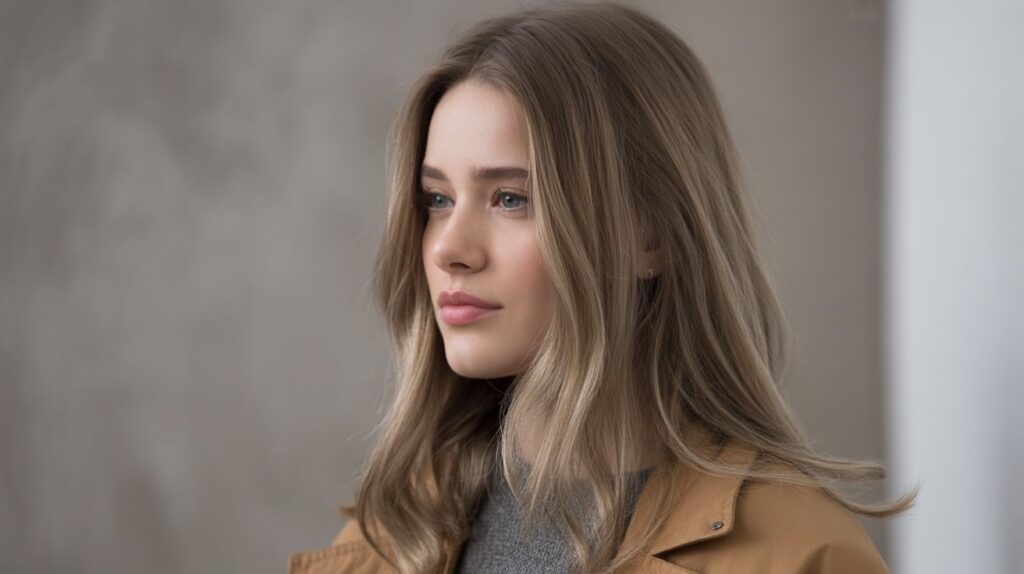
Maintaining your carefully crafted color between salon visits requires specific strategies that go beyond basic hair care. The cool tones that make this shade so appealing are also the first to fade, leaving behind warmer undertones if not properly preserved. Understanding exactly how to protect and refresh your color at home makes the difference between hair that looks professionally maintained and color that quickly loses its signature coolness.
Purple shampoo timing and frequency
Purple shampoo serves as your first line of defense against brassiness, but using it correctly requires more finesse than simply swapping your regular shampoo. The violet pigments in these products work to neutralize yellow and orange tones that emerge as your color oxidizes. Start incorporating purple shampoo about two weeks after your color appointment, when the initial toner begins to fade slightly.
The frequency of use depends on several factors including your hair’s porosity, water quality, and how quickly your particular hair tends to pull warm. Most women find success using purple shampoo once or twice weekly, leaving it on for three to five minutes before rinsing. Pay attention to how your hair responds – if it starts looking too cool or develops a purple cast, reduce usage immediately.
Different purple shampoos contain varying pigment concentrations. Professional-grade formulas typically offer more powerful toning abilities but require careful monitoring to avoid over-toning. Drugstore options work well for maintenance between stronger treatments. Some women alternate between purple shampoo and a blue-toned formula, which specifically targets orange undertones common in darker hair.
Water temperature impact
The temperature of your shower water directly affects how long your color stays vibrant. Hot water opens the hair cuticle, allowing color molecules to escape more readily. This accelerated fading particularly affects cool tones, which have larger molecular structures than warm pigments. Lukewarm water during washing and a cool rinse at the end helps seal the cuticle and lock in color.
Consider installing a shower filter if you live in an area with hard water. Mineral deposits from hard water create buildup that dulls your color and can even cause unwanted color shifts. Copper in water supplies particularly affects ash tones, potentially creating a greenish cast over time. A quality filter removes these minerals before they contact your hair.
Conditioning treatments for color longevity
Deep conditioning becomes even more critical when maintaining cool-toned color. Well-hydrated hair holds onto color molecules better than dry, damaged strands. Use a color-safe deep conditioning mask weekly, focusing on mid-lengths and ends where damage typically concentrates. Look for formulas containing ingredients that specifically benefit color-treated hair:
Protein treatments: Strengthen the hair structure to better hold color molecules
Moisture masks: Hydrate without stripping color like clarifying treatments might
Color-depositing conditioners: Add subtle cool pigments while conditioning
Bond-building treatments: Repair damage that causes premature color fading
Apply these treatments to damp, towel-dried hair rather than soaking wet strands for better absorption. The extra step of removing excess water allows the treatment to penetrate more effectively without dilution.
Products specifically for ash tones
Beyond purple shampoo, several product categories help maintain your specific shade. Color-depositing masks designed for brunettes with cool undertones refresh your color while providing deep conditioning benefits. These typically contain small amounts of ash or violet pigments that build up gradually with regular use.
Leave-in treatments with UV protection prevent sun-induced fading that often reveals unwanted warm tones. The sun’s rays break down color molecules, particularly affecting the cool pigments in your formula. Daily protection makes a noticeable difference in color longevity, especially during summer months or if you spend significant time outdoors.
Heat protectants become non-negotiable when you have color-treated hair. High temperatures from styling tools accelerate oxidation and fade, turning your carefully crafted ash brown into something warmer and brassier. Apply protection products to damp hair before blow-drying and again to dry hair before using hot tools.
Daily habits that preserve color
Small changes to your routine create significant improvements in color retention. Washing your hair less frequently – perhaps every three to four days instead of daily – dramatically extends the life of your color. Dry shampoo helps manage oiliness between washes while adding texture and volume. Choose a formula specifically for dark hair to avoid white residue that dulls your color.
Your pillowcase material affects your hair more than you might realize. Silk or satin pillowcases reduce friction that can rough up the cuticle and accelerate fading. These smooth materials also help prevent tangles and breakage that make colored hair look dull and damaged. If a silk pillowcase isn’t in your budget, a silk hair wrap or bonnet provides similar benefits.
Minimize chlorine exposure by wearing a swim cap in pools or thoroughly wetting your hair with clean water before swimming. Chlorine strips color aggressively and can cause unwanted color changes, particularly turning ash tones green. After swimming, immediately rinse with clean water and follow with a clarifying treatment designed for swimmers.
Which Professional Techniques Create the Best Ash Brown Results?
Professional colorists employ specific techniques that go far beyond simple application to achieve that perfect cool-toned result. These methods require extensive training and understanding of color theory, which explains why DIY attempts often fall short of salon results. Knowing what happens during your appointment helps you communicate better with your stylist and understand why certain steps are necessary for your desired outcome.
Pre-lightening requirements
Most women need some level of pre-lightening to achieve true ash brown, especially when starting with dark or previously colored hair. This process lifts your natural pigment to create a clean canvas for the ash tones to adhere properly. Without adequate lifting, cool tones won’t show through, and you’ll end up with a muddy or warm-toned result that defeats the purpose.
Your colorist evaluates your starting level and determines how much lifting is necessary. Natural level 4 hair (medium brown) might need to lift to level 6 or 7 before applying the ash brown formula. This ensures the final color appears true to tone without unwanted warmth showing through. The lighter your desired ash brown, the more pre-lightening you’ll typically need.
The type of lightener used matters significantly. Ammonia-based lighteners work quickly but can be harsh, while oil-based alternatives lift more gently but require longer processing times. Your stylist selects products based on your hair’s condition, previous chemical treatments, and how much lifting is required. Virgin hair responds differently than previously colored hair, often lifting more predictably and evenly.
Some colorists prefer a technique called “breaking the base,” where they lighten just enough to break through your natural pigment barrier. This creates better porosity for the ash tones to grab onto without excessive damage. The process might take multiple sessions for very dark hair, but patience ensures healthier results that last longer.
Toner selection and application
After achieving the appropriate lift, toner selection becomes crucial for creating that signature ash finish. Professional toners contain concentrated pigments that neutralize unwanted tones and enhance the cool reflects you want. Your colorist custom-mixes formulas based on what undertones need neutralizing and your specific shade goals.
Timing during toner application affects the final result dramatically. Leaving toner on too long can create an overly ashy or even gray appearance, while insufficient processing leaves warmth behind. Experienced colorists check the hair every few minutes, watching for the exact moment when the tone reaches perfection. They might apply different formulas to different sections based on how each area processes.
Color correction for brassiness
When dealing with hair that pulls extremely warm or has previous color that needs correcting, colorists employ specialized techniques beyond standard application. They might use a process called “color breaking” where they apply an ash-based color to neutralize warmth before applying your target shade. This two-step process ensures even results without patchiness.
For stubborn brass, your stylist might recommend a soap cap – a gentler lightening technique that removes just enough warmth without drastically changing your level. This involves mixing lightener with shampoo and developer, creating a milder formula that lifts color deposits while being less damaging than traditional bleaching.
Balayage versus all-over color
The application technique significantly impacts how your ash brown appears and grows out. All-over color provides uniform coverage from roots to ends, creating a polished, sophisticated look. This method works best for those wanting complete gray coverage or a dramatic change from their natural color. However, it requires more frequent touch-ups as regrowth becomes obvious.
Balayage offers a more lived-in result with strategic placement of lighter ash brown pieces throughout darker hair. This technique creates dimension while maintaining a natural root, meaning less frequent salon visits. The hand-painted nature of balayage allows your colorist to customize placement based on your face shape, hair texture, and lifestyle.
Some stylists combine techniques, using all-over color at the roots with balayaged pieces through the lengths. This hybrid approach provides coverage where needed while maintaining movement and dimension. The gradual transition from darker roots to lighter ends looks particularly stunning with ash brown tones.
Gloss treatments between appointments
Professional glossing services refresh your color without the commitment or processing time of full color. These demi-permanent treatments deposit pigment while adding incredible shine, making them perfect for maintaining your ash brown between major appointments. Most glosses process in 20 minutes or less, making them an efficient option for busy schedules.
Your colorist can customize gloss formulas to address specific concerns. If warmth creeps in after a few weeks, a cool-toned gloss neutralizes it while refreshing your overall color. These treatments also help blend regrowth, extending the time between full color services. Many women schedule glossing appointments every 4-6 weeks to keep their color looking fresh.
The conditioning benefits of glossing treatments shouldn’t be overlooked. The acidic pH of most gloss formulas helps close the cuticle, locking in color while creating mirror-like shine. This sealed cuticle also makes hair feel smoother and look healthier, addressing the dryness that sometimes accompanies color-treated hair.
What Are the Most Common Mistakes When Going Ash Brown?
The journey to achieving perfect ash brown hair can be derailed by seemingly small missteps that create major color problems. Understanding these common pitfalls before your appointment helps you avoid disappointment and additional corrective treatments. Many women learn these lessons the hard way, but knowing what to watch for saves time, money, and hair health.
Starting with overly damaged hair
Attempting to achieve ash brown on severely compromised hair almost guarantees unsatisfactory results. Damaged hair has lifted cuticles that can’t properly hold onto color molecules, especially the larger molecules found in cool-toned formulas. The result is rapid fading, uneven color absorption, and an overall muddy appearance that lacks the sophistication this shade should provide.
Your hair’s porosity – how well it absorbs and retains moisture – directly impacts color results. Highly porous hair from previous chemical treatments, heat damage, or environmental factors grabs color quickly but releases it just as fast. This creates a frustrating cycle where your perfect salon color fades within days, revealing unwanted warm tones underneath.
Before pursuing your desired shade, invest in strengthening treatments to improve your hair’s condition. Protein treatments rebuild the hair’s structure, while moisture treatments improve elasticity and reduce breakage. Your colorist might recommend waiting several weeks between strengthening treatments and color application to ensure optimal results. This patience pays off with color that looks better and lasts significantly longer.
Chemical damage from previous lightening sessions poses particular challenges. Bleach damage creates uneven porosity throughout the hair shaft, causing some sections to grab more pigment than others. This leads to splotchy results that no amount of toner can fully correct. In severe cases, cutting away the most damaged portions might be necessary before achieving your color goals.
Skipping the consultation
Walking into a salon expecting immediate ash brown results without a thorough consultation sets you up for disappointment. Professional colorists need to assess multiple factors before determining if your desired shade is achievable in one session. Your hair’s current condition, previous color history, and natural undertones all influence the approach needed.
During consultation, bring reference photos showing exactly what you envision. What looks like ash brown to you might appear different to your stylist, and visual references eliminate miscommunication. Discuss your maintenance commitment honestly – some variations require more upkeep than others, and your lifestyle should guide your choice.
Wrong developer strength
Developer selection might seem like a technical detail best left to professionals, but understanding basics helps you recognize when something isn’t right. Developers come in different volumes (10, 20, 30, 40) that determine how much the cuticle opens and how much lift occurs. Using too high a volume damages hair unnecessarily, while too low won’t achieve sufficient lift for true ash tones.
For previously colored hair, especially if it’s been darkened with box dye, removing old pigment requires careful consideration of developer strength. Your colorist might need to use different volumes on different sections based on porosity and previous processing. This customized approach ensures even results without excessive damage.
Insufficient processing time
Achieving cool-toned results requires complete processing, but many factors can interfere with proper timing. Room temperature affects how quickly color develops – cold salons slow processing, potentially leaving warmth behind. Your hair’s thickness and density also impact timing, with coarse or thick hair typically needing longer processing than fine hair.
Some clients become impatient and request early rinsing when they see their hair lightening. However, the lifting stage and toning stage serve different purposes. Rushing through lifting means warm undertones remain, making it impossible for ash tones to show properly. Trust your colorist’s timing, even if the process seems lengthy. Those extra minutes make the difference between brassy results and the cool-toned perfection you want.
Resistant gray hair presents unique timing challenges when going ash brown. Gray strands lack pigment and have a different structure than pigmented hair, often requiring pre-softening or longer processing times. Your colorist might apply color to gray areas first, giving them extra time to absorb pigment while preventing over-processing on the rest of your hair.
Here are critical timing considerations your colorist monitors:
Heat application: Adding gentle heat can speed processing but must be carefully controlled
Formula adjustment: Adding more developer or adjusting ratios based on how hair responds
Strand testing: Checking small sections throughout processing to gauge development
Room temperature: Adjusting timing based on salon conditions
Previous treatments: Accounting for how chemical history affects processing speed
Neglecting aftercare routines
The most beautiful ash brown color quickly deteriorates without proper home maintenance. Many women invest significantly in achieving their perfect shade, then use products that strip it away within weeks. Clarifying shampoos, while excellent for removing buildup, aggressively fade color and should be avoided unless absolutely necessary.
Sun exposure without protection causes rapid oxidation that reveals orange and yellow tones. Yet many women forget to protect their hair the way they protect their skin. Hair SPF products exist for good reason – UV rays break down color molecules just as they damage skin cells. Daily protection, especially during summer months, extends your color’s life dramatically.
Swimming in chlorinated pools or salt water without taking precautions virtually guarantees color problems. Chlorine particularly affects ash tones, potentially causing a greenish cast that requires professional correction. Even if you avoid full submersion, humid beach air and spray can affect your color. Protective products and post-swim treatments designed for colored hair minimize this damage.
How Long Does Ash Brown Hair Color Typically Last?
The longevity of your carefully crafted color depends on numerous variables, from your hair’s natural characteristics to your maintenance routine. Understanding realistic timelines helps you plan salon visits and adjust your home care routine for maximum color retention. While individual results vary, certain patterns emerge that help predict how your specific situation will unfold.
Timeline for different hair types
Fine hair typically shows fading faster than coarse hair due to its smaller diameter and fewer cuticle layers. The delicate structure of fine hair means color molecules escape more easily, especially cool tones with their larger molecular size. Women with fine hair often notice warmth returning within 3-4 weeks, though the overall color might still look acceptable for 6-8 weeks with proper maintenance.
Coarse hair’s thicker cuticle layer provides better protection for color molecules, often maintaining true ash tones for 5-6 weeks before noticeable warming occurs. However, coarse hair’s resistance to initial coloring means achieving the perfect shade might require stronger formulas or longer processing, potentially affecting longevity differently.
Curly and textured hair presents unique considerations for color retention. The bends and curves in curly hair create areas where the cuticle lifts naturally, allowing color to escape more readily at these points. Additionally, curly hair tends toward dryness, which accelerates fading. With dedicated moisture treatments and gentle handling, ash brown can last 4-6 weeks on curly hair before requiring refreshing.
Previously lightened or chemically treated hair shows the fastest fading due to compromised cuticle integrity. The same porosity that allows color to penetrate quickly also releases it readily. These hair types might need glossing treatments every 3-4 weeks to maintain true ash tones, with full color service every 6-8 weeks.
Factors affecting longevity
Water quality in your area significantly impacts how long your color stays true. Hard water deposits minerals on the hair shaft that dull color and can cause unwanted shifts in tone. Copper in water supplies particularly affects ash browns, potentially creating greenish casts over time. Installing a shower filter or using chelating treatments monthly helps combat these effects.
Your washing frequency directly correlates with color longevity. Each shampoo session opens the cuticle slightly, allowing color molecules to escape. Women who wash daily might see noticeable fading within two weeks, while those washing twice weekly can extend their color’s life to 6-8 weeks. Adjusting your routine to less frequent washing dramatically improves color retention.
Heat styling accelerates oxidation and color fade through multiple mechanisms. Direct heat breaks down color molecules while also opening the cuticle, creating a double threat to your ash tones. The oxidation process particularly affects cool pigments, explaining why heat-styled hair often develops brassiness faster than air-dried hair.
Signs of fading to watch for
The first indication of fading often appears as subtle warmth at the ends, where hair is oldest and most porous. This warming might be barely noticeable initially but becomes more pronounced with each wash. Catching this early sign allows you to intervene with toning treatments before brassiness becomes obvious.
Your color might start looking less dimensional and more flat as the toner fades. The sophisticated depth that makes ash brown special relies on multiple tones working together. As these nuanced tones fade at different rates, the overall effect becomes less complex and interesting. This flatness often precedes obvious warmth by a week or two.
Changes in how your hair feels can indicate color fade before visual changes become apparent. As color molecules leave the hair shaft, the cuticle becomes rougher and more lifted. Your hair might feel drier, tangle more easily, or lose its shine. These textural changes signal that it’s time for a glossing treatment or color refresh.
Gray coverage beginning to show through indicates your permanent color needs refreshing, not just toning. While glosses and toners can neutralize warmth, they won’t provide the coverage needed for grays. Most women need root touch-ups every 4-6 weeks for complete gray coverage, though some can stretch to 8 weeks with creative styling.
Touch-up scheduling
Developing a maintenance schedule that works for your specific needs prevents emergency color corrections and keeps your hair looking consistently beautiful. Most professionals recommend booking your next appointment before leaving the salon, ensuring you get your preferred time slot and maintain consistency.
Root touch-ups typically need addressing every 4-6 weeks, depending on your growth rate and contrast between natural and colored hair. Scheduling these appointments prevents the harsh line of demarcation that develops with longer intervals. Some women alternate between full root touch-ups and partial touch-ups around the hairline and part for a more economical approach.
Color refreshing options
Between full color services, several options keep your ash brown looking fresh. Glossing treatments at the 3-4 week mark refresh tone without the processing time or cost of full color. These services typically take 30 minutes or less, making them easy to fit into busy schedules.
Color-refreshing treatments you can do at home bridge the gap between salon visits. Professional color masks containing ash pigments gradually build up tone with regular use. These differ from purple shampoo by depositing actual color rather than just neutralizing warmth. Use them weekly or bi-weekly depending on how quickly your hair fades.
Your stylist might recommend alternating service types to maintain color while minimizing damage. For example, following a full color service with two glossing appointments before your next full color extends the time between chemical processing. This rotation keeps your color fresh while maintaining hair health.
Some salons offer express toning services specifically for maintaining ash browns and other cool-toned colors. These quick treatments use gentle formulas to neutralize warmth without lifting or significantly altering your base color. They’re perfect for special events or when you notice the first signs of brassiness returning.
Achieving and Maintaining Stunning Ash Brown Hair
Achieving and maintaining stunning ash brown hair requires commitment, but the sophisticated results justify the effort. This modern take on brunette offers a refreshing alternative to traditional warm-toned browns, providing that coveted cool-toned finish that photographs beautifully and complements so many skin tones. The key lies in understanding that this particular color demands more attention than warmer shades, from the initial salon process through your daily maintenance routine.
Success with this shade starts with realistic expectations and honest communication with your colorist about your lifestyle and maintenance capabilities. Whether you choose a darker variation requiring less upkeep or commit to a lighter ash brown needing frequent toning, knowing what you’re signing up for prevents frustration down the road. Your hair’s health should always take priority over achieving a specific shade quickly – patience during the coloring process ensures results that last longer and look better while maintaining hair integrity.
Frequently Asked Questions
Q: Can I achieve ash brown hair color using box dye from the drugstore?
A: While box dyes labeled “ash brown” exist, achieving true cool-toned results typically requires professional formulation. Box dyes can’t account for your hair’s unique undertones, porosity, and color history, often resulting in unexpected warmth or uneven coverage that requires professional correction.
Q: How much does professional ash brown coloring typically cost?
A: Pricing varies significantly based on location, salon level, and services needed. Single-process color ranges from $75-$200, while corrective color or balayage techniques can cost $200-$500. Factor in maintenance appointments every 4-8 weeks for optimal results.
Q: Will ash brown hair color cover my gray hair completely?
A: Permanent ash brown formulas provide excellent gray coverage when properly applied. However, resistant grays might require pre-softening or longer processing times. Demi-permanent ash browns blend grays rather than completely covering them.
Q: Why does my ash brown hair turn orange after a few weeks?
A: Warm undertones naturally exist in hair and become visible as cool tones fade. This happens faster with frequent washing, heat styling, sun exposure, and hard water. Regular toning treatments and proper maintenance products help prevent this warming.
Q: Can I go from black hair to ash brown in one appointment?
A: Achieving ash brown from black hair typically requires multiple sessions to prevent severe damage. The process involves gradually lightening to remove dark pigment before applying ash tones. Rushing this process often results in breakage and uneven color.
Q: Is purple shampoo or blue shampoo better for maintaining ash brown?
A: Purple shampoo works best for lighter ash browns that pull yellow, while blue shampoo better neutralizes orange tones in darker ash browns. Many women benefit from alternating between both types based on what unwanted tones appear.
Q: How do I know if ash brown will suit my skin tone?
A: Cool and neutral skin undertones typically pair best with ash brown, though the right variation works for anyone. Look at your veins – blue or purple indicates cool undertones ideal for this shade. Consultation with a colorist helps determine your most flattering version.
Q: What’s the difference between ash brown and mushroom brown?
A: Mushroom brown contains more gray and beige tones, creating a softer, more muted effect. Ash brown has stronger cool undertones with less gray influence, resulting in a richer, more dimensional color with better coverage properties.

