

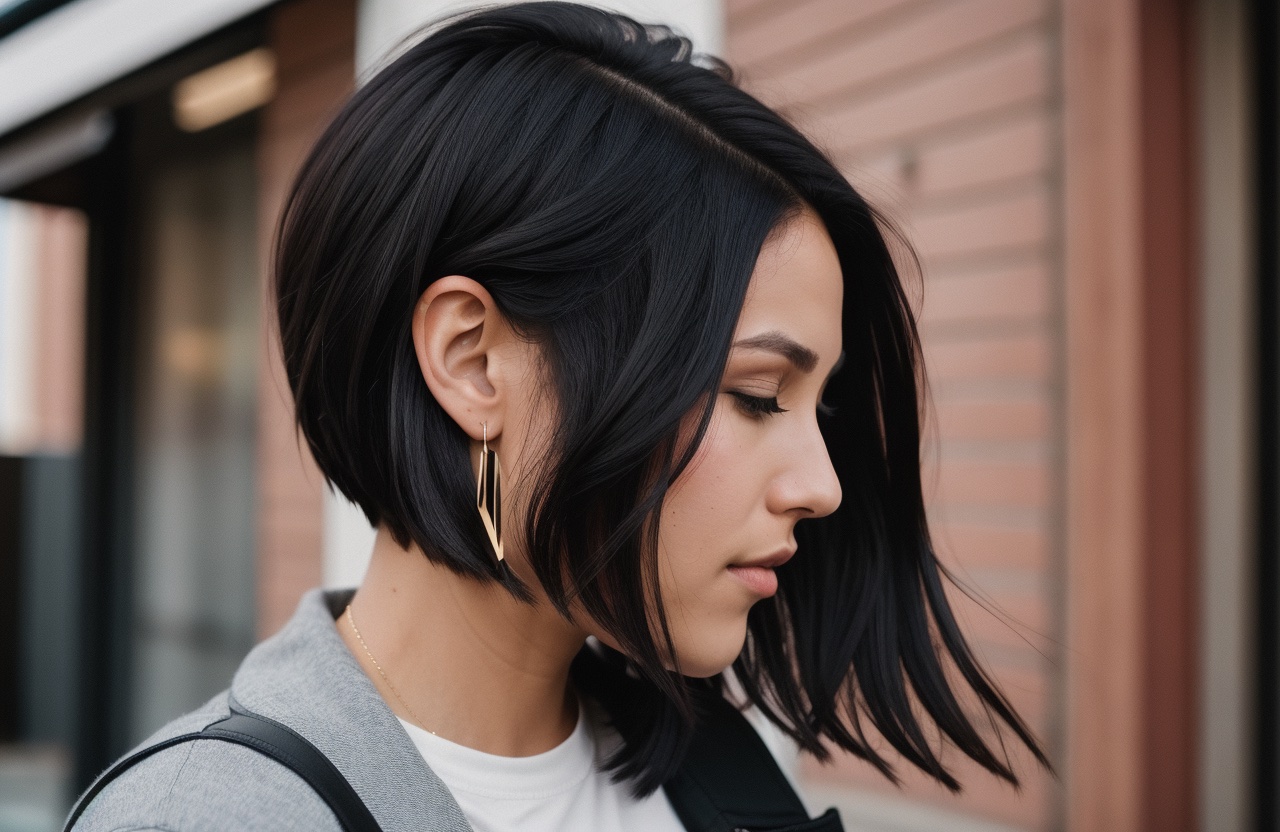
The angled bob stands out as one of the most versatile haircuts available today, offering a sophisticated silhouette that adapts beautifully to various settings and personal styles. This strategic cut, characterized by its gradual length variation from back to front, creates a dynamic shape that flatters multiple face shapes while remaining remarkably easy to maintain. Whether you’re heading to a board meeting, weekend brunch, or formal gala, this particular style transforms effortlessly with minimal effort.
What makes this haircut particularly appealing is its ability to balance professionalism with personality. The clean lines provide structure that works well in conservative environments, while the angular design adds modern edge that prevents the style from feeling dated or boring. Women across different age groups and hair types have discovered that this cut offers solutions to common styling challenges, from adding volume to fine hair to creating shape in thick, unruly textures.
This comprehensive guide walks through everything you need to know about making an angled bob work for your lifestyle. From understanding the technical aspects of the cut to mastering various styling techniques, you’ll discover how to choose the right variation for your face shape, maintain the style between salon visits, and adapt your look for any occasion that comes your way. Let’s uncover why this timeless yet contemporary haircut continues to capture attention and how you can make it uniquely yours.
Understanding the Angled Bob Cut
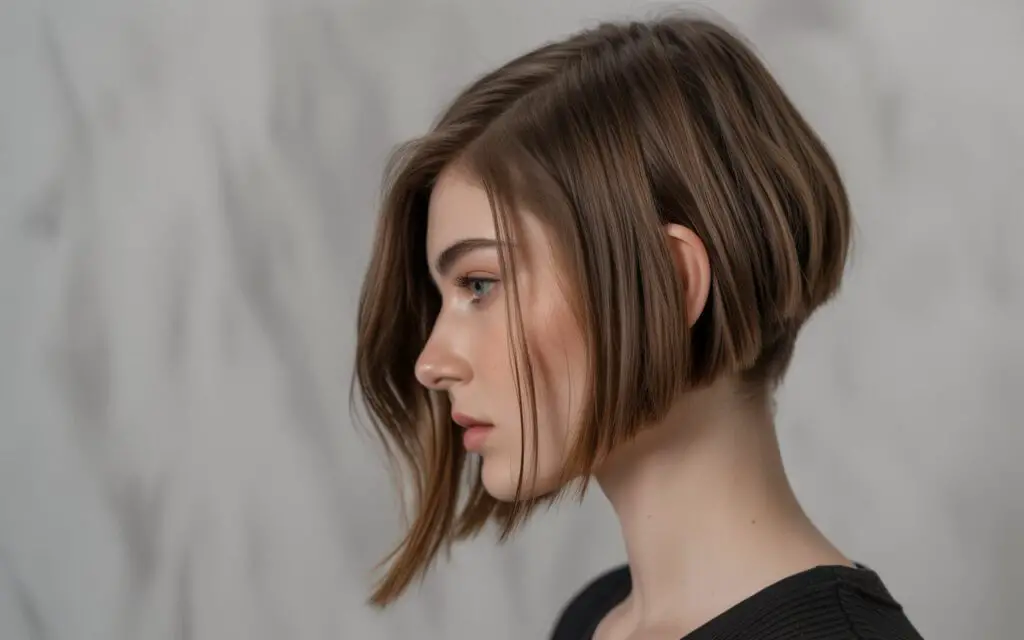
An angled bob represents a precise haircut where the back sits shorter than the front sections, creating a diagonal line that runs from the nape of the neck toward the chin or beyond. This graduated shape differs significantly from standard bobs that maintain uniform length around the entire head. The angle can range from subtle to dramatic, depending on personal preference and the statement you want to make with your hair.
What defines an angled bob haircut
The defining characteristic lies in the graduated length that creates visual movement even when hair sits completely still. Hair at the nape typically measures between one and four inches, gradually increasing as it moves forward. This progression forms a slope that can be adjusted to complement individual features. The precision required for this cut means working with an experienced stylist who understands how to create clean lines that maintain their shape as hair grows.
Professional cutting techniques involve sectioning hair horizontally and cutting at specific angles to achieve the desired slope. The back sections require careful attention to avoid creating harsh lines or uneven graduation. Most stylists use a combination of scissors and razors to achieve both the structure and softness needed for this versatile style.
The difference between angled and traditional bobs
Traditional bobs maintain consistent length throughout, creating a uniform line that sits parallel to the ground. This classic approach offers simplicity and symmetry but can sometimes lack the dynamic quality many women seek. The traditional version works wonderfully for those preferring minimalist aesthetics or requiring extremely low-maintenance styles.
In contrast, the graduated design of an angled variation adds dimension and movement that catches light differently as you move. This creates visual interest from multiple angles, making the style appear fresh from various perspectives. The graduation also provides more styling versatility, allowing you to emphasize different aspects of the cut depending on how you style it.
How the angle creates visual impact
The diagonal line formed by this cut naturally draws the eye along its path, creating flattering lines that can elongate the neck and define the jawline. This optical effect works particularly well for women wanting to create the appearance of a longer, leaner silhouette. The angle also adds architectural interest to hair that might otherwise appear flat or shapeless.
Light plays differently on graduated lengths, creating subtle highlights and shadows that add depth to single-color hair. This natural dimension means you can achieve visual texture without relying heavily on products or time-consuming styling techniques. The varying lengths also respond differently to movement, creating a fluid, graceful appearance as you walk or turn your head.
Women with round faces find that the angle helps create the illusion of length, while those with square faces appreciate how the diagonal softens angular features. The key lies in adjusting the degree of graduation to work with, rather than against, your natural bone structure.
Which face shapes benefit most from this style
Oval faces enjoy the most flexibility with this cut, as the balanced proportions allow for various angle degrees without overwhelming features. You can opt for dramatic angles that make bold statements or subtle graduation that adds just enough interest without dominating your overall appearance. The versatility means experimenting with different variations until finding your perfect match.
Round faces particularly benefit from longer front sections that extend past the chin, as these create vertical lines that counteract facial width. Keeping volume at the crown rather than the sides prevents adding unwanted width. The angle should be more pronounced to maximize the lengthening effect.
Square faces soften beautifully with this style when the front pieces fall just below the jawline. The diagonal line breaks up the strong horizontal of the jaw, creating a more feminine appearance. Adding subtle layers around the face enhances this softening effect without sacrificing the clean lines of the cut.
Heart-shaped faces work well with angles that aren’t too severe, as dramatic graduation can emphasize the narrow chin. Keeping some weight through the lower sections helps balance the wider forehead. The front length should ideally sit between the chin and shoulders for optimal proportion.
Long faces might initially seem incompatible with angles that create additional length, but strategic styling can make this work beautifully. Keeping the back slightly longer than typical and creating a gentler slope prevents over-elongation. Adding width through styling techniques helps maintain balance.
Styling Your Angled Bob for Different Occasions
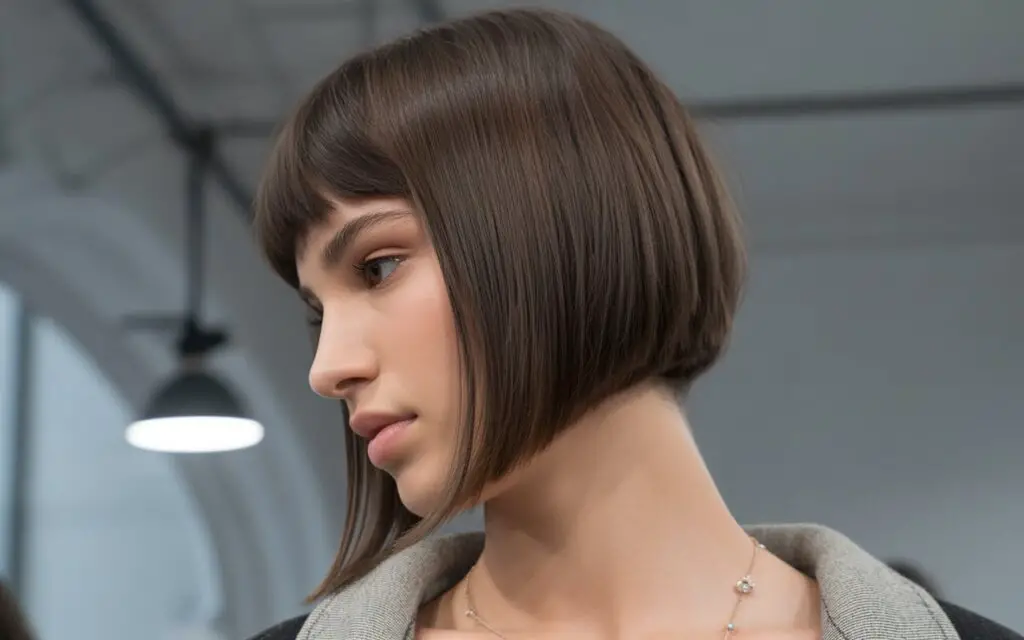
The beauty of this haircut lies in its chameleon-like ability to transform based on your styling approach. A few strategic changes in technique, products, or tools can shift your look from boardroom-ready to cocktail-appropriate in minutes. Understanding these variations gives you a complete wardrobe of styles from just one haircut.
Professional looks for the workplace
Creating a polished professional appearance starts with smooth, controlled styling that emphasizes the clean lines of your cut. Begin with damp hair and apply a lightweight smoothing serum from mid-length to ends, avoiding roots to prevent greasiness. Use a paddle brush while blow-drying, directing hair forward to maintain the angle while creating sleek surfaces.
For important meetings or presentations, consider a deep side part that adds sophistication while showcasing the graduated lengths. Tuck one side behind your ear to reveal statement earrings or simply create asymmetrical interest. This approach looks intentional and refined without appearing overly styled.
Some professional environments call for more conservative styling. In these cases, blow-dry hair straight and use a flat iron to perfect any areas that need additional smoothing. The goal is creating a look that appears effortlessly professional rather than heavily styled. A light-hold hairspray applied from about 10 inches away provides staying power without stiffness.
Casual everyday styling techniques
Your daily routine doesn’t need to involve extensive styling to look great. Air-drying with the right products can create beautiful texture that looks intentionally undone. Apply a volumizing mousse to damp hair, scrunching gently to encourage natural texture. This approach works particularly well for those with natural waves or curls.
Creating soft bends with a large barrel curling iron adds movement without formality. Wrap sections around the iron without closing the clamp, holding for just a few seconds before releasing. This creates loose waves rather than defined curls. Run your fingers through cooled hair to separate sections and create a more relaxed appearance.
For truly minimal effort days, try the twist and pin method. Section hair into two or three horizontal portions, twist each section away from your face, and secure with bobby pins while hair air-dries. Remove pins once completely dry for effortless waves that showcase your cut’s shape beautifully.
Formal event transformations
Special occasions call for elevated styling that maximizes the drama of your angled cut. Hollywood waves create timeless elegance that works beautifully with this shape. Set waves with hot rollers or a curling iron, brushing through gently once cooled to create unified waves rather than separate curls.
Consider incorporating these formal styling elements:
- Side-swept drama: Create deep side parts and sweep hair across the forehead for red-carpet glamour
- Textured updos: Pin back sections while leaving front pieces free to frame your face
- Sleek and shiny: Use shine spray and flat iron for mirror-like smoothness
- Vintage finger waves: Create retro glamour by setting waves close to the scalp
- Asymmetric styling: Emphasize the angle by styling one side differently than the other
Adding accessories transforms simple styles into event-appropriate looks. Decorative clips, delicate headbands, or strategically placed pins with pearls or crystals add special occasion flair without overwhelming the sophisticated lines of your cut.
Quick styling for busy mornings
Time-pressed mornings require efficient techniques that still deliver polished results. Invest in a quality blow-dryer with multiple heat settings and a concentrator nozzle for directed airflow. This tool alone can create professional-looking styles in under ten minutes when used correctly.
The flip-and-dry method works wonderfully for adding volume quickly. Flip your head upside down and blow-dry until hair reaches about 80% dryness. Flip back up and use a round brush to smooth the top layer and perfect the shape. This technique adds root lift while maintaining smooth surfaces where they matter most.
Dry shampoo becomes your best friend for second or third-day hair. Apply at the roots before bed, allowing it to absorb oils overnight. In the morning, massage your scalp to distribute the product and revive volume. A quick touch-up with a flat iron or curling wand refreshes the style without starting from scratch.
Seasonal adaptations for your cut
Summer humidity requires anti-frizz strategies that maintain your style’s shape despite moisture in the air. Switch to lightweight, humidity-blocking products that create barriers without weighing hair down. Consider working with your natural texture during humid months rather than fighting against it.
Winter static calls for different approaches. Use leave-in conditioners to maintain moisture and prevent flyaways. Ionic tools help reduce static while styling. Keep a small bottle of anti-static spray in your bag for quick touch-ups throughout the day.
Spring often brings unpredictable weather that requires adaptable styling. Master both smooth and textured looks so you can adjust based on daily conditions. Having a repertoire of styles means you’re never caught off guard by unexpected rain or wind.
Fall’s drier air allows for more adventurous styling since you’re not battling humidity. This season offers perfect conditions for trying new techniques or products you’ve been curious about. Take advantage of the favorable weather to experiment with different looks.
Choosing the Right Angle and Length
Selecting the perfect variation of this cut requires considering multiple factors beyond simple aesthetic preference. Your hair’s natural characteristics, daily routine, and personal style all play crucial roles in determining which specific version will work best for your life. Making informed decisions about these elements ensures satisfaction with your choice long after leaving the salon.
How to determine your ideal angle
Start by examining your profile in mirrors to understand your natural head shape and neck length. Longer necks can handle more dramatic angles that create striking diagonal lines, while shorter necks benefit from gentler graduations that don’t overwhelm proportions. Consider taking photos from various angles to better assess what might work.
Your stylist should evaluate your hair’s growth patterns and natural fall to determine achievable angles. Hair that grows in strong directions might resist certain angles, requiring adjustments to work with rather than against nature. Cowlicks at the nape need special consideration since they can disrupt clean lines if not properly addressed.
Lifestyle factors heavily influence angle selection. Active women who frequently pull hair back might prefer less severe angles that look good both down and in ponytails. Those who enjoy statement styles might opt for dramatic angles that command attention. Consider how much time you realistically spend on hair care when making decisions.
The relationship between your shoulder line and the angle creates important visual connections. Sloped shoulders pair beautifully with moderate angles that echo the body’s natural lines. Square shoulders can handle more dramatic angles that create interesting contrasts. Pay attention to these relationships for most harmonious results.
Short versus long angled variations
Shorter versions typically end around the ear or mid-neck in front, creating bold, modern statements. These require more frequent maintenance to preserve the precise angles but offer easy styling and minimal drying time. Short variations work particularly well for women with strong features who can carry dramatic styles confidently.
The maintenance schedule for shorter cuts runs every 4-6 weeks to maintain optimal shape. Growth becomes more noticeable quickly since even small length changes affect the overall proportion. Budget for regular salon visits when choosing shorter options to keep the style looking intentional rather than overgrown.
Longer variations extend past the shoulders in front, creating more subtle angles that offer greater versatility. These can be worn straight, wavy, or pulled back without losing the essential character of the cut. The longer length also means less frequent salon visits since growth doesn’t dramatically alter proportions as quickly.
Consider your comfort level with change when deciding on length. Shorter versions make bigger statements and require confidence to wear well. Longer options offer safety nets for those nervous about dramatic changes while still providing the benefits of angled styling.
Working with your hair texture
Fine hair benefits from angles that create illusion of thickness and movement. The graduated lengths prevent hair from lying flat against the head, generating natural volume through the cut’s structure alone. Avoid angles that are too severe, as these can emphasize thinness in the longer front sections.
Thick hair requires strategic thinning and texturizing to prevent the angle from creating unwanted bulk. Your stylist might use thinning shears or razors to remove weight while maintaining the essential shape. The angle itself helps distribute volume more evenly, preventing the triangle effect thick hair sometimes creates in bob lengths.
Curly and wavy textures need special consideration since the angle appears different when hair springs up. Account for shrinkage when determining lengths, typically cutting longer than the desired final appearance. The graduation helps prevent pyramid shapes that can occur with curly hair at these lengths.
Straight hair showcases angles most dramatically since nothing obscures the clean lines. This texture allows for the most precise, geometric variations. However, it also means any imperfections in the cut become immediately visible, requiring skilled execution from your stylist.
Customizing based on lifestyle needs
Professional requirements might dictate more conservative angles that maintain sophistication without appearing trendy. Healthcare workers, teachers, and corporate professionals often prefer moderate angles that look polished without drawing excessive attention. These variations offer style while respecting workplace norms.
Athletes and fitness enthusiasts need cuts that transition seamlessly between workout and regular wear. Consider how the style looks when pulled back partially or completely. Front pieces should be long enough to secure during physical activity without constant readjustment.
Parents of young children benefit from styles requiring minimal daily maintenance. Choose angles that look good air-dried for those mornings when blow-drying isn’t realistic. The cut should maintain its essential shape even when styling time is limited to mere minutes.
Social butterflies who attend frequent events might prefer more dramatic angles that photograph beautifully and create conversation. These bold choices work well for those who enjoy their hair being a focal point of their overall style. Consider how the angle will look in photos from various angles.
Common mistakes to avoid
Requesting angles that fight against your hair’s natural growth patterns creates daily styling battles you’ll likely lose. Work with your stylist to identify these patterns and adjust the angle accordingly. Forcing hair into unnatural positions requires excessive product and heat styling that damages hair over time.
Choosing angles based solely on photos without considering your unique features often leads to disappointment. What looks stunning on someone else might not translate to your bone structure or hair type. Use inspiration photos as starting points for discussions rather than exact blueprints to replicate.
Underestimating maintenance requirements leads to frustration when styles quickly lose their shape. Be honest about your commitment to upkeep before choosing dramatic angles that demand regular salon visits. Growing out poorly maintained angles creates awkward phases that discourage future adventurous choices.
Failing to communicate clearly with your stylist about expectations can result in surprises. Bring multiple reference photos showing the angle from various views. Discuss your styling routine and skill level to ensure the chosen angle works with your capabilities.
Ignoring your hair’s natural volume when selecting angles creates imbalances. Fine hair might disappear in overly dramatic angles, while thick hair might overwhelm subtle graduations. Balance is key to creating harmonious proportions.
Maintenance and Care Tips
Preserving the sharp lines and graduated shape of your angled bob requires consistent attention and the right maintenance approach. Unlike styles that grow out gracefully, this cut depends on precision that can quickly disappear without proper care. Establishing effective routines ensures your investment in this style continues paying dividends between salon appointments.
How often to trim your angled bob
The frequency of professional maintenance depends largely on your chosen angle severity and hair growth rate. Most women find that scheduling appointments every 6-8 weeks maintains the cut’s essential structure. Faster-growing hair or more dramatic angles might require visits every 4-5 weeks to prevent the shape from becoming distorted.
Between professional appointments, resist the temptation to trim areas yourself, even if certain sections seem to grow faster. The graduated nature of this cut means that amateur adjustments can throw off the entire balance. What seems like evening out one section often creates cascading problems throughout the style.
Watch for signs that your cut needs professional attention. When the back begins touching your collar or the front pieces lose their defined points, scheduling becomes necessary. The angle starts disappearing as lengths equalize through growth, diminishing the style’s impact.
Your stylist can help establish a personalized maintenance schedule based on your specific cut and growth patterns. Some women benefit from alternating between full reshaping appointments and quick clean-up sessions that maintain lines without major length removal. This approach extends the life of your style while managing costs.
Products that enhance the shape
Selecting appropriate products makes the difference between showcasing your cut’s architecture and obscuring it under poorly chosen formulations. Lightweight serums and creams preserve movement while providing control. Heavy products weigh down the carefully created angles, destroying the visual impact.
Heat protectants become non-negotiable when using hot tools to style your bob. The shorter lengths mean each strand endures more frequent heat exposure than longer hairstyles. Quality protectants shield hair from damage while adding beneficial ingredients that enhance shine and smoothness. Apply these before any heat styling, distributing evenly through damp or dry hair.
Texturizing sprays add grip and definition that emphasize the graduated lengths. These products work particularly well for creating piece-y, modern finishes that showcase the cut’s angles. Spray at the roots for volume or through the lengths for enhanced texture and movement.
Volumizing mousses applied to damp hair before blow-drying help maintain lift at the crown while keeping the angled sections smooth. Focus application on the shorter back sections where volume creates beautiful proportion. Avoid applying too much product to the longer front pieces, which should maintain fluidity.
Daily care routines
Morning routines should focus on refreshing your style rather than completely restyling daily. Use a spray bottle to lightly dampen sections that need smoothing, then blow-dry with a brush to reset the shape. This approach takes minutes while preserving hair health compared to daily washing and complete restyling.
Establish a washing schedule that maintains scalp health without over-stripping natural oils. Most women find washing every 2-3 days optimal, using dry shampoo between washes to maintain freshness. The shorter back sections might require more frequent attention since oils become visible faster in shorter hair.
Nighttime preparation prevents morning frustration. Use silk or satin pillowcases that reduce friction and maintain smoothness. For those who move significantly during sleep, consider loosely securing hair in a very high, loose ponytail that doesn’t create creases in the angled sections.
Regular deep conditioning treatments maintain hair health, ensuring the cut looks its best. Focus these treatments on the longer front sections that endure more manipulation during styling. The graduated lengths mean different sections might need different care approaches.
Protecting your style overnight
The way you position your hair during sleep significantly impacts morning styling time. Avoid sleeping with wet hair, which can create difficult-to-remove creases and disturb the angle’s clean lines. When hair must be washed at night, ensure complete drying before bed.
Here are effective overnight protection methods:
- Silk scarves: Wrap loosely around hair to minimize friction
- Pineapple method: Gather hair very loosely at the crown with a soft scrunchie
- Pin curls: Create loose pin curls that maintain shape while you sleep
- Braided sections: Loosely braid longer front pieces to prevent tangling
- Satin bonnets: Provide complete coverage without creating pressure points
Switching between protection methods prevents creating permanent creases or wear patterns. Your hair responds differently to various techniques, so experimentation helps identify what works best for your specific cut and sleeping style.
When to refresh the cut
Beyond regular maintenance trims, occasionally you’ll need to completely refresh the style to prevent it from becoming stale. Every 4-6 months, consider adjusting the angle slightly or incorporating subtle layers to create renewed interest. These minor changes maintain excitement about your style without requiring dramatic transformations.
Seasonal transitions offer natural opportunities for refreshing your cut. Summer might call for slightly shorter lengths that feel lighter in heat and humidity. Winter could mean growing the front pieces slightly longer for added versatility in styling options. These subtle adjustments keep the style feeling current and intentional.
Notice when styling becomes increasingly difficult despite proper maintenance. Sometimes hair texture or growth patterns change, requiring adjustments to the original angle. Your stylist can modify the cut to work with these changes rather than fighting against them.
Life changes might necessitate cut adjustments. New jobs, relationships, or personal growth phases often inspire hair changes. The flexibility of this style means you can adjust the angle to reflect your evolving identity without completely abandoning the cut you love.
Making Your Angled Bob Work for You
Personalizing this classic cut transforms it from a standard style into your signature look. Small adjustments and strategic choices in color, texture, and styling create variations that feel uniquely yours while maintaining the sophisticated foundation of the angled shape. Understanding these customization options empowers you to work with stylists in creating your ideal version.
Adding layers for movement
Incorporating layers into your angled cut adds dimension without sacrificing the clean lines that define this style. Internal layers create movement and body while maintaining the sleek perimeter. These hidden layers work particularly well for thick hair that needs weight removal without visible choppy sections.
Face-framing layers soften the sometimes severe angles while adding flattering dimension around your features. Starting these layers at cheekbone level creates lifting effects that brighten your entire appearance. The key lies in blending these layers seamlessly with the overall angle to maintain cohesion.
For women with fine hair, minimal layering prevents further thinning of already delicate strands. One or two strategic layers can add movement without creating stringy appearances. Your stylist should use point-cutting techniques rather than traditional layering to maintain density while adding subtle texture.
Razor-cut layers create softer, more organic movement compared to scissor-cut variations. This technique works beautifully for creating lived-in texture that requires minimal styling. The wispy ends created by razor cutting move freely, adding life to otherwise static styles.
Color techniques that enhance the angle
Strategic color placement amplifies the dramatic lines of your cut. Highlights concentrated in the longer front sections draw attention to the angle while creating beautiful dimension. This technique makes the graduation appear more pronounced while adding visual interest.
Balayage applications that follow the angle’s diagonal line create seamless color flow that enhances the cut’s movement. Starting darker at the nape and gradually lightening toward the front pieces creates an ombré effect that emphasizes the length variation. This approach looks particularly striking when hair moves, revealing hidden color dimensions.
Shadow roots or root smudging techniques add depth at the crown while keeping maintenance requirements manageable. This approach creates natural-looking dimension that doesn’t require frequent touch-ups. The darker roots also help anchor the style, preventing it from appearing too light or insubstantial.
Consider how color affects the perception of your cut’s shape. Lighter colors tend to expand visual space, making angles appear softer, while darker shades create more defined, geometric appearances. Single-process colors showcase the cut’s architecture most clearly, while multi-dimensional color adds complexity.
Bold fashion colors can transform conservative angles into edgy statements. Consider temporary colors for special events or seasons when you want to experiment without commitment. The shorter back sections offer perfect placement for hidden pops of color that appear when hair moves.
Accessorizing your style
The right accessories elevate your angled bob from everyday to extraordinary. Headbands positioned just behind the hairline add retro charm while keeping hair controlled on windy days. Choose widths and materials that complement your face shape and personal style.
Bobby pins have evolved from purely functional to decorative elements. Exposed pins in metallic finishes or decorative designs create intentional accents. Try creating patterns with multiple pins or using oversized statement pins as focal points.
Hair scarves tied at the nape or worn as headbands add versatility to your styling options. The shorter back length of your cut means scarves won’t slip as easily as with longer styles. Experiment with different tying techniques to create various looks from one accessory.
Small clips and barrettes work beautifully with this length, securing side sections while adding decorative elements. Position these accessories to emphasize the angle by placing them along the diagonal line. This creates visual continuity while adding personality.
Transitioning between lengths
Growing out an angled bob requires patience and strategic trimming to maintain style during awkward phases. Rather than abandoning all shaping, work with your stylist to gradually reduce the angle’s severity while maintaining some graduation. This approach ensures you always have a intentional-looking style rather than simply overgrown hair.
The transition from dramatic to subtle angles happens gradually over several appointments. Each visit should adjust the angle slightly while maintaining overall balance. This measured approach prevents shocking changes while moving toward your goal length.
If deciding to grow into a longer style, maintain the angled shape at longer lengths before eventually evening out. This creates a long angled bob phase that serves as an attractive intermediate style. Many women find they prefer these in-between lengths to their original goal.
Document your transition with photos to track progress and identify what lengths and angles you prefer. Sometimes the growing-out process reveals perfect lengths you wouldn’t have discovered otherwise. Keep an open mind about potentially stopping at an intermediate length that suits you perfectly.
Building confidence with your new look
Adjusting to dramatic hair changes takes time, particularly with bold angles that significantly alter your silhouette. Give yourself at least two weeks before making judgments about your new style. Initial shock often transforms into love once you understand how to work with your cut.
Practice different styling techniques to discover what makes you feel most confident. Some women prefer emphasizing the angle’s drama, while others feel better with softer styling that minimizes the graduation. Both approaches are valid, and your preference might change daily based on mood and occasion.
Solicit feedback from trusted friends who will provide honest opinions about what styling approaches suit you best. Sometimes others see flattering angles and styling options we miss in ourselves. However, remember that your comfort and confidence matter most.
Take photos of yourself with different styling approaches to objectively assess what works. Mirror reflections can distort our perception, while photos provide more accurate representations. Create a collection of your favorite looks for reference when you need styling inspiration.
Here’s some angled bob variations for different occasions:
| Occasion | Angled Bob Variation |
|---|---|
| Office | Sleek and straight with a side part |
| Casual Weekend | Tousled waves with texturizing spray |
| Formal Event | Voluminous curls or slicked-back wet look |
| Workout | Low ponytail or secured with bobby pins |
| Date Night | Soft waves with face-framing pieces |
| Beach Day | Messy, textured look with sea salt spray |
| Wedding Guest | Elegant updo or half-up style |
| Brunch with Friends | Relaxed waves with a hair accessory |
| Job Interview | Polished blow-out with subtle volume |
| Music Festival | Braided front or adorned with hair clips |
Your Signature Style Awaits
The angled bob proves that a single haircut can offer endless possibilities for personal expression and practical versatility. This sophisticated style adapts seamlessly to your changing needs, from professional presentations to weekend adventures, formal celebrations to casual coffee runs. The key to success lies in choosing the right angle and length for your unique features, maintaining the cut properly, and experimenting with various styling techniques until you discover your signature approach.
Your perfect angled bob exists at the intersection of technical precision and personal style. Whether you prefer dramatic angles that make bold statements or subtle graduations that whisper sophistication, this cut provides a foundation for expressing your individuality. The investment in regular maintenance and quality products pays off through simplified daily styling and consistent confidence in your appearance. With the knowledge and techniques shared throughout this guide, you’re equipped to make this timeless yet modern haircut truly your own.
Frequently Asked Questions
Q: Will an angled bob work with naturally curly hair?
A: Absolutely. Curly hair creates beautiful texture with this cut, though the angle appears softer when curls spring up. Your stylist should cut the hair longer than the desired final length to account for shrinkage and may need to adjust the angle to work with your curl pattern.
Q: How long does it take to style an angled bob each morning?
A: Styling time varies from 5 to 20 minutes depending on your chosen look and hair texture. A simple blow-dry with a paddle brush takes about 5-10 minutes, while creating waves or curls might require 15-20 minutes.
Q: Can I pull an angled bob into a ponytail?
A: This depends on your chosen lengths. Longer angled bobs can usually achieve partial ponytails or half-up styles. Shorter variations might only allow for small sections to be pulled back. Discuss your ponytail needs with your stylist when determining lengths.
Q: What’s the difference between an angled bob and an A-line bob?
A: These terms are often used interchangeably, though technically an A-line bob refers to a specific type of angled bob where the front forms a distinct A-shape when viewed from the front. All A-line bobs are angled, but not all angled bobs create the A-line silhouette.
Q: How much does maintaining an angled bob typically cost?
A: Maintenance costs vary by location and salon, but expect to budget for trims every 6-8 weeks. These appointments typically cost less than the initial cut. Factor in quality products and occasional deep conditioning treatments for complete maintenance budgeting.
Q: Will an angled bob make my face look rounder?
A: When cut correctly, this style actually helps elongate round faces. The key is ensuring the front pieces extend below the chin and keeping volume at the crown rather than the sides. The diagonal line creates lengthening effects that counter facial roundness.
Q: Can I cut an angled bob myself at home?
A: This cut requires professional precision to achieve the graduated angle properly. The back sections are particularly challenging to cut yourself. While you might manage basic trims between appointments, the initial cut and major maintenance should always be done professionally.
Q: What happens if I don’t like how dramatic the angle looks?
A: Angles can be adjusted at your next appointment. Your stylist can reduce the graduation to create a subtler look without sacrificing the overall style. Starting with a moderate angle and gradually increasing drama over subsequent appointments helps prevent regret.

