


There is a reason so many women with Type 4 hair feel like they are fighting a constant battle. The tight coils, the shrinkage, the dryness that seems to come back no matter what you do — it can feel like nothing ever sticks. But the truth is, most of the frustration comes down to a mismatch between what this texture actually needs and what most mainstream hair advice tends to offer.
Type 4 hair — which includes the 4A, 4B, and 4C subtypes — is made up of tightly coiled strands that have a natural zigzag or S-shaped pattern. Because of how tightly those coils curl, the scalp’s natural oils have a hard time traveling down the length of the hair shaft the way they would on straighter textures. That structural reality is the root cause of most of the dryness, brittleness, and breakage that women with this hair type deal with regularly.
Good care for this texture is not complicated once you understand what it responds to. The nine practices below are the ones that consistently make the biggest difference — for moisture, for length retention, and for the overall health of your coils.
- 1. Master Moisture Before Anything Else
- 2. Deep Condition Every Single Wash Day
- 3. Wash With a Sulfate-Free Shampoo
- 4. Detangle Gently and Always on Damp Hair
- 5. Use Protective Styles the Right Way
- 6. Protect Your Hair at Night
- 7. Trim Regularly to Remove Split Ends
- 8. Avoid Excessive Heat
- 9. Read Your Product Labels
- Your Coils Deserve a Routine That Actually Works
- Frequently Asked Questions
1. Master Moisture Before Anything Else
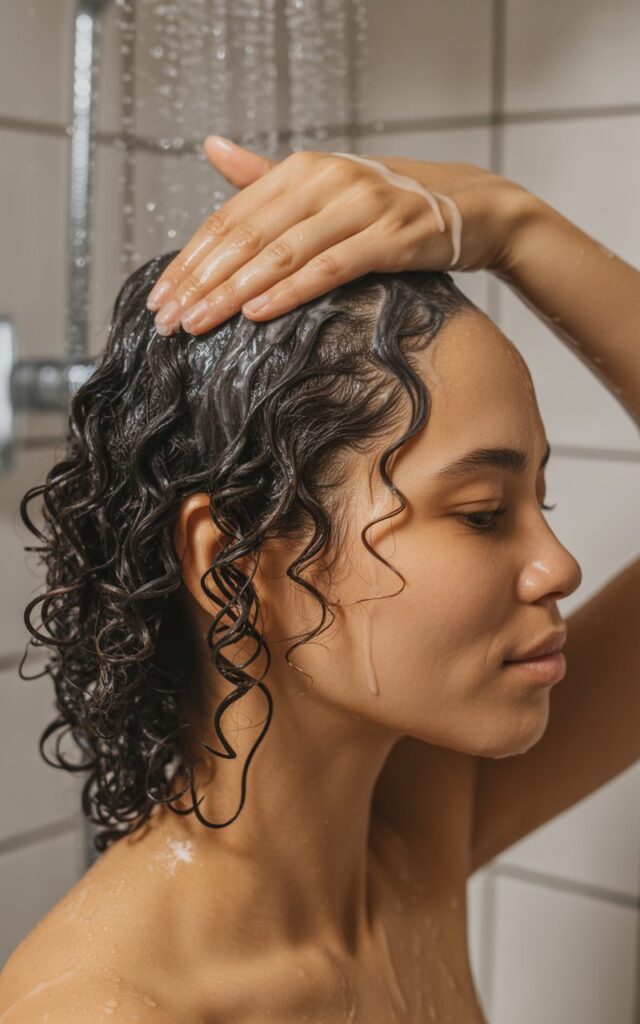
If there is one thing to get right with Type 4 hair, it is moisture. Not oil — moisture. Water is what truly hydrates the hair strand, and oil only seals that hydration in. A lot of women make the mistake of piling on thick butters and oils first, without wetting the hair properly. The result feels greasy but the strands themselves are still dry underneath.
The LOC method — Liquid, Oil, Cream — was built around this understanding. You start with water or a water-based leave-in conditioner, then apply an oil to seal, then layer a cream on top to lock everything in. This layering approach keeps moisture trapped inside the strands rather than letting it evaporate within hours of application. For women with 4C hair specifically, doing this consistently is what separates hair that thrives from hair that just survives.
2. Deep Condition Every Single Wash Day
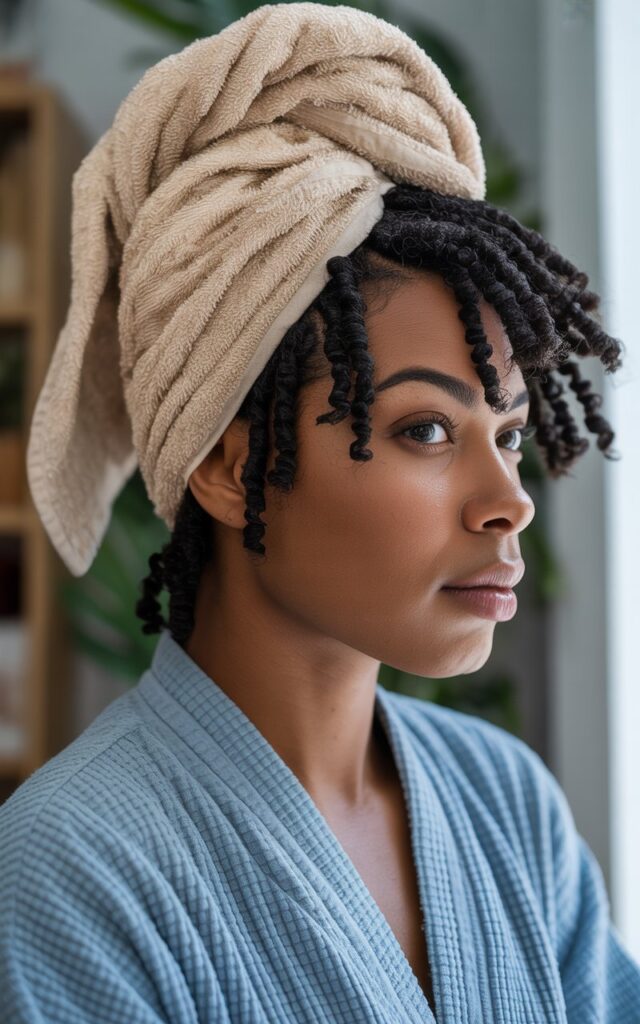
Deep conditioning is not optional for this hair type — it is the backbone of a healthy routine. While most hair types can get away with a regular conditioner rinse, Type 4 coils need the kind of concentrated treatment that only a deep conditioner can provide. Weekly is the standard recommendation, and it makes a real difference over time.
The key is leaving the product on long enough for it to actually penetrate the shaft — at minimum 20 to 30 minutes, though an hour or more gives even better results. Using heat, whether from a hooded dryer or simply wrapping your head in a warm towel, helps open the cuticle and lets the conditioner work more effectively. Look for a formula that balances both moisture and protein, because tightly coiled hair needs both to stay elastic and strong.
3. Wash With a Sulfate-Free Shampoo
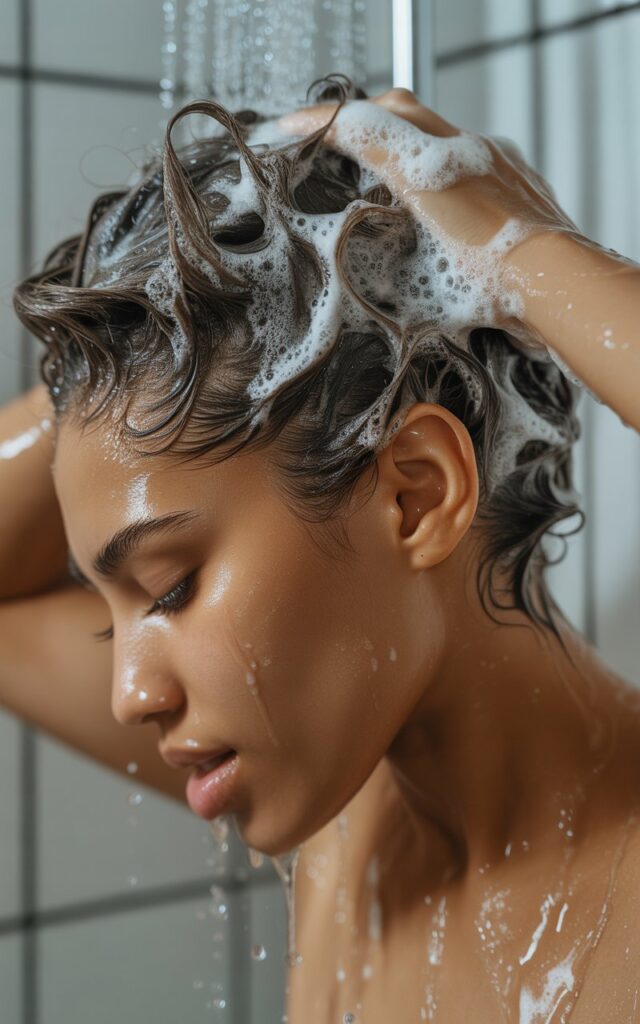
Regular shampoos that contain sulfates are far too harsh for coily hair. Sulfates are detergents — effective at removing buildup, yes, but also at stripping the natural oils that tightly coiled strands desperately need to hold onto. After a sulfate wash, the hair can feel brittle, rough, and stripped down to almost nothing.
Switching to a sulfate-free shampoo — or alternating with a cleansing conditioner (co-wash) — keeps the scalp clean without the brutal strip. That said, co-washing alone is not enough long-term. Product buildup is a real issue with Type 4 hair since heavy styling products are common, and that buildup can block moisture absorption if it is not cleared out regularly. A mild clarifying shampoo every few weeks handles this without going overboard.
4. Detangle Gently and Always on Damp Hair
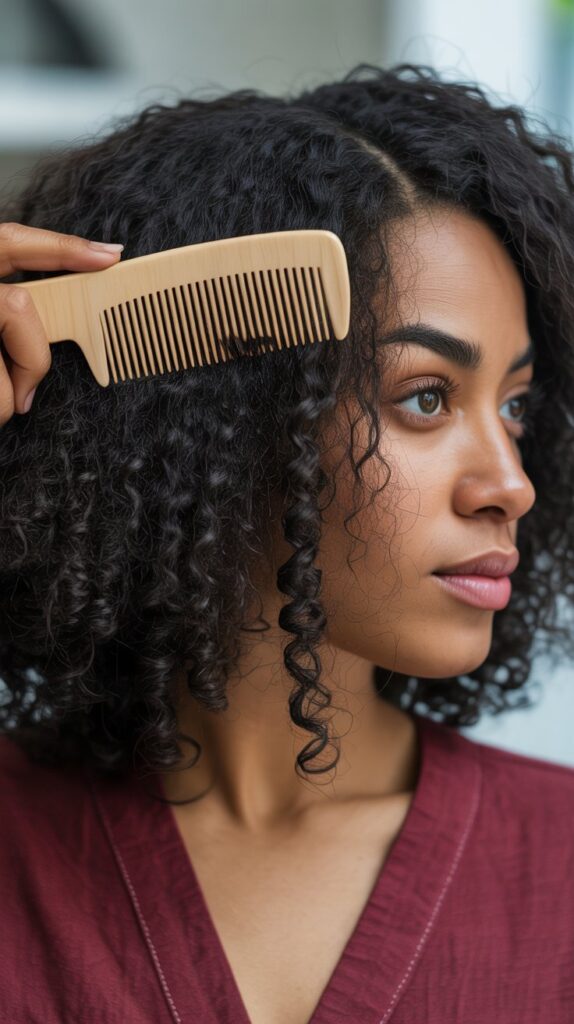
Detangling dry Type 4 hair is one of the fastest ways to cause breakage. The strands are at their most fragile when they are dry, and forcing a comb through tangled, dry coils snaps the hair rather than releasing the knot. Always detangle when the hair is damp and well-coated with a conditioner or detangling product that gives good slip.
Finger detangling first — before ever reaching for a comb — removes the bigger tangles without putting stress on the hair. Once the major knots are out, a wide-tooth comb works best, starting at the ends and working upward in small sections. Rushing this step is what causes the most damage on wash day, so give it the time it needs.
5. Use Protective Styles the Right Way
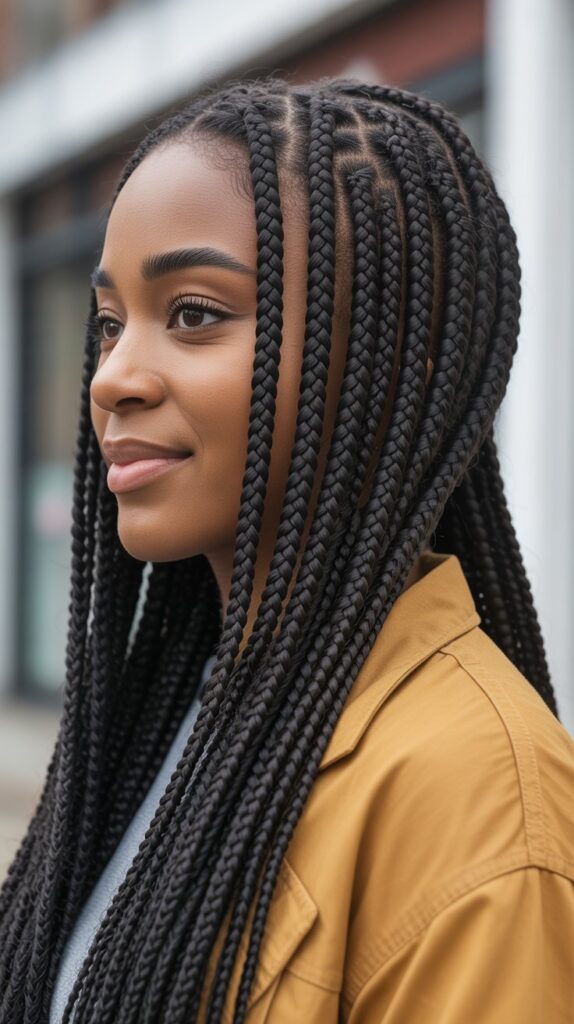
Protective styles — braids, twists, buns, wigs, and similar looks — are one of the most effective tools for retaining length with Type 4 hair. By tucking the ends away, you reduce daily manipulation and protect the most fragile parts of the strand from friction, dryness, and breakage. But they only work as intended when done correctly.
A few things to keep in mind:
- Tight styles cause traction alopecia over time. The style should never pull at your hairline.
- Moisturize while in protective styles. Tucked hair still needs regular spritzing with water or leave-in.
- Give your hair rest periods between styles. Keeping your hair in protective styles back to back without breaks can cause more harm than good.
6. Protect Your Hair at Night
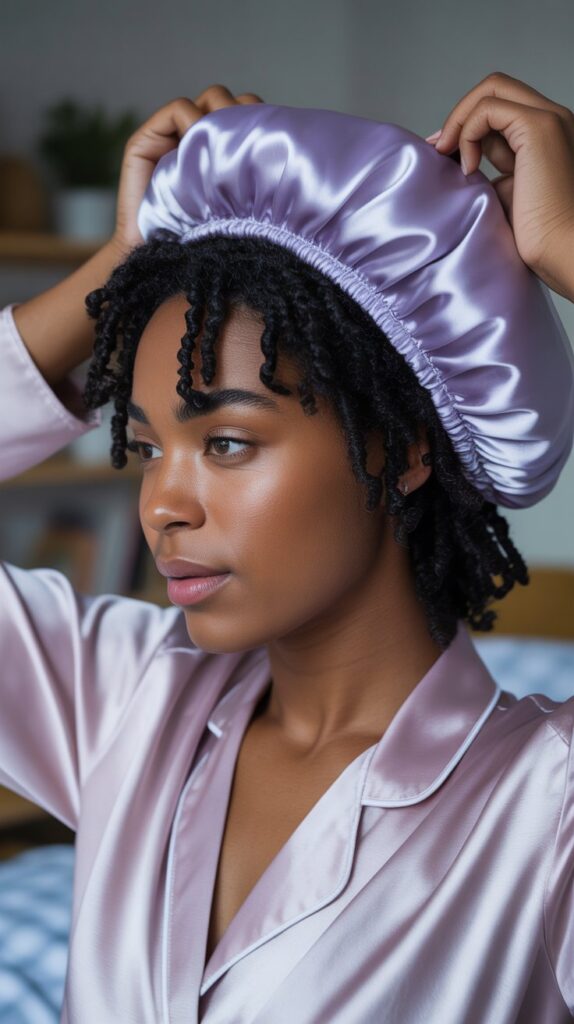
Cotton pillowcases absorb moisture and create friction — two things that are bad news for tightly coiled strands. Sleeping on cotton means your hair is losing hydration every single night, which adds up to noticeable dryness and breakage over time. This is an easy fix that makes a larger difference than most women expect.
A satin or silk bonnet is the standard recommendation, and for good reason — it locks in moisture, reduces friction, and keeps your style intact. A satin pillowcase works as a backup option for nights when a bonnet slips off. Either way, this one habit consistently helps with moisture retention between wash days.
7. Trim Regularly to Remove Split Ends
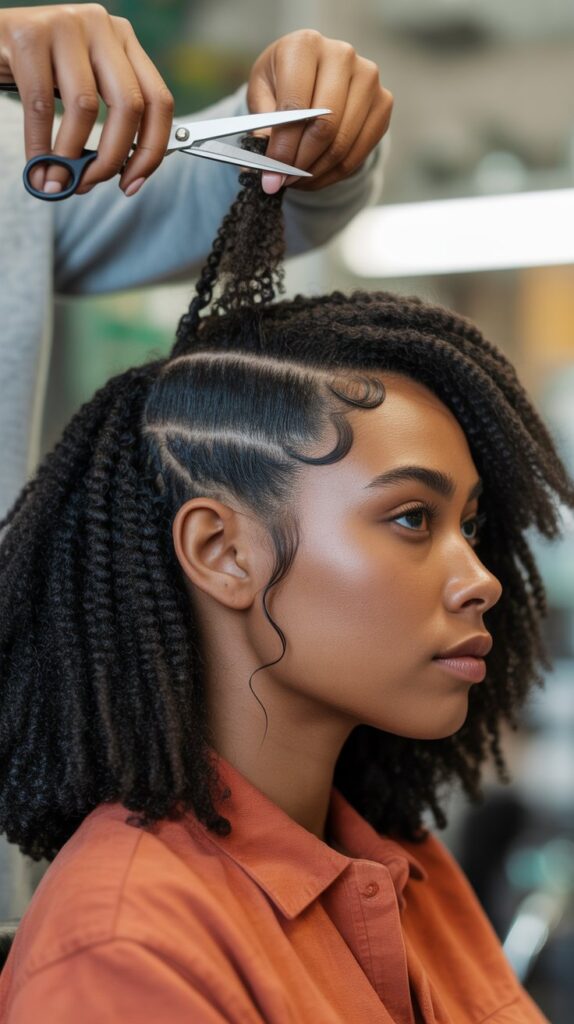
Split ends and damaged tips do not heal on their own. They travel up the shaft and cause more breakage the longer they are left on. Women who skip trims in an effort to retain length often end up losing more hair in the long run, because the damage keeps spreading.
A trim every eight to twelve weeks keeps the ends clean and reduces single-strand knots, which are especially common with 4C hair. You do not need to take off a lot — just enough to clear any damage. Hair that has healthy ends holds moisture better and has a much easier time reaching and maintaining length.
8. Avoid Excessive Heat

Heat — flat irons, blow dryers, curling wands — is particularly damaging on Type 4 hair because the coil pattern makes the strand more vulnerable to heat stress. Regular heat use without proper protection breaks down the protein structure of the hair over time, leaving it limp, brittle, and prone to breakage. Some women also experience heat damage that alters their curl pattern permanently.
Going heat-free as much as possible is the safest approach. When heat is used, a good heat protectant applied to damp hair beforehand is non-negotiable. Keeping temperatures at the lowest effective setting and limiting heat styling to once or twice a month gives the hair time to recover and hold onto its natural moisture levels.
9. Read Your Product Labels
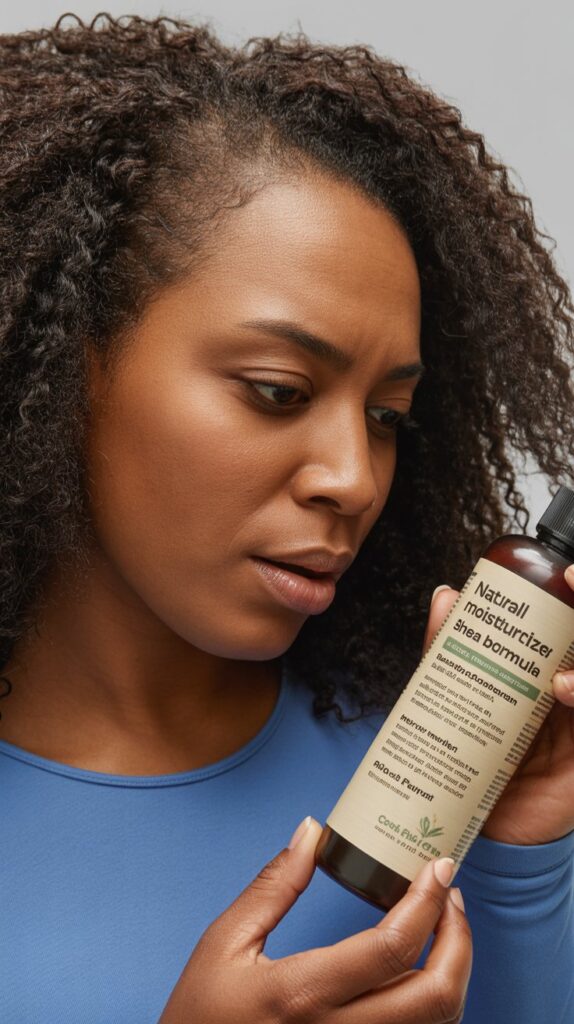
Not every product marketed to natural hair is actually good for it. Silicones, for example, create a coating on the strand that looks smooth and shiny at first but eventually builds up and blocks moisture from getting in. Sulfates, as mentioned earlier, strip the hair aggressively. Certain alcohols dry the strands out rather than hydrating them.
Ingredients worth looking for include water (as the first ingredient in any moisturizer), shea butter, glycerin, aloe vera, and natural oils like jojoba, castor, or avocado. Hydrolyzed proteins — such as hydrolyzed silk or wheat protein — help strengthen fine or fragile strands when used in the right balance. Getting in the habit of reading labels before buying helps avoid products that set your routine back more than they help it.
Your Coils Deserve a Routine That Actually Works
Type 4 hair does not need to be hard. What it needs is consistency, the right products, and a realistic understanding of how the texture behaves. Once those pieces are in place, the results — less breakage, better moisture retention, more length — tend to come faster than most women expect.
Start with the basics: moisture first, deep conditioning every wash day, gentle handling, and protective habits at night. Build from there. The goal is not a perfect routine — it is a routine that your hair actually responds to, one that you can stick with long enough to see real change.
Frequently Asked Questions
Q: What is the difference between Type 4A, 4B, and 4C hair?
A: All three fall under the Type 4 category, which means tightly coiled, but they differ in coil size and shape. Type 4A has a defined S-shaped coil pattern. Type 4B has a Z-shaped or angular pattern with less curl definition. Type 4C is the tightest of the three, with very little visible curl pattern and the most shrinkage. All three types share the same need for moisture and gentle care, but 4C generally requires the most consistent hydration routine.
Q: How often should Type 4 hair be washed?
A: Once a week to once every two weeks is a reasonable range for most women with this texture. Washing too often strips the hair of its natural oils, which are already scarce due to the coil structure. However, going longer than two weeks can lead to product buildup on the scalp that blocks healthy growth. How your hair feels — whether it seems overly dry or weighed down — is a good guide for finding your personal wash frequency.
Q: What is the LOC method and does it work for Type 4 hair?
A: The LOC method stands for Liquid, Oil, Cream. You apply a water-based liquid or leave-in conditioner first to hydrate the strand, then seal with an oil, then layer a cream on top to lock everything in. It was designed specifically for high-porosity and tightly coiled hair types, and it is widely considered one of the most effective moisture retention methods for Type 4 textures. Some women prefer the LCO variation — Liquid, Cream, Oil — which places the oil on top as a final sealant. Both work; the right one depends on your hair’s porosity and how it responds.
Q: How do I prevent breakage with Type 4 hair?
A: The most effective ways to reduce breakage are consistent deep conditioning, gentle detangling on damp hair, reducing heat use, and protecting your hair at night with a satin bonnet. Regular trims also play a bigger role than most women expect — split ends spread up the shaft and cause more breakage the longer they are left untreated. Keeping the hair moisturized is also critical, since dry, brittle strands snap far more easily than hydrated, elastic ones.
Q: Are protective styles necessary for growing Type 4 hair?
A: They are not the only path to length retention, but they are one of the most reliable ones. Protective styles work by reducing daily manipulation and shielding the ends of the hair from friction and dryness. If you maintain your hair well without protective styles — keeping it moisturized, minimizing heat, handling it gently — you can absolutely retain length without them. The key is addressing the same factors they are designed to control.
Q: What ingredients should I avoid in products for Type 4 hair?
A: Sulfates and drying alcohols strip moisture from the hair. Silicones coat the strand and prevent moisture from getting in over time. Mineral oil and petrolatum can also create a barrier that blocks hydration rather than supporting it. Stick to products that list water high on the ingredient list, use natural oils and butters, and avoid anything heavy in silicones unless you are doing regular clarifying washes to remove the buildup.
Q: How do I know if my Type 4 hair needs more protein or more moisture?
A: Hair that is lacking moisture tends to feel dry, rough, and shrinks excessively. Hair that is lacking protein tends to feel mushy, limp, or stretches without snapping back. Most Type 4 hair needs a balance of both, leaning heavier toward moisture in most cases. If your deep conditioner has been causing your strands to feel soft but weak, a light protein treatment can restore structure. If the hair feels straw-like and brittle, more moisture is the answer.
Q: Can I wear my Type 4 hair in wash-and-go styles?
A: Yes, and for many women it is actually one of the best low-manipulation options available. A well-executed wash-and-go on properly moisturized hair reduces daily styling and leaves the coils to air dry with minimal fuss. The key is applying a curl-defining product on soaking wet hair and avoiding touching it while it dries. The more you handle it mid-dry, the more frizz and disruption you will get. Not every technique works for every woman, but wash-and-go styles are absolutely doable on Type 4 hair with the right products and method.

