

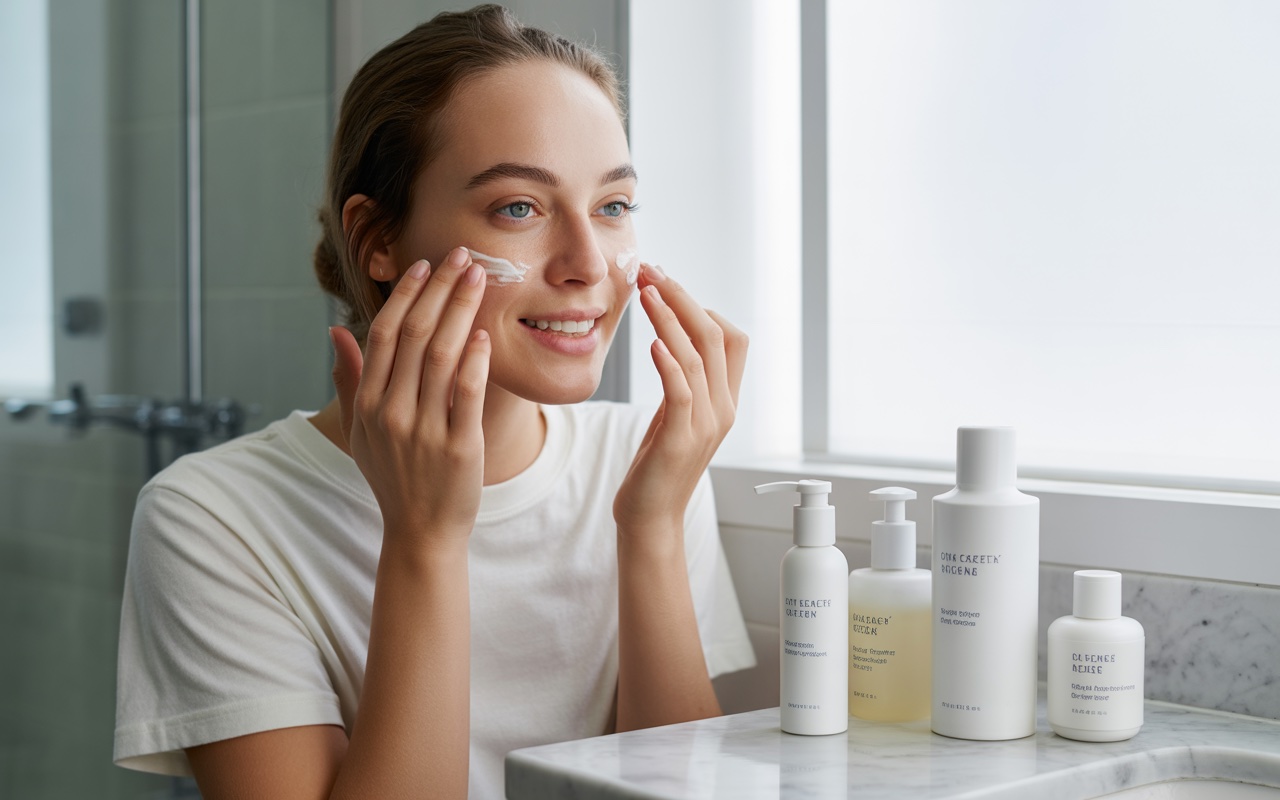
Managing oily skin can feel overwhelming. Your face gets shiny by midday. Makeup slides off. Pores look larger than you’d like. These are common frustrations that many women experience daily. But here’s the good news: with the right products in your routine, you can control excess oil production and achieve a balanced, healthy complexion. The key is knowing which essentials actually work and why they matter for your specific skin type.
Oily skin happens when your sebaceous glands produce too much sebum. This excess oil can lead to clogged pores, breakouts, and that unwanted shine. Many women try to combat this by over-washing or using harsh products, which actually makes the problem worse. Your skin responds to stripping by producing even more oil. The solution isn’t about eliminating oil completely—your skin needs some natural oils to stay healthy. It’s about finding balance through smart product choices that regulate sebum without causing irritation.
The right skincare routine can transform how your skin looks and feels. We’ll cover nine must-have products that address oily skin’s specific needs. From cleansers that remove excess sebum without over-drying to treatments that minimize pores and control shine throughout the day, each product serves a specific purpose.
Gel-Based Cleanser

A gel-based cleanser is your first line of defense against excess oil. These lightweight formulas cut through sebum, dirt, and makeup without leaving a greasy residue. Unlike cream cleansers that can add extra moisture your skin doesn’t need, gel cleansers rinse clean and leave your face feeling fresh.
Why Gel Cleansers Work
Gel formulas typically contain ingredients that target oil production while maintaining your skin’s pH balance. Look for products with salicylic acid or tea tree oil. These ingredients dissolve the buildup in your pores without stripping away essential moisture. Your skin should feel clean but never tight or uncomfortable after washing.
How to Use It
Wash your face twice daily—once in the morning and once before bed. Use lukewarm water, not hot. Hot water can trigger more oil production. Massage the cleanser gently for 30 seconds, then rinse thoroughly. Pat dry with a clean towel rather than rubbing, which can irritate your skin and stimulate more sebum.
Salicylic Acid Exfoliant
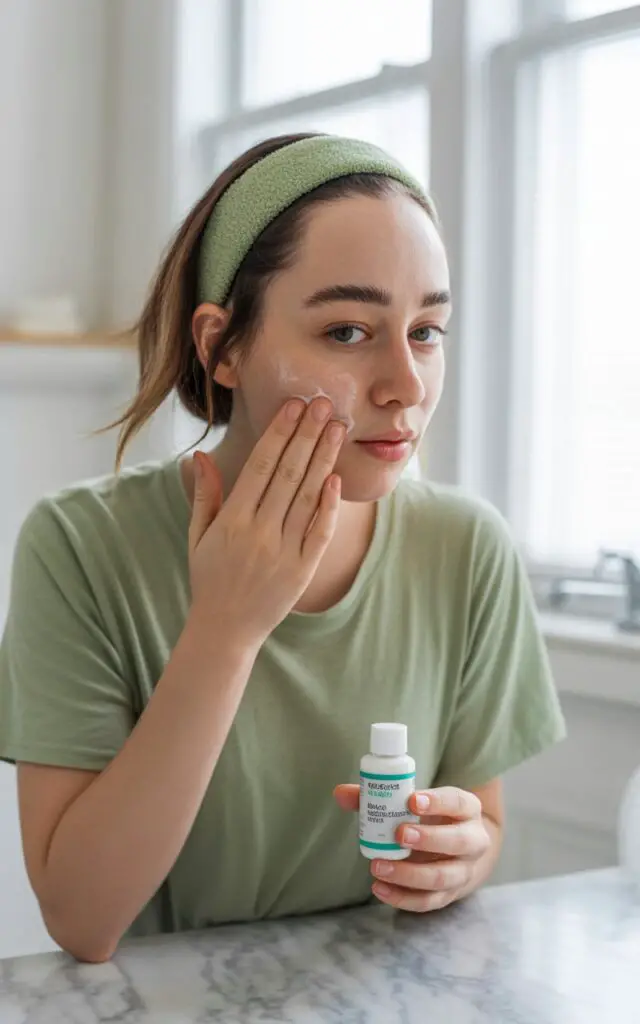
Dead skin cells mix with excess oil to clog your pores. Salicylic acid breaks down this combination by penetrating deep into pores. This beta hydroxy acid (BHA) is oil-soluble, which means it can cut through sebum where other exfoliants can’t reach.
Regular use prevents blackheads and whiteheads from forming. It also smooths rough texture and reduces the appearance of enlarged pores. Start with a 2% concentration if you’re new to chemical exfoliants. Your skin needs time to adjust.
Apply it after cleansing, either as a toner or treatment serum. Begin using it every other night, then increase to daily use once your skin tolerates it well. Some formulas come as leave-on treatments, while others are designed as quick washes. Leave-on versions deliver better results because they have more time to work. Here’s what this ingredient does for you:
Unclogs Pores: Dissolves the debris stuck inside pores, preventing future breakouts.
Reduces Inflammation: Calms existing blemishes and reduces redness.
Refines Texture: Removes dead surface cells for smoother, clearer skin.
Lightweight Moisturizer
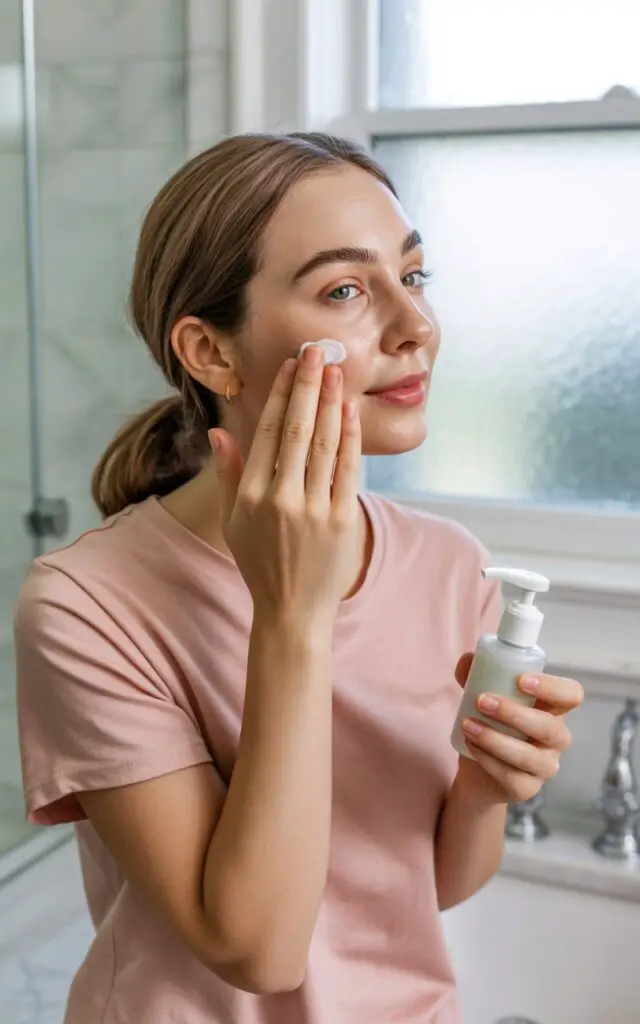
Yes, oily skin needs moisturizer. Skipping this step actually backfires. Your skin detects dryness and compensates by producing more oil. The trick is choosing the right formula—one that hydrates without adding greasiness.
Oil-Free Formulas
Look for gel or water-based moisturizers labeled as non-comedogenic. These won’t clog your pores. Ingredients like hyaluronic acid provide hydration by drawing moisture into your skin without feeling heavy. Glycerin works similarly, attracting water molecules to keep your skin plump and comfortable.
Avoid thick creams or anything with mineral oil, coconut oil, or cocoa butter. These ingredients are too rich for oily skin types. Apply moisturizer while your skin is still slightly damp from cleansing. This helps lock in hydration more effectively.
Clay Mask

Clay masks are excellent weekly treatments for absorbing excess sebum. Bentonite clay and kaolin clay are particularly effective. They draw out impurities, tighten pores, and leave your skin looking mattified.
Use a mask once or twice per week, not daily. Overuse can dry out your skin and trigger rebound oil production. Apply a thin, even layer to clean skin. Leave it on for 10-15 minutes—just until it starts to dry but before it cracks. Rinse with lukewarm water and follow with your regular moisturizer.
Your skin might look slightly pink after removing the mask. This is normal and should fade within 30 minutes. Some masks contain added ingredients like charcoal for extra detoxification or sulfur to target acne-prone areas. Choose based on your specific concerns beyond just oil control.
Niacinamide Serum

Niacinamide, also called vitamin B3, is a multitasking ingredient that regulates sebum production. Research shows it can reduce oil output by up to 30% with consistent use. This water-soluble vitamin also strengthens your skin barrier, minimizes pore appearance, and evens out skin tone.
Benefits Beyond Oil Control
This ingredient works well with other products in your routine. It plays nicely with retinol, vitamin C, and chemical exfoliants. You won’t need to worry about ingredient conflicts. Most serums contain 5-10% niacinamide, which is the effective range for controlling oil.
Apply it after cleansing and exfoliating but before moisturizer. A few drops are enough for your entire face. You should notice less midday shine within 2-4 weeks of daily use. Here’s what else niacinamide offers:
Minimizes Pores: Reduces the appearance of enlarged pores over time.
Fades Hyperpigmentation: Lightens dark spots left by old breakouts.
Strengthens Skin: Builds up your moisture barrier for better resilience.
Mattifying Sunscreen
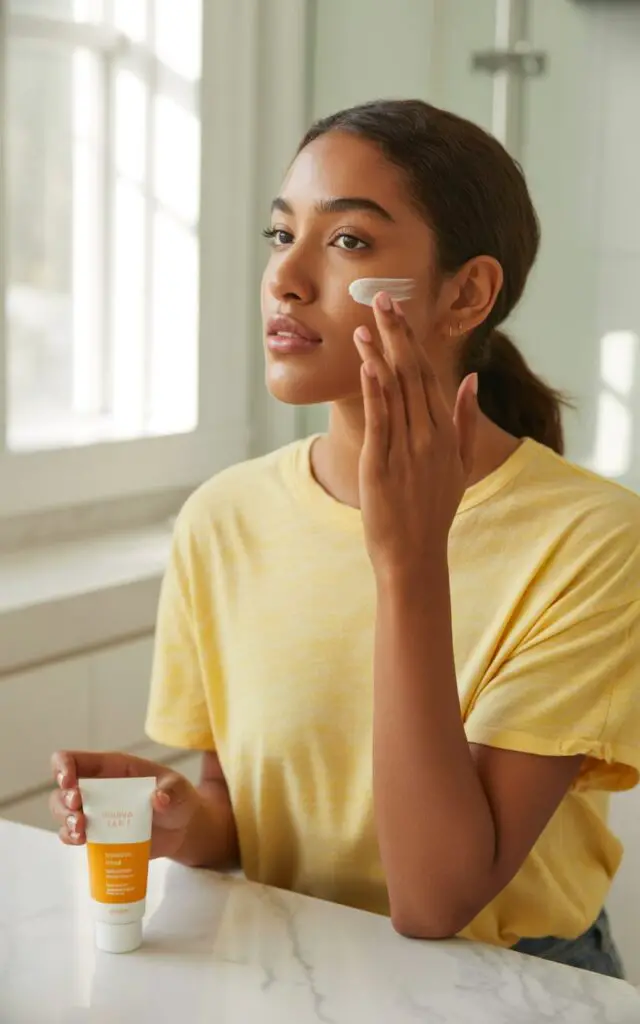
Sun protection is non-negotiable, but regular sunscreens can feel greasy on oily skin. Mattifying formulas control shine while protecting against UV damage. Look for products labeled “oil-free” and “non-comedogenic” with at least SPF 30.
Chemical sunscreens tend to feel lighter than physical ones. Ingredients like avobenzone and octinoxate absorb into skin more easily. Physical sunscreens with zinc oxide or titanium dioxide can leave a white cast and feel heavier, though newer formulations have improved.
Apply sunscreen as the last step in your morning routine. Use enough to cover your face and neck—about a nickel-sized amount. Reapply every two hours if you’re outdoors. Many mattifying sunscreens contain silica or silicones that absorb oil throughout the day, giving you that blurred, shine-free finish makeup primers promise.
Blotting Papers
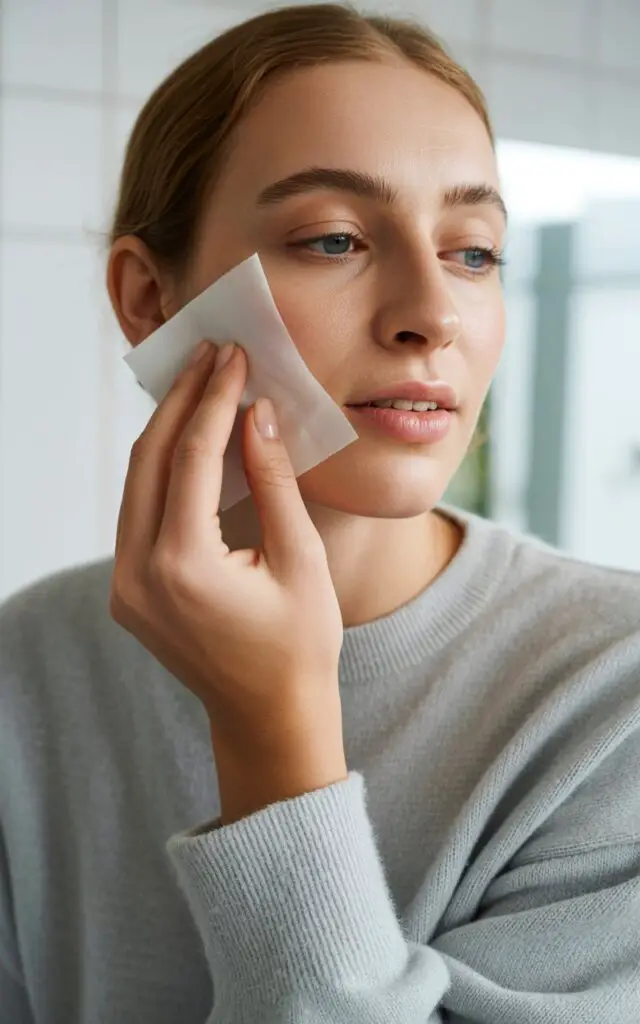
Blotting papers are your portable solution for midday shine. These thin sheets absorb excess oil without disturbing your makeup or adding more product to your face. They’re perfect for quick touch-ups at work or on the go.
How They Work
Press a sheet gently against oily areas like your forehead, nose, and chin. Don’t rub or wipe—just press and hold for a few seconds. The paper absorbs surface oil while leaving your skin’s natural moisture intact. One or two sheets per area is usually enough.
Keep a pack in your purse, desk drawer, or car. Some papers contain powder for extra mattifying power, while others are plain. Plain versions work better if you wear makeup because they won’t alter your foundation color. Replace them every few hours as needed, but avoid over-blotting, which can signal your skin to produce more oil.
Balancing Toner
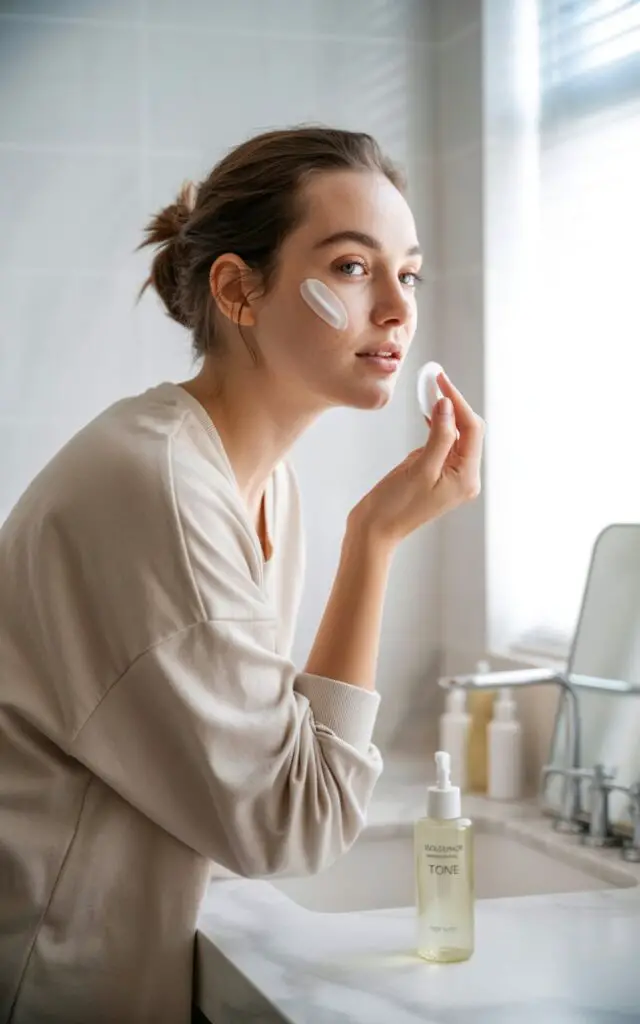
Toners help restore your skin’s pH after cleansing and prep it to absorb other products better. For oily skin, look for alcohol-free formulas with ingredients like witch hazel, tea tree oil, or rose water. These calm inflammation and tighten pores without causing dryness.
Apply toner after cleansing and before serums. Soak a cotton pad and sweep it across your face, or pat it directly onto skin with your hands. Toners with alpha hydroxy acids (AHAs) provide gentle exfoliation, while those with rose water offer soothing benefits. Some contain multiple active ingredients for comprehensive oil control.
Avoid toners with high alcohol content. They feel refreshing initially but strip your skin, leading to more oil production. Check the ingredient list—alcohol should not be in the top five ingredients. Use toner twice daily for best results. Here’s what a good toner provides:
Balances pH: Restores your skin’s natural acidity after cleansing.
Preps Skin: Helps serums and treatments absorb more effectively.
Tightens Pores: Creates a smoother, more refined appearance.
Retinol Treatment

Retinol is a vitamin A derivative that regulates cell turnover and sebum production. It’s one of the most researched skincare ingredients for treating oily, acne-prone skin. Regular use unclogs pores, smooths texture, and reduces breakouts.
Start with a low concentration, around 0.25-0.5%, and use it only at night. Retinol makes your skin more sensitive to sunlight, which is why daytime sunscreen is crucial. Apply a pea-sized amount to dry skin after cleansing and toning. Wait 20 minutes before applying moisturizer to minimize irritation.
Your skin might experience some dryness or peeling during the first few weeks. This is normal as your skin adjusts. If irritation occurs, reduce frequency to every other night until your skin builds tolerance. Results take time—you’ll typically see improvement after 8-12 weeks of consistent use. Retinol also offers anti-aging benefits, making it a smart long-term investment in your skincare routine.
Finding Your Balance
Controlling oily skin isn’t about harsh treatments or complicated routines. It’s about choosing products that work with your skin rather than against it. The nine essentials covered here target excess oil production while maintaining the healthy moisture your skin needs. Each product serves a specific function, from deep pore cleansing to oil absorption throughout the day.
Building an effective routine takes patience. Your skin won’t transform overnight, but consistent use of the right products brings real results. Start with the basics—cleanser, moisturizer, and sunscreen—then add treatments like salicylic acid and niacinamide gradually. Pay attention to how your skin responds and adjust accordingly. With the right approach, you can achieve that balanced, healthy complexion you’re looking for.
Frequently Asked Questions
Q: How often should I wash my face if I have oily skin?
A: Wash your face twice daily—morning and night. Washing more frequently strips your skin and triggers more oil production. Stick to a gentle gel cleanser and lukewarm water.
Q: Can I skip moisturizer if my skin is already oily?
A: No, you should never skip moisturizer. Oily skin still needs hydration. Choose a lightweight, oil-free formula that won’t clog pores. Skipping moisturizer makes your skin produce more oil to compensate for dryness.
Q: Will using oil-control products make my skin completely matte?
A: These products reduce excess shine but won’t eliminate all natural oils. Your skin needs some sebum to stay healthy. The goal is balance, not complete oil elimination.
Q: How long does it take to see results from a new skincare routine?
A: Most products need 4-6 weeks of consistent use before you notice significant changes. Active ingredients like retinol may take 8-12 weeks to show full results. Be patient and stick with your routine.
Q: Should I use hot or cold water to wash oily skin?
A: Use lukewarm water. Hot water strips your skin and stimulates more oil production. Cold water doesn’t effectively remove oil and dirt. Lukewarm water cleanses without causing irritation.
Q: Can diet affect how oily my skin is?
A: Yes, diet can influence oil production. High-glycemic foods and dairy may increase sebum output in some people. Staying hydrated and eating a balanced diet supports overall skin health.
Q: Is it normal for my skin to feel tight after cleansing?
A: No, tightness indicates your cleanser is too harsh. Your face should feel clean and comfortable, not stripped. Switch to a gentler gel cleanser formulated for oily skin.
Q: Can I use multiple oil-control products at once?
A: Yes, but introduce them gradually. Start with one or two products, then add others once your skin adjusts. Using too many active ingredients at once can cause irritation and worsen oil production.

